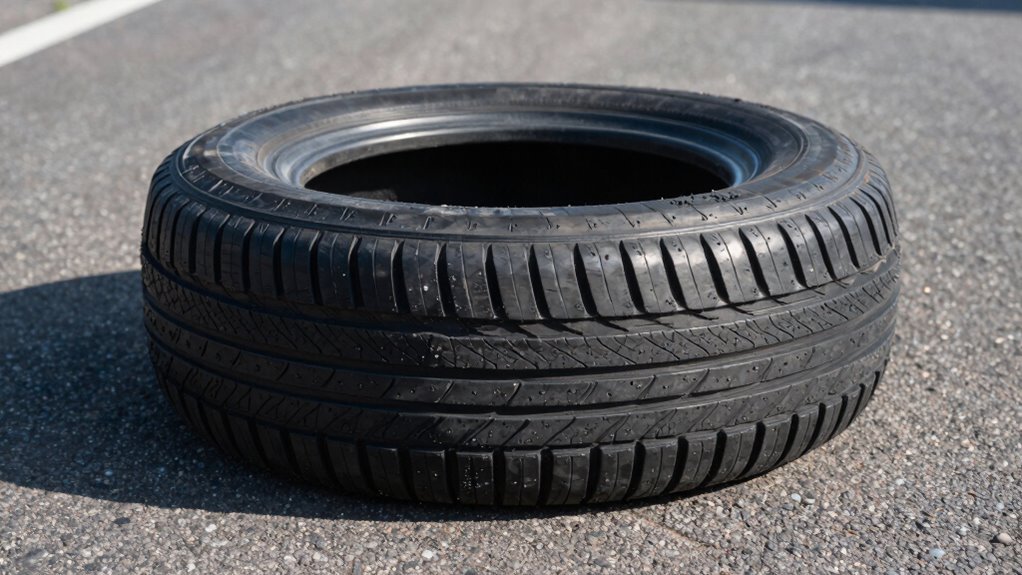

Temperature greatly impacts your tire pressure, which in turn affects your grip and safety. When it’s cold, air contracts, causing pressure to drop and reducing traction—your tires might feel softer or less responsive. Hot weather causes air to expand, increasing pressure and risking overinflation, which can reduce grip and control. Keeping an eye on your tire pressure and adjusting for seasonal changes helps maintain ideal handling. If you want to learn how to stay safe year-round, stay with us.

Get audio and creator gear delivered free with Prime
- Fast, free delivery on millions of items
- Prime Video, Amazon Music and more included
- Member-only deals all year
Key Takeaways
- Temperature fluctuations cause tire pressure to expand in heat and contract in cold, affecting grip and handling.
- Overinflated tires in hot weather reduce contact with the road, decreasing traction and safety.
- Underinflated tires in cold weather increase flex and heat, impairing grip and increasing risk of accidents.
- Regularly monitoring tire pressure ensures optimal contact patch and safety amid seasonal temperature changes.
- Proper tire maintenance, including pressure checks and adjustments, maintains grip and extends tire lifespan in variable weather.
As an affiliate, we earn on qualifying purchases.
Why Tire Pressure Matters for Your Car’s Safety and Performance

Proper tire pressure is crucial because it directly affects your car’s safety and how well it performs on the road. Many tire pressure myths circulate, causing confusion about what’s correct. Some believe you only need to check pressure in extreme weather, but seasonal tire care is essential year-round. Maintaining the right pressure ensures ideal contact with the road, improving handling, braking, and fuel efficiency. Underinflated tires can lead to blowouts and uneven wear, while overinflated ones reduce grip and comfort. Don’t rely on outdated beliefs or assumptions; regularly check your tire pressure and follow manufacturer recommendations. Understanding the importance of proper tire pressure helps you avoid accidents, extend tire life, and enjoy a safer, smoother driving experience. Additionally, tire pressure monitoring systems can provide real-time alerts to help maintain optimal pressure effortlessly. Staying informed about vehicle safety features and how they complement proper tire maintenance can further enhance your driving safety. Regularly inspecting your tires for wear and damage is also key to maintaining optimal performance and safety. Moreover, using reliable measurement tools ensures your readings are accurate, preventing guesswork and helping you maintain optimal grip on the road. Being aware that seasonal temperature fluctuations can impact tire pressure emphasizes the importance of consistent checks regardless of weather changes.
How Temperature Affects Tire Pressure: The Basics You Need to Know
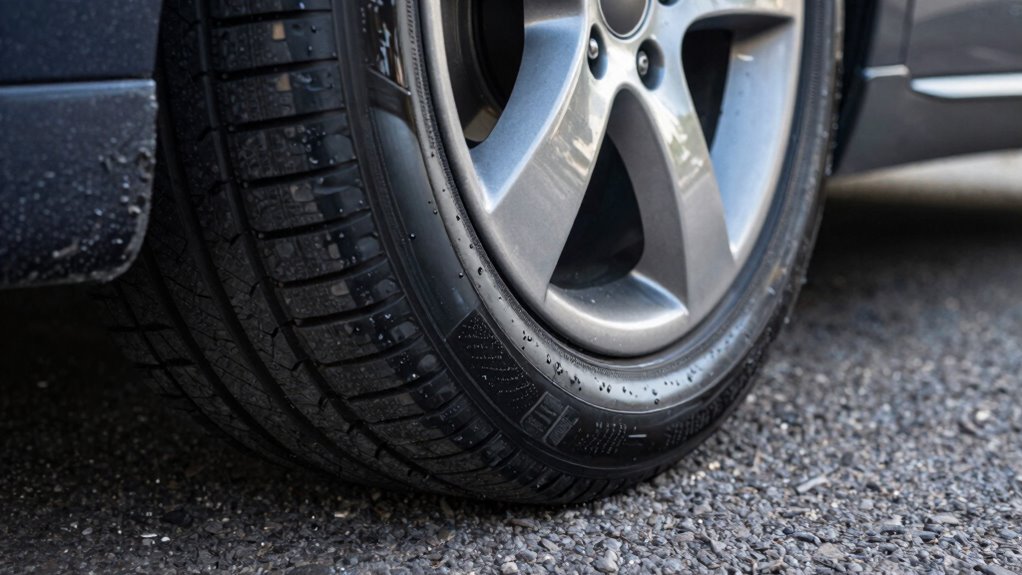
Temperature changes can substantially impact your tire pressure, so you need to understand how hot or cold weather affects it. As temperatures rise, your tires may become overinflated, while cooler weather can lead to underinflation. Knowing the ideal inflation tips helps you maintain safe and efficient tire pressure regardless of the season. Additionally, understanding Free Floating concepts can help you better manage your vehicle’s performance in varying conditions. Recognizing pressure fluctuations caused by temperature variations allows for more accurate tire maintenance and improved safety. Being aware of seasonal adjustments can further optimize your tire pressure management strategies for different climates and driving conditions. Incorporating temperature-related factors into your maintenance routine ensures that your tire pressure remains consistent and safe throughout the year. Monitoring ambient temperature can also provide valuable insights for proactive tire care, especially during extreme weather changes.
Temperature’s Impact on Pressure
When the weather gets colder, your tires can lose pressure, and when it warms up, they tend to expand and increase in pressure. This fluctuation is why tire pressure monitoring systems are essential—they help you stay aware of changes caused by temperature shifts. Accurate readings depend on proper temperature sensor calibration; if sensors aren’t calibrated correctly, you might misjudge your tire’s condition. As temperatures drop, air contracts, lowering pressure; as they rise, air expands, increasing pressure. These natural changes can affect your grip and handling if not monitored closely. Understanding this relationship helps you anticipate pressure adjustments and avoid under- or over-inflation, ensuring your tires perform safely under varying weather conditions. Additionally, being aware of sensor calibration can help you make informed decisions about vehicle maintenance and safety. Recognizing the net worth of public figures involved in the automotive or entertainment world can sometimes offer context for their endorsements or appearances related to vehicle safety campaigns. Recognizing how temperature fluctuations impact tire pressure enables you to better plan for seasonal changes and prevent potential safety issues.
Optimal Tire Inflation Tips
Understanding how temperature influences tire pressure can help you maintain ideal inflation levels year-round. To avoid common tire pressure myths, don’t rely solely on a fixed pressure setting. Seasonal inflation is key; adjust your tires as temperatures change to prevent under- or over-inflation. Check your tire pressure regularly, especially when the weather shifts. Use a reliable gauge and follow your vehicle’s recommended PSI, but remember to account for temperature fluctuations. Avoid over-inflating in summer or under-inflating in winter, as both can impact grip and safety. Here are some tips to keep in mind:
- Check pressure before long trips or extreme weather changes
- Use the vehicle manufacturer’s recommended PSI as a baseline
- Adjust seasonally for temperature variations
- Don’t fall for tire pressure myths about “set it and forget it”
- Regularly inspect tires for signs of improper inflation
- Keep in mind that proper maintenance can extend your tires’ lifespan and improve safety.
- Understanding Bank SWIFT/BIC codes can also help ensure your financial transactions are secure, much like maintaining proper tire pressure ensures safety on the road.
- Remember that air temperature directly impacts tire pressure, so being aware of weather conditions can help you make necessary adjustments. Additionally, understanding how Glycolic Acid benefits can improve skin health highlights the importance of regular maintenance—whether for your vehicle or your skin.
- Local climate conditions can further influence how often you should check and adjust your tire pressure for optimal performance.
What Is the Ideal Tire Pressure in Different Weather Conditions?
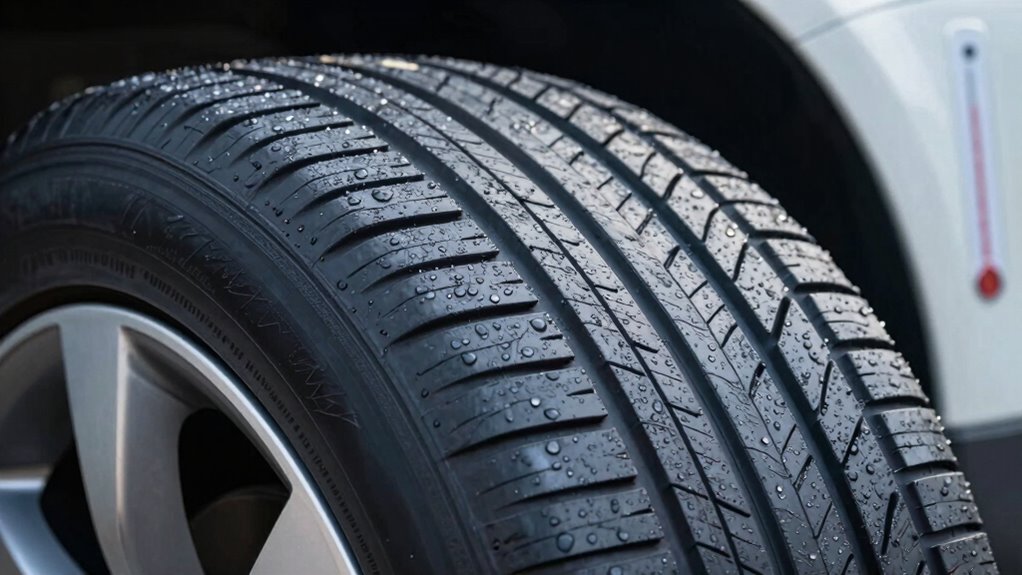
As weather conditions change, so does the ideal tire pressure for your vehicle. In colder weather, lower temperatures can cause tire pressure to drop, affecting tire durability and ride comfort. Conversely, hot weather increases pressure, which can lead to uneven wear. To maintain excellent performance, adjust your tire pressure accordingly. Use the table below as a guide:
| Weather Condition | Recommended Tire Pressure | Benefits |
|---|---|---|
| Cold | Slightly higher than standard | Improves tire durability |
| Hot | Slightly lower than standard | Enhances comfort |
| Mild | Standard pressure | Balanced grip & comfort |
| Extremely hot/cold | Consult manufacturer’s specs | Ensures safety |
Properly adjusted pressure ensures your tires perform well across conditions, providing better grip, tire durability, and comfort. Additionally, understanding temperature effects on tires can help prevent accidents caused by incorrect inflation. Recognizing how air pressure responds to environmental changes is key to maintaining safe driving conditions. Being aware of air temperature fluctuations can help you predict and manage these adjustments more effectively. Regularly monitoring your tire pressure with a reliable gauge can also prevent issues related to incorrect inflation, especially during significant weather changes. Maintaining the right tire pressure is crucial for optimal vehicle handling and safety in varying weather conditions.
Why Cold Weather Causes Tire Pressure to Drop and What to Do
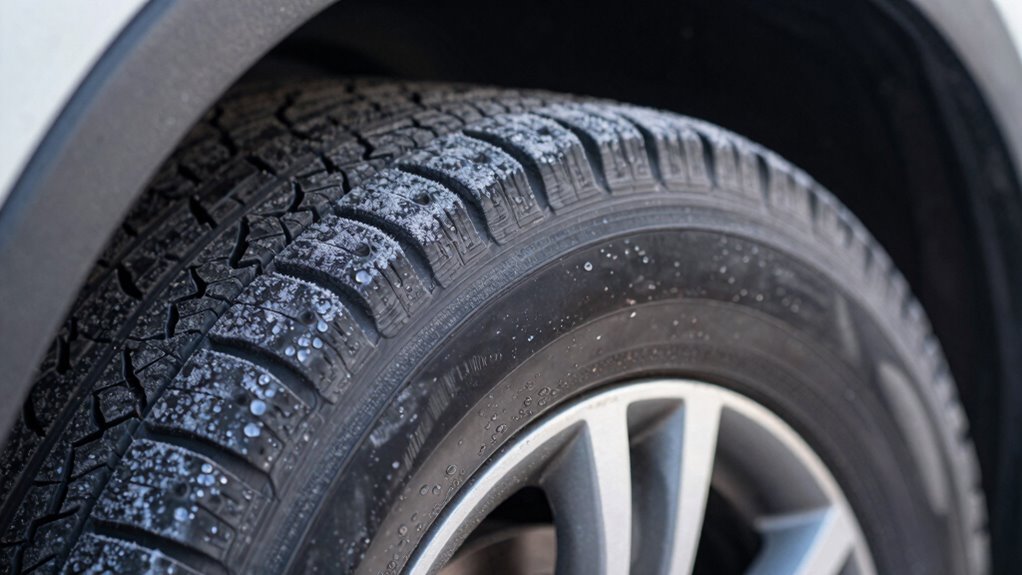
When the temperature drops, the air inside your tires contracts, causing pressure to decrease. To keep your tires in good shape, you should check and adjust the pressure regularly, especially in cold weather. Proper tire maintenance guarantees safety and ideal performance year-round. Additionally, understanding how temperature affects air pressure can help you better anticipate changes and maintain optimal tire conditions. For instance, using a flat iron bike or other electric bikes requires maintaining proper tire pressure to ensure safety and performance. Being aware of tire pressure fluctuations across different seasons can also help prevent uneven wear and potential blowouts. Recognizing how temperature impacts tire pressure enables you to plan inspections proactively and avoid sudden issues while riding. Regularly monitoring tire pressure during seasonal changes is an essential part of vehicle maintenance, ensuring your ride remains safe and efficient.
Cold Air Contraction
Cold weather causes tire pressure to drop because the air inside your tires contracts as temperatures fall. This phenomenon, known as cold air contraction, occurs because the molecules in the air slow down and occupy less space. As temperatures decrease, the atmospheric pressure outside your tires also influences the pressure levels inside. When the air contracts, your tire pressure decreases, reducing grip and handling. To stay safe, you should:
- Regularly check tire pressure in cold weather
- Inflate tires to the recommended pressure
- Use a reliable tire pressure gauge
- Understand that pressure drops naturally with temperature
- Keep an eye on pressure changes during cold fronts
- Be aware that mechanical factors, like valve leaks or rim damage, can also affect tire pressure and safety.
Proper Tire Maintenance
Have you noticed your tire pressure dropping during chilly days? Proper tire maintenance helps prevent issues caused by temperature drops. Regular tire rotation ensures even wear, maintaining ideal pressure and grip. It also helps identify any weak spots or damage early. Additionally, check your wheel alignment; misalignment can cause uneven tire wear and pressure loss. During colder months, double-check your tire pressure more frequently, especially before long drives. Keeping tires inflated to the recommended PSI improves safety and fuel efficiency. If you notice persistent pressure drops, get a professional inspection to address underlying problems. Maintaining proper tire pressure through consistent tire rotation and wheel alignment not only extends your tires’ lifespan but also keeps your vehicle safe and responsive in fluctuating temperatures.
How Hot Days Can Increase Tire Pressure and Raise Safety Risks

Hot days can cause your tire pressure to rise unexpectedly, increasing the risk of blowouts or tire failure. When temperatures soar, your tires expand, often beyond the recommended levels, which is a common misconception rooted in tire pressure myths. This sudden pressure increase can compromise safety, especially if you haven’t checked your tires recently. To avoid hazards, practice seasonal tire care, adjusting pressures based on the weather. Keep in mind:
- Overinflated tires reduce grip and handling
- Heat accelerates tire wear
- Sudden pressure changes can cause blowouts
- Regular pressure checks prevent accidents
- Understanding temperature effects improves safety
How Tire Pressure Influences Your Car’s Grip and Road Safety

Proper tire pressure is vital for maintaining ideal grip and guaranteeing your safety on the road. When tire pressure trends are off, your vehicle’s handling can become unpredictable, especially during turns or sudden stops. Overinflated tires reduce the contact patch with the road, decreasing grip and increasing the risk of skidding. Underinflated tires, on the other hand, create excessive flex and heat, compromising control. Seasonal tire adjustments are essential because temperature fluctuations directly impact tire pressure, affecting traction and safety. Properly inflated tires ensure even wear, maximum grip, and better fuel efficiency. Regularly checking and adjusting your tire pressure according to seasonal needs helps you stay safe, maintain control, and avoid accidents caused by compromised grip due to incorrect tire pressure.
Signs Your Tire Pressure Is Off Due to Temperature Changes

Temperature fluctuations can silently cause your tire pressure to shift, leading to noticeable signs that something’s off. If you notice your car handling differently or uneven tire wear, it could be due to temperature-related tire pressure changes. Your tire pressure monitoring system might alert you to underinflation or overinflation, especially during seasonal tire adjustments. Pay attention to these signs:
- Reduced fuel efficiency
- Vibration or shakiness while driving
- Uneven or rapid tire wear
- The “low tire pressure” warning light
- Difficulty maintaining consistent steering
These signs indicate your tires aren’t at ideal pressure, often caused by temperature swings. Regularly monitoring your tire pressure and adjusting seasonally can prevent safety issues and ensure better grip on the road. Stay vigilant to maintain peak tire performance.
When and How to Check Your Tire Pressure for Best Accuracy
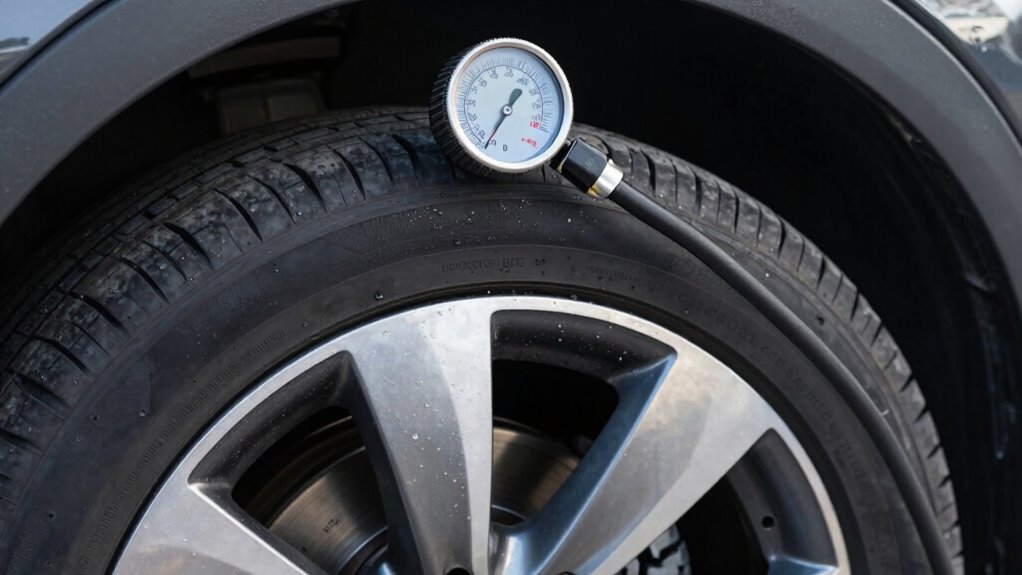
Checking your tire pressure at the right times guarantees you get the most accurate readings. Always check when your tires are cold, ideally before driving or after parking for at least three hours. This avoids errors caused by heat buildup from driving, which can lead to false readings. Many tire pressure myths suggest that checking after a trip is best, but this can give inflated numbers. Incorporate regular seasonal tire care by adjusting pressure as temperatures change, but don’t rely solely on frequent checks without timing them correctly. Use a reliable gauge and confirm your tires are cool for precise results. Doing so ensures your tire pressure readings reflect true conditions, helping you maintain optimal grip and safety all year round.
Tips for Maintaining Consistent Tire Pressure Year-Round

Maintaining consistent tire pressure throughout the year requires proactive measures and regular attention. Don’t fall for tire pressure myths that suggest you only need to check pressure in specific seasons; seasonal tire care is essential year-round. To keep your tires in top shape, consider these tips:
- Check tire pressure monthly, regardless of weather conditions
- Avoid relying solely on visual inspections—use a reliable gauge
- Store your vehicle in a garage during extreme temperatures
- Follow manufacturer recommendations for pressure adjustments
- Be aware that temperature fluctuations can cause pressure changes
Regular maintenance prevents uneven wear and improves grip. Remember, temperature impacts tire pressure, so staying vigilant helps you avoid surprises and ensures safer driving throughout the seasons. Proper seasonal tire care keeps your grip consistent, no matter the weather.
Using a Tire Pressure Gauge to Detect Changes Caused by Temperature
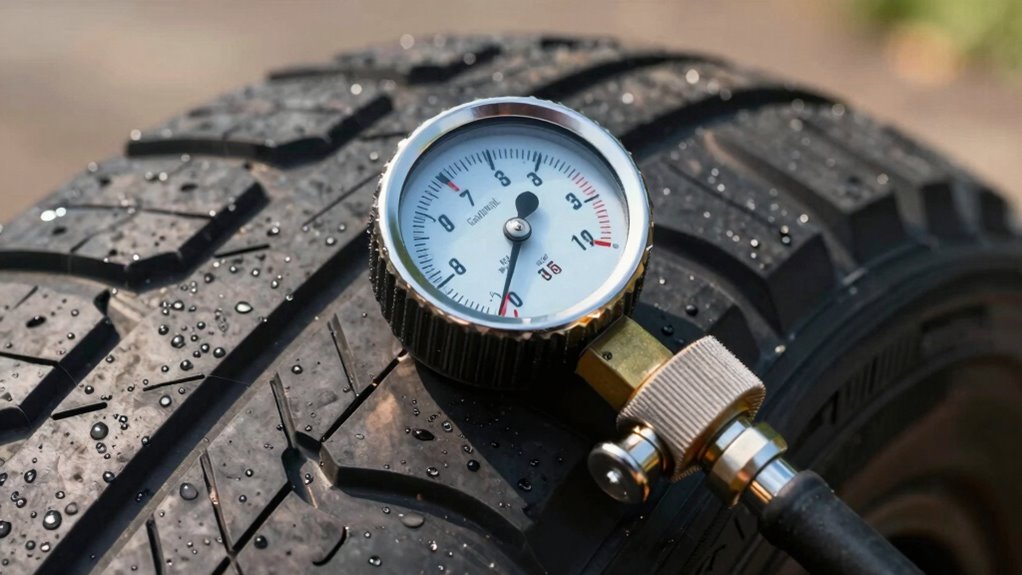
Using a tire pressure gauge helps you get accurate readings, even as temperatures fluctuate. When you check your tires regularly, you can spot shifts caused by temperature changes before they become a safety issue. This simple step keeps your tires properly inflated and your drive safer.
Accurate Pressure Readings
Temperature fluctuations can cause your tire pressure to change, which is why maintaining a tire pressure gauge to get accurate readings is essential. Using a reliable gauge helps you monitor inflation accuracy, especially when external temperatures shift. To guarantee precision:
- Check your pressure when tires are cold, ideally before driving.
- Use digital gauges for consistent, accurate readings.
- Regularly calibrate your tire pressure sensors.
- Record readings over time to identify patterns.
- Avoid relying solely on built-in sensors; manual gauges provide confirmation.
Accurate pressure readings help you detect subtle changes caused by temperature variations, preventing under or over-inflation. Properly maintained gauges ensure you’re always aware of your tire’s true pressure, optimizing grip and safety. Remember, consistent measurements improve your ability to adjust for temperature effects on tire pressure.
Detecting Temperature Shifts
By checking your tire pressure regularly with a reliable gauge, you can effectively detect subtle shifts caused by temperature changes. Modern tire pressure sensors can assist in monitoring fluctuations over time, but a manual check remains essential. Pay attention to readings, especially during seasonal shifts or temperature swings. Using weatherproof tire valves ensures accurate pressure readings even in wet or harsh conditions. If your tire pressure drops noticeably after a cold night, it’s a sign that temperature is affecting your tires. Consistently measuring pressure with a quality gauge helps you identify these shifts early, so you can adjust accordingly. This proactive approach keeps your tires properly inflated, maintaining ideal grip and safety regardless of temperature fluctuations.
Why Underinflated or Overinflated Tires Reduce Grip and Fuel Economy
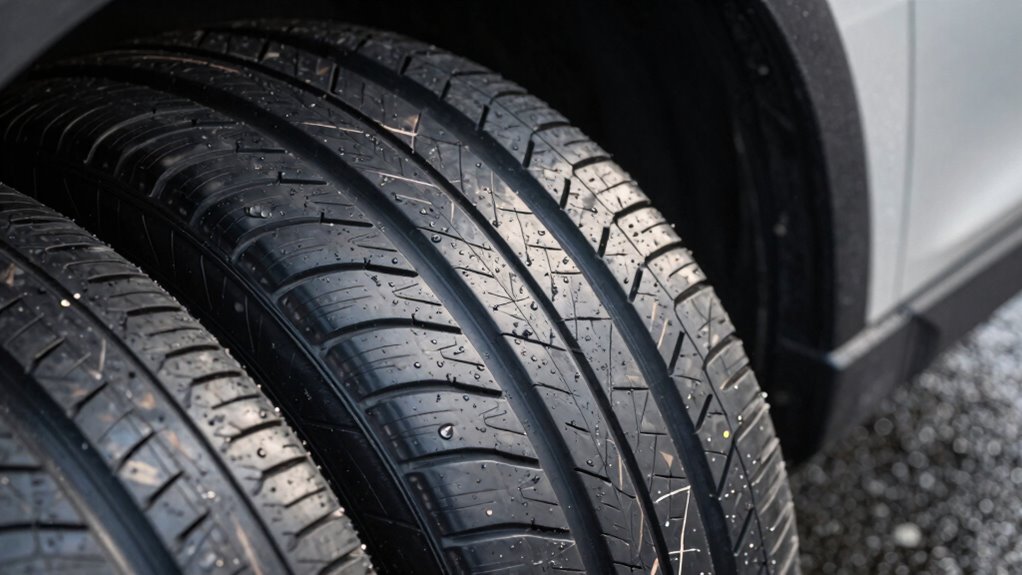
When your tires are underinflated or overinflated, their ability to grip the road diminishes, and fuel efficiency drops. Incorrect tire pressure affects contact with the road, reducing traction and increasing wear. Many tire pressure myths suggest that overinflating improves fuel economy, but it actually risks blowouts and uneven wear. Similarly, underinflated tires increase rolling resistance, leading to higher fuel consumption and less grip. Seasonal tire care is essential to maintain proper pressure, especially with temperature fluctuations. Here’s what happens when tire pressure isn’t right:
Proper tire pressure ensures safety, efficiency, and even tire wear—avoid the pitfalls of under or overinflation.
- Reduced contact patch with the road
- Increased tire wear and potential blowouts
- Higher rolling resistance and fuel costs
- Poor handling and safety risks
- Greater impact from temperature swings on pressure
How Tire Pressure Monitoring Systems Help in Temperature Fluctuations

Tire Pressure Monitoring Systems (TPMS) play a essential role in maintaining proper tire pressure despite temperature fluctuations. When temperatures drop or rise, your tire sensor detects changes in pressure and alerts you if levels become unsafe. Many TPMS units incorporate temperature compensation technology, which adjusts pressure readings based on ambient temperature. This feature helps prevent false warnings caused by natural temperature shifts, ensuring you get accurate information about your tires’ condition. By continuously monitoring pressure and adjusting for temperature variations, TPMS keeps you informed, reducing the risk of underinflation or overinflation. This proactive approach helps maintain ideal grip, improves safety, and extends tire life, especially during weather changes. With TPMS, you gain peace of mind knowing your tires are always properly inflated.
Practical Steps to Keep Tire Pressure Stable in Extreme Weather
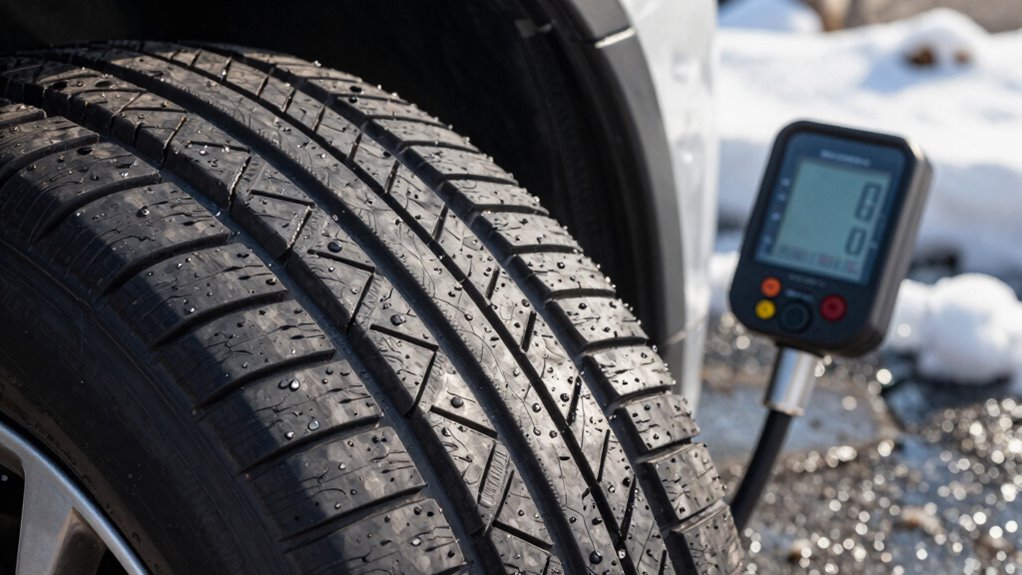
To keep your tires properly inflated during extreme weather, you should regularly check their pressure. Using a reliable tire inflator makes it easy to top off your tires whenever needed. Staying proactive helps prevent issues caused by temperature fluctuations.
Regular Pressure Checks
Extreme weather conditions can cause tire pressure to fluctuate rapidly, making regular checks essential for safety and performance. By maintaining consistent pressure, you prevent uneven wear and reduce the risk of blowouts. To keep your tires in top shape, check the pressure at least once a month and before long trips. During inspections, focus on valve maintenance to prevent leaks and ensure accurate readings. Regularly rotate your tires to promote even wear, which helps maintain stable pressure. Keep a portable pressure gauge handy for quick checks, especially during temperature swings. Also, visually inspect tires for damage or punctures. These simple steps ensure your tires stay properly inflated, improving grip and extending their lifespan. Consistent pressure checks are your best defense against weather-induced pressure changes.
Use of Tire Inflators
Using a tire inflator correctly is essential for maintaining proper pressure during temperature fluctuations. To guarantee tire inflator accuracy, always check your device’s calibration regularly. When choosing between digital vs manual inflators, digital options typically provide more precise readings, making it easier to achieve the correct pressure. Manual inflators require a bit more effort and a good eye for gauge readings, but they can be reliable if maintained properly. During extreme weather, monitor your tire pressure frequently, especially when temperatures drop or rise sharply. Always inflate your tires to the recommended PSI, and double-check the reading after inflating. Proper use of your inflator helps prevent under- or over-inflation, ensuring better grip and safety on the road.
Debunking Common Myths About Tire Pressure and Temperature
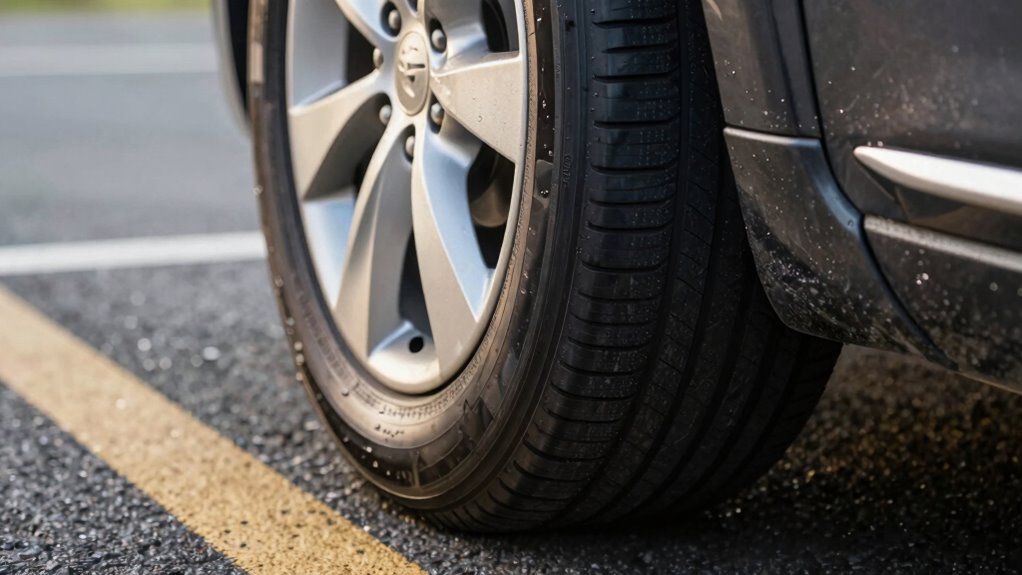
Many drivers believe that tire pressure is solely affected by temperature changes, but this is a common myth. While temperature does influence pressure, it’s not the only factor. Believing that pressure fluctuations are only due to weather leads to misconceptions about maintaining ideal tire pressure.
Many drivers wrongly think temperature is the only factor affecting tire pressure.
Here are some tire pressure myths and temperature misconceptions to watch out for:
- Tire pressure remains constant regardless of driving distance
- Cold weather always causes dangerous underinflation
- Hot weather doesn’t affect tire pressure if tires are properly inflated
- Checking tire pressure only matters in cold weather
- Increasing tire pressure improves grip during hot days
Understanding these myths helps you avoid unnecessary concerns and ensures your tires are correctly inflated, regardless of temperature changes. Accurate knowledge leads to better grip, safety, and tire longevity.
How Proper Tire Pressure Enhances Safety and Longevity in All Seasons
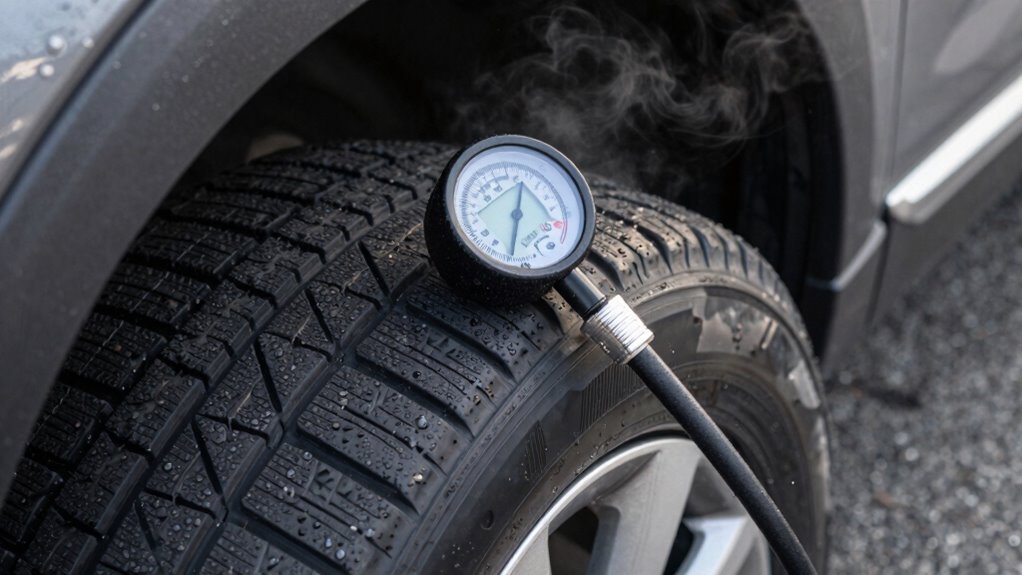
Maintaining proper tire pressure is vital for guaranteeing your vehicle’s safety and extending tire life throughout all seasons. Many tire pressure myths can lead you to neglect regular checks, but accurate tire pressure supports better handling, braking, and fuel efficiency year-round. Properly inflated tires reduce uneven wear, which is essential for seasonal tire care, especially during temperature fluctuations. When your tires are at the right pressure, they grip the road better, minimizing the risk of accidents in rain, snow, or heat. By avoiding common misconceptions, you ensure your tires perform at their best, preventing premature damage. Consistently checking and adjusting your tire pressure helps you stay safe and saves you money by prolonging your tires’ lifespan regardless of the season.
Final Tips: Ensuring Your Tires Perform Well in Any Weather
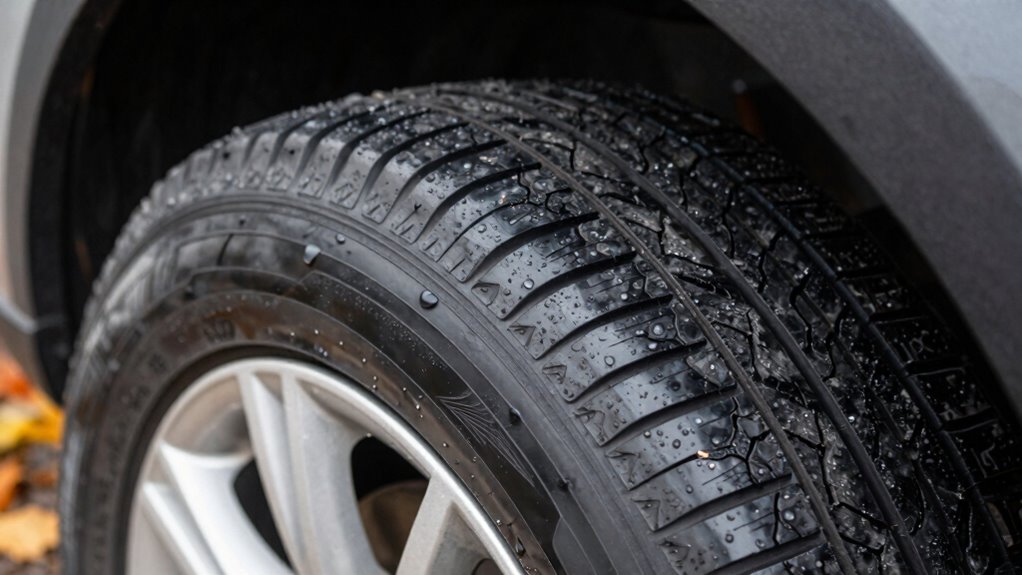
To keep your tires performing well in any weather, pay close attention to seasonal tire maintenance. Understanding tire pressure myths helps you avoid common mistakes that compromise grip and safety. Regularly check and adjust your tire pressure as temperatures change, since cold weather can lower pressure and affect traction. Proper seasonal tire care also includes inspecting tread depth and rotating tires regularly.
Maintain optimal traction year-round by regularly checking tire pressure, inspecting tread, and adjusting for seasonal temperature changes.
To maximize performance, consider these tips:
- Don’t rely on tire pressure myths; always follow manufacturer recommendations
- Adjust pressure based on seasonal temperature fluctuations
- Check tire pressure monthly, especially during seasonal transitions
- Inspect tires for uneven wear and damage
- Keep tires properly inflated for optimal grip and safety
Frequently Asked Questions
How Does Altitude Affect Tire Pressure During Temperature Changes?
Altitude effects your tire pressure because higher elevations have lower air density, causing pressure variability. As you ascend, the reduced atmospheric pressure makes your tires seem underinflated, even if the temperature stays the same. During temperature changes, these effects intensify, so you might notice grip issues or uneven wear. To maintain ideal performance, check your tire pressure regularly, especially when changing altitudes, and adjust accordingly for safe driving.
Can Seasonal Tire Pressure Adjustments Improve Fuel Efficiency?
Yes, seasonal tire pressure adjustments can improve fuel efficiency. When you regularly monitor your tire pressure, especially as seasons change, you guarantee your tires stay at ideal levels. Proper tire pressure reduces rolling resistance, saving fuel and enhancing safety. The seasonal adjustment benefits include better handling and longer tire life. Using tire pressure monitoring systems helps you maintain perfect pressure year-round, maximizing fuel savings and overall vehicle performance.
What’s the Impact of Tire Pressure Fluctuations on Tire Wear?
Imagine your tires as a dancer’s shoes; pressure fluctuations are like uneven steps that cause uneven tire wear. When your tire pressure fluctuates, it wears down unevenly, reducing tire lifespan and compromising safety. You might notice bald spots or irregular tread patterns. To keep your tires dancing smoothly, maintain proper pressure and check regularly, preventing excessive tire wear caused by unpredictable pressure fluctuations.
Do All Types of Tires React Similarly to Temperature Shifts?
Not all tires react similarly to temperature shifts. Your tire material influences how much pressure changes with heat; softer compounds may expand more, affecting grip. Tread design also matters—sipes and grooves can affect how heat dissipates, impacting performance in temperature fluctuations. You should consider both factors when choosing tires, as they determine how well your tires maintain traction and safety under varying temperature conditions.
How Quickly Can Temperature Changes Alter Tire Pressure?
Temperature changes can alter your tire pressure within hours, sometimes even minutes, especially if you experience rapid temperature swings. Your tire pressure monitoring system detects these shifts, highlighting temperature sensitivity. As outdoor temperatures drop or rise, air expands or contracts, affecting grip and safety. You should check your tire pressure regularly, especially during seasonal changes, to guarantee ideal performance and safety on the road.
Conclusion
Keeping your tire pressure just right is key to safety and performance, no matter the weather. Temperature swings can catch you off guard, but with a little know-how, you can stay ahead of the game. Don’t let false assumptions or neglect be your Achilles’ heel—stay proactive and keep those tires in top shape. Remember, a stitch in time saves nine, so check your tires regularly and drive confidently through any weather.
Halloween Picks
halloween
As an affiliate, we earn on qualifying purchases.