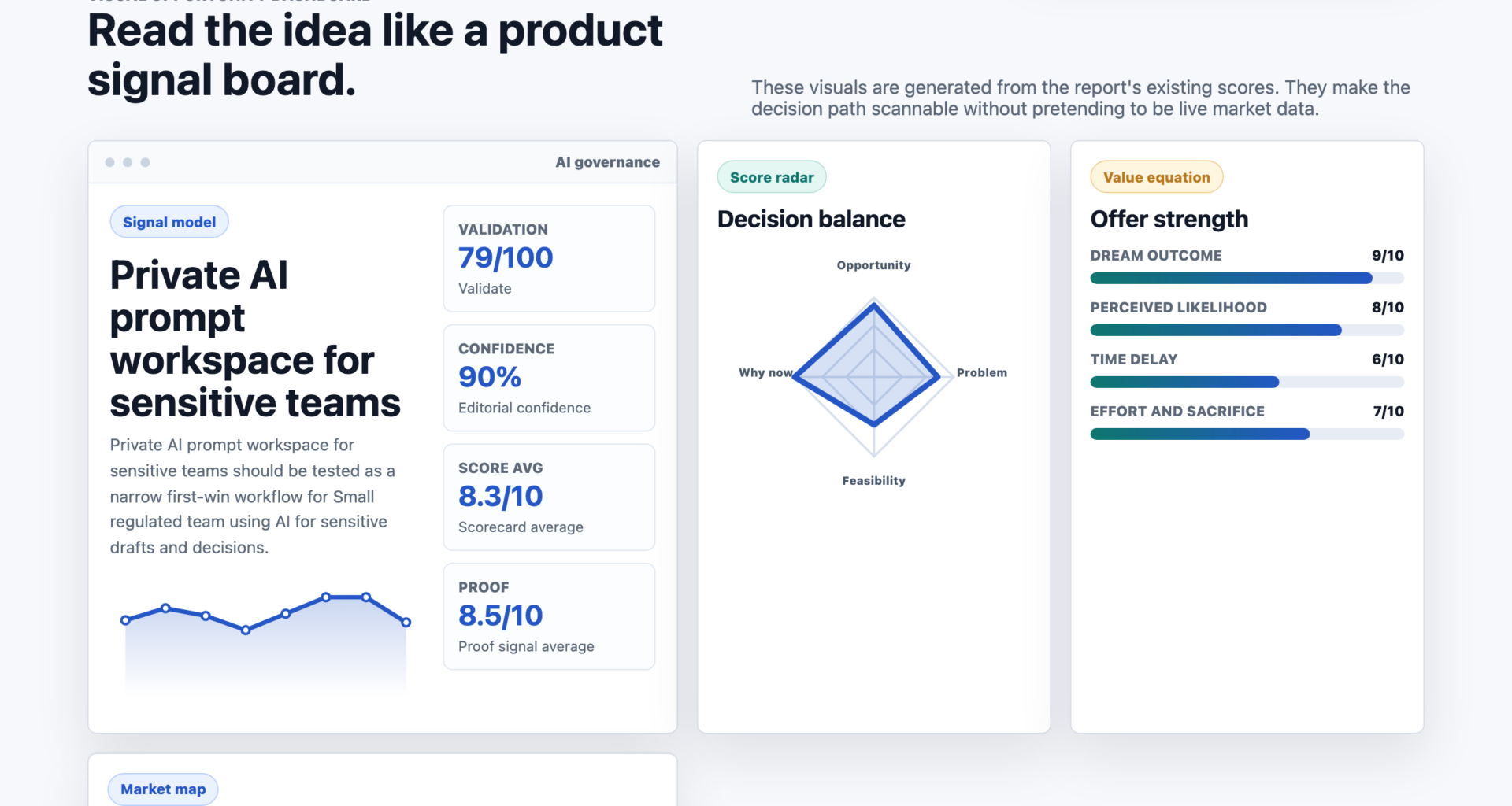

📊 Full opportunity report: Private AI prompt workspace for sensitive teams on IdeaNavigator AI — validation score, market gap, and execution plan.

Get audio and creator gear delivered free with Prime
- Fast, free delivery on millions of items
- Prime Video, Amazon Music and more included
- Member-only deals all year
TL;DR

A new private AI prompt workspace tailored for small, regulated teams is entering testing. It aims to enhance control over sensitive prompts, uploads, and work artifacts, addressing security concerns. The development focuses on providing local storage, redaction, and audit logging to meet compliance needs.
A new private AI prompt workspace designed specifically for small, regulated teams handling sensitive information is currently being tested. This development aims to address concerns about data control and security when using AI tools for sensitive drafts and decisions.
The initiative focuses on creating a local-first prompt workspace that enables teams to manage sensitive AI interactions with greater control. Key features include redaction checklists, source notes, review status indicators, and exportable audit logs. This approach aims to ensure that sensitive prompts, uploads, and artifacts are not exposed or mishandled, satisfying regulatory and security requirements. The project is targeted at small teams operating within regulated environments who want to leverage AI without compromising data privacy or compliance standards. The testing phase involves interviews with five operators who have previously avoided pasting sensitive content into AI tools, instead opting for manual, redacted workflows. The goal is to validate whether this new workspace can streamline secure AI use and replace manual processes with a compliant, integrated solution. Revenue models are expected to include subscriptions or annual licenses for small teams, with a focus on AI governance and compliance markets.Why It Matters
This development addresses a growing need among regulated organizations to utilize AI tools securely. As more teams incorporate AI into sensitive workflows, concerns over data privacy, auditability, and compliance intensify. A private, local-first prompt workspace could significantly reduce risks and streamline secure AI adoption, making it highly relevant for sectors like legal, healthcare, finance, and government.
As an affiliate, we earn on qualifying purchases.
Background
Recent trends show increasing adoption of AI in sensitive workflows across regulated industries. However, many organizations remain cautious due to concerns about data security, auditability, and control over prompts and artifacts. Existing solutions often lack sufficient local control or audit features, leading teams to avoid using AI for sensitive tasks or to manually redact and manage data outside of AI platforms. This new development aims to fill that gap by providing a dedicated, secure workspace tailored for small teams needing strict data governance.
“This workspace could be a game-changer for teams that need both AI capabilities and strict data control.”
— an anonymous researcher
“If validated, this could set a new standard for secure AI workflows in sensitive environments.”
— industry analyst
What Remains Unclear
Details about the full feature set, security guarantees, and user interface are still emerging. It is not yet clear how widely the workspace will be adopted or how it will integrate with existing AI tools. Additionally, the effectiveness of the solution in real-world, high-stakes environments remains to be validated through pilot testing.
What’s Next
The next steps include completing the pilot interviews with participating teams, refining the workspace based on feedback, and preparing for a broader rollout. Further validation and user testing are expected to determine the product’s readiness for commercial release, with potential updates to features like audit logging, redaction tools, and integration options.
Key Questions
What specific features will the private AI prompt workspace include?
The workspace will feature local storage of prompts and artifacts, redaction checklists, source notes, review status indicators, and exportable audit logs to ensure security and compliance.
Who is the target user for this workspace?
Small, regulated teams that handle sensitive information and need to use AI for drafts and decision-making processes while maintaining strict control over data.
When will the workspace be available for broader testing or purchase?
There is no confirmed release date yet. The current phase involves pilot testing with select teams to validate the solution’s effectiveness before a wider rollout.
How does this solution differ from existing AI tools?
It emphasizes local-first storage, comprehensive redaction and review features, and audit logging, addressing security and compliance gaps in current AI platforms.
What are the potential limitations or challenges of this workspace?
Challenges include ensuring seamless integration with existing AI tools, maintaining usability, and achieving broad adoption among regulated teams wary of new workflows.
Source: IdeaNavigator AI
Halloween Picks
halloween
As an affiliate, we earn on qualifying purchases.