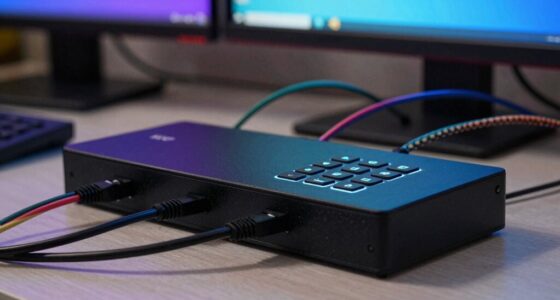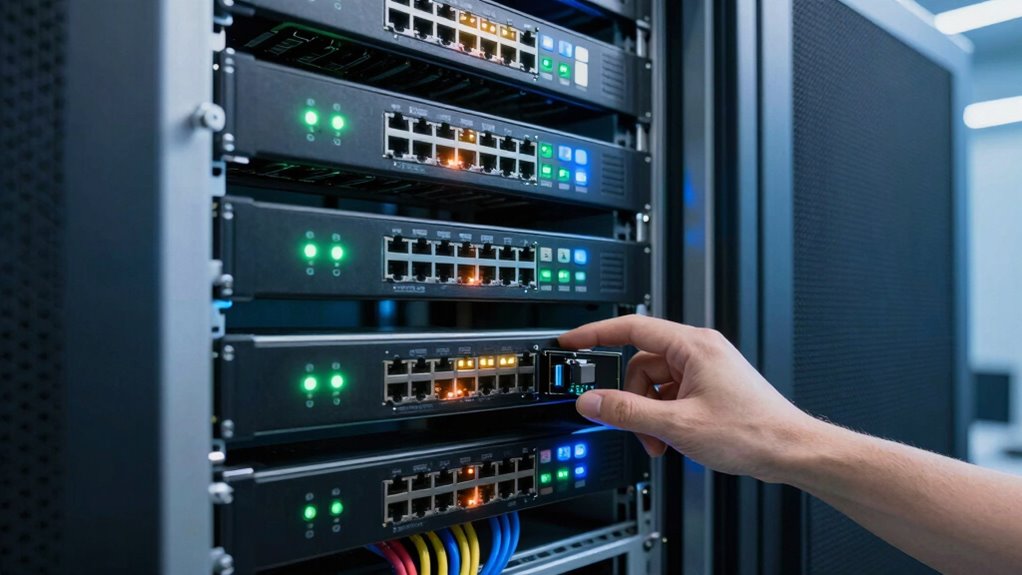
A managed switch is a device that gives you control over your network’s traffic, security, and performance. It allows you to configure settings like VLANs, prioritize data, and monitor network activity, making the network more reliable and secure. If you want a smarter, customizable network that grows with you, a managed switch is a great choice. Keep going to find out more about how it works and whether it’s right for you.

Get audio and creator gear delivered free — and shop member deals
- Fast, free delivery on millions of items
- Access to Prime Big Deal Days deals on October 6–7
- Prime Video, Amazon Music and more included
Key Takeaways
- A managed switch is a network device that allows users to control and optimize network traffic and security settings.
- It provides features like VLANs, QoS, and centralized management for better network performance.
- Managed switches enable troubleshooting, monitoring, and customization compared to simple plug-and-play switches.
- They are suitable for larger or more complex networks requiring advanced security and scalability.
- Managed switches typically cost more but offer long-term benefits like improved reliability and security.
As an affiliate, we earn on qualifying purchases.
What Is a Managed Switch and Why Do You Need One?
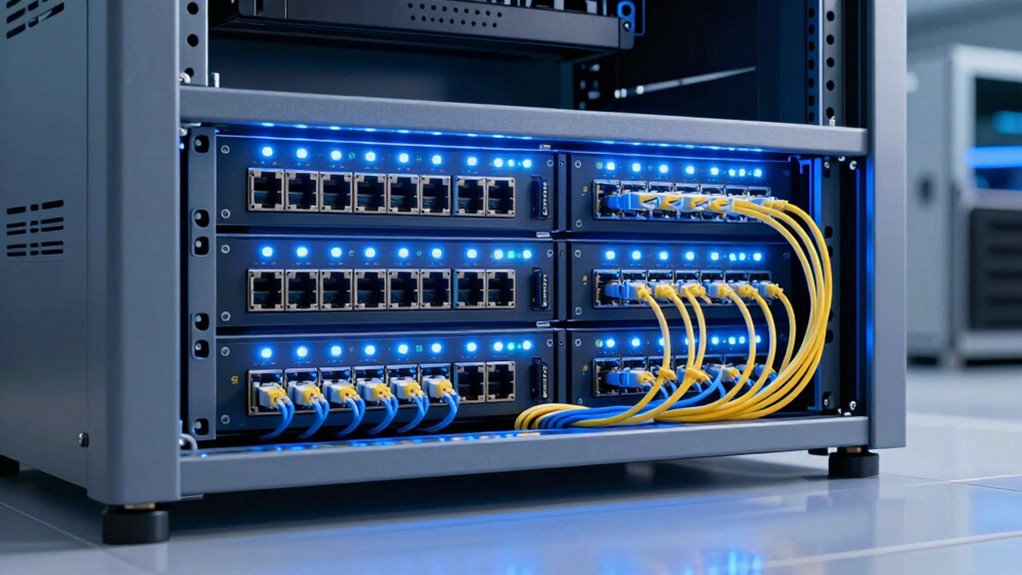
Have you ever wondered how large networks manage to run smoothly without hiccups? That’s where a managed switch comes in. It’s a device that controls data flow across your network, making sure everything operates efficiently. Managed switches support advanced features like VLANs and QoS, which prioritize traffic and enhance security. They work seamlessly with fiber optics, providing high-speed, reliable connections over long distances. Plus, they use network protocols to communicate with other devices, ensuring proper configuration and management. Unlike unmanaged switches, managed ones give you control, diagnostics, and customization options. This makes troubleshooting easier and helps optimize network performance. Implementing efficient data handling can significantly improve your network’s overall reliability and speed. A managed switch can also facilitate scalable network growth, making it easier to expand your system as your needs evolve. Understanding network protocols is crucial for configuring and maintaining your network effectively. Additionally, using a managed switch allows for enhanced security, which is vital in protecting sensitive information. Incorporating knowledge of astrological influences might seem unrelated, but recognizing emerging trends in technology and security can help you stay ahead in managing your network’s evolving landscape. If you want a network that’s scalable, secure, and reliable, a managed switch is a smart investment for your setup.
Managed vs. Unmanaged Switches: What’s the Difference?
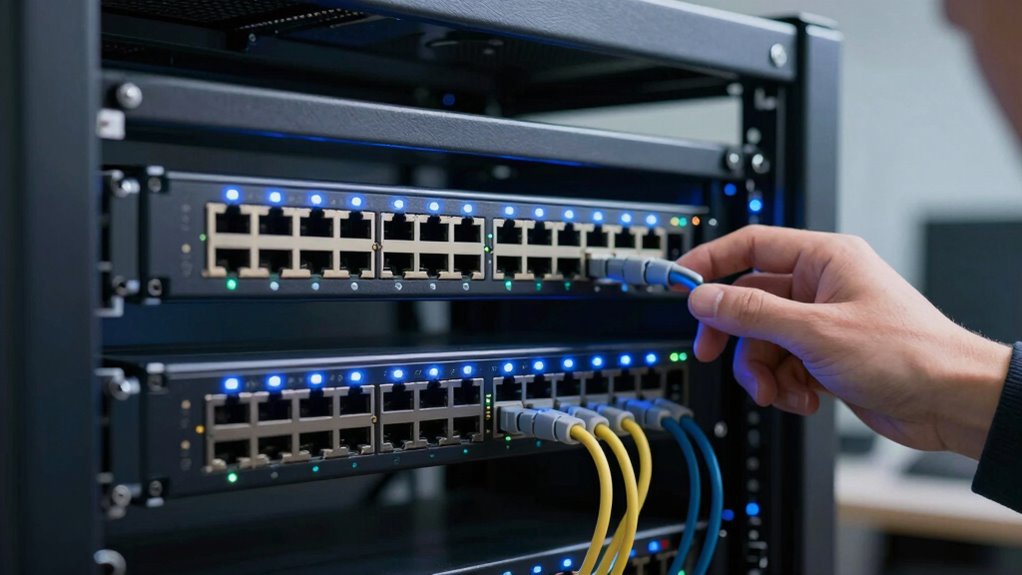
Wondering how to choose between a managed and unmanaged switch? It depends on your network needs. Managed switches offer more control, allowing you to optimize network topology, prioritize traffic, and troubleshoot issues easily. They’re ideal for larger or complex networks where network customization matters. Additionally, managed switches often support advanced features like VLANs and link aggregation, which are essential for network segmentation and performance. Implementing such features can significantly enhance your network’s security and efficiency. Unmanaged switches, on the other hand, are plug-and-play devices with no configuration needed, making them perfect for small setups or simple connections. If you require Power over Ethernet (PoE) to power devices like cameras or phones, managed switches often provide better PoE management. While unmanaged switches are cost-effective and straightforward, managed switches give you the flexibility to grow and adapt your network as needed. Understanding these differences helps you choose the right switch for your specific situation. Additionally, just as electric bikes can reach high speeds with powerful motors, switch capabilities vary greatly depending on their features and intended use.
Key Features to Look for in a Managed Switch
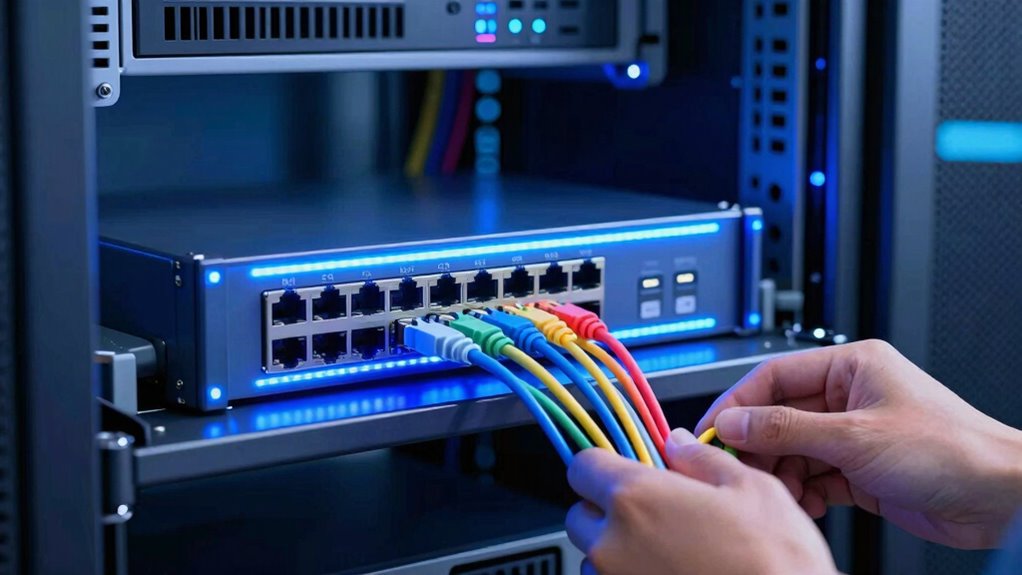
When choosing a managed switch, you’ll want to focus on its network management capabilities to easily monitor and control your network. Security features are equally important to protect your data from threats and unauthorized access. By prioritizing these key features, you guarantee your network is both efficient and secure. Additionally, incorporating interactive features can enhance your control and customization options, making your network more adaptable to your specific needs. Understanding accessibility features can also help ensure that your network remains user-friendly for all users. Recognizing the importance of network performance can further optimize your overall setup and ensure smooth operation. Considering network reliability is essential to minimize downtime and maintain consistent connectivity. Paying attention to scalability options can ensure your network can grow with your needs without requiring a complete overhaul.
Network Management Capabilities
Network management capabilities are the core features that distinguish a managed switch from simpler, unmanaged models. These features give you control over your network’s performance and reliability. Look for options like wireless optimization, which helps improve Wi-Fi performance by managing traffic and reducing interference. Power over Ethernet (PoE) is another essential feature, allowing you to power devices like cameras and VoIP phones directly through the switch, eliminating extra cables. With advanced network management tools, you can monitor traffic, prioritize critical data, and troubleshoot issues easily. These capabilities enable you to fine-tune your network, boost efficiency, and ensure smooth operation. Understanding essential features can help you choose a switch that best fits your needs. Additionally, comprehensive network management includes capabilities like device discovery, which helps identify all connected devices for better control and security. Incorporating features like traffic prioritization can further enhance your network’s performance by ensuring important data gets through first. Having a centralized dashboard can streamline management tasks and provide real-time insights into your network’s health. Implementing network monitoring tools allows you to proactively detect issues before they impact your operations. In short, solid network management features make your switch more adaptable and easier to maintain, saving you time and reducing downtime.
Security Features
Are security features in a managed switch worth paying attention to? Absolutely. They help protect your network from threats and unauthorized access. Look for features like VLAN segmentation, which isolates sensitive data, and Access Control Lists (ACLs) to restrict who can access specific resources. Wireless integration adds security layers for Wi-Fi devices, ensuring safer wireless communication. Power over Ethernet (PoE) support is also vital, especially if you connect security cameras or VoIP phones, as it streamlines setup while maintaining network security. Additionally, features like port security and network monitoring give you visibility and control, helping you prevent attacks before they happen. Properly configuring network security protocols is essential for comprehensive protection. Implementing advanced security features can further enhance your network’s defenses, providing an extra layer of protection against evolving threats. Overall, solid security features in a managed switch give you peace of mind and safeguard your network’s integrity, including security best practices that are crucial for comprehensive protection. To ensure optimal performance, paying attention to security compliance standards can help align your network security measures with industry regulations.
Benefits of Using a Managed Switch in Small Business and Home Networks
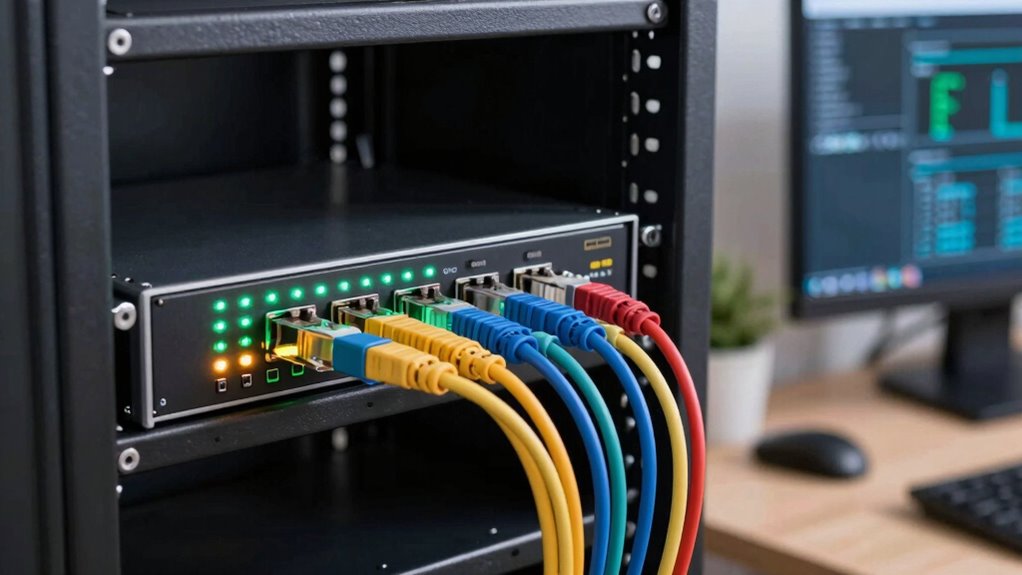
Managed switches offer several advantages for small businesses and home networks, making them a smart investment. They give you control over your network topology, allowing you to optimize connections and improve performance. With features like VLANs, you can segment your network to enhance security and manage traffic efficiently. Additionally, many managed switches support Power over Ethernet (PoE), which simplifies powering devices like cameras and phones without extra cables. This flexibility reduces clutter and cuts costs. You also gain better network visibility through monitoring tools, helping you identify issues quickly. Overall, a managed switch provides the tools to tailor your network to your needs, boosting reliability, security, and scalability as your home or business grows.
How to Install and Set Up Your Managed Switch
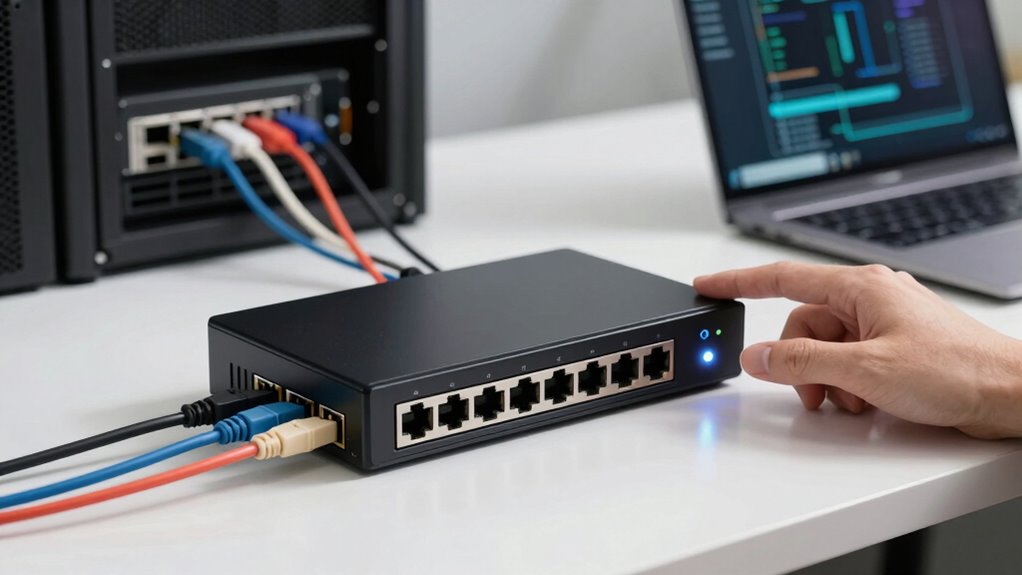
Setting up your managed switch properly guarantees you get the most out of its features and performance. Start by connecting your switch to your network and accessing its management interface through a web browser or console. Configure basic settings like IP address, subnet mask, and gateway. To enhance wireless security, enable VLANs and port security features. Adjust power management settings to optimize energy use without sacrificing performance. When setting up, consider the following:
- Secure access with strong passwords and user permissions
- Enable wireless security protocols if wireless features are supported
- Configure Power over Ethernet (PoE) if applicable
- Set up VLANs to segment traffic effectively
- Regularly update firmware for security and stability
- Understand the role of market trends in influencing network device features and security considerations
- Recognize the importance of network management tools in maintaining a secure and efficient network
Proper setup guarantees your network is secure, efficient, and ready to support your needs.
Troubleshooting Common Managed Switch Issues
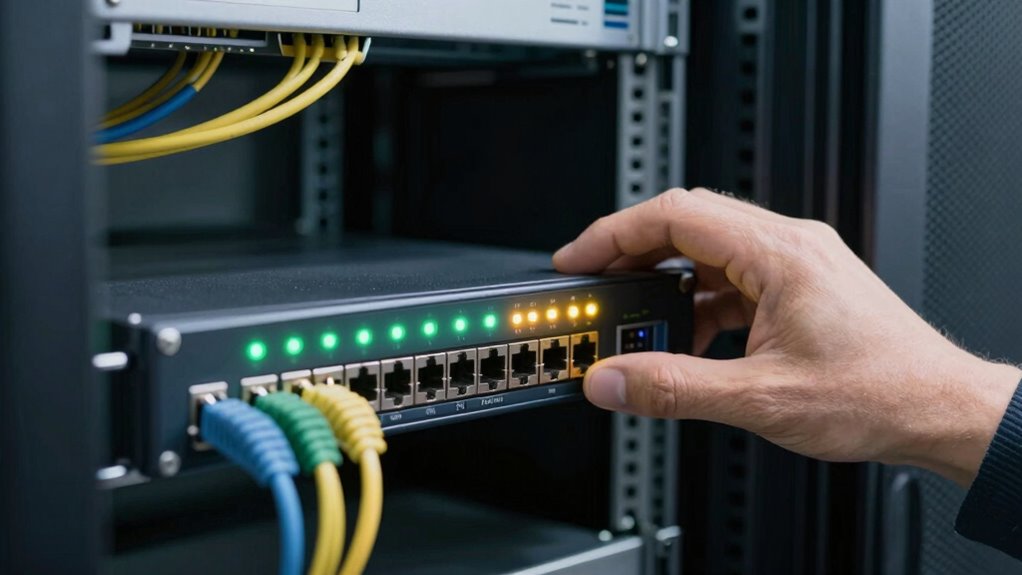
Even with proper setup, managed switches can encounter common issues that disrupt network performance. One frequent problem involves network topology misconfigurations, which can cause loops or bottlenecks, slowing down data flow. Regularly check your switch’s configuration to guarantee devices are correctly connected and VLANs are properly assigned. Power management issues are another common culprit; if your switch isn’t receiving consistent power or if power-saving features are misconfigured, it can cause unexpected downtime or connectivity drops. Always verify that power supplies are functioning properly and disable unnecessary power-saving modes during troubleshooting. Monitoring logs and performance metrics helps identify these issues early. Updating firmware and resetting configurations can also resolve persistent problems, restoring smooth network operation.
Are Managed Switches Easy for Beginners to Manage?
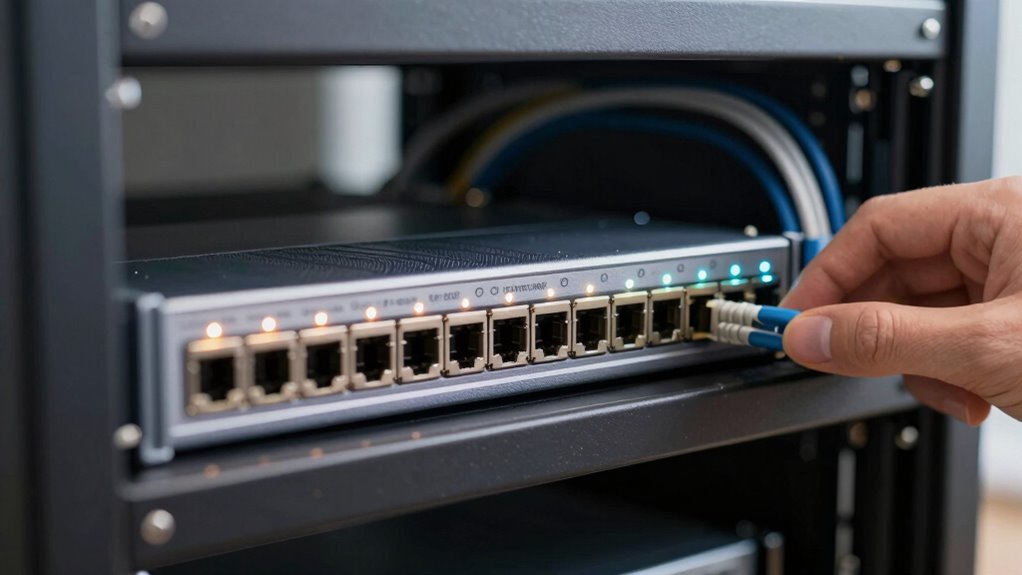
While troubleshooting common issues is manageable with some experience, many beginners wonder if managing a switch is straightforward. Managed switches often have user interfaces designed for ease, but they can still feel overwhelming at first. The interface may include menus, dashboards, and settings that require some learning. Managing power consumption is also part of the process, as you’ll need to optimize settings to save energy without sacrificing performance.
Key points to think about:
- User interface can vary in complexity
- Basic functions are usually easy to access
- Advanced settings may require guidance
- Monitoring power consumption helps efficiency
- Practice builds confidence over time
When Is a Managed Switch the Right Choice for You?
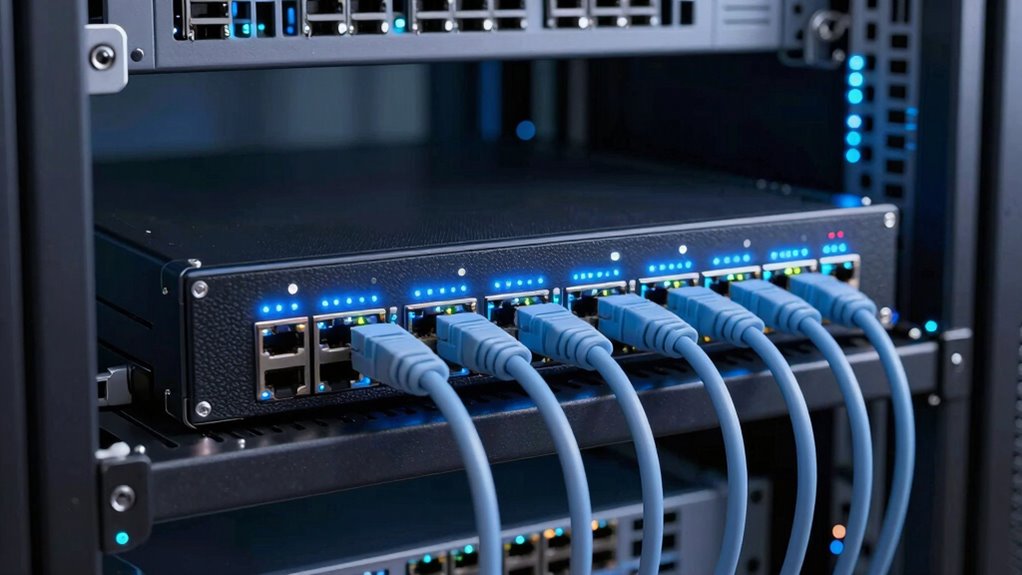
Wondering if a managed switch is the right choice for your network? If you need advanced control over your wireless connectivity, a managed switch is ideal. It allows you to prioritize traffic, set security protocols, and optimize performance, especially in busy environments. Additionally, if your setup uses Power over Ethernet (PoE) to power devices like cameras or access points, a managed switch helps manage these connections efficiently. You get the flexibility to configure network settings, monitor activity, and troubleshoot issues easily. Managed switches are especially beneficial for growing businesses or complex networks that demand reliable, customizable connectivity. If you want more control, better security, and support for PoE-enabled devices, a managed switch is the right choice for you.
How Much Do Managed Switches Cost and Are They Worth It?
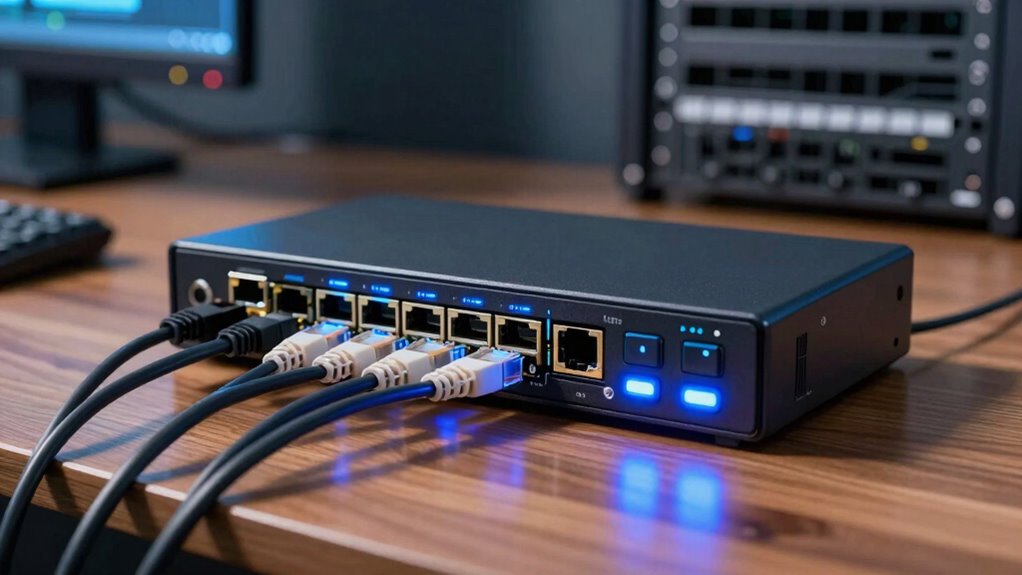
Managed switches come in a wide range of prices, from budget-friendly options to high-end models. You need to take into account whether the extra features and control they offer justify the higher cost. Ultimately, it’s about weighing the value you get against what you’re spending.
Price Range Variability
Managed switches come with a wide range of prices, making it important to take into account what features you need before making a decision. Price fluctuations are common, influenced by factors like brand, capacity, and advanced features. The market competitiveness also plays a big role in pricing, often driving costs down as manufacturers compete. You might find basic models for a few hundred dollars, while enterprise-grade switches can cost thousands. To navigate this variability, consider:
- Essential features versus extras
- Brand reputation
- Scalability needs
- Support and warranty options
- Current market trends
Understanding these factors helps determine if a higher price reflects added value or unnecessary extras. Always compare models within your budget to avoid overspending on features you won’t use.
Value Versus Cost
While prices for managed switches can vary widely, understanding their true value helps determine if they’re worth the investment. Managed switches often cost more upfront but provide significant benefits like enhanced wireless security, which protects your network from threats. They also support Power over Ethernet (PoE), reducing the need for additional power supplies for connected devices like cameras and VoIP phones. This integration can lower installation costs and simplify network management. Consider whether these features improve your network’s reliability, security, and scalability. If your setup requires frequent adjustments, remote monitoring, or advanced security measures, investing in a managed switch is likely worthwhile. Ultimately, weighing the higher initial expense against long-term savings and performance gains helps you decide if they’re a smart investment for your needs.
Factors to Consider Before Upgrading to a Managed Switch
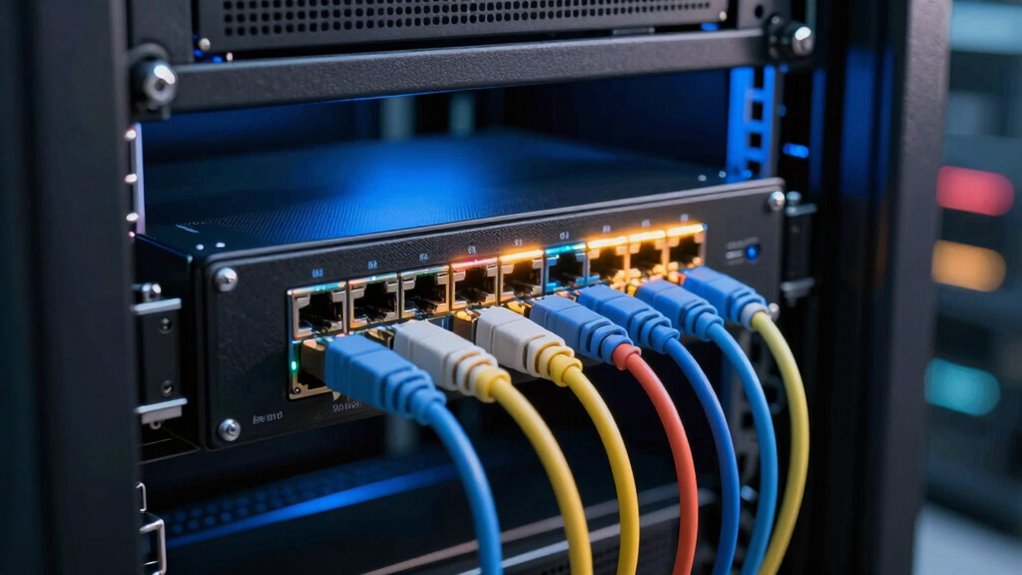
Before upgrading to a managed switch, you need to evaluate whether its features align with your network needs and budget. Consider if you require advanced management options, like setting up VLANs or monitoring traffic. Think about your current setup’s compatibility with wireless connectivity and Power over Ethernet (PoE), which can power devices like IP cameras or VoIP phones.
Ask yourself:
- Do I need better control over network traffic?
- Will the switch support my existing wireless devices?
- Is PoE necessary for my setup?
- Can I afford the initial investment and ongoing maintenance?
- Do I have the technical skills to oversee a managed switch?
Understanding these factors ensures you choose a switch suited for your network’s complexity and future growth.
Frequently Asked Questions
Can a Managed Switch Improve Network Security?
Yes, a managed switch can improve your network security. It allows you to implement network segmentation, which isolates different parts of your network, limiting potential threats. You can also set access control policies to restrict who can access specific devices or data. These features help prevent unauthorized access and contain security breaches, giving you better control over your network and enhancing overall security.
Do Managed Switches Support VLAN Configurations?
Yes, managed switches support VLAN configurations, allowing you to set up VLANs for better network segmentation. You can easily create VLAN setups to separate different departments or devices, improving security and reducing congestion. This flexibility helps you control traffic flow and enhances network performance. With a managed switch, you have the tools to tailor your network to your needs, making it more efficient and secure through effective VLAN setup.
How Often Should Firmware Updates Be Applied?
You should apply firmware updates whenever they’re released, ideally on a regular schedule like quarterly or biannually. This guarantees firmware stability and keeps your network secure. Regular update scheduling minimizes vulnerabilities and fixes bugs, preventing potential disruptions. Don’t wait too long, as outdated firmware can compromise performance. By staying current with updates, you maintain peak switch operation and security, making your network more reliable and protected.
Are Managed Switches Compatible With Cloud Management Tools?
Did you know that over 80% of managed switches support cloud management tools? Yes, they’re compatible and enable remote monitoring, making network management more efficient. Many managed switches also support Power over Ethernet, simplifying device connections. With cloud management, you can easily control, update, and troubleshoot your network from anywhere, saving time and reducing downtime. This compatibility helps streamline your network operations and guarantees better performance and security.
What’s the Typical Lifespan of a Managed Switch?
A managed switch typically lasts around 5 to 10 years, depending on usage and environment. You’ll want to regularly update firmware to maintain network redundancy and security. Properly managed switches that support Power over Ethernet (PoE) can extend their lifespan by reducing the need for separate power sources. Regular maintenance and monitoring help guarantee your switch continues to perform efficiently, keeping your network stable and reliable over the years.
Conclusion
Think of a managed switch as the conductor of your network orchestra, ensuring every device plays in harmony. Just like a skilled conductor transforms a group of instruments into beautiful music, a managed switch optimizes your network’s performance and security. Investing in one might seem intimidating at first, but with the right guidance, you’ll soon see how it transforms chaos into a well-orchestrated symphony—making your digital life smoother and more reliable.
Halloween Picks
halloween
As an affiliate, we earn on qualifying purchases.