
Garages need different air, heat, and power thinking than indoor rooms because they’re exposed to the elements and often used for storage, workshops, or heavy-duty tools. Proper insulation, ventilation, and electrical setups are essential to prevent moisture buildup, regulate temperature, and handle high-power equipment safely. Without these adjustments, garages can become uncomfortable, unsafe, or even damaged over time. Stay with us to discover how smarter planning can make your garage safer, more comfortable, and more efficient.

Get audio and creator gear delivered free with Prime
- Fast, free delivery on millions of items
- Prime Video, Amazon Music and more included
- Member-only deals all year
Key Takeaways
- Garages often lack insulation, causing temperature fluctuations that require specialized heating, cooling, and ventilation solutions.
- Exposure to chemicals, fumes, and dust necessitates enhanced air filtration and ventilation systems for safety.
- Higher power demands from tools and equipment in garages require dedicated circuits and robust electrical planning.
- Garages are more prone to moisture and humidity issues, demanding tailored moisture control and dehumidification methods.
- Their open or unfinished structure means standard indoor climate control methods are less effective, needing customized solutions.
As an affiliate, we earn on qualifying purchases.
Why Garage Climate Control Is a Must-Have
A garage that’s not climate-controlled can quickly become uncomfortable or even unsafe, especially during extreme weather. Proper garage insulation helps maintain a steady temperature, protecting your belongings and making the space more usable year-round. Without it, extreme heat or cold can damage tools, equipment, and stored items. Good insulation also supports storage organization by preventing warping, rust, or mold growth. When your garage stays warm in winter and cool in summer, you’re more likely to keep it tidy and functional. Climate control isn’t just about comfort; it guarantees your garage remains a safe, dependable space for your tools, sports gear, or even a workshop. Investing in insulation and climate control makes a significant difference in how you use and maintain your garage. Effective insulation techniques can further enhance your garage’s climate stability and protect your investments, especially considering the importance of proper ventilation for maintaining air quality. Additionally, understanding the impact of climate on stored items underscores the need for tailored climate solutions. Implementing proper insulation methods can also help reduce energy costs and improve overall efficiency.
Common Garage Climate Challenges and How to Tackle Them
You’ll need to manage temperature fluctuations, moisture levels, and airflow to keep your garage comfortable and safe. Controlling these factors prevents damage to stored items and equipment. Addressing these challenges effectively requires practical solutions tailored to your space. Incorporating appropriate ventilation systems can also help regulate airflow and maintain a stable environment. Understanding the symbolic meanings behind different design elements can inspire more effective and intuitive climate control solutions. Additionally, recognizing the importance of air circulation can significantly improve overall climate management in your garage. Implementing climate control strategies that consider seasonal variations can further enhance the environment. Proper use of DIY tools and safety tips ensures these solutions are both effective and safe to install and maintain.
Temperature Fluctuation Control
Ever wonder why your garage often feels uncomfortably hot or cold despite your efforts to regulate it? Temperature fluctuations happen because garages typically lack effective insulation techniques, causing heat to escape in winter and seep in during summer. Installing proper insulation helps stabilize the temperature, making it easier to control. Additionally, using temperature sensors allows you to monitor conditions accurately, so you can adjust your climate control systems accordingly. These sensors provide real-time data, helping you identify when the garage is deviating from your desired temperature. Understanding climate control systems can also inspire innovative solutions for naming your climate zones or control systems. Together, insulation techniques and temperature sensors create a more stable environment, reducing extreme temperature swings and improving comfort. Taking these steps guarantees your garage stays more consistent, no matter the season, and exploring insulation techniques can lead to even more effective climate solutions.
Moisture and Humidity Management
Moisture and humidity levels can quickly turn your garage into a challenging environment, leading to issues like mold, rust, and musty odors. Proper humidity regulation is essential to prevent these problems. You need effective moisture prevention strategies, such as sealing cracks and using dehumidifiers. Staying on top of moisture helps protect your tools, vehicles, and storage items from deterioration. Additionally, understanding the importance of consistent storytelling about your climate management efforts can reinforce the value of maintaining a healthy garage environment. Implementing water-cooled mattress pads and dehumidifiers can be particularly effective in maintaining optimal humidity levels and preventing moisture buildup. Regularly monitoring humidity levels can help you respond promptly to any fluctuations and keep your garage climate stable. Recognizing common climate challenges and addressing them proactively can make a significant difference in preserving your garage’s condition. Incorporating natural ventilation techniques can also improve airflow and reduce moisture accumulation, further protecting your space from humidity-related issues.
Ventilation and Airflow Optimization
Proper ventilation and airflow are essential for maintaining a healthy garage environment, especially when battling temperature fluctuations and humidity buildup. Effective air circulation prevents stale air, reduces moisture, and disperses fumes from chemicals or vehicles. To optimize airflow management, consider installing exhaust fans, vents, or windows that promote cross-ventilation. Regularly check and clean vents and filters to guarantee unobstructed air movement. Using ceiling fans or air circulators can improve air distribution, preventing hot spots and uneven temperatures. Proper airflow not only enhances comfort but also reduces the risk of mold, corrosion, and harmful fumes. By prioritizing ventilation and managing air circulation effectively, you create a safer, more stable garage climate that protects your belongings and health.
Understanding Garage Air Quality and Ventilation Needs
Maintaining good air quality in your garage is essential for safety and comfort, especially since it can quickly become filled with fumes, dust, and other airborne pollutants. To achieve this, understanding your ventilation needs is critical. Proper ventilation systems help remove hazardous gases and improve airflow, preventing buildup of harmful substances. Air filtration plays an important role by capturing dust, chemicals, and particulates before they circulate. Assess your garage’s size, usage, and common contaminants to select the right ventilation system. Installing exhaust fans, intake vents, or air exchange units can considerably improve air quality. Regularly maintaining these systems ensures they operate efficiently. By prioritizing proper ventilation and air filtration, you create a safer, healthier environment for your garage workspace. Incorporating indoor air quality gear such as HEPA filters or UV-C sterilizers can further enhance the safety of your garage air. Additionally, understanding ventilation system types designed specifically for garages can help you choose the most effective setup for your space. Considering microplastics in dust and other pollutants can also guide you in selecting appropriate filtration solutions to reduce indoor contaminants. Regularly inspecting your ventilation system can help prevent issues before they compromise air quality, especially when dealing with indoor air pollutants that tend to accumulate in enclosed spaces.
How to Improve Garage Air Quality Effectively
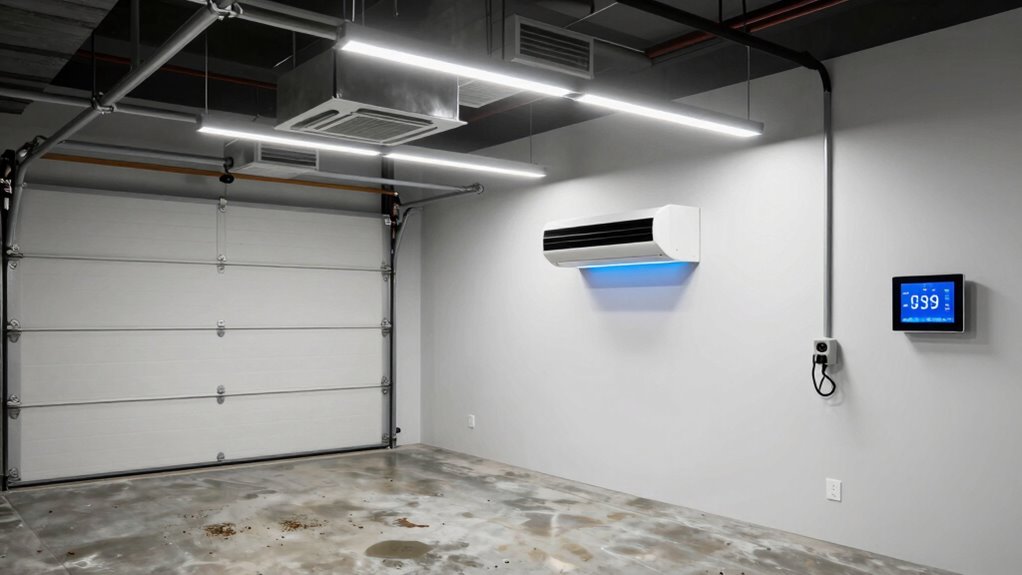
Improving your garage’s air quality starts with implementing practical steps to reduce pollutants and enhance airflow. Begin with effective air filtration, using filters designed for garages to trap dust, fumes, and VOCs. Regularly replace or upgrade filters to maintain their efficiency. Odor control is equally crucial; use activated charcoal or odor absorbers to neutralize fumes from chemicals, gasoline, or paint. Guarantee proper ventilation by installing exhaust fans or vents that promote continuous airflow, removing stale air and bringing in fresh air. Keep the garage clean and free of clutter, which can trap dust and odors. Additionally, monitoring filter indicators can help ensure timely maintenance and optimal performance. Together, these steps help create a healthier environment, reduce airborne pollutants, and maintain a fresher, safer garage atmosphere.
Designing Safe and Efficient Power Systems for Your Garage
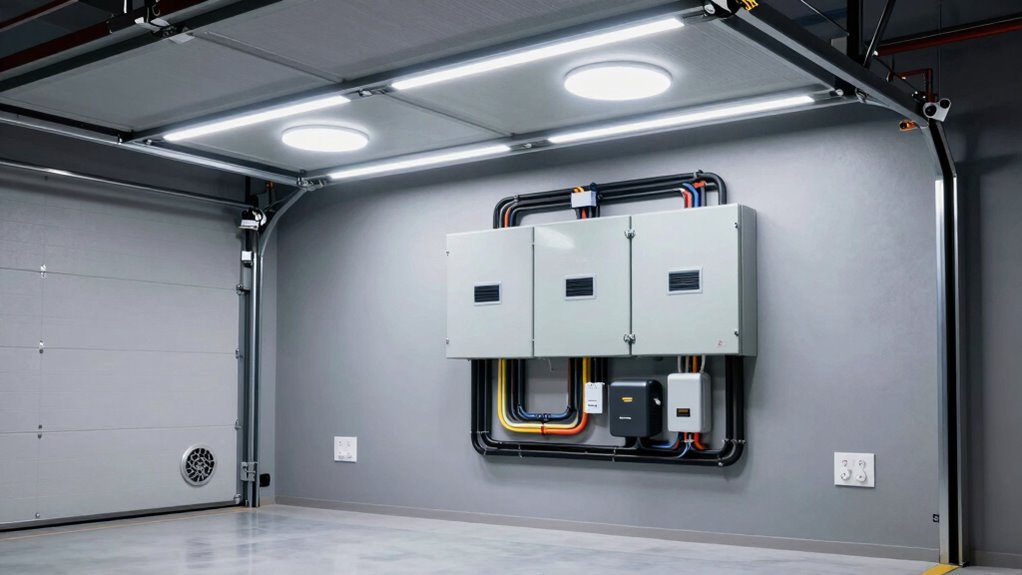
Designing a safe and efficient power system for your garage starts with understanding your electrical needs and planning accordingly. Proper wiring guarantees safe garage lighting and supports your storage organization. First, assess your lighting requirements to illuminate work areas without overloading circuits. Second, plan outlets strategically around the garage for tools and equipment, reducing extension cords. Third, install dedicated circuits for heavy-duty devices like compressors or welders to prevent overloads. Use grounded outlets and circuit breakers for safety. Consider energy-efficient LED lighting for better visibility and lower power consumption. Guarantee wiring complies with local codes. A well-designed system improves safety, optimizes space, and gives you reliable power for all your garage needs. Additionally, incorporating balance and harmony into your electrical planning can help prevent overloads and ensure a safe environment. Understanding electrical safety standards is essential to meet regulatory requirements and protect your property.
Heating and Cooling Your Garage: What You Need to Know
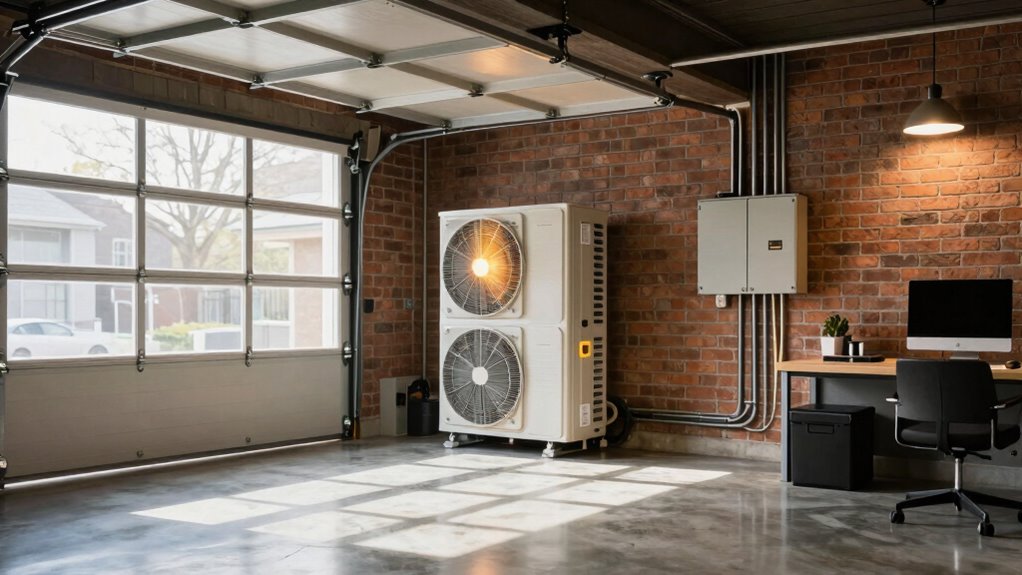
After setting up a safe and efficient power system, the next step is to contemplate how you’ll keep your garage comfortable year-round. Proper garage insulation is key—you want to prevent heat loss in winter and keep it cool during summer. Insulation helps maintain a stable temperature, reducing energy costs. Equally important is your lighting design; well-planned lighting not only improves visibility but also minimizes heat generation. Consider installing energy-efficient heating and cooling options, like space heaters or mini-split systems, that suit the garage’s size and insulation level. Remember, a well-insulated garage with thoughtful lighting makes heating and cooling more effective, saving you money and creating a comfortable workspace no matter the season.
Supporting Garage Tools With Proper Electrical Setup
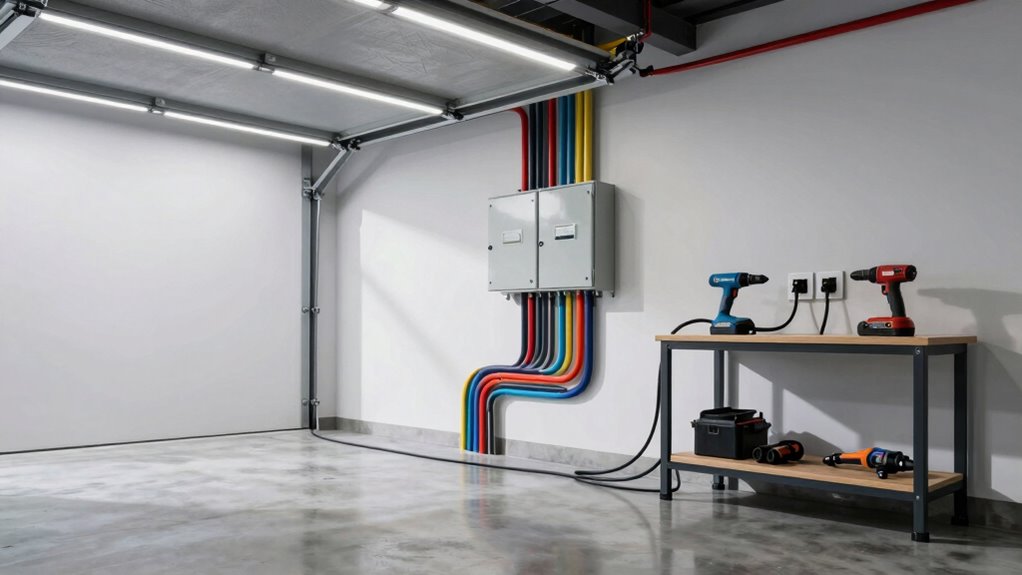
Have you guaranteed your garage’s electrical system can safely support all your tools and equipment? Ensuring proper electrical setup is essential for safety and efficiency. Start by:
- Installing dedicated circuits for heavy tools to prevent overloads.
- Choosing appropriate garage lighting that provides ample illumination without overloading outlets.
- Regularly inspecting wiring and outlets to maintain electrical safety and avoid fire hazards.
This setup minimizes risk and guarantees your tools operate reliably. Remember, proper wiring and circuit design are critical, especially when adding new equipment. Prioritize safety standards, use high-quality materials, and consult a professional if needed. Proper electrical support keeps your garage functional, safe, and ready for any project.
Top Mistakes to Avoid When Planning Garage Climate and Power
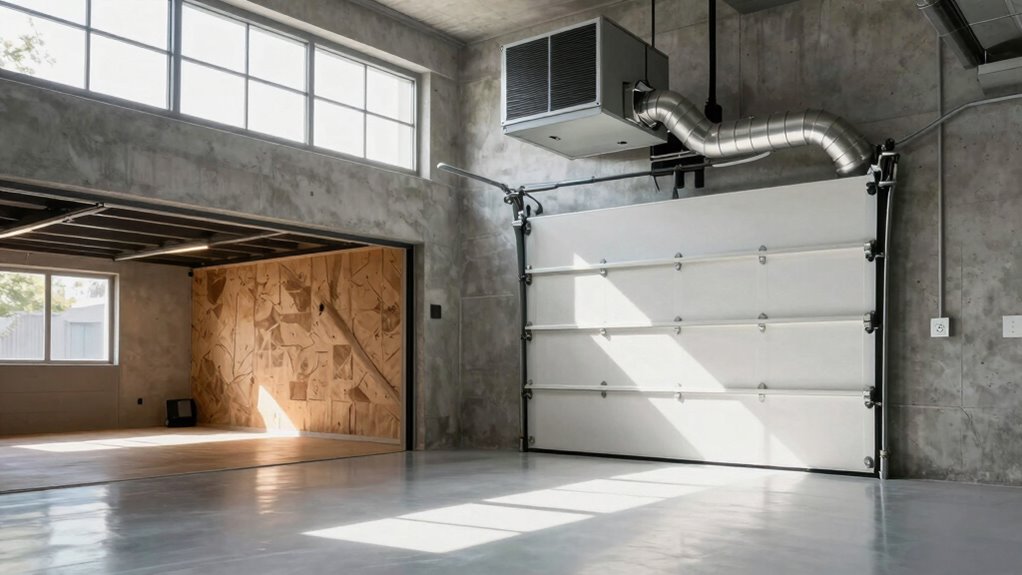
Planning your garage’s climate and power systems without careful attention can lead to costly mistakes and safety hazards. One common mistake is neglecting proper wiring, which can cause electrical fires or power shortages, disrupting your garage aesthetics and storage organization. Overlooking insulation or ventilation can result in uncomfortable temperatures, making it harder to work or store sensitive items safely. Failing to plan for adequate lighting can hinder visibility and safety, especially when managing tools or organizing storage. Additionally, ignoring future needs might restrict your garage’s functionality as your storage organization evolves. To avoid these pitfalls, invest time in detailed planning, prioritize safety, and consider how climate control and power systems influence your overall garage design and usability.
Smart Solutions for a Safer, More Comfortable Garage Environment
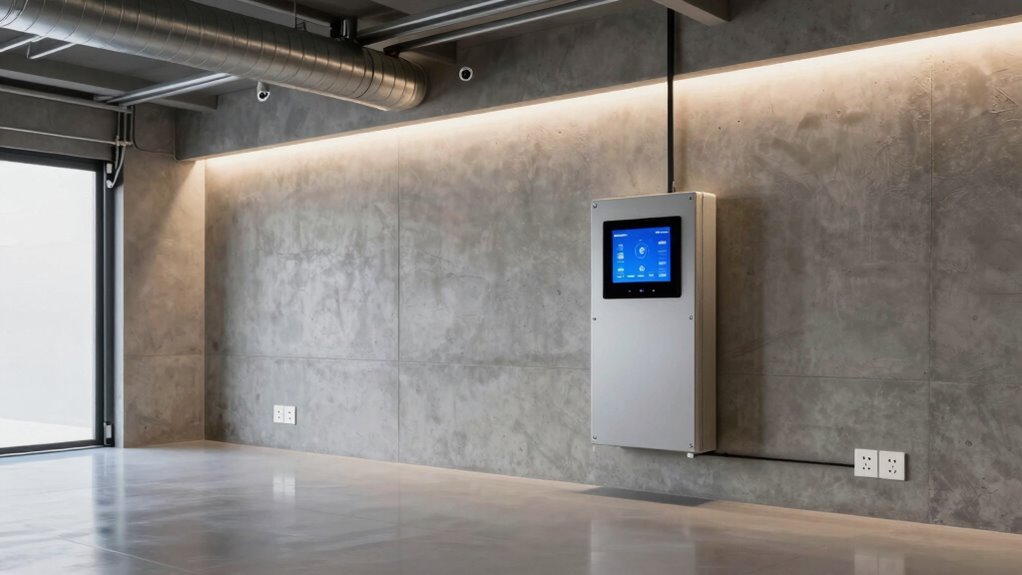
Implementing smart technology can considerably enhance your garage’s safety and comfort. By integrating automated systems, you improve garage aesthetics and streamline storage organization. Consider these solutions:
- Smart lighting that adjusts based on activity or time, enhancing visibility and safety.
- Automated climate control to maintain ideal temperature and humidity levels, protecting stored items.
- Wireless security cameras and sensors that monitor movement and alert you of any issues, ensuring safety.
These innovations not only make your garage safer but also create a more inviting, organized space. Smart technology simplifies managing air, heat, and power needs, reducing energy waste and clutter. With these tools, your garage becomes a more functional and comfortable extension of your home.
Frequently Asked Questions
How Does Garage Climate Control Impact Vehicle Maintenance?
Garage climate control directly affects your vehicle maintenance by preventing issues like corrosion and engine performance problems. Proper temperature and humidity levels reduce rust buildup, protecting metal parts, and help your engine run smoothly. When you regulate the garage environment, you avoid costly repairs caused by excess moisture or extreme cold, ensuring your vehicle stays in top shape longer. Consistent climate control is key to maintaining your vehicle’s longevity and performance.
What Are the Safety Concerns With Garage Electrical Systems?
You should stay safe by addressing garage electrical concerns promptly. Fire hazards can occur if wiring isn’t up to electrical codes, risking sparks and shorts. Overloading outlets or using damaged cords also increase danger. Always make sure your system complies with electrical codes, and have a professional inspect and update wiring regularly. Properly maintained, safe electrical systems prevent potential fire hazards and keep your garage and home secure.
Can Garage Heating and Cooling Reduce Energy Costs?
Yes, garage heating and cooling can lower your energy costs if you implement energy-efficient solutions and effective temperature regulation strategies. By choosing insulated doors, sealing gaps, and using programmable thermostats, you optimize energy use. Proper zoning systems guarantee only the garage is heated or cooled, reducing waste. These strategies help you maintain a comfortable environment while minimizing energy consumption, ultimately saving you money on utility bills.
How Often Should Garage Ventilation Systems Be Maintained?
Think of your garage’s ventilation system as its lungs — it needs regular check-ups to keep air quality fresh and safe. You should maintain your ventilation systems every 6 to 12 months, depending on usage and local conditions. Regular maintenance guarantees the system effectively removes fumes, dust, and humidity, protecting your health and preserving the garage’s integrity. Don’t wait until breathing becomes difficult; stay proactive with your ventilation care.
Are There Specific Materials Recommended for Garage Insulation?
You should consider insulation materials like foam board, spray foam, or fiberglass batts for your garage. These materials offer good thermal barriers, helping maintain consistent temperatures and reduce energy costs. Spray foam, in particular, provides excellent sealing and insulation. Choose materials that resist moisture and pests, ensuring your garage stays well-insulated and protected. Proper insulation enhances comfort and efficiency, making your garage a more functional space.
Conclusion
Think of your garage as more than just storage—it’s a workspace that needs tailored climate, air quality, and power systems. Neglecting these aspects can lead to safety hazards, equipment damage, and discomfort. Remarkably, some experts believe that proper garage climate control can actually improve your home’s overall energy efficiency. So, invest in customized solutions, and you’ll ensure your garage remains safe, functional, and comfortable for years to come.
Fall Picks
fall essentials
As an affiliate, we earn on qualifying purchases.