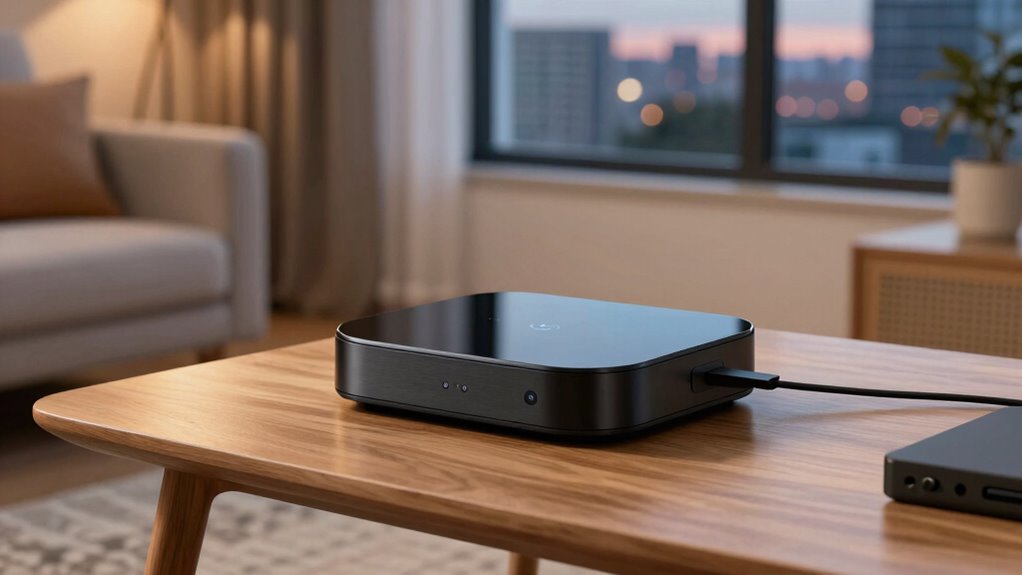

In today’s fast-paced world, a smart home hub still matters because it acts as your central control, making device management seamless, secure, and efficient. It helps coordinate your smart devices, improves safety, and simplifies routines with voice control and automation. With compatibility across various protocols and future-proof features, a hub can adapt to your growing needs. Stay tuned to learn more about how it can transform your connected home and fit your lifestyle.

Get audio and creator gear delivered free with Prime
- Fast, free delivery on millions of items
- Prime Video, Amazon Music and more included
- Member-only deals all year
Key Takeaways
- Compatibility with diverse protocols (Zigbee, Z-Wave) remains crucial for seamless device integration in a connected world.
- Security and privacy measures are essential to protect centralized smart home data amidst increasing cyber threats.
- User-friendly setup and reliable voice control enhance accessibility and ease of use for all users.
- Future-proofing through industry-standard support ensures longevity amid rapid technological advancements.
- Robust energy management features contribute to sustainability goals in an increasingly eco-conscious environment.
smart home hub compatible with Zigbee and Z-Wave
As an affiliate, we earn on qualifying purchases.
As an affiliate, we earn on qualifying purchases.
What Is a Smart Home Hub and Why Does It Matter?
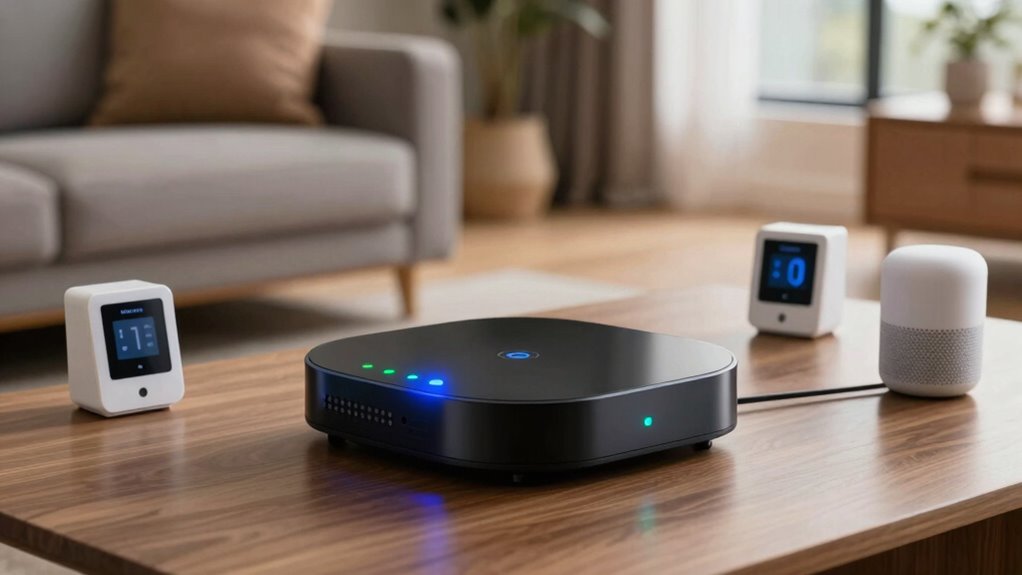
Have you ever wondered how all the smart devices in your home work together seamlessly? A smart home hub acts as the central control point, connecting your devices for smooth operation. It’s essential for smart home security, allowing you to monitor cameras, locks, and sensors from one app. Plus, it plays a crucial role in energy management by coordinating thermostats, lights, and appliances to optimize power use. Without a hub, devices often operate independently, which can lead to fragmented control and less efficiency. A smart home hub simplifies your setup, giving you a unified system that enhances safety and conserves energy. Proper integration ensures reliable device communication for a seamless smart home experience. It’s the backbone that makes your smart home smarter, more secure, and more efficient.
Do You Need a Smart Home Hub for Your Connected Devices?
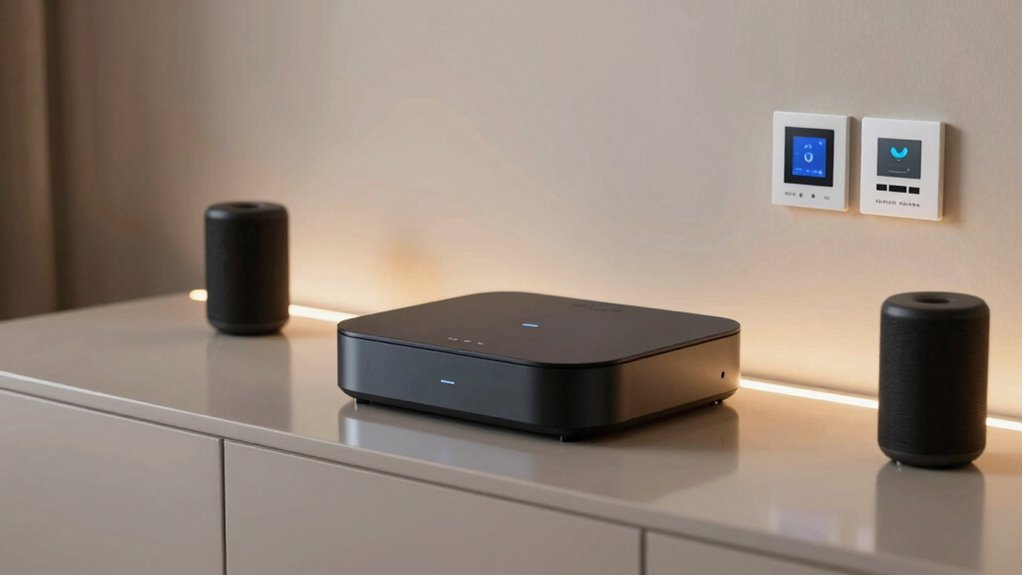
Deciding whether you need a smart home hub depends on the number and types of devices you have. If you own multiple compatible gadgets, a hub simplifies management by centralizing control. It enables voice control, so you can command your devices hands-free, making daily routines more convenient. Additionally, a hub often offers energy monitoring features, helping you track and optimize power usage across your smart devices. This can lead to better energy efficiency and cost savings. If your devices are all compatible with a single voice assistant or app, you might not need a hub. However, as your smart home grows, a hub can streamline your setup, improve responsiveness, and provide a unified interface for controlling and monitoring everything effortlessly. Digital concepts also play a role in enhancing how these systems integrate and function seamlessly, especially when considering home automation and device interoperability. Furthermore, advancements in device interoperability ensure that your smart home components work together more effectively, reducing the need for multiple apps or controllers. Incorporating local automation capabilities can also enhance responsiveness and privacy by processing commands locally rather than relying solely on cloud services. Moreover, as technology evolves, system scalability becomes an important factor in deciding whether a hub is necessary for future-proofing your smart home setup.
Features to Look for When Choosing a Smart Home Hub
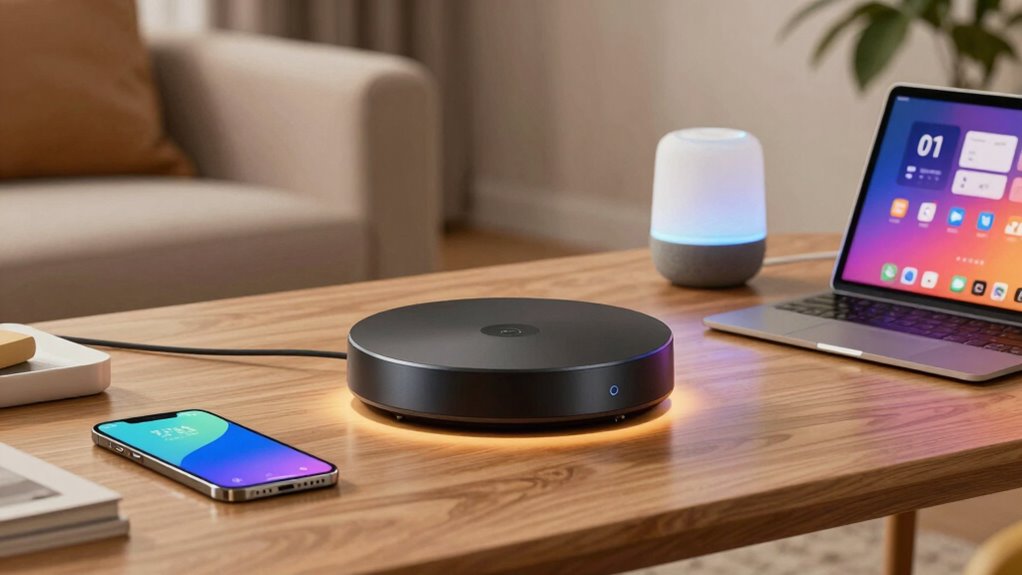
When selecting a smart home hub, ensuring to prioritize features that enhance compatibility, ease of use, and flexibility is key. Look for a hub that supports multiple protocols like Zigbee and Z-Wave to prevent compatibility issues. Voice control is essential—choose a hub with reliable voice assistant integration for seamless operation. Pay attention to privacy concerns, ensuring the device offers robust security measures and clear privacy settings to protect your data. An intuitive app interface makes managing your devices easier, while customizable routines add flexibility. A good hub should also allow firmware updates to keep features current. Additionally, understanding cybersecurity tactics related to smart devices can help you better protect your connected home from potential threats. Regularly updating your device firmware and network security settings can significantly enhance your overall system efficiency and safety. For example, awareness of drone bees and hive health can inspire innovative ways to monitor and maintain your smart environment. Being aware of battery management principles can also ensure your smart devices operate optimally and last longer. Furthermore, considering interoperability standards can help future-proof your smart home setup and ensure seamless integration with new devices as technology evolves. Ultimately, balancing these features will help you create a secure, user-friendly, and adaptable smart home environment tailored to your needs.
How Well Do Smart Home Hubs Work With Your Ecosystem?
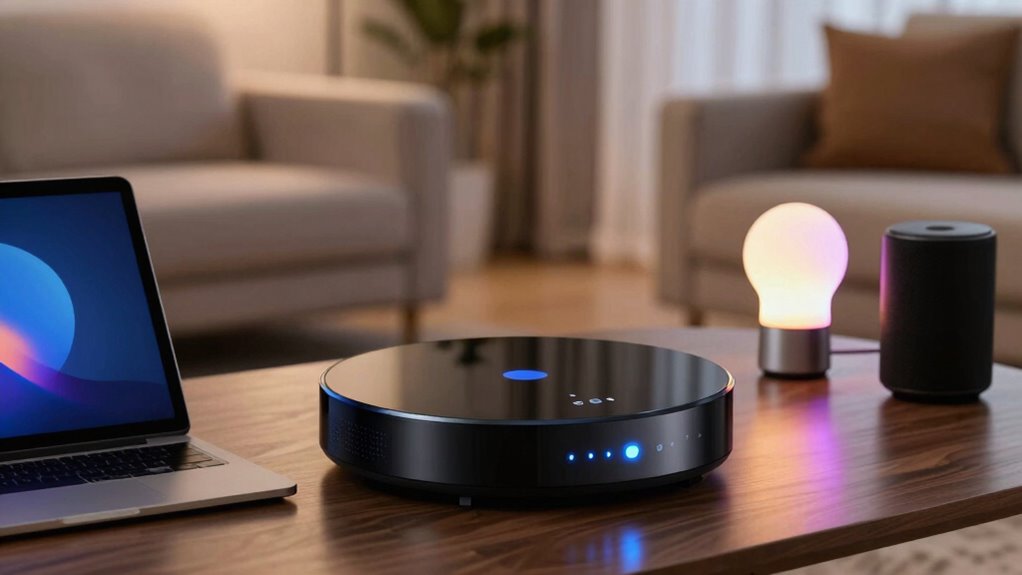
Ever wonder how seamlessly a smart home hub integrates with your existing devices and ecosystem? It’s essential that your hub supports voice control across various brands, so you can manage everything effortlessly. Compatibility is key—whether you have smart lights, thermostats, or security cameras, your hub should unify these devices into one control point. Security features are equally important; look for hubs with strong encryption and user authentication to keep your smart home safe. When your hub works well with your ecosystem, it reduces frustration and makes daily routines smoother. A truly integrated system responds quickly, understands voice commands accurately, and keeps your data protected. Ensuring device compatibility with your smart home hub is crucial for seamless operation and peace of mind. Additionally, choosing a hub with scalable integrations allows your system to grow as you add new devices over time. Ultimately, the effectiveness of your smart home hub hinges on how well it connects and interacts within your existing setup, and considering system interoperability can help prevent compatibility issues down the line. Having a clear understanding of smart home protocols can also enhance your system’s reliability and performance.
Can a Smart Home Hub Future-Proof Your Smart Devices?
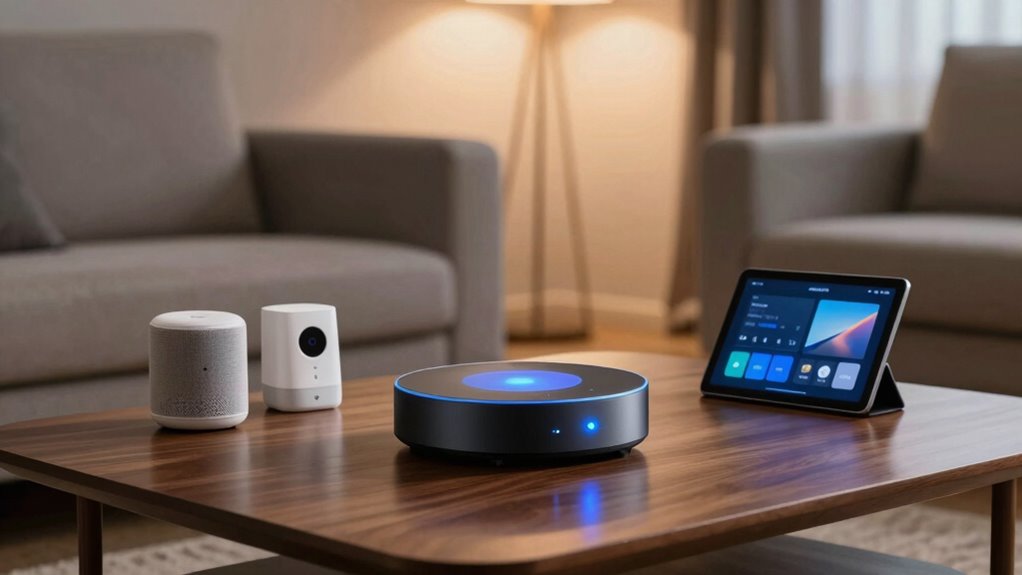
A smart home hub can help future-proof your devices by providing a centralized platform that adapts to evolving technology standards. This means your devices stay compatible longer, saving you from constant upgrades. Understanding technology standards is key to ensuring your smart home remains adaptable in the future. Additionally, staying informed about off-road gear/comfort can inspire innovative solutions for integrating various smart devices seamlessly. This adaptability hinges on recognizing and aligning with industry standards, which can prevent obsolescence. This means your devices stay compatible longer, saving you from constant upgrades. However, consider privacy concerns—more centralized data can attract risks, so guarantee your hub has strong security. The cost implications also matter; investing in a hub might seem hefty upfront, but it can reduce expenses over time by avoiding replacements. Think of this table as an emotional reminder of what’s at stake:
| Hope | Hesitation |
|---|---|
| Seamless upgrades | Privacy fears |
| Long-term savings | Cost worries |
| Compatibility | Data security |
| Convenience | Vulnerability |
| Confidence in tech | Uncertainty |
Common Challenges When Using a Smart Home Hub
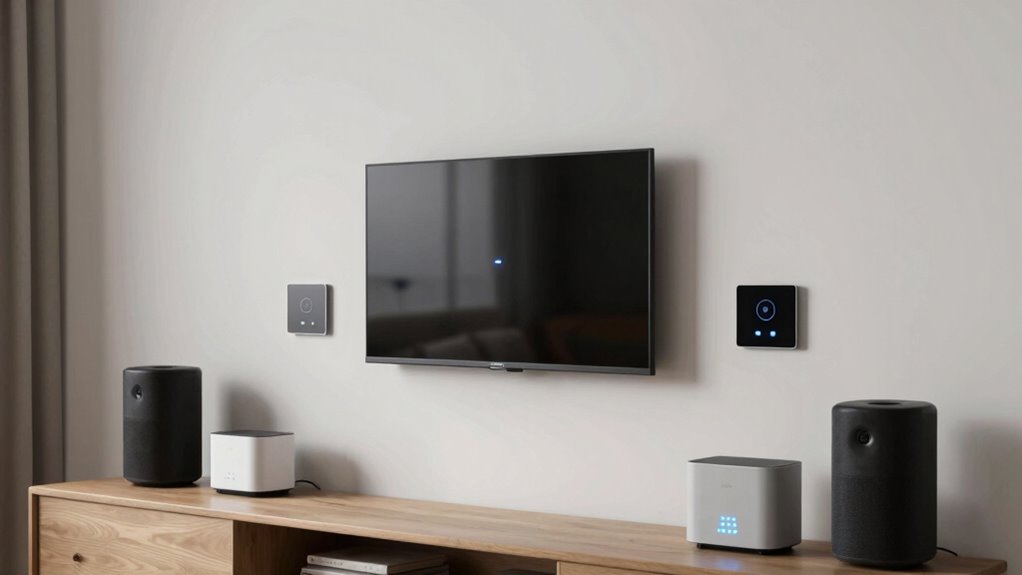
Using a smart home hub can sometimes feel frustrating due to device compatibility issues and complicated setup steps. You might find that not all devices work seamlessly together, or that getting everything connected takes more time than expected. These challenges can make managing your smart home more difficult than it should be. Additionally, understanding the fundamental limitations of current connectivity technologies can help set realistic expectations for device integration. Recognizing these connectivity constraints can prepare you to troubleshoot more effectively and choose devices that better align with your existing setup. Exploring wireless communication protocols can also help you select compatible devices and avoid future frustrations. Being aware of integration standards can further streamline your setup process and improve overall compatibility. Moreover, understanding the hardware limitations of smart home devices can prevent unnecessary troubleshooting and enhance your overall experience.
Device Compatibility Issues
Are you running into trouble getting all your smart devices to work seamlessly with your hub? Device compatibility issues can be frustrating, making it feel like your smart home isn’t as smart as it should be. You might struggle with voice control not recognizing certain gadgets, leaving you feeling powerless. Security concerns also arise when incompatible devices create vulnerabilities or require multiple apps, increasing the risk. Here are some common challenges:
- Limited device support that leaves some gadgets out of reach.
- Inconsistent voice commands that frustrate your daily routines.
- Security gaps due to incompatible firmware or protocols.
- The absence of standardized ethics in consumer technology can also influence how manufacturers prioritize security and compatibility.
These issues can dampen your smart home experience, forcing you to compromise on convenience and safety.
Complex Setup Processes
Many users find that setting up a smart home hub can be more complicated than expected, often turning what should be be a straightforward process into a frustrating ordeal. The setup process can involve multiple steps, firmware updates, and device pairings, which may feel overwhelming. Integrating AI features and voice control adds complexity, requiring you to configure voice assistants and verify compatibility. Sometimes, the hub’s app is confusing, with unclear instructions or slow responses. This can lead to frustration and delays in getting your smart home fully functional. Despite promises of easy setup, you might find yourself troubleshooting connections or updating firmware repeatedly. The process demands patience and attention to detail, especially when trying to enable seamless AI integration and voice control across your devices.
Is a Smart Home Hub Right for Your Lifestyle?
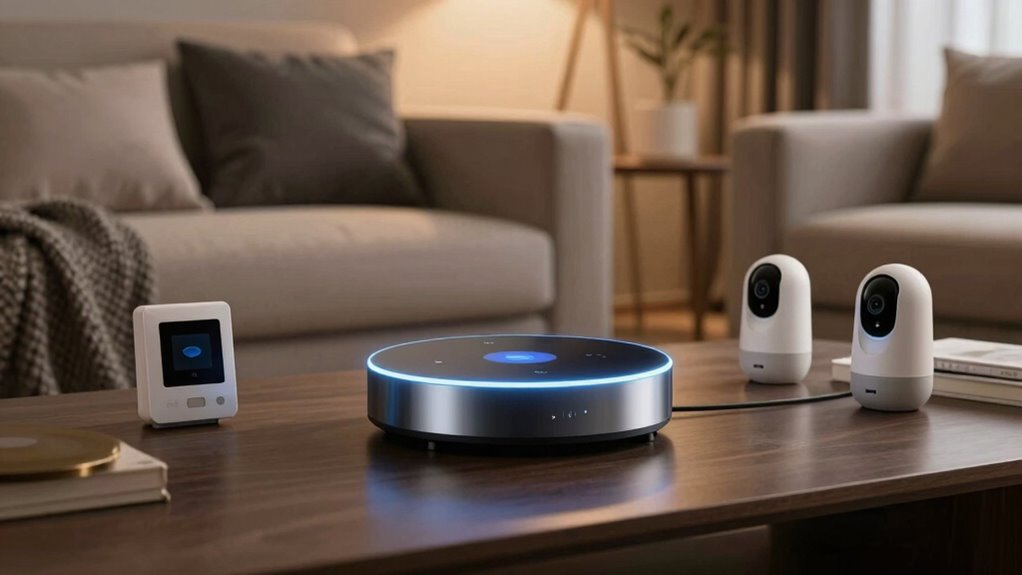
Think about whether your devices are compatible with a smart home hub, as seamless integration is key. If you prefer simple setups and straightforward controls, ease of use becomes a major factor. Ultimately, you’ll want to determine if a hub aligns with your lifestyle and tech habits.
Compatibility With Devices
Ensuring your smart home hub works seamlessly with your existing devices is essential when considering if it’s the right fit for your lifestyle. Compatibility impacts how effortlessly you can control your environment and save energy. Imagine effortlessly adjusting your lights with voice control or monitoring energy use to reduce costs. To feel confident, consider:
- Whether your devices support common protocols like Zigbee or Z-Wave for smooth integration.
- If the hub offers robust voice control features that match your preferred assistant.
- Its ability to provide energy monitoring, helping you make smarter, eco-friendly choices.
A compatible hub simplifies your life, making smart features more accessible and reliable. If your devices align well, you can enjoy a truly connected, efficient home tailored to your needs.
Ease of Use
Once you’ve confirmed that your smart home devices work well together, the next step is to think about how easy it will be to use the hub daily. A user-friendly hub simplifies voice control, making commands quick and intuitive. However, consider your concern for user privacy—some hubs collect data to improve functionality, which might not suit everyone. Ease of use also depends on the interface; look for one with clear menus and minimal setup.
| Aspect | Consideration |
|---|---|
| Voice Control | Should respond accurately and quickly |
| User Privacy | Check data collection policies and privacy controls |
| Setup Process | Should be straightforward and guided |
| App Interface | Needs to be simple and easy to navigate |
| Compatibility | Ensures seamless operation without frustration |
Smart Home Hub Trends and What’s Next
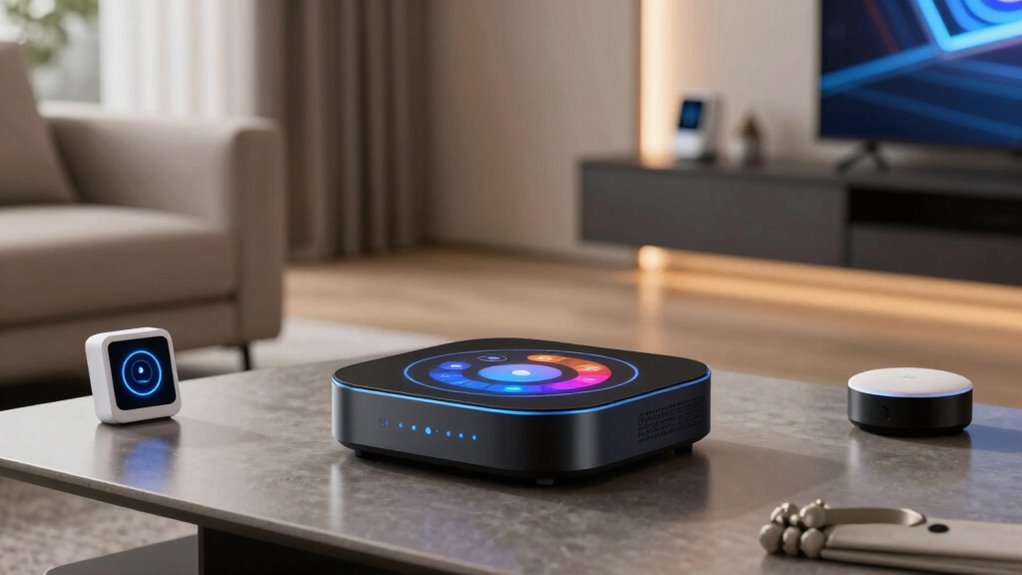
As smart home technology continues to evolve, the trends shaping the future of home hubs are becoming more focused on seamless integration and user convenience. AI integration is pushing hubs to learn your routines, making automation smarter and more personalized. Voice control is becoming even more natural, allowing you to command your entire home effortlessly.
Here are the key trends to watch:
- Enhanced AI integration—hubs will anticipate your needs, creating a truly intuitive experience.
- Improved voice control—more accurate, context-aware commands that feel like talking to a person.
- Greater interoperability—more devices working seamlessly together, reducing frustration and increasing comfort.
These advancements will make your smart home more responsive, efficient, and enjoyable.
Frequently Asked Questions
How Secure Are Smart Home Hubs Against Hacking Attempts?
Smart home hubs are fairly secure but aren’t invincible. They use device encryption to protect your data, making it harder for hackers to access your information. Regular firmware updates are essential, as they patch vulnerabilities and enhance security. You should keep your hub updated and enable strong, unique passwords. While no system is completely hack-proof, these practices considerably reduce your risk and help keep your smart home safer.
Can Smart Home Hubs Improve Energy Efficiency in My House?
Yes, smart home hubs can improve your energy efficiency. They enable you to set automation scheduling for lights, thermostats, and appliances, helping you conserve energy when you’re not home or asleep. By optimizing usage patterns, you reduce waste and lower utility bills. Plus, real-time monitoring lets you track your energy consumption, making it easier to identify areas for further conservation efforts.
Are Smart Home Hubs Compatible With Voice Assistants Like Alexa or Google Assistant?
Your smart home hub seamlessly integrates with voice assistants like Alexa and Google Assistant, making your home smarter than ever. With smart home integration, you can control everything effortlessly. Plus, voice command customization lets you personalize commands, turning your voice into a superpower. Imagine a home that responds instantly to your every command—your smart hub makes that possible, ensuring your voice-controlled universe is perfectly tailored to your life.
What Is the Average Cost of Setting up a Smart Home Hub System?
The average cost of setting up a smart home hub system ranges from $100 to $300, depending on features and brand. You’ll need to budget for the hub itself, which handles smart security and appliance integration, plus compatible devices like sensors, cameras, and smart appliances. Additional costs might include professional installation or subscription services, but overall, a basic setup offers affordable automation and enhanced security for your home.
How Do I Troubleshoot Connectivity Issues With My Smart Home Hub?
Remember, a chain is only as strong as its weakest link. To troubleshoot your smart home hub’s connectivity issues, start by checking device integration—ensure all devices are correctly connected and within range. Then, update your hub’s firmware to fix bugs and improve stability. Restart your hub and router, and verify your Wi-Fi connection. If problems persist, reset the hub or contact support.
Conclusion
Ultimately, mastering your smart home means making mindful, modern decisions. A thoughtful hub can simplify, synchronize, and streamline your smart setup, saving you stress and sparking success. Don’t delay—dive into devices, decipher features, and determine if a smart home hub fits your lifestyle. With the right choice, you’ll enjoy a seamless, secure, and sensational smart space. Get going today, and turn your tech troubles into terrific triumphs!
Halloween Picks
halloween
As an affiliate, we earn on qualifying purchases.