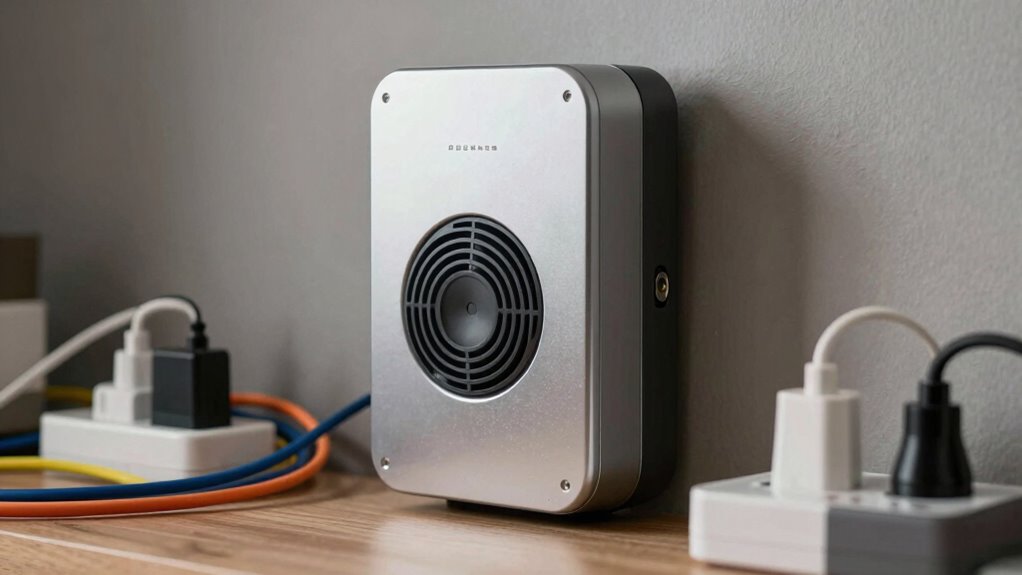

Whole-home surge protection covers all your wiring and appliances by installing at the main electrical panel, offering extensive defense against power surges. Power strips protect only individual devices plugged into them and are more affordable but less effective for large surges or wiring damage. For full protection, especially during lightning strikes or outages, whole-home systems are better but cost more. Want to know which option suits you best? Keep exploring to find out more.

Get audio and creator gear delivered free — and shop member deals
- Fast, free delivery on millions of items
- Access to Prime Big Deal Days deals on October 6–7
- Prime Video, Amazon Music and more included
Key Takeaways
- Whole-home surge protection covers the entire electrical system at the main panel, protecting all wiring and devices; power strips protect only connected devices.
- Whole-home systems require professional installation and are more expensive but offer comprehensive, ongoing surge defense.
- Power strips are affordable, portable, and protect individual devices, but provide limited protection against large surges.
- Whole-home surge protectors divert excess voltage before it reaches outlets, while power strips rely on built-in components like MOVs for localized protection.
- For complete safety, whole-home protection is recommended, whereas power strips are suitable for added, targeted device protection.
As an affiliate, we earn on qualifying purchases.
What Is Whole-Home Surge Protection and How Does It Work?
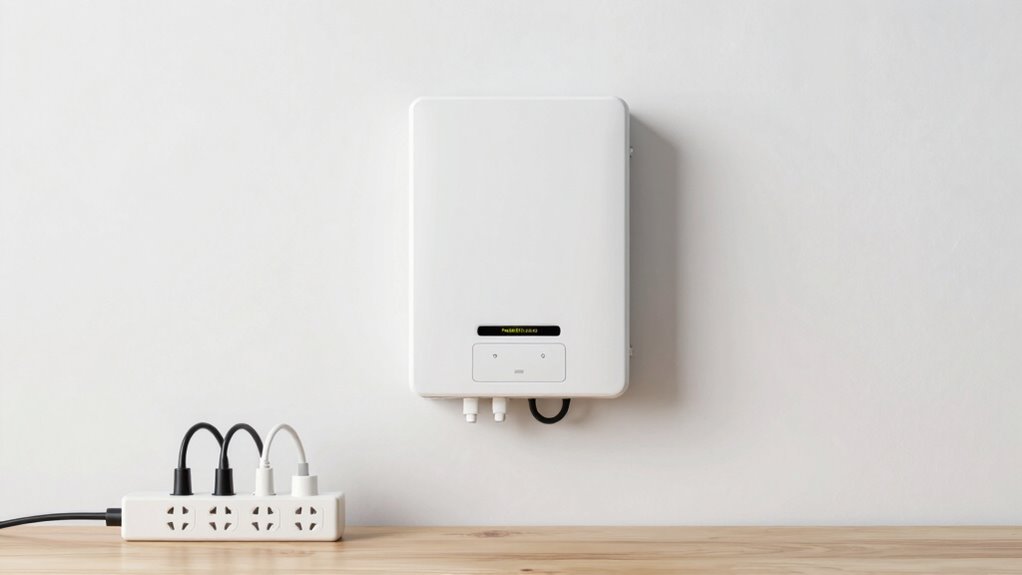
Whole-home surge protection is a system designed to shield your entire house from power surges. It works by diverting excess voltage away from your electrical system, maintaining stable voltage regulation throughout your home. When a surge occurs, the device detects the sudden spike and channels it safely to the electrical grounding system, preventing damage to your appliances. This setup guarantees that surges caused by lightning strikes or grid fluctuations are handled before they reach your devices. Proper electrical grounding is essential, as it provides a safe path for excess energy, minimizing the risk of electrical fires or equipment failure. Additionally, understanding the importance of voltage regulation helps ensure your home’s electrical system remains stable during power fluctuations. By installing whole-home surge protection, you’re creating a reliable barrier that keeps your entire house protected from unpredictable power surges. Ensuring proper grounding is crucial for optimal system performance and safety, and it also plays a vital role in system reliability. Properly maintained grounding systems can also help reduce the buildup of microplastics in dust, which is a growing concern for indoor air quality.
How Do Power Strips With Surge Protection Guard Your Devices?
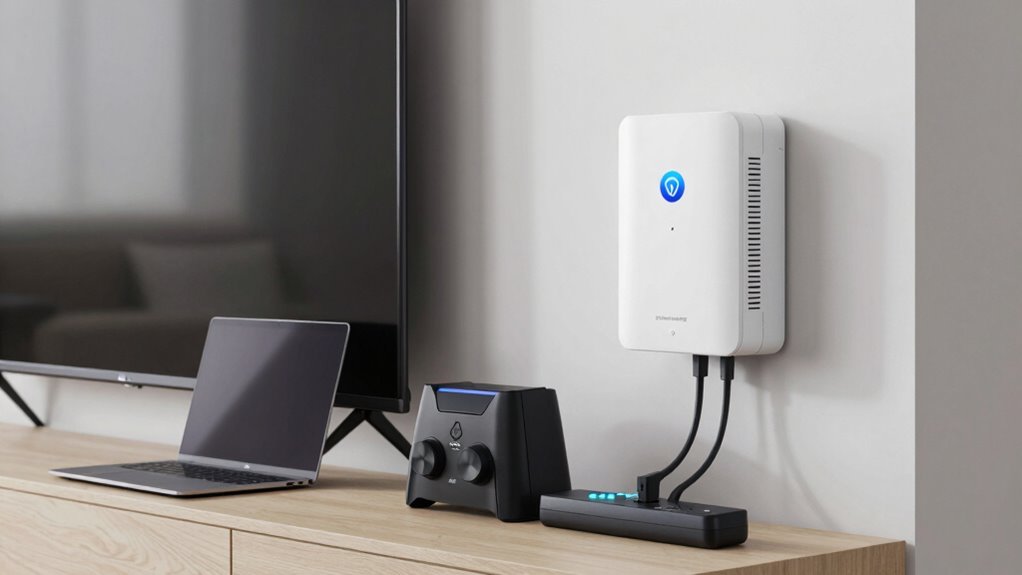
Power strips with surge protection shield your devices by blocking sudden voltage spikes. They use components like metal oxide varistors (MOVs) or gas discharge tubes to absorb excess energy. Different protection features, such as multiple outlets and indicator lights, help guarantee your devices stay safe during power surges. Additionally, understanding the future of work and society can help you make more informed choices about your home technology and safety measures. Incorporating knowledge of lifestyle for longevity can also guide you in selecting devices that support a healthier home environment. Recognizing the importance of eco-friendly natural pools highlights how sustainable practices can contribute to a safer and more environmentally conscious home setup. Being aware of affiliate disclosures ensures transparency when researching the best surge protection options. To ensure your devices are adequately protected, verifying the manufacturer’s claims and certifications can provide added confidence in your selection.
How Surge Protectors Work
When a power surge occurs, surge protectors act quickly to shield your devices from damaging voltage spikes. They do this by diverting excess electricity safely away from your electronics, protecting sensitive components. Inside, components like metal-oxide varistors (MOVs) absorb the surge. This process prevents the surge from traveling through your electrical wiring and damaging your devices. Additionally, understanding safeguarding your investments can help you choose the right surge protector to ensure long-term protection. Recognizing the importance of vintage audio equipment can also influence your choice of surge protection to preserve your cherished devices. Knowing the types of surge protectors available can help you select the most appropriate one for your needs, especially considering surge protector specifications to match your electrical setup.
Types of Protection Features
Power strips with surge protection are equipped with various features designed to defend your devices from voltage spikes. One key feature is voltage regulation, which helps maintain a steady voltage level, preventing sudden surges from damaging electronics. Additionally, circuit interruption acts as a safeguard by shutting off power when a surge exceeds safe limits, protecting your devices from overloads. These features work together to guard against unexpected power fluctuations. Voltage regulation ensures your devices receive consistent power, reducing stress on sensitive electronics. Circuit interruption provides an immediate response to dangerous voltage spikes, disconnecting power quickly. Moreover, continuous support from the surge protector helps ensure ongoing device safety during power irregularities, making surge-protected power strips an essential line of defense for your gadgets, offering peace of mind and extending their lifespan. Proper grounding and maintenance practices also play a vital role in ensuring the effectiveness of surge protection over time. Understanding the importance of effective grounding can greatly enhance the overall reliability of surge protection systems. Regular inspections and updates to your surge protection setup can help maintain its performance efficiency and safeguard your devices effectively.
Which Offers Better Coverage: Whole-Home or Power Strips?
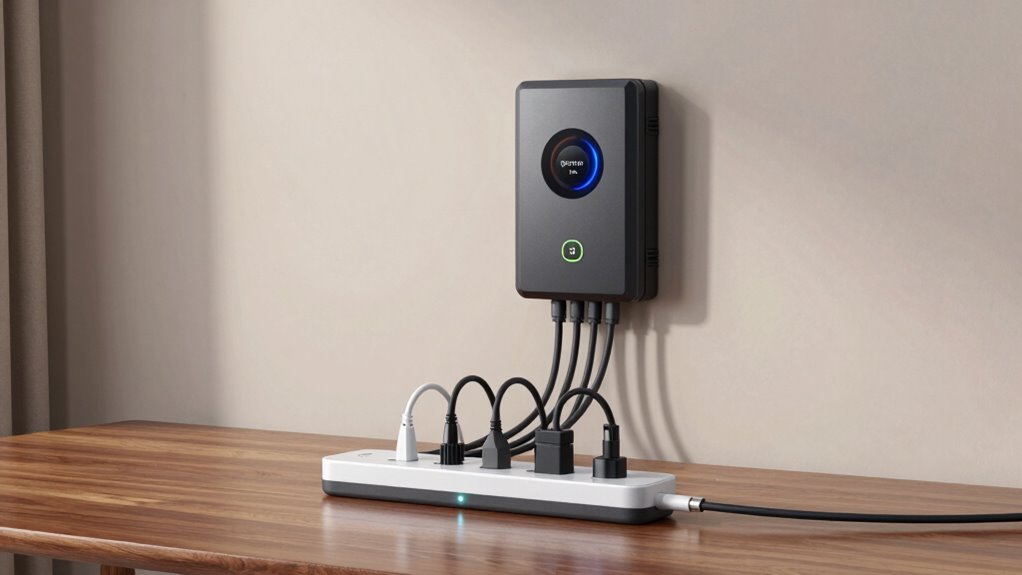
Ever wondered which option provides the most all-encompassing protection for your entire home? Whole-home surge protection covers your electrical wiring and appliances from power surges caused by lightning or power outages. It’s installed at your main electrical panel, safeguarding everything connected to your system. Power strips, on the other hand, protect only individual devices, leaving your wiring exposed to surges. Understanding how surge protection works can help you make a more informed decision about safeguarding your home. Additionally, knowing home safety upgrades can further improve your overall protection. Incorporating requirements traceability into your safety measures ensures that all components are properly monitored and maintained for maximum effectiveness.
- Whole-home systems defend against surges before they reach your devices
- Power strips protect specific outlets but don’t prevent electrical wiring damage
- Whole-home protection is more reliable during a power outage or lightning strike
- Implementing protective measures like whole-home surge protection can help prevent damage from persistent electrical issues. Additionally, considering electrical system protection can further enhance your home’s safety against unexpected surges.
If you want comprehensive coverage, whole-home surge protection wins. It ensures your entire electrical system is shielded, reducing risk during power fluctuations or outages.
Are Power Strips Enough or Should You Invest in Whole-Home Protection?
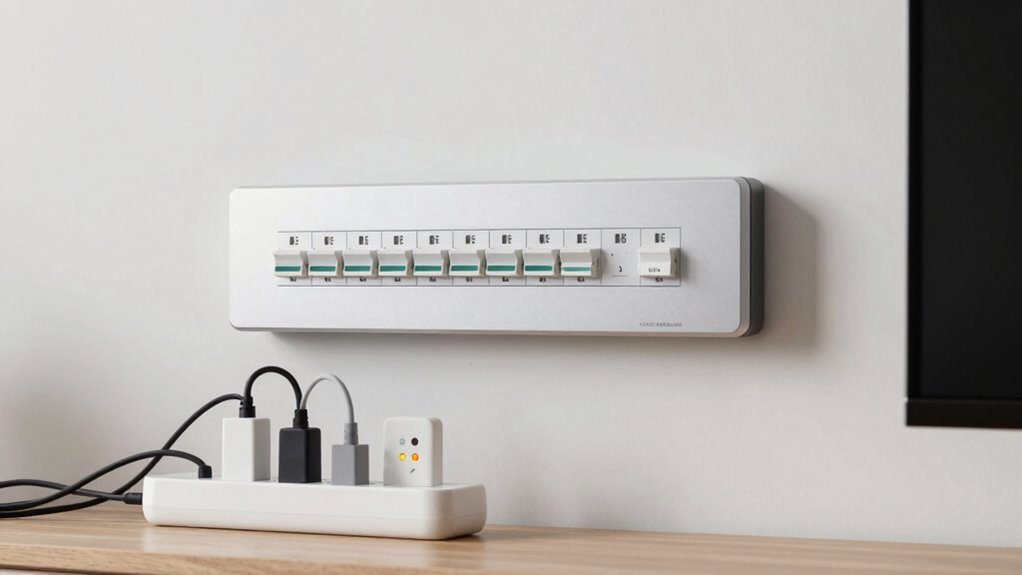
Power strips are convenient, but they only protect a limited area and offer basic surge defense. Whole-home protection covers your entire house and provides higher-level security, though it costs more and requires professional installation. Considering your needs and budget will help you decide if a simple power strip suffices or if investing in whole-home protection is worth it. Additionally, understanding the structure and health of nails can be an indicator of overall health and may influence your choices in home safety measures. Being aware of the electrical system’s capacity can help you determine whether your current setup can support whole-home surge protection effectively. Properly assessing your home’s electrical load capacity is essential to ensure the system can handle the added protection without issues.
Coverage Area Differences
Have you contemplated whether your surge protection needs extend beyond a single outlet? Power strips typically cover a limited area, making coverage limitations a real concern if multiple devices or rooms are vulnerable. Whole-home surge protection, on the other hand, safeguards your entire electrical system, addressing area vulnerabilities across your property.
Key points to consider:
- Power strips only protect individual outlets, leaving other parts of your home exposed.
- Coverage limitations mean you might miss surges affecting different circuits.
- Whole-home systems provide extensive protection, covering every outlet and circuit.
Ultimately, if your concern is safeguarding multiple spaces or large appliances, investing in whole-home protection makes more sense than relying solely on power strips.
Protection Levels Variance
While power strips offer a convenient way to protect individual devices, they often fall short when it comes to all-encompassing surge defense. Power strips mainly focus on blocking voltage fluctuations at specific outlets, but their protection levels vary widely. They may include some surge suppression, yet they can’t handle large surges caused by lightning strikes or power grid issues. This limits their effectiveness for power outlet safety across your entire home. Whole-home surge protection provides a higher, more reliable level of defense, reducing the risk of damage from sudden voltage spikes. It offers consistent protection for all your appliances and electronics, regardless of where they’re plugged in. So, if you want thorough surge defense, investing in whole-home protection is a smarter choice.
Cost and Installation
Considering the differences in protection levels, your choice between power strips and whole-home surge protection often comes down to cost and installation. A quick cost comparison shows power strips are inexpensive upfront but offer limited protection. Whole-home systems require a higher initial investment but provide extensive coverage. The installation process for power strips is simple—you just plug them in—while whole-home protection involves a professional installation, which can be more complex and time-consuming.
- Power strips are budget-friendly but less effective.
- Whole-home surge protectors increase safety and longevity.
- Installation costs for whole-home systems vary based on your home’s wiring.
Ultimately, if you’re looking for affordable, easy protection, power strips might suffice. But investing in whole-home surge protection can save you money and hassle in the long run by safeguarding all your devices.
How Much Do Surge Protectors Cost, and What’s Involved in Installation?
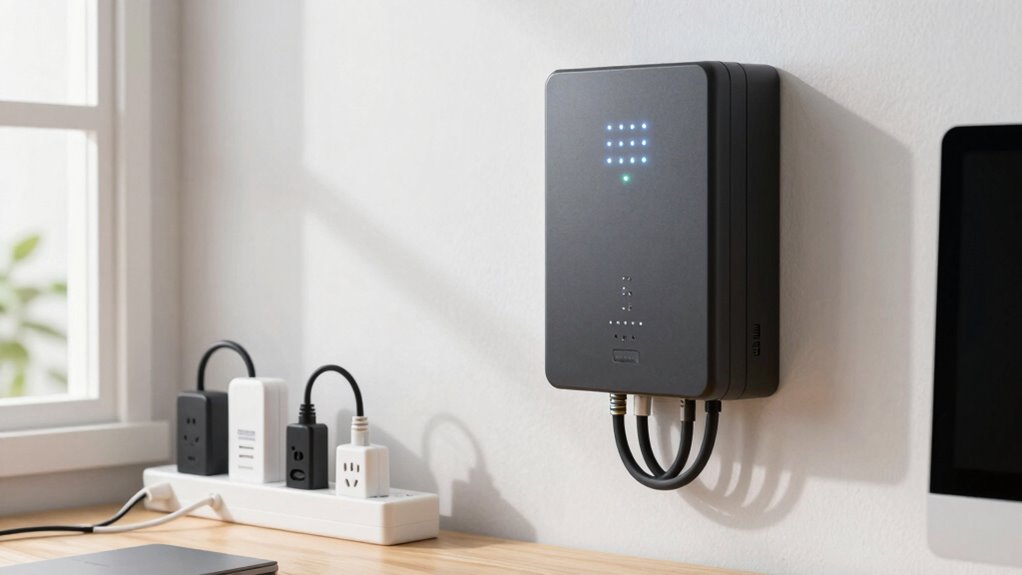
Surge protectors come in a range of prices, depending on their features and level of protection. Basic power strips may cost around $10 to $30, suitable for small appliances and indoor use. Whole-home surge protection systems typically range from $150 to $500, plus installation costs, which may involve an electrician. Installation involves connecting the system to your main electrical panel, often requiring outdoor outlets for external components. Proper installation enhances appliance safety and guarantees thorough protection. Here’s a quick comparison:
| Cost Range | Features & Protection Level |
|---|---|
| $10-$30 | Basic power strips, indoor use |
| $150-$500 | Whole-home surge protectors, professional setup |
Choosing the right option depends on your needs and the level of protection you want.
Common Myths About Surge Protectors and Whole-Home Systems
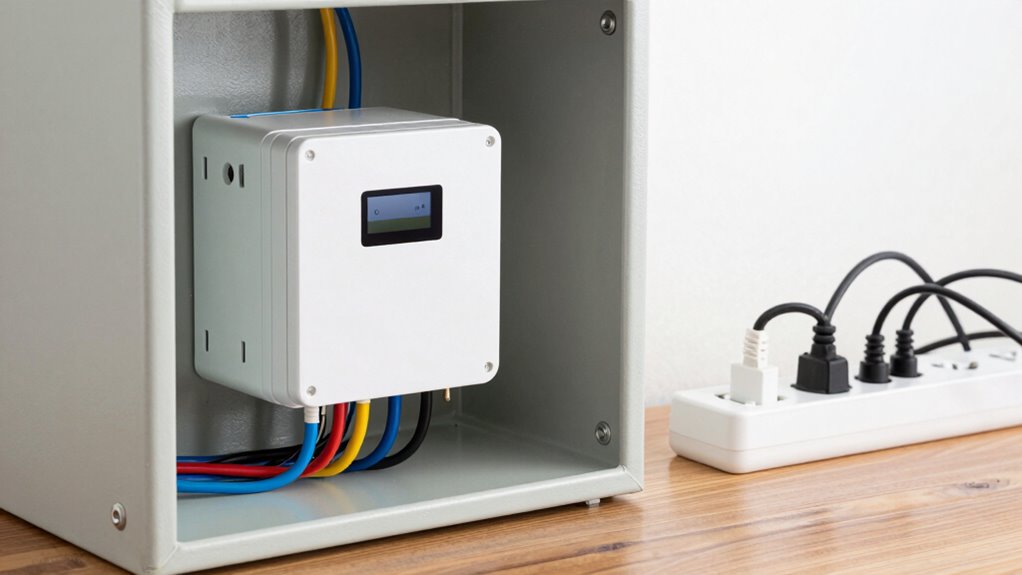
Many people believe common myths about surge protectors and whole-home systems, which can lead to misconceptions about their effectiveness. Myth busting is essential to understand what these systems can and can’t do. One widespread myth is that power strips offer the same level of protection as whole-home systems, which is not true. Some think they eliminate safety concerns entirely, but no surge protector can guarantee complete safety. Others believe surge protectors last forever, when in reality, they degrade over time and need replacement.
- Surge protectors prevent all electrical damage, but they only absorb surges, not eliminate them completely.
- Whole-home systems are overly expensive and unnecessary, which isn’t accurate for protecting critical appliances.
- Installing surge protection is complicated and unsafe, when professional installation ensures safety and performance.
How to Choose the Right Surge Protection for Your Home
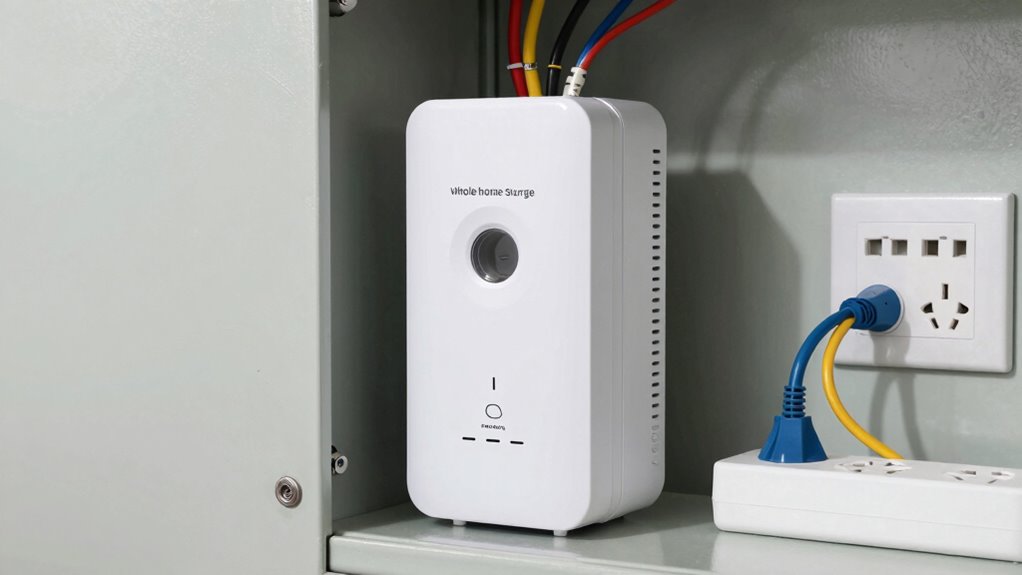
Choosing the right surge protection for your home starts with understanding your specific needs and the different options available. First, assess your electrical wiring to determine if a whole-home system is suitable, especially if your wiring is outdated or complex. For essential devices, a high-quality surge protector with a long lifespan can offer reliable defense against power surges. Look for devices with a high Joule rating, which indicates better protection and durability. Consider whether you need point-of-use power strips or an integrated whole-home system, based on your home’s size and electrical setup. Keep in mind that surge protector lifespan varies; regular replacement guarantees continued protection. Making informed choices helps safeguard your appliances and extends their lifespan.
Frequently Asked Questions
Can Surge Protectors Prevent All Types of Electrical Surges?
Surge protectors can’t prevent all types of electrical surges, especially during lightning strikes or severe power fluctuations. While they shield your devices from minor surges, powerful events can still cause damage. Whole-home surge protection offers better defense against major surges caused by lightning or grid issues, but no device can guarantee complete protection. It’s smart to use a combination of protections to keep your electronics safe during unexpected electrical events.
How Often Should I Replace My Surge Protector?
You should replace your surge protector every 3 to 5 years, as its lifespan diminishes over time. Keep an eye out for replacement indicators like frayed cords, scorch marks, or if it stops providing surge protection. If it trips frequently or shows signs of damage, it’s time for a new one. Regular replacement guarantees your devices stay protected and maintain ideal surge protection performance.
Do Whole-Home Surge Protectors Affect My Electrical Bills?
Whole-home surge protectors don’t considerably affect your electrical bills because they use minimal energy to operate. They enhance energy efficiency by protecting your devices from power surges, which can cause damage and costly replacements. This added protection promotes cost savings over time. You won’t notice a difference in your electricity costs, but you’ll benefit from increased device longevity and fewer repair expenses, making your home safer and more efficient.
Are There Specific Appliances That Need Extra Surge Protection?
Think of your appliances as delicate dancers needing extra protection from sudden storms. You should give special attention to sensitive electronics like computers, TVs, and home theater systems. These devices benefit from both appliance safety measures and surge protection types, especially whole-home surge protectors, which guard your entire house. High-value or critical appliances, such as refrigerators and HVAC systems, also deserve extra surge protection to keep them running smoothly and safely.
Can I Install a Whole-Home Surge Protector Myself?
You can install a whole-home surge protector yourself, but it’s not recommended due to installation safety concerns. Professional installation guarantees the device is correctly grounded and safely connected to your electrical system. If you’re not experienced with electrical work, hiring a licensed electrician guarantees proper setup, reducing risks of faults or damage. Prioritize safety and professional installation to protect your home and appliances effectively.
Conclusion
Think of surge protection as the shield guarding your home’s heart and the sword defending individual battles. While power strips are handy for small skirmishes, a whole-home system acts as a fortress, safeguarding your entire kingdom. Choosing the right balance depends on your needs and values. Remember, investing wisely in protection is like planting a sturdy tree—its roots strengthen your home’s foundation against the storms of electrical surges, ensuring your peace of mind endures.
Fall Picks
fall essentials
As an affiliate, we earn on qualifying purchases.