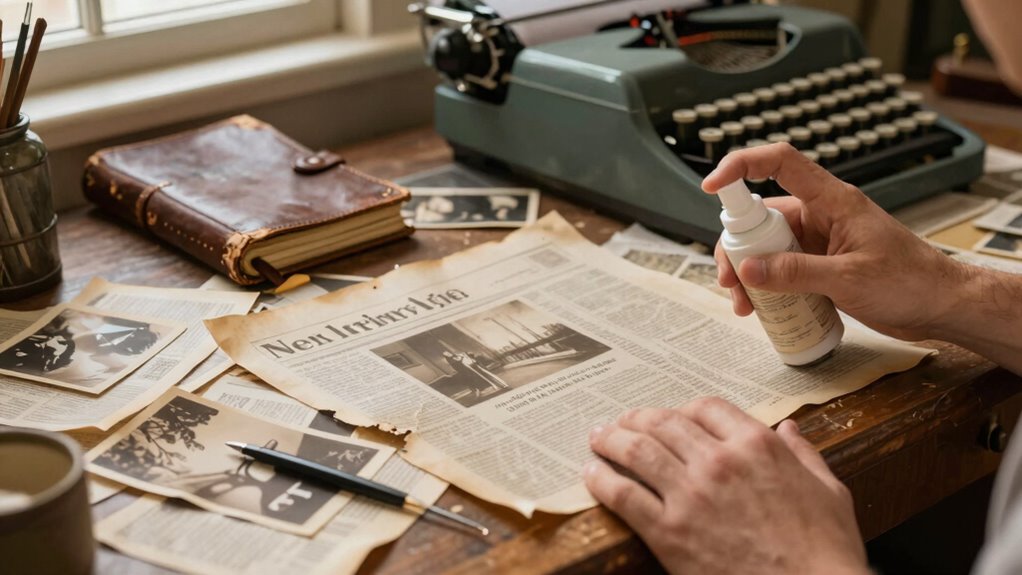

You can make your old articles feel alive again by repurposing them into different formats like videos or infographics, revitalizing the content with new data or insights, and updating keywords for better SEO. Extract key points to create engaging social media snippets or add fresh examples to boost relevance. By strategically reusing and optimizing your existing content, you keep it lively and engaging without total republishing. If you want to discover more ways to breathe new life into your content, keep exploring.
Listen free for 30 days with Audible
Thousands of audiobooks and originals — cancel anytime.
As an affiliate, we earn on qualifying purchases.
Key Takeaways
- Update old articles with fresh data, recent examples, or new insights to boost relevance and engagement.
- Transform existing content into new formats like videos, infographics, or social media snippets.
- Incorporate new keywords and SEO techniques to improve search visibility and attract current traffic.
- Add interactive elements or multimedia to existing articles to increase audience interaction.
- Create themed series or roundups using old articles to give them a renewed context and purpose.

When old articles start to feel outdated or forgotten, it’s easy to let them sit unused. But rather than letting them gather dust, you can breathe new life into them through smart content repurposing. Instead of rewriting or creating entirely new pieces, think about how you can transform existing articles into different formats or update their information to stay relevant. This approach not only saves time but also helps reinforce your message across multiple channels. Plus, it keeps your content fresh without the need for constant new posts.
Revive outdated articles by transforming formats and updating content to keep your message fresh and relevant.
By repurposing your old articles, you directly boost audience engagement. When you give your audience new ways to access or interact with your content, they’re more likely to stay interested. For example, turning a well-performing blog post into a short video or an infographic can catch the attention of different segments of your audience. You might also update the original article with new data, recent examples, or fresh insights, making it more valuable and timely. This shows your audience that you’re actively maintaining your content, encouraging them to revisit and share it.
You can also leverage old articles by republishing them with a new spin—perhaps as part of a roundup or a themed series. This gives your content a second life and reinforces key messages. Additionally, consider extracting key points or quotes from your articles to create social media snippets. These mini pieces can spark conversations and drive traffic back to the full article, increasing your reach. The goal here is to maximize what you already have, turning static content into interactive, engaging assets that resonate with your audience.
Another effective tactic is to update your old articles with new keywords or SEO strategies. This can improve their visibility in search results, bringing in fresh traffic that might have missed them before. When you do this, you’re not just recycling content—you’re actively enhancing it to meet current interests and search trends. This continuous updating process keeps your content relevant and ensures your audience keeps finding value in what you’ve already created. Incorporating content optimization techniques can further boost the effectiveness of your efforts.
In short, you don’t have to start from scratch every time you want to make your content feel alive again. Through strategic content repurposing, you can extend the lifespan of your old articles, stay connected with your audience, and keep your content ecosystem vibrant and engaging. It’s a smart way to maintain relevance without the constant pressure of creating entirely new material from zero. Embracing long-term content strategies can help you maintain a consistent and adaptable content presence over time.
video creation tools for content repurposing
As an affiliate, we earn on qualifying purchases.
As an affiliate, we earn on qualifying purchases.
Frequently Asked Questions
How Often Should I Update My Old Articles?
You should update your old articles every 6 to 12 months to maintain content freshness and boost SEO. Regular updates keep your content relevant, which encourages ongoing engagement strategies like comments and shares. Keep an eye on industry trends and user feedback, then refresh information, add new insights, or optimize keywords. This proactive approach guarantees your content stays valuable, engaging, and competitive over time.
Can Repurposing Old Articles Improve SEO?
Yes, repurposing old articles can improve SEO by boosting content freshness and relevance. When you update and optimize keywords, you enhance search engine visibility and attract more traffic. Revitalizing articles with new insights, images, or data keeps your content current, signaling to search engines that your site is active. This strategy helps maintain your rankings and draws in new audiences, making your old content valuable again.
What’s the Best Way to Promote Refreshed Content?
Did you know that social promotion can boost your refreshed content’s visibility by up to 50%? To maximize this, focus on strategic content repurposing—turning articles into videos, infographics, or social snippets—and then promote these across your channels. Engage your audience through targeted posts, share at peak times, and leverage hashtags. This approach keeps your content alive, reaches new audiences, and drives consistent traffic without overhauling your entire site.
How Do I Choose Which Articles to Update?
You should prioritize updating articles that still hold content relevance and attract traffic. Look for posts with outdated info or low engagement, and guarantee they align with current trends. Focus on keyword optimization to improve search visibility. By choosing articles that resonate with your audience and can benefit from fresh insights, you make smarter updates that boost your content’s value without wasting effort on less impactful pieces.
Should I Delete Outdated Articles Instead of Updating?
You should delete outdated articles if they no longer serve your content relevance or fail to engage your audience effectively. Removing irrelevant content keeps your site fresh and focused, preventing confusion or misinformation. However, if the article has potential with updates or can still add value, consider rewriting or republishing it instead. Prioritize content that boosts audience engagement and maintains your site’s credibility over keeping obsolete posts.
Conclusion
Revitalizing your old articles can breathe new life into your content and boost your traffic. Remember, updating and repurposing content is key—did you know that 70% of users prefer to learn about a product through articles rather than ads? By rejuvenating your existing pieces, you’re not only enhancing their relevance but also maximizing your content’s value. So get creative, stay consistent, and watch your old articles become new favorites for your audience.
NFL season / tailgating Picks
team gear
As an affiliate, we earn on qualifying purchases.