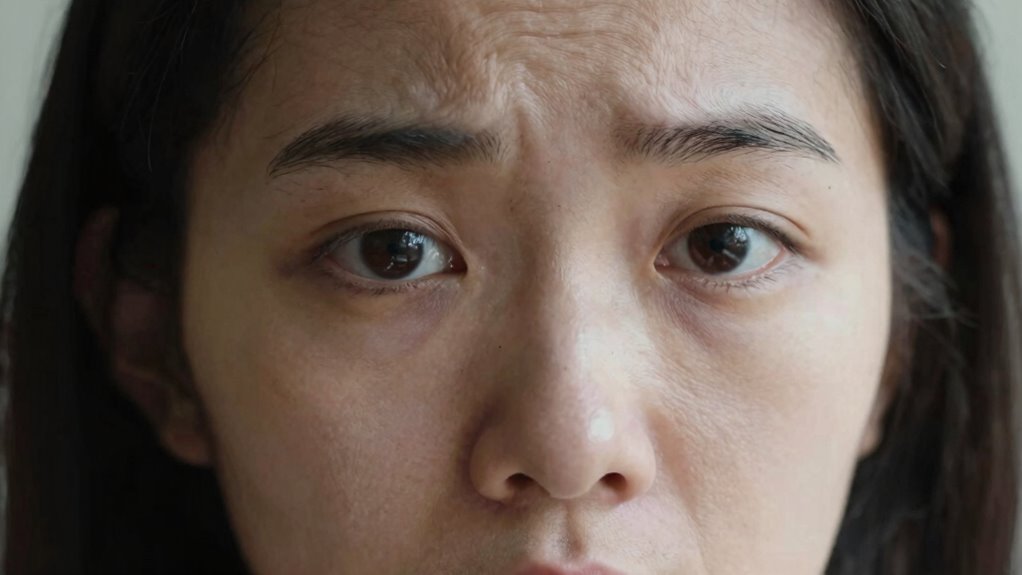

While deepfakes can seem alarming, it’s important to remember that not every suspicious video is false or true—some signs are detectable with careful observation. You can verify content by using AI detection tools that analyze facial movements, shadows, or audio inconsistencies, alongside techniques like reverse image searches and fact-checking from reputable sources. Keep in mind, no method is perfect, but understanding these tools and signs helps you stay informed and skeptical where it matters most. Stay tuned to learn more about steering through this complex landscape.
Key Takeaways
- Not all suspicious videos are false; combine AI detection tools with human judgment for better verification.
- Visual cues like unnatural blinking or mismatched shadows can indicate deepfakes, but are not definitive alone.
- Use reverse image searches and reputable fact-checking sources to confirm authenticity.
- AI detection tools have limitations; rely on multiple methods and critical evaluation.
- Stay informed about evolving deepfake technologies and verification techniques to navigate misinformation effectively.
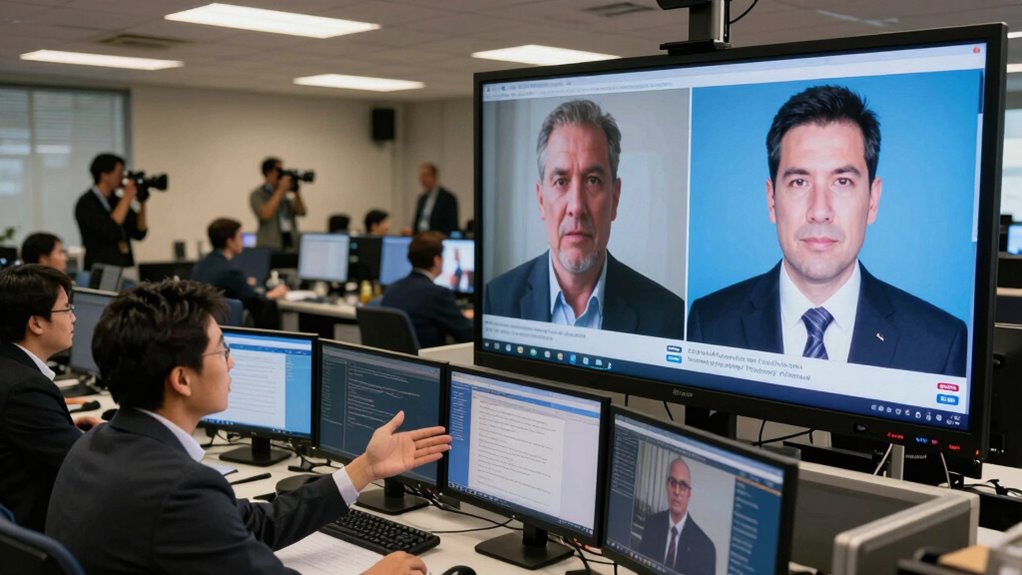
In recent years, headlines have fueled widespread fears about deepfakes, suggesting they threaten the very fabric of truth and trust. These fears often stem from stories about manipulated videos and images that appear startlingly real, making it seem like anyone can be deceived. But the reality is more nuanced. While deepfakes can be sophisticated, you shouldn’t assume every suspicious video is automatically false or true. Instead, understanding how AI detection tools work can help you verify content more effectively. These tools analyze inconsistencies in facial movements, lighting, and audio patterns that are often invisible to the human eye. Although AI detection isn’t foolproof, it provides a valuable starting point for assessing authenticity. Recognizing the limits of these tools is essential, especially as deepfake technology continues to evolve rapidly. Incorporating image analysis techniques can further enhance your ability to detect subtle signs of manipulation, especially when combined with human judgment.
AI detection tools help verify videos by spotting inconsistencies, but no method is completely foolproof. Stay cautious and informed.
However, it’s crucial to consider the ethical implications surrounding deepfake technology. On one hand, these tools can be used maliciously to spread misinformation or damage reputations. On the other, they have legitimate uses in film, entertainment, and education. As a consumer of digital content, you should be cautious about blindly trusting everything you see online. Instead, look for multiple sources, check the context, and consider whether the content aligns logically with what you already know. Sometimes, a quick reverse image search or fact-checking from reputable outlets can reveal whether a video has been manipulated.
Remember, technology isn’t the only factor in verifying content—your judgment matters too. Recognize the signs of deepfakes, such as unnatural blinking, inconsistent shadows, or mismatched lip movements. But don’t rely solely on your eye; combine visual cues with AI detection tools when possible. It’s also wise to remain critical of sensational claims or headlines that amplify fears about deepfakes. The panic often oversimplifies the issue, ignoring the advancements in detection and verification methods that are continuously improving. Staying informed about AI detection tools and their capabilities can help you better navigate the complexities of digital authenticity. Additionally, understanding the limitations of these tools and the ethical considerations involved can guide you toward more responsible consumption and sharing of digital media. Being aware of verification techniques used by professionals can further empower you to make informed decisions about digital content.
Ultimately, the key to navigating the deepfake landscape is a balanced approach. Stay informed about how AI detection is evolving and be aware of the ethical implications involved. Don’t let fear drive your responses; instead, develop a healthy skepticism and rely on multiple verification methods. By doing so, you can better distinguish between genuine content and manipulated media, making more informed judgments in a digital world increasingly filled with sophisticated forgeries. Deepfakes pose real challenges, but with the right knowledge and tools, you can protect yourself from misinformation while respecting the ethical boundaries of this powerful technology.
As an affiliate, we earn on qualifying purchases.
Frequently Asked Questions
How Can I Distinguish a Deepfake From Genuine Footage?
You can distinguish a deepfake from genuine footage by looking for facial anomalies like unnatural blinking or distorted features. Pay attention to audio inconsistencies, such as mismatched lip movements or strange voice tone. Slow or jerky movements may also indicate manipulation. Use tools or software that analyze digital fingerprints. Trust your instincts, and cross-check with credible sources to verify the video’s authenticity before accepting it as real.
What Are the Latest Tools for Detecting Deepfakes?
You can use the latest tools that leverage AI algorithms to detect deepfakes, which analyze inconsistencies and subtle artifacts. These tools often incorporate checks for synthetic voices and facial anomalies. Some popular options include Deepware Scanner, Sensity AI, and Microsoft’s Video Authenticator. They scrutinize videos for signs of manipulation, helping you verify authenticity more confidently. Always stay updated, as technology evolves quickly to outpace deepfake creation methods.
Are Deepfakes Ever Truly Indistinguishable From Real Videos?
Deepfakes are rarely truly indistinguishable from real videos because synthetic authenticity has limits. You can often spot visual deception through subtle cues like unnatural blinking, inconsistent shadows, or irregular facial movements. While technology improves, trained eyes and detection tools still help you differentiate genuine footage from manipulated content. Always stay cautious and verify sources, because even the most convincing deepfakes usually leave behind clues that reveal their artificial nature.
How Quickly Can Deepfakes Be Created and Distributed?
You can create and distribute deepfakes very quickly, often within hours or days, thanks to advances in synthetic manipulation and AI authenticity tools. Skilled creators use these techniques to produce convincing videos rapidly, making it hard to distinguish real from fake. The speed of this process raises concerns about misinformation, but understanding how AI authenticity works can help you critically evaluate the videos you encounter online.
What Legal Measures Exist Against Malicious Deepfake Use?
Legal repercussions for malicious deepfake use include criminal charges like harassment, defamation, or fraud, depending on the intent and impact. Regulation frameworks are emerging globally to address these issues, such as laws banning malicious deepfakes or requiring disclosures. You should stay informed about local laws, as enforcement varies. These measures aim to deter harmful creation and distribution, helping protect individuals from misuse while balancing free speech rights.
Conclusion
While the headlines may scream about deepfake dangers, remember that skepticism and verification are your strongest tools. You have the power to discern fact from fiction with a careful eye and critical thinking. Are you willing to let fear override your judgment, or will you take the time to confirm before believing everything you see? Staying informed and cautious ensures you’re not a victim of hysteria but a responsible consumer of information.