
TL;DR

Get audio and creator gear delivered free with Prime
- Fast, free delivery on millions of items
- Prime Video, Amazon Music and more included
- Member-only deals all year
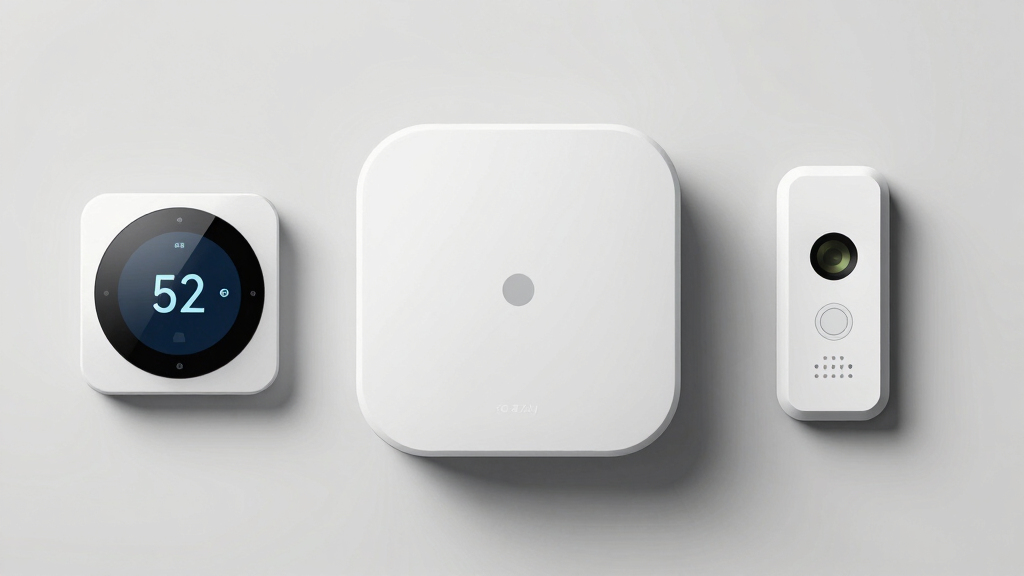
AI-powered smart home automation extends well beyond voice commands, utilizing sensors, machine learning, automation rules, and contextual data. These methods create more responsive, personalized, and discreet control over your home environment, often with less user effort. Implementing such systems requires understanding the tools and designing tailored automation workflows that fit your lifestyle.
While voice assistants like Alexa and Google Home dominate the conversation around smart home control, many homeowners seek more discreet, reliable, and innovative automation methods. Relying solely on voice can be limiting, especially in noisy environments or when privacy is a concern. This article explores how AI enables smart homes to operate beyond voice commands, using sensors, machine learning, and automation rules to create intuitive, personalized experiences that adapt seamlessly to your daily life. Whether you want silent control, advanced security, or energy savings, understanding these methods will help you craft a smarter, more responsive home.
Why Relying Only on Voice Limits Your Smart Home Experience
Voice control has transformed smart homes, but it comes with limitations. Ambient noise, privacy concerns, and voice recognition inaccuracies can hinder reliability. Additionally, voice commands may not be suitable in all situations—such as when your hands are occupied or in quiet environments like bedrooms or offices. Recognizing these gaps opens the door to alternative AI-driven automation methods that operate silently and more contextually, creating a truly intuitive home environment.
As an affiliate, we earn on qualifying purchases.
Leveraging Sensors and Machine Learning for Context-Aware Automation
Modern AI systems use a combination of sensors—motion detectors, temperature sensors, light sensors, and even cameras—to gather real-time data about your home environment. These sensors are critical because they provide the raw information needed for truly intelligent automation. For example, motion sensors can detect occupancy, but without context, they only trigger simple responses. By applying machine learning algorithms, the system can interpret patterns—such as recognizing when you typically arrive home or leave—and make nuanced decisions like adjusting the thermostat or turning on specific lights. This approach matters because it allows the system to anticipate needs rather than just react, creating a proactive environment. However, tradeoffs include the need for careful sensor placement to avoid false triggers and ensuring data privacy, as more sensors mean more data collection. The implications are significant: smarter automation can lead to energy savings and improved security, but it also requires ongoing calibration and thoughtful design to balance responsiveness with privacy and avoid over-triggering.
Implementing Automation Rules and Scenes for Non-Voice Control
Automation rules, or ‘scenes,’ are powerful because they allow you to encode complex behaviors into simple triggers. For instance, instead of saying, ‘Good night,’ you can set a scene that dims the lights, locks the doors, and lowers the thermostat automatically when you activate it via app or sensor detection. These rules matter because they shift control from manual or voice commands to contextually driven actions, reducing cognitive load and increasing convenience. The key implication is that well-designed rules can make your home feel more intelligent and responsive, but they also come with tradeoffs—overly complex rules can lead to conflicts or unintended behaviors if not carefully tested. Moreover, reliance on automation rules requires a comprehensive understanding of your routines and the potential for automation to misfire if sensors or conditions are not properly calibrated. Therefore, implementing these rules thoughtfully ensures your home adapts smoothly without sacrificing reliability or user control.
Utilizing AI-Powered Visual Recognition and Security Systems
AI-enhanced security systems leverage cameras with advanced visual recognition to identify residents, visitors, or intruders without voice interaction. These systems analyze facial features, behaviors, or objects in real-time, allowing for silent alerts and automated responses. For example, recognizing a family member can trigger unlocking the door or disarming security, while unfamiliar faces might prompt alerts or recordings. The significance lies in providing a seamless security experience that reduces false alarms and enhances convenience. The tradeoff involves potential privacy concerns and the need for proper calibration—if not configured correctly, these systems might misidentify individuals or generate false positives. The implications are profound: they can significantly improve security and surveillance, but require careful management of data privacy and system accuracy to prevent misuse or errors.
Automating Energy Management with AI and Smart Devices
Energy efficiency is a core benefit of AI automation that doesn’t depend on voice. Smart thermostats, lighting, and appliances use machine learning to analyze usage patterns and environmental data, leading to smarter energy consumption. For example, they can learn when you typically leave a room or wake up, adjusting temperature and lighting accordingly. This proactive approach matters because it reduces waste, lowers utility bills, and minimizes environmental impact. The implications include the need for initial setup and ongoing calibration to ensure accuracy; poorly configured systems may either underperform or cause discomfort. The tradeoffs involve balancing automation sensitivity with user preferences—overly aggressive automation might turn off heating or lighting prematurely, while too conservative settings might miss energy-saving opportunities. Ultimately, AI’s role in energy management can help create more sustainable homes, but it requires thoughtful integration and regular review to optimize benefits.
Practical Steps to Set Up Non-Voice AI Automation in Your Home
- Assess your current smart devices and identify capabilities for automation beyond voice—look for sensor integration, app controls, and AI features.
- Install additional sensors where needed, such as motion detectors or environmental sensors, to gather contextual data.
- Use your smart home platform’s automation or scene features to create rules based on sensor data and time schedules.
- Integrate AI-powered apps or services that can analyze data and suggest automation improvements over time.
- Test the automation workflows in different scenarios to refine their responsiveness and reliability.
Common Challenges and How to Overcome Them
Implementing AI-driven automation beyond voice can face issues like sensor placement, false triggers, and system complexity. Ensuring proper sensor positioning and calibration helps reduce false alerts, but it also involves understanding the environment—placing sensors where they can reliably detect activity without being triggered by irrelevant movements. Balancing automation sensitivity with user control is crucial; overly sensitive systems may cause frustration through false alarms, while insensitive ones might miss important cues. Regularly updating and maintaining your AI systems, along with designing clear automation workflows, minimizes errors and enhances reliability. The key is to recognize these challenges early and be prepared to fine-tune your setup, acknowledging that some trial and error is part of creating a seamless, intelligent home system.
Practical Tips for Maximizing AI Automation Effectiveness
- Start small: implement a few automation rules and expand as you learn system behaviors.
- Use machine learning-enabled platforms that adapt over time for better personalization.
- Combine multiple data points—like motion, temperature, and light—to create more precise automation triggers.
- Prioritize privacy: choose systems that process data locally when possible and secure your network.
- Regularly review and adjust automation rules to align with changing routines and preferences.
Key Takeaways
- AI automation in smart homes extends beyond voice commands by incorporating sensors, machine learning, and automation rules.
- Context-aware systems can predict your needs and adjust home settings proactively, often without any audible or manual input.
- Visual recognition enhances security and monitoring, providing silent, intelligent surveillance that adapts to your environment.
- Energy management benefits significantly from AI, reducing waste and costs through automatic adjustments based on real-time data.
- Implementing these methods requires careful planning, calibration, and ongoing refinement for reliable and privacy-conscious operation.
Frequently Asked Questions
Can I upgrade my existing smart home to include AI automation beyond voice?
Yes, many smart home platforms support adding sensors, automation rules, and AI features through compatible devices and apps. Review your system’s capabilities and consider integrating additional sensors or AI-enabled devices to expand your automation options.
What are the privacy considerations when using AI beyond voice in my home?
Prioritize systems that process data locally and encrypt information. Regularly update firmware, limit data sharing, and choose reputable vendors. Understanding how your data is used and stored helps maintain your privacy while benefiting from advanced automation.
How reliable are AI-based visual recognition systems for security?
Modern AI cameras are highly accurate but can produce false positives if not properly calibrated. Regular maintenance, proper placement, and integrating multiple sensors improve reliability. Always combine visual recognition with other security measures for comprehensive protection.
What is the best way to start implementing AI automation without overwhelming my system?
Begin with simple automation rules based on existing sensors or devices, then gradually add complexity. Focus on automations that provide immediate value, like lighting or climate control, and expand once you understand system behavior.
Are there affordable options for integrating AI automation beyond voice?
Yes, many affordable smart sensors, cameras, and automation platforms are available. Look for products with AI capabilities and compatibility with your current system to maximize value without significant investment.
Conclusion
Moving beyond voice control unlocks the full potential of AI in smart homes, creating environments that respond intelligently and discreetly to your habits and needs. By integrating sensors, automation rules, and visual recognition, you gain a more responsive, private, and efficient living space. Embrace these technologies thoughtfully, and you’ll develop a truly intuitive home that adjusts seamlessly—without uttering a single word.
Halloween Picks
halloween
As an affiliate, we earn on qualifying purchases.