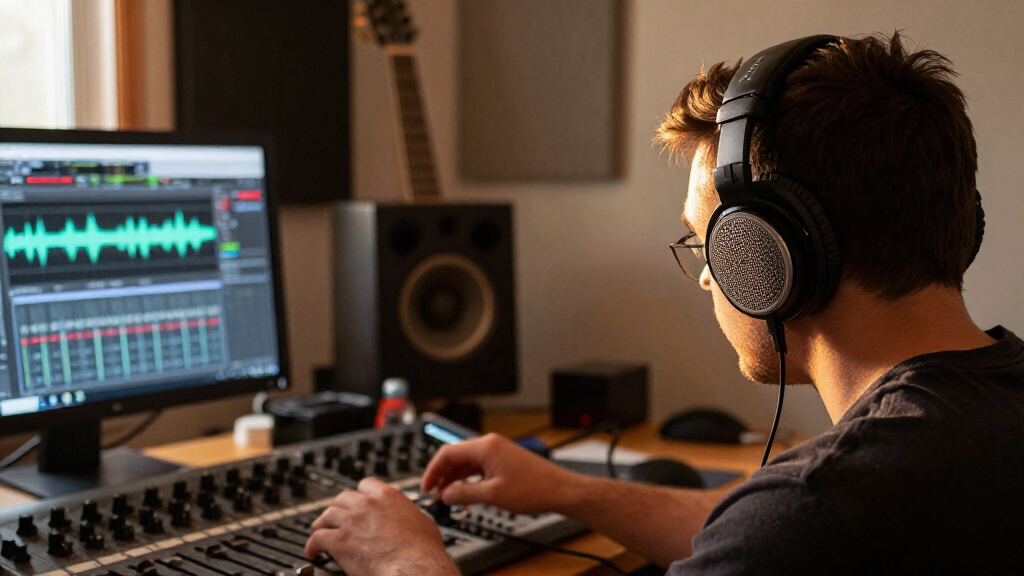

For most mixing work, I’d start with the Sennheiser HD 490 PRO: its studio-focused design makes it the strongest all-around candidate in this group. The beyerdynamic DT 900 PRO X is another standout for a practical studio setup, while the Audio-Technica ATH-R50x offers a reference-oriented alternative. Open-back headphones can help with spatial cues and long listening sessions, but they leak sound, provide little isolation, and can make bass decisions harder without speaker or reference checks. Read on for how all 14 options compare and which tradeoffs matter most for your room, interface, and mixing habits.

Get audio and creator gear delivered free with Prime
- Fast, free delivery on millions of items
- Prime Video, Amazon Music and more included
- Member-only deals all year
Complete the kit


Key Takeaways
- The HD 490 PRO leads the roundup as the most studio-oriented all-around choice; the DT 900 PRO X is a compelling alternative for a straightforward monitoring setup.
- Reference-focused design matters more than an open-back label alone. The ATH-R50x and DT 1990 PRO MKII target different monitoring priorities than the more casual Philips and Sennheiser listening models.
- Amplifier compatibility separates otherwise similar choices. The DT 990 PRO 250 Ohm is a poor fit for buyers who cannot verify that their interface can drive it comfortably, while lower-impedance options are easier to match.
- Comfort and intended use create real value differences. The HD 560S, HD 599, and SHP9600 favor accessible listening, while studio-first picks put more emphasis on monitoring use.
- Semi-open and headset-style models have narrower roles. The AKG K240 Studio can suit a buyer seeking a semi-open option, and the SHP9600MB adds a microphone, but neither feature replaces a dedicated mixing reference.
| beyerdynamic DT 990 Pro X 48 Ohm Open-Back Studio Headphones | 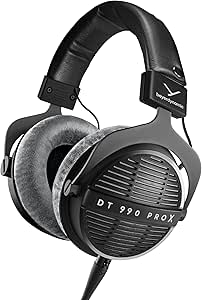 | Best Overall | Driver: 45 mm STELLAR.45 dynamic | Impedance: 48 ohms | Sensitivity: 97 dB | VIEW LATEST PRICE | See Our Full Breakdown |
| beyerdynamic DT 900 PRO X Open-Back Studio Headphones |  | Best for Mix and Mastering Work | Driver: 45 mm dynamic STELLAR.45 | Impedance: 48 ohms | Sensitivity: 100 dB | VIEW LATEST PRICE | See Our Full Breakdown |
| Philips SHP9600 Over-Ear Open-Back Wired Headphones |  | Best Value Pick | Driver: 50 mm dynamic | Impedance: 32 ohms | Sensitivity: 101 dB | VIEW LATEST PRICE | See Our Full Breakdown |
| Philips Fidelio X3 Open-Back Over-Ear Headphones |  | Best for Spacious, Detailed Listening | Driver: 50 mm multi-layer diaphragm | Impedance: 30 ohms | Sensitivity: 100 dB at 1 mW | VIEW LATEST PRICE | See Our Full Breakdown |
| beyerdynamic DT 900 PRO X Open-Back Studio Headphones |  | Best for a Protected Studio Setup | Driver: 45 mm STELLAR.45 dynamic | Impedance: 48 ohms | Sensitivity: 100 dB | VIEW LATEST PRICE | See Our Full Breakdown |
| Sennheiser HD 490 PRO Open-Back Professional Studio Headphones |  | Best Overall for Mixing | Design: Open-back, over-ear | Frequency response: 5–36,000 Hz | Cable: Detachable, 1.8 m | VIEW LATEST PRICE | See Our Full Breakdown |
| Sennheiser HD 599 Open-Back Wired Headphones, Ivory |  | Best for Comfortable Long Sessions | Design: Wired, open-back, over-ear | Impedance: 50 ohms | Frequency range: 12–38,500 Hz | VIEW LATEST PRICE | See Our Full Breakdown |
| Audio-Technica ATH-R50x Open-Back Reference Headphones |  | Best Lightweight Reference Pick | Design: Open-back, over-ear | Weight: 207 g (7.36 oz) | Cable lengths: 3.0 m and 1.2 m | VIEW LATEST PRICE | See Our Full Breakdown |
| Philips SHP9600MB Open-Back Over-Ear Headphones with Detachable Microphone |  | Best for Hybrid Mixing and Calls | Design: Wired, open-back, over-ear | Driver size and type: 50 mm dynamic | Frequency response: 6 Hz–35 kHz | VIEW LATEST PRICE | See Our Full Breakdown |
| Sennheiser HD 560S Open-Back Over-Ear Wired Headphones |  | Best Straightforward Mixing Pick | Design: Open-back, over-ear | Impedance: 120 ohms | Frequency response: 6 Hz–38 kHz | VIEW LATEST PRICE | See Our Full Breakdown |
| FIFINE HD18 Lite Wired Open-Back Monitoring Headphones |  | Best for Mixing and Voice Chat | Design: Open-back, over-ear | Driver size: 53 mm | Connectivity: Wired, 3.5 mm plug | VIEW LATEST PRICE | See Our Full Breakdown |
| beyerdynamic DT 1990 PRO MKII 30-Ohm Open-Back Studio Headphones |  | Best Premium Mixing Pick | Design: Open-back, over-ear | Driver: TESLA.45 transducer | Impedance: 30 ohms | VIEW LATEST PRICE | See Our Full Breakdown |
| beyerdynamic DT 990 PRO 250 Ohm Open-Back Studio Headphones |  | Best for Amp-Equipped Studios | Design: Open-back, over-ear | Impedance: 250 ohms | Driver type: Dynamic | VIEW LATEST PRICE | See Our Full Breakdown |
| AKG K240 Studio Semi-Open Over-Ear Headphones | 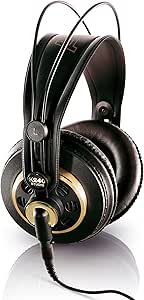 | Best Semi-Open Studio Alternative | Design: Semi-open, over-ear | Transducers: 30 mm XXL with Varimotion diaphragms | Cable length: 3 m (9.9 ft) | VIEW LATEST PRICE | See Our Full Breakdown |
| open back headphones for mixing | Design | Impedance | Frequency response | Warranty |
|---|---|---|---|---|
| beyerdynamic DT 990 Pro X 48 O | Open-back, over-ear | 48 ohms | 5 Hz (listed) | 2 years |
| beyerdynamic DT 900 PRO X Open | Open-back, over-ear | 48 ohms | 5 Hz (listed) | 2 years |
| Philips SHP9600 Over-Ear Open- | Over-ear, open-back | 32 ohms | Up to 35,000 Hz | 1 year parts and labor |
| Philips Fidelio X3 Open-Back O | Wired, open-back, over-ear | 30 ohms | 5–40,000 Hz | — |
| beyerdynamic DT 900 PRO X Open | Open-back, over-ear | 48 ohms | 5 Hz (listed) | 2 years |
| Sennheiser HD 490 PRO Open-Bac | Open-back, over-ear | — | 5–36,000 Hz | 2 years |
| Sennheiser HD 599 Open-Back Wi | Wired, open-back, over-ear | 50 ohms | — | 1 year |
| Audio-Technica ATH-R50x Open-B | Open-back, over-ear | — | — | 2 years |
| Philips SHP9600MB Open-Back Ov | Wired, open-back, over-ear | 32 ohms | 6 Hz–35 kHz | — |
| Sennheiser HD 560S Open-Back O | Open-back, over-ear | 120 ohms | 6 Hz–38 kHz | — |
| FIFINE HD18 Lite Wired Open-Ba | Open-back, over-ear | — | — | 1 year |
| beyerdynamic DT 1990 PRO MKII | Open-back, over-ear | 30 ohms | — | 2 years |
| beyerdynamic DT 990 PRO 250 Oh | Open-back, over-ear | 250 ohms | 5 Hz to 35,000 Hz | — |
| AKG K240 Studio Semi-Open Over | Semi-open, over-ear | — | — | — |
More Details on Our Top Picks
beyerdynamic DT 990 Pro X 48 Ohm Open-Back Studio Headphones
The DT 990 Pro X is my strongest all-around pick here for mixing when you want an open presentation without needing a dedicated headphone amp. Its 48-ohm impedance makes it easier to pair with common interfaces and computers than the 250-ohm DT 990 PRO, while the STELLAR.45 drivers and open-back design support detailed monitoring and a roomy sense of placement. The detachable mini-XLR cable is practical for studio use, and the velour pads suit longer sessions. Compared with the Philips SHP9600, this model offers a more studio-focused feature set, but the Philips has a lower 32-ohm impedance and larger 50 mm drivers. The main compromises are shared by open-back headphones: sound leaks both ways, and the wired connection keeps you tethered.
Pros:- 48-ohm impedance suits many laptops, phones, and audio interfaces without a separate headphone amp.
- Open-back design gives monitoring a spacious, natural presentation.
- Detachable 3 m mini-XLR cable is replaceable and provides useful reach at a desk.
- Velour ear pads and included carrying pouch support regular studio use.
Cons:- Sound leakage makes it a poor fit for tracking near microphones or quiet shared rooms.
- Wired listening limits movement around the studio.
- The listed frequency response begins at 5 Hz, but the supplied data does not include an upper limit.
Best for: Home-studio mixers who want a detailed, spacious reference headphone that can run from a laptop or typical audio interface.
Not ideal for: People recording beside a microphone or working in noisy shared spaces, since the open cups leak sound and provide little isolation.
- Driver:45 mm STELLAR.45 dynamic
- Impedance:48 ohms
- Sensitivity:97 dB
- Design:Open-back, over-ear
- Frequency response:5 Hz (listed)
- Cable:Detachable 3 m mini-XLR
- Connections:3.5 mm and 6.35 mm jacks; 1/4-inch adapter included
- Weight:10.3 oz
- Warranty:2 years
Our verdict“Choose the DT 990 Pro X if you want a versatile, amp-friendly open-back mixing headphone and do not need isolation.”
beyerdynamic DT 900 PRO X Open-Back Studio Headphones
For buyers whose priority is a dedicated reference headphone for mixing and mastering, the DT 900 PRO X makes the most focused case in this group. Its STELLAR.45 drivers are specified for detailed, low-distortion sound, while 48-ohm impedance keeps it practical with common interfaces and computers. Two detachable cable lengths are a useful studio distinction: the shorter lead suits a compact desk, while the longer one offers room to move. Compared with the DT 990 Pro X, this listing includes two cables rather than one 3 m cable and gives a 100 dB sensitivity specification instead of 97 dB. Both remain open, wired designs, so neither will isolate a recording space; the Philips SHP9600 is a simpler alternative if a 32-ohm model is the priority.
Pros:- STELLAR.45 dynamic drivers are specified for high-resolution, low-distortion monitoring.
- 48-ohm impedance works with many laptops, phones, and audio interfaces without a separate amp.
- Two detachable cable lengths accommodate different desk and studio setups.
- Includes a 1/4-inch adapter and drawstring bag.
Cons:- Open-back construction leaks sound and offers little protection from room noise.
- Not water resistant, so it is not suited to wet or highly exposed environments.
- Wired operation restricts movement compared with wireless headphones.
Best for: Mixers and mastering hobbyists who want an open reference model, flexible cable lengths, and compatibility with common audio sources.
Not ideal for: Recording musicians who need headphone isolation, or buyers who require water resistance for mobile use.
- Driver:45 mm dynamic STELLAR.45
- Impedance:48 ohms
- Sensitivity:100 dB
- Design:Open-back, over-ear
- Frequency response:5 Hz (listed)
- Cables:Detachable 5.9 ft and 9.8 ft mini-XLR-to-3.5 mm
- Included accessories:1/4-inch adapter and drawstring bag
- Materials:Plastic, spring steel, and velour
- Warranty:2 years
Our verdict“Pick the DT 900 PRO X when mixing-focused detail and two useful cable lengths matter more than isolation or wireless freedom.”
Philips SHP9600 Over-Ear Open-Back Wired Headphones
The Philips SHP9600 is a sensible entry point for mixing on a budget-conscious home setup, with 32-ohm impedance that suits a wide range of everyday sources. Its 50 mm drivers are tuned for crisp bass, balanced mids, and clear highs, while the open cups give music a spacious presentation. Compared with the more studio-specific beyerdynamic DT 900 PRO X, the SHP9600 is less focused on reference features but offers a straightforward, comfortable design and a detachable 3 m cable. The reinforced steel headband and breathable pads are useful for extended listening, though the supplied information does not establish how its tonal balance compares in measurement with the beyerdynamic models. It is also not an isolation headphone, so nearby noise and sound leakage remain real limitations.
Pros:- 32-ohm impedance pairs readily with many computers, phones, and interfaces.
- 50 mm drivers are tuned for crisp bass, balanced midrange, and clear highs.
- Breathable cushioned ear pads and a reinforced steel headband are suited to longer sessions.
- Detachable 3 m cable includes a 6.3 mm adapter.
Cons:- Open-back design provides little isolation and lets audio leak into the room.
- Not water resistant.
- The one-year parts-and-labor warranty is shorter than the two-year coverage listed for the beyerdynamic options.
Best for: Beginning mixers and home producers who want a comfortable, low-impedance open-back headphone for editing and general monitoring.
Not ideal for: Engineers recording vocals in the same room or needing strong isolation, and buyers seeking a model explicitly positioned for mastering reference work.
- Driver:50 mm dynamic
- Impedance:32 ohms
- Sensitivity:101 dB
- Design:Over-ear, open-back
- Frequency response:Up to 35,000 Hz
- Cable:Detachable, 3 m
- Connector:3.5 mm with 6.3 mm adapter
- Headband:Reinforced steel
- Warranty:1 year parts and labor
Our verdict“Choose the SHP9600 for accessible, comfortable home mixing when a simple low-impedance wired headphone is enough.”
Philips Fidelio X3 Open-Back Over-Ear Headphones
The Fidelio X3 suits mixers who value a wide, open presentation and want connection options for more than one listening chain. Its 50 mm multi-layer diaphragms are described as delivering detailed highs, smooth mids, and controlled bass, while the included balanced and unbalanced cables make it more adaptable to compatible equipment than the Philips SHP9600, which lists a single detachable cable. The X3’s 30-ohm impedance is also approachable for everyday sources. Compared with the DT 900 PRO X, the Philips gives you balanced and unbalanced cable options, but the beyerdynamic is more explicitly positioned for reference mixing and includes two cable lengths. The X3’s 13.4 oz weight and open design may not suit every long session, and sound leakage rules it out for shared recording spaces.
Pros:- 50 mm multi-layer diaphragms are tuned for detailed highs, smooth mids, and controlled bass.
- Includes both balanced and unbalanced 3 m cables.
- 30-ohm impedance is suitable for many common audio sources.
- Acoustically transparent fabric supports the open, spacious presentation.
Cons:- Open-back construction leaks sound and does not block surrounding noise.
- At 13.4 oz, it is heavier than the listed DT 990 Pro X.
- Wired connectivity limits movement around the studio.
Best for: Home producers and critical listeners with compatible balanced gear who want a spacious presentation and multiple cable options.
Not ideal for: Mixers who need isolation, a lightweight headphone, or a clearly specified studio-reference tuning for translation decisions.
- Driver:50 mm multi-layer diaphragm
- Impedance:30 ohms
- Sensitivity:100 dB at 1 mW
- Design:Wired, open-back, over-ear
- Frequency response:5–40,000 Hz
- Maximum power input:500 mW
- Included cables:Two 3 m cables: balanced and unbalanced
- Weight:13.4 oz
- Included accessories:3.5 mm-to-6.3 mm adapter and cable clip
Our verdict“Choose the Fidelio X3 if cable flexibility and an expansive listening presentation matter more than isolation or a lighter fit.”
beyerdynamic DT 900 PRO X Open-Back Studio Headphones
This DT 900 PRO X listing is a good fit for mixers who want the same 48-ohm, STELLAR.45 reference platform as the other DT 900 PRO X option but place more value on its included protective case. That makes it easier to store or carry between a home studio and another workspace. Against the DT 900 PRO X listing with two cable lengths, this version specifies a detachable mini-XLR cable and a case rather than multiple cable lengths and a drawstring bag. Its open-back design and 100 dB sensitivity make it suitable for monitoring from common sources, but the listing does not state the cable length. The Philips Fidelio X3 includes both balanced and unbalanced cables, giving it more connection flexibility for compatible rigs; neither Philips nor beyerdynamic option will isolate room noise.
Pros:- 48-ohm impedance supports use with many phones, laptops, and audio interfaces without a separate headphone amp.
- STELLAR.45 dynamic driver and open-back design are intended for reference monitoring.
- Detachable mini-XLR cable can be replaced if damaged.
- Includes a protective case and 1/4-inch adapter.
Cons:- Open-back construction lets sound escape and does not block ambient noise.
- The supplied specs do not state cable length, limiting setup planning.
- Wired connection restricts movement.
Best for: Producers who move headphones between workspaces and want an open reference model with a protective case and straightforward 48-ohm drive requirements.
Not ideal for: Buyers who need multiple cable lengths, a specified balanced cable, or isolation while tracking near microphones.
- Driver:45 mm STELLAR.45 dynamic
- Impedance:48 ohms
- Sensitivity:100 dB
- Design:Open-back, over-ear
- Frequency response:5 Hz (listed)
- Cable:Detachable mini-XLR
- Included accessories:Protective case and 1/4-inch adapter
- Weight:12.2 oz
- Warranty:2 years
Our verdict“Choose this DT 900 PRO X listing if the protective case matters more to you than the other listing’s extra cable length options.”
Sennheiser HD 490 PRO Open-Back Professional Studio Headphones
The HD 490 PRO is my strongest all-around pick here for mix decisions: its wide soundstage and precise imaging can help separate instruments and judge their placement, while the stated uncolored response suits reference work. Its standout advantage over the HD 560S is the inclusion of two switchable ear pad sets, giving you a way to tailor the fit and presentation for mixing versus producing. Washable, replaceable pads and a detachable cable also support regular studio use. The tradeoff is familiar to open-backs: sound passes in and out, so it is poorly suited to noisy rooms or tracking beside a live microphone. It is wired, too, and offers fewer mobility options than wireless headphones. For a quiet workstation, though, its mix-focused package makes it the most versatile choice in this group.
Pros:- Wide soundstage and precise localization support stereo placement decisions.
- Two included ear pad sets offer distinct mixing and producing options.
- Washable, replaceable pads help maintain the headphones over time.
- Detachable cable connects at either earcup.
Cons:- Open-back construction offers little isolation from room noise or sound leakage.
- Wired operation restricts movement around the studio.
Best for: Mix engineers and producers who work in a quiet room and want one headphone package for both focused mix decisions and production sessions.
Not ideal for: People mixing in shared or noisy spaces, or recording vocals near an open microphone, because the open cups provide little isolation and can leak sound.
- Design:Open-back, over-ear
- Frequency response:5–36,000 Hz
- Cable:Detachable, 1.8 m
- Included ear pads:Mixing and producing sets
- Included accessory:Adapter
- Connectivity:Wired
- Warranty:2 years
Our verdict“Choose the HD 490 PRO if you want the most mix-oriented, adaptable option here for quiet-room work.”
Sennheiser HD 599 Open-Back Wired Headphones, Ivory
The HD 599 is the comfort-led choice in this set, with large cups, a padded headband, and soft, replaceable velour pads suited to long listening stretches. Its natural spatial presentation can make it useful for checking broad stereo placement, though its product description emphasizes listening rather than a specifically uncolored reference response. Compared with the more studio-focused HD 490 PRO, it lacks dedicated mixing and producing pad sets; the HD 490 PRO is the clearer fit when you want a purpose-built mixing package. The HD 599 counters with two detachable cable options, including a shorter 3.5 mm cable for compatible devices and a longer 6.3 mm cable for a studio setup. It still provides no noise control, and its open design is unsuitable for loud rooms or microphone tracking. I’d choose it for comfort and versatile connections, not as the most targeted reference tool here.
Pros:- Large cups, padded headband, and velour pads suit extended listening.
- Replaceable ear pads support continued use.
- Includes detachable cables with 3.5 mm and 6.3 mm connections.
- Open-back design provides natural spatial sound.
Cons:- No noise control, making it a poor choice for loud spaces or tracking.
- Less explicitly mixing-focused than the HD 490 PRO and HD 560S.
- Wired design limits movement.
Best for: Home-studio listeners and producers who prioritize soft velour comfort, natural stereo presentation, and the choice of short or long cables.
Not ideal for: Mixers who need clearly specified reference tuning or work in noisy rooms, since the listing focuses on natural listening and the open design does not isolate.
- Design:Wired, open-back, over-ear
- Impedance:50 ohms
- Frequency range:12–38,500 Hz
- Driver type:Dynamic
- Cables:Detachable 3 m cable with 6.3 mm jack; detachable 1.2 m cable with 3.5 mm jack
- Ear pads:Replaceable, velour-covered
- Color:Ivory
- Warranty:1 year
Our verdict“Pick the HD 599 if long-session comfort and flexible cable connections matter more to you than a specifically mix-focused feature set.”
Audio-Technica ATH-R50x Open-Back Reference Headphones
The ATH-R50x stands out for a light 207 g build paired with a sound profile described as having powerful bass and clear midrange. That combination makes it a strong candidate for engineers who want to work through long editing or mix sessions without a heavier-feeling headset, while the wide, realistic stage can help with spatial judgments. Unlike the Sennheiser HD 490 PRO, it does not include alternate ear pad sets for different tasks; its case rests on low weight, two cable lengths, and a straightforward reference-oriented design. The 3.0 m cable suits a fixed desk, while the 1.2 m option is easier to manage at a closer workstation. The tradeoffs are limited isolation and a 2.5 mm twist-lock connection at the earcup, so replacing cables requires a compatible plug. Its bass-forward description may also make it less suitable for anyone seeking a strictly neutral tonal reference.
Pros:- Light 207 g construction can reduce the burden of extended sessions.
- Wide, realistic soundstage supports spatial listening.
- Two detachable cables cover desk and closer listening setups.
- Includes a 6.3 mm adapter and carrying pouch.
Cons:- Open cups offer little isolation and allow sound leakage.
- 2.5 mm twist-lock earcup connection requires a compatible replacement cable.
- Powerful-bass tuning may not suit listeners seeking a strictly neutral reference.
Best for: Mixers seeking a lightweight wired headphone for long desk sessions, with both a long studio cable and a shorter cable for nearby setups.
Not ideal for: Engineers who need isolation, a neutral response explicitly described for reference work, or standard plug compatibility at the earcup.
- Design:Open-back, over-ear
- Weight:207 g (7.36 oz)
- Cable lengths:3.0 m and 1.2 m
- Earcup connector:2.5 mm twist-lock
- Plug:3.5 mm stereo mini-plug
- Included accessories:6.3 mm adapter and carrying pouch
- Warranty:2 years
Our verdict“Choose the ATH-R50x if low weight and two cable lengths are higher priorities than isolation or interchangeable tuning options.”
Philips SHP9600MB Open-Back Over-Ear Headphones with Detachable Microphone
The Philips SHP9600MB is the most practical pick here if your headphone also needs to handle voice calls or gaming: its detachable boom microphone adds a role that the HD 490 PRO and HD 560S do not offer. For mixing, the 50 mm dynamic drivers and stated balanced midrange provide a usable listening foundation, while the open-back design supports a more spacious presentation than a closed headset. Still, this model is less clearly tailored to studio reference work than the Sennheiser HD 490 PRO, whose description specifically calls out an uncolored response and separate mixing pads. The Philips also weighs 1.5 pounds, which may feel substantial during long sessions compared with the 207 g ATH-R50x. Open cups mean it will not isolate room noise or prevent leakage, and the wired connection keeps you near an audio jack. Its strength is versatility, not a dedicated mix-first feature set.
Pros:- Detachable boom microphone supports calls and gaming.
- 50 mm drivers and stated balanced midrange suit general audio work.
- Breathable cushions and an adjustable headband support extended listening.
- Includes a 3.5 mm to 6.3 mm adapter.
Cons:- Open-back design offers no meaningful isolation and can leak sound.
- Listed 1.5-pound weight may feel substantial over long sessions.
- Less specifically mix-focused than the HD 490 PRO.
Best for: Home creators who mix casually, take voice calls, or game at the same desk and want a detachable microphone on one wired headset.
Not ideal for: Mix engineers seeking a dedicated reference headphone for noisy rooms or long sessions where low weight and isolation matter.
- Design:Wired, open-back, over-ear
- Driver size and type:50 mm dynamic
- Frequency response:6 Hz–35 kHz
- Impedance:32 ohms
- Connectivity:3.5 mm audio jack
- Microphone:Detachable boom microphone
- Cable lengths:Almost 5 ft with microphone; 9.8 ft cable
- Weight:1.5 pounds
- Included adapter:3.5 mm to 6.3 mm
Our verdict“Choose the SHP9600MB if you want one open-back headset for casual mixing plus calls or gaming, rather than a dedicated studio reference tool.”
Sennheiser HD 560S Open-Back Over-Ear Wired Headphones
The HD 560S is a straightforward option for listeners who want an open-back headphone described around natural, accurate sound rather than extra accessories. Its angled drivers are designed to follow the ears’ natural angle, and the stated extended bass response can help you hear low-frequency material while making mix checks. Compared with the HD 490 PRO, it omits the alternate mixing and producing pads, but keeps the setup simpler with a detachable cable and included 3.5 mm adapter for common connections. Its 120-ohm impedance is worth matching to your interface or headphone output, since not every source will drive it equally well. The listed 600 g weight is also much heavier than the ATH-R50x at 207 g, a substantial tradeoff for long wear. Like every open-back option here, it offers no noise isolation. I’d favor it for an uncomplicated wired setup in a quiet room, not mobile or noisy work.
Pros:- Angled drivers are designed to support a natural listening presentation.
- Extended bass response helps with low-frequency checks.
- Detachable cable and included 3.5 mm adapter simplify connection to compatible gear.
- Velour earpads offer a soft contact surface.
Cons:- Open-back cups provide no noise isolation and may leak sound.
- Listed 600 g weight may feel substantial during extended wear.
- 120-ohm impedance calls for checking compatibility with the headphone output.
Best for: Home-studio mixers with a compatible headphone output who want a simple wired pair with a natural presentation and extended bass response.
Not ideal for: People mixing in noisy environments, seeking a lightweight headset, or using a source that may struggle with 120-ohm headphones.
- Design:Open-back, over-ear
- Impedance:120 ohms
- Frequency response:6 Hz–38 kHz
- Driver type and size:Dynamic, 38 mm
- Sensitivity:110 dB
- Connector:6.3 mm jack with 3.5 mm adapter
- Cable:Detachable
- Earpad material:Velour
- Weight:600 g
Our verdict“Pick the HD 560S for a no-frills, wired mixing option if your source can drive it and you work in a quiet space.”
FIFINE HD18 Lite Wired Open-Back Monitoring Headphones
The FIFINE HD18 Lite combines open-back monitoring with a detachable boom microphone, making it the most practical fit here for creators who switch between editing audio and speaking on calls or streams. Its 53 mm drivers are designed for balanced sound, while the airy mesh cups may feel more comfortable during long sessions than a closed, sealed design. Compared with the AKG K240 Studio, the FIFINE is explicitly open-back rather than semi-open and adds a mic, but both require a wired connection and let room noise reach your ears. The tradeoff is limited isolation: nearby sounds can distract you, and your headphone audio may leak into a microphone. Choose it for a flexible desk setup, not for noisy rooms or critical mixing where you need independently verified tonal accuracy.
Pros:- Open-back design is intended to give stereo mixes a natural, spacious presentation.
- 53 mm drivers are designed for balanced highs, mids, and bass.
- Breathable mesh ear cups suit extended desk sessions.
- Detachable boom microphone adds flexibility for calls and voice work.
Cons:- Open cups provide limited isolation from room noise and allow audio to escape.
- The wired 3.5 mm plug requires a compatible headphone output.
Best for: Home creators who want open-back monitoring and a detachable mic for voice chat, streaming, or recording in a quiet room.
Not ideal for: Mixers working near other people or in noisy spaces, since the open cups offer little isolation and can leak sound into a microphone.
- Design:Open-back, over-ear
- Driver size:53 mm
- Connectivity:Wired, 3.5 mm plug
- Microphone:Detachable boom microphone
- Ear cup material:Airy mesh fabric
- Model:HD18LITEBP
- Warranty:1 year
Our verdict“Choose the FIFINE HD18 Lite if you want one wired headset for monitoring and voice chat in a quiet workspace.”
beyerdynamic DT 1990 PRO MKII 30-Ohm Open-Back Studio Headphones
The DT 1990 PRO MKII is the premium-oriented choice for mixers who want detailed monitoring without needing a dedicated headphone amplifier. Its 30-ohm impedance makes it more practical with many interfaces, laptops, and mobile devices than the 250-ohm DT 990 PRO, while the TESLA.45 driver is designed for detailed sound and low distortion. A detachable cable and protective case also make this a more travel-ready studio option than the DT 990 PRO’s fixed coiled cable. That convenience comes with familiar open-back limits: it does not block room noise, and sound can escape into a nearby microphone. I’d favor it for focused editing and mix decisions in a quiet room, but not for tracking beside a live source or for buyers who need isolation. The listed frequency-response data gives only a low-end figure, so it does not establish a full response range.
Pros:- TESLA.45 driver is designed for detailed sound with low distortion.
- 30-ohm impedance suits many interfaces, laptops, and mobile devices without a dedicated headphone amplifier.
- Detachable cable and protective case support easier replacement and transport.
- Soft velour ear cushions are suited to longer listening sessions.
Cons:- Open-back construction provides no noise isolation and allows sound leakage.
- Wired listening limits movement and requires a compatible headphone output.
- The supplied frequency-response specification lists only 5 Hz, not a complete range.
Best for: Experienced home-studio mixers who want detailed open-back monitoring and need headphones that can work from common interfaces without a dedicated amp.
Not ideal for: Musicians tracking in a noisy room or recording close to a microphone, where sound leakage and the lack of isolation can interfere.
- Design:Open-back, over-ear
- Driver:TESLA.45 transducer
- Impedance:30 ohms
- Sensitivity:94 dB
- Connectivity:Wired, 3.5 mm jack
- Weight:13.3 ounces
- Cable:Detachable
- Included items:Detachable cable, protective case, user manual
- Warranty:2 years
Our verdict“Pick the DT 1990 PRO MKII for detailed mixing in a quiet studio when you want easier drive requirements and a detachable cable.”
beyerdynamic DT 990 PRO 250 Ohm Open-Back Studio Headphones
The DT 990 PRO 250 Ohm is the pick for a studio that already has a capable headphone output and values a broad stereo presentation for monitoring and mix work. Its stated 5 Hz to 35,000 Hz range and open-back construction support spacious listening, while replaceable velour pads offer a practical route to refreshing wear parts. Compared with the DT 1990 PRO MKII, this model asks more of the source: its 250-ohm impedance is best paired with an interface or headphone amplifier, while the DT 1990 PRO MKII is rated at 30 ohms. The DT 990 PRO also has a fixed 3 m coiled cable, so replacement or desk setup changes are less convenient. It makes sense as a stationary studio tool, but is a poor match for low-powered mobile devices or recording situations that demand isolation.
Pros:- Open-back design provides a wide stereo image for monitoring.
- Specified 5 Hz to 35,000 Hz frequency range.
- Replaceable velour ear pads and adjustable spring-steel headband support long-term studio use.
- Includes a 3 m coiled cable and 1/4-inch adapter.
Cons:- 250-ohm impedance is best paired with a headphone amplifier or audio interface.
- Fixed cable cannot be detached or replaced independently.
- Open-back cups let sound escape and provide little isolation.
Best for: Studio owners with an audio interface or headphone amplifier who want wired open-back headphones for monitoring and mixing at a fixed desk.
Not ideal for: Laptop and mobile users without a suitable headphone output, or performers who need isolation and a detachable cable.
- Design:Open-back, over-ear
- Impedance:250 ohms
- Driver type:Dynamic
- Frequency response:5 Hz to 35,000 Hz
- Sensitivity:96 dB
- Connectivity:Wired, 3.5 mm and 6.35 mm headphone jacks
- Cable:Fixed 3 m coiled cable
- Earpads:Replaceable grey velour
- Weight:0.4 kg
Our verdict“Choose the DT 990 PRO 250 Ohm if your studio has a suitable amp and you do not need isolation or a detachable cable.”
AKG K240 Studio Semi-Open Over-Ear Headphones
The AKG K240 Studio is the lineup’s semi-open alternative for buyers who want a studio-oriented presentation but do not require a fully open design. Its 30 mm XXL transducers with Varimotion diaphragms are specified for wide dynamic range, solid bass, and clear highs, while the self-adjusting headband and circumaural pads make it suited to extended monitoring. Compared with the fully open beyerdynamic DT 990 PRO, the K240’s semi-open construction makes it a distinct middle ground, though it still allows sound to pass through and should not be treated as an isolation headphone. Its 3 m cable and included 1/4-inch adapter suit a fixed studio setup, but the wired connection limits movement. I’d choose it for general studio monitoring when semi-open is acceptable, not when a mix demands isolation or when exact response data is a deciding factor; none is supplied here.
Pros:- 30 mm XXL transducers with Varimotion diaphragms are specified for wide dynamics, solid bass, and clear highs.
- Self-adjusting headband supports a straightforward fit.
- Circumaural pads suit longer monitoring sessions.
- Includes a 3 m cable and screw-on 1/4-inch adapter.
Cons:- Semi-open construction can leak sound and does not provide strong isolation.
- Wired 3 m cable restricts movement compared with wireless options.
- The supplied product data does not specify impedance or frequency response.
Best for: Studio beginners and home recordists who want a wired semi-open monitor with a self-adjusting fit and a 1/4-inch adapter.
Not ideal for: Engineers mixing near microphones or in shared, noisy spaces, since the semi-open cups can pass sound and offer limited isolation.
- Design:Semi-open, over-ear
- Transducers:30 mm XXL with Varimotion diaphragms
- Cable length:3 m (9.9 ft)
- Connector:1/8-inch stereo with screw-on 1/4-inch adapter
- Headband:Self-adjusting
- Pads:Circumaural
Our verdict“Pick the AKG K240 Studio for general studio monitoring if you prefer a semi-open design and do not need strong isolation.”
How We Picked
I ranked these headphones around how useful they are as mixing references, not simply how open, comfortable, or entertaining they may sound. I weighed the stated studio or reference intent, connection and impedance considerations, likely fit with common audio interfaces, and whether a model’s design suits extended monitoring. I also looked at the practical tradeoffs a buyer must manage: sound leakage, lack of isolation, comfort, durability cues, and the need to check bass and low-end balance on other playback systems.
The order favors models with a clearer role in a mixing workflow, followed by capable alternatives that make more sense for a narrower budget, experience level, or use case. A headphone marketed for casual listening is not automatically a poor tool, but I rank it below dedicated studio-oriented options when its intended role is less specific. The list includes the DT 900 PRO X twice in the supplied lineup; I treat it as one distinct model rather than inventing a difference between duplicate entries.
| open back headphones for mixing | Design | Cable |
|---|---|---|
| beyerdynamic DT 990 Pro X 48 O | Open-back, over-ear | Detachable 3 m mini-XLR |
| beyerdynamic DT 900 PRO X Open | Open-back, over-ear | — |
| Philips SHP9600 Over-Ear Open- | Over-ear, open-back | Detachable, 3 m |
| Philips Fidelio X3 Open-Back O | Wired, open-back, over-ear | — |
| beyerdynamic DT 900 PRO X Open | Open-back, over-ear | Detachable mini-XLR |
| Sennheiser HD 490 PRO Open-Bac | Open-back, over-ear | Detachable, 1.8 m |
| Sennheiser HD 599 Open-Back Wi | Wired, open-back, over-ear | — |
| Audio-Technica ATH-R50x Open-B | Open-back, over-ear | — |
| Philips SHP9600MB Open-Back Ov | Wired, open-back, over-ear | — |
| Sennheiser HD 560S Open-Back O | Open-back, over-ear | Detachable |
| FIFINE HD18 Lite Wired Open-Ba | Open-back, over-ear | — |
| beyerdynamic DT 1990 PRO MKII | Open-back, over-ear | Detachable |
| beyerdynamic DT 990 PRO 250 Oh | Open-back, over-ear | Fixed 3 m coiled cable |
| AKG K240 Studio Semi-Open Over | Semi-open, over-ear | — |
Factors to Consider When Choosing Open Back Headphones For Mixing
Choosing open-back headphones for mixing is less about finding a universally accurate sound and more about knowing what decisions you can trust them to support. I’d match the headphone to your interface, room, and monitoring habits, then plan how you will cross-check mixes.
Match impedance to your interface
Impedance is a compatibility check, not a quality score. A higher-impedance headphone may need more voltage from the headphone output to reach a useful level, while an easier-to-drive model can suit a wider range of interfaces and portable devices. Before buying, check your interface’s headphone output specifications and leave headroom for peaks rather than relying on maximum volume. A common mistake is choosing a 250-ohm model by reputation without checking whether the output can drive it cleanly. If you switch between a studio interface, laptop, and mobile device, simpler drive requirements can matter more than a small difference in headline specifications.
Treat open-back sound as one monitoring view
Open-back construction can create a less sealed listening presentation, but it does not guarantee neutral frequency response or accurate mix translation. Use headphones to judge details such as edits, panning, reverb tails, and small distortions, then check tonal balance on speakers or a second familiar playback system. Low-frequency perception can change with fit, listening level, and the room around you, so avoid making a final bass decision from headphones alone. Another frequent mistake is assuming that a wide presentation means stereo placement will translate automatically. Build a repeatable reference routine before relying on any one model.
Account for leakage and your recording space
Sound moves both ways through open earcups, which can be useful for an airy monitoring feel but unsuitable beside a live microphone. Leakage may send backing tracks into a vocal take or allow room noise to distract you during focused work. If you record vocals or acoustic instruments in the same room, plan to use a closed-back pair for tracking and reserve open backs for editing and mixing. Buyers who work in shared spaces should also think about disturbing others, not only about their own listening comfort. The right choice can depend on workflow timing: headphones used only after recording face fewer leakage constraints.
Prioritize fit for long sessions
Comfort affects mixing decisions because fatigue and pressure can shorten sessions or change how carefully you listen. Pay attention to clamping force, pad material, headband contact, and whether replacement pads are available; fit varies by head shape, so published weight alone cannot settle the question. A very comfortable headphone is not automatically a better reference, but discomfort can make an otherwise capable one impractical. If possible, check the return policy and try the fit during a normal work session rather than a brief audition. Also remember that pads wear down and can affect both comfort and sound, so serviceability is part of long-term ownership.
Decide when to pay for a studio-first model
Spending more makes sense when the headphone will serve as a primary reference, gets used for long sessions, or needs to integrate reliably with a regular studio setup. A premium model cannot correct poor monitoring habits, an untreated room, or a lack of reference tracks. For a first pair, a less costly option may leave room in the setup for a capable interface, measurement tools, or another playback reference. Compare the intended use and replaceable parts, not just the product tier. Buyers who already know their headphone workflow may gain more from a specialist model than someone still learning how mixes translate.
Choose a second reference by contrast, not duplication
A second headphone is most useful when it reveals a different weakness in a mix, not when it merely repeats the same listening perspective. Pair a comfortable general-purpose model with a more studio-oriented reference, or compare open-back headphones with speakers and a closed-back tracking pair. Avoid collecting several headphones before learning how one familiar set translates across songs and systems. Keep a small set of trusted reference tracks and note recurring corrections, such as bass that vanishes on speakers or vocals that sit too far back. That routine makes comparison more actionable than changing headphones whenever a mix becomes difficult.
Frequently Asked Questions
Can I mix an entire track on open-back headphones without studio monitors?
You can complete a mix on headphones, but I would not treat any single open-back pair as a complete substitute for cross-checking. Headphones can expose edits, background noise, panning, and reverberation, while speakers reveal how the mix interacts with a room and how sound combines between the ears. If monitors are unavailable, compare your work on several familiar devices and use reference tracks at matched listening levels. Pay particular attention to bass balance and vocal level, which can feel different across playback systems. Consistent checks reduce risk more than relying on a headphone’s marketing description.
Should I buy the DT 990 PRO 250 Ohm if I use a basic audio interface?
Only after checking the interface’s headphone output specifications and confirming it can reach your preferred listening level without strain. The 250-ohm version can be a mismatch for weaker outputs, and turning the volume control all the way up is not a dependable compatibility test. Compare the interface’s documented output capability with the headphone’s requirements, and leave room for musical peaks. If you use several devices, an easier-to-drive model may be the less complicated choice. Do not assume that an impedance rating by itself predicts sound quality.
Are open-back headphones suitable for recording vocals?
They are usually a poor choice when a microphone is live nearby because headphone audio can leak into the recording. The amount of leakage depends on playback level, microphone placement, and the room, but even a quiet track can create an unwanted spill. For vocal tracking, I’d use closed-back headphones and save the open-back pair for editing or mixing after the take. This split also keeps your monitoring choice from being dictated by the microphone’s sensitivity. If recording and mixing happen in separate sessions, open backs can still fit the overall workflow.
Which option makes more sense for a first mixing headphone: the HD 560S or the SHP9600?
The HD 560S is the more direct starting point if your priority is a headphone commonly positioned for listening and monitoring, while the SHP9600 may appeal if you want a more casual open-back option. Neither choice removes the need to learn how its tonal balance translates to speakers and other devices. Check the rest of your setup, comfort preferences, and whether you need the headphone mainly for mixing or general listening. A beginner benefits more from repeatable reference-track comparisons than from chasing a supposedly perfect first pair. If you later upgrade, keeping the first pair as a familiar secondary reference can still be useful.
Is the duplicate DT 900 PRO X listing a different version from the other one?
The supplied roundup lists the DT 900 PRO X twice with the same product name, so there is no stated difference to compare. I treat those entries as one model rather than presenting them as separate choices. Before purchasing from a retailer, check the exact listing details for included accessories, connector configuration, or regional packaging, since those can vary even when the model name matches. Those listing differences do not establish a new headphone version. If you need a distinct alternative, compare it with the HD 490 PRO, ATH-R50x, or other models in this guide instead.
Conclusion
For most readers, I’d choose the Sennheiser HD 490 PRO as the best overall because it is the clearest studio-first all-around pick in this lineup. The beyerdynamic DT 900 PRO X is a strong alternative for a practical mixing setup, while the Philips SHP9600 is a reasonable best-value direction for buyers who want an accessible open-back option and understand its limits as a dedicated reference. For beginners, I’d start with the Sennheiser HD 560S and build a routine around reference tracks and playback checks. Buyers seeking a premium studio choice should compare the beyerdynamic DT 1990 PRO MKII with the HD 490 PRO and weigh the added specialist focus against their needs. Choose the DT 990 PRO 250 Ohm only if your interface can drive it properly, consider the SHP9600MB when an attached microphone matters, and pick the AKG K240 Studio only if its semi-open design suits your workflow. Whichever you select, use open backs as one trusted view of a mix, not the only one.