Choosing the right alarm clock with gentle wake up features requires balancing light simulation, sound quality, and interface simplicity. The Philips SmartSleep Wake-Up Light stands out as the best overall pick because its gradual sunrise simulation closely mimics natural dawn, making it easier to wake without jarring noise. For those who prioritize audio over light, the REACHER Digital Alarm Clock & White Noise Sound Machine offers superior sound variety and volume control. However, buyers face a tradeoff between complex feature sets and ease of use; many advanced models have steep learning curves. Continue reading to see how these options compare and which fits your specific sleep habits.

Get audio and creator gear delivered free with Prime
- Fast, free delivery on millions of items
- Prime Video, Amazon Music and more included
- Member-only deals all year
Complete the kit


Key Takeaways
- Sunrise simulation is most effective when paired with gentle audio cues, but pure light-only wake-ups often fail for heavy sleepers.
- Models with dedicated physical buttons for snooze and volume are significantly easier to operate in low-light conditions than touch-sensitive panels.
- White noise machines integrated into alarm clocks often have lower fidelity than standalone units, so check for loop artifacts if you are sensitive to audio repetition.
- Display brightness is a critical factor; many ‘dimmable’ screens still emit enough light to disrupt melatonin production if placed too close to the bed.
- Wooden or fabric-covered designs reduce visual clutter and blend better with bedroom aesthetics than plastic digital displays, though they may lack advanced app connectivity.
| Philips SmartSleep Wake-Up Light |  | Best Premium Wake-Up Light | Light Simulation: Sunrise and sunset | Natural Sounds: 5 options | Radio: FM radio | VIEW ON AMAZON | See Our Full Breakdown |
| REACHER Digital Alarm Clock & White Noise Machine |  | Best Sound Variety | Number of Sounds: 21 | White Noise Frequencies: 5 | Night Light Colors: 8 | VIEW ON AMAZON | See Our Full Breakdown |
| Sound Machine Alarm Clock with Bluetooth |  | Best for Tech Integration | Sleep sounds: 25 | Bluetooth speaker: 5W | Display dimmer: 0–100% | VIEW ON AMAZON | See Our Full Breakdown |
| Sunrise Alarm Clock with Sound Machine |  | Best Balanced Sunrise Feature | Sunrise simulation: 10–60 minutes | Brightness levels: 13 | Volume levels: 32 | VIEW ON AMAZON | See Our Full Breakdown |
| Peakeep Silent Analog Alarm Clock |  | Best Minimalist Analog | Display: Analog | Movement: Quartz, silent sweep | Alarm sounds: 7 options | VIEW ON AMAZON | See Our Full Breakdown |
| JALL Sunrise Alarm Clock with Full-Screen Wake-Up Light |  | Best Feature-Rich Option | Sunrise Simulation: 10–60 minutes | Light Modes: 17 (8 solid, 9 dynamic) | Sounds: 25 nature and white noise | VIEW ON AMAZON | See Our Full Breakdown |
| REACHER Wood Grain Sunrise Alarm Clock |  | Best Aesthetic Design | Wake-up Duration: 5–60 minutes | Sleep Sounds: 26 options | Timer: 5–180 minutes | VIEW ON AMAZON | See Our Full Breakdown |
| Dreamegg D1 Nova Sound Machine and Alarm Clock |  | Best Compact Option | Sounds: 25 (White noise, fan, lullabies) | Timer: 10–480 minutes | Night Light: 10 colors, 5 brightness levels | VIEW ON AMAZON | See Our Full Breakdown |
| Sound Machine Alarm Clock for Sleep |  | Best for Simplicity | Sounds: 25 soothing sounds | Wake-up Tones: 7 options | Volume: 16 levels | VIEW ON AMAZON | See Our Full Breakdown |
| Buffbee Alarm Clock and Sound Machine |  | Best Budget-Friendly Feature Set | Sounds: 24 calming sounds | Wake-up Sounds: Birdsong, waves, beep, brook, piano | Ambient Light: 7 colors | VIEW ON AMAZON | See Our Full Breakdown |
| Housbay Wooden Sound Machine Alarm Clock |  | Best Minimalist Design for Dark Rooms | Sound Options: 24 soothing sounds (birds, ocean, etc.) | Alarm Type: Gradual-volume nature sounds | Display Control: Dimmable or fully off | VIEW ON AMAZON | See Our Full Breakdown |
| Odokee Sunrise Alarm Clock and White Noise Machine |  | Best Hybrid Sound and Light Experience | Sunrise Simulation: Customizable 5–60 minutes | Bluetooth Speaker: 5W stereo output | Sound Options: 25 sleep and nature sounds | VIEW ON AMAZON | See Our Full Breakdown |
More Details on Our Top Picks
Philips SmartSleep Wake-Up Light
This device stands out for its nuanced light simulation, which mimics natural dawn more faithfully than cheaper alternatives. Unlike the REACHER Digital Alarm Clock, which prioritizes sound variety, the Philips unit focuses on light therapy to regulate circadian rhythms. The 20-level brightness adjustment allows for a gradual increase that feels organic rather than abrupt. However, the interface is dense; users seeking simplicity might find the feature set excessive. It lacks a battery, meaning it must stay plugged in, unlike portable competitors. This is a long-term investment for those who believe light quality directly impacts morning energy, rather than a casual bedside gadget.Pros:- Superior sunrise and sunset simulation quality for natural waking
- Extensive reading lamp brightness options (20 levels)
- Integrated FM radio and natural sound options
- Proven brand reputation for sleep hygiene products
Cons:- Complex control interface can be overwhelming
- No battery backup, requiring constant power
- Higher cost compared to basic digital clocks
Best for: Light sleepers who prioritize circadian rhythm regulation and have a dedicated bedside outlet.
Not ideal for: Travelers or budget-conscious buyers who need portability or basic functionality without the premium price tag.
- Light Simulation:Sunrise and sunset
- Natural Sounds:5 options
- Radio:FM radio
- Reading Lamp Brightness:20 levels
- Dimensions:Round shape
- Power Source:AC Adapter (Non-portable)
Our verdict“Choose this if you want the most sophisticated light-based wake-up experience available.”
REACHER Digital Alarm Clock & White Noise Machine
This model excels in audio flexibility, offering 21 soothing sounds compared to the limited options on the Philips SmartSleep. The built-in battery backup is a critical advantage, ensuring your alarm sounds during power outages, a feature missing in many premium light-based clocks. Its large LED display is easy to read, though some users may find the many buttons cluttered. While it lacks the gradual light ramp-up of sunrise-specific models, its volume control and sleep timer options are highly customizable. It serves as a robust sleep aid first and a clock second, making it ideal for those who rely on auditory masking rather than light therapy.Pros:- Extensive library of 21 soothing sounds and 7 wake-up tones
- Built-in battery backup for power outage reliability
- Large, dimmable LED display for easy visibility
- Multiple sleep timer options for customizable usage
Cons:- Feature-rich interface may confuse users wanting simplicity
- Sound quality varies by environment
- Lacks advanced sunrise light simulation
Best for: Users who need a versatile sound machine for both falling asleep and waking up, with backup power reliability.
Not ideal for: Those who prefer a minimalist interface or require a full sunrise simulation for waking up.
- Number of Sounds:21
- White Noise Frequencies:5
- Night Light Colors:8
- Volume Levels:32
- Sleep Timer Options:9
- Product Dimensions:4.7 x 2.3 x 3.1 inches
- Power Source:AC with Battery Backup
Our verdict“Ideal for sound-focused sleepers who value battery backup and audio variety over light therapy.”
Sound Machine Alarm Clock with Bluetooth
The standout feature here is the 5W Bluetooth speaker, allowing users to stream their own playlists or podcasts, a capability absent in the Philips SmartSleep. This flexibility makes it a modern alternative to traditional sound machines. The 0–100% display dimmer offers precise control over light intrusion, better than fixed-level competitors. However, the lack of specified battery details suggests it may rely entirely on AC power, limiting portability. It strikes a balance between a smart speaker and a sleep aid, but users should verify connectivity range if their phone is distant. It is best for those who want personalized audio content rather than pre-loaded tracks.Pros:- Bluetooth connectivity for streaming custom audio
- Precise 0–100% display dimming control
- Compact design with nine night light colors
- Includes 25 sleep sounds and gentle wake-up tones
Cons:- Unclear power source specifications (likely AC only)
- Bluetooth version and range not specified
- May lack the robust build of premium competitors
Best for: Tech-savvy users who want to stream custom audio for sleep and wake-ups via Bluetooth.
Not ideal for: Buyers who prefer offline, pre-loaded content or need guaranteed battery-operated portability.
- Sleep sounds:25
- Bluetooth speaker:5W
- Display dimmer:0–100%
- Night light colors:9
- Timer:Auto-off
- Connectivity:Bluetooth
Our verdict“Perfect for users who want to replace a separate speaker and clock with one Bluetooth-enabled device.”
Sunrise Alarm Clock with Sound Machine
This clock offers a dedicated 10–60 minute sunrise simulation, providing a more focused waking experience than the general-purpose REACHER Digital Alarm Clock. With 30 sound options and adjustable brightness, it bridges the gap between light therapy and sound masking. The memory function ensures your preferred settings persist, adding convenience for daily use. While it lacks the premium finish or Bluetooth streaming of other models, its specific focus on gradual light transition makes it effective for gentle waking. It is a straightforward, no-nonsense option for those who want sunrise features without the complexity or cost of top-tier brands.Pros:- Dedicated 10–60 minute sunrise simulation settings
- 30 sound options including white noise and nature sounds
- Memory function retains user settings
- Adjustable brightness and volume for customization
Cons:- Power source and dimensions are not clearly specified
- Lacks Bluetooth or advanced smart features
- Sunrise simulation range is capped at 60 minutes
Best for: Individuals seeking a dedicated sunrise simulation feature without paying for premium brand markup.
Not ideal for: Users who need Bluetooth streaming, battery backup, or a minimalist single-function device.
- Sunrise simulation:10–60 minutes
- Brightness levels:13
- Volume levels:32
- Sound options:30 total
- Sleep timer:30–480 minutes
- Display dimmer:5 levels
- Features:Memory, Snooze, Backlit buttons
Our verdict“A solid mid-range choice for those prioritizing sunrise simulation over audio variety or connectivity.”
Peakeep Silent Analog Alarm Clock
For those who find digital displays intrusive, this silent quartz analog clock offers a distraction-free alternative to the light-heavy Philips SmartSleep. The silent sweep movement eliminates ticking, which can be a major sleep disruptor. While it lacks the gradual light ramp-up of sunrise models, the press-to-light dial provides necessary visibility without constant illumination. Its battery operation makes it truly portable, unlike AC-only competitors. However, the plastic construction feels less premium, and the alarm sounds are basic compared to the rich sound libraries of digital machines. It is best for users who want a quiet, simple, and unobtrusive bedside presence.Pros:- Silent quartz movement prevents ticking noises
- Battery-powered for portability and outlet flexibility
- Press-to-light dial for temporary nighttime viewing
- Simple interface with accessible snooze button
Cons:- Plastic build feels less durable
- No gradual light or advanced sound features
- Requires three AA batteries (not included)
Best for: Light-sensitive sleepers who dislike digital glows and need a silent, battery-operated basic alarm.
Not ideal for: Those who require sunrise simulation, extensive sound options, or smart device connectivity.
- Display:Analog
- Movement:Quartz, silent sweep
- Alarm sounds:7 options
- Alarm volume:Adjustable
- Nightlight:Press-to-light dial
- Power:3 AA batteries
- Dimensions:4.5 x 2.5 x 5 inches
Our verdict“The right choice for minimalists who prioritize silence and simplicity over advanced wake-up tech.”
JALL Sunrise Alarm Clock with Full-Screen Wake-Up Light
This model stands out for its versatility, combining a robust sunrise simulator with a 5-watt Bluetooth speaker. Unlike the more compact Dreamegg D1 Nova, the JALL offers FM radio and a larger display, making it ideal for those who want a central hub for audio and light. The full-screen illumination provides a more immersive wake-up experience than standard nightlights. However, the tradeoff is bulk; it occupies significantly more bedside space. While the blackout mode is excellent for light sensitivity, the reliance on both USB power and an AA battery adds minor maintenance compared to fully integrated units.
Pros:- Large full-screen light for immersive sunrise simulation
- Integrated FM radio and Bluetooth speaker functionality
- Extensive customization with 17 lighting effects
- Dual alarms support different weekday and weekend schedules
Cons:- Bulky form factor takes up significant bedside space
- Requires both USB power and a backup AA battery
- Complex feature set may overwhelm simple users
Best for: Tech-savvy users who want a single device for radio, Bluetooth audio, and light therapy.
Not ideal for: Minimalists with small nightstands who prefer a low-profile footprint.
- Sunrise Simulation:10–60 minutes
- Light Modes:17 (8 solid, 9 dynamic)
- Sounds:25 nature and white noise
- Speaker:5 W Bluetooth
- Radio:FM 76–108 MHz
- Dimensions:12.4 × 10.2 × 3.2 inches
- Power:USB corded + AA battery
Our verdict“Choose this if you want a multimedia hub that doubles as a powerful wake-up light.”
REACHER Wood Grain Sunrise Alarm Clock
This clock appeals to buyers who prioritize bedroom aesthetics over raw tech specs. The wood grain finish blends seamlessly into natural decor, a distinct advantage over the plastic-heavy JALL Sunrise Alarm Clock. While it lacks the Bluetooth connectivity of its competitors, its fully dimmable display ensures no light pollution during sleep. The memory backup battery is a thoughtful touch for reliability during outages, something the Buffbee Alarm Clock does not explicitly highlight. However, the 180-minute timer limit is shorter than competitors, which may frustrate users who prefer longer sound sessions.
Pros:- Wood grain finish integrates well with natural bedroom decor
- Memory backup battery preserves settings during power cuts
- Display dims completely to 0% for total darkness
- Compact footprint saves space compared to larger units
Cons:- Sleep sound timer caps at 180 minutes
- Lacks Bluetooth or FM radio features
- Corded power requirement limits placement flexibility
Best for: Design-conscious users who want a device that looks like furniture rather than electronics.
Not ideal for: Users who need long-duration timers or Bluetooth connectivity.
- Wake-up Duration:5–60 minutes
- Sleep Sounds:26 options
- Timer:5–180 minutes
- Display Brightness:0–100% dimmable
- Nightlight:8 colors
- Backup:Memory backup battery
- Dimensions:6.7 x 2.7 x 6 inches
Our verdict“This is the right pick if visual harmony in your bedroom matters as much as function.”
Dreamegg D1 Nova Sound Machine and Alarm Clock
Measured at just 3.8 inches wide, this device is significantly smaller than the JALL Sunrise Alarm Clock, making it perfect for crowded nightstands. It combines a sound machine, clock, and night light without the bulk of a radio or Bluetooth speaker. The independent brightness controls for the clock and light allow for precise customization, unlike the single-dimmer interfaces found on some budget models. However, it does not simulate a full sunrise with gradual brightening in the same expansive way as dedicated light therapy clocks. It is a multi-functional tool rather than a specialized wake-up light.
Pros:- Extremely compact size fits anywhere
- Independent brightness controls for clock and light
- USB-C power connection for modern compatibility
- 25 soothing sounds with flexible timer options
Cons:- No sunrise simulation feature
- Must remain plugged into USB power
- Not rechargeable via battery
Best for: Travelers or apartment dwellers with very limited surface area.
Not ideal for: Users seeking a comprehensive light therapy experience with gradual sunrise simulation.
- Sounds:25 (White noise, fan, lullabies)
- Timer:10–480 minutes
- Night Light:10 colors, 5 brightness levels
- Alarms:7 sounds, adjustable volume
- Snooze:9 minutes
- Dimensions:3.8 × 3.8 × 2.1 inches
- Power:USB-C plug-in
Our verdict“Select this if you need a tiny footprint that still covers sound and light basics.”
Sound Machine Alarm Clock for Sleep
This option focuses on core functionality without the extra layers of radio or complex lighting effects found in the JALL Sunrise Alarm Clock. It offers 25 calming sounds and 7 gentle wake-up tones, striking a balance between variety and ease of use. The memory function is a key differentiator, automatically restoring preferred settings, which reduces daily setup friction. Compared to the Buffbee Alarm Clock, this model provides more granular control over volume and brightness. However, the lack of specified dimensions and potential for complex controls suggests it may not be as intuitive for first-time users as simpler analog alternatives.
Pros:- Memory function recalls last used settings automatically
- Wide selection of 25 sounds and 7 wake-up tones
- Granular control over volume and brightness levels
- Long sleep timer up to 480 minutes
Cons:- No mention of battery backup for power outages
- Control scheme may feel complex to some users
- Lacks advanced light simulation features
Best for: Users who want reliable sleep aids and gentle alarms without multimedia distractions.
Not ideal for: Those who prefer tactile buttons or extremely simple, one-touch interfaces.
- Sounds:25 soothing sounds
- Wake-up Tones:7 options
- Volume:16 levels
- Sleep Timer:0–480 minutes
- Display Brightness:5 levels
- Nightlight:10 brightness levels
- Memory:Yes
Our verdict“This is a solid middle-ground choice for those prioritizing sound quality and ease of setup.”
Buffbee Alarm Clock and Sound Machine
For buyers seeking a no-frills experience, the Buffbee offers essential sounds and light without the premium price tag of the Philips SmartSleep. The inclusion of gentle wake-up tones like birdsong and waves provides a softer start than standard beeps. Its seven-color ambient light is useful for nighttime navigation, though it lacks the gradual sunrise simulation found in the REACHER Wood Grain model. The 0–100% display dimming is a strong feature for light-sensitive sleepers. However, the absence of battery backup means a power outage resets your alarms, a drawback compared to models with memory batteries.
Pros:- 24 calming sounds for effective noise masking
- Seven-color ambient light for night visibility
- Fully dimmable display prevents light sleep disruption
- Gentle wake-up tones reduce morning shock
Cons:- No battery backup for power outages
- Lacks sunrise simulation feature
- Dimensions are not specified, making fit uncertain
Best for: Budget-conscious shoppers who need basic sound and light functions.
Not ideal for: Users in areas with frequent power fluctuations who need alarm reliability.
- Sounds:24 calming sounds
- Wake-up Sounds:Birdsong, waves, beep, brook, piano
- Ambient Light:7 colors
- Display:Adjustable 0–100% brightness
- Power:Plug-in only
- Backup:None specified
- Usage:Bedside sleep aid
Our verdict“Pick this if you want affordable, basic gentle wake-up features without extra tech.”
Housbay Wooden Sound Machine Alarm Clock
This clock stands out for its aesthetic simplicity and focus on darkness control, making it ideal for light-sensitive sleepers. Unlike the REACHER Wood Grain Sunrise Alarm Clock, which prioritizes light simulation, the Housbay relies on 24 nature sounds and a gradual volume ramp to wake you gently without visual stimulation. The wood grain finish blends seamlessly into bedroom decor, avoiding the plastic look common in budget models. However, it lacks a sunrise simulation feature, which means it cannot mimic the natural light cycle. For those who find light-based wake-ups too stimulating, this sound-only approach offers a quieter, more traditional alternative. The ability to completely switch off the display and night light is a significant advantage over competitors that only offer dimming levels.Pros:- Display and night light can be fully turned off for total darkness
- 24 high-quality nature sounds effectively mask household noise
- Compact wooden design fits discreetly on small nightstands
- Gradual volume alarm prevents sudden jarring wake-ups
Cons:- No sunrise light simulation feature
- Requires a nearby power outlet with no battery backup
- No Bluetooth connectivity for streaming audio
Best for: Sleepers who are extremely sensitive to light and prefer waking up solely to sound rather than visual cues.
Not ideal for: Users who want a sunrise simulation to regulate circadian rhythms or those who need Bluetooth connectivity for podcasts.
- Sound Options:24 soothing sounds (birds, ocean, etc.)
- Alarm Type:Gradual-volume nature sounds
- Display Control:Dimmable or fully off
- Night Light:Fully switchable on/off
- Power Source:Plug-in adapter included
- Material:Wood grain finish
- Controls:One-button sleep mode
Our verdict“Choose this if you prioritize a completely dark room and prefer waking up to gentle sounds rather than light.”
Odokee Sunrise Alarm Clock and White Noise Machine
This model bridges the gap between basic sound machines and premium smart lights by offering physical controls and a 5W Bluetooth speaker. Compared to the Philips SmartSleep, it provides more versatile audio options, allowing you to stream your own playlists or podcasts via Bluetooth, rather than being limited to preset sounds. The three wake-up modes (light only, sound only, or both) give users flexibility that many competitors lack. While the 12-color night light adds aesthetic value, the primary strength is the customizable 5–60 minute sunrise simulation. The physical dials ensure ease of use without needing a smartphone app, which appeals to those who dislike complex setups. However, the 5W speaker output is modest, so it may not fill a large room with sound as effectively as dedicated speakers.Pros:- Bluetooth 5W stereo speaker allows streaming of personal audio
- Customizable sunrise simulation from 5 to 60 minutes
- Three distinct wake-up modes offer flexible morning routines
- Physical buttons and dials eliminate the need for an app
Cons:- 5W speaker output may be insufficient for large spaces
- Sound library is limited to 25 pre-loaded options
- Plastic build feels less premium than wood-grain alternatives
Best for: Users who want the flexibility of Bluetooth audio streaming combined with traditional sunrise light therapy features.
Not ideal for: Those seeking high-fidelity audio for music or large bedrooms, as the 5W speaker has limited projection.
- Sunrise Simulation:Customizable 5–60 minutes
- Bluetooth Speaker:5W stereo output
- Sound Options:25 sleep and nature sounds
- Alarm Sounds:7 distinct tones
- Wake-up Modes:Light/Sound, Light Only, Sound Only
- Display Brightness:0–100% dimmable
- Night Light:12 color options
- Controls:Physical buttons and dials
Our verdict“This is the best choice for tech-savvy sleepers who want to combine sunrise light with their own audio content.”
How We Picked
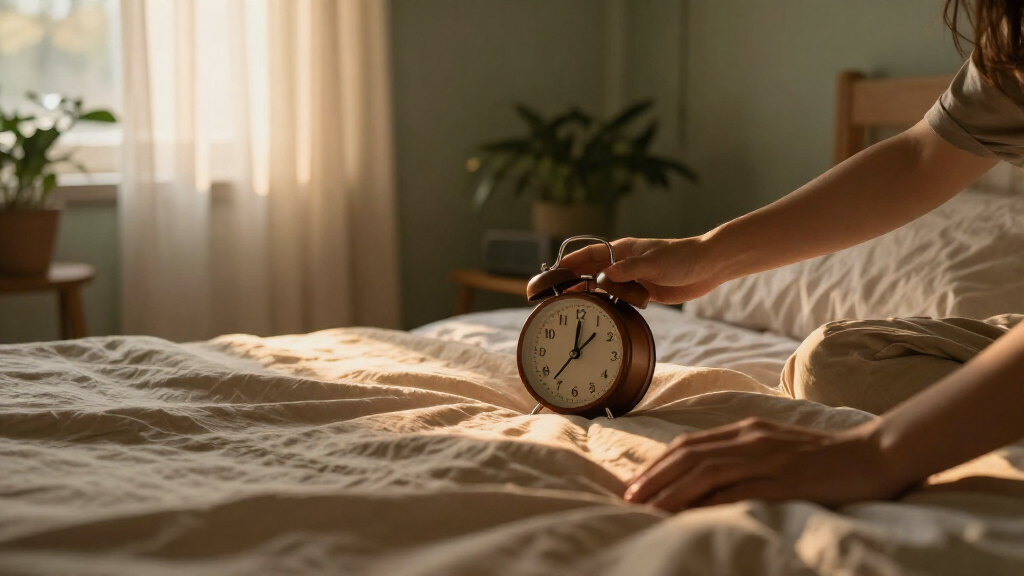
I evaluated these devices based on their ability to facilitate a gradual awakening rather than an abrupt start to the day. The primary criterion was the quality of the wake-up sequence, specifically how smoothly the light intensity increases and how gently the audio fades in. I also assessed the interface usability, favoring models with intuitive controls that do not require reading a manual in the middle of the night. Build quality and material finish were considered to ensure durability and aesthetic fit for modern bedrooms.
Ranking logic prioritized versatility and reliability. Devices that offered multiple wake-up modes (light only, sound only, or both) were ranked higher than those with rigid, single-mode operations. I also looked for customizable alarm settings, such as variable ramp-up times and volume levels, which allow users to tailor the experience to their sleep depth. Products with poor display dimming or harsh button clicks were penalized, as these can disturb a sleeping partner.
Factors to Consider When Choosing Alarm Clocks With Gentle Wake Up Features
Selecting a gentle wake-up clock involves more than just picking a pretty light. You need to consider how the device interacts with your sleep environment and your personal sensitivity to stimuli. Here are the key factors to weigh before making a purchase.Light Simulation Quality Vs. Intensity
Not all sunrise features are created equal. Some clocks simply turn on a bright LED, which can be just as jarring as a loud beep. True sunrise simulation involves a gradual increase in both brightness and color temperature, shifting from red to orange to yellow over 15-30 minutes. Check if the device allows you to adjust the duration of the ramp-up; a 30-minute progression is generally more effective for heavy sleepers than a 10-minute one. If the light is too intense too quickly, it can cause eye strain or wake a partner. Look for models with independent brightness controls for the alarm light versus the night light function.
Audio Fidelity And Variety
Sound is the other half of the gentle wake-up equation. While many clocks offer ‘nature sounds,’ the quality can vary wildly. Loop artifacts—audible clicks or jumps in the audio track—can be distracting and ruin the immersive effect. I recommend looking for clocks that advertise high-fidelity speakers or use real instrument recordings rather than synthesized tones. Additionally, consider the volume ramp-up; the audio should start at a barely audible level and increase gradually. If you are a light sleeper, you might prefer a model that uses vibration or light only, avoiding audio entirely.
Display Dimming And Night Light Function
A clock that wakes you gently but keeps you awake with a glowing display is a failure. The minimum brightness level of the digital display is a critical spec. Many budget models claim to be dimmable but still emit a bright blue or white light that suppresses melatonin. Look for clocks with auto-dimming features that reduce the display brightness after a set time or when the room is dark. A dedicated, warm-toned night light is preferable to using the main display as a light source, as it provides visibility without disrupting sleep cycles.
Ease Of Use In Low Light
Operating a complex menu system while half-asleep is frustrating. I prioritized clocks with tactile buttons or clearly illuminated touch zones. Devices that require you to navigate through multiple layers of menus to change an alarm time are prone to user error. Physical snooze buttons are generally more reliable than touch-sensitive pads, which can fail if your fingers are dry or if the screen is covered by a blanket. Consider whether the interface feels intuitive enough to use without turning on the room lights.
Power Source And Backup Options
Most gentle wake-up clocks require constant power to run the LED lights and processors. Battery backup is essential for the timekeeping function, but it usually cannot power the sunrise simulation. If you live in an area with frequent power outages, a clock that loses its alarm settings when unplugged will be a major inconvenience. Look for models with memory functions that retain your alarm settings even after a power loss. Some premium models offer rechargeable internal batteries, but these are rare and often have limited runtime for the light features.
Frequently Asked Questions
Do sunrise alarm clocks actually help with seasonal affective disorder?
While sunrise alarm clocks are not medical devices, they can mimic natural light patterns that help regulate your circadian rhythm. For some individuals, this gradual exposure to light upon waking can reduce feelings of grogginess and improve mood, particularly during winter months. However, they are not a substitute for a dedicated light therapy box prescribed for Seasonal Affective Disorder. If you are experiencing significant mood changes, consult a healthcare professional rather than relying solely on an alarm clock.Can I use a sunrise clock if my partner is a light sleeper?
You can, but you need to choose a model with a directional light source and independent volume control. Many sunrise clocks project light in all directions, which can disturb a partner. Look for devices with a shielded or angled light panel that directs the glow toward the user’s face, not the entire room. Additionally, use the light-only wake-up mode if possible, or keep the audio volume very low and rely on the visual cue. Placing the clock further away from the shared side of the bed also helps minimize disturbance.Why do some gentle wake-up sounds feel harsh even at low volume?
This often comes down to the frequency range of the sound. High-pitched tones, even at low volumes, can feel piercing or ‘sharp’ to the human ear. Gentle wake-up sounds should be rich in low and mid-range frequencies, such as deep ocean waves, soft piano, or rain. Avoid sounds with sudden transients or sharp attacks. If a sound feels harsh, try switching to a white noise or brown noise option, which are generally smoother and less likely to trigger a startle response.Is it better to have a clock with a built-in sound machine or a separate device?
It depends on your primary use case. A built-in sound machine is convenient and saves space, but the audio quality is often limited by the small speaker size. If you rely heavily on white noise for sleep throughout the night, a dedicated, high-quality sound machine paired with a simple sunrise light might offer better performance. However, for most users, the integrated approach is sufficient and reduces the number of cords and devices on the nightstand. Consider whether you need all-night audio or just a short wake-up sequence.How long should the sunrise simulation last for the best results?
Most sleep experts suggest a duration of 15 to 30 minutes. A shorter duration, like 5 minutes, may not be enough time for your body to naturally reduce melatonin production and increase cortisol levels. A longer duration, such as 45 minutes, can be effective but might keep the light on too long if you oversleep. Start with a 30-minute setting and adjust based on how you feel upon waking. If you still feel groggy, try extending the time or adding a gentle sound component.Conclusion
Choosing the right alarm clock with gentle wake up features comes down to identifying your primary barrier to waking up. For those who struggle with the shock of noise, the Philips SmartSleep Wake-Up Light remains the best overall choice due to its superior light simulation and reliability. If you are on a tighter budget but still want a robust feature set, the REACHER Digital Alarm Clock offers the best value with its extensive sound library and practical controls. For beginners who want simplicity, the Peakeep Silent Analog Alarm Clock is a great starting point, while the JALL Sunrise Alarm Clock serves those who want a modern, full-screen experience. Evaluate your sensitivity to light and sound, and choose the model that aligns with your sleep architecture rather than just the feature list.