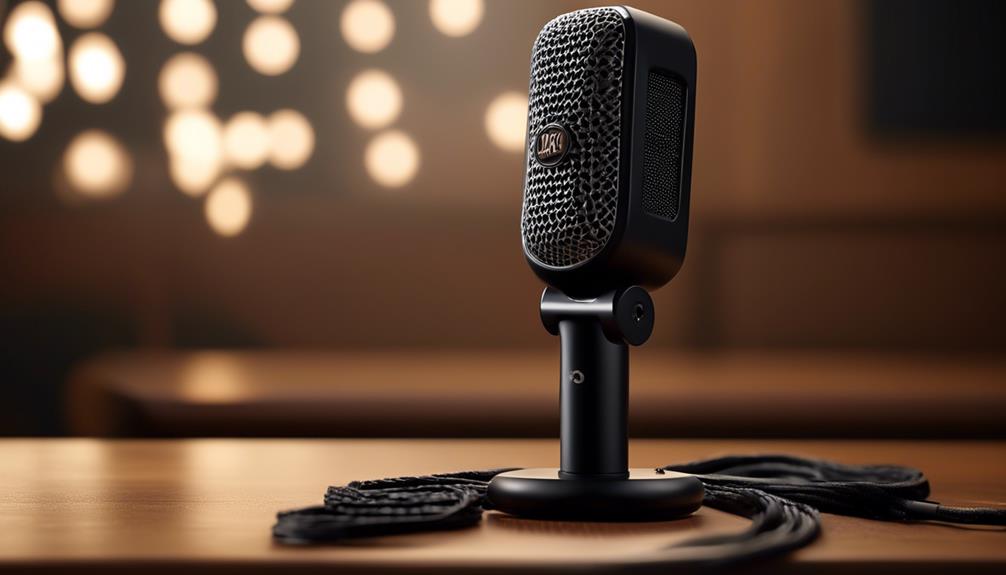

If I were choosing one budget microphone from this lineup, I would pick the FIFINE AmpliGame AM8 for its room-friendly dynamic design, useful USB controls, and XLR upgrade path. The FIFINE K669B is the stronger value choice for basic recording in a quiet space, while the FIFINE AmpliTank K688 suits buyers willing to pay more for a cleaner, broadcast-oriented setup. The main decision is whether convenience, background-noise control, bundled hardware, or future expandability matters most. Condenser models can sound detailed but capture more room noise, while dynamic USB/XLR microphones usually demand closer speaking technique. Keep reading for the full breakdown of which model fits each buyer and where every option falls short.

Get audio and creator gear delivered free — and shop member deals
- Fast, free delivery on millions of items
- Access to Prime Big Deal Days deals on October 6–7
- Prime Video, Amazon Music and more included
Complete the kit

Key Takeaways
- The FIFINE AmpliGame AM8 ranks first because its dynamic capsule, direct USB controls, and XLR connection cover more recording situations than the USB-only condensers.
- The FIFINE K669B offers the clearest value for buyers who have a quiet room and do not need a mute switch, headphone monitoring, or an upgrade to XLR.
- The FIFINE AmpliTank K688 is the premium pick, favoring focused speech and a subdued studio design over the AM8’s gaming styling and lower entry cost.
- Complete kits such as the T669, A6T, and AM8T reduce accessory shopping, but their boom arms occupy more space and do not automatically improve the microphone itself.
- Blue Yeti remains the most flexible option for pickup patterns, yet its sensitivity makes it less forgiving than the AM8 or K688 in echo-prone rooms.
| FIFINE T669 Studio Condenser USB Microphone |  | Best Complete Starter Kit | Output: USB | Microphone Type: Condenser | Pickup Pattern: Cardioid | VIEW ON AMAZON | See Our Full Breakdown |
| Logitech Blue Yeti USB Microphone | 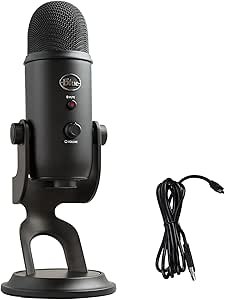 | Best for Recording Versatility | Connectivity: USB | Pickup Patterns: Cardioid, omni, bidirectional, stereo | Software: Blue VO!CE effects | VIEW ON AMAZON | See Our Full Breakdown |
| USB Microphone with Adjustable Gooseneck, Mute Button, and Noise-Canceling Technology |  | Best for Meetings | Design: 360-degree adjustable gooseneck | Connectivity: USB plug and play | Windows Support: Windows 7, 8, 10, and 11 | VIEW ON AMAZON | See Our Full Breakdown |
| TONOR Gaming Microphone Set with Boom Arm | 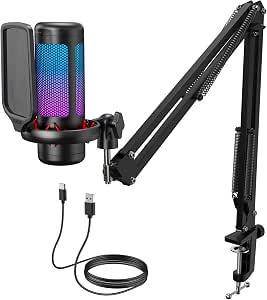 | Best RGB Gaming Kit | Microphone Type: Vocal condenser | Connectivity: USB 2.0, USB 3.0, and Type-C | Gain Control: Adjustable | VIEW ON AMAZON | See Our Full Breakdown |
| FIFINE K669B USB Microphone |  | Best Value Pick | Connectivity: USB-A | Cable Length: 5.9 ft | Body Material: Metal | VIEW ON AMAZON | See Our Full Breakdown |
| Maono DGM20S Gaming Microphone |  | Best Complete Gaming Kit | Connectivity: USB | Compatibility: PC, Mac, PS5, PS4 | Noise reduction: Yes | VIEW ON AMAZON | See Our Full Breakdown |
| FIFINE AmpliGame AM8 USB/XLR Dynamic Microphone |  | Best Upgrade Path | Microphone type: Dynamic | Frequency response: 50Hz–16kHz | Connections: USB and XLR | VIEW ON AMAZON | See Our Full Breakdown |
| ZealSound K66 USB Podcast Microphone |  | Best for Mobile Creators | Frequency response: 40Hz–18kHz | Sampling rate: 46kHz | Sensitivity: –45dB ±3dB | VIEW ON AMAZON | See Our Full Breakdown |
| MRSDY USB Gaming Microphone |  | Best Basic RGB Pick | Connectivity: USB | Noise cancellation: Yes | Lighting: RGB with multiple color modes | VIEW ON AMAZON | See Our Full Breakdown |
| FIFINE AmpliGame A6V USB Gaming Microphone |  | Best Compact Gaming Setup | Connectivity: USB | Sampling rate: 192kHz | Polar pattern: Cardioid | VIEW ON AMAZON | See Our Full Breakdown |
| USB Condenser Gaming Microphone with RGB Lights |  | Best Simple Desktop Gaming Mic | Microphone type: Condenser | Polar pattern: Cardioid | Diaphragm size: 25mm | VIEW ON AMAZON | See Our Full Breakdown |
| FIFINE AmpliTank K688 Dynamic Microphone |  | Best for Budget Podcasting | Microphone type: Dynamic | Connectivity: USB and XLR | Maximum SPL: 130dB | VIEW ON AMAZON | See Our Full Breakdown |
| FIFINE AmpliGame A6T USB Gaming Microphone Kit |  | Best Complete Gaming Kit | Microphone type: Condenser | Polar pattern: Cardioid | Interface: USB-C to USB-A/C | VIEW ON AMAZON | See Our Full Breakdown |
| FIFINE AmpliGame AM8T XLR/USB Gaming Microphone Set |  | Best Upgrade-Ready Gaming Set | Microphone type: Dynamic | Polar pattern: Cardioid | Connectivity: USB and XLR | VIEW ON AMAZON | See Our Full Breakdown |
| budget microphone | Connectivity | Microphone Type |
|---|---|---|
| FIFINE T669 Studio Condenser U | — | Condenser |
| Logitech Blue Yeti USB Microph | USB | — |
| USB Microphone with Adjustable | USB plug and play | — |
| TONOR Gaming Microphone Set wi | USB 2.0, USB 3.0, and Type-C | Vocal condenser |
| FIFINE K669B USB Microphone | USB-A | — |
| Maono DGM20S Gaming Microphone | USB | — |
| FIFINE AmpliGame AM8 USB/XLR D | — | Dynamic |
| ZealSound K66 USB Podcast Micr | USB | — |
| MRSDY USB Gaming Microphone | USB | — |
| FIFINE AmpliGame A6V USB Gamin | USB | — |
| USB Condenser Gaming Microphon | USB | Condenser |
| FIFINE AmpliTank K688 Dynamic | USB and XLR | Dynamic |
| FIFINE AmpliGame A6T USB Gamin | — | Condenser |
| FIFINE AmpliGame AM8T XLR/USB | USB and XLR | Dynamic |
More Details on Our Top Picks
FIFINE T669 Studio Condenser USB Microphone
I rank the FIFINE T669 as the strongest starter kit because its boom arm, shock mount, and pop filter create a practical recording setup without separate purchases. That package gives podcasters and voiceover beginners better positioning than the desktop-only FIFINE K669B, reducing desk vibration and helping maintain a steady speaking distance. Its cardioid condenser capsule and wide frequency response favor detailed, full-sounding vocals, though that sensitivity can also reveal keyboards and untreated-room echo. Unlike the Logitech Blue Yeti, it offers neither selectable pickup patterns nor extensive onboard controls. Compatibility is another limitation: this USB model is aimed at PCs and laptops, with no Xbox support or wireless mode. I place it above bare-microphone alternatives for its strong accessory value, not for connection flexibility.
Pros:- Complete kit includes a boom arm, shock mount, and pop filter
- Cardioid condenser capsule captures detailed vocals
- USB connection supports a quick computer setup
- Adjustable mounting helps maintain consistent microphone placement
Cons:- Sensitive condenser design can pick up room echo and keyboard noise
- No onboard gain, mute, or pickup-pattern controls are listed
- Does not support Xbox or wireless operation
Best for: First-time podcasters and voiceover creators who want a complete desk-mounted USB recording setup on a PC or laptop
Not ideal for: Console users or creators recording in noisy, untreated rooms, where a sensitive condenser microphone can capture unwanted sound
- Output:USB
- Microphone Type:Condenser
- Pickup Pattern:Cardioid
- Frequency Response:Wide
- High-SPL Handling:Yes
- Mounting Hardware:Boom arm and shock mount
- Vocal Accessory:Pop filter
- Included Cable:USB cable
Our verdict“My pick for beginners who value a ready-made recording station more than advanced controls or broad device support.”
Logitech Blue Yeti USB Microphone
The Logitech Blue Yeti earns its place through four pickup patterns, a benefit none of the other five models matches. Cardioid works for solo streaming, bidirectional suits two-person interviews, and omni can capture a small group, making one microphone useful across changing projects. Onboard gain, mute, pattern selection, and headphone-volume controls also provide more direct adjustment than the FIFINE T669. That versatility comes with a budget caveat: the Yeti is bulkier and less package-focused than the T669, which already includes a boom arm and pop filter. Its desktop stand consumes space, while better positioning may require another mount. I rank it for buyers who will use multiple recording formats; a solo speaker seeking the lowest-cost route will get more value from the FIFINE K669B.
Pros:- Four pickup patterns support solo, interview, group, and stereo recording
- Onboard gain, mute, pattern, and headphone-volume controls
- Blue VO!CE software adds sound-shaping options
- Adjustable desktop stand allows quick angle changes
Cons:- Large body and stand occupy considerable desk space
- A separate boom arm may be needed for better mouth-level placement
- Costs more complexity than a basic solo-recording microphone requires
Best for: Podcasters, streamers, and small-group hosts who need several pickup patterns from one PC or Mac microphone
Not ideal for: Solo creators with cramped desks or strict budgets who would pay for pickup modes they rarely use
- Connectivity:USB
- Pickup Patterns:Cardioid, omni, bidirectional, stereo
- Software:Blue VO!CE effects
- Microphone Controls:Gain, mute, and pattern selection
- Headphone Control:Volume adjustment
- Stand:Adjustable desktop stand
- Positioning:Pivotable microphone body
- Compatibility:PC and Mac
Our verdict“I recommend the Blue Yeti when multiple recording formats justify its larger footprint and broader control set.”
USB Microphone with Adjustable Gooseneck, Mute Button, and Noise-Canceling Technology
For calls, remote classes, and shared office desks, I favor this adjustable gooseneck microphone over studio-style models. The flexible neck brings the pickup point closer to the speaker without a bulky boom arm, while the illuminated mute button provides a clear status check during meetings. Noise-canceling technology also targets speech clarity, giving it a more communication-focused design than the music-oriented FIFINE T669. The tradeoff is limited creative range: it lacks the Logitech Blue Yeti’s multiple patterns and the TONOR set’s adjustable gain, so it is less suited to polished podcasts or vocal recordings. Its fixed USB workflow supports Windows and macOS, but not Android, Raspberry Pi, or Xbox. I rank it as the most practical office pick, especially where fast muting and compact positioning matter more than studio accessories.
Pros:- 360-degree gooseneck provides precise desk-level positioning
- Mute button and LED indicator simplify call control
- Noise-canceling technology is geared toward clear speech
- Metal pipe and ABS base provide a solid desk design
Cons:- Few controls for shaping podcast or vocal recordings
- Not compatible with Android, Raspberry Pi, or Xbox
- USB-only connection limits mobile and analog workflows
Best for: Remote workers, online tutors, and students who need an easily positioned desk microphone with visible mute status
Not ideal for: Musicians, mobile creators, and console users who need richer recording controls or non-computer compatibility
- Design:360-degree adjustable gooseneck
- Connectivity:USB plug and play
- Windows Support:Windows 7, 8, 10, and 11
- Mac Support:macOS
- Noise Cancellation:Yes
- Mute Control:Built-in button
- Status Indicator:LED
- Cable Length:6 ft (1.8 m)
- Materials:Metal pipe and ABS stand
Our verdict“My choice for meeting-heavy desks where convenient positioning and mute visibility outweigh recording versatility.”
TONOR Gaming Microphone Set with Boom Arm
I give the TONOR Gaming Microphone Set the gaming role because it combines a condenser microphone, boom arm, tap-to-mute control, gain adjustment, and configurable RGB lighting in one package. Compared with the plain FIFINE T669 kit, TONOR offers more immediate control during a livestream: quick muting prevents accidental broadcast audio, while the gain dial helps match changing speaking distance. It also fits USB-A and Type-C computer connections, making it more connection-friendly than the USB-A-only FIFINE K669B. Still, buyers are paying partly for visual presentation; the lighting can distract in restrained workspaces, and there is no XLR path for a later audio-interface upgrade. The Type-C plug also needs correct seating for reliable performance. I rank it as the best budget gaming bundle, but not the best long-term studio platform.
Pros:- Package includes a sturdy adjustable boom arm and desk clamp
- Tap mute and gain control support live-stream adjustments
- Multiple RGB modes add a coordinated gaming aesthetic
- USB-A and Type-C support accommodate varied computer ports
Cons:- USB-only design offers no XLR upgrade path
- RGB lighting may be distracting or unnecessary outside gaming setups
- Type-C connector placement can affect reliable operation
Best for: PC gamers and livestreamers who want a boom-mounted microphone with RGB lighting and direct gain and mute controls
Not ideal for: Audio creators planning an XLR upgrade or buyers who prefer a discreet, lighting-free desk setup
- Microphone Type:Vocal condenser
- Connectivity:USB 2.0, USB 3.0, and Type-C
- Gain Control:Adjustable
- Mute Function:Tap to mute
- RGB Modes:Static, gradient, breathing, and mixed-color gradient
- Static Colors:Six
- Brightness Control:Yes
- Included Mount:Boom arm, stand, and clamp
- Maximum Desk Thickness:2.36 inches
Our verdict“I recommend this set for streamers who want gaming-focused controls and presentation in one affordable boom-arm package.”
FIFINE K669B USB Microphone
The FIFINE K669B is my value pick for buyers who need clearer speech and vocals without buying a full studio kit. Its metal body feels more durable than many entry-level plastic desk microphones, while the cardioid pattern concentrates pickup toward the speaker and reduces sound arriving from other directions. A front volume knob offers simpler level changes than the control-light FIFINE T669, and PS4 and PS5 support broadens its use beyond PC and Mac. Savings bring clear compromises: the K669B lacks the T669’s boom arm, shock mount, and pop filter, while its USB-A cable may need an adapter for newer devices. It also has no Xbox or phone support, and some apps require automatic volume adjustment to be disabled. I place it first for low-cost simplicity, not for expandability or bundled accessories.
Pros:- Strong price-to-performance fit for solo speech and vocals
- Metal construction adds durability
- Cardioid pickup reduces off-axis background sound
- Built-in volume knob allows quick level changes
Cons:- No boom arm, shock mount, or pop filter is included
- USB-A connection may require an adapter on newer hardware
- Automatic volume settings in some applications can interfere with manual levels
Best for: Budget-conscious solo streamers, meeting hosts, and beginner vocalists using a PC, Mac, PS4, or PS5
Not ideal for: Phone, Xbox, or USB-C-only users, and creators who need a complete boom-mounted recording kit
- Connectivity:USB-A
- Cable Length:5.9 ft
- Body Material:Metal
- Pickup Pattern:Cardioid
- Power Supply:USB-powered
- Phantom Power:Not required
- Computer Compatibility:PC and Mac
- Console Compatibility:PS4 and PS5
Our verdict“My value recommendation for solo users who want a durable, straightforward USB microphone and can supply any needed accessories.”
Maono DGM20S Gaming Microphone
I rank the Maono DGM20S highly for budget buyers who need an entire desk setup, since its metal boom arm, shock mount, pop filter, and clamp avoid several extra purchases. Its focused pickup and noise reduction suit gaming chats and streams where keyboard noise can compete with speech. Compared with the FIFINE AmpliGame A6V and its compact tripod, the Maono offers more positioning freedom and keeps the microphone away from the keyboard. The tradeoff is a narrower upgrade path: it is USB-only, and its noise-cancellation software requires Windows. The FIFINE AM8 is the better long-term choice for anyone planning to add an XLR interface, while this model makes more sense when I prioritize a ready-to-use arm kit and straightforward controls.
Pros:- Focused voice pickup helps reduce competing room and keyboard noise
- Metal boom arm allows flexible positioning away from the desk surface
- Mute, gain, and headphone-monitoring controls support live gaming
- Shock mount, pop filter, clamp, and cables are included
Cons:- Noise-cancellation software requires Windows
- USB-only design offers no route into an XLR recording setup
- Not compatible with Xbox consoles
Best for: PC or PlayStation gamers who want a complete boom-arm microphone kit without buying separate mounting accessories
Not ideal for: Xbox users or Mac owners who expect access to the microphone’s Windows-dependent noise-cancellation software
- Connectivity:USB
- Compatibility:PC, Mac, PS5, PS4
- Noise reduction:Yes
- Monitoring:3.5mm headphone jack
- Controls:Mute button and gain control
- Lighting:Customizable RGB
- Mounting accessories:Metal boom arm, shock mount, desktop clamp
- Additional accessories:Pop filter, USB cable, USB-C cable
Our verdict“I recommend the Maono DGM20S to gamers who value a complete adjustable mounting kit more than XLR expandability.”
FIFINE AmpliGame AM8 USB/XLR Dynamic Microphone
The FIFINE AmpliGame AM8 earns this role because its USB and XLR outputs let a buyer start cheaply and add an audio interface later. That flexibility gives it a longer useful life than the USB-only Maono DGM20S, ZealSound K66, or FIFINE A6V. Its dynamic microphone design is also better suited to untreated bedrooms where room reflections and distant noise can spoil recordings. I would choose the AM8 for streaming, spoken-word recording, or gaming when future expansion matters. Still, the upgrade story has costs: an XLR cable is not supplied, and RGB, mute, and monitoring features are tied to USB use. Buyers who want a boom arm in the box may get better immediate value from the Maono DGM20S, while the AM8 favors audio flexibility over a complete mounting bundle.
Pros:- USB and XLR outputs support both simple and expandable setups
- Dynamic design is well suited to untreated gaming rooms
- Headphone jack provides direct real-time monitoring in USB mode
- Built-in 3/8-inch and 5/8-inch threads fit common stands and arms
Cons:- XLR cable is not included
- RGB lighting is inactive through the XLR connection
- Mute and monitoring conveniences are limited to USB operation
Best for: Streamers and podcasters who want an affordable USB start with the option to move to an XLR audio interface later
Not ideal for: Buyers who need a complete boom-arm kit or expect the RGB and USB controls to remain active over XLR
- Microphone type:Dynamic
- Frequency response:50Hz–16kHz
- Connections:USB and XLR
- RGB lighting:3 modes and more than 10 colors
- Mute control:Tap-to-mute with LED indicator
- Monitoring:Headphone jack
- Mount threads:3/8-inch and 5/8-inch
- Included windscreen:Yes
Our verdict“I would pick the AM8 for a budget setup that needs to grow from plug-and-play USB into an XLR recording chain.”
ZealSound K66 USB Podcast Microphone
I place the ZealSound K66 ahead of the gaming-focused models for creators who record across phones, tablets, and computers. Included USB-C and Lightning adapters make it easier to move between an iPhone, iPad, Android device, Mac, and PC than the FIFINE A6V, which targets desktop and PlayStation setups. The K66 also provides gain, headphone volume, echo, and mute controls, allowing quick adjustments without opening software. That makes it practical for TikTok clips, casual podcasts, and mobile voice work. Its limits are equally clear: the USB-only connection cannot join an XLR studio chain like the FIFINE AM8 can, and physical knobs may feel less exact than software-based adjustment. Some functions can also depend on external power, so mobile recording may require more cabling than the adapter bundle initially suggests.
Pros:- Included USB-C and Lightning adapters support a broad mix of devices
- Gain, monitoring volume, echo, and mute controls are available on the microphone
- Plug-and-play operation avoids a software setup step
- Headphone output supports real-time monitoring
Cons:- USB-only connectivity prevents use with an XLR interface
- Physical controls may offer less precise adjustment than software
- Certain features require an external power source
Best for: TikTok, YouTube, and podcast creators who record on both mobile devices and desktop computers
Not ideal for: Creators building an XLR studio or mobile users who want every function powered directly by a phone
- Frequency response:40Hz–18kHz
- Sampling rate:46kHz
- Sensitivity:–45dB ±3dB
- Connectivity:USB
- Mobile adapters:USB-C and Lightning included
- Monitoring:3.5mm headphone jack with volume control
- On-mic controls:Gain, volume, echo, and mute
- Noise reduction:Yes
Our verdict“I favor the ZealSound K66 for budget creators who value phone and tablet compatibility over an XLR upgrade path.”
MRSDY USB Gaming Microphone
The MRSDY USB Gaming Microphone fills a simple role: it gives budget gamers RGB lighting, noise reduction, monitoring, and quick mute control without demanding drivers or a complicated setup. Compared with the Maono DGM20S, it is a more basic desk solution because its included stand lacks height adjustment and cannot match a boom arm for precise placement. The two-meter USB cable does provide useful reach for a tower placed under a desk, while the headphone output helps users hear problems before a stream or match begins. I would choose it over the ZealSound K66 when gaming aesthetics matter more than mobile compatibility or echo controls. However, USB-only connectivity rules out later XLR expansion, and the vivid lighting can become a distraction in restrained setups. Its value rests on simplicity, not versatility.
Pros:- Noise reduction helps keep voice chat clearer
- Multiple RGB modes suit gaming-oriented desk setups
- Two-meter cable offers flexible placement around a desktop PC
- Headphone output and mute button support live communication
Cons:- Included stand has no adjustable height
- USB-only connection limits future audio-system upgrades
- RGB lighting may be distracting and is not suited to every setup
Best for: Budget PC gamers who want an uncomplicated desktop microphone with visible RGB effects and headphone monitoring
Not ideal for: Streamers who need adjustable microphone height, XLR expansion, or subdued lighting for a minimalist desk
- Connectivity:USB
- Noise cancellation:Yes
- Lighting:RGB with multiple color modes
- Monitoring:3.5mm stereo headphone output
- Mute control:Dedicated button
- Cable length:2 meters
- Included accessories:Desktop stand and user manual
Our verdict“I see the MRSDY as a sensible low-complexity choice for gamers who want RGB and monitoring but do not need mounting flexibility.”
FIFINE AmpliGame A6V USB Gaming Microphone
I assign the FIFINE AmpliGame A6V this role because its tripod, shock mount, and pop filter form a tidy package for gamers with limited desk space. Its cardioid pattern concentrates pickup toward the speaker, while mute and gain controls make mid-session adjustments faster than relying on computer menus. Compared with the Maono DGM20S, the A6V takes up less room and requires no clamp, but its fixed desktop position offers less control over distance and keyboard isolation. The quoted 192kHz sampling rate sounds ambitious for the price, though voice quality also depends on placement and room noise; it should not outweigh the FIFINE AM8’s dynamic design or XLR flexibility. I would choose the A6V for straightforward PC or PlayStation gaming, accepting that USB-only operation and always-visible RGB narrow its appeal outside gaming desks.
Pros:- Compact tripod setup fits desks where a clamped boom arm is impractical
- Cardioid pickup focuses recording toward the speaker
- Mute and gain controls allow quick changes during games or streams
- Shock mount and pop filter are included
Cons:- USB-only design cannot connect to an XLR interface
- Tripod placement is less flexible than the Maono DGM20S boom arm
- Gradient RGB lighting may clash with non-gaming workspaces
Best for: PC, Mac, PS4, or PS5 gamers who need a compact tripod microphone with direct mute and gain controls
Not ideal for: Podcasters seeking XLR expansion or users who need a boom arm to isolate the microphone from keyboard and desk vibrations
- Connectivity:USB
- Sampling rate:192kHz
- Polar pattern:Cardioid
- Signal-to-noise ratio:70dB
- RGB lighting:Gradient RGB with 7 colors
- Cable length:6.6 feet
- Compatibility:Windows, Mac OS, PS4, PS5
- Included accessories:Shock mount, pop filter, adjustable tripod
Our verdict“I recommend the A6V for gamers who want a compact, ready-to-run USB package and can live without XLR or a boom arm.”
USB Condenser Gaming Microphone with RGB Lights
I rank the USB Condenser Gaming Microphone as the best simple desktop gaming mic for buyers who want useful controls without assembling a boom-arm kit. Its 25mm cardioid condenser and 192kHz sampling support clear speech, while the headphone jack lets a streamer catch volume problems immediately. Compared with the FIFINE AmpliGame A6T, this model occupies less desk space and requires less setup, but it lacks the A6T’s flexible positioning and bundled shock mount. The stable base is practical during animated gaming sessions, and one-touch mute is easier than reaching for software controls. I would rank it below the dynamic FIFINE K688 for rooms with keyboard or household noise, since a condenser can capture more surrounding sound. USB-only operation also limits future upgrades, while always-visible RGB styling will not suit every desk.
Pros:- 192kHz sampling and a 25mm condenser diaphragm support detailed voice capture
- One-touch mute provides fast control during streams and multiplayer sessions
- A 3.5mm headphone jack enables real-time monitoring
- Weighted desktop base avoids the space demands of a boom arm
Cons:- USB-only connectivity offers no path to an XLR recording chain
- Condenser design may capture more keyboard and room noise than a dynamic microphone
- RGB lighting can be distracting in understated workspaces
Best for: PC and console gamers who want an affordable, compact desktop microphone with monitoring and immediate mute control
Not ideal for: Podcasters recording in noisy rooms or buyers planning an XLR audio-interface upgrade
- Microphone type:Condenser
- Polar pattern:Cardioid
- Diaphragm size:25mm
- Sampling rate:192kHz
- Connectivity:USB
- Monitoring output:3.5mm headphone jack
- Cable length:180cm
- Compatibility:PC, PS4, PS5, and laptop
Our verdict“This is my compact budget pick for gamers who value simple controls and monitoring more than positioning flexibility or XLR expansion.”
FIFINE AmpliTank K688 Dynamic Microphone
The FIFINE AmpliTank K688 earns my best budget podcasting role because its dynamic capsule and 130dB maximum SPL make it better suited to close, controlled speech than the condenser-based FIFINE AmpliGame A6T. Background keyboards and untreated-room reflections are less likely to dominate a recording, provided the speaker stays close to the mic. USB supplies mute, gain, headphone monitoring, and volume controls for a straightforward starting setup; XLR provides a sensible route into an interface later. That upgrade flexibility gives the K688 more long-term value than USB-only models. The tradeoff is a less complete package: neither a stand nor an XLR cable is included, and USB-specific functions disappear when using XLR. I also would not choose it for speakers who lean back frequently, because close placement is necessary for a full, consistent voice.
Pros:- Dynamic capsule is well suited to speech in untreated or moderately noisy rooms
- USB and XLR outputs support beginner and upgraded recording setups
- USB mode includes mute, gain adjustment, and real-time headphone monitoring
- Included windscreen helps control breath and plosive noise
Cons:- Microphone stand, boom arm, and XLR cable must be purchased separately
- Close speaking distance is needed for consistent, full-bodied sound
- Mute and onboard monitoring features are limited to USB operation
Best for: Budget podcasters and streamers recording at a desk who want good background-noise rejection plus a future XLR upgrade path
Not ideal for: Mobile speakers, presenters who move away from the microphone, or beginners who need a stand included
- Microphone type:Dynamic
- Connectivity:USB and XLR
- Maximum SPL:130dB
- Signal-to-noise ratio:80dB+
- USB controls:Mute and gain
- Monitoring:Headphone jack with volume control
- Included accessories:Windscreen, USB-C to USB-A cable, adapter, and manual
- XLR cable:Not included
Our verdict“I recommend the K688 to desk-based podcasters who can supply a stand and want stronger noise control and upgrade potential at a budget price.”
FIFINE AmpliGame A6T USB Gaming Microphone Kit
I give the FIFINE AmpliGame A6T the best complete gaming kit designation because it bundles the positioning hardware that many inexpensive microphones leave out. The boom arm moves the cardioid condenser closer to the speaker and away from desk vibration, while the shock mount and pop filter address bumps and plosives without added purchases. Compared with the basic desktop USB Condenser Gaming Microphone, the A6T offers much better placement control and a longer 2.5m cable. It is also easier to start with than the FIFINE K688, which needs a separate stand. That completeness comes with costs: the clamp requires free desk space, assembly takes more effort, and a condenser may collect keyboard noise in lively rooms. USB-only connectivity means there is no XLR upgrade route, while the RGB gradient favors gaming desks over restrained recording spaces.
Pros:- Bundled boom arm provides more precise placement than a fixed desktop stand
- Shock mount and pop filter reduce desk vibration and plosive noise
- USB-C to USB-A/C interface supports a broad range of computers and consoles
- Long 2.5m cable gives flexible routing around a gaming desk
Cons:- Boom arm and clamp consume more desk space than a compact base
- Condenser capsule can pick up keyboard and room noise
- USB-only design cannot connect directly to an XLR interface
Best for: First-time streamers and gamers who want a microphone, boom arm, shock mount, and pop filter in one affordable package
Not ideal for: Users with cramped desks, loud mechanical keyboards, or plans to build an XLR-based studio
- Microphone type:Condenser
- Polar pattern:Cardioid
- Interface:USB-C to USB-A/C
- Cable length:8.2ft (2.5m)
- Compatibility:Windows, macOS, Mac, PS4, and PS5
- Lighting:RGB gradient
- Included mounting hardware:Boom arm stand and C-clamp
- Included audio accessories:Shock mount and pop filter
Our verdict“The A6T is my choice for a new streamer who wants a ready-made adjustable setup and accepts the space and noise tradeoffs of a condenser kit.”
FIFINE AmpliGame AM8T XLR/USB Gaming Microphone Set
The FIFINE AmpliGame AM8T is my best upgrade-ready gaming set because it combines a noise-resistant dynamic microphone, USB convenience, XLR expansion, and an included boom arm. Compared with the FIFINE AmpliGame A6T, its dynamic capsule is the better match for noisy gaming rooms, though users must speak closer to maintain a strong signal. It also provides a more complete desk setup than the stand-free FIFINE K688 while retaining the same broad USB-to-XLR growth path. Onboard mute, gain, and monitoring make USB operation approachable; buyers can add an interface later without replacing the mic. This is not the cheapest or smallest route, however. The clamp only fits desktops up to two inches thick, and an XLR cable costs extra. Buyers uninterested in RGB or future audio gear may get better value from a simpler USB model, making expansion potential the main reason to pay more.
Pros:- Dynamic cardioid design helps limit surrounding room and keyboard noise
- USB and XLR connectivity supports both immediate use and later upgrades
- Included boom arm brings the microphone close without requiring a separate mount
- Mute, gain, and real-time monitoring controls simplify USB streaming
Cons:- XLR cable is not included for interface-based setups
- C-clamp cannot mount on desktops thicker than two inches
- Dynamic capsule requires close positioning for the strongest voice capture
Best for: Gamers and streamers in noisy rooms who want a complete boom-arm setup now and the option to add an XLR interface later
Not ideal for: Buyers with desks thicker than two inches or anyone seeking the cheapest plug-and-play microphone
- Microphone type:Dynamic
- Polar pattern:Cardioid
- Connectivity:USB and XLR
- Sensitivity:-50dB
- Lighting:Customizable RGB
- USB controls:Mute and gain
- Monitoring:Real-time headphone monitoring
- Included accessories:Boom arm, C-clamp, USB-C cable, and manual
- Desk clamp compatibility:Desktops up to 2 inches thick
Our verdict“I would choose the AM8T for a budget-conscious gamer who wants stronger noise rejection, bundled mounting hardware, and room to upgrade.”
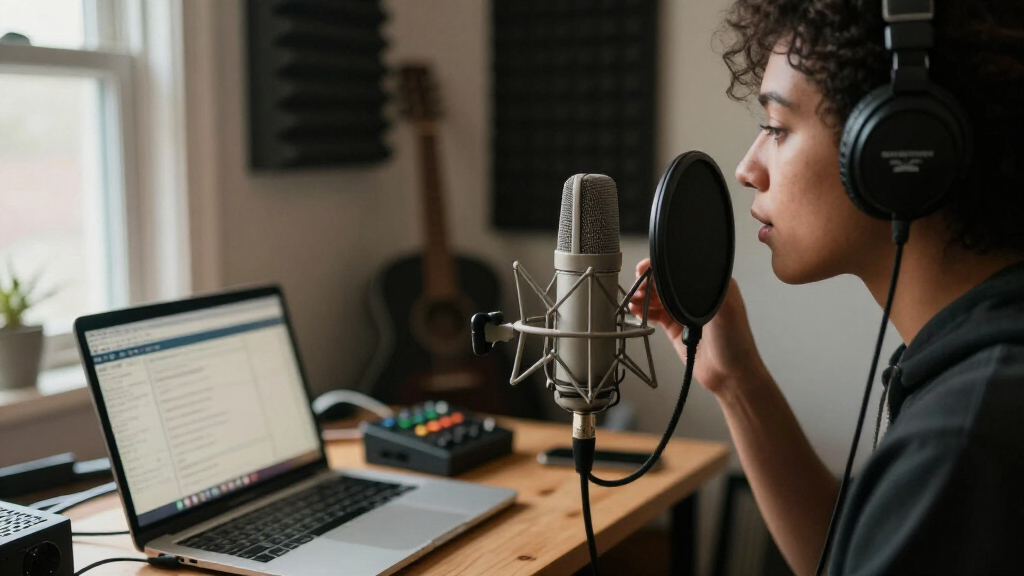
How We Picked
I ranked these microphones by voice clarity at realistic speaking distances, resistance to room noise, control layout, connection options, mounting flexibility, and the usefulness of included accessories. I gave extra weight to features that change daily use, including direct monitoring, accessible gain adjustment, and reliable mute controls. Decorative lighting and large accessory bundles received less weight when they did not improve recording quality. I also compared each model with the nearest alternative in the lineup so that a higher position reflects a clear buyer benefit rather than a longer feature list.
Price-to-performance shaped the final order, but the lowest apparent price did not automatically win. USB/XLR models ranked well when their added connection supported future upgrades, while simple USB microphones earned strong positions when they delivered a useful core experience without unnecessary extras. Complete kits gained ground when the bundled arm, shock mount, or pop filter removed a likely added purchase. Products with unclear branding, vague acoustic specifications, or limited support information fell behind established models, even when their feature lists appeared generous.
| budget microphone | Microphone Type | Connectivity |
|---|---|---|
| FIFINE T669 Studio Condenser U | Condenser | — |
| Logitech Blue Yeti USB Microph | — | USB |
| USB Microphone with Adjustable | — | USB plug and play |
| TONOR Gaming Microphone Set wi | Vocal condenser | USB 2.0, USB 3.0, and Type-C |
| FIFINE K669B USB Microphone | — | USB-A |
| Maono DGM20S Gaming Microphone | — | USB |
| FIFINE AmpliGame AM8 USB/XLR D | Dynamic | — |
| ZealSound K66 USB Podcast Micr | — | USB |
| MRSDY USB Gaming Microphone | — | USB |
| FIFINE AmpliGame A6V USB Gamin | — | USB |
| USB Condenser Gaming Microphon | Condenser | USB |
| FIFINE AmpliTank K688 Dynamic | Dynamic | USB and XLR |
| FIFINE AmpliGame A6T USB Gamin | Condenser | — |
| FIFINE AmpliGame AM8T XLR/USB | Dynamic | USB and XLR |
Factors to Consider When Choosing Budget Microphone
A low purchase price tells only part of the story when choosing a microphone. I would match the microphone to the room, speaking style, and device before comparing secondary features. Buyers who record beside a keyboard need a different design from someone handling interviews around a table. The sections below explain the tradeoffs that affect ownership, including accessory costs, control placement, and the value of an XLR connection.
Choose USB Simplicity or an XLR Upgrade Path
USB microphones connect directly to a computer or compatible console, making them the easiest route for calls, streaming, and casual recording. Their audio interface is built in, so there is no separate preamp, cable, or mixer to buy. A USB/XLR model costs more but can begin as a simple USB device and later connect to an interface. That flexibility has value only if a buyer expects to add multiple microphones, hardware processing, or more precise gain control. I would pay extra for USB/XLR versatility when the microphone is likely to remain part of a growing setup. For a fixed home desk, a well-designed USB-only model can deliver better value with less wiring.
Match the Capsule Type to the Room
Condenser microphones capture fine detail, but they also hear keyboard clicks, computer fans, reflections, and sounds from farther away. They make the most sense in a quiet, furnished room where the speaker can maintain a steady position. Dynamic microphones usually need the mouth closer to the capsule, yet that working distance helps reduce unwanted room sound. This is why the AM8 and K688 can be safer choices than a sensitive condenser for untreated bedrooms. A common mistake is expecting software noise removal to fix echo, which often leaves speech sounding thin or processed. I would prioritize natural room rejection over extra sensitivity when recording conditions are unpredictable.
Calculate the Cost of a Complete Setup
The microphone price may exclude the hardware needed to place it properly. A desk stand is compact, but it can carry typing vibrations and position the capsule too far from the speaker. A boom arm improves placement and frees desk space in front of the user, though cheap arms can sag or transmit bumps. Kits can offer better first-day value by including an arm, pop filter, shock mount, and cables. They are less appealing when the included hardware is bulky or likely to be replaced. I would compare the total working setup cost, not just the price attached to the microphone.
Prioritize Controls That Prevent Recording Mistakes
A physical mute control is useful for live meetings and streams because it avoids searching for an on-screen button. Gain adjustment on the microphone also makes quick corrections easier, although poorly placed knobs can be bumped during recording. A headphone jack with zero-latency monitoring lets the speaker hear clipping, plosives, and changes in distance before they spoil a session. Separate microphone and headphone-level controls are more useful than one ambiguous dial. RGB lighting has practical value only when it clearly displays mute status; otherwise, it is mainly decorative. I rank monitoring and readable controls above lighting effects for any voice-focused setup.
Check Compatibility, Support, and Replacement Options
A microphone may use USB yet still have limited support for consoles, phones, tablets, or work computers. Mobile devices can require an adapter, and some adapters cannot supply stable power to a microphone with lighting and headphone monitoring. Console buyers should verify the exact platform because PC compatibility does not guarantee PlayStation support. Established models also tend to have clearer setup documentation, replacement cables, mounting guidance, and a larger pool of troubleshooting advice. Generic microphones can offer many controls for the money, but inconsistent product naming makes long-term support harder to judge. I would favor documented device compatibility over a longer list of loosely explained features.
Frequently Asked Questions
Should I Buy a USB-Only Microphone or Pay More for USB/XLR?
A USB-only microphone is the sensible choice when the setup will remain centered on one computer, console, or mobile device. USB/XLR becomes worthwhile for buyers who may add an audio interface, mixer, or multiple microphones later. The XLR port does not make the microphone sound better by itself; the surrounding equipment and recording technique determine whether the upgrade is audible. Models such as the AM8 and K688 offer room to expand without making an interface mandatory on day one. I would choose USB-only for simplicity and USB/XLR for planned growth.
Is a Dynamic or Condenser Microphone Better for an Untreated Bedroom?
A dynamic microphone is usually the safer choice because close speaking reduces how much echo, keyboard noise, and fan sound reaches the recording. A condenser can capture a brighter, more open voice, but it also exposes weaknesses in the room. Moving either type closer to the mouth and lowering the gain often helps more than enabling aggressive noise filtering. Soft furnishings can reduce reflections, though they do not block outside noise. For a typical bedroom desk, I would choose the AM8 or K688 over a sensitive condenser unless the room is already quiet and controlled.
Is the Blue Yeti Worth Paying More for Than a Basic FIFINE Microphone?
The Blue Yeti earns its place through multiple pickup patterns, sturdy desktop hardware, and flexible onboard controls. Those patterns are useful for interviews, group discussions, or sources that do not always sit directly in front of the capsule. For one-person streaming or podcasting, that flexibility may have little value, and the Yeti can capture more room sound than the dynamic AM8. A simpler FIFINE model is often the better buy when the goal is close-mic speech from a fixed position. I would choose the Yeti for pattern versatility, not merely because it is the more recognizable model.
Do I Need a Boom Arm for a Budget Microphone?
A boom arm is not mandatory, but microphone position has a major effect on clarity and background-noise pickup. Bringing the microphone closer allows lower gain, which can reduce room sound and make speech more consistent. Desk stands work for occasional calls but often place the capsule below chest level or beside a noisy keyboard. Kits such as the T669, A6T, and AM8T offer an easier complete setup, though their included arms may have limited reach or desk-clamp compatibility. I would buy a kit when mounting hardware is needed immediately and choose a standalone microphone when a suitable arm is already available.
Can Built-In Noise Reduction Replace a Quiet Recording Space?
Noise reduction can soften steady sounds such as fans or air conditioning, but it cannot fully repair echo, changing background voices, or a microphone placed too far away. Strong processing may remove parts of speech along with the unwanted sound, producing a watery or gated result. Capsule choice, close placement, sensible gain, and soft room surfaces usually provide a better foundation. A noise-reduction button is useful for calls where convenience matters more than natural tone. For podcasts or voice-over work, I would treat software cleanup as a backup rather than the main recording strategy.
What are the best best budget microphones?
The best budget microphones listed in the picks above offer reliable audio quality without breaking the bank. These options are suitable for various uses, including streaming, podcasting, and casual recording. They typically feature straightforward setups and decent sound clarity, making them ideal for beginners or those on a tight budget. When choosing among the best budget microphones, consider factors like connectivity type, durability, and whether they suit your specific needs. Overall, the picks above provide a good starting point for anyone seeking affordable, effective microphones that deliver clear audio performance.
Conclusion
My best overall pick is the FIFINE AmpliGame AM8 because it combines a forgiving dynamic capsule, useful USB controls, and an XLR route for later upgrades. The FIFINE K669B is the best value for simple solo recording in a quiet room, while beginners who need mounting hardware should start with the FIFINE T669 kit. Buyers seeking a more focused, studio-style microphone should choose the premium FIFINE AmpliTank K688. The AM8T is the better complete gaming kit, the A6V suits compact RGB desks, and the gooseneck USB model fits speech-focused calls where quick positioning matters more than recording depth. I would reserve the Blue Yeti for buyers who will use its multiple pickup patterns and choose the ZealSound when mobile-device connections and onboard effects carry more weight. For most buyers, the final choice comes down to the AM8’s flexibility, the K669B’s low-cost simplicity, or the K688’s stronger focus on spoken-word recording.
Halloween Picks
halloween
As an affiliate, we earn on qualifying purchases.