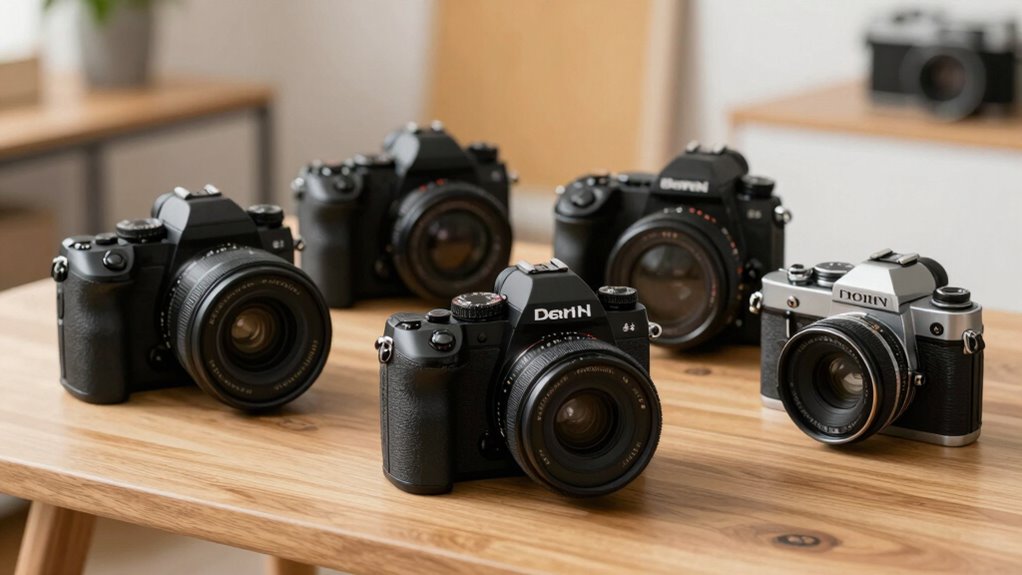
For most independent productions, I’d choose the Sony FX30 with the XLR handle as the best overall camera here: it pairs cinema-focused controls and audio connections with a practical Super 35 format. The Blackmagic Cinema Camera 6K Full-Frame is a stronger fit for filmmakers who prize image flexibility and a full-frame look, while the Sony FX3 suits low-light work and compact full-frame rigs. The main tradeoffs are not just sensor size: codecs, autofocus, audio, recording media, rigging, and the time required to finish footage all affect a small production. Bundles can supply useful accessories, but their contents and renewed condition deserve a close check. Read on for the full breakdown and guidance on matching a camera to your crew and workflow.

Get audio and creator gear delivered free with Prime
- Fast, free delivery on millions of items
- Prime Video, Amazon Music and more included
- Member-only deals all year
Complete the kit


Key Takeaways
- The FX30 XLR-handle bundle is the most balanced pick for a small crew that needs cinema-oriented video features and a direct path to professional audio.
- The two FX30 accessory bundles are not interchangeable. The XLR-handle version favors production sound, while the renewed kits emphasize assorted accessories whose usefulness and condition should be checked.
- Blackmagic’s 6K options suit different production plans: the full-frame L-Mount camera favors a full-frame image and newer lens ecosystem, while the Pocket 6K G2 uses EF lenses and calls for more attention to rigging and power.
- The FX3 and FX30 split by sensor and shooting conditions. The FX3 is the full-frame choice for compact, low-light production; the FX30 offers a Super 35 approach that may better suit a controlled, lens-conscious workflow.
- The Pocket 3 and VIXIA G70 solve narrower problems. The Pocket 3 favors lightweight solo capture, while the G70’s built-in lens and long optical zoom can help with event coverage where interchangeable-lens cinema features matter less.
| Sony Cinema Line FX30 Super 35 E-Mount Camera Body Filmmaker Bundle |  | Best Overall for Indie Productions | Model: ILME-FX30B | Sensor: 20.1 MP APS-C (Super 35mm) CMOS | Lens mount: Sony E-mount | VIEW ON AMAZON | See Our Full Breakdown |
| Sony FX30 Digital Cinema Camera with E 18-135mm OSS Lens and 34-Piece Accessory Bundle (Renewed) |  | Best Ready-to-Shoot Zoom Kit | Sensor: APS-C CMOS, listed as 26 MP | Mount: Sony E | Video: UHD 4K; listing states up to 120 fps | VIEW ON AMAZON | See Our Full Breakdown |
| Blackmagic Design Cinema Camera 6K Full-Frame, L-Mount |  | Best for RAW Image Craft | Sensor: Full-frame CMOS, 6048 × 4032 | Lens mount: Leica L | Dynamic range: 13 stops | VIEW ON AMAZON | See Our Full Breakdown |
| Nikon ZR 6K Cinema Camera with NIKKOR Z 50mm f/1.4 Lens Bundle |  | Best Full-Frame Stabilized Kit | Sensor: Full-frame CMOS | Mount: Nikon Z | Maximum video recording: 6K60 | VIEW ON AMAZON | See Our Full Breakdown |
| DJI Osmo Pocket 3 4K Vlogging Camera with 1-Inch CMOS Sensor | 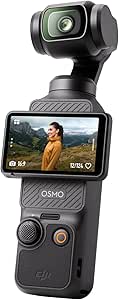 | Best Compact B-Camera | Sensor: 1-inch CMOS | Maximum video: 4K at 120 fps in Slow Motion mode | Stabilization: 3-axis mechanical | VIEW ON AMAZON | See Our Full Breakdown |
| Sony FX3 Full-Frame Cinema Camera and FE 24-70mm f/2.8 GM II Lens Bundle |  | Best Full-Frame Production Kit | Sensor: 35.6 × 23.8 mm back-side illuminated CMOS | Video: 4K up to 120 fps; 1080p up to 240 fps | Recording: Internal 10-bit 4:2:2 | VIEW ON AMAZON | See Our Full Breakdown |
| Sony FX30 Digital Cinema Camera (ILME-FX30B) + 64GB SF-G Tough Card + Bag + 2 x NP-FZ100 Compatible Battery + LED Light + Charger + Photo Software + Flex Tripod + Hand Strap + More (Renewed) |  | Best Feature-Rich Super 35 Value Kit | Sensor: 26.1MP APS-C BSI CMOS | Video: UHD 4K up to 120 fps; 4K 120 fps uses a 1.6× crop | Recording: 10-bit 4:2:2; XAVC HS and XAVC S-I | VIEW ON AMAZON | See Our Full Breakdown |
| Blackmagic Design Pocket Cinema Camera 4K Power Bundle |  | Best for RAW and Hands-On Post | Sensor: Four Thirds CMOS | Video: Up to 4K at 60 fps | Dynamic range: 13 stops | VIEW ON AMAZON | See Our Full Breakdown |
| Canon VIXIA HF G70 4K Camcorder Bundle with 20x Optical Zoom |  | Best for Documentary and Event Coverage | Sensor: 1/2.3-inch CMOS | Video: 4K UHD (3840 pixels) | Optical zoom: 20× | VIEW ON AMAZON | See Our Full Breakdown |
| Sony Cinema Line FX30 Super 35 E-Mount Camera Bundle with XLR Handle and Accessories |  | Best Compact XLR-Ready Cinema Rig | Sensor: 20.1MP APS-C (Super 35mm) CMOS | Mount: Sony E-mount | Video: 4K 60p with 6K oversampling | VIEW ON AMAZON | See Our Full Breakdown |
| Blackmagic Design Pocket Cinema Camera 6K G2, EF Mount |  | Best for RAW Post-Production | Sensor: Super 35 BSI CMOS | Resolution: 6144 x 3456 | Lens mount: EF/EF-S | VIEW ON AMAZON | See Our Full Breakdown |
| cameras for indie filmmaker | Sensor | Weight | Video | Dynamic range |
|---|---|---|---|---|
| Sony Cinema Line FX30 Super 35 | 20.1 MP APS-C (Super 35mm) CMOS | 1.4 lb | — | — |
| Sony FX30 Digital Cinema Camer | APS-C CMOS, listed as 26 MP | 2.3 pounds | UHD 4K; listing states up to 120 fps | — |
| Blackmagic Design Cinema Camer | Full-frame CMOS, 6048 × 4032 | 1.87 kg | — | 13 stops |
| Nikon ZR 6K Cinema Camera with | Full-frame CMOS | — | — | 15+ stops |
| DJI Osmo Pocket 3 4K Vlogging | 1-inch CMOS | — | — | — |
| Sony FX3 Full-Frame Cinema Cam | 35.6 × 23.8 mm back-side illuminated CMOS | 9.1 lb (listed bundle) | 4K up to 120 fps; 1080p up to 240 fps | Over 15 stops |
| Sony FX30 Digital Cinema Camer | 26.1MP APS-C BSI CMOS | 5.9 lb (listed product information) | UHD 4K up to 120 fps; 4K 120 fps uses a 1.6× crop | 14+ stops stated in S-Log3 |
| Blackmagic Design Pocket Cinem | Four Thirds CMOS | — | Up to 4K at 60 fps | 13 stops |
| Canon VIXIA HF G70 4K Camcorde | 1/2.3-inch CMOS | 4 lb | 4K UHD (3840 pixels) | — |
| Sony Cinema Line FX30 Super 35 | 20.1MP APS-C (Super 35mm) CMOS | — | 4K 60p with 6K oversampling | — |
| Blackmagic Design Pocket Cinem | Super 35 BSI CMOS | 3.8 pounds | — | 13 stops |
More Details on Our Top Picks
Sony Cinema Line FX30 Super 35 E-Mount Camera Body Filmmaker Bundle
I’d put this FX30 bundle near the top for indie filmmakers who want a capable cinema body without moving to a larger full-frame kit. Its Super 35 sensor, 4K 60p recording, S-Log3, and S-Cinetone give filmmakers room to shape a polished image, while phase-detection autofocus and Active Mode stabilization can help on small crews without a dedicated focus puller or stabilizer. Compared with the full-frame Blackmagic Cinema Camera 6K, the FX30 gives up resolution and some grading latitude, but its autofocus and more compact body suit solo or run-and-gun work better.
The bundle’s batteries, card, tripods, and bag help a new setup get moving, though the camera body has no lens, so the included accessories are not a complete shooting package. I’d also plan for post-production storage if recording demanding formats. This is a more balanced filmmaking pick than the Pocket 3, but less specialized for highly mobile vlogging.
Pros:- 4K recording up to 60p supports smooth motion and moderate slow motion.
- S-Log3 and S-Cinetone offer flexible grading and a finished look option.
- Phase-detection autofocus and Active Mode stabilization suit lean crews.
- Bundle adds batteries, charging gear, a card, tripods, and a carrying bag.
Cons:- No lens is included, adding a key purchase before filming.
- The APS-C sensor records less image area than full-frame alternatives.
- The bundle’s 128GB SDHC card may be limiting for longer or higher-bitrate shoots.
Best for: Indie directors and small crews who want dependable autofocus, 4K slow-motion options, and a compact cinema body they can build around.
Not ideal for: Filmmakers who need a ready-to-shoot lens kit or prioritize full-frame 6K RAW capture; this bundle supplies no lens and the Blackmagic Cinema Camera 6K offers a more production-focused RAW workflow.
- Model:ILME-FX30B
- Sensor:20.1 MP APS-C (Super 35mm) CMOS
- Lens mount:Sony E-mount
- Video recording:Up to 4K 60p
- Autofocus:Phase detection with 495 focus points
- Stabilization:Sensor-shift with Active Mode for video
- Display:3-inch articulating touch LCD
- Weight:1.4 lb
Our verdict“Choose this FX30 bundle if your indie crew wants a compact, autofocus-friendly cinema camera and already has—or plans to buy—an E-mount lens.”
Sony FX30 Digital Cinema Camera with E 18-135mm OSS Lens and 34-Piece Accessory Bundle (Renewed)
This renewed FX30 package is the practical choice for an indie filmmaker who needs one lens to cover interviews, establishing shots, and tighter framing. The 18-135mm OSS zoom makes location changes quicker than a prime-only setup, and the advertised kit adds batteries, cards, a microphone, light, and support accessories. Compared with the body-only FX30 bundle, this one gets you closer to filming immediately; compared with the Nikon ZR kit, it offers a zoom rather than a fast 50mm prime, which is more flexible but less suited to shallow-focus low-light scenes.
The listing describes 4K up to 120 fps and 10-bit recording, but its renewed status makes condition and included-item verification especially relevant. The lens’s f/3.5-5.6 maximum aperture also limits light gathering as you zoom. I’d choose it for adaptable documentary coverage, not for a pristine, standardized production package.
Pros:- 18-135mm OSS lens covers a wide range of common shot sizes.
- The described 4K recording up to 120 fps supports high-frame-rate footage.
- Bundle includes batteries, memory cards, lighting, a microphone, and tripods.
- Articulating LCD helps when framing from low or high camera positions.
Cons:- Renewed condition may not suit buyers seeking a new camera body.
- The f/3.5-5.6 lens aperture is restrictive in low light and for strong background separation.
- The large accessory bundle may include pieces that need checking for fit and production usefulness.
Best for: Documentary makers and small crews who need a versatile zoom and a broad set of starter accessories for varied locations.
Not ideal for: Buyers who want a new camera or a bright lens for dim interiors; this is renewed, and the bundled zoom tops out at f/3.5-5.6.
- Sensor:APS-C CMOS, listed as 26 MP
- Mount:Sony E
- Video:UHD 4K; listing states up to 120 fps
- Included lens:Sony E 18-135mm f/3.5-5.6 OSS
- Processor:BIONZ XR
- Display:3-inch articulating LCD
- Memory cards:Two 64GB SanDisk Extreme Pro cards
- Weight:2.3 pounds
Our verdict“Pick this renewed FX30 kit if you value a flexible zoom and bundled production gear more than a fast lens or a new-body purchase.”
Blackmagic Design Cinema Camera 6K Full-Frame, L-Mount
I’d steer image-focused indie filmmakers toward this Blackmagic when full-frame 6K and 12-bit Blackmagic RAW matter more than fast, automated operation. Its 13 stops of stated dynamic range, dual-gain ISO, and included DaVinci Resolve Studio make it a strong fit for crews building a deliberate grading workflow. Compared with the Sony FX30, it offers a larger sensor and higher-resolution RAW capture, but the FX30 is the more forgiving choice when autofocus and on-the-move operation carry the shoot.
The 5-inch, 1500-nit tilting display is useful for judging framing outdoors, and mini XLR plus 3.5mm inputs give production sound options. The trade is a heavier, more manual camera that needs CFexpress Type B or external USB-C storage and a suitable lens. I wouldn’t choose it for a fast solo shoot where focus automation and minimal rigging are priorities.
Pros:- Full-frame 6K sensor supports high-resolution reframing and detailed finishing.
- 12-bit Blackmagic RAW offers substantial post-production control.
- DaVinci Resolve Studio is included for an integrated grading workflow.
- Bright tilting HDR display and mini XLR input suit on-set monitoring and sound.
Cons:- Manual, production-oriented operation is less forgiving for solo autofocus work.
- CFexpress Type B or external USB-C storage adds media planning and equipment.
- At 1.87 kg, it is heavier than the compact Sony FX30 body.
Best for: Indie cinematographers and colorists who plan to shoot RAW, grade in DaVinci Resolve, and can work with manual focus and dedicated media.
Not ideal for: Solo filmmakers who rely on dependable autofocus or need a lightweight run-and-gun setup; the FX30 is more convenient for those jobs.
- Sensor:Full-frame CMOS, 6048 × 4032
- Lens mount:Leica L
- Dynamic range:13 stops
- Recording formats:12-bit Blackmagic RAW and H.264 proxies
- Recording media:CFexpress Type B or external USB-C storage
- Display:5-inch adjustable tilt HDR LCD, 1500 nits
- Audio inputs:Mini XLR and 3.5 mm
- Weight:1.87 kg
Our verdict“Choose the Blackmagic 6K if RAW grading and full-frame image control outrank autofocus convenience and a light handheld rig.”
Nikon ZR 6K Cinema Camera with NIKKOR Z 50mm f/1.4 Lens Bundle
The Nikon ZR bundle makes the strongest case for filmmakers who want full-frame RAW capture with a lens included. It records up to 6K60 in several RAW formats, lists 15+ stops of dynamic range, and pairs deep-learning autofocus with 7.5-stop in-body stabilization. That combination is more immediately complete than the Blackmagic Cinema Camera 6K, which has a larger display and includes Resolve Studio but ships without a lens. The included 50mm f/1.4 is useful for interviews and controlled scenes, though it is far less flexible than the zoom bundled with the renewed FX30.
Stabilization can help when shooting handheld, but it does not replace a gimbal for every moving shot. I’d also verify the listing’s weight entry, which gives no unit, and check the bundle contents before building a production plan. The single prime lens narrows framing options, and RAW workflows demand substantial storage and post-production time.
Pros:- 6K60 recording with multiple RAW formats offers flexible capture choices.
- 15+ stops of stated dynamic range supports scenes with challenging contrast.
- 7.5-stop in-body stabilization can steady handheld footage across lenses.
- Included 50mm f/1.4 lens provides a fast standard prime without a separate lens purchase.
Cons:- A single 50mm prime is less adaptable than the FX30 kit’s 18-135mm zoom.
- RAW recording can create substantial media and post-production demands.
- The listed item weight has no unit, making rig and carry planning uncertain.
Best for: Indie filmmakers seeking full-frame 6K RAW, in-body stabilization, and a fast prime lens for interviews, narrative scenes, and controlled handheld work.
Not ideal for: Run-and-gun shooters who need a broad focal range in one lens or crews that want a clearly specified lightweight package; this kit includes only a 50mm prime and an ambiguous weight listing.
- Sensor:Full-frame CMOS
- Mount:Nikon Z
- Maximum video recording:6K60
- Recording formats:REDCODE RAW, N-RAW, and ProRes RAW
- Dynamic range:15+ stops
- Image stabilization:7.5-stop in-body stabilization
- Included lens:NIKKOR Z 50mm f/1.4
- Screen:4 inches
Our verdict“Choose the Nikon ZR bundle if you want a stabilized full-frame RAW setup with a fast prime and can work within a fixed focal length.”
DJI Osmo Pocket 3 4K Vlogging Camera with 1-Inch CMOS Sensor
The Pocket 3 earns a place here as a stabilized, pocket-size companion, not as a replacement for a cinema camera with interchangeable lenses. Its three-axis mechanical gimbal smooths walking shots without a separate rig, while ActiveTrack 6.0 and direct connection to two DJI wireless transmitters make solo interviews and behind-the-scenes footage easier to capture. Compared with the Sony FX30, it gives up lens choice and broader production control, but is much quicker to deploy; against the Blackmagic 6K, it trades RAW-focused finishing for convenience and portability.
It records 10-bit D-Log M, giving editors more color latitude than a simple casual camera, and offers 4K 120 fps in Slow Motion mode. That 120 fps limit is mode-specific, not a general frame rate for every recording setup. A microSD card is required, and the built-in battery means long shoot days call for charging plans. I’d use it for inserts, travel, or a lightweight second angle.
Pros:- Three-axis mechanical stabilization smooths handheld movement without a separate gimbal.
- Compact body and rotating touchscreen suit quick horizontal or vertical framing.
- 10-bit D-Log M provides more grading latitude than a basic standard profile.
- Direct support for two DJI Mic 2 or Mic Mini transmitters simplifies compact audio setups.
Cons:- Fixed-lens design offers less creative and focal-length flexibility than the FX30 or Nikon ZR.
- 4K at 120 fps is available only in Slow Motion mode.
- Requires a microSD card, and the charger is sold separately.
Best for: Solo creators and small crews who need smooth moving footage, quick setup, and a compact second camera for travel, inserts, or behind-the-scenes scenes.
Not ideal for: Narrative filmmakers who need interchangeable lenses, cinema-camera media workflows, or 4K 120 fps in standard recording modes.
- Sensor:1-inch CMOS
- Maximum video:4K at 120 fps in Slow Motion mode
- Stabilization:3-axis mechanical
- Color profile:10-bit D-Log M
- Screen:2-inch rotating touchscreen
- Tracking:ActiveTrack 6.0
- Audio connectivity:Direct connection to two DJI Mic 2 or Mic Mini transmitters
- Storage:Requires a microSD card
Our verdict“Choose the Pocket 3 as a highly portable stabilized B-camera or solo-creator tool, not as your main interchangeable-lens cinema system.”
Sony FX3 Full-Frame Cinema Camera and FE 24-70mm f/2.8 GM II Lens Bundle
I’d choose this bundle when a project needs a flexible full-frame image and a lens ready for a range of scenes. The 10-bit 4:2:2 internal recording, 4K capture up to 120 fps, and stated dynamic range of over 15 stops give indie crews room for slow motion and color work without an external recorder. Its included 24-70mm f/2.8 zoom also makes it more shoot-ready than the FX30 bundles here, which list no lens. Subject tracking, stabilization, XLR audio support, and a cooling fan suit longer, lean-crew shoots. The tradeoff is the listed 9.1-pound bundle weight: this is less appealing for long handheld days than the compact FX30 setup. I’d also plan for more media than the included 64GB card provides for extended 4K recording.
Pros:- Full-frame sensor with stated dynamic range of over 15 stops
- Internal 10-bit 4:2:2 recording at 4K up to 120 fps
- Includes a versatile 24-70mm f/2.8 lens
- Subject-tracking autofocus, stabilization, XLR audio support, and cooling fan
Cons:- Listed bundle weight of 9.1 pounds may tire handheld operators
- Not water resistant
- Included 64GB card may be limiting for long 4K shoots
Best for: Small production teams filming scripted scenes, interviews, or events who want a full-frame camera and versatile fast zoom in one kit.
Not ideal for: Solo filmmakers prioritizing a lightweight handheld rig, or crews needing a weather-resistant camera and ample recording media in the box.
- Sensor:35.6 × 23.8 mm back-side illuminated CMOS
- Video:4K up to 120 fps; 1080p up to 240 fps
- Recording:Internal 10-bit 4:2:2
- Dynamic range:Over 15 stops
- Lens included:Sony FE 24-70mm f/2.8 GM II
- Mount:Sony E
- Media slots:Two SD/CFexpress slots
- Weight:9.1 lb (listed bundle)
Our verdict“Choose the FX3 bundle if full-frame capture and an included fast zoom matter more than keeping your rig light.”
Sony FX30 Digital Cinema Camera (ILME-FX30B) + 64GB SF-G Tough Card + Bag + 2 x NP-FZ100 Compatible Battery + LED Light + Charger + Photo Software + Flex Tripod + Hand Strap + More (Renewed)
The FX30 makes a strong case for filmmakers who want cinema-oriented controls and flexible post-production without moving to a full-frame system. Its 26.1MP APS-C sensor records 10-bit 4:2:2 footage, and S-Log3 offers more grading latitude than a straightforward delivery profile. Compared with the FX3 bundle, it costs the image area and low-light emphasis of full frame, but provides a capable Super 35 workflow and a substantial accessory package. The kit’s extra batteries, card, bag, and small LED can help a new crew get started; they don’t replace a proper lens, which is not listed, or guarantee every accessory will suit a production. At 4K 120 fps, the stated 1.6× crop narrows framing, so I’d choose the FX3 for uncropped slow-motion flexibility. The renewed status also makes condition and included-item verification part of the buying decision.
Pros:- 26.1MP APS-C sensor with 14+ stops of stated dynamic range in S-Log3
- 10-bit 4:2:2 recording and 16-bit raw output to supported external recorders
- 4K recording up to 120 fps, with higher frame rates available in Full HD
- Bundle includes two compatible batteries, a 64GB card, bag, charger, and small LED light
Cons:- No lens is listed in the bundle
- 4K 120 fps uses a 1.6× crop
- Renewed condition and broad accessory bundle require careful item and condition checks
Best for: Aspiring indie directors and small crews who want 10-bit Super 35 footage, grading options, and starter accessories, and are comfortable sourcing an E-mount lens.
Not ideal for: Filmmakers who need a lens included, prefer full-frame low-light performance, or want to avoid the uncertainty associated with a renewed camera.
- Sensor:26.1MP APS-C BSI CMOS
- Video:UHD 4K up to 120 fps; 4K 120 fps uses a 1.6× crop
- Recording:10-bit 4:2:2; XAVC HS and XAVC S-I
- Dynamic range:14+ stops stated in S-Log3
- Mount:Sony E
- Media slots:Dual CFexpress Type A/SDXC slots
- Included media:64GB Sony SF-G Tough UHS-II SDXC card
- Weight:5.9 lb (listed product information)
Our verdict“Pick this FX30 kit for a Super 35 filmmaking setup with useful starter extras, provided you’re prepared to supply a lens and check the renewed bundle details.”
Blackmagic Design Pocket Cinema Camera 4K Power Bundle
I’d put this Blackmagic bundle on the shortlist when image shaping and post-production matter more than fast autofocus or a self-contained run-and-gun setup. Recording in Blackmagic RAW or Apple ProRes gives editors practical choices for image quality and workflow, while the included DaVinci Resolve Studio activation supports a connected camera-to-editing pipeline. Its 5-inch display and Mini XLR input also make monitoring and audio connection more direct than on a simple consumer camcorder such as the Canon VIXIA HF G70. The Pocket Cinema Camera 4K offers 4K at 60 fps and 13 stops of stated dynamic range, but it lacks the FX3’s full-frame sensor and listed subject-tracking autofocus. The Four Thirds sensor and active MFT mount also shape lens choices. I’d budget time for manual operation and plan around the five-pound body and lack of weather protection.
Pros:- Records both Blackmagic RAW and Apple ProRes
- 13 stops of stated dynamic range and dual native ISO up to 25,600
- Mini XLR and 3.5 mm audio connections plus a large 5-inch display
- Bundle includes DaVinci Resolve Studio activation and extra batteries
Cons:- Four Thirds sensor is smaller than the full-frame sensor in the Sony FX3
- No weather resistance
- Lens adapters for other mount types are not included
Best for: Indie directors and cinematographers who favor RAW or ProRes workflows, manual focus, and DaVinci Resolve-based post-production.
Not ideal for: Run-and-gun operators needing reliable subject-tracking autofocus, a lightweight rig, or weather protection.
- Sensor:Four Thirds CMOS
- Video:Up to 4K at 60 fps
- Dynamic range:13 stops
- Dual native ISO:Up to 25,600
- Lens mount:Active MFT
- Recording formats:Blackmagic RAW and Apple ProRes
- Media:SD/UHS-II, CFast 2.0, or external SSD via USB-C
- Audio connections:Mini XLR and 3.5 mm
Our verdict“Choose this bundle if your indie workflow centers on RAW or ProRes capture and hands-on grading rather than autofocus-led shooting.”
Canon VIXIA HF G70 4K Camcorder Bundle with 20x Optical Zoom
The VIXIA HF G70 is the practical pick here for filmmakers who need to reframe quickly across a room without swapping lenses. Its 20× optical zoom, optical stabilization, and dual SD slots suit interviews, community events, and documentary coverage where shots can’t be repeated. That makes it a very different tool from the Sony FX30 and Blackmagic Pocket 4K: those cameras offer more cinema-focused recording choices, while the Canon puts straightforward zoom operation and camcorder handling first. It records 4K UHD in MP4 and offers manual as well as automatic focus, but the 1/2.3-inch sensor and fixed lens system give less scope for changing the look than the interchangeable-lens cinema cameras in this roundup. I’d also account for its four-pound weight and the more limited creative flexibility of its listed recording format.
Pros:- 20× optical zoom covers wide and distant subjects without lens changes
- Optical image stabilization supports steadier handheld footage
- Dual SD card slots allow relay or redundant recording
- Manual and automatic focus options suit varied shooting situations
Cons:- Small 1/2.3-inch sensor offers less control over depth of field than the Sony FX3 or FX30
- MP4 recording is less geared to RAW and ProRes post workflows than the Blackmagic Pocket 4K
- Listed four-pound weight may be tiring for extended handheld coverage
Best for: Documentary crews, event videographers, and solo operators who need stabilized 4K coverage with a broad built-in zoom range.
Not ideal for: Narrative filmmakers seeking interchangeable lenses, RAW or ProRes capture, or the larger-sensor look of the Sony FX3 and FX30.
- Sensor:1/2.3-inch CMOS
- Video:4K UHD (3840 pixels)
- Optical zoom:20×
- Recording format:MP4
- Storage:Dual SD card slots
- Lens maximum aperture:f/1.8
- Stabilization:Optical
- Weight:4 lb
Our verdict“Choose the VIXIA HF G70 for flexible event and documentary coverage, not for an interchangeable-lens narrative cinema rig.”
Sony Cinema Line FX30 Super 35 E-Mount Camera Bundle with XLR Handle and Accessories
This FX30 bundle is my pick for a compact crew that wants cinema-camera image tools and a more production-ready audio setup from the start. The included XLR top handle provides a direct path to professional audio connections, while S-Cinetone and S-Log3 let filmmakers choose between a faster finish and a more flexible grade. Its Super 35 sensor and 4K 60p recording with 6K oversampling make it a lighter-footprint alternative to the full-frame Sony FX3 bundle, though it doesn’t include a lens and its listed 4K ceiling is 60p rather than the FX3’s 120p. Compared with the renewed FX30 kit, this bundle lists an XLR handle and a 128GB card, but buyers should still confirm the exact accessories supplied. The compact body, stabilization, and tracking autofocus suit lean crews; no weather resistance is listed.
Pros:- Included XLR top handle supports production audio connections
- 4K 60p recording with 6K oversampling
- S-Cinetone and S-Log3 support distinct color workflows
- Compact body includes stabilization, tracking autofocus, and a 128GB card
Cons:- No lens is listed as included
- Listed video capability tops out at 4K 60p, below the FX3 bundle’s 4K 120p
- Not water resistant
Best for: Indie crews building a lightweight Super 35 rig who need XLR audio connectivity, dependable autofocus, and an included accessory starter kit.
Not ideal for: Filmmakers who need a lens in the box, 4K slow motion above 60p, or a weather-resistant body.
- Sensor:20.1MP APS-C (Super 35mm) CMOS
- Mount:Sony E-mount
- Video:4K 60p with 6K oversampling
- Color profiles:S-Cinetone and S-Log3
- Autofocus:Real-time Eye AF and Tracking AF
- Stabilization:Sensor-shift with Active Mode
- Card slots:Dual CFexpress Type A and SDXC/SDHC compatible
- Included accessories:XLR top handle, extra battery, 128GB SD card, bag, and tripods
Our verdict“Choose this FX30 bundle for a compact, XLR-equipped Super 35 setup, as long as you already have or plan to buy an E-mount lens.”
Blackmagic Design Pocket Cinema Camera 6K G2, EF Mount
The Pocket Cinema Camera 6K G2 is a strong fit for indie filmmakers who want substantial control over image finishing without stepping up to a full-frame system. Its Super 35 sensor, 13 stops of dynamic range and 12-bit Blackmagic RAW give you latitude for grading and a 6K frame that can be cropped for reframing. Compared with the Blackmagic Design Cinema Camera 6K Full-Frame, this model uses an EF/EF-S mount and a smaller sensor, so it makes more sense for filmmakers with compatible lenses than buyers seeking a full-frame setup.
The included DaVinci Resolve Studio activation adds a useful post-production tool, while SD, CFast and USB-C SSD recording give productions flexible media choices. The tradeoffs are practical: at 3.8 pounds, it is not a lightweight run-and-gun choice, and its manual-focus-oriented operation and lack of water resistance favor controlled shoots. Choose it for planned, grade-heavy work; look to the Sony FX30 for a more compact Super 35 alternative.
Pros:- 6K Super 35 capture with 13 stops of dynamic range supports detailed, grade-friendly footage.
- 12-bit Blackmagic RAW and Apple ProRes offer flexible recording choices for post-production.
- SD, CFast 2.0 and external USB-C SSD recording let filmmakers adapt media to a shoot.
- Includes a tilting 5-inch LCD and DaVinci Resolve Studio activation key.
Cons:- Manual-focus-oriented operation is less convenient for solo shooters tracking moving subjects.
- At 3.8 pounds, the camera can be cumbersome for handheld and travel-heavy shoots.
- It is not water resistant, so exposed outdoor productions need added protection.
Best for: Indie directors and cinematographers with EF/EF-S lenses who prioritize 6K RAW capture, grading flexibility and a Resolve-based workflow.
Not ideal for: Solo run-and-gun shooters or filmmakers working in wet conditions who need a lighter camera, dependable autofocus or weather protection.
- Sensor:Super 35 BSI CMOS
- Resolution:6144 x 3456
- Lens mount:EF/EF-S
- Dynamic range:13 stops
- Dual gain ISO:Up to 25,600
- Recording formats:Apple ProRes up to 4K; 12-bit Blackmagic RAW
- Recording media:SD/UHS-II, CFast 2.0, external SSD via USB-C
- Display:5-inch adjustable tilt LCD
- Weight:3.8 pounds
Our verdict“Choose this camera for controlled indie shoots built around EF lenses and RAW grading, but skip it if lightweight operation or autofocus is a priority.”

How We Picked
I ranked these cameras around the work indie filmmakers actually need to complete: image control, reliable recording, useful audio connections, focus support, lens options, monitoring, power, and how much extra gear a small crew must carry. A camera’s headline resolution mattered less than whether its format and controls could support a practical shooting and post-production workflow. I also separated standalone camera strengths from bundle contents, since a collection of accessories does not automatically make a better production package.
The ranking favors versatile cinema tools that can serve narrative, documentary, and commercial shoots without demanding an outsized crew or complicated rig. Models with more specialized strengths sit lower when those strengths come with meaningful workflow limits; compact all-in-one or camcorder designs remain worthwhile for their specific use cases. Renewed listings rank with extra caution because condition, warranty, and accessory quality can vary, and buyers should confirm those details before choosing one.
Factors to Consider When Choosing Cameras For Indie Filmmakers
Picking a camera is only one part of shaping an indie production. I’d first map the camera to the locations, crew size, recording plan, and post workflow you can actually support; that often matters more than choosing the largest sensor or highest resolution.
Match the camera to your recording and editing workflow
High-resolution and RAW recording can preserve options for reframing, color work, and visual effects, but they also create larger files and more demanding editing sessions. Before choosing a format, check your computer’s storage, backup plan, card capacity, and editing software support. A small crew can lose more time managing media than it gains from extra image latitude. Run a short test through the whole pipeline, from recording to export, before a major shoot. If you need fast turnaround, a practical compressed format may serve the project better than the most data-intensive option.
Budget for the complete camera system, not just the body
A camera body rarely completes a usable production setup. Lenses, batteries, media, monitoring, support, audio gear, and a way to power accessories can add weight and expense to the plan. Make a minimum kit list before comparing bundles, then mark which supplied items you would genuinely use. Bundles with many small accessories may look convenient but can omit the items that matter most, such as suitable media or dependable sound equipment. Leave room in your plan for spares and replacements, especially when a shoot cannot pause for charging or troubleshooting.
Choose lenses around the story and the crew
Lens mount affects more than which glass fits: it shapes rental access, adapter choices, autofocus behavior, and how easily you can share lenses across cameras. A fast prime may help in low light and offer a controlled depth of field, while a zoom can reduce lens changes for documentary work or a small crew. Avoid buying into a mount based on one body alone if you expect to rent or expand your kit. Also check whether stabilization comes from the lens, camera, or a separate support system. The best lens plan is one you can operate consistently, not simply the one with the broadest specifications.
Plan sound and monitoring before the shoot
On a narrative set, clean dialogue and clear monitoring can matter as much as image quality. Check whether the camera provides the connections and controls your sound crew needs, or whether you will need a separate recorder, adapter, and sync process. Build time into the shoot for monitoring audio with headphones rather than trusting meters alone. A dedicated cinema handle or accessory can simplify connections, but it adds size and cost to a compact setup. For solo work, prioritize a sound plan you can operate while framing and directing, not one that assumes a second person is always available.
Weigh autofocus, stabilization, and crew size together
Autofocus can be valuable for documentary scenes, solo filming, or unpredictable movement, but manual focus may offer more deliberate control on a staged set. Stabilization has a similar tradeoff: it can make handheld footage more usable, while a gimbal or tripod may provide a more repeatable result for planned shots. Do not assume one feature replaces the other parts of the setup. Think through who pulls focus, who operates the camera, and how quickly locations change. A camera that reduces the crew’s workload may be more useful than one with a stronger spec sheet but a heavier operating burden.
Treat renewed gear and bundle contents as separate decisions
A renewed camera can make sense when the seller clearly states its condition, return terms, and warranty, but the camera’s history and included accessories should not be assumed. Check the exact model, mount, battery count, media compatibility, and whether any listed accessories are third-party items. For critical shoots, test recording, ports, buttons, sensor cleanliness, and battery performance well before production. Keep a backup plan if the gear arrives late or an accessory fails. Comparing the body on its own against the bundle can reveal whether the extras solve a real need or merely add clutter.
Frequently Asked Questions
Should I choose the Sony FX30 or FX3 for a first indie feature?
I’d choose based on shooting conditions and the rest of the kit, not on sensor size alone. The FX30’s Super 35 format makes sense when that look, lens plan, and cinema-oriented setup fit the production, while the FX3 is better suited to full-frame coverage and low-light work. Compare the lenses you already own or can rent, and account for focus, audio, and support needs. If the film is mostly controlled interiors with a defined lighting plan, the FX30 may be the more practical starting point. For frequent night exteriors or a compact full-frame setup, the FX3 may justify its place.
Is a bundled camera kit a good choice if I do not own production accessories?
It can be, but I would compare the included parts against a list of actual shooting needs before buying. A useful bundle should provide compatible media, power, and accessories that suit the way you plan to record; a long accessory list alone does not guarantee that. Check the exact model and mount, since similar camera names can describe different packages. For sound, confirm whether a handle or input arrangement supports your microphone plan. If the bundle is renewed, review the stated condition and seller terms separately from the accessory list.
Is the Blackmagic 6K full-frame camera a better indie choice than the Pocket 6K G2?
Neither is automatically better for every production. The full-frame L-Mount model may suit filmmakers who want a full-frame image and are building around compatible lenses, while the Pocket 6K G2 is attractive to crews with EF lenses and an established setup. Think through lens availability, adapters, power, media, and how much rigging you are willing to manage. Also check how each camera’s recording formats fit your edit and storage capacity. The right choice is the one that fits your current lens kit and production workflow without forcing a costly rebuild.
Can the DJI Osmo Pocket 3 serve as my main camera for an indie film?
It can handle select projects, especially those built around lightweight solo filming, travel, or candid movement, but it is a specialized choice rather than a full cinema-system substitute. Its integrated design reduces the need to carry separate camera support, while offering less flexibility in lens selection and rigging than interchangeable-lens cameras. Before relying on it as the main camera, test framing, focus behavior, audio capture, and recording limits under the conditions of your production. It may work best as a compact secondary camera for inserts, behind-the-scenes footage, or scenes where a larger rig would be intrusive. If the film depends on controlled lens changes and a larger set workflow, a cinema body is a safer fit.
When does a camcorder like the Canon VIXIA HF G70 make more sense than a cinema camera?
A camcorder can be a sensible choice when long zoom reach, a built-in lens, and quick operation matter more than interchangeable lenses or cinema-focused recording controls. That can suit event coverage, interviews, or documentary work where you need to reframe quickly without changing lenses. A cinema camera offers a different kind of flexibility, especially for lens choice and more controlled production setups, but often needs more accessories and operator attention. Consider how often you will shoot unattended or move between distant subjects. If those demands define the job, the G70’s integrated design may be more useful than a cinema body.
Conclusion
For the broadest mix of indie narrative and documentary work, I’d pick the Sony FX30 bundle with the XLR handle as the best overall option. The Blackmagic Pocket Cinema Camera 4K Power Bundle is my best value direction for filmmakers prepared to build around its recording workflow, while the Sony FX3 is the best premium choice for full-frame and low-light production. Beginners who want a cinema-oriented interchangeable-lens camera should start by comparing the FX30 with the actual contents of its bundles, rather than assuming the biggest kit is the best one. For full-frame image flexibility, look at the Blackmagic Cinema Camera 6K; for a compact solo camera, the DJI Osmo Pocket 3; and for long-zoom event coverage, the Canon VIXIA HF G70. My final choice would hinge on the lens system, sound plan, and post-production capacity the project can support.