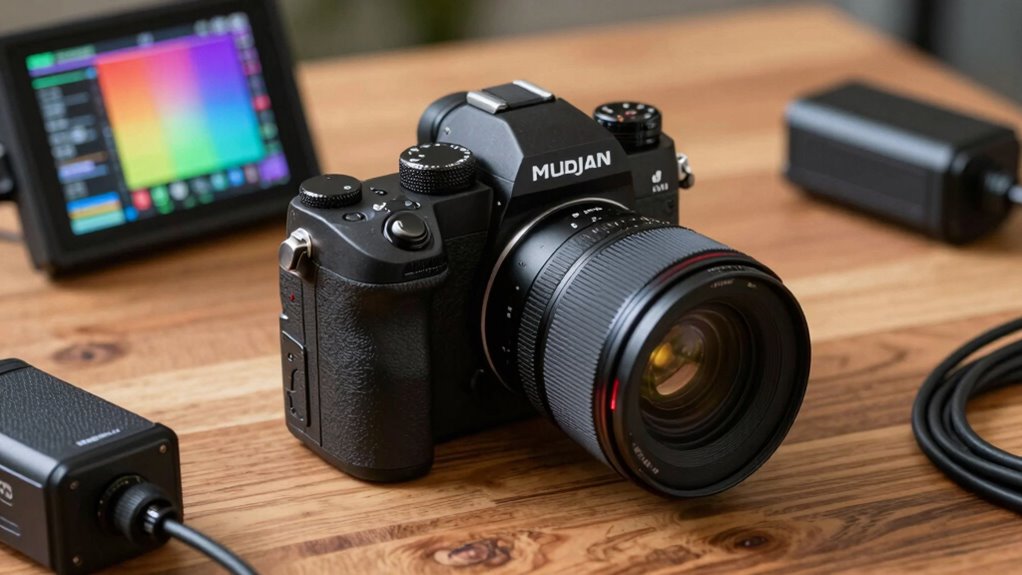

Choosing the right cinema camera as an independent filmmaker involves balancing image quality, budget, and usability. The Blackmagic Design Pocket Cinema Camera 4K stands out as a versatile, affordable option, while the Sony FX3 offers exceptional full-frame performance for professional-looking results. However, tradeoffs exist—higher-end models deliver better image quality but come with increased complexity and cost. Continue reading for a detailed breakdown of the best options tailored to different needs and experience levels.

Get audio and creator gear delivered free with Prime
- Fast, free delivery on millions of items
- Prime Video, Amazon Music and more included
- Member-only deals all year
Complete the kit


Key Takeaways
- The Blackmagic Design Pocket Cinema Camera 4K offers impressive image quality at an accessible price, making it ideal for budget-conscious indie filmmakers.
- The Sony FX3 provides full-frame capabilities and strong low-light performance, suitable for professional-grade projects.
- Bundles that include accessories add value but can increase overall cost; consider what you need before opting for complete kits.
- While higher-resolution cameras like the Blackmagic 6K Pro deliver more detail, they also demand more powerful editing hardware and storage.
- Choosing a camera depends heavily on your workflow; ease of use and compatibility sometimes outweigh raw specs.
| Blackmagic Design Pocket Cinema Camera 4K Bundle |  | Best Overall for Versatile Indie Filmmaking | Sensor: 4/3″ HDR sensor | Resolution: 4096 x 2160 (DCI 4K) | Frame Rates: Up to 75 fps in 4K, 120 fps in 2.6K Raw | VIEW ON AMAZON | See Our Full Breakdown |
| Sony FX3 / FX3A Cinema Full-Frame Mirrorless Camera 12.1MP & Bag Bundle |  | Best for Low-Light and High-Frame-Rate Shooting | Sensor: Full-frame 12.1MP Exmor R BSI CMOS | Video Recording: UHD 4K up to 120 fps | Dynamic Range: Over 15 stops | VIEW ON AMAZON | See Our Full Breakdown |
| Blackmagic Design Pocket Cinema Camera 6K Pro Bundle |  | Best for High-Resolution 6K Footage and Post-Production | Sensor: Super 35 CMOS | Resolution: 6144 x 3456 (6K) | Dynamic Range: 13 stops | VIEW ON AMAZON | See Our Full Breakdown |
| Blackmagic Design Pocket Cinema Camera 4K |  | Best for Budget-Conscious Creators Needing Quality | Sensor: 4/3” image sensor | Resolution: 4096 x 2160 | Dynamic Range: 13 stops | VIEW ON AMAZON | See Our Full Breakdown |
| Canon EOS C80 6K Full-Frame Cinema Camera |  | Best for Professional-Grade Cinematic Production | Sensor: 6K full-frame CMOS | ISO: 800, 3200, 12800 | Recording formats: 6K 30P Cinema RAW Light, XF-AVC, XF-HEVC | VIEW ON AMAZON | See Our Full Breakdown |
| Sony FX2 Full-Frame Cinema Camera Body Only, Gray |  | Best Overall for Solo Professional Filmmaking | Sensor Type: CMOS | Sensor Resolution: 33 MP | Sensor Size: Full Frame (35mm) | VIEW ON AMAZON | See Our Full Breakdown |
| Blackmagic Design Pocket Cinema Camera 4K Production Kit Bundle |  | Best for Budget-Conscious High-End Digital Filmmaking | Sensor Type: CMOS | Sensor Size: Micro Four Thirds | Video Resolution: 4K DCI | VIEW ON AMAZON | See Our Full Breakdown |
| Sony Cinema Line FX30 Super 35 Camera |  | Best for Content Creators Needing Cinematic 6K Oversampling | Sensor Type: CMOS | Sensor Size: APS-C | Image Resolution: 20.1 MP | VIEW ON AMAZON | See Our Full Breakdown |
| cinema cameras for independent filmmaker | Sensor |
|---|---|
| Blackmagic Design Pocket Cinem | 4/3" HDR sensor |
| Sony FX3 / FX3A Cinema Full-Fr | Full-frame 12.1MP Exmor R BSI CMOS |
| Blackmagic Design Pocket Cinem | Super 35 CMOS |
| Blackmagic Design Pocket Cinem | 4/3” image sensor |
| Canon EOS C80 6K Full-Frame Ci | 6K full-frame CMOS |
| Sony FX2 Full-Frame Cinema Cam | — |
| Blackmagic Design Pocket Cinem | — |
| Sony Cinema Line FX30 Super 35 | — |
More Details on Our Top Picks
Blackmagic Design Pocket Cinema Camera 4K Bundle
The Blackmagic Pocket Cinema Camera 4K stands out for its balance of professional-grade image quality and portability, making it a strong contender for independent filmmakers who need flexibility. Its 4/3″ HDR sensor captures detailed 4K images with a maximum of 75 fps, and the inclusion of Blackmagic Raw and ProRes codecs offers extensive post-production options. Compared with the more expensive Sony FX3, this model provides comparable image quality at a lower price point, though it does require additional power solutions due to limited internal battery life. Its compact design and bundled accessories make it ideal for run-and-gun shooting, but mastering its advanced features can pose a learning curve for newcomers. This camera is suited for those seeking high-end results without the complexity and cost of larger cinema setups.
Pros:- High-quality 4K image capture with professional codecs
- Compact, lightweight design for mobility
- Includes comprehensive bundle accessories
- High dynamic range and versatile recording options
Cons:- Limited internal battery life requiring external power solutions
- Steep learning curve for advanced features
- Requires compatible lenses for optimal performance
Best for: Independent filmmakers who need a portable, professional-quality camera with flexible recording options.
Not ideal for: Beginners who prefer a straightforward setup or those needing long battery life out of the box.
- Sensor:4/3″ HDR sensor
- Resolution:4096 x 2160 (DCI 4K)
- Frame Rates:Up to 75 fps in 4K, 120 fps in 2.6K Raw
- ISO Range:Dual Native 400/3200, up to 25,600
- Display:5-inch touchscreen
- Lens Mount:Micro Four Thirds
Our verdict“This pick makes the most sense for independent filmmakers seeking high-end 4K footage in a portable package with flexible options.”
Sony FX3 / FX3A Cinema Full-Frame Mirrorless Camera 12.1MP & Bag Bundle
The Sony FX3 excels with its full-frame 12.1MP sensor capable of recording 4K/120 fps, making it ideal for filmmakers who prioritize high-speed, cinematic footage. Compared to the Blackmagic Pocket 4K, it offers superior low-light performance and over 15 stops of dynamic range, thanks to its sensor design and processing. Its in-body stabilization and fast autofocus with Real-time Eye AF streamline handheld shooting, but the premium price and complex feature set can be daunting for budget-conscious or less experienced users. The included accessories, like a bag and tripod, add immediate value for those setting up quickly. This camera is best suited for those needing high-quality, cinematic results in challenging lighting conditions while capturing fast-moving scenes.
Pros:- Exceptional 4K/120 fps recording at full-frame quality
- Outstanding low-light performance with 15+ stops of dynamic range
- In-body stabilization and advanced autofocus
- Compact, lightweight design for handheld shooting
Cons:- High purchase cost may deter casual filmmakers
- Learning curve with advanced features and menu system
- Limited to Sony E-mount lenses
Best for: Filmmakers who require excellent low-light capabilities and smooth footage at high frame rates.
Not ideal for: Beginners or those with limited budgets who might find the complexity and cost prohibitive.
- Sensor:Full-frame 12.1MP Exmor R BSI CMOS
- Video Recording:UHD 4K up to 120 fps
- Dynamic Range:Over 15 stops
- Stabilization:5-axis in-body image stabilization
- Autofocus:Fast hybrid with Real-time Eye AF
- Included Accessories:Memory card, bag, tripod, charger, batteries
Our verdict“This camera is perfect for independent filmmakers seeking cinematic quality with impressive low-light and high-speed capabilities, despite its premium price.”
Blackmagic Design Pocket Cinema Camera 6K Pro Bundle
The Blackmagic Pocket Cinema Camera 6K Pro offers a clear step up in resolution and features for independent filmmakers aiming for cinematic quality. Its Super 35 sensor captures stunning 6K images, and the inclusion of built-in ND filters and dual native ISO supports better exposure control in varied lighting. Compared with the 4K model, it provides more flexibility in post-production, especially with DaVinci Resolve Studio included, but its larger size and higher price may be drawbacks for those prioritizing portability or on a tight budget. The EF mount broadens lens options, making it suitable for filmmakers who need higher resolution and post-production flexibility, though setup complexity can be a hurdle for newcomers.
Pros:- Stunning 6K resolution with excellent dynamic range
- Versatile EF lens compatibility
- Built-in ND filters for exposure control
- Includes DaVinci Resolve Studio for editing
Cons:- Higher price and larger size limit portability
- More complex setup and operation than basic models
- Bulkier for handheld shooting in tight spaces
Best for: Filmmakers needing high-resolution footage with robust post-production options and lens flexibility.
Not ideal for: Those seeking a lightweight, budget-friendly camera or who prefer simple, straightforward operation.
- Sensor:Super 35 CMOS
- Resolution:6144 x 3456 (6K)
- Dynamic Range:13 stops
- Native ISO:Up to 25,600
- Recording Formats:Apple ProRes, Blackmagic RAW
- Display:5-inch HDR LCD
Our verdict“This camera is designed for independent filmmakers who prioritize resolution and post-production flexibility over portability or simplicity.”
Blackmagic Design Pocket Cinema Camera 4K
The Blackmagic Pocket Cinema Camera 4K offers excellent 4K recording capabilities in a lightweight package, making it suitable for independent creators on tighter budgets. Its 4/3″ sensor delivers impressive dynamic range and high-quality footage, comparable to pricier models but with some compromises. Compared to the 6K Pro, it lacks the higher resolution and built-in ND filters, which can be limiting in complex lighting conditions. The camera’s multiple recording formats and professional audio inputs add to its versatility, but it may require additional accessories for a complete setup. This camera is ideal for those starting in cinema or working on smaller-scale projects who want professional results without overspending.
Pros:- High-quality 4K video with 13 stops of dynamic range
- Multiple recording options and professional audio inputs
- Lightweight, user-friendly design
- Includes DaVinci Resolve Studio activation
Cons:- Relatively high cost for entry-level users
- Requires additional accessories for full functionality
- Limited internal battery life
Best for: Budget-conscious filmmakers or content creators beginning their journey into cinematic video production.
Not ideal for: Experienced professionals needing higher resolution or advanced features like built-in ND filters.
- Sensor:4/3” image sensor
- Resolution:4096 x 2160
- Dynamic Range:13 stops
- ISO:Dual gain ISO up to 25,600
- Recording Media:SD/UHS-II, CFast 2.0, external SSD via USB-C
- Display:5” LCD
Our verdict“This camera offers a compelling balance of quality and affordability for emerging filmmakers ready to step up their production value.”
Canon EOS C80 6K Full-Frame Cinema Camera
The Canon EOS C80 combines a 6K full-frame CMOS sensor with dual pixel autofocus, making it a strong option for serious independent filmmakers who want high-resolution cinematic footage. Its flexible recording formats, including Cinema RAW Light, provide excellent options for post-production work, and the advanced autofocus simplifies focus pulls during dynamic scenes. Compared with the Blackmagic 6K Pro, it offers professional connectivity like 12G SDI and Ethernet, but the interface can be complex for new users. The cost is higher, reflecting its professional-grade features, which might be a stretch for smaller projects or hobbyists. This camera makes the most sense for those prioritizing high-resolution output and reliable autofocus in a professional setting.
Pros:- High-resolution 6K video with professional-grade autofocus
- Versatile recording formats including Cinema RAW Light
- Robust connectivity options such as 12G SDI and Ethernet
- Reliable dual pixel autofocus for dynamic scenes
Cons:- High cost may be prohibitive for smaller budgets
- Complex interface requires learning and experience
- Potentially heavy and large for handheld shooting
Best for: Indie filmmakers producing high-end, multi-format projects with a need for professional connectivity and autofocus.
Not ideal for: Entry-level creators or those seeking a more straightforward or budget-friendly setup.
- Sensor:6K full-frame CMOS
- ISO:800, 3200, 12800
- Recording formats:6K 30P Cinema RAW Light, XF-AVC, XF-HEVC
- Interfaces:12G SDI, Wi-Fi, Ethernet
Our verdict“This camera is tailored for independent filmmakers who need high resolution, professional connectivity, and dependable autofocus, despite the steep investment.”
Sony FX2 Full-Frame Cinema Camera Body Only, Gray
The Sony FX2 stands out for its high-resolution 33MP full-frame sensor, delivering exceptional image quality that rivals larger cinema cameras. Its flexible shooting modes, including Log and Cine EI, allow for extensive post-production grading, making it ideal for solo filmmakers seeking professional-grade results without a bulky setup. Compared with the Blackmagic Pocket Cinema Camera 4K, the FX2’s full-frame sensor offers superior depth of field and dynamic range, though it comes with a steeper learning curve due to its complex interface. The lightweight and portable design is perfect for on-the-move shooting, but the body-only model requires additional lenses and accessories, increasing overall cost. Its high price reflects its professional capabilities, suitable for filmmakers committed to high-end production. If you need a mobile, high-res camera with broad expandability, this is a strong choice—though beginners may find the interface challenging.
Pros:- Exceptional 33MP full-frame sensor for detailed, professional images
- Flexible shooting modes including Log, Cine EI, and adjustable ISO
- Lightweight and highly portable, ideal for solo operators
Cons:- Requires additional lenses and accessories, increasing total investment
- Complex interface that may require a learning curve for newcomers
- High price point typical of high-end cinema cameras
Best for: Professional solo filmmakers who need high-resolution, full-frame cinematic quality and expandability.
Not ideal for: Beginners or hobbyists seeking an all-in-one, budget-friendly option with simpler controls.
- Sensor Type:CMOS
- Sensor Resolution:33 MP
- Sensor Size:Full Frame (35mm)
- Video Resolution:4K UHD 2160p, HD 1080p
- Weight:1.3 pounds
- Connectivity:HDMI, USB, Wi-Fi
- Compatible Mountings:Sony E/FE
- Maximum Shutter Speed:1/8000 seconds
Our verdict“This camera is best suited for experienced independent filmmakers prioritizing image quality and expandability, willing to handle its complexity and cost.”
Blackmagic Design Pocket Cinema Camera 4K Production Kit Bundle
The Blackmagic Pocket Cinema Camera 4K offers a compelling combination of affordability and professional features, making it an excellent choice for independent filmmakers aiming for Hollywood-quality imagery without the expense of larger cinema cameras. Its 4/3 sensor captures wide dynamic range and deep colors, comparable to larger digital film cameras, with 4096 x 2160 resolution at up to 60 fps. Unlike the Sony FX2, which emphasizes high-end resolution, the BMPCC 4K is more accessible, especially as part of the included bundle with accessories like batteries, a light, and software. The lightweight design and built-in touchscreen simplify operation, but it lacks the full-frame aesthetics and may require additional lighting or lenses for certain shots. Its affordability paired with high-end features makes it ideal for filmmakers on a tight budget who still want cinematic quality, though it might not satisfy those seeking the ultimate resolution or full-frame depth.
Pros:- Affordable high-end digital film features in a compact, lightweight body
- Includes essential accessories like batteries, SD card, and software bundle
- Excellent dynamic range and deep color capture with 4K resolution
Cons:- Micro Four Thirds sensor offers less shallow depth of field compared to full-frame
- Requires additional investment in lenses and lighting for optimal results
- Limited in high-end resolution compared to full-frame cameras like Sony FX2
Best for: Emerging independent filmmakers and content creators looking for professional quality on a budget.
Not ideal for: Producers needing full-frame sensors or high-end cinematic depth, or those requiring extensive lens options out of the box.
- Sensor Type:CMOS
- Sensor Size:Micro Four Thirds
- Video Resolution:4K DCI
- Effective Still Resolution:8.85 MP
- Weight:5.6 pounds
- Connectivity:HDMI, USB
- Memory Storage Capacity:64 GB
- Max Frame Rate:75 fps
Our verdict“This bundle makes the most sense for independent filmmakers seeking cinematic quality without high costs, accepting some compromises in depth of field and lens options.”
Sony Cinema Line FX30 Super 35 Camera
The Sony FX30 offers a versatile, compact option for filmmakers demanding high-quality cinematic footage, thanks to its 20.1 MP APS-C sensor that oversamples 6K to produce detailed 4K images. Its ability to shoot at up to 2160p with S-Log3 and S-Cinetone provides extensive grading flexibility, rivaling larger cinema cameras like the FX2 in image quality. Unlike the Blackmagic Pocket Cinema Camera 4K, which emphasizes affordability, the FX30’s advanced autofocus, stabilization, and high ISO performance make it better suited for fast-paced shooting environments. The lack of a built-in viewfinder might be a downside for traditionalists, and its price might be high for casual users. For independent content creators and serious hobbyists ready to invest in professional features, this camera delivers cinematic potential in a portable package.
Pros:- Captures detailed 6K oversampled footage for superior 4K quality
- Compact and lightweight for on-the-go shooting
- Advanced autofocus and stabilization improve usability in dynamic environments
Cons:- No built-in electronic viewfinder, which may hinder traditional framing
- Higher price point limits accessibility for beginners
- Requires familiarity with advanced grading workflows
Best for: Content creators and independent filmmakers who want cinematic 6K oversampling with advanced autofocus and stabilization.
Not ideal for: Casual videographers or hobbyists seeking a simple, budget-friendly camera with minimal learning curve.
- Sensor Type:CMOS
- Sensor Size:APS-C
- Image Resolution:20.1 MP
- Maximum Shutter Speed:1/8000 seconds
- Video Resolution:1080p, 2160p
- Weight:1.4 pounds
- Compatible Mountings:Sony E/FE
- Maximum Frame Rate:30 fps in 4K, 120 fps in slow motion
Our verdict“This camera is best suited for independent creators seeking cinematic quality and flexibility, prepared for its advanced features and higher price.”

How We Picked
In selecting these cinema cameras, I focused on performance, usability, build quality, and value for independent filmmakers. I considered factors such as image resolution, low-light performance, workflow compatibility, and affordability. Cameras were ranked based on their balance of features versus cost, ease of use for solo or small crew productions, and versatility for different shooting scenarios. This approach ensures the list highlights options suited to a range of experience levels and production needs, from beginners to semi-professionals.Factors to Consider When Choosing Cinema Cameras For Independent Filmmakers
When choosing a cinema camera for independent filmmaking, understanding the key factors that influence performance and workflow is essential. Each filmmaker’s needs vary based on project scope, budget, and technical proficiency. The following sections outline critical considerations to help you make an informed decision and avoid common pitfalls in selecting the right gear.Resolution and Image Quality
Higher resolution sensors, like 6K or 4K, allow for more flexibility in post-production, especially for cropping and stabilization. However, they also generate larger files and require more powerful editing systems. For most indie projects, 4K strikes a good balance, but if you plan to deliver in higher resolutions or need more detail, investing in a 6K or 8K model might be worthwhile—though it comes with increased costs and workflow complexity.
Low-Light Performance
Low-light capability is often overlooked but critical, especially for narrative filmmaking or shooting in uncontrolled environments. Cameras with larger sensors and good noise reduction, like the Sony FX3, excel in dim conditions, reducing the need for excessive lighting setups. Ignoring this factor can lead to grainy footage, forcing costly lighting setups or post-production fixes that diminish overall quality.
Size, Weight, and Portability
For independent filmmakers, portability can be a game-changer. Compact, lightweight models like the Blackmagic Pocket Cinema Camera 4K are easier to handle and transport, especially when shooting solo or on location. Larger, more robust options may offer better features but can be cumbersome, slowing down your workflow or limiting on-the-go filming. Consider your shooting style and whether portability outweighs certain advanced features.
Workflow and Compatibility
Choosing a camera compatible with your editing software and accessories can streamline production. Features like dual card slots, RAW output, and user-friendly menus matter significantly. Cameras that support common codecs and have open file formats reduce headaches during editing and color grading. Avoid proprietary systems that may lock you into specific workflows or hardware, increasing long-term costs and complexity.
Budget and Future-Proofing
Investing wisely means balancing current needs with future growth. Cheaper cameras may save money upfront but could limit your creative options or require costly upgrades later. Conversely, premium models offer more features and longer relevance but at a higher initial investment. Think about your project scale and whether the camera can grow with your skills and ambitions, avoiding frequent replacements or upgrades.
Frequently Asked Questions
Is 4K resolution enough for independent filmmaking?
Yes, 4K resolution is generally sufficient for most independent projects, providing high-quality footage with manageable file sizes. It offers enough detail for cinematic look and flexibility in post-production, including cropping and stabilization. However, if you anticipate delivering content in higher resolutions or require extensive cropping, a 6K or higher camera might be beneficial, though it demands more storage and processing power.
Should I prioritize sensor size over resolution?
Sensor size significantly impacts image quality, especially in low-light conditions and depth of field control. Larger sensors, like full-frame, typically deliver better performance in dim environments and produce a more cinematic look. Resolution remains important but is secondary to sensor quality, as a larger sensor with lower resolution can outperform a smaller sensor with more pixels in terms of overall image quality and usability.
How important is in-body stabilization for indie filmmakers?
In-body stabilization can be a huge advantage for solo filmmakers or those working in dynamic environments, reducing the need for external gimbals or steadicams. It helps achieve smooth footage with minimal gear, saving time and money. However, stabilized footage still benefits from proper technique and additional stabilization tools when possible. For some cameras, stabilization may be less effective if the lens lacks stabilization, so consider your shooting style.
Can I shoot professional-quality films with a budget camera?
Absolutely, many indie filmmakers produce stunning, professional-looking projects using budget-friendly cameras. The key is understanding your camera’s strengths and working within its limits—good lighting, sound, and composition can compensate for lower-end specs. Investing in quality accessories like lenses, lighting, and sound gear often has a greater impact on overall production value than choosing the most expensive camera.
What should I consider about battery life and storage?
Battery life and storage are practical concerns that can affect the flow of your shoot. Longer battery life reduces interruptions, especially on location, while ample, fast storage ensures your workflow isn’t slowed down by frequent card swaps or transfers. Look for cameras with multiple power options and high-capacity media support, and plan for backups to avoid losing footage during critical shoots.
Conclusion
For those starting out with limited budgets, the Blackmagic Design Pocket Cinema Camera 4K offers excellent value and quality, making it a smart choice for beginners or hobbyists. If you need a camera that can deliver professional results without breaking the bank, the Sony FX3 stands out as a versatile, full-frame option suitable for semi-professional projects. For filmmakers seeking the best cinematic quality and future-proofing, investing in higher-end models like the Blackmagic 6K Pro or Canon EOS C80 makes sense. Your choice should reflect your current skills, project scope, and long-term goals—balancing budget with the features that will elevate your filmmaking journey.
As an affiliate, we earn on qualifying purchases.Columbus Day / Indigenous Peoples' Day Picks
long weekend sales