
For anyone aiming to build a VR-capable PC without breaking the bank, choosing the right graphics card is a balancing act. The AMD Radeon RX 580 8GB remains a popular choice for budget-conscious gamers due to its solid performance and affordability, though it demands a decent power supply. The ASUS GeForce RTX 3050 offers newer architecture with ray-tracing capabilities, making it more future-proof, but its 6GB VRAM might limit high-end VR experiences. Lastly, the XFX Radeon RX 580 GTS XXX Edition stands out for its factory overclocking and VR readiness, but it shares power requirements similar to the RX 580. These options highlight the tradeoffs between performance, features, and cost, helping you pick the best fit for your build and VR needs.

Get audio and creator gear delivered free with Prime
- Fast, free delivery on millions of items
- Prime Video, Amazon Music and more included
- Member-only deals all year
Complete the kit


Key Takeaways
- The AMD Radeon RX 580 offers good performance for its price but needs a 500W PSU and may struggle with high settings.
- The ASUS RTX 3050 is more recent with ray-tracing but has limited VRAM, which can affect demanding VR titles.
- The XFX RX 580 GTS XXX Edition is factory overclocked, providing extra performance, yet shares similar power requirements with the standard RX 580.
- Dual-fan cooling and multiple outputs are common features enhancing VR setup flexibility.
- Choosing a GPU depends on balancing budget, VR performance, future-proofing, and system compatibility.
| MOUGOL AMD Radeon RX 580 8GB GDDR5 Gaming Graphics Card HDMI/DP/DVI |  | Best Overall for Budget VR Gaming | Memory: 8GB GDDR5 | Core Clock: 1206 MHz | Outputs: HDMI, DisplayPort, DVI | VIEW ON AMAZON | See Our Full Breakdown |
| ASUS Dual GeForce RTX 3050 6GB GDDR6 OC Edition Gaming Graphics Card | 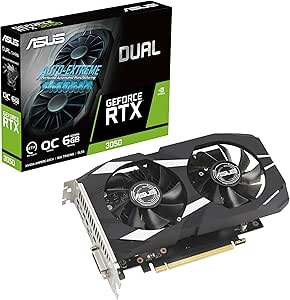 | Best for Future-Proofing with Ray Tracing | GPU: GeForce RTX 3050 | Memory: 6GB GDDR6 | Boost Clock: 1500 MHz (OC), 1470 MHz (Default) | VIEW ON AMAZON | See Our Full Breakdown |
| XFX Radeon RX 580 GTS XXX Edition 8GB GDDR5 Graphics Card |  | Best Factory Overclocked VR Ready Card | GPU Model: Radeon RX 580 GTS XXX Edition | Memory: 8GB GDDR5 | Base Clock: 1366 MHz | VIEW ON AMAZON | See Our Full Breakdown |
| ASUS GeForce GTX 1060 6GB Dual-Fan OC Edition VR Ready Graphics Card |  | Best for Quiet, User-Friendly VR Gaming | Boost Clock: 1809 MHz | Memory: 6GB GDDR5 | Cooling: Dual-fan | VIEW ON AMAZON | See Our Full Breakdown |
| MSI GeForce GTX 1660 Super VENTUS XS OC Graphics Card (Renewed) |  | Best Compact Performance for VR | Memory: 6GB GDDR6 | Bit Width: 192-bit | Outputs: HDMI, DisplayPort | VIEW ON AMAZON | See Our Full Breakdown |
| gpu for vr on a budget pc build | Memory | VR Ready |
|---|---|---|
| MOUGOL AMD Radeon RX 580 8GB G | 8GB GDDR5 | — |
| ASUS Dual GeForce RTX 3050 6GB | 6GB GDDR6 | — |
| XFX Radeon RX 580 GTS XXX Edit | 8GB GDDR5 | Yes |
| ASUS GeForce GTX 1060 6GB Dual | 6GB GDDR5 | Yes |
| MSI GeForce GTX 1660 Super VEN | 6GB GDDR6 | Yes |
More Details on Our Top Picks
MOUGOL AMD Radeon RX 580 8GB GDDR5 Gaming Graphics Card HDMI/DP/DVI
The MOUGOL AMD Radeon RX 580 8GB stands out for delivering reliable VR performance at a very accessible price point. It supports triple-monitor setups, a feature that enhances immersive experiences, and its dual-fan cooling system manages heat effectively within mid-tower cases. Compared to newer options like the RTX 3050, it lacks ray-tracing but provides solid performance for VR titles and content creation. The main tradeoff is its higher power draw—requiring a 500W PSU—and limited compatibility with AMD Adrenaline software. This card makes the most sense for builders prioritizing value and basic VR performance without the need for cutting-edge features.
Pros:- Supports triple-monitor setups for immersive productivity
- Compact size fits most mid-tower cases
- Good performance for budget gaming and content creation
- Effective dual-fan cooling system
Cons:- Requires a 500W power supply, may need an upgrade
- Limited to entry-level gaming at max settings
- Compatibility mainly with AMD Adrenaline software
Best for: Budget-conscious gamers seeking reliable VR performance and multi-monitor support.
Not ideal for: Those requiring high-end VR features or planning future upgrades for demanding titles.
- Memory:8GB GDDR5
- Core Clock:1206 MHz
- Outputs:HDMI, DisplayPort, DVI
- Size:240x135x45mm
- Interface:PCIe 3.0 x16
- Power Requirement:6-pin, 500W PSU
Our verdict“A solid choice for budget VR builders who want dependable performance without extras.”
ASUS Dual GeForce RTX 3050 6GB GDDR6 OC Edition Gaming Graphics Card
The ASUS Dual GeForce RTX 3050 OC Edition introduces NVIDIA’s Ampere architecture, offering enhanced ray-tracing and AI capabilities, which could improve VR realism over older cards. Its compact 2-slot design makes it suitable for small cases, and its durable build with dust resistance adds longevity. However, with only 6GB of VRAM, it might not handle more demanding VR applications or future titles with large assets. Its performance is better than AMD RX 580s in some scenarios but still limited compared to higher-tier RTX models, making it a good choice for users wanting a balance of affordability and some modern features.
Pros:- Enhanced ray-tracing and AI features
- Compact 2-slot design suitable for small cases
- Durable construction with dust resistance
Cons:- Limited to 6GB VRAM, which may limit future VR titles
- Performance may lag behind higher-tier GPUs for demanding VR
- No detailed output specs available
Best for: VR users seeking a more recent architecture with added features without exceeding budget.
Not ideal for: High-end VR users or those needing extensive VRAM for large environments.
- GPU:GeForce RTX 3050
- Memory:6GB GDDR6
- Boost Clock:1500 MHz (OC), 1470 MHz (Default)
- Fan Design:Axial-tech
- Design:2-slot
- Durability:Stainless steel bracket, IP5X dust resistance
Our verdict“A good step up from older cards for those wanting modern features in a small form factor.”
XFX Radeon RX 580 GTS XXX Edition 8GB GDDR5 Graphics Card
The XFX Radeon RX 580 GTS XXX Edition enhances the standard RX 580 with factory overclocking, making it a compelling choice for VR enthusiasts on a budget. Its 8GB GDDR5 memory ensures smoother performance with VR applications, and multiple display outputs support immersive setups. Being VR ready, it offers low latency, but it shares the same power requirements as the non-OC RX 580, meaning a 500W PSU is needed. While it offers a slight performance boost over non-overclocked RX 580s, it remains an entry-level VR option with limited future-proofing compared to newer architectures.
Pros:- Factory overclocked for improved performance
- VR ready with low latency
- Multiple display outputs for multi-monitor setups
Cons:- Requires a 500W power supply
- Potentially higher power consumption
- Limited detailed user reviews available
Best for: VR gamers who want a factory overclocked card for better performance at a budget price.
Not ideal for: Users planning high-fidelity VR with high VRAM demands or future-proofing needs.
- GPU Model:Radeon RX 580 GTS XXX Edition
- Memory:8GB GDDR5
- Base Clock:1366 MHz
- Boost OC Clock:1386 MHz
- VR Ready:Yes
- Display Outputs:3x DisplayPort, HDMI, DVI
Our verdict“Offers a performance edge over basic RX 580 models, suitable for VR beginners and enthusiasts alike.”
ASUS GeForce GTX 1060 6GB Dual-Fan OC Edition VR Ready Graphics Card
The ASUS GTX 1060 6GB Dual-Fan OC Edition continues to be a reliable choice for budget VR builds. Its high boost clock of 1809 MHz ensures good gaming performance, and dual HDMI 2.0 ports enable easy connection to VR headsets and monitors. The dual-fan cooling system keeps temperatures in check while maintaining quieter operation, making it ideal for shared spaces or noise-sensitive environments. However, being a refurbished product, warranty and longevity might be concerns, and it lacks the ray-tracing capabilities of newer cards, limiting its relevance in future VR titles with advanced graphics.
Pros:- High boost clock for responsive gaming
- VR ready with dual HDMI ports
- Quiet cooling system
Cons:- Renewed product may have limited warranty
- Higher power consumption compared to newer models
- Lacks ray tracing features
Best for: Beginners or those prioritizing quiet operation and ease of use in VR setups.
Not ideal for: Users seeking the latest features or high VRAM for demanding environments.
- Boost Clock:1809 MHz
- Memory:6GB GDDR5
- Cooling:Dual-fan
- VR Ready:Yes
- Ports:Dual HDMI 2.0
Our verdict“A dependable, quiet option for VR newcomers, though limited by its age and features.”
MSI GeForce GTX 1660 Super VENTUS XS OC Graphics Card (Renewed)
The MSI GTX 1660 Super VENTUS XS OC offers a compelling mix of performance and size, ideal for compact builds. It features 6GB GDDR6 memory, providing a performance boost over the GTX 1060, especially in VR applications. Its dual-fan cooling ensures stable operation during extended gaming sessions. While it supports VR and DirectX 12, as a renewed product, warranty and long-term reliability could be concerns. With no ray-tracing support, it’s best suited for users who prioritize value and compactness over the latest tech features.
Pros:- Good performance for gaming and VR
- Dual fan cooling for heat management
- Compact size fits various builds
Cons:- Renewed product may have limited warranty
- Lacks ray tracing features
- Potentially higher power consumption than base models
Best for: Small form factor builds and users seeking cost-effective VR performance.
Not ideal for: High-end VR users or those needing ray-tracing for future titles.
- Memory:6GB GDDR6
- Bit Width:192-bit
- Outputs:HDMI, DisplayPort
- DirectX Support:12
- Cooling:Dual Fan
- VR Ready:Yes
Our verdict“An excellent option for compact VR builds that need a boost over older cards at a lower price point.”

How We Picked
Our selection process centered on balancing cost, VR readiness, performance, and compatibility. We prioritized cards that are widely available, have a proven track record for VR, and fit within a typical budget build. We compared core specs like VRAM, clock speeds, and cooling systems, and considered user reviews and industry reputation. Power requirements and output options also factored in, ensuring these cards can support VR headsets and multi-monitor setups without excessive upgrades. Our goal was to recommend options suitable for entry-level VR without sacrificing essential performance or reliability.
Factors to Consider When Choosing Gpu For Vr On A Budget Pc Build
Choosing the right GPU for VR on a budget involves balancing performance, compatibility, and future-proofing. Your system’s power supply, case size, and desired VR experience all influence the best choice. In this guide, I’ll walk through key factors to consider and how each product stacks against these needs, helping you avoid overspending on unnecessary features or settling for underpowered options that hinder VR immersion.
Performance and VR Readiness
VR gaming requires a GPU capable of maintaining high frame rates and low latency. Cards with at least 6GB of VRAM, like the RX 580 or GTX 1660 Super, are generally sufficient for most VR experiences today. But keep in mind that newer architectures like the RTX 3050 offer better ray-tracing and AI features, which could enhance realism if your headset and content support them.
Power Requirements and Compatibility
Most budget-friendly VR cards, including the RX 580 and GTX 1060, demand a 500W power supply. Verify your PSU’s wattage and connector availability before purchasing. Also, consider the size—compact cards like the ASUS RTX 3050 or MSI GTX 1660 Super are suitable for small cases, but ensure your case can accommodate dual-fan designs or additional cooling solutions.
Future-Proofing and Features
While affordability is key, slightly investing in a card with features like ray-tracing or higher VRAM can extend its relevance. The RTX 3050 provides some of these features, but with only 6GB VRAM, it might not handle future VR titles well. Factory overclocked models like the XFX RX 580 XXX Edition can offer extra performance without a premium price, but they share similar limitations regarding future-proofing.
Frequently Asked Questions
What is the minimum GPU I need for VR?
Generally, a GPU with at least 6GB of VRAM, like the RX 580 or GTX 1060, is sufficient for most VR titles today. These cards provide a good balance of performance, price, and compatibility, making them suitable starting points for budget VR builds.
Is ray-tracing necessary for VR?
Ray-tracing is not a necessity for VR, especially on a budget. It can enhance visual realism but often comes with a performance cost. For budget builds, focusing on VR-ready cards with solid frame rates and low latency is more important than ray-tracing features.
How important is VRAM in choosing a GPU for VR?
VRAM helps handle high-resolution textures and complex environments common in VR. For most current VR titles, 6GB of VRAM is adequate, but future games may require more. Therefore, prioritizing a GPU with at least 6GB is wise for a balanced experience.
Can I use a refurbished GPU for VR?
Refurbished GPUs like the MSI GTX 1660 Super can be a cost-effective choice, but they may come with limited warranties and potential longevity concerns. If opting for refurbished, ensure the seller has a good return policy and check the card’s condition beforehand.
How do I know if my power supply can support a new GPU?
Check the wattage and available connectors of your power supply. Most budget GPUs require at least 500W and a 6-pin power connector. Upgrading your PSU may be necessary if your current unit falls short, which can add to the overall cost but is essential for system stability.
Conclusion
If you are on a strict budget and want basic VR support, the MOUGOL AMD Radeon RX 580 offers excellent value. For those who want a more recent card with some future-proof features, the ASUS RTX 3050 is a better fit, especially if you don’t mind the VRAM limitations. The XFX Radeon RX 580 GTS XXX Edition strikes a good balance with factory overclocking for improved performance. Meanwhile, the ASUS GTX 1060 and MSI GTX 1660 Super are solid choices for small builds and users seeking quiet operation. Your choice depends on your budget, case size, and whether you value newer features or proven reliability.
Halloween Picks
halloween
As an affiliate, we earn on qualifying purchases.