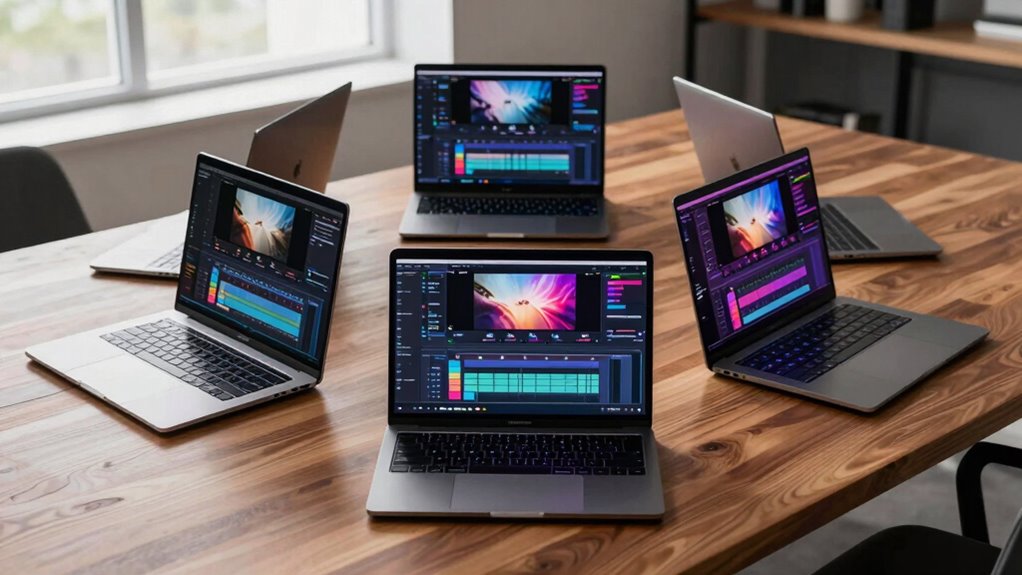
Choosing the right laptop for video editing in 2026 means balancing power, display quality, and portability. The Dell Precision 7680 stands out for demanding professional workflows with its robust Intel i9 processor and enterprise features. For those seeking a larger screen and affordability, the HP OmniBook 3 offers a 17.3-inch display with decent performance. Meanwhile, the Dell XPS 15 9520 blends high-end specs with a sleek design, making it a versatile choice. Each comes with notable tradeoffs: premium pricing, weight, or limited multitasking capacity. Here’s a closer look at what makes each a compelling pick.

Get audio and creator gear delivered free — and shop member deals
- Fast, free delivery on millions of items
- Access to Prime Big Deal Days deals on October 6–7
- Prime Video, Amazon Music and more included
Complete the kit


Key Takeaways
- High-end workstations like the Dell Precision 7680 deliver exceptional performance but come at a higher cost and weight.
- The Dell XPS 15 offers a balanced mix of power and portability, suited for professional video editors who need mobility.
- Budget-friendly options like the HP OmniBook 3 provide large displays and long battery life but may lack the raw power for heavy editing.
- Gaming-capable GPUs like the RTX 3050 in the XPS 15 enhance creative workflows but may add unnecessary cost for some users.
- Display quality, RAM, and processing power are the most critical specs for effective video editing, with tradeoffs between size, weight, and price.
| Dell Precision 7680 Laptop, 16″ FHD+, Intel i9-13950HX, 32GB DDR5, 1TB SSD |  | Best Overall for Demanding Professional Work | Display: 16″ FHD+ (1920 x 1200) | Processor: Intel i9-13950HX vPro | RAM: 32GB DDR5 | VIEW ON AMAZON | See Our Full Breakdown |
| HP OmniBook 3 17.3 inch Laptop PC with FHD Display, AMD Ryzen 3, 8GB RAM, 512GB SSD, Windows 11 Home |  | Best Large-Screen Budget Option | Display: 17.3 inch FHD IPS | Processor: AMD Ryzen 3 30 | RAM: 8 GB LPDDR5 | VIEW ON AMAZON | See Our Full Breakdown |
| Dell XPS 15 9520 15.6″ FHD+ Business Laptop with Intel i7-12700H, 32GB RAM, 1TB SSD, RTX 3050, Windows 11 Pro |  | Best for Power & Portability | Display: 15.6-inch FHD+ (1920 x 1200), Anti-Glare, IPS, 500 nits, 100% Adobe RGB | Processor: Intel i7-12700H, 2.3GHz (up to 4.7GHz) | RAM: 32GB DDR5 4800MHz | VIEW ON AMAZON | See Our Full Breakdown |
| HP 17 Laptop, 17.3″ FHD Display, 8GB DDR5 RAM, 512GB SSD, AMD Ryzen 5, Windows 11 Pro, Silver |  | Best Large Screen for General Use | Display: 17.3-inch FHD (1920 x 1080) | Processor: AMD Ryzen 5 7520U (up to 4.3GHz) | RAM: 8GB DDR5 | VIEW ON AMAZON | See Our Full Breakdown |
| NIMO 15.6 AI Creator Laptop, AMD Ryzen 5 6600H, 16GB RAM, 512GB SSD, FHD IPS Display |  | Best for Entry-Level Creators | Processor: AMD Ryzen 5 6600H, 6 cores, 12 threads, up to 4.5GHz | Graphics: Radeon 660M integrated | RAM: 16GB DDR5 | VIEW ON AMAZON | See Our Full Breakdown |
| laptops for video editor | Display | Processor | RAM | Storage |
|---|---|---|---|---|
| Dell Precision 7680 Laptop | 16" FHD+ (1920 x 1200) | Intel i9-13950HX vPro | 32GB DDR5 | 1TB PCIe NVMe M.2 SSD |
| HP OmniBook 3 17.3 inch Laptop | 17.3 inch FHD IPS | AMD Ryzen 3 30 | 8 GB LPDDR5 | 512 GB PCIe NVMe M.2 SSD |
| Dell XPS 15 9520 15.6" FHD+ Bu | 15.6-inch FHD+ (1920 x 1200), Anti-Glare, IPS, 500 nits, 100% Adobe RGB | Intel i7-12700H, 2.3GHz (up to 4.7GHz) | 32GB DDR5 4800MHz | 1TB PCIe NVMe SSD |
| HP 17 Laptop | 17.3-inch FHD (1920 x 1080) | AMD Ryzen 5 7520U (up to 4.3GHz) | 8GB DDR5 | 512GB SSD |
| NIMO 15.6 AI Creator Laptop | 15.6 inch, 1920 x 1080 FHD IPS | AMD Ryzen 5 6600H, 6 cores, 12 threads, up to 4.5GHz | 16GB DDR5 | 512GB PCIe SSD |
More Details on Our Top Picks
Dell Precision 7680 Laptop, 16″ FHD+, Intel i9-13950HX, 32GB DDR5, 1TB SSD
The Dell Precision 7680 is designed for power users who need a workstation-grade machine. Its Intel i9-13950HX processor and 32GB DDR5 RAM deliver the speed necessary for complex editing, 3D rendering, and multitasking. The 16-inch FHD+ display is sharp and anti-glare, ideal for color grading and detailed work. Its connectivity options, including Thunderbolt 4 and HDMI, support multiple peripherals and external displays. Compared with the XPS 15, the Precision offers more durability and security features, but it weighs more and has a higher price point. This makes it a top choice for professionals who prioritize raw power and reliability over portability.
Pros:- Exceptional processing power with Intel i9-13950HX
- High-quality 16-inch FHD+ display with anti-glare coating
- Versatile connectivity options including Thunderbolt 4 and HDMI
- Enterprise-grade security and durability
Cons:- Resealed packaging may concern some buyers
- Premium price and weight limit portability
- Potentially heavy for all-day carry
Best for: High-end professional video editors needing maximum performance and security
Not ideal for: Frequent travelers or those seeking lightweight mobility
- Display:16″ FHD+ (1920 x 1200)
- Processor:Intel i9-13950HX vPro
- RAM:32GB DDR5
- Storage:1TB PCIe NVMe M.2 SSD
- Graphics:Intel UHD Graphics
- Ports:2 Thunderbolt 4, USB-C, 2 USB-A, HDMI, Ethernet, Audio jack
Our verdict“The Dell Precision 7680 is the most capable workstation for intensive video editing, but its weight and cost mean it’s best suited for dedicated studio use.”
HP OmniBook 3 17.3 inch Laptop PC with FHD Display, AMD Ryzen 3, 8GB RAM, 512GB SSD, Windows 11 Home
The HP OmniBook 3 provides an expansive 17.3-inch FHD IPS display, making it appealing for editors who prefer a larger viewing area without breaking the bank. Its AMD Ryzen 3 processor offers reliable performance for basic editing and multitasking, while the 8GB RAM may be limiting for heavy workflows. The long battery life and fast charging make it a solid choice for on-the-go editing sessions. Compared with the Dell Precision, it sacrifices raw power and professional features for a bigger screen and affordability. It’s best suited for entry-level editing or secondary machines.
Pros:- Large 17.3-inch FHD display
- Long battery life with fast charging
- Reliable AMD Ryzen 3 processor
- Modern connectivity including Wi-Fi 6 and Bluetooth 5.4
Cons:- No dedicated graphics card, limiting rendering speed
- Limited to 8GB RAM, not ideal for multitasking
- No touchscreen feature
Best for: Budget-conscious editors who need a large screen for casual or light editing
Not ideal for: Heavy or professional-grade editing workflows
- Display:17.3 inch FHD IPS
- Processor:AMD Ryzen 3 30
- RAM:8 GB LPDDR5
- Storage:512 GB PCIe NVMe M.2 SSD
- Graphics:AMD Radeon 610M
- Battery Life:Up to 14 hours 15 minutes
Our verdict“The HP OmniBook 3 offers a spacious display and long battery life for casual editing, but it falls short on power for demanding tasks.”
Dell XPS 15 9520 15.6″ FHD+ Business Laptop with Intel i7-12700H, 32GB RAM, 1TB SSD, RTX 3050, Windows 11 Pro
The Dell XPS 15 9520 combines high performance with a sleek, portable design. Its Intel i7-12700H processor and 32GB DDR5 RAM ensure fast editing, while the NVIDIA RTX 3050 GPU adds acceleration for rendering and effects. The 15.6-inch FHD+ display with 100% Adobe RGB and 500 nits brightness supports accurate color work, critical for professional editing. Compared with the Precision, the XPS offers a more lightweight form factor, making it easier to carry between locations. Its mid-range price point makes it accessible for many professionals who need both performance and mobility.
Pros:- Powerful Intel i7-12700H processor
- High-quality display with 100% Adobe RGB
- Dedicated NVIDIA RTX 3050 graphics
- Sleek, lightweight design
Cons:- Display refresh rate limited to 60Hz
- Price can be high depending on configuration
- Lacks touchscreen functionality
Best for: Creative professionals who need a portable yet powerful editing machine
Not ideal for: Heavy-duty workflows requiring workstation-grade features
- Display:15.6-inch FHD+ (1920 x 1200), Anti-Glare, IPS, 500 nits, 100% Adobe RGB
- Processor:Intel i7-12700H, 2.3GHz (up to 4.7GHz)
- RAM:32GB DDR5 4800MHz
- Storage:1TB PCIe NVMe SSD
- Graphics:NVIDIA GeForce RTX 3050 4GB GDDR6
- Ports:2 x Thunderbolt 4 / USB4, USB 3.2 Gen 2 Type-C, headphone/microphone jack, SD Card reader
Our verdict“The Dell XPS 15 strikes a fine balance for editors who want power in a portable package, though it may not suffice for the most demanding professional tasks.”
HP 17 Laptop, 17.3″ FHD Display, 8GB DDR5 RAM, 512GB SSD, AMD Ryzen 5, Windows 11 Pro, Silver
The HP 17 Laptop offers a large, clear 17.3-inch FHD display, suitable for editing and previewing footage. Its AMD Ryzen 5 processor handles multitasking well, especially with 8GB RAM and fast SSD storage. While not equipped with a dedicated GPU, it can manage casual editing workflows. The machine balances size with performance, but its weight and bulk make it less ideal for frequent travel. Compared with premium models, it provides good value for those prioritizing screen real estate over raw power.
Pros:- Large 17.3-inch FHD display
- Decent performance with AMD Ryzen 5
- Fast SSD storage for quick data access
- Good value for size and price
Cons:- Heavy and bulky for portable use
- Limited RAM for multitasking
- No dedicated GPU for acceleration
Best for: Editors who need a large screen and a budget-friendly machine for light editing
Not ideal for: Heavy-duty editing or rendering workflows
- Display:17.3-inch FHD (1920 x 1080)
- Processor:AMD Ryzen 5 7520U (up to 4.3GHz)
- RAM:8GB DDR5
- Storage:512GB SSD
- Operating System:Windows 11 Pro
- Battery:Up to 9 hours
Our verdict“The HP 17 Laptop is suitable for casual and light editing, especially for those who need a large workspace but accept lower power and portability.”
NIMO 15.6 AI Creator Laptop, AMD Ryzen 5 6600H, 16GB RAM, 512GB SSD, FHD IPS Display
The NIMO 15.6 AI Creator Laptop is a solid choice for budding content creators and students. Its AMD Ryzen 5 6600H offers decent performance for multitasking and light editing tasks, complemented by 16GB DDR5 RAM. The FHD IPS display provides good color accuracy for basic editing. Its multiple ports, fingerprint security, and backlit keyboard make it a versatile, affordable option. Compared with the premium Dell or XPS, it’s less suited for intensive workflows but offers enough power for entry-level editing and content creation.
Pros:- Powerful AMD Ryzen 5 6600H processor
- 16GB DDR5 RAM for multitasking
- Full HD IPS display with good viewing angles
- Multiple connectivity options including USB-C and HDMI
Cons:- Integrated graphics limit high-end gaming or GPU-accelerated tasks
- Battery capacity may be limiting for long unplugged sessions
- No dedicated GPU for demanding rendering
Best for: Beginner editors and casual content creators
Not ideal for: Heavy professional workflows or 4K editing
- Processor:AMD Ryzen 5 6600H, 6 cores, 12 threads, up to 4.5GHz
- Graphics:Radeon 660M integrated
- RAM:16GB DDR5
- Storage:512GB PCIe SSD
- Display:15.6 inch, 1920 x 1080 FHD IPS
- Battery:53.58Wh
Our verdict“The NIMO AI Creator Laptop offers respectable performance for beginners, but professionals will likely need more power for advanced editing tasks.”

How We Picked
Our selection process focused on laptops with high-performance CPUs and dedicated or integrated GPUs capable of handling 4K editing, rendering, and multitasking. We prioritized models with at least 16GB of RAM, fast SSD storage, and high-quality displays with color accuracy. Portability was considered but secondary to raw performance, as demanding editing workflows often require a powerful, stable machine. We compared specifications, build quality, and value, aiming to recommend options for a range of professional needs—from high-end workstations to more affordable, large-screen models.
| laptops for video editor | Processor | Graphics |
|---|---|---|
| Dell Precision 7680 Laptop | Intel i9-13950HX vPro | Intel UHD Graphics |
| HP OmniBook 3 17.3 inch Laptop | AMD Ryzen 3 30 | AMD Radeon 610M |
| Dell XPS 15 9520 15.6" FHD+ Bu | Intel i7-12700H, 2.3GHz (up to 4.7GHz) | NVIDIA GeForce RTX 3050 4GB GDDR6 |
| HP 17 Laptop | AMD Ryzen 5 7520U (up to 4.3GHz) | — |
| NIMO 15.6 AI Creator Laptop | AMD Ryzen 5 6600H, 6 cores, 12 threads, up to 4.5GHz | Radeon 660M integrated |
Factors to Consider When Choosing Laptops For Video Editors
When selecting a laptop for video editing, the key factors include processor power, memory, display quality, and graphics capability. A fast CPU ensures smooth rendering and timeline playback, while ample RAM supports multitasking with editing software. The display should offer high resolution and accurate color reproduction, especially for color grading. Dedicated GPUs accelerate rendering and effects. Size and weight matter if you need portability, but high performance often comes with increased bulk and cost. Understanding these tradeoffs helps match a laptop to your specific editing needs and workflow complexity.
Processor and RAM
For video editing, a high-performance processor like an Intel i7/i9 or AMD Ryzen 5/7 is essential to handle large files and rendering tasks efficiently. At least 16GB of RAM is recommended for smooth multitasking, with 32GB ideal for 4K editing or multitasking with multiple applications. Choosing a system with fast DDR5 memory improves overall responsiveness, especially when working with heavy project files.
Display Quality
A good editing laptop should feature a high-resolution display with accurate color reproduction. Look for screens with at least 100% sRGB or Adobe RGB coverage, high brightness levels (around 400 nits), and anti-glare coatings. IPS panels are preferred for wide viewing angles. For color grading, a display that supports hardware calibration can improve accuracy and consistency in your workflow.
Graphics and Storage
Dedicated GPUs like NVIDIA RTX series or AMD Radeon are invaluable for rendering and effects acceleration. For less intensive editing, integrated graphics may suffice, but they limit rendering speed. Fast SSD storage—preferably PCIe NVMe—reduces load times and speeds up media access. Storage capacity should match your project size, with 1TB or more recommended for professional workflows.
Portability and Connectivity
If you work on the move, prioritize lighter, compact models with long battery life. Connectivity options such as Thunderbolt 4, USB-C, HDMI, and SD card readers are important for connecting external drives, displays, and input devices. Consider your workflow demands when balancing portability with performance, as high-end specs usually add to weight and price.
Frequently Asked Questions
What specs are most important for a video editing laptop?
Key specs include a high-performance CPU like an Intel i7 or AMD Ryzen 7, at least 16GB of RAM (preferably 32GB for 4K work), a dedicated GPU such as an RTX 3060 or higher, and fast SSD storage. These components work together to handle large files, complex effects, and rendering tasks efficiently, ensuring a smooth editing experience.
Is a larger display better for editing videos?
Yes, larger displays provide more screen real estate for timeline management, preview windows, and detailed color grading. A 17-inch or bigger screen can improve workflow comfort, but it also adds weight and reduces portability. Balance your need for space with how often you’ll carry the laptop around.
Should I prioritize a dedicated GPU for video editing?
A dedicated GPU significantly accelerates rendering, effects, and real-time playback, especially for 4K and higher resolutions. While integrated graphics can handle basic editing, a dedicated GPU like the RTX series offers a noticeable boost in performance for demanding workflows, making it worthwhile for professional use.
How much RAM do I need for 4K editing?
For 4K editing, at least 32GB of RAM is recommended to ensure smooth multitasking and timeline playback without lag. If budget constraints limit you to less, 16GB can suffice for lighter projects, but performance may suffer with complex effects or multitasking.
Are gaming laptops suitable for video editing?
Many gaming laptops feature powerful CPUs and GPUs that make them suitable for video editing, especially models with RTX graphics. However, they may be heavier, noisier, and more expensive than professional-grade workstations. If portability and professional features are priorities, a workstation or creator-focused laptop might be a better choice.
Conclusion
For demanding professionals who need maximum power and reliability, the Dell Precision 7680 is the best fit. Creators seeking a portable yet powerful machine should consider the Dell XPS 15. Budget-conscious editors or those with large workspace needs might prefer the HP OmniBook 3 or HP 17 for casual or extended editing sessions. Entry-level users or students will find the NIMO AI Creator sufficient for basic tasks. Your ideal choice depends on your workflow complexity, portability needs, and budget constraints.
Fall Picks
fall essentials
As an affiliate, we earn on qualifying purchases.