Choosing the right lightweight APS-C travel zoom lens means balancing versatility with portability. The best overall pick, the Tamron 17-70mm f/2.8 Di III-A VC RXD, offers a strong combination of image quality and compact design, ideal for most travel needs. The Canon RF-S 10-18mm F4.5-6.3 IS STM stands out for wide-angle shots in tight spaces, perfect for cityscapes or landscapes. Meanwhile, the Tamron 28-200mm F/2.8-5.6 provides an all-in-one solution for those wanting fewer lenses to carry. The main tradeoffs involve balancing maximum zoom range versus size and weight—more zoom often means more bulk. Keep reading for a detailed breakdown of these options and what makes each one unique.

Get audio and creator gear delivered free with Prime
- Fast, free delivery on millions of items
- Prime Video, Amazon Music and more included
- Member-only deals all year
Complete the kit


Key Takeaways
- The top-ranked Tamron 17-70mm f/2.8 balances performance and portability, making it ideal for most travelers who want high image quality without added weight.
- Wide-angle options like the Canon RF-S 10-18mm excel for landscape and architecture shots, but tend to be less versatile for general photography due to narrower focal length ranges.
- All-in-one zooms such as the Tamron 28-200mm reduce gear, but often sacrifice some sharpness and aperture speed compared to prime or more specialized lenses.
- Build quality and image stabilization are key for travel lenses, as rough handling and low-light conditions are common while on the move.
- Price varies significantly; premium models offer better optics and durability but may be overkill for casual travelers on a budget.
| Tamron 17-70mm f/2.8 Di III-A VC RXD Lens for Sony E APS-C Mirrorless Cameras |  | Best Overall Travel Zoom for Versatility and Quality | Focal Length: 17-70mm | Maximum Aperture: f/2.8 | Lens Mount: Sony E | VIEW ON AMAZON | See Our Full Breakdown |
| Canon RF-S 10-18mm F4.5-6.3 IS STM Ultra-Wide-Angle Zoom Lens for Canon EOS APS-C Cameras |  | Best for Wide-Angle Landscape and Vlogging | Focal Range: 10-18mm | Maximum Aperture: F4.5-6.3 | Optical Stabilization: Yes (4 stops) | VIEW ON AMAZON | See Our Full Breakdown |
| Canon RF-S 14-30mm F4-6.3 IS STM PZ Mirrorless Lens |  | Best for Video Creators and Power Zoomers | Focal Length: 14-30mm | Maximum Aperture: F4-6.3 | Zoom Type: Power zoom | VIEW ON AMAZON | See Our Full Breakdown |
| Tamron 28-200mm F/2.8-5.6 Di III RXD All-in-One Lens for Sony Mirrorless Cameras |  | Best Versatile All-in-One Zoom for Sony APS-C | Focal Length: 28-200mm | Maximum Aperture: f/2.8-5.6 | Compatibility: Sony E-mount | VIEW ON AMAZON | See Our Full Breakdown |
| Tamron 18-300mm F/3.5-6.3 Di III-A VC VXD Zoom Lens for Canon R APS-C Mirrorless Cameras |  | Best All-in-One for Canon R APS-C Travel Photography | Focal Length: 18-300mm | Maximum Aperture: f/3.5-6.3 | Lens Mount: Canon RF | VIEW ON AMAZON | See Our Full Breakdown |
| Tamron 18-300mm F/3.5-6.3 Di III-A VC VXD All-in-One Zoom Lens for Nikon Z APS-C Mirrorless Cameras |  | Best Overall for Versatility and Portability | Zoom Range: 18-300mm | Aperture: F/3.5-6.3 | Compatibility: Nikon Z APS-C Mirrorless Cameras | VIEW ON AMAZON | See Our Full Breakdown |
| Tamron 18-300mm F/3.5-6.3 Di III-A VC VXD Lens for Sony E APS-C Mirrorless Cameras |  | Best for Durable, All-in-One Photography on the Go | Zoom Range: 18-300mm | Aperture: F/3.5-6.3 | Compatibility: Sony E APS-C Mirrorless Cameras | VIEW ON AMAZON | See Our Full Breakdown |
| Sigma 16-300mm F3.5-6.7 DC OS Contemporary Lens (Canon RF Mount) | 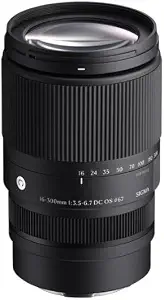 | Best for All-in-One Flexibility with Advanced Stabilization | Focal Length: 16-300mm | Maximum Aperture: F/3.5-6.7 | Mount: Canon RF | VIEW ON AMAZON | See Our Full Breakdown |
| lightweight apsc travel zoom lense | Maximum Aperture | Compatibility | Focal Length |
|---|---|---|---|
| Tamron 17-70mm f/2.8 Di III-A | f/2.8 | APS-C Mirrorless Cameras | 17-70mm |
| Canon RF-S 10-18mm F4.5-6.3 IS | F4.5-6.3 | Canon EOS R Series | — |
| Canon RF-S 14-30mm F4-6.3 IS S | F4-6.3 | Canon EOS R series | 14-30mm |
| Tamron 28-200mm F/2.8-5.6 Di I | f/2.8-5.6 | Sony E-mount | 28-200mm |
| Tamron 18-300mm F/3.5-6.3 Di I | f/3.5-6.3 | — | 18-300mm |
| Tamron 18-300mm F/3.5-6.3 Di I | — | Nikon Z APS-C Mirrorless Cameras | — |
| Tamron 18-300mm F/3.5-6.3 Di I | — | Sony E APS-C Mirrorless Cameras | — |
| Sigma 16-300mm F3.5-6.7 DC OS | F/3.5-6.7 | — | 16-300mm |
More Details on Our Top Picks
Tamron 17-70mm f/2.8 Di III-A VC RXD Lens for Sony E APS-C Mirrorless Cameras
This Tamron lens stands out for its broad 17-70mm zoom range combined with a fast f/2.8 aperture, making it highly flexible for both landscape and portrait work. Compared with the Canon RF-S 10-18mm, it offers a much wider focal span, suitable for more varied scenarios. Its advanced optical design, featuring GM elements, ensures sharp images across the frame, while the effective vibration compensation helps maintain stability during handheld shooting. However, the premium price and slightly bulkier build mean it’s less ideal for those prioritizing ultra-lightweight gear or on a tight budget. The moisture-resistant construction adds durability for outdoor adventures, making it a well-rounded choice for travelers seeking quality without sacrifice.
Pros:- Versatile 17-70mm zoom range covers many common shooting scenarios
- Bright f/2.8 aperture for better low-light performance and depth control
- Advanced optical elements ensure sharpness and clarity
- Effective vibration compensation stabilizes handheld shots
Cons:- Higher price point compared to simpler kit lenses
- Slightly bulkier and heavier, which may impact portability
Best for: Photographers who want a single versatile lens for both day-to-day travel and creative pursuits on Sony APS-C mirrorless cameras.
Not ideal for: Travelers on a tight budget or those needing an ultra-compact setup, as this lens is premium-priced and somewhat bulkier than simpler options.
- Focal Length:17-70mm
- Maximum Aperture:f/2.8
- Lens Mount:Sony E
- Compatibility:APS-C Mirrorless Cameras
- Zoom Ratio:4.1x
- Construction:16 elements in 12 groups
Our verdict“This lens is ideal for travel photographers who prioritize image quality and versatility over weight and cost.”
Canon RF-S 10-18mm F4.5-6.3 IS STM Ultra-Wide-Angle Zoom Lens for Canon EOS APS-C Cameras
This compact, lightweight lens excels in capturing expansive landscapes and interior shots, with its 10-18mm focal range offering a broad field of view. Compared to the Tamron 17-70mm, it sacrifices zoom versatility for ultra-wide perspectives, but its small size makes it incredibly portable for travel. The optical image stabilization provides steady footage for vlogging or handheld photography, compensating partially for its narrower aperture range. Still, the F4.5-6.3 aperture limits low-light performance, making it less suitable for dim conditions. Its optimized mirrorless design ensures sharpness across the frame, but DSLR users will find it incompatible. Overall, this lens is perfect for those prioritizing ultra-wide shots in a compact form factor.
Pros:- Ultra-wide 10-18mm focal range ideal for landscapes and interiors
- Compact and lightweight, perfect for travel
- Effective image stabilization for steady video and handheld shooting
- Sharp image quality across the frame
Cons:- Limited aperture range reduces low-light capability
- Restricted zoom range for distant subjects
Best for: Vloggers, landscape shooters, and travelers needing a lightweight, wide-angle lens for Canon EOS R series APS-C cameras.
Not ideal for: Photographers who frequently shoot in low-light conditions or need zoom flexibility beyond 18mm, as the aperture limits light intake and zoom range.
- Focal Range:10-18mm
- Maximum Aperture:F4.5-6.3
- Optical Stabilization:Yes (4 stops)
- Compatibility:Canon EOS R Series
- Design:Mirrorless optimized
- Color:Black
Our verdict“This lens suits travelers and creators who want an ultra-wide perspective in a portable package but can compromise on low-light shooting.”
Canon RF-S 14-30mm F4-6.3 IS STM PZ Mirrorless Lens
The Canon RF-S 14-30mm F4-6.3 PZ excels in video applications, thanks to its smooth power zoom and optical stabilization, making it a favorite for vloggers and videographers. Compared to the Canon RF-S 10-18mm, it offers a wider zoom range and the convenience of motorized zoom control, which is a major plus for dynamic shooting styles. The aperture range, however, limits low-light performance, especially at longer focal lengths. Its compatibility with RF-S mount cameras and built-in stabilization make it a versatile option for creative work, but the higher price and limited low-light ability mean it’s less suited for still photography in challenging conditions. If smooth zooming and stabilization are priorities, this lens is hard to beat.
Pros:- Wide focal range suitable for varied scenes
- Built-in optical image stabilization enhances video quality
- Power zoom allows smooth, controlled zooming
- Compact and lightweight design
Cons:- Aperture range limits low-light shooting
- Higher cost compared to non-motorized zoom lenses
Best for: Video creators and travel vloggers who want smooth zoom and stabilization in a compact package for RF-S mount cameras.
Not ideal for: Photographers who need a lens for low-light conditions or prefer manual zoom, as the power zoom may be less precise for stills.
- Focal Length:14-30mm
- Maximum Aperture:F4-6.3
- Zoom Type:Power zoom
- Image Stabilization:Yes
- Mount:RF-S
- Compatibility:Canon EOS R series
Our verdict“This lens is best for videographers and content creators valuing smooth zoom and stabilization over maximum low-light capability.”
Tamron 28-200mm F/2.8-5.6 Di III RXD All-in-One Lens for Sony Mirrorless Cameras
This Tamron lens combines a broad 28-200mm focal range with a constant f/2.8-5.6 aperture, offering a flexible all-in-one solution for Sony APS-C mirrorless shooters. Compared to the Tamron 17-70mm, it covers a much wider spectrum, suitable for everything from wide landscapes to telephoto shots, making it ideal for travel. Its compact design and quiet autofocus with RXD motor reduce fatigue during extended shoots. However, the variable aperture limits low-light performance, and the larger zoom range might sacrifice some optical sharpness compared to dedicated primes. It’s a practical choice for those who prefer carrying a single lens for diverse scenarios, despite some compromises in image quality and aperture performance.
Pros:- Extensive 28-200mm zoom range covers most scenarios
- Constant f/2.8-5.6 aperture for flexible exposure control
- Lightweight and compact for travel
- Quiet autofocus with RXD stepping motor
Cons:- Variable aperture reduces low-light capability
- Potentially lower optical quality compared to prime lenses
Best for: Travel photographers and enthusiasts seeking a single, lightweight lens that covers wide to telephoto needs on Sony APS-C cameras.
Not ideal for: Photographers requiring superior low-light performance or maximum sharpness, as the variable aperture and broad zoom can limit image quality in some conditions.
- Focal Length:28-200mm
- Maximum Aperture:f/2.8-5.6
- Compatibility:Sony E-mount
- Design:Zoom
- Weight:20.3 oz.
- Close-up Performance:7.5″ / 1:3.1 wide, 31.5″ / 1:3.8 tele
Our verdict“This lens offers a practical, all-in-one zoom solution for Sony APS-C users who prioritize portability and versatility over ultimate image quality.”
Tamron 18-300mm F/3.5-6.3 Di III-A VC VXD Zoom Lens for Canon R APS-C Mirrorless Cameras
This Tamron 18-300mm offers a remarkable 16.6x zoom range in a surprisingly compact form, making it ideal for travelers who want coverage from wide landscapes to distant subjects. Compared with the Canon RF-S 10-18mm, it provides much more focal flexibility, suitable for a broad array of scenes. Its high-speed autofocus and vibration compensation ensure sharp images even in dynamic situations. The aperture, however, at f/3.5-6.3, limits low-light shooting and backgrounds that require shallow depth of field. While not as optically refined as prime lenses, its versatility and portability make it a top choice for those who prefer to carry fewer lenses on their trips.
Pros:- Extremely versatile 18-300mm zoom range for many scenarios
- Compact, lightweight design ideal for travel
- Fast autofocus with vibration compensation ensures sharp images
- High maximum magnification for close-ups
Cons:- Limited aperture at f/3.5-6.3 affects low-light performance
- Optical quality may not match prime lenses in critical situations
Best for: Travelers and casual photographers using Canon R APS-C mirrorless cameras who need a single lens capable of covering a wide focal range.
Not ideal for: Photographers focused on low-light or portrait work, as the variable aperture and broad zoom may compromise image quality in challenging conditions.
- Focal Length:18-300mm
- Maximum Aperture:f/3.5-6.3
- Lens Mount:Canon RF
- Maximum Focal Length:30 centimeters
- Minimum Focal Length:18mm
- Focus Type:Auto Focus
Our verdict“This lens is a strong all-in-one choice for travelers who want extensive focal coverage in a lightweight package, accepting some optical compromises.”
Tamron 18-300mm F/3.5-6.3 Di III-A VC VXD All-in-One Zoom Lens for Nikon Z APS-C Mirrorless Cameras
This Tamron lens stands out for offering an impressive 16.6x zoom range in a compact package, making it ideal for travelers who want to cover landscapes, portraits, and wildlife without switching lenses. Compared to the Sigma 16-300mm, it has a slightly wider aperture at the shorter end, but the aperture range still limits low-light performance. Its high-speed autofocus and lightweight design ensure that it can keep up with fast-moving scenes while remaining easy to carry. The tradeoff is the maximum aperture of F/3.5-6.3, which isn’t as suitable for low-light conditions or shallow depth-of-field effects. This pick makes the most sense for travel photographers who prioritize versatility and size over maximum aperture speed.Pros:- Extensive 16.6x zoom range covering multiple focal lengths
- Compact and lightweight for easy travel use
- Fast, high-precision autofocus
Cons:- Limited low-light performance due to aperture range
- Maximum magnification of 1:2 isn’t ideal for macro photography
Best for: Travelers and casual photographers who need a lightweight, all-in-one lens for varied shooting situations on the go.
Not ideal for: Low-light enthusiasts or macro shooters, as the aperture range and magnification ratio limit their specialized needs.
- Zoom Range:18-300mm
- Aperture:F/3.5-6.3
- Compatibility:Nikon Z APS-C Mirrorless Cameras
- Magnification Ratio:1:2
- Warranty:6 Year Limited USA
Our verdict“Best suited for travelers seeking a versatile, portable lens with decent optical performance across a wide range of scenes.”
Tamron 18-300mm F/3.5-6.3 Di III-A VC VXD Lens for Sony E APS-C Mirrorless Cameras
This Tamron lens for Sony E cameras shares the same impressive 16.6x zoom as the Nikon-compatible version but adds moisture-resistant construction and fluorine coating, making it ideal for outdoor adventures. Compared with the Sigma 16-300mm, it boasts faster autofocus thanks to the VXD linear motor, which benefits action and wildlife shooting. Its compact size and weatherproofing make it a strong choice for those who shoot in unpredictable conditions, but the aperture range remains a limiting factor for low-light scenes. The higher price reflects its added durability, which might be a concern for budget-conscious travelers. This lens makes sense for Sony photographers who want a rugged, all-in-one zoom that can handle a variety of environments without sacrificing portability.Pros:- Versatile 16.6x zoom range for multiple scenarios
- Moisture-resistant build with fluorine coating for durability
- Fast, precise autofocus with VXD linear motor
Cons:- Aperture range limits low-light and shallow depth-of-field work
- Potentially higher price for added weatherproofing
Best for: Outdoor enthusiasts and travel photographers using Sony E APS-C cameras who need durability and convenience.
Not ideal for: Indoor or low-light shooters, because the aperture limits may hinder performance in dim conditions or indoor settings.
- Zoom Range:18-300mm
- Aperture:F/3.5-6.3
- Compatibility:Sony E APS-C Mirrorless Cameras
- Weight:21.9 ounces
- Dimensions:4.9 x 2.9 inches
- Focus Mechanism:VXD linear motor
Our verdict“This lens is especially suitable for travelers who need a durable, weather-sealed zoom without compromising portability.”
Sigma 16-300mm F3.5-6.7 DC OS Contemporary Lens (Canon RF Mount)
The Sigma 16-300mm offers an extensive zoom range, covering everything from wide-angle to super-telephoto, making it a versatile choice for Canon RF mount users. Its optical image stabilization, rated for up to 6 stops at the wide end, surpasses the stabilization of the Tamron options, which is a significant advantage for handheld shooting in varied lighting. However, the slightly narrower maximum aperture of F/3.5-6.7 and the bulkier size compared to smaller zooms mean it might not be the best for lightweight travel. The weather-resistant build adds value for outdoor use, but the price might be a stretch for casual travelers. This lens suits Canon RF users who want maximum zoom versatility with reliable stabilization and ruggedness.Pros:- Wide 16-300mm zoom range for diverse scenes
- Effective optical stabilization for sharp handheld images
- Weather- and splash-resistant construction
Cons:- Limited low-light performance due to aperture range
- Bulkier and heavier than smaller zoom lenses
Best for: Travelers or landscape shooters using Canon RF cameras who prioritize image stabilization and weather resistance in a versatile lens.
Not ideal for: Low-light or handheld video shooters needing a faster aperture, as the lens’s aperture limits low-light performance.
- Focal Length:16-300mm
- Maximum Aperture:F/3.5-6.7
- Mount:Canon RF
- Optical Stabilization:6 stops
- Weather Resistance:Dust- and splash-resistant
- Water and Oil Coating:Yes
Our verdict“Ideal for Canon RF users seeking a durable, stabilized zoom for varied outdoor and travel photography, accepting some size and aperture tradeoffs.”

How We Picked
To select the best lightweight APS-C travel zoom lenses, I focused on a combination of performance, size, weight, and versatility. Each lens had to be compact enough for easy portability without sacrificing image quality or zoom range. I also considered build quality and image stabilization, which are critical for travel environments where conditions can be unpredictable. Price-to-performance ratios and user feedback played a role, ensuring that each pick offers real value for different types of travelers. The ranking reflects a balance between these factors, highlighting lenses that excel in practical travel scenarios while remaining lightweight and manageable.| lightweight apsc travel zoom lense | Maximum Aperture | Compatibility |
|---|---|---|
| Tamron 17-70mm f/2.8 Di III-A | f/2.8 | APS-C Mirrorless Cameras |
| Canon RF-S 10-18mm F4.5-6.3 IS | F4.5-6.3 | Canon EOS R Series |
| Canon RF-S 14-30mm F4-6.3 IS S | F4-6.3 | Canon EOS R series |
| Tamron 28-200mm F/2.8-5.6 Di I | f/2.8-5.6 | Sony E-mount |
| Tamron 18-300mm F/3.5-6.3 Di I | f/3.5-6.3 | — |
| Tamron 18-300mm F/3.5-6.3 Di I | — | Nikon Z APS-C Mirrorless Cameras |
| Tamron 18-300mm F/3.5-6.3 Di I | — | Sony E APS-C Mirrorless Cameras |
| Sigma 16-300mm F3.5-6.7 DC OS | F/3.5-6.7 | — |
Factors to Consider When Choosing Lightweight Apsc Travel Zoom Lenses
When choosing a lightweight APS-C travel zoom lens, it’s important to consider how the lens’s focal length, size, and features align with your travel style. Each factor impacts your overall experience, from the weight you carry to the quality of your photos. Being aware of common tradeoffs—such as zoom range versus size or aperture speed versus weight—will help you make a more informed decision. The following sections explore key considerations beyond just the specs, guiding you toward a lens that fits your specific needs.Focal Length Range and Versatility
Look for a lens that covers a range suitable for your typical travel photography. A wider zoom range, like 10-200mm, offers greater flexibility, allowing you to shoot everything from landscapes to portraits without changing lenses. However, these all-in-one options tend to be bulkier and may compromise some optical quality. Conversely, a narrower range such as 17-70mm often delivers better image quality and faster apertures but requires more lens swaps. Consider what subjects you shoot most often and choose a focal length that minimizes compromises.
Size and Weight
Since the goal is lightweight travel gear, the physical dimensions and weight of the lens are paramount. Even a small increase in size can make a noticeable difference during long walks or travel days. Look for lenses under 400 grams if possible, and check dimensions—compact designs can fit into small bags or even jacket pockets. Keep in mind that opting for larger, more zoomed-in lenses often adds to the weight, so balance your need for reach with portability.
Aperture Speed and Image Stabilization
Aperture size influences low-light performance and depth of field; lenses with larger apertures (like f/2.8) are better for dim conditions but tend to be heavier. Many travel lenses include optical image stabilization (OIS), which helps produce sharp photos at slower shutter speeds, especially in low-light settings or handheld shots. Combining a decent aperture with stabilization can significantly improve your photo quality without adding much weight, but be aware that stabilization features can sometimes increase the lens’s size slightly.
Build Quality and Weather Resistance
Travel conditions can be unpredictable, so a durable, weather-sealed lens is beneficial but often adds weight and cost. For most casual travelers, a well-built lens with good sealing against dust and moisture offers peace of mind. Cheaper lenses tend to be more plastic and less resistant to the elements, increasing the risk of damage. Consider how much exposure your travel plans will involve, and prioritize durability if you plan to shoot in challenging environments.
Price and Value
The range of prices for travel zoom lenses varies widely. Higher-end models often provide better image quality, faster apertures, and more durable construction, but may be overkill for casual use. Conversely, budget options tend to be lighter and more affordable but may sacrifice sharpness and build quality. Think about your photography needs and how often you’ll use the lens—sometimes paying a little more upfront results in a significantly better experience and longer lifespan.
Frequently Asked Questions
Is a wider zoom range always better for travel?
Not necessarily. While a broader zoom range offers more flexibility, it often comes with increased size, weight, and sometimes lower optical quality. If you prefer portability and plan to shoot mainly landscapes or portraits, a narrower range like 17-70mm can deliver sharper images and a lighter setup. Consider your typical subjects and how often you’ll need to change lenses or carry extra gear before choosing a wider zoom range just for the sake of versatility.
Should I prioritize aperture speed over size for travel lenses?
Faster apertures, like f/2.8, improve low-light performance and create better background blur, which is valuable in many travel scenarios. However, lenses with larger apertures tend to be heavier and more expensive. For casual travel, a lens with a moderate aperture (f/4-6.3) combined with good stabilization might offer a better balance, allowing you to keep your gear lightweight without sacrificing too much in low-light conditions.
Are all-in-one zoom lenses a good choice for travel?
All-in-one zooms like the Tamron 28-200mm are convenient because they reduce the need to carry multiple lenses. However, they often compromise slightly on image sharpness, especially at the edges, and may have slower apertures. They are perfect for travelers who want simplicity and minimal gear but might not satisfy photographers seeking the highest optical quality or fast apertures for low-light shooting.
How important is weather sealing for travel lenses?
Weather sealing can be highly beneficial if you often shoot outdoors in unpredictable conditions. It helps protect against dust, moisture, and light rain, extending the lifespan of your lens. While sealed lenses tend to be more durable, they are also typically heavier and more expensive. For casual travel in mild conditions, a well-built but unsealed lens might suffice, but for rugged adventures, investing in weather resistance makes sense.
Is it worth paying extra for premium travel zoom lenses?
Premium models usually offer superior optical quality, faster apertures, and better durability, which can significantly enhance your travel photography. However, they also tend to be heavier and more costly. If you frequently shoot in low light or need the best image quality, investing in a high-end lens pays off. For casual use or lighter travel, more affordable options often provide excellent value without the added weight and expense.
Conclusion
For most travelers, the Tamron 17-70mm f/2.8 Di III-A VC RXD stands out as the best overall choice, offering a versatile zoom range, good aperture speed, and manageable weight. If budget is a concern, the Canon RF-S 10-18mm provides superb wide-angle shots without adding bulk. For those seeking ultimate convenience, the Tamron 28-200mm reduces gear load but with some tradeoffs in optical quality. Beginners or casual shooters will appreciate lightweight, easy-to-carry options, while more experienced photographers might prioritize better optics and build quality. Your ideal lens depends on your travel style and photographic priorities, but these picks cover a broad spectrum of needs.
Fall Picks
fall essentials
As an affiliate, we earn on qualifying purchases.