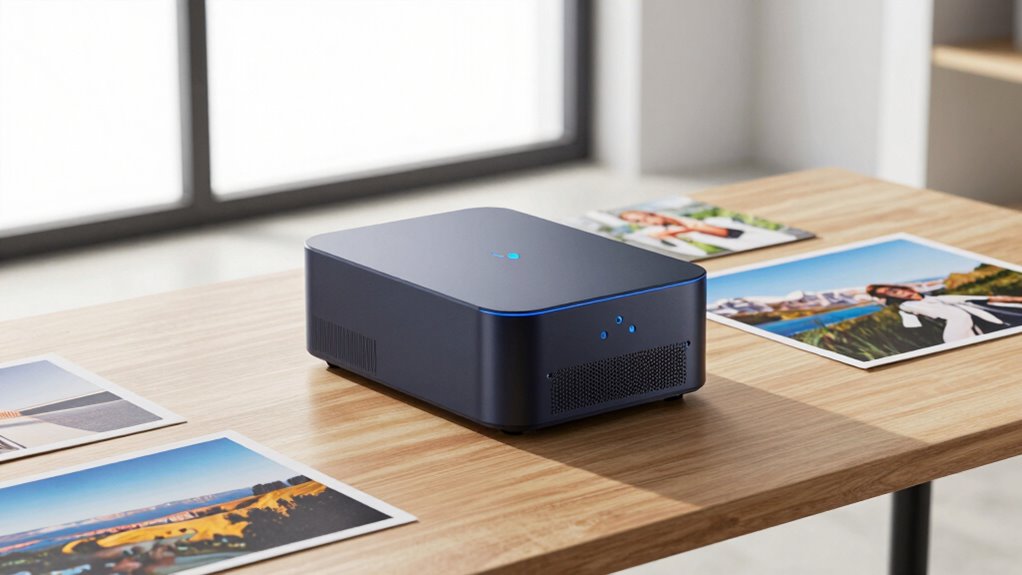

Choosing the right network attached storage (NAS) for photography in 2026 means balancing speed, capacity, ease of use, and future scalability. The UGREEN NAS DXP4800 GT stands out for its raw power and expandability, making it ideal for professionals with demanding workflows. The UGREEN NAS DXP2800 offers a compelling mix of advanced features and AI surveillance, perfect for creators managing large media libraries at home. Meanwhile, The Asustor Drivestor 2 AS1202T provides a straightforward, reliable option for personal cloud storage with quick setup. Each choice carries its own tradeoffs—whether in complexity, price, or expandability—so understanding your specific needs is essential.

Get audio and creator gear delivered free — and shop member deals
- Fast, free delivery on millions of items
- Access to Prime Big Deal Days deals on October 6–7
- Prime Video, Amazon Music and more included
Complete the kit


Key Takeaways
- High-performance NAS like the UGREEN DXP4800 is best for demanding workflows and multitasking.
- The UGREEN DXP2800 balances media management, AI security, and ease of use for home creators.
- The Asustor AS1202T offers a simple, reliable personal cloud solution with minimal setup.
- Storage capacity and drive compatibility vary; larger, expandable models require more initial investment.
- Budget-friendly options may lack advanced features like virtual machine support or extensive network ports.
| UGREEN NAS DXP4800 GT 4-Bay Network Storage for Creators and Office Teams |  | Best Overall Powerhouse for Creative Professionals | Processor: AMD Ryzen Embedded R2514, 4 cores, up to 3.70GHz | RAM: 8GB DDR4, expandable to 64GB | Storage Capacity: Up to 144TB (4 bays, supports U.2 NVMe SSDs and M.2 SSDs) | VIEW ON AMAZON | See Our Full Breakdown |
| UGREEN NAS DXP2800 2-Bay for Advanced Home Users, Remote Workers & Creators |  | Best for Creative Home Use and Security | Processor: Intel N100 Quad-Core | RAM: 8GB DDR5 | Network: 2.5GbE | VIEW ON AMAZON | See Our Full Breakdown |
| Asustor Drivestor 2 Gen 2 AS1202T 2-Bay NAS Storage, Quad-Core 1.7GHz CPU, 2.5GbE Network, 1GB DDR4, 4K Media Server, Diskless |  | Best Entry-Level Personal Cloud Storage | Processor: Realtek RTD1619B quad-core 1.7GHz | Memory: 1GB DDR4 | Network: 2.5-Gigabit Ethernet | VIEW ON AMAZON | See Our Full Breakdown |
| Synology 2-Bay DiskStation DS223j (Diskless) |  | Best Compact and Energy-Efficient Cloud Solution | Brand: Synology | Model Number: DS223j | Number of Bays: 2 | VIEW ON AMAZON | See Our Full Breakdown |
| UGREEN NAS DH4300 Plus 4-Bay Home Storage for Beginners, Remote Access, and Private Cloud |  | Best Budget-Friendly NAS for Home Use | Number of Bays: 4 | Max Capacity: 128TB | Processor: High-performance processor | VIEW ON AMAZON | See Our Full Breakdown |
| network attached storage for photographer | Processor | Network | RAM |
|---|---|---|---|
| UGREEN NAS DXP4800 GT 4-Bay Ne | AMD Ryzen Embedded R2514, 4 cores, up to 3.70GHz | Dual 10GbE ports, supports link aggregation up to 20Gbps | 8GB DDR4, expandable to 64GB |
| UGREEN NAS DXP2800 2-Bay for A | Intel N100 Quad-Core | 2.5GbE | 8GB DDR5 |
| Asustor Drivestor 2 Gen 2 AS12 | Realtek RTD1619B quad-core 1.7GHz | 2.5-Gigabit Ethernet | — |
| Synology 2-Bay DiskStation DS2 | — | — | — |
| UGREEN NAS DH4300 Plus 4-Bay H | High-performance processor | 2.5GbE | 8GB LPDDR4X |
More Details on Our Top Picks
UGREEN NAS DXP4800 GT 4-Bay Network Storage for Creators and Office Teams
The UGREEN NAS DXP4800 GT distinguishes itself with exceptional multitasking capabilities thanks to its AMD Ryzen Embedded R2514 processor. It supports extensive storage expansion, up to 144TB, making it perfect for photographers with large collections of RAW files and videos. The dual 10GbE ports enable incredibly fast network transfers, which can significantly reduce upload and backup times. Compared with smaller or less powerful NAS, this model excels in handling simultaneous workflows—like editing, backups, and streaming—without bottlenecks. However, it does require a more technical setup, and the drives are not included, adding to initial costs. This pick makes the most sense for professionals or studios needing serious performance and scalability.
Pros:- High-performance multitasking with AMD Ryzen processor
- Expandable storage up to 144TB supports large media files
- Dual 10GbE ports for ultra-fast network speeds
- Built-in surveillance and virtualization support
Cons:- Drives sold separately, increasing initial investment
- Setup complexity may challenge non-technical users
- Non-ECC RAM limits for critical data applications
Best for: Professional photographers and small studios needing maximum performance and expandability.
Not ideal for: Casual shooters or those with limited technical experience who prefer plug-and-play solutions.
- Processor:AMD Ryzen Embedded R2514, 4 cores, up to 3.70GHz
- RAM:8GB DDR4, expandable to 64GB
- Storage Capacity:Up to 144TB (4 bays, supports U.2 NVMe SSDs and M.2 SSDs)
- Network:Dual 10GbE ports, supports link aggregation up to 20Gbps
- Connectivity:USB 3.2, USB-C, HDMI, SD card slot
- Security:TLS/SSL, RSA, AES, SHA-512, RAID support
Our verdict“A versatile, high-power NAS best suited for demanding professional workflows that require maximum scalability.”
UGREEN NAS DXP2800 2-Bay for Advanced Home Users, Remote Workers & Creators
The UGREEN NAS DXP2800 offers a compelling balance between power and user-friendly features. Its Intel N100 quad-core CPU handles large media files and backups efficiently, making it suitable for advanced home users and creators. The support for AI-powered surveillance—like face and pet recognition—adds a layer of security for remote workers or families managing multiple devices. With up to 80TB of storage (drives sold separately), it’s flexible enough for media libraries, backups, and remote access. While the hardware is robust, setup may be tricky for complete beginners, and the total storage depends on user-installed drives. It’s perfect for users who want a reliable, multi-purpose NAS with smart security features.
Pros:- Powerful Intel N100 CPU handles large files well
- Supports AI surveillance features for added security
- Flexible storage options with multiple drive bays
- Cross-platform compatibility for remote access
Cons:- Requires separate purchase of drives
- Setup complexity for less technical users
- No included drives, so total capacity depends on user choice
Best for: Home creators, remote workers, and small teams managing media and security.
Not ideal for: Users seeking plug-and-play simplicity or who prefer integrated drives.
- Processor:Intel N100 Quad-Core
- RAM:8GB DDR5
- Network:2.5GbE
- Storage Support:Up to 80TB (HDDs/SSDs sold separately)
- M.2 NVMe Slots:2
- HDD Bays:2
- AI Features:Face Recognition, People & Pet Detection
Our verdict“A versatile NAS with advanced security and media handling, ideal for tech-savvy home users and creators.”
Asustor Drivestor 2 Gen 2 AS1202T 2-Bay NAS Storage, Quad-Core 1.7GHz CPU, 2.5GbE Network, 1GB DDR4, 4K Media Server, Diskless
The Asustor Drivestor 2 Gen 2 AS1202T offers a straightforward solution for photographers seeking reliable cloud storage and media sharing. Its quad-core Realtek RTD1619B processor provides enough power for everyday tasks, like backing up photos or streaming 4K content. The speedy 2.5GbE network offers quick data transfers, and its tool-free drive bays make setup simple even for beginners. Although it’s limited by only 1GB of RAM—restricting heavy multitasking—it remains a solid choice for personal cloud needs. The lack of included drives means additional purchase is necessary, but for those who want a dependable, budget-conscious storage device, this model checks many boxes.
Pros:- Fast 2.5GbE network for quick data transfer
- Simple, tool-free drive installation
- Reliable quad-core performance for daily use
- Creates a secure, private cloud
Cons:- Limited to 1GB RAM, restricting multitasking
- Requires separate purchase of drives
- No included drives, storage depends on user choice
Best for: Photographers needing a reliable, easy-to-use personal cloud and media server.
Not ideal for: Heavy multitaskers or users requiring extensive expandability and RAM.
- Processor:Realtek RTD1619B quad-core 1.7GHz
- Memory:1GB DDR4
- Network:2.5-Gigabit Ethernet
- Drive Bays:2
- Media Support:4K Media Server
Our verdict“A dependable, entry-level NAS perfect for personal cloud and media storage with minimal fuss.”
Synology 2-Bay DiskStation DS223j (Diskless)
The Synology DS223j provides a compact, energy-efficient option for creating a private cloud or sharing files. Its reliable Synology software ecosystem simplifies setup and management, making it accessible even for those new to NAS devices. The 2.5GbE network offers decent speeds for typical photo backups and sharing, while the energy-efficient design minimizes ongoing costs. With no drives included, it’s a low-cost entry point that can grow with your needs—just add drives as your collection expands. However, the limited RAM and storage capacity mean it’s best for small-scale use rather than large archives or intensive multitasking.
Pros:- Creates a secure private cloud environment
- Supports automated backups across devices
- Energy-efficient and compact design
- Intuitive Synology interface
Cons:- No included drives, additional purchase needed
- Limited RAM (1GB) restricts multitasking
- Less suitable for large media libraries
Best for: Photographers seeking a simple, reliable personal cloud and media sharing device.
Not ideal for: Power users needing extensive multi-user support or large storage pools.
- Brand:Synology
- Model Number:DS223j
- Number of Bays:2
- Warranty:2 years
- Unit Count:1
Our verdict“A perfect choice for casual photographers wanting easy, reliable cloud storage in a compact form.”
UGREEN NAS DH4300 Plus 4-Bay Home Storage for Beginners, Remote Access, and Private Cloud
The UGREEN NAS DH4300 Plus targets entry-level users who want a straightforward, affordable way to store and access media remotely. Its 4-bay design allows for significant capacity—up to 128TB—making it suitable for photo backups and media libraries. Its user-friendly setup and AI-powered photo backup features appeal to hobbyists and casual users. However, it doesn’t support Wi-Fi or virtual machines, and drives are not included, so initial costs can add up. This model makes sense for those prioritizing ease of use and cost-efficiency over advanced features like virtualization or wireless connectivity.
Pros:- Cost-effective long-term storage solution
- Easy setup and remote access via app
- Supports AI photo backup and organization
- 4K HDMI output for media viewing
Cons:- No Wi-Fi support, wired only
- Virtual machines not supported
- Drives not included, additional costs
Best for: Home photographers seeking an affordable, easy-to-manage private cloud.
Not ideal for: Power users or professionals needing virtualization or wireless capabilities.
- Number of Bays:4
- Max Capacity:128TB
- Processor:High-performance processor
- Network:2.5GbE
- RAM:8GB LPDDR4X
- Supports Virtual Machines:No
- Supports Docker:Yes
- Supports 4K HDMI Output:Yes
- Connectivity:Wired Ethernet only
Our verdict“An economical, easy-to-use NAS ideal for home photographers wanting local storage and remote access.”
How We Picked
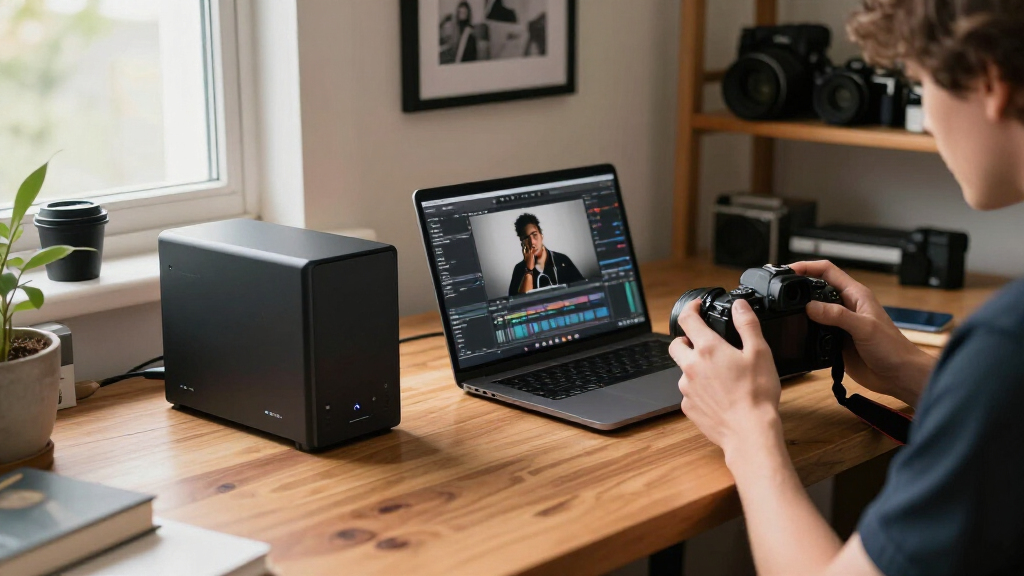
Our selections are based on a combination of technical specifications, user needs, and real-world relevance for photographers. We prioritized models with robust performance, expandable storage, and features that enhance media management and security. Ease of setup and compatibility with common platforms also played a key role, alongside considerations of price and future-proofing. Each product was evaluated against alternatives for its unique role, ensuring a balanced lineup that caters to different types of photographers and workflows.
| network attached storage for photographer | Processor |
|---|---|
| UGREEN NAS DXP4800 GT 4-Bay Ne | AMD Ryzen Embedded R2514, 4 cores, up to 3.70GHz |
| UGREEN NAS DXP2800 2-Bay for A | Intel N100 Quad-Core |
| Asustor Drivestor 2 Gen 2 AS12 | Realtek RTD1619B quad-core 1.7GHz |
| Synology 2-Bay DiskStation DS2 | — |
| UGREEN NAS DH4300 Plus 4-Bay H | High-performance processor |
Factors to Consider When Choosing Network Attached Storage For Photographers
When selecting a NAS for photography, the key factors include storage capacity, speed, ease of use, and future scalability. Photographers need reliable data transfer for large files, straightforward setup, and enough expandability to accommodate growing collections. Compatibility with existing devices and security features also matter, especially for remote access and backups. Understanding your workflow will help determine whether you need a high-powered, expandable system or a simple, budget-friendly cloud solution.Performance and Speed
Photographers working with large RAW files or 4K videos require NAS devices with fast network interfaces and powerful processors. Models like the UGREEN DXP4800 with dual 10GbE ports excel here, reducing upload and backup times significantly. For lighter workflows, 2.5GbE or gigabit Ethernet might suffice, but for professionals, investing in faster network ports can save hours over time.
Storage Capacity and Expandability
Large media collections demand ample storage. Four-bay models like the UGREEN DXP4800 and UGREEN DH4300 Plus support extensive capacities—up to 144TB and 128TB respectively—plus expansion options. Two-bay NAS are more limited but often more affordable and easier to maintain. Consider your current needs and future growth when choosing, as adding drives later is more straightforward with bigger models.
Ease of Use and Setup
For users without technical backgrounds, models with intuitive interfaces and straightforward setup are essential. Synology’s DSM ecosystem is renowned for simplicity, while some models like the Asustor AS1202T offer quick drive installation. However, more advanced systems, like the UGREEN DXP4800, may require technical expertise to fully utilize their features.
Security and Remote Access
Photographers often need to access files remotely or secure sensitive data. Features like TLS/SSL, RAID, and surveillance integrations are valuable. The UGREEN NAS DXP4800 offers comprehensive security options, while the UGREEN DXP2800 includes AI surveillance. Always check if remote access apps or web portals are supported and whether drives are included or need to be purchased separately.
Frequently Asked Questions
What is the main advantage of a NAS for photographers?
The primary benefit of a NAS for photographers is centralizing storage, making large photo libraries accessible across multiple devices, and providing reliable backups. It also offers remote access, which is crucial for working from different locations or sharing portfolios securely.
Should I choose a 2-bay or 4-bay NAS?
A 2-bay NAS is simpler, more affordable, and easier to maintain, making it suitable for hobbyists or small setups. A 4-bay offers greater capacity and flexibility for expansion, ideal for professionals or those with extensive archives, but at a higher cost and complexity.
How important is network speed for photography workflows?
Network speed directly impacts how quickly you can transfer large files, backup collections, or stream media. For heavy workloads, a 10GbE or 2.5GbE connection can significantly cut down transfer times compared to standard gigabit Ethernet, especially with large RAW files or 4K videos.
Do I need to buy drives separately?
Most NAS devices sold today are diskless, meaning you must purchase compatible drives separately. This gives flexibility in choosing the right capacity and performance level, but it also increases initial costs. Consider your storage needs carefully to select suitable drives.
Is a NAS suitable for backup and security for photographers?
Absolutely. A NAS can serve as a dedicated backup location, reducing reliance on cloud services and protecting against data loss. Many models include security features like RAID, encryption, and surveillance integrations, ensuring your photos are stored safely and accessible remotely.
Conclusion
For photographers with demanding workflows and large archives, the UGREEN NAS DXP4800 offers unmatched performance and expandability. Hobbyists or those starting out should consider the Synology DS223j for its simplicity and energy efficiency. Creative home users seeking smart security and media management will find the UGREEN NAS DXP2800 a compelling choice. Budget-conscious beginners who want basic cloud storage can go with the UGREEN NAS DH4300 Plus. Ultimately, your choice depends on your storage needs, technical comfort, and whether you prioritize speed, security, or ease of use in your workflow.
Fall Picks
fall essentials
As an affiliate, we earn on qualifying purchases.