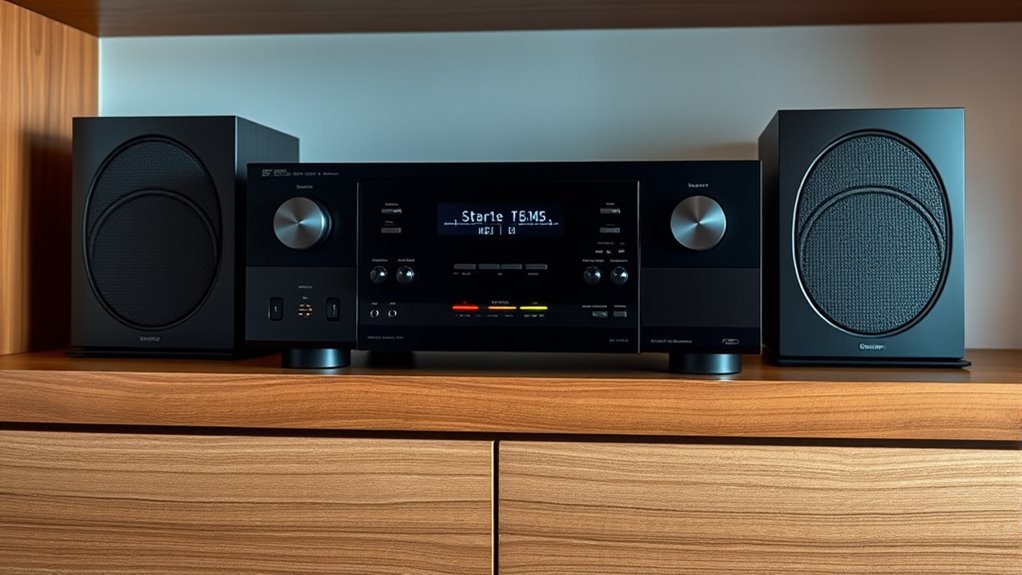

Choosing the right stereo receiver depends on your specific needs, whether you’re building a dedicated home theater, upgrading your music setup, or seeking a compact option. The Denon AVR-S570BT stands out for casual movie watchers and gamers who want 8K support without breaking the bank. Meanwhile, the Denon AVR-X1700H offers a more advanced, multi-room experience with Dolby Atmos, making it a strong choice for dedicated home theater enthusiasts. For those prioritizing style and simplicity, the Yamaha R-S202BL provides elegant design and Bluetooth connectivity, suitable for stereo purists or secondary systems. Lastly, the Sony STRDH190 focuses on budget-friendly, high-powered stereo sound with a phono input for turntable lovers. Each picks balances features and tradeoffs based on intended use, so understanding these differences helps in making the right decision.

Get audio and creator gear delivered free with Prime
- Fast, free delivery on millions of items
- Prime Video, Amazon Music and more included
- Member-only deals all year
Complete the kit


Key Takeaways
- The Denon AVR-S570BT is ideal for casual home theater users needing 8K support and simple Bluetooth streaming.
- The Denon AVR-X1700H offers advanced multi-room audio, Dolby Atmos, and extensive connectivity for dedicated home theater setups.
- The Yamaha R-S202BL combines style and simplicity, perfect for stereo listeners who want Bluetooth and a sleek look.
- The Sony STRDH190 delivers high-power stereo sound with a turntable input and compact design, suited for budget-conscious music fans.
- Tradeoffs generally involve features versus complexity, with higher-end models offering more immersive audio but at increased cost and setup complexity.
| Denon AVR-S570BT 5.2 Channel AV Receiver – 8K Ultra HD Audio & Video | 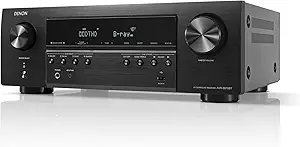 | Best for Casual Home Theater Enthusiasts | Channels: 5.2 | HDMI Inputs: 4 HDMI 2.1 | HDMI Output: 1 | VIEW ON AMAZON | See Our Full Breakdown |
| Denon AVR-X1700H 7.2 Channel AV Receiver – 80W/Channel, Built-in HEOS |  | Best for Dedicated Home Theater Setups | Channels: 7.2 | Power per channel: 80W | HDMI inputs: 3 | VIEW ON AMAZON | See Our Full Breakdown |
| Yamaha R-S202BL Stereo Receiver |  | Best for Style and Simplicity | Speaker Selector: for 2 systems | FM/AM Presets: 40 stations | Finish: Brushed aluminum | VIEW ON AMAZON | See Our Full Breakdown |
| Sony STRDH190 2-Ch Home Stereo Receiver with Phono Inputs & Bluetooth |  | Best for Budget High-Power Stereo Sound | Maximum Output Power: 100W x 2 (8 ohms, 1 KHz) | Frequency Band: 2,400 MHz – 2,483.5 MHz | Controller Type: Push Button | VIEW ON AMAZON | See Our Full Breakdown |
| stereo receiver | Channels | HDMI Inputs | Supports |
|---|---|---|---|
| Denon AVR-S570BT 5.2 Channel A | 5.2 | 4 HDMI 2.1 | 8K Ultra HD, HDR, Dolby Vision, HDR10+, VRR, QFT |
| Denon AVR-X1700H 7.2 Channel A | 7.2 | 3 | 8K/60Hz, 4K/120Hz, HDR10, Dolby Vision, HLG |
| Yamaha R-S202BL Stereo Receive | — | — | — |
| Sony STRDH190 2-Ch Home Stereo | — | — | — |
More Details on Our Top Picks
Denon AVR-S570BT 5.2 Channel AV Receiver – 8K Ultra HD Audio & Video
The Denon AVR-S570BT stands out for supporting 8K Ultra HD and HDR formats, making it perfect for users aiming for high-quality video in a straightforward setup. Its 5.2 channel configuration is suitable for smaller or mid-sized rooms, and the inclusion of multiple HDMI 2.1 inputs caters to gamers and streamers. The built-in Bluetooth allows easy wireless music playback, but it lacks voice control and has limited channel expansion, which might disappoint those seeking a larger surround sound system. Compared with more advanced models, it offers a simple, reliable experience without overwhelming features.
Pros:- Supports 8K Ultra HD and HDR for high-quality video.
- Multiple HDMI 2.1 inputs suitable for gaming and streaming.
- Built-in Bluetooth for wireless music streaming.
Cons:- Limited to 5.2 channels, not ideal for larger setups.
- No built-in voice control features.
- Requires remote or app for full control.
Best for: Casual home theater users and gamers who want 8K support without extra complexity.
Not ideal for: Audiophiles seeking multi-channel, surround sound systems or users wanting voice control.
- Channels:5.2
- HDMI Inputs:4 HDMI 2.1
- HDMI Output:1
- Power:70W x 5
- Supports:8K Ultra HD, HDR, Dolby Vision, HDR10+, VRR, QFT
- Connectivity:Bluetooth, Wi-Fi
Our verdict“A solid choice for those wanting 8K video and simple Bluetooth streaming without the need for complex setup or expansion.”
Denon AVR-X1700H 7.2 Channel AV Receiver – 80W/Channel, Built-in HEOS
The Denon AVR-X1700H offers a leap in performance with 7.2 channels, Dolby Atmos, and DTS:X support, creating an immersive sound environment. Its 80W per channel powers larger or more demanding speakers, and advanced HDMI features like 8K/60Hz pass-through and 4K/120Hz compatibility ensure future-proof video quality. Integration with voice assistants and multi-room streaming via HEOS makes it a versatile hub for a smart home theater. However, its complex feature set might overwhelm those new to AV receivers or with simpler needs, and the price is generally higher, reflecting its more advanced capabilities.
Pros:- Supports 8K HDMI and 4K pass-through for superior video quality.
- Immersive Dolby Atmos and DTS:X multi-dimensional sound.
- Multi-room streaming with popular music services.
Cons:- Feature set may be complex for beginners.
- No mention of auto calibration microphone for easy setup.
- Price range tends to be higher.
Best for: Home theater enthusiasts who want immersive audio and flexible video support.
Not ideal for: Casual listeners or those seeking a straightforward stereo experience without multi-channel audio.
- Channels:7.2
- Power per channel:80W
- HDMI inputs:3
- HDMI outputs:1
- Supports:8K/60Hz, 4K/120Hz, HDR10, Dolby Vision, HLG
- Streaming services:Spotify, Pandora, Amazon Music HD
Our verdict“Best suited for dedicated home theater setups where immersive sound and future-proof video support are priorities.”
Yamaha R-S202BL Stereo Receiver
The Yamaha R-S202BL offers a sleek, brushed aluminum finish and supports Bluetooth streaming, making it suitable for those who want a stylish, straightforward stereo. Its support for two speaker systems and FM/AM presets caters well to traditional stereo setups without the complexity of surround sound. While lacking detailed specifications like power output in the description, its elegant design and auto power standby emphasize ease of use over raw power or multi-room features. This makes it ideal for secondary rooms or users who prefer a minimalist approach.
Pros:- Elegant brushed aluminum finish.
- Supports Bluetooth for wireless streaming.
- Supports two speaker systems.
Cons:- Limited detailed specs, especially power output.
- No surround sound capabilities.
- Lacks advanced connectivity features.
Best for: Stereo enthusiasts seeking an elegant, easy-to-use receiver for small or secondary setups.
Not ideal for: Home theater fans or users needing surround sound or extensive streaming options.
- Speaker Selector:for 2 systems
- FM/AM Presets:40 stations
- Finish:Brushed aluminum
- Auto Power Standby:Yes
- Frequency Response:10Hz – 100kHz
- Input Sensitivity (CD):500 mV / 47k ohms
Our verdict“A stylish, simple receiver perfect for traditional stereo listening and secondary rooms.”
Sony STRDH190 2-Ch Home Stereo Receiver with Phono Inputs & Bluetooth
The Sony STRDH190 is designed for music lovers who want high power and versatile inputs. It delivers 100W per channel, making it suitable for larger speakers or more dynamic sound. Its phono input caters to vinyl enthusiasts, and Bluetooth provides easy wireless streaming. Compact and straightforward, it lacks surround sound or multi-room features, making it a straightforward choice for a primary stereo system or a garage setup. Its simplicity and power make it appealing for those prioritizing sound output and flexibility in source options over modern smart features.
Pros:- High 100W per channel output for powerful sound.
- Includes phono input for turntables.
- Bluetooth for wireless streaming.
Cons:- Limited to 2 channels, no surround sound.
- No Wi-Fi or advanced streaming features.
- Basic interface and display.
Best for: Music fans wanting high power with turntable support in a compact, budget-friendly package.
Not ideal for: Home theater users or those seeking multi-room or surround sound features.
- Maximum Output Power:100W x 2 (8 ohms, 1 KHz)
- Frequency Band:2,400 MHz – 2,483.5 MHz
- Controller Type:Push Button
- Other Features:A/B speaker switching, FM radio, high-res audio
- Dimensions:5 ¼ Inch tall
- Connector Type:Bluetooth, Phono, RCA
Our verdict“Ideal for vinyl lovers or those wanting a powerful stereo with minimal fuss and Bluetooth support.”

How We Picked
Our selection process focused on balancing key features like power output, connectivity options, support for modern video formats, and ease of use. We prioritized models that cater to different buyer needs—home theater, pure stereo, or compact setups—while considering real-world tradeoffs such as complexity, price, and expandability. Each product was evaluated against its role, ensuring that recommendations provide clear advantages for specific use cases and user preferences. This approach aims to help buyers understand which receiver suits their space, audio goals, and technical comfort level.
Factors to Consider When Choosing Stereo Receivers
Selecting the right stereo receiver hinges on your intended use, space, and desired features. Whether you prefer a simple, stylish unit for music, a powerful stereo for larger rooms, or a comprehensive home theater hub, understanding the key differences helps in making an informed choice. Consider your speaker setup, connectivity needs, and future expandability when evaluating options.Power and Speaker Configuration
Power output is fundamental; if you’re filling a large room or using demanding speakers, look for higher wattage per channel. Surround sound setups benefit from multi-channel receivers, with 5.2 or 7.2 configurations being common. For simple stereo listening, a 2-channel receiver may suffice, but it won’t support surround sound or multi-room audio.
Video and Audio Support
Modern receivers support 8K or 4K HDMI pass-through, vital for future-proofing with new TVs and gaming consoles. HDR formats like Dolby Vision and HDR10+ enhance image quality. If your focus is high-fidelity audio, look for Dolby Atmos, DTS:X, or support for high-resolution audio streams. Compatibility with streaming services and multi-room audio (like HEOS, AirPlay 2) adds convenience.
Connectivity and Ease of Use
Bluetooth remains common for wireless streaming, but Wi-Fi and voice control (Alexa, Google Assistant) are increasingly standard. Ease of setup varies; some models include auto calibration microphones, while others require manual connections and adjustments. Consider whether you want a simple remote or app control interface, especially if you plan to integrate with smart home systems.
Design and Size
Appearance and form factor matter, especially in multi-use spaces. Compact, low-profile models fit easily into standard cabinets. Aesthetic appeal, such as brushed aluminum or sleek designs, may influence your choice if the receiver is visible. Durability and build quality are also worth considering for long-term use.
Frequently Asked Questions
What is the difference between a stereo receiver and an AV receiver?
A stereo receiver primarily handles two-channel audio, focusing on high-quality sound for music and simple setups. An AV receiver supports multiple channels for surround sound, making it suitable for home theaters. While AV receivers often include more video processing features, stereo receivers tend to be more straightforward and easier to operate.
Do I need 8K support in my stereo receiver?
8K support is mostly relevant for those with future-proofing in mind or using the latest high-end TVs and gaming consoles. If you plan to upgrade your display or gaming setup soon, choosing an 8K-compatible receiver makes sense. Otherwise, 4K support may suffice for current needs, and 8K features might add unnecessary complexity and cost.
Is Bluetooth enough for streaming, or should I look for Wi-Fi?
Bluetooth provides easy wireless streaming but has limitations in range and connection stability. Wi-Fi offers higher quality, more reliable streaming, and access to a broader range of services. If you want seamless multi-room audio or integration with smart home systems, a Wi-Fi-enabled receiver is preferable.
How important is power output when choosing a receiver?
Power output determines how loud and dynamic your sound can be, especially with larger or demanding speakers. For smaller rooms or modest speakers, lower wattage may be sufficient, but larger spaces benefit from higher power to avoid distortion and achieve clear, full sound. Matching your speakers’ needs with the receiver’s power rating is key.
Should I prioritize built-in room calibration features?
Auto calibration microphones help optimize sound quality by adjusting speaker settings for your room acoustics. If you’re less experienced with audio calibration, models with this feature can save time and improve sound clarity. However, manual tuning is always an option if you prefer more control or have specific preferences.
Conclusion
For buyers focused on simple, stylish listening experiences or secondary rooms, the Yamaha R-S202BL offers elegance and ease of use. Home theater enthusiasts seeking immersive sound and future-ready video support should consider the Denon AVR-X1700H, despite its complexity. Budget-conscious music lovers who want high power and vinyl compatibility will find the Sony STRDH190 appealing, though it sacrifices modern smart features. Finally, casual users aiming for 8K support and straightforward Bluetooth streaming will appreciate the Denon AVR-S570BT’s balance of features and simplicity. Your choice depends on how you prioritize power, features, and ease of setup—each model fits a specific type of user best.
Fall Picks
fall essentials
As an affiliate, we earn on qualifying purchases.