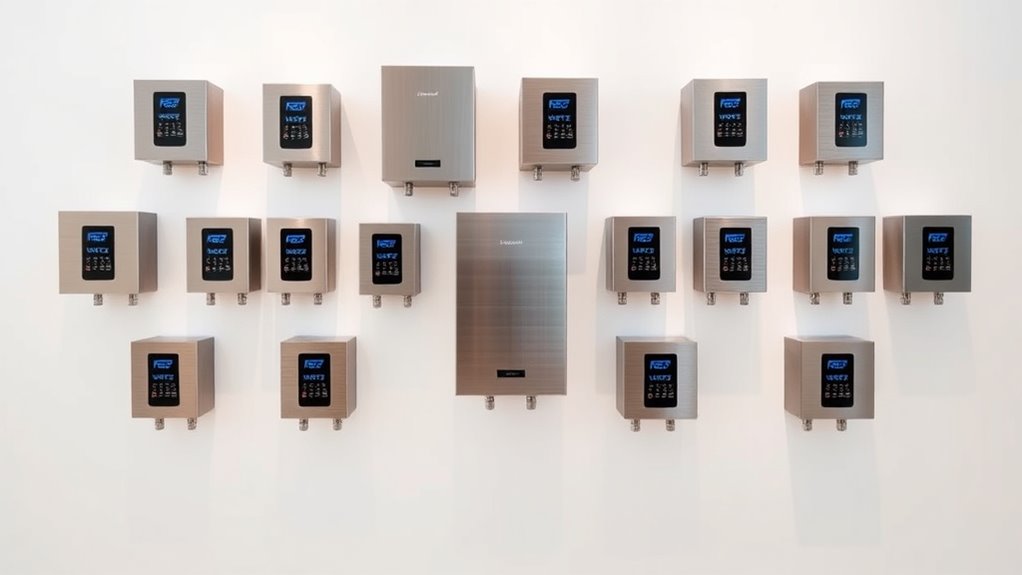

When selecting a tankless water heater, the main choices come down to electric versus gas models, capacity, and efficiency. The EcoSmart ECO 27 stands out as the best overall for its powerful performance and versatility. For those prioritizing energy savings, the Rinnai RX199iN offers advanced smart features and high capacity. However, buyers often face tradeoffs between upfront cost, installation complexity, and flow rate. Continue reading for a detailed comparison that helps clarify which model fits your specific hot water demands.

Get audio and creator gear delivered free with Prime
- Fast, free delivery on millions of items
- Prime Video, Amazon Music and more included
- Member-only deals all year
Complete the kit


Key Takeaways
- Electric models excel for smaller households with lower hot water demands, while gas-powered units better serve larger families or high-demand scenarios.
- Flow rate capacity varies significantly; selecting a unit with insufficient GPM can lead to cold showers during peak usage.
- Smart features and condensing technology add convenience and efficiency but come at a higher price point.
- Installation complexity varies; electric units are generally easier to install, but gas models may require venting and professional setup.
- Value isn’t just about purchase price—consider long-term energy savings, maintenance costs, and durability when choosing a model.




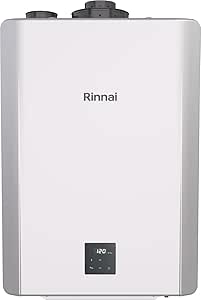

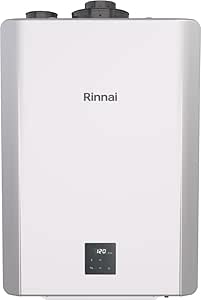


| tankless water heater | Flow Rate | Voltage | Power |
|---|---|---|---|
| EcoSmart ECO 27 Electric Tankl | — | 240 Volts | 27 KW |
| Rheem 11kW 240V Tankless Elect | up to 2.68 GPM | 240V | 11kW |
| 110V Tankless Electric Water H | 0.3-0.5 GPM | 110V | 3000W |
| Tankless Electric Water Heater | 0.3 GPM (82°F rise) | 110V | 3000W |
| Tankless Electric Water Heater | 0.3-0.5 GPM | 110V | 3000W |
| Rheem RTEX-24 24kW 240V Electr | — | 240V | 24kW |
| Rinnai RXP199iN Smart Sense Co | Up to 11.1 GPM | — | — |
| 27kW Electric Tankless Water H | 7.4 GPM | 240 volts | — |
| Rheem 8kW 240V Tankless Electr | up to 1.95 GPM | 240V | 8kW |
| Rinnai RX160iN Condensing Smar | Up to 9 GPM | — | — |
| Rheem 18kW 240V Tankless Elect | up to 4.4 GPM | 240V | 18kW |
| Rinnai RX199iN Condensing Smar | 11.1 GPM | — | — |
| 14kW Tankless Electric Water H | 3.38 GPM | 240V | 14kW |
| Rheem 240V Tankless Water Heat | up to 3.17 GPM | 240V | 13kW |
| Tankless Electric Water Heater | 0.3-0.5 GPM | 110V | 3000W |
More Details on Our Top Picks
EcoSmart ECO 27 Electric Tankless Water Heater, 27 KW at 240 Volts, 112.5 Amps
The EcoSmart ECO 27 stands out for its ability to handle colder climates with incoming water temperatures as low as 37°F, making it suitable for whole-house applications in challenging environments. Compared to smaller models like the Rheem 11kW, it provides a higher flow rate of nearly 3 GPM, supporting simultaneous use in multiple fixtures. Its self-modulating technology enhances energy efficiency, but the high electrical demand—112.5 amps—means it often requires a dedicated circuit and professional installation. This model works best for homeowners ready to upgrade their electrical system for reliable, on-demand hot water across the house. It’s less ideal for small apartments or spaces with limited electrical capacity.
Pros:- Efficient self-modulating technology reduces energy consumption
- Supports multiple fixtures simultaneously with high flow rate
- Compact size fits in small installation spaces
Cons:- Requires a high electrical capacity (112.5 amps), often needing professional wiring
- Installation can be complex and costly due to electrical demands
Best for: Homeowners in cold climates needing a reliable, whole-house electric solution with high flow capacity
Not ideal for: Small apartments or rentals with limited electrical service, due to high amperage requirements
- Power:27 KW
- Voltage:240 Volts
- Amperage:112.5 Amps
- Dimensions:17 x 17 x 3.5 inches
- Color:White
- Temperature Range:Adjustable in 1-degree increments
- Suitable Climate:Temperatures as low as 37°F
Our verdict“This pick is ideal for larger homes in cold climates where electrical upgrades are feasible for reliable whole-house hot water.”
Rheem 11kW 240V Tankless Electric Water Heater
The Rheem 11kW offers a balanced option for those needing on-demand hot water without the complexity of high electrical demands. It provides a flow rate up to 2.68 GPM, which is sufficient for small sinks or showers in apartments or small homes, but less suited for larger households or simultaneous fixtures. Its self-modulating technology boosts efficiency, but it still requires a 240V power supply and professional installation. Compared with the EcoSmart ECO 27, it’s less capable in colder climates and smaller in capacity, making it a more accessible and affordable choice for limited spaces. It’s better suited for single fixture use or small-scale applications.
Pros:- Cost-effective solution with good energy efficiency
- Adjustable digital temperature control
- Self-modulating technology improves efficiency
Cons:- Limited flow rate may not meet high demand in busy households
- Requires professional wiring and installation
Best for: Small households or apartments needing efficient, on-demand hot water for one or two fixtures
Not ideal for: Large families or homes with multiple bathrooms where higher flow rates are needed
- Power:11kW
- Voltage:240V
- Flow Rate:up to 2.68 GPM
- Water Connections:1/2″ NPT
Our verdict“This model is best for small-scale, point-of-use applications where affordability and efficiency matter most.”
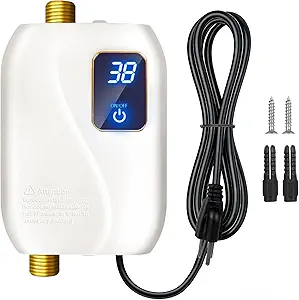
110V Tankless Electric Water Heater, 3000W, Instant On-Demand Hot Water with Digital Display
The 110V 3000W heater is designed for quick, on-demand hot water in small spaces like RVs, kitchens, or bathrooms. Its digital display allows precise temperature control, and its compact, vertical design makes it easy to install where space is tight. Unlike high-capacity models, it’s not suitable for showers or multiple fixtures, but it excels in single-use scenarios, offering nearly 98% thermal efficiency. Compared with the Rheem 11kW, it provides less flow and heat, but its ease of installation and safety features make it a strong choice for lightweight applications. It’s less suited for high-demand needs or larger households.
Pros:- Instant hot water with no preheating needed
- Compact, space-efficient design
- Includes safety protections like leakage and dry boil protection
Cons:- Limited flow rate restricts use to small fixtures
- Vertical installation only, no horizontal mounting option
Best for: RVers, small apartments, or single fixture use where space and simplicity are priorities
Not ideal for: Homes requiring multiple fixtures or high flow rates, due to its limited capacity
- Power:3000W
- Voltage:110V
- Maximum Temperature:131°F
- Flow Rate:0.3-0.5 GPM
Our verdict“This heater is ideal for small, space-constrained environments needing reliable hot water for a single fixture.”
Tankless Electric Water Heater 110V, 3000W with Digital Display
The 110V 3000W digital heater offers quick hot water for under-sink use, small bathrooms, or RVs. Its wall-mounted, vertical-only design makes it easy to install in tight spots, and the digital display ensures accurate temperature adjustments. It provides a flow rate of about 0.3 GPM at 82°F rise, making it unsuitable for showers or multiple fixtures but perfect for single-use scenarios. Compared with larger models like the EcoSmart ECO 27, it’s less capable but more affordable and easier to install. Its safety features and compact form make it a practical choice for limited demand.
Pros:- Instant hot water without preheating
- Space-saving, wall-mounted design
- Comprehensive safety features including leakage and overheat protection
Cons:- Flow rate too low for showers or high-demand applications
- Vertical installation only restricts placement options
Best for: Single fixture applications, such as kitchen sinks or RV bathrooms, where space is limited
Not ideal for: Whole-house heating or multiple fixtures, due to low flow capacity
- Power:3000W
- Voltage:110V
- Flow Rate:0.3 GPM (82°F rise)
- Waterproof Rating:IPX4
Our verdict“This heater suits small, single-use applications where quick, reliable hot water is needed in tight spaces.”
Tankless Electric Water Heater 3000W 110V with Digital Display
The 110V 3000W model with digital display offers instant, on-demand hot water tailored for small households, RVs, or under-sink setups. Its design emphasizes ease of installation, with pre-made screw holes and standard connections, making it accessible for DIY projects. Despite a flow rate limited to about 0.3-0.5 GPM, it provides reliable, rapid heating for single fixtures. Compared with other 3000W options, its safety features like leakage and dry-burning protections enhance reliability, though the flow limitations restrict use to low-demand scenarios. It’s ideal for those seeking a straightforward, space-efficient solution.
Pros:- Easy to install with standard connections
- Compact, wall-mounted design saves space
- Multiple safety features for dependable operation
Cons:- Flow rate too low for showers or multiple fixtures
- Requires professional wiring for optimal safety
Best for: Small-space dwellers, DIYers, or RV owners needing reliable, instant hot water for limited fixtures
Not ideal for: Larger households or applications requiring multiple fixtures simultaneously
- Power:3000W
- Voltage:110V
- Flow Rate:0.3-0.5 GPM
- Protection Features:IPX4, leakage, dry-burning, over-temperature
Our verdict“This unit is perfect for small-scale, space-conscious applications where simplicity and safety are priorities.”
Rheem RTEX-24 24kW 240V Electric Tankless Water Heater
The Rheem RTEX-24 stands out for its ability to supply continuous hot water for the entire home, making it ideal for larger households with high demand. Its adjustable digital temperature display provides precise control, and its energy-efficient design helps reduce operating costs. Compared with the smaller Rheem 8kW model, this unit can handle higher flow rates, but it requires a substantial electrical setup—specifically three 40 AMP double pole breakers and a 200 AMP service—making installation more complex and potentially costly. This model is well-suited for those with the existing electrical infrastructure and a need for high capacity, but less so for homes with limited electrical capacity or for DIY installation. Pros include reliable continuous hot water, precise digital controls, and space-saving design. Cons involve the need for specialized electrical work and performance dependence on groundwater temperature. Overall, this pick makes the most sense for larger households with adequate electrical service who prioritize capacity and control.Pros:- Provides continuous hot water for the entire home
- Adjustable digital temperature display for precise control
- Energy-efficient and space-saving design
Cons:- Requires specific electrical setup and sufficient breaker space
- Installation may require professional electrical work
Best for: Large households with existing high-capacity electrical service that need reliable, continuous hot water
Not ideal for: Small homes or apartments with limited electrical capacity, or homeowners seeking a simple DIY install
- Model:RTEX-24
- Power:24kW
- Voltage:240V
- Electrical Requirements:3 x 40 AMP Double Pole Breakers, 200 AMP household service recommended
- Temperature Range:80-140°F
Our verdict“This is an excellent choice for larger homes with strong electrical infrastructure, prioritizing capacity over ease of installation.”
Rinnai RXP199iN Smart Sense Condensing Tankless Water Heater, 199,000 BTU, Up to 11.1 GPM, Indoor/Outdoor, Natural Gas or Propane
The Rinnai RXP199iN excels in providing high flow rates—up to 11.1 GPM—making it suitable for busy households with multiple simultaneous fixtures, and its compact size allows flexible indoor or outdoor installation. Its smart recirculation technology learns usage patterns, reducing wait times and improving efficiency, which sets it apart from less sophisticated models like the Rheem RX160iN. However, professional installation is strongly recommended, especially to set up the gas lines and venting properly, and the WiFi control module is sold separately, adding to cost and complexity. This heater is best for those who want advanced features and high capacity without sacrificing space, but it’s less ideal for DIYers or homes without proper venting options. Pros include high flow capacity, smart recirculation, and versatile installation options. Cons involve higher installation costs and the need for qualified technicians. Overall, this unit is geared toward tech-savvy homeowners seeking reliability and efficiency in a compact form.Pros:- High flow rate supports multiple fixtures simultaneously
- Smart recirculation learns usage for efficiency and convenience
- Compact size suitable for indoor or outdoor installation
Cons:- Requires professional installation and venting setup
- WiFi module sold separately, increasing total cost
Best for: Homeowners wanting a high-capacity, smart, energy-efficient gas tankless heater for indoor or outdoor use
Not ideal for: DIY enthusiasts or homes without proper venting infrastructure, due to installation complexity
- BTU:199,000
- Flow Rate:Up to 11.1 GPM
- Gas Type:Natural Gas or Propane
- Installation:Indoor/Outdoor
- Recirculation:Smart-Circ with internal pump
- Warranty:15-year on heat exchanger, 5-year on parts and labor
Our verdict“Ideal for tech-savvy users needing high flow, efficiency, and space flexibility in a gas tankless heater.”
27kW Electric Tankless Water Heater, NOVIEEX 240V, 7.4 GPM, Indoor Wall-Mount, Suitable for Whole House
The NOVIEEX 27kW electric tankless heater is designed for households demanding substantial hot water, supporting up to 7.4 GPM—more than enough for larger families with multiple bathrooms. Its precise temperature control via LED display and nearly perfect efficiency (99.8%) make it a practical choice for energy-conscious users. Compared with smaller electric models like the Rheem 8kW, this unit offers a significantly higher flow rate, but its high power draw requires a professional-grade electrical connection and substantial space for installation. It’s less suitable for homes with limited electrical capacity or those seeking a budget-friendly DIY solution. Pros include high flow support, accurate temperature control, and high energy efficiency. Cons involve the need for heavy-duty electrical work and potentially challenging installation in tight spaces. This pick is ideal for those who need a reliable, whole-house electric solution but have the electrical infrastructure to support it.Pros:- Supports high flow rate for multiple outlets
- Precise temperature control with LED display
- High energy efficiency and safety features
Cons:- Requires professional installation due to high power demand
- Heavy unit may be challenging to install in small spaces
Best for: Large households with sufficient electrical capacity seeking a robust electric water heating solution
Not ideal for: Small homes or apartments with limited electrical capacity or DIY installation skills
- Power Source:Electric
- Wattage:27 KW
- Voltage:240 volts
- Flow Rate:7.4 GPM
- Maximum Temperature:140 °F
- Mount Type:Wall
Our verdict“Best for large households needing high-capacity electric hot water with precise control and energy efficiency.”
Rheem 8kW 240V Tankless Electric Water Heater
The Rheem 8kW electric tankless heater offers a modest flow rate of up to 1.95 GPM, making it suitable for small fixtures like a bathroom sink or as a point-of-use heater. Its digital temperature control and self-modulating power provide simple, on-demand hot water without wasting energy. Compared with the larger NOVIEEX 27kW model, this Rheem is less capable of supporting multiple outlets simultaneously, but it’s easier to install in small spaces and requires less electrical infrastructure. This makes it ideal for small apartments or as a secondary heater, but not for whole-house use. Pros include compact size, adjustable digital controls, and energy-efficient operation. Cons involve limited flow rate and reliance on a strong 240V power supply. Overall, this makes a solid choice for those with small hot water demands or limited installation space.Pros:- Compact and easy to install in small spaces
- Adjustable digital temperature display
- Self-modulating power for efficiency
Cons:- Limited flow rate not suitable for whole-house use
- Requires dedicated 240V power supply
Best for: Small homes or apartments needing a point-of-use heater for a single fixture or small load
Not ideal for: Large households or applications requiring multiple simultaneous outlets
- Power:8kW
- Voltage:240V
- Flow Rate:up to 1.95 GPM
- Water Connections:1/2″ NPT
Our verdict“A practical, space-saving electric heater for small-scale hot water needs or point-of-use applications.”
Rinnai RX160iN Condensing Smart Sense Tankless Water Heater, Indoor/Outdoor, 9 GPM, 160,000 BTU
The Rinnai RX160iN offers a balanced mix of capacity and flexibility, supporting up to 9 GPM—perfect for medium-sized households with multiple fixtures. Its high efficiency (UEF .97) and smart controls make it a standout for energy-conscious users who also value convenience. Its ability to be installed indoors or outdoors, along with its reliable performance, contrasts with models like the Rinnai RX199iN, which offers slightly higher flow but at a higher price and complexity. This unit is ideal for those needing a dependable gas heater that adapts to different installation environments, but outdoor setups require a specific vent cap. Pros include high efficiency, versatile installation options, and good flow capacity. Cons involve the need for professional installation and the separate sale of WiFi modules. Overall, this is a trusted choice for households seeking efficiency and versatility in a gas tankless heater.Pros:- Supports multiple fixtures simultaneously
- High energy efficiency with UEF .97
- Indoor and outdoor installation versatility
Cons:- Requires professional installation
- WiFi control sold separately
Best for: Households looking for a flexible, efficient gas heater for indoor or outdoor use with moderate flow needs
Not ideal for: Homeowners wanting a purely outdoor unit with no venting complexities or DIY installation
- Flow Rate:Up to 9 GPM
- BTU:160,000
- Gas Type:Natural Gas or Propane
- Installation Options:Indoor or Outdoor
- Efficiency:UEF .97
- Warranty:15-year on heat exchanger
Our verdict“A versatile, efficient gas tankless heater suited for medium households with adaptable installation options.”
Rheem 18kW 240V Tankless Electric Water Heater
This Rheem model excels for users who prioritize precise temperature control and efficient power use, thanks to its digital thermostat and self-modulation technology. Compared with the smaller Rheem 11kW model, it offers a higher flow rate of 4.4 GPM, making it suitable for point-of-use applications like a single bathroom sink or small apartment. However, it involves a more complex electrical hookup, requiring professional installation, and its limited flow rate makes it unsuitable for larger households with multiple fixtures running simultaneously. Its copper heating elements promise durability, but the electrical demands could be a barrier for some homeowners.
Pros:- Precise digital temperature control with LED display
- Self-modulation technology for efficient power use
- Durable copper heating elements
Cons:- Requires professional electrical installation due to high voltage
- Limited flow rate restricts multi-fixture use
Best for: Small households or individuals needing reliable, precise hot water at a single point of use
Not ideal for: Large families or homes requiring high simultaneous hot water demand, due to limited flow rate
- Power:18kW
- Voltage:240V
- Flow Rate:up to 4.4 GPM
- Heating Elements:Copper immersion, field serviceable
- Installation:Bottom 3/4 inch NPT water connections
Our verdict“Ideal for small-scale applications where precise temperature control and energy efficiency are priorities.”
Rinnai RX199iN Condensing Smart Sense Tankless Water Heater, Indoor/Outdoor, Up to 11.1 GPM, 199,000 BTU
The Rinnai RX199iN stands out for larger households or those who need versatile placement options, with its ability to be installed indoors or outdoors and a high flow rate of 11.1 GPM, significantly surpassing the smaller electric models like the Rheem 18kW. Its high efficiency (UEF 0.98) and 199,000 BTU output make it suitable for multiple fixtures simultaneously, especially in colder climates. The tradeoff involves professional installation, including venting and gas line hookups, and it lacks WiFi control in the base package, which might matter to tech-savvy homeowners. For those seeking a durable, high-capacity solution, this model offers excellent performance but at a higher complexity and cost.
Pros:- High flow rate of 11.1 GPM for multiple fixtures
- Indoor/outdoor installation versatility
- Very high energy efficiency (UEF 0.98)
Cons:- Requires professional installation for venting and gas connections
- WiFi control not included in standard package
- Additional vent cap needed outdoors
Best for: Families or households with high hot water demands who want indoor or outdoor installation flexibility
Not ideal for: Small apartments or single fixture setups, due to its high capacity and cost
- Flow Rate:11.1 GPM
- BTU:199,000
- Gas Type:Natural Gas or Propane
- Installation:Indoor or outdoor
- Efficiency:UEF 0.98
- Warranty:15-year on heat exchanger
Our verdict“Best suited for larger households needing high capacity and installation flexibility, with the tradeoff of higher setup complexity.”
14kW Tankless Electric Water Heater, On Demand Hot Water, 240V, Max 3.38 GPM, ETL Certified, Self-Modulating, Upgraded 2.0
This 14kW electric heater makes a strong case for small-scale uses, such as a bathroom or kitchen sink, with a flow rate of 3.38 GPM. It surpasses the 13kW Rheem RTEX-13 by offering an upgraded self-modulating feature that improves efficiency and stability. Its compact size and ETL certification make it easy to install in tight spaces, but it’s limited to just 2-3 fixtures at once, and electrical wiring must be carefully handled, requiring electrical expertise. Compared with larger electric units, this model is less suitable for whole-house hot water but excels for individual points of use or small apartments.
Pros:- Instant hot water with quick heating times
- Compact, space-saving design
- Advanced safety features and stable temperature control
Cons:- Requires 60A circuit breaker and professional wiring
- Limited flow capacity for multiple fixtures
Best for: Small households or individual fixtures needing instant hot water in tight spaces
Not ideal for: Larger homes or multiple simultaneous fixtures, due to low flow capacity
- Power:14kW
- Voltage:240V
- Flow Rate:3.38 GPM
- Temperature Range:86°F – 140°F
- Dimensions:14.2″H x 9.5″L x 3.1″W
- Certifications:ETL
Our verdict“Perfect for small-scale, point-of-use hot water needs where space and safety are priorities.”
Rheem 240V Tankless Water Heater RTEX-13
The Rheem RTEX-13 offers a simplified, budget-conscious option for smaller households or single fixtures, with a flow rate of 3.17 GPM and a high energy efficiency of 99.8%. It shares many features with the 14kW model but is slightly less powerful, making it better suited for minimal hot water demand. Compared to electric models like the 18kW Rheem, it provides a more affordable entry point but sacrifices some capacity and flexibility. Its digital LED display and adjustable temperature make it easy to use, though the flow rate limits its application to small-scale scenarios. It’s a reliable choice for those with modest hot water needs and a lower budget.
Pros:- Digital temperature control with LED display
- High energy efficiency (99.8%)
- Easy installation with included adapters
Cons:- Limited flow rate may restrict multi-fixture use
- Requires 240V power supply
Best for: Individuals or small households needing affordable, point-of-use hot water solutions
Not ideal for: Large households or simultaneous fixture use, due to limited flow capacity
- Voltage:240V
- Model:RTEX-13
- Flow Rate:up to 3.17 GPM
- Power:13kW
- Energy Efficiency:99.8%
- Water Connections:1/2 inch NPT and compression
Our verdict“A solid, cost-effective option for small-scale applications demanding reliable instant hot water.”
Tankless Electric Water Heater 110V 3000W Instant Under Sink Hot Water Heater with Digital Display
This 110V unit is tailored for very small-scale hot water needs, such as under sink use in RVs, apartments, or small kitchens. Its flow rate of 0.3-0.5 GPM allows for quick water heating in 3-5 seconds, making it ideal for single fixtures or as a backup heater. Its safety features, including leakage and dry-burning protections, add peace of mind, while its lightweight, wall-mounted design simplifies installation. The main limitation is its very low flow rate, which restricts it to small-scale or intermittent use. Compared with higher-voltage models, it offers plug-and-play convenience but not the capacity for whole-house hot water.
Pros:- Instant hot water in 3-5 seconds
- Compact, lightweight design
- Includes safety features like leakage and dry-burning protection
Cons:- Limited flow rate restricts usage to small fixtures
- Requires proper vertical installation to prevent malfunction
Best for: RVs, small apartments, or as a supplementary hot water source for a single fixture
Not ideal for: Multiple fixtures or entire household hot water needs, due to extremely limited flow
- Voltage:110V
- Power:3000W
- Flow Rate:0.3-0.5 GPM
- Temperature Rise:82°F to 131°F
- Protection Features:IPX4 waterproof, leakage, dry-burning, over-temp
- Installation:Wall-mounted, vertical recommended
Our verdict“An excellent choice for small, quick hot water needs in tight spaces or as a backup unit.”

How We Picked
The products in this roundup were evaluated based on performance, capacity, build quality, energy efficiency, ease of installation, and value for money. We prioritized units that demonstrated reliable hot water delivery across different household sizes and usage patterns. Each model was compared for its technological features, user-friendliness, and durability to ensure a balanced view of options suited for various needs. The ranking reflects a combination of these factors, highlighting models that provide the best performance at different price points and for different user requirements.Factors to Consider When Choosing Tankless Water Heaters
Choosing the right tankless water heater depends on several key factors beyond just specifications. It’s important to match the unit’s capacity with your household’s hot water needs to avoid shortages. Energy efficiency can significantly impact your long-term costs, especially with gas versus electric models. Installation complexity varies, so consider whether you want a simple retrofit or a more involved setup. Budgeting for both initial costs and ongoing maintenance ensures you select a model that remains reliable over time. Lastly, smart features and technological enhancements can add convenience but may increase upfront expenses.Capacity and Flow Rate
Accurately estimating your household’s hot water demand is vital. Measured in gallons per minute (GPM), your needs depend on the number of fixtures used simultaneously—showerheads, dishwashers, etc. Selecting a unit with too low a flow rate results in cold water during peak use, while overspending on capacity can inflate costs unnecessarily. It’s best to choose a model rated for your maximum simultaneous usage to ensure comfort and efficiency.
Energy Source and Efficiency
Electric models typically have lower upfront costs and easier installation but may struggle with high demand, especially in larger households. Gas-powered units, though more complex to install due to venting requirements, often deliver higher flow rates and greater efficiency for bigger homes. Condensing models improve fuel utilization, reducing operating costs, but tend to be pricier. Balancing initial investment against ongoing savings is key to making the right choice.
Installation and Space Requirements
Electric units are generally compact and install easily, making them suitable for retrofit projects or small spaces. Gas models might need venting and more space, increasing installation complexity and cost. Consider your existing setup, local building codes, and whether professional installation is feasible. Proper placement ensures optimal performance and safety, especially with gas units requiring proper ventilation.
Cost and Long-Term Value
While upfront price is a significant factor, factoring in energy efficiency and maintenance costs provides a clearer picture of long-term value. Cheaper units may cost more to operate over time, especially if they lack modern efficiency features. Conversely, investing in a higher-quality, durable model can save money in repairs and replacements down the line. Think about your budget not just now, but over the lifespan of the unit.
Smart Features and Additional Tech
Smart controls, Wi-Fi connectivity, and advanced diagnostics can enhance user experience and help optimize energy use. These features are more common in premium models like the Rinnai RX series. However, they add to the initial price and may require an understanding of app-based controls or maintenance alerts. Decide whether such features align with your comfort level and whether they justify the extra expense.
Frequently Asked Questions
Can a tankless water heater provide enough hot water for my entire household?
Yes, but it depends on the unit’s flow rate and your household’s demand. For larger families or homes with multiple bathrooms used simultaneously, selecting a model with a high GPM rating is essential. Many units specify maximum flow rates at a certain temperature rise, so matching those specs to your peak usage ensures sufficient hot water for everyone.
Are electric tankless water heaters suitable for whole-house use?
Electric models can serve entire homes with modest hot water needs, but their capacity is limited compared to gas units. They are ideal for small households or supplementary applications. For larger households or high-demand scenarios, a gas or hybrid system might be more reliable due to higher flow capacity and energy efficiency.
How difficult is it to install a gas tankless water heater?
Installing a gas unit is generally more complex than electric models, requiring venting, proper clearances, and often professional installation. It also involves adhering to local codes and safety standards. While the process is more involved and costly upfront, gas units typically provide higher flow rates and better efficiency for demanding households.
What maintenance do tankless water heaters require?
Most models need periodic flushing to remove mineral buildup, especially in hard water areas. Gas units may require vent inspection and cleaning. Electric models generally need less maintenance but should be checked annually for performance and potential scale accumulation. Proper maintenance extends the lifespan and ensures consistent hot water delivery.
Is it worth paying more for smart features on a tankless water heater?
Smart features can offer convenient remote control, leak detection, and system diagnostics, which may save money on repairs and improve efficiency. However, they come at a higher initial cost and may require technical know-how for setup and troubleshooting. If you prefer modern technology and want to optimize energy use, investing in a smart unit can be worthwhile.
Conclusion
For most households, the EcoSmart ECO 27 offers a compelling blend of power, affordability, and ease of installation, making it the best overall choice. Larger families or homes with high water demand may find the Rinnai RX199iN to be the best premium option, thanks to its high capacity and smart features. Budget-conscious buyers will appreciate the smaller electric models like the Rheem 8kW unit for light usage. Beginners or those replacing an existing unit should prioritize straightforward, electric models, while those seeking high performance should consider gas or hybrid systems. Carefully matching your household’s needs and budget will lead to the most satisfying choice in 2026.
As an affiliate, we earn on qualifying purchases.Fall Picks
fall essentials