
For most developers, I’d choose the 14-inch MacBook Pro with M5 Pro, 24GB memory, and 1TB SSD as the best overall balance of portability and room for everyday coding tools. The 16-inch M5 Pro with 64GB memory is a stronger fit for large projects, virtual machines, and heavier local workloads, while the 14-inch M5 model offers a simpler route for lighter development. The main tradeoffs are memory headroom, screen size, storage, and how much sustained performance your work needs. This roundup also includes a renewed M3 Pro model and two user guides, which serve different needs from the current laptop configurations. Read on for how each option fits a particular development workflow and what to prioritize before choosing.

Get audio and creator gear delivered free with Prime
- Fast, free delivery on millions of items
- Prime Video, Amazon Music and more included
- Member-only deals all year
Complete the kit


Key Takeaways
- 24GB memory and 1TB storage appear across several M5 Pro configurations, making workload fit and screen size key separators rather than storage capacity.
- The 14-inch M5 Pro models are the most balanced picks for developers who carry a laptop regularly; the 16-inch versions trade portability for a larger workspace.
- The 64GB M5 Pro configuration is the clearest choice for memory-heavy workflows, but many developers will not need that much capacity.
- The 16GB M5 MacBook Pro can suit lighter coding and general development, while demanding local builds and virtual machines favor an M5 Pro configuration.
- The renewed M3 Pro may appeal to buyers seeking an older Pro-tier configuration, but it should be compared carefully with the newer M5 options; user guides are learning resources, not computer alternatives.
| Apple 2023 14-inch MacBook Pro with M3 Pro, 18GB RAM, 512GB SSD (Renewed) |  | Best Overall for Versatile Development | Processor: Apple M3 Pro, 12-core, up to 4.05 GHz | GPU: 14-core Apple GPU | Memory: 18 GB LPDDR5 | VIEW ON AMAZON | See Our Full Breakdown |
| MacBook Pro M5 User Guide |  | Best for Beginners and Learning Optimization | VIEW ON AMAZON | See Our Full Breakdown | |||
| Apple 16-inch MacBook Pro with M5 Pro chip, 64GB RAM, 1TB SSD, Space Black |  | Best for Heavy-Duty Development and Power Users | Processor: M5 Pro 18-core CPU | GPU: 20-core GPU | Memory: 64GB | VIEW ON AMAZON | See Our Full Breakdown |
| Apple MacBook Pro 16.2-inch with M5 Pro, 24GB Memory, 1TB SSD, Silver | 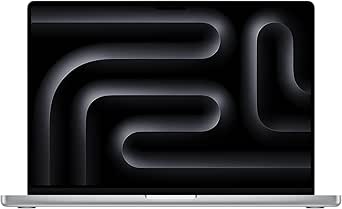 | Best for All-Day Productivity with Versatile Connectivity | Processor: Apple M5 Pro, 18-core CPU | Graphics: 20-core GPU | Memory: 24GB unified | VIEW ON AMAZON | See Our Full Breakdown |
| Apple MacBook Pro 14.2-inch with M5 Pro, 24GB Memory, 1TB SSD, Wi-Fi 7 – Silver |  | Best for Portable Power and AI-driven Workloads | Chip: Apple M5 Pro with 15-core CPU and 16-core GPU | Display: 14.2-inch Liquid Retina XDR | Memory: 24GB unified | VIEW ON AMAZON | See Our Full Breakdown |
| Apple MacBook Pro 14.2-inch with M5 Pro, 15-core CPU, 16-core GPU, 24GB Memory, and 1TB SSD |  | Best Overall for Power and Versatility | Processor: Apple M5 Pro, 15-core CPU | Graphics: 16-core GPU | Display: 14.2-inch Liquid Retina XDR | VIEW ON AMAZON | See Our Full Breakdown |
| Apple 2026 MacBook Neo 13-inch Laptop with A18 Pro Chip, Liquid Retina Display, 8GB RAM, 256GB SSD, FaceTime HD Camera – Blush |  | Best for Portability and Everyday Use | Display: 13-inch Liquid Retina | Processor: A18 Pro chip | Memory: 8GB unified memory | VIEW ON AMAZON | See Our Full Breakdown |
| Apple 16.2-inch MacBook Pro with M5 Pro, 18-core CPU, 20-core GPU, 24GB Memory, 1TB SSD, Space Black | 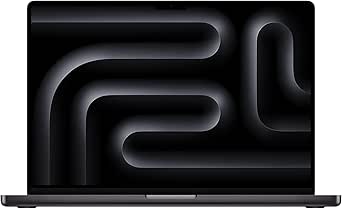 | Best for Creative and AI Heavy Workloads | Processor: Apple M5 Pro with 18-core CPU | Graphics: 20-core GPU | Display: 16.2-inch Liquid Retina XDR | VIEW ON AMAZON | See Our Full Breakdown |
| Apple 2025 MacBook Pro 14.2-inch with M5, 16GB Memory, 1TB SSD, Space Black |  | Best for High-Performance Development on a Budget | Processor: Apple M5 | CPU: 10-core | GPU: 10-core | VIEW ON AMAZON | See Our Full Breakdown |
| MacBook Pro M5 User Guide 2026 |  | Reference Resource for M5 MacBook Users | Model: MacBook Pro M5 | Publication Year: 2026 | VIEW ON AMAZON | See Our Full Breakdown |
| macbook pro for software development | Memory | Storage | Processor | Display |
|---|---|---|---|---|
| Apple 2023 14-inch MacBook Pro | 18 GB LPDDR5 | 512 GB SSD | Apple M3 Pro, 12-core, up to 4.05 GHz | — |
| MacBook Pro M5 User Guide | — | — | — | — |
| Apple 16-inch MacBook Pro with | 64GB | 1TB SSD | M5 Pro 18-core CPU | 16-inch Liquid Retina XDR |
| Apple MacBook Pro 16.2-inch wi | 24GB unified | 1TB SSD | Apple M5 Pro, 18-core CPU | 16.2-inch Liquid Retina XDR |
| Apple MacBook Pro 14.2-inch wi | 24GB unified | 1TB SSD | — | 14.2-inch Liquid Retina XDR |
| Apple MacBook Pro 14.2-inch wi | 24GB unified memory | 1TB SSD | Apple M5 Pro, 15-core CPU | 14.2-inch Liquid Retina XDR |
| Apple 2026 MacBook Neo 13-inch | 8GB unified memory | 256GB SSD | A18 Pro chip | 13-inch Liquid Retina |
| Apple 16.2-inch MacBook Pro wi | 24GB unified memory | 1TB SSD | Apple M5 Pro with 18-core CPU | 16.2-inch Liquid Retina XDR |
| Apple 2025 MacBook Pro 14.2-in | 16GB unified memory | 1TB SSD | Apple M5 | 14.2-inch Liquid Retina XDR |
| MacBook Pro M5 User Guide 2026 | — | — | — | — |
More Details on Our Top Picks
Apple 2023 14-inch MacBook Pro with M3 Pro, 18GB RAM, 512GB SSD (Renewed)
This renewed 14-inch MacBook Pro stands out for its balance of power and portability, making it an excellent choice for most software developers. Its M3 Pro processor and 14-core GPU deliver solid performance for coding, testing, and multitasking, comparable to the M5-based models but at a more affordable price point. The 18GB of RAM and 512GB SSD support heavy workloads and quick access to files, while the high-resolution display enhances code readability and visual clarity. Compared to larger 16-inch options, this model offers a more portable form without sacrificing too much power. The main tradeoff is its renewed condition, which might concern those seeking absolute newness, and the limited 90-day warranty offers less peace of mind. This pick makes the most sense for developers needing a balanced, portable machine that handles demanding tasks with ease.
Pros:- Powerful M3 Pro processor and 14-core GPU for demanding workloads
- 18GB RAM and 512GB SSD support multitasking and fast file access
- High-resolution 14-inch display improves coding clarity
- Relatively lightweight for portability
Cons:- Renewed condition may affect long-term durability
- Limited 90-day warranty reduces peace of mind
Best for: Software developers who want a portable yet powerful machine for daily coding and multitasking without the premium price of newer models.
Not ideal for: Developers requiring the absolute latest hardware or a machine with extensive upgrade options, as the renewed condition and limited warranty could pose concerns.
- Processor:Apple M3 Pro, 12-core, up to 4.05 GHz
- GPU:14-core Apple GPU
- Memory:18 GB LPDDR5
- Storage:512 GB SSD
- Display size:14 inches
- Display resolution:3024 × 1964 pixels
- Weight:3.5 pounds
- Operating system:macOS Sonoma
Our verdict“This MacBook Pro offers a balanced mix of performance and portability, making it ideal for developers who need a reliable machine on the go.”
MacBook Pro M5 User Guide
This guide is tailored for users new to the MacBook Pro M5, offering step-by-step instructions to set up macOS and leverage Apple Intelligence features. While it doesn’t provide hardware details or performance insights, it helps newcomers understand how to maximize their device’s potential. Compared to more technical hardware-focused options like the M5 Pro models, this guide is ideal for those just starting out or unfamiliar with Mac environments. It covers essential tips and hidden features that can improve workflow efficiency. However, the lack of hardware specifics means it’s less useful for users who want in-depth technical details. This resource is best for beginners or seniors seeking an easy entry point into MacBook Pro use.
Pros:- Clear, step-by-step macOS setup instructions
- Includes guidance on Apple Intelligence features
- Designed for beginners and seniors
Cons:- Lacks technical hardware details
- Limited advanced tips for experienced users
Best for: New Mac users, especially beginners and seniors, who need clear guidance on initial setup and basic features.
Not ideal for: Experienced developers or users looking for technical details about hardware performance or upgrade options.
Our verdict“This guide makes onboarding easier for first-time Mac users, especially those unfamiliar with macOS or Apple features.”
Apple 16-inch MacBook Pro with M5 Pro chip, 64GB RAM, 1TB SSD, Space Black
This 16-inch MacBook Pro is tailored for developers who need maximum performance and ample RAM for intensive tasks like compiling large codebases, virtualization, or running multiple containers. Its M5 Pro chip with 18 cores and a 20-core GPU, combined with 64GB of RAM, provides a significant performance edge over smaller or less equipped models like the M3 Pro. The Liquid Retina XDR display offers exceptional visual clarity for complex workflows, and the 1TB SSD ensures fast access to large datasets. The tradeoff is its higher price and weight, which can hinder portability for those commuting or traveling frequently. Limited upgrade options after purchase also mean planning hardware needs upfront is essential. This machine is best suited to power users who prioritize raw performance over portability.
Pros:- Powerful M5 Pro chip with 18-core CPU and 20-core GPU
- Large 64GB RAM supports demanding multitasking
- High-end Liquid Retina XDR display enhances visual work
- Generous 1TB SSD for large datasets
Cons:- Premium price and weight reduce portability
- Limited upgrade options post-purchase
Best for: Developers working on large projects, virtual machines, or demanding computational tasks that require extensive memory and processing power.
Not ideal for: Developers who need a lightweight or more portable device for on-the-move coding, as its weight and size are less travel-friendly.
- Processor:M5 Pro 18-core CPU
- GPU:20-core GPU
- Memory:64GB
- Storage:1TB SSD
- Display:16-inch Liquid Retina XDR
- Color:Space Black
Our verdict“This MacBook Pro excels for those needing maximum power and storage, ideal for heavy-duty development tasks.”
Apple MacBook Pro 16.2-inch with M5 Pro, 24GB Memory, 1TB SSD, Silver
This 16.2-inch MacBook Pro offers a blend of high performance and connectivity options, making it suitable for developers who need to work long hours and connect various peripherals. Its M5 Pro chip with an 18-core CPU and 20-core GPU delivers robust performance, comparable to the 16-inch Space Black model but with a slightly different feature set focused on connectivity. The 24GB of unified memory and 1TB SSD ensure smooth multitasking and fast data access. The large Liquid Retina XDR display provides excellent visual clarity for coding and debugging. Its broad port selection, including Thunderbolt 5, HDMI, SDXC, and MagSafe, supports diverse external device needs. However, its weight at 4.71 pounds makes it less ideal for frequent travel. This machine is best for developers who need high performance paired with extensive connectivity.
Pros:- High-performance M5 Pro chip with 18-core CPU
- Bright Liquid Retina XDR display for detailed visuals
- Wide array of ports, including Thunderbolt 5 and SDXC
- All-day battery life
Cons:- Heavier weight reduces portability
- Premium price point
Best for: Developers working with multiple external devices, large datasets, or requiring long battery life for extended work sessions.
Not ideal for: Travel-heavy users needing a lighter, more portable solution for daily commuting or frequent on-the-go coding.
- Processor:Apple M5 Pro, 18-core CPU
- Graphics:20-core GPU
- Memory:24GB unified
- Storage:1TB SSD
- Display:16.2-inch Liquid Retina XDR
- Weight:4.71 pounds
Our verdict“This MacBook Pro combines power and connectivity, catering well to developers with extensive peripheral needs and long work hours.”
Apple MacBook Pro 14.2-inch with M5 Pro, 24GB Memory, 1TB SSD, Wi-Fi 7 – Silver
This 14.2-inch MacBook Pro balances portability with high-end performance, making it suitable for developers who move frequently and need strong computational capabilities. Its M5 Pro chip with a 15-core CPU and 16-core GPU delivers solid processing power for coding and AI workloads, similar to the larger models but in a more compact form. The 24GB of unified memory and 1TB SSD ensure smooth multitasking and quick data access, while the Liquid Retina XDR display provides excellent contrast for detailed work. The extensive port selection—including Thunderbolt 5, HDMI, SDXC, and MagSafe—supports various peripherals, and Wi-Fi 7 ensures fast connectivity. The main downside is its weight of 3.52 pounds, which could be less convenient for frequent travelers. This model is best for developers who need portability without sacrificing performance.
Pros:- Powerful M5 Pro chip with Neural Accelerators for AI tasks
- Bright Liquid Retina XDR display with high contrast
- Port selection supports multiple external displays
- All-day battery life and fast Wi-Fi 7
Cons:- Less portable than smaller laptops at 3.52 pounds
- Warranty details require customer inquiry
Best for: Mobile developers, AI researchers, or those who require a lightweight yet powerful machine for demanding workloads on the go.
Not ideal for: Users primarily working from a fixed location who prefer larger screens or more upgrade flexibility.
- Chip:Apple M5 Pro with 15-core CPU and 16-core GPU
- Display:14.2-inch Liquid Retina XDR
- Memory:24GB unified
- Storage:1TB SSD
- Wireless:Wi-Fi 7 and Bluetooth 6
- Ports:Three Thunderbolt 5, MagSafe 3, SDXC, HDMI, headphone jack
Our verdict“This MacBook Pro offers a compelling mix of portability and high performance, ideal for mobile developers and AI-focused workflows.”
Apple MacBook Pro 14.2-inch with M5 Pro, 15-core CPU, 16-core GPU, 24GB Memory, and 1TB SSD
This 14.2-inch MacBook Pro stands out as the most balanced choice for software developers who need a portable yet powerful machine. Its M5 Pro chip with a 15-core CPU and 16-core GPU offers performance capable of handling demanding coding, virtualization, and AI tasks, outperforming the M3-based models like the 14-inch MacBook Pro. The Liquid Retina XDR display ensures sharp visuals for UI design and multitasking, while the wide port selection, including Thunderbolt 5 and HDMI, supports multiple external displays essential for development workflows. The main tradeoff lies in the absence of specified battery runtime, which leaves some uncertainty about all-day use. Compared to the 16.2-inch model, it’s lighter and more portable but sacrifices some screen real estate. This pick makes the most sense for developers who need high-end specs without carrying a larger device.
Pros:- Powerful M5 Pro chip with high-core count for demanding workloads
- Bright, high-contrast Liquid Retina XDR display enhances UI work
- Wide array of ports including Thunderbolt 5 and HDMI for multiple external monitors
- All-day battery life supports extended work sessions
Cons:- Battery runtime is not explicitly specified, leaving questions about stamina
- Higher price point may be prohibitive for some budgets
- Limited to 24GB RAM, which might be restrictive for extremely heavy multitasking
Best for: Software developers who prioritize power, portability, and a versatile port setup
Not ideal for: Developers who need a lightweight ultra-compact device or extended battery life for all-day coding sessions without charging
- Processor:Apple M5 Pro, 15-core CPU
- Graphics:16-core GPU
- Display:14.2-inch Liquid Retina XDR
- Memory:24GB unified memory
- Storage:1TB SSD
- Wireless:Wi-Fi 7, Bluetooth 6
- Ports:Three Thunderbolt 5, HDMI, MagSafe 3, SDXC
- Weight:3.52 pounds
Our verdict“This model is best suited for developers who need a portable workhorse with top-tier performance and flexible connectivity.”
Apple 2026 MacBook Neo 13-inch Laptop with A18 Pro Chip, Liquid Retina Display, 8GB RAM, 256GB SSD, FaceTime HD Camera – Blush
The MacBook Neo offers a lightweight, stylish option for developers who mainly work on lighter projects or need a secondary device. Its A18 Pro chip with an 8-core CPU and GPU provides sufficient power for web development, scripting, and general multitasking, though it doesn’t match the raw performance of the M5 Pro in the 14-inch models. The 13-inch Liquid Retina display delivers vibrant visuals, and with up to 16 hours of battery life, it’s perfect for working on the go. However, its limited 256GB storage makes it less suitable for heavy codebases or data-heavy tasks. The absence of a dedicated GPU means it’s not ideal for GPU-accelerated workloads like advanced AI or rendering. This device is ideal for developers who value portability and long battery life over raw power.
Pros:- Extremely lightweight and durable aluminum design
- Long-lasting battery life up to 16 hours
- Vibrant Liquid Retina display with rich colors
- Seamless iPhone integration enhances productivity
Cons:- Limited to 256GB storage, restricting heavy project work
- No dedicated GPU, less suited for GPU-accelerated tasks
- Less RAM for multitasking compared to higher-end models
Best for: Developers seeking a lightweight, stylish machine for casual coding, note-taking, or secondary workflows
Not ideal for: Heavy developers working with large datasets, virtual machines, or GPU-intensive tasks needing more storage or power
- Display:13-inch Liquid Retina
- Processor:A18 Pro chip
- Memory:8GB unified memory
- Storage:256GB SSD
- Battery Life:Up to 16 hours
- Camera:1080p FaceTime HD
Our verdict“This laptop is ideal for developers who prioritize portability and battery life over raw performance and extensive storage.”
Apple 16.2-inch MacBook Pro with M5 Pro, 18-core CPU, 20-core GPU, 24GB Memory, 1TB SSD, Space Black
This 16.2-inch MacBook Pro is tailored for developers involved in graphics-intensive tasks, AI training, or creative workflows. Its M5 Pro chip with an 18-core CPU and 20-core GPU delivers exceptional power, clearly surpassing the 14-inch models like the one with a 15-core CPU in high-performance scenarios. The expansive Liquid Retina XDR display offers ample real estate for multitasking and detailed UI work, complemented by six speakers for immersive audio. The 24GB of unified memory and 1TB SSD support large datasets, while the broad port array—including SDXC—facilitates extensive external device connectivity. The main downside is its weight at 4.71 pounds, making it less portable. This device is best for developers who need high-end specs to handle AI, video editing, or complex simulations.
Pros:- Exceptional M5 Pro chip with 18-core CPU and 20-core GPU
- Large 16.2-inch Liquid Retina XDR display for multitasking
- Six-speaker system with Dolby Atmos for immersive audio
- Extensive port selection including SDXC for fast data transfer
Cons:- Heavier at 4.71 pounds, less portable for frequent travel
- Higher cost due to premium components
- Supports up to three external displays, which may be limiting for some workflows
Best for: Creative developers and AI researchers who require maximum processing power and a large display
Not ideal for: Developers prioritizing ultra-lightweight portability or budget-conscious buyers, given its weight and premium features
- Processor:Apple M5 Pro with 18-core CPU
- Graphics:20-core GPU
- Display:16.2-inch Liquid Retina XDR
- Memory:24GB unified memory
- Storage:1TB SSD
- Wireless:Wi-Fi 7, Bluetooth 6
- Ports:Three Thunderbolt 5, SDXC, HDMI
- Weight:4.71 pounds
Our verdict“This model is perfect for developers demanding maximum performance and display real estate for creative and AI workloads.”
Apple 2025 MacBook Pro 14.2-inch with M5, 16GB Memory, 1TB SSD, Space Black
This 14.2-inch MacBook Pro offers a compelling balance of power and affordability for serious developers. Its M5 chip with a 10-core CPU and GPU delivers solid performance for coding, testing, and multitasking, outperforming older Intel-based models but slightly trailing the higher-core M5 Pro options. The Liquid Retina XDR display ensures excellent clarity and brightness, suitable for UI/UX work. The broad port selection, including HDMI and SDXC, supports comprehensive external setups. Its main limitation is the support for only up to two external displays, which might restrict multi-monitor workflows for some. Overall, this model is an attractive choice for developers seeking a high-performance MacBook Pro without the premium price of the highest-end models.
Pros:- Powerful M5 chip with 10-core CPU and GPU
- Bright, vivid Liquid Retina XDR display
- Excellent port selection including HDMI and SDXC
- Strong performance for development tasks
Cons:- Supports only up to two external displays, limiting multi-monitor setups
- Less RAM (16GB) may be restrictive for very heavy multitasking
- No mention of dedicated GPU beyond integrated graphics
Best for: Developers looking for a powerful, well-rounded machine that balances performance and cost
Not ideal for: Heavy multitaskers or those needing support for three or more external displays
- Processor:Apple M5
- CPU:10-core
- GPU:10-core
- Display:14.2-inch Liquid Retina XDR
- Memory:16GB unified memory
- Storage:1TB SSD
- Ports:Three Thunderbolt 4, HDMI, SDXC
Our verdict“Ideal for developers who want a high-performance MacBook Pro with a good mix of features at a relatively accessible price point.”
MacBook Pro M5 User Guide 2026
This guide provides foundational information about the MacBook Pro with M5 silicon, aimed at users ranging from students to professionals. While it does not include hardware details or reviews, it helps users understand the capabilities and features of the M5-based MacBook Pro models. Compared to the hardware-focused reviews of the other products, this guide is useful for those new to the platform or seeking to maximize their device’s potential. However, it doesn’t aid in choosing a specific model or configuration, making it less relevant for buyers seeking performance insights. This resource makes sense for users who want to familiarize themselves with their M5 MacBook Pro or need a refresher.
Pros:- Focuses on Apple’s M5 silicon features
- Suitable for a wide range of users
- Provides a general understanding of MacBook Pro capabilities
Cons:- Lacks specific product details or performance data
- Not helpful for comparing different models or configurations
- Limited technical insights for heavy users
Best for: New users or students learning to use the MacBook Pro M5 models
Not ideal for: Experienced developers seeking detailed hardware specs or performance benchmarks
- Model:MacBook Pro M5
- Publication Year:2026
Our verdict“This guide is best for new users or those seeking basic understanding of the MacBook Pro M5’s features rather than detailed performance info.”
How We Picked
I ranked these options by how well they serve real software development needs: compiling projects, running IDEs and browsers together, handling containers or virtual machines, and supporting long coding sessions. I gave more weight to memory capacity, chip tier, usable storage, display size, and portability than to minor configuration differences. For similar 14-inch M5 Pro models, I treated their core specifications as close and noted that connectivity or listed CPU and GPU details may help distinguish them only when confirmed for the exact listing.
The ranking favors complete, current MacBook Pro configurations that can support a broad range of workflows. The 16-inch 64GB system ranks highly for intensive work but not as the default because its extra capacity and larger form factor are unnecessary for many buyers. The M5 and renewed M3 Pro models serve narrower value and workload roles. The two user guides and MacBook Neo are included in the supplied lineup, but they are not direct substitutes for a MacBook Pro: their lower placement reflects that mismatch, especially for serious development workloads.
Factors to Consider When Choosing Macbook Pro For Software Development
Choosing a development Mac is less about buying the biggest specification and more about matching the machine to your tools, project size, and working habits. I’d start with the workload you expect to run locally, then weigh memory, storage, screen size, and portability against it.
Match Memory to Your Actual Workload
Memory affects how comfortably an IDE, browser tabs, simulators, containers, and background services can run together. A 24GB configuration gives many developers more room than an entry-level setup without jumping straight to a high-memory machine. If you routinely run several virtual machines, large local databases, or memory-intensive builds, a 64GB option can reduce pressure to close tools. A common mistake is buying on processor name alone while overlooking memory, which cannot be upgraded later on these laptops. Conversely, paying for capacity you will rarely use may be a poor trade when portability or storage matters more to you.
Choose Chip Tier by Build and Runtime Needs
For web development, scripting, and moderate app work, a standard M-series Pro laptop may be sufficient; heavier builds, parallel tasks, and demanding local workloads make an M5 Pro configuration more appealing. Processor and graphics core counts can matter for specialized compute or graphics work, but they should not outweigh memory and software compatibility without a clear workload reason. Check whether your toolchain depends on particular architectures, runtimes, or virtualization features before selecting a chip. Developers who mostly use remote build systems may gain less from paying for the highest local performance tier. Think about the slowest part of your current workflow rather than assuming every task benefits equally from a faster chip.
Plan Storage Around Repositories and Development Tools
Source code itself is often small, but SDKs, simulators, containers, package caches, datasets, and build artifacts can fill a drive quickly. A 1TB SSD offers more breathing room than a 512GB configuration for developers who keep several projects and environments installed locally. External storage can help with archives and large datasets, but it is less convenient for tools or files needed on the move. Cloud storage does not replace local space for every build cache or virtual machine. Before choosing, estimate the space used by your current development setup and leave room for future projects and system updates.
Decide Whether the 14-Inch or 16-Inch Screen Fits Your Day
A 14-inch model is easier to carry between home, office, and campus, while the 16-inch screen gives more room for code, logs, documentation, and side-by-side windows. A larger display can reduce dependence on an external monitor, but it also makes the laptop less compact for daily travel. Developers who dock at a desk most of the time may prefer a portable 14-inch model and a separate monitor. Those who work in varied locations or keep multiple panes open may value the 16-inch workspace. Avoid choosing by screen size alone: consider where you code and whether you regularly work with an external display.
Check Compatibility Before Replacing an Existing Setup
Development environments can rely on command-line utilities, drivers, plugins, emulators, and virtualization tools that behave differently across hardware and operating-system versions. Check support for your required IDEs, languages, containers, and device simulators before committing to a new machine. This matters especially for teams maintaining older projects or using specialized peripherals. If your work depends on a tool that has limited support on Apple silicon, a newer chip will not solve that compatibility gap. A short audit of your project setup can prevent buying more performance than your software can use.
Treat Guides and Non-Pro Models as Different Purchases
A user guide can help a new owner learn macOS or a particular MacBook Pro, but it does not provide the hardware needed to compile code. The MacBook Neo in this lineup is also not a MacBook Pro, and its 8GB memory and 256GB storage make it a less suitable fit for sustained, tool-heavy development. It may still serve basic coding lessons or lightweight tasks if expectations are modest. Do not compare a book or entry-level laptop with a Pro system as if they fill the same role. First decide whether you need a computer, a learning reference, or both.
Frequently Asked Questions
Is 24GB of memory enough for software development on a MacBook Pro?
For many developers, 24GB is a practical starting point for an IDE, browser, and several everyday tools running together. It can also accommodate moderate container use, though large projects and multiple virtual machines can push memory needs higher. If your work regularly includes large local datasets, several simulators, or parallel builds, the 64GB M5 Pro configuration offers more headroom. Check the memory use of your current workflow rather than relying on a job title to predict needs. Since memory is not a later upgrade, choose extra capacity when your workload already points to it.
Should I choose a 14-inch or 16-inch MacBook Pro for coding?
Choose 14 inches if portability matters or you usually connect to an external monitor at your main desk. The 16-inch model gives more built-in room for an editor, terminal, and documentation, which can be useful when you work away from a desk. Both sizes can support serious development, so screen size does not decide performance by itself. Consider your daily commute, desk setup, and whether you work with multiple windows side by side. If you are undecided, prioritize portability unless the larger display would replace a monitor you often lack.
Is the M5 MacBook Pro enough, or should I get an M5 Pro?
The M5 configuration is a reasonable fit for lighter coding, web projects, and development that relies on remote build machines. An M5 Pro is a better match for frequent local compilation, heavier multitasking, and workloads that benefit from more performance headroom. The right choice depends on how often builds slow your work and what else runs alongside your IDE. Do not pay for a higher tier just because a project is software-related; many development tasks are not especially demanding. If your work includes local virtual machines or sustained builds, favor the Pro-tier chip and enough memory.
Does a renewed M3 Pro MacBook Pro make sense instead of a newer M5 model?
A renewed M3 Pro can be worth comparing if you want a Pro-tier configuration and its condition, battery status, and seller terms meet your needs. The newer M5 models in this lineup offer a more current generation, with several choices pairing M5 Pro chips with 24GB memory and 1TB storage. Compare the exact configuration and renewal details rather than assuming the older model is automatically the better value. For development, memory and storage can matter as much as the generation label. Choose the renewed option only when its documented condition and configuration suit your workflow better than the newer alternatives.
Can I use the MacBook Pro M5 User Guide instead of buying a MacBook Pro?
No. The user guide is a reference for learning about a MacBook Pro, not a computer that can run an IDE or compile software. It may help a first-time Mac owner understand setup and features after choosing compatible hardware. The supplied lineup also contains a 2026 guide, so check which edition matches the model or software version you plan to use. If you are buying development equipment, compare the laptop configurations first and treat a guide as a separate learning resource. A book can support your purchase, but it cannot replace the machine.
Conclusion
For most developers, my best overall recommendation is the 14-inch M5 Pro MacBook Pro with 24GB memory and 1TB SSD: it balances a portable size with useful headroom for common development workloads. The best premium choice is the 16-inch M5 Pro with 64GB memory for people running large builds, virtual machines, or other memory-heavy tools. As a best value alternative, compare the renewed 14-inch M3 Pro against the newer M5 options by condition and exact configuration; it is not the right pick if you need the newest generation. For beginners and lighter workloads, the 14-inch M5 with 16GB memory is a more suitable starting point than the Neo, though neither user guide is a computer. For a large-screen portable workstation, choose a 16-inch M5 Pro with 24GB; for frequent travel, stay with the 14-inch models.