
If you’re focusing only on PUE, you’re missing vital insights about water use, especially in AI workloads that generate high cooling demands. WUE measures water efficiency and highlights water conservation efforts, which are crucial as AI tasks increase cooling needs. Combining WUE and PUE gives you a clear picture of your data center’s environmental impact. Keep going to discover how integrating both metrics can help you make smarter, more sustainable choices.
Key Takeaways
- Relying solely on PUE overlooks water impacts, which are critical in AI workloads due to increased cooling demands.
- WUE measures water efficiency, highlighting water conservation efforts often ignored when focusing only on PUE.
- Combining WUE and PUE provides a holistic view of energy and water impacts, essential for sustainable AI data center operations.
- Water-intensive cooling systems used in AI processing can significantly raise water consumption, requiring targeted water management metrics.
- Ignoring WUE risks underestimating environmental footprint, undermining responsible and comprehensive sustainability strategies.

How AI Uses Our Water: When Machines Get Thirst: Cooling Systems, Data Centres, and the Infrastructure Behind Artificial Intelligence
As an affiliate, we earn on qualifying purchases.
As an affiliate, we earn on qualifying purchases.
What Are WUE and PUE, and Why Do They Matter for AI Data Centers?
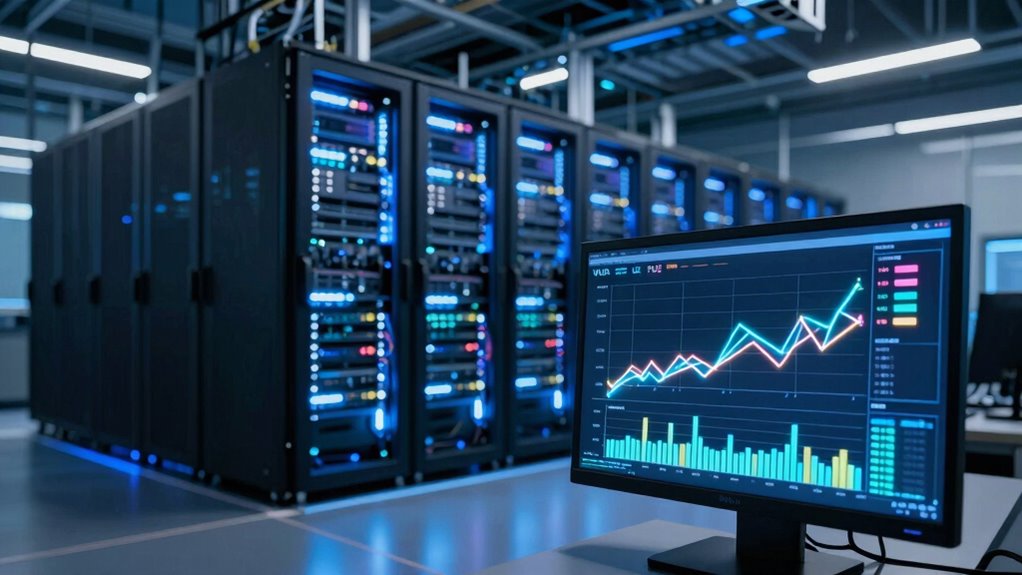
Understanding WUE (Water Use Effectiveness) and PUE (Power Usage Effectiveness) is essential when evaluating the efficiency of AI data centers. WUE measures how effectively a data center conserves water, which is critical given the high water demands of cooling technology. By monitoring WUE, you can identify opportunities to reduce water consumption, supporting water conservation efforts and lowering environmental impact. Innovative cooling solutions can further enhance WUE by reducing water dependency while maintaining optimal temperatures. Additionally, implementing advanced cooling technologies, such as liquid cooling or free cooling, can significantly improve water and energy efficiency. PUE, on the other hand, focuses on energy efficiency by comparing total facility energy to IT equipment energy. Both metrics together give you a thorough view of your data center’s sustainability. Prioritizing these KPIs helps you optimize cooling technology, ensuring your AI workloads run efficiently while minimizing resource use and environmental footprint.

Liquid Cooling for Data Centers: Design, Implementation, and Optimization for Sustainable Computing
As an affiliate, we earn on qualifying purchases.
As an affiliate, we earn on qualifying purchases.
Why Power-Only Metrics Fall Short for AI Sustainability
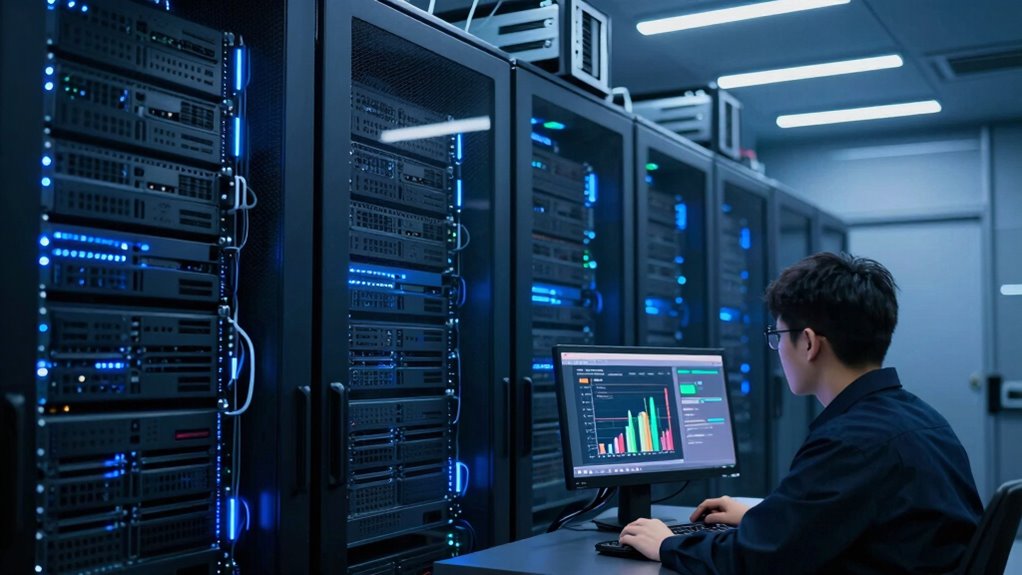
While power usage metrics like PUE provide valuable insights into a data center’s energy efficiency, relying solely on these measures falls short for AI sustainability. PUE doesn’t account for renewable energy integration or data center scalability, both critical for long-term AI workloads. For example:
| Metric | Focus | Limitation |
|---|---|---|
| PUE | Power efficiency | Ignores renewable energy sourcing |
| WUE | Water consumption | Overlooks energy sources |
| Carbon Footprint | Overall environmental impact | Misses energy efficiency details |
Focusing only on power efficiency overlooks how renewable energy adoption and scalable designs impact AI’s environmental footprint. To truly support AI sustainability, you need a holistic view beyond power-only metrics. Understanding energy sources is essential for comprehensive sustainability assessment, especially as renewable energy integration becomes more prevalent in data center operations. Additionally, considering energy source transparency can help optimize environmental benefits and ensure responsible resource management.

Efficient Water Cooling Block for Data Center GPUs V100 A100 32G SXM2 Featuring Double Trail Copper Base GPU Liquid Refrigerator
Two direction copper cooling plate directly connects essential parts The thick copper base with multiple water channels ensures…
As an affiliate, we earn on qualifying purchases.
As an affiliate, we earn on qualifying purchases.
What Is Water Usage Effectiveness (WUE) and How Does It Impact Your Data Center?
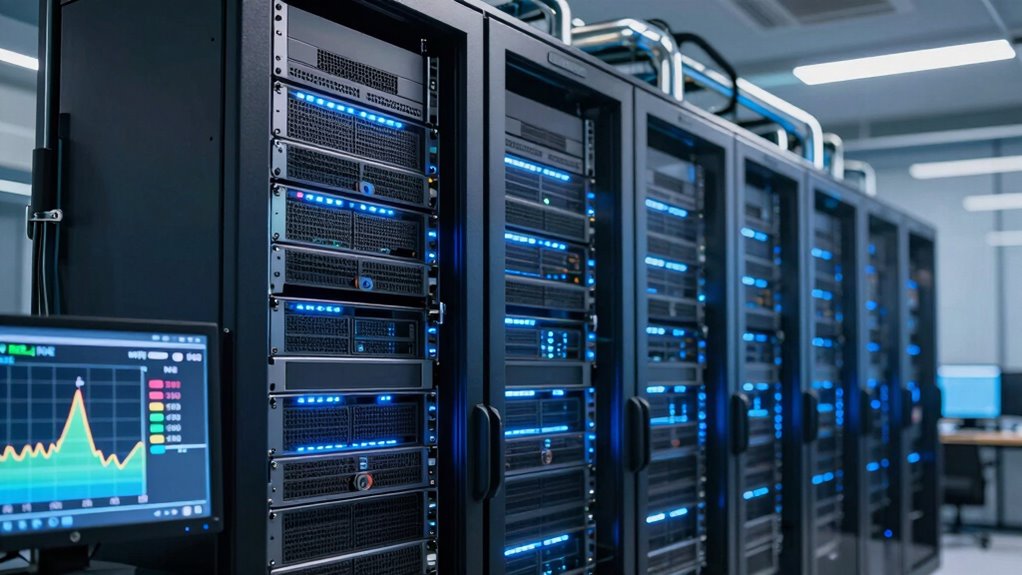
Water Usage Effectiveness (WUE) measures how efficiently your data center uses water, focusing on the amount consumed relative to its IT energy output. Improving WUE directly supports water conservation and enhances equipment efficiency. To reduce water use, consider these strategies:
- Implement advanced cooling systems that recycle water.
- Optimize equipment for minimal water consumption.
- Use dry or hybrid cooling methods where possible.
- Regularly monitor and analyze water use data for better management.

MICRO CENTER AMD Ryzen 7 9800X3D CPU Processor with ASUS TUF Gaming B850-PLUS WiFi AM5 ATX Motherboard (DDR5, PCIe 5.0, 3X M.2, Wi-Fi 7, USB 20Gbps Type-C)
AMD Ryzen 7 9800X3D Desktop Processor, 8-Core, 16-Thread, 5.2 GHz Max Boost, Unlocked for overclocking, L2+L3 104 MB…
As an affiliate, we earn on qualifying purchases.
As an affiliate, we earn on qualifying purchases.
How Do AI Workloads Increase Water Use in Data Centers?
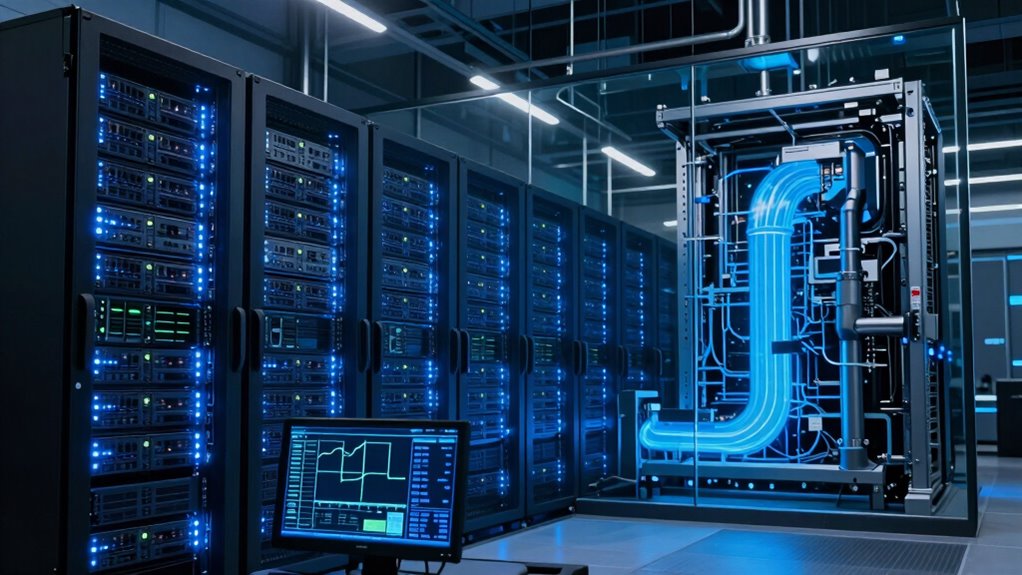
AI workloads boost water use in data centers mainly through increased cooling needs and the use of more water-intensive equipment. As processing demands rise, cooling systems work harder to prevent overheating, consuming more water. Additionally, the deployment of specialized hardware for AI tasks further heightens water consumption. The water cooling systems employed in some data centers are particularly water-dependent, amplifying this effect. Understanding filtration and system efficiency can help mitigate some of these water demands.
Increased Cooling Demands
As AI workloads become more demanding, data centers must ramp up their cooling capacities to manage the increased heat generated by powerful processors. This escalation directly impacts water use, as cooling strategies often rely on water-based systems. To address this, consider these key points:
- Higher cooling loads require more water, increasing overall consumption.
- Traditional evaporative cooling becomes less efficient without careful water conservation.
- Advanced cooling methods, like liquid cooling, can reduce water dependence.
- Optimizing airflow and temperature setpoints helps minimize water use, supporting water conservation efforts.
- Implementing sound fundamentals in cooling systems can enhance efficiency and reduce water consumption.
- The adoption of Vetted technologies such as integrated cooling solutions can further improve water efficiency and system reliability.
- Regular monitoring and water management practices are crucial for identifying opportunities to reduce water use without compromising cooling performance.
Higher Water-Intensive Equipment
Increasing cooling demands in data centers often lead to the adoption of water-intensive equipment, especially as processors become more powerful and generate more heat. To manage this heat, many facilities rely on water-cooled systems, which use large quantities of water for effective heat dissipation. While these systems improve equipment efficiency, they also raise water conservation concerns. The higher the cooling load, the more water is needed, increasing overall water use. If your goal is to optimize sustainability, it’s crucial to evaluate water consumption alongside traditional KPIs like PUE. Choosing water-efficient cooling solutions, such as air cooling or advanced liquid cooling methods, can considerably reduce water dependence. Additionally, understanding the impact of wave and wind on cooling efficiency can help optimize resource use. Employing renewable energy sources for cooling operations can further diminish environmental impact. Incorporating water recycling technologies into cooling systems can also help reduce overall water consumption. Implementing innovative cooling strategies allows data centers to balance performance with water conservation without sacrificing reliability. Being aware of alternative cooling strategies can provide additional pathways to reduce water use without compromising performance. Balancing equipment efficiency with water conservation efforts helps ensure your data center remains both high-performing and environmentally responsible.
AI Data Processing Loads
When processing large AI workloads, data centers often see a significant rise in heat generation, which in turn drives up cooling demands. This increased cooling needs can lead to higher water use, especially if your facility relies on water-intensive cooling systems. To manage this, consider:
- Implementing hardware optimization to reduce energy and water consumption.
- Using renewable energy sources to power cooling systems, decreasing reliance on water-intensive methods.
- Adopting advanced cooling techniques like liquid cooling, which minimize water use.
- Upgrading to more efficient cooling infrastructure that lowers overall water requirements. Additionally, understanding cooling system efficiencies can help identify opportunities to reduce water consumption and improve sustainability. Recognizing the importance of market reputation in choosing reliable cooling solutions can ensure long-term performance and trust. Incorporating local automation can also optimize cooling operations to reduce water and energy use, further enhancing overall efficiency. Being aware of navigation and mapping capabilities can support smarter cooling management systems that adapt to changing heat loads and operational conditions. Furthermore, staying informed about water management strategies can lead to more sustainable cooling practices and resource conservation.
WUE or PUE: Which Metric Better Shows Your AI Data Center’s Environmental Impact?
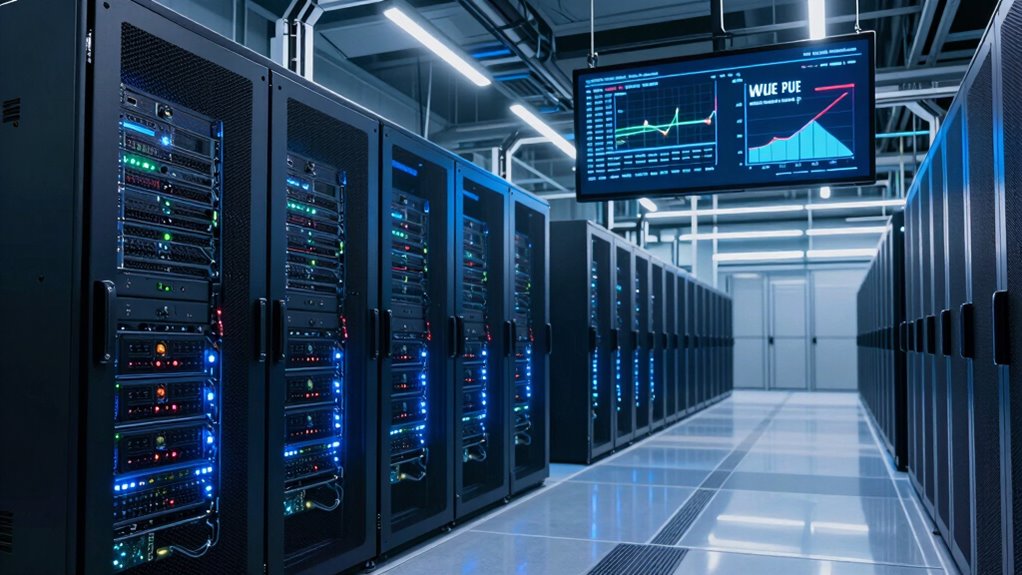
When evaluating your AI data center’s environmental impact, choosing the right KPI matters. WUE and PUE each provide different insights into energy efficiency and resource use. Understanding which metric best reflects your goals helps you make smarter, more sustainable decisions.
Measuring Energy Efficiency
Choosing the right metric to measure your AI data center’s energy efficiency is crucial for accurately evaluating its environmental impact. To do this effectively, consider these key points:
- WUE (Water Usage Effectiveness) highlights water consumption, indirectly affecting energy use.
- PUE (Power Usage Effectiveness) measures overall power efficiency, linking to renewable energy adoption.
- Both metrics can guide investments in renewable energy sources, reducing reliance on carbon-intensive power.
- Incorporating carbon offsetting strategies enhances your environmental footprint, regardless of the metric used.
- Understanding how power tools and heavy‑duty equipment impact operational efficiency can help optimize your data center’s performance.
While PUE focuses on energy efficiency, WUE adds water conservation insights. Using both, alongside renewable energy initiatives and carbon offsetting, provides a thorough view of your data center’s environmental impact.
Environmental Impact Insights
Understanding your data center’s true environmental impact requires more than just energy efficiency metrics; it calls for analyzing how water use and power consumption contribute to sustainability goals. WUE offers insight into water efficiency, which is *essential* as data centers increasingly adopt renewable energy sources that reduce carbon emissions. PUE focuses on power efficiency but doesn’t account for water use or broader environmental effects. To genuinely assess your data center’s sustainability, consider both metrics alongside practices like carbon offsetting, which mitigate environmental impact. Combining WUE and PUE data helps you identify areas for improvement, ensuring your AI workloads operate sustainably. This integrated approach supports your commitment to environmental responsibility and aligns with global efforts to reduce carbon footprints.
How to Measure and Improve Water Usage Effectiveness in Your Data Center

To effectively measure and improve Water Usage Effectiveness (WUE) in your data center, you need to start by accurately tracking your water consumption related to cooling and operational needs. Focus on identifying water use points and establishing baseline metrics. To enhance water conservation and support climate adaptation, consider these steps:
Track and optimize your data center’s water use to boost efficiency and sustainability.
- Monitor water inflows and outflows daily to identify inefficiencies.
- Implement water reuse systems, like cooling tower recirculation or greywater recycling.
- Regularly inspect cooling equipment for leaks or malfunctions.
- Adopt alternative cooling methods, such as air cooling or free cooling, to reduce water dependency.
- Incorporate water conservation strategies that align with sustainable practices and reduce overall water footprint. Additionally, understanding Water Usage Effectiveness (WUE) metrics can provide deeper insights into water efficiency improvements and help benchmark your data center’s performance against industry standards. Recognizing the role of energy efficiency in conjunction with water metrics can lead to more comprehensive sustainability initiatives. Consistent monitoring and analysis of water consumption data can help identify areas for ongoing improvement. Furthermore, integrating cybersecurity measures can protect critical water management systems from malicious threats, ensuring data integrity and operational continuity.
Real-World Examples of WUE Improvements in AI Data Centers
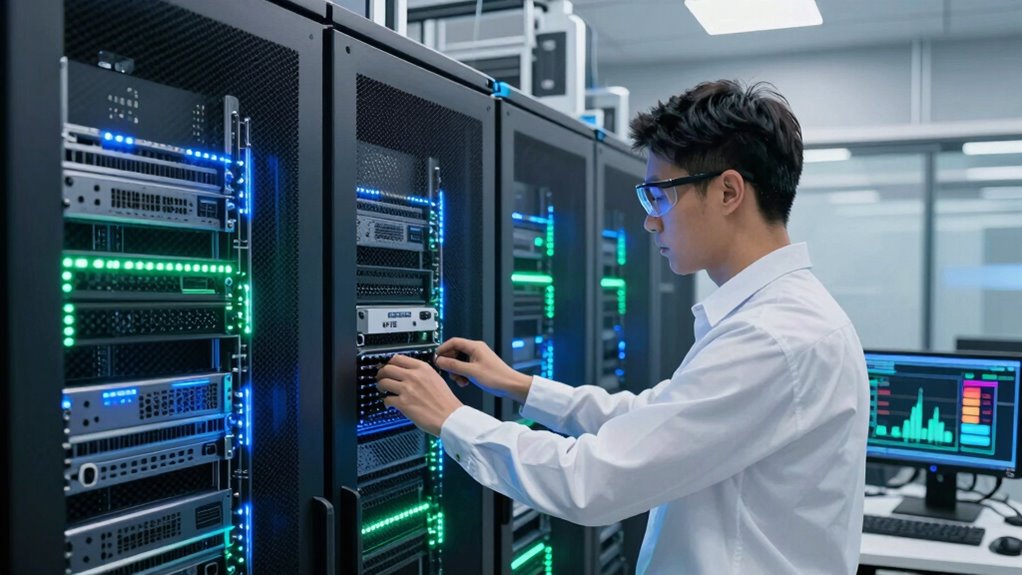
Across the industry, several AI data centers have successfully implemented WUE improvements that substantially cut water usage while maintaining high-performance standards. These centers often leverage water recycling systems to reuse greywater for cooling processes. Additionally, upgrading cooling towers to more efficient models reduces water loss through evaporation. For example, some facilities have integrated closed-loop cooling systems, minimizing fresh water intake and optimizing water recycling. These measures not only lower overall water consumption but also enhance sustainability without compromising cooling performance. By focusing on water recycling and modern cooling tower technology, data centers can achieve significant WUE gains. Implementing water-efficient cooling solutions is crucial for long-term sustainability in AI data centers. These real-world examples demonstrate that strategic investments in water conservation infrastructure can deliver both environmental benefits and operational efficiencies. Incorporating advanced cooling technologies can further amplify these gains and reduce environmental impact, especially when combined with water reuse strategies.
How to Incorporate WUE Into Your Data Center KPIS and Dashboards

Incorporating Water Use Efficiency (WUE) into your data center KPIs and dashboards helps you track sustainability alongside operational performance. To do this effectively:
- Set clear WUE targets aligned with your water conservation goals and renewable energy initiatives.
- Integrate real-time water consumption data into your existing dashboards for instant visibility.
- Track WUE alongside PUE to balance energy and water efficiency efforts.
- Highlight areas where water savings can support sustainability goals, such as using recycled water or optimizing cooling systems.
Using WUE and PUE to Make Smarter, More Sustainable Decisions
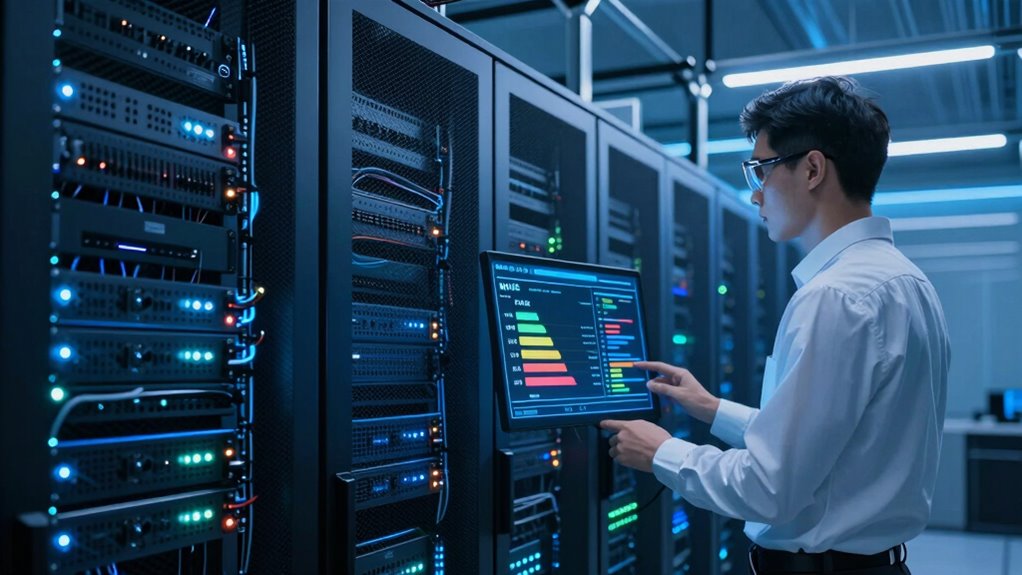
By analyzing both Water Use Efficiency (WUE) and Power Usage Effectiveness (PUE), you can make smarter, more sustainable decisions for your data center. Combining these KPIs helps you identify opportunities for water conservation and optimize cooling innovations. For instance, if WUE is high, you might explore water-efficient cooling systems or reuse strategies, reducing your environmental impact. Simultaneously, monitoring PUE reveals energy inefficiencies that can be addressed with better airflow management or advanced cooling technologies. Using both metrics together allows you to prioritize investments that improve overall sustainability—saving water and energy. This holistic approach guarantees your data center operates more responsibly, supports long-term efficiency goals, and aligns with evolving environmental standards.
Frequently Asked Questions
How Do WUE and PUE Specifically Affect AI Workload Efficiency?
You can improve AI workload efficiency by monitoring WUE and PUE, as they directly impact AI cooling and data compression. Lower WUE signifies less water use, reducing cooling costs, while optimized PUE ensures power is efficiently delivered to AI servers. By focusing on these KPIs, you minimize energy waste, enhance data compression, and keep your AI workloads running smoothly with minimal environmental impact.
Can Water Usage Metrics Be Integrated With Energy KPIS Effectively?
Yes, you can effectively integrate water usage metrics with energy KPIs by focusing on cooling strategies and water conservation. By tracking Water Usage Effectiveness (WUE) alongside Power Usage Effectiveness (PUE), you gain an extensive view of your data center’s efficiency. Implementing water-saving cooling methods, like liquid cooling or free cooling, helps reduce water consumption while maintaining ideal energy use, improving overall sustainability and operational performance.
What Are the Challenges in Accurately Measuring WUE in AI Data Centers?
You face challenges in accurately measuring WUE in AI data centers due to complex water measurement and data accuracy issues. Precise water measurement systems are essential but can be affected by leaks or inconsistent readings, leading to unreliable data. Additionally, capturing real-time water use data requires advanced sensors and integration, which can be costly and technically demanding. These hurdles make it difficult to obtain consistent, accurate WUE metrics for AI workloads.
How Does Climate Variability Influence WUE Metrics?
You might notice that climate impact and water variability directly affect WUE metrics. When temperatures rise or droughts occur, cooling systems demand more water, skewing WUE calculations. Conversely, cooler or wetter periods reduce water use, making WUE appear better. These climate fluctuations create inconsistencies, so you need to account for climate variability to accurately assess water efficiency and optimize your data center operations effectively.
Are There Industry Standards for WUE in AI Data Center Sustainability?
Yes, industry benchmarks for WUE in AI data center sustainability do exist, though they vary widely. You should focus on water conservation by aiming to reduce WUE, aligning with best practices and standards like those from the Uptime Institute or ASHRAE. Setting clear targets based on these benchmarks helps you improve efficiency, demonstrate environmental responsibility, and optimize resource use across your AI workloads.
Conclusion
To truly make your AI data center sustainable, don’t just focus on PUE—look at WUE too. Water efficiency is often the missing piece, and ignoring it could be like throwing the baby out with the bathwater. By balancing these metrics, you’ll gain a clearer picture of your environmental impact. Stay proactive, measure wisely, and remember: knowing the full story helps you make smarter decisions that stand the test of time.