

🔍 Read the full analysis: Could ChatGPT Business Profiles Be Part Of OpenAI’s Google Strategy? on ThorstenMeyerAI.com

Get audio and creator gear delivered free with Prime
- Fast, free delivery on millions of items
- Prime Video, Amazon Music and more included
- Member-only deals all year
TL;DR
OpenAI launched Businesses in ChatGPT in beta on Nov. 10, 2026, letting companies claim profiles, provide product information and view aggregated engagement data. Eligible U.S. businesses can also offer labeled AI agents, which may be sponsored as destinations for ChatGPT ads. The launch adds tools for businesses to manage information and engage with customers in ChatGPT. OpenAI has not said how profiles affect recommendations or search visibility.
OpenAI launched Businesses in ChatGPT in beta on Nov. 10, giving companies tools to claim and update profiles, provide product data and view aggregated information about how they appear in ChatGPT. The rollout adds business-facing tools to the chatbot as users turn to it for recommendations. OpenAI has not said whether verified profiles affect which businesses ChatGPT recommends.
The new Business Hub lets companies claim a profile and, after verification, update key details and submit product feeds with prices and availability. OpenAI says businesses can see aggregated metrics including mentions in ChatGPT responses, profile views, website clicks and topics associated with discovery. The company has not publicly detailed how its verification process works.
A second feature, Business Agents, is available at launch to eligible U.S. e-commerce and online-service businesses. Companies can provide instructions and information for an agent that users may open from a ChatGPT answer to ask about products or services. OpenAI says these chats are clearly labeled and separate from the user’s main conversation.
Businesses may sponsor their agents as destinations for ChatGPT Ads, with sponsored placements labeled. OpenAI says it does not share users’ conversations or Business Agent chats with companies, and that business insights appear only after activity reaches certain thresholds. The announcement also coincided with news that OpenAI acquired travel-agent startup Odessia; founder Francis Davidson said he was joining OpenAI, and an OpenAI spokesperson confirmed his hire to TechCrunch. The acquisition’s terms were not disclosed.
ChatGPT Business Profiles and OpenAI’s Google Strategy
OpenAI’s beta gives businesses tools to manage information and engage with customers in ChatGPT. How profiles affect recommendations remains unclear.
What businesses can do
The new tools let companies supply details and interact with potential customers.
Manage a profile
Claim and verify a profile, update key details, and submit product prices and availability.
Review engagement
See aggregated mentions, profile views, website clicks, and discovery topics after activity reaches thresholds.
Answer customer questions
Eligible U.S. businesses can offer a labeled agent that users open from a ChatGPT answer.
How businesses connect
Access depends on the business and its existing tools.
Businesses claim a profile; OpenAI has not detailed the verification rules.
Update details and submit product feeds with information such as price and availability.
Shopify merchants can connect through Shopify or Business Hub. Enterprise customers and advertisers can contact their OpenAI representative.
Discovery and advertising
Profiles, agents, and paid placements have distinct roles.
| Option | What it does | What OpenAI says |
|---|---|---|
| Business profile | Provides business and product information | Ranking effects are not described |
| Business Agent | Lets users ask about products or services | Chats are labeled and separate from the main conversation |
| Sponsored agent | Promotes an agent as a ChatGPT Ads destination | Sponsored placements are labeled |
What remains unclear
Businesses and readers should treat the beta’s effects as unsettled.
- Whether claiming or verifying a profile affects recommendations or visibility
- How OpenAI verifies businesses and sets analytics activity thresholds
- How users will encounter recommendations, agents, and sponsored placements
- When the beta may expand beyond its current availability
A New Channel for Business Discovery
The launch gives businesses tools to manage some information that ChatGPT may use when answering questions about products and services. Companies can review mentions, profile views and website clicks in the new tools. OpenAI has not described these metrics as a ranking system, and their availability is subject to activity thresholds.
Product feeds let businesses submit structured details such as price and availability for use in ChatGPT. OpenAI has not said whether feed quality affects recommendations or whether businesses without profiles have different visibility.
The option to sponsor an agent connects business discovery with OpenAI’s advertising business. OpenAI said in August that ChatGPT Ads had reached a $1 billion annualized revenue run rate. Under the new tools, businesses can sponsor an agent as a destination for ChatGPT Ads, with placements labeled as sponsored. OpenAI has not described how users will encounter these placements alongside other ChatGPT responses.
Products Worth Considering

Jackery Explorer 2000 v2 Portable Power Station with Two 200W Solar Panels
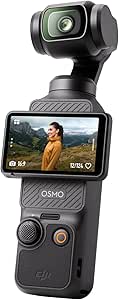
DJI Osmo Pocket 3 Vlogging Camera with 1-Inch CMOS Sensor and 4K/120fps Video

Apple Watch Series 8 GPS 41mm Midnight Aluminum Case with Midnight Sport Band
As an affiliate, we earn on qualifying purchases.
From Shopping Tests to Business Tools
OpenAI described the announcement as an early step toward bringing businesses more deeply into ChatGPT, starting with business information, insights and customer conversations. TechCrunch reported that an earlier OpenAI effort to make ChatGPT a shopping destination with direct checkout and commissions did not gain traction; the company retired that effort in March, according to the outlet.
The new launch is different in emphasis: businesses can provide data and host an agent, while users can continue a conversation about an offering. OpenAI’s monetization executive Benji Shomair told reporters that the company uses multiple verification methods for different businesses and markets. Existing Enterprise customers and advertisers can claim businesses through their OpenAI representative, while Shopify merchants can connect through Business Hub or Shopify’s administration tools.
Separate reports provide financial context, but those figures are not audited results published by OpenAI. The Information reported third-quarter revenue of about $10 billion; Bloomberg reported growth of nearly 50% from the prior quarter, citing a person familiar with the matter. The Wall Street Journal reported, as relayed by Reuters, that operating losses widened to $10.9 billion in the same quarter. OpenAI has not published financial statements.
“Davidson announced that OpenAI had acquired Odessia and that he was joining OpenAI.”
— Francis Davidson, Odessia founder
How Profiles Shape ChatGPT Answers
OpenAI has not explained how business information affects answers or recommendations, whether profile verification changes a company’s visibility, or how the system handles competing or conflicting product details. It has also not disclosed the precise verification rules, the activity thresholds for showing analytics, or whether Business Hub will expand beyond its current beta.
The privacy protections described by OpenAI are company statements; the available reporting does not provide independent detail about how conversations are processed or how aggregated insights are calculated. The announcement does not fully describe how users will encounter ordinary ChatGPT recommendations, a company’s labeled agent and paid placements.
Financial figures and the Odessia deal have separate limits: revenue and operating-loss numbers were reported by media outlets rather than released in OpenAI financial statements, and Odessia’s purchase price was not made public.
The Beta’s Rollout and Rules
Businesses interested in the tools will need to check whether they are eligible, claim and verify their profiles, and keep submitted details and product feeds current. Shopify merchants can connect through Shopify or Business Hub, while existing Enterprise customers and advertisers can contact their OpenAI representative. Eligible U.S. businesses can offer a labeled Business Agent.
As the beta rolls out, businesses and users can assess how profile information appears in ChatGPT answers, what the analytics report and how sponsored agents are presented. OpenAI has not announced a timeline for broader access or described the next planned features. Its public description calls the release an early step, and the scope and timing of any expansion remain unannounced.
Key Questions
What did OpenAI launch?
OpenAI launched Businesses in ChatGPT in beta on Nov. 10, 2026. It includes a Business Hub for claiming and managing business information and tools for eligible companies to offer Business Agents.
Can businesses pay to appear in ChatGPT?
Businesses can sponsor their Business Agent as a destination for ChatGPT Ads, according to OpenAI. Sponsored placements are labeled. The company has not said that paying guarantees inclusion in ordinary recommendations.
What information can a business add?
After claiming and verifying a profile, a business can update key details and submit product feeds containing information such as pricing and availability.
Does a profile improve a company’s ranking?
OpenAI has not said that claiming a profile changes ranking or guarantees recommendations. Its announced metrics cover aggregated mentions, views, clicks and discovery topics, subject to activity thresholds.
Are Business Agents available everywhere?
At launch, OpenAI described Business Agents as available to eligible e-commerce and online-service businesses in the United States. It has not announced a broader rollout schedule.
Source: ThorstenMeyerAI.com