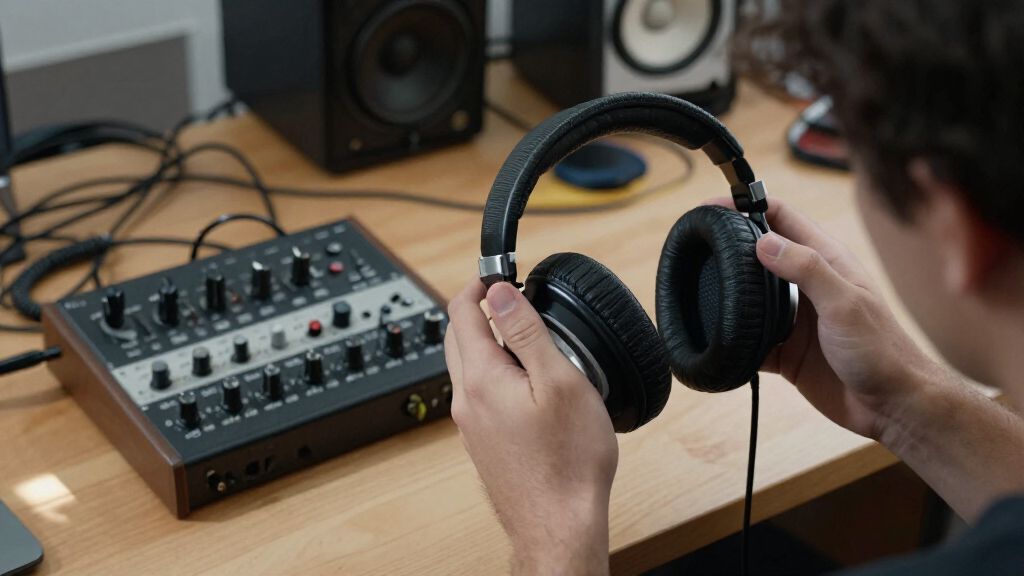

Open-back studio headphones offer a spacious, natural presentation for editing, mixing, and focused listening, but their sound leaks in both directions and they do little to block noise. My best overall pick is the beyerdynamic DT 900 PRO X for its practical impedance and studio-focused versatility; the Sennheiser HD 490 PRO stands out for professional work, while the Philips SHP9600 is an accessible entry point. The main tradeoffs are source power, tonal character, comfort, and how much isolation your workspace requires. Some headphones here are better for critical monitoring, while others suit relaxed listening or general-purpose use. Read on for the full comparison and help matching a pair to your setup.

Get audio and creator gear delivered free with Prime
- Fast, free delivery on millions of items
- Prime Video, Amazon Music and more included
- Member-only deals all year
Complete the kit


Key Takeaways
- The DT 900 PRO X is the most flexible studio pick in this lineup: its lower-impedance design is easier to pair with everyday audio gear than the 250-ohm DT 990 Pro.
- The HD 490 PRO is the professional-work choice, while the HD 650 is better suited to listeners who prioritize a refined, familiar listening presentation over broad device compatibility.
- The Philips SHP9600 and AKG K240 Studio serve different entry-level needs: the Philips is fully open-back, while the K240 is semi-open and should not be treated as an isolating headphone.
- The duplicate DT 990 Pro listings and HD 599 color variants do not create distinct performance categories; buyers should compare their core design and fit rather than assume the naming or finish changes the sound.
- Impedance and leakage are major practical filters: high-impedance models may need a stronger headphone output, and none of these open designs is a soundproof choice for shared rooms or recording next to a live microphone.
| Philips SHP9600 Open-Back Over-Ear Wired Headphones |  | Best Value for Home Listening | Design: Open-back, over-ear | Driver type and size: Dynamic, 50 mm | Impedance: 32 ohm | VIEW LATEST PRICE | See Our Full Breakdown |
| beyerdynamic DT 990 Pro 250 Ohm Open-Back Studio Headphones |  | Best for Amp-Driven Mixing | Design: Open-back, over-ear | Driver type: Dynamic | Impedance: 250 ohm | VIEW LATEST PRICE | See Our Full Breakdown |
| beyerdynamic DT 900 PRO X Open-Back Studio Headphones |  | Best Overall for Flexible Studio Use | Design: Open-back, over-ear | Driver: 45 mm dynamic STELLAR.45 | Impedance: 48 ohm | VIEW LATEST PRICE | See Our Full Breakdown |
| Sennheiser HD 505 Copper Edition Wired Open-Back Headphones | 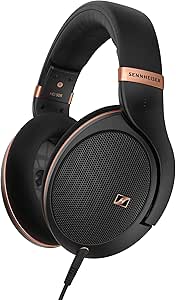 | Best for Relaxed Long Sessions | Design: Open-back, over-ear | Driver type: Dynamic | Connectivity: Wired, 3.5 mm jack | VIEW LATEST PRICE | See Our Full Breakdown |
| AKG K240 Studio Semi-Open Over-Ear Headphones | 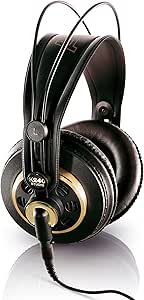 | Best Semi-Open Studio Alternative | Design: Semi-open, over-ear | Transducers: 30 mm XXL with Varimotion diaphragms | Cable length: 3 m (9.9 ft) | VIEW LATEST PRICE | See Our Full Breakdown |
| Sennheiser HD 599 SE Open-Back Wired Headphones, Black |  | Best Overall for Comfortable Home Listening | Type: Open-back wired over-ear headphones | Impedance: 50 ohms | Frequency response: Up to 38,500 Hz | VIEW LATEST PRICE | See Our Full Breakdown |
| beyerdynamic DT 990 PRO 250 Ohm Open-Back Studio Headphones, Black |  | Best for Amp-Driven Critical Listening | Design: Open-back, over-ear | Driver type: Dynamic | Impedance: 250 ohms | VIEW LATEST PRICE | See Our Full Breakdown |
| Sennheiser HD 599 Open-Back Wired Audiophile Headphones, Ivory |  | Best for Long, Relaxed Listening | Type: Open-back, over-ear | Driver type: Dynamic | Impedance: 50 ohms | VIEW LATEST PRICE | See Our Full Breakdown |
| Sennheiser HD 650 Open-Back Dynamic Headphones | 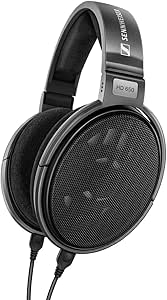 | Best for Natural Home Hi-Fi | Type: Wired, open-back dynamic headphones | Driver size: 42 mm | Frequency range: 10 Hz–41,000 Hz | VIEW LATEST PRICE | See Our Full Breakdown |
| Sennheiser HD 490 PRO Open-Back Professional Studio Headphones |  | Best for Mixing and Production | Design: Open-back, circumaural over-ear | Frequency response: 5–36,000 Hz | Cable length: 1.8 m | VIEW LATEST PRICE | See Our Full Breakdown |
| beyerdynamic DT 990 Pro X Open-Back Studio Headphones (48 Ohm) | 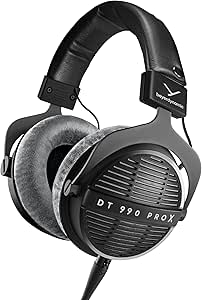 | Best for Direct Device Monitoring | Impedance: 48 ohm | Driver: 45 mm dynamic STELLAR.45 | Sensitivity: 97 dB | VIEW LATEST PRICE | See Our Full Breakdown |
| Audio-Technica ATH-R50x Open-Back Reference Headphones |  | Best Lightweight Reference Pick | Type: Open-back reference headphones | Weight: 207 g (7.36 oz) | Ear placement: Over-ear | VIEW LATEST PRICE | See Our Full Breakdown |
| open back studio headphone | Warranty | Design | Impedance | Frequency response |
|---|---|---|---|---|
| Philips SHP9600 Open-Back Over | — | Open-back, over-ear | 32 ohm | Up to 35,000 Hz |
| beyerdynamic DT 990 Pro 250 Oh | — | Open-back, over-ear | 250 ohm | — |
| beyerdynamic DT 900 PRO X Open | — | Open-back, over-ear | 48 ohm | Listed as 5 Hz |
| Sennheiser HD 505 Copper Editi | 2 years | Open-back, over-ear | — | — |
| AKG K240 Studio Semi-Open Over | — | Semi-open, over-ear | — | — |
| Sennheiser HD 599 SE Open-Back | 2 years | — | 50 ohms | Up to 38,500 Hz |
| beyerdynamic DT 990 PRO 250 Oh | 2 years | Open-back, over-ear | 250 ohms | Up to 35,000 Hz |
| Sennheiser HD 599 Open-Back Wi | 1 year | — | 50 ohms | — |
| Sennheiser HD 650 Open-Back Dy | 2 years | — | — | — |
| Sennheiser HD 490 PRO Open-Bac | 2 years | Open-back, circumaural over-ear | — | 5–36,000 Hz |
| beyerdynamic DT 990 Pro X Open | 2 years | — | 48 ohm | 5 Hz–40 kHz |
| Audio-Technica ATH-R50x Open-B | 2 years | — | — | — |
More Details on Our Top Picks
Philips SHP9600 Open-Back Over-Ear Wired Headphones
The Philips SHP9600 is a practical starting point for home studio work: its 32-ohm impedance makes it easier to drive from a laptop or phone than the beyerdynamic DT 990 Pro 250 Ohm, which is better matched with an interface or headphone amp. Its 50 mm drivers are tuned for crisp bass, balanced mids, and clear highs, while the open-back design gives music a more spacious presentation than sealed headphones. The detachable cable is a useful advantage if a cable gets damaged or you want to swap it. In exchange, the SHP9600 offers less isolation, leaks sound into the room, and cannot match the DT 900 PRO X’s more studio-focused imaging. I’d choose it for accessible, comfortable listening and basic editing at home, not for recording near a live microphone.
Pros:- 32-ohm impedance suits a broad range of everyday audio sources.
- 50 mm drivers are tuned for crisp bass, balanced mids, and clear highs.
- Breathable cushions and a reinforced steel headband support extended listening.
- Detachable 3 m cable and included 6.3 mm to 3.5 mm adapter add connection flexibility.
Cons:- Open-back construction provides little isolation and allows sound to escape.
- The wired design limits mobility.
- Not water resistant, so it is intended for indoor listening.
Best for: Home listeners and beginner producers who want open-back sound they can drive from a laptop, phone, or desktop without a separate headphone amp.
Not ideal for: People recording beside a microphone or working in shared, noisy spaces, since the open cups leak sound and provide little isolation.
- Design:Open-back, over-ear
- Driver type and size:Dynamic, 50 mm
- Impedance:32 ohm
- Frequency response:Up to 35,000 Hz
- Sensitivity:101 dB
- Cable:Detachable, 3 m
- Connector and adapter:3.5 mm jack; 6.3 mm to 3.5 mm adapter included
- Headband:Reinforced steel
Our verdict“Choose the SHP9600 for comfortable, easy-to-drive open-back listening at home; pick the DT 900 PRO X instead if your priority is more studio-focused monitoring.”
beyerdynamic DT 990 Pro 250 Ohm Open-Back Studio Headphones
The DT 990 Pro 250 Ohm earns its place as a studio-focused choice for listeners who already have an audio interface or headphone amp. Its wide stereo image can help with judging placement and spaciousness, while replaceable velour pads and an adjustable spring-steel headband suit long sessions. Unlike the Philips SHP9600, this model’s high impedance makes it a less straightforward match for phones and low-powered laptop outputs; the tradeoff is a more purpose-built fit for a dedicated studio setup. The fixed 3 m coiled cable is handy at a desk, but it is less convenient to replace or pack away than the detachable cable on the DT 900 PRO X. Open-back cups also let sound escape, so I would not choose these for recording vocals in the same room.
Pros:- Wide stereo image suits monitoring, mixing, and mastering tasks.
- Replaceable velour ear pads support long-term upkeep.
- Adjustable spring-steel headband and velour pads are suited to extended sessions.
- Includes a 3 m coiled cable and 1/4-inch adapter.
Cons:- 250-ohm impedance is better paired with a headphone amp or audio interface.
- Fixed cable cannot be detached or readily swapped.
- Open-back cups leak sound and do not isolate the listener.
Best for: Mixers and mastering hobbyists with an audio interface or headphone amp who want an open stereo presentation and serviceable velour pads.
Not ideal for: Mobile listeners and producers relying on a phone or low-powered laptop output, since the 250-ohm design may not reach their preferred listening level.
- Design:Open-back, over-ear
- Driver type:Dynamic
- Impedance:250 ohm
- Frequency range:5 Hz–35,000 Hz
- Sensitivity:96 dB
- Cable:Fixed, 3 m coiled
- Ear pads:Replaceable velour
- Connections:3.5 mm and 6.35 mm audio jacks; 1/4-inch adapter included
Our verdict“Pick the DT 990 Pro if your studio setup can drive 250-ohm headphones and you prefer a wide image; choose the SHP9600 for easier everyday device compatibility.”
beyerdynamic DT 900 PRO X Open-Back Studio Headphones
The DT 900 PRO X is the most flexible studio pick here: its 48-ohm impedance is easier to pair with laptops and phones than the DT 990 Pro 250 Ohm, yet it is designed for mixing, mastering, and critical listening. The open-back construction supports a broad soundstage and detailed imaging, which can help when judging stereo placement. Its detachable mini-XLR cable is a practical step up from the DT 990 Pro’s fixed coiled lead, and the included case makes transport and storage simpler. This is still a wired headphone that leaks sound, so it is a poor fit for noisy rooms or live-microphone recording. The supplied specifications list a 5 Hz frequency-response figure without an upper limit, so I would not use that figure alone to compare its range with other models.
Pros:- 48-ohm impedance supports use with common devices without a separate headphone amplifier.
- Open-back presentation is designed for a wide soundstage and detailed imaging.
- Detachable mini-XLR cable is easier to replace than the DT 990 Pro’s fixed cable.
- Includes a protective case and 1/4-inch adapter.
Cons:- Open-back cups allow sound to escape and provide little isolation.
- Wired listening limits freedom of movement.
- Not water resistant.
Best for: Producers and critical listeners who want open-back monitoring for home or studio work and need a headphone that can run from common devices without a separate amp.
Not ideal for: People who need sound isolation, wireless movement, or a headphone for recording beside an open microphone.
- Design:Open-back, over-ear
- Driver:45 mm dynamic STELLAR.45
- Impedance:48 ohm
- Frequency response:Listed as 5 Hz
- Sensitivity:100 dB
- Cable:Detachable mini-XLR
- Weight:12.2 ounces
- Included accessories:Protective case and 1/4-inch adapter
Our verdict“Choose the DT 900 PRO X for adaptable studio monitoring and a replaceable cable, especially if the DT 990 Pro’s 250-ohm requirement is a concern.”
Sennheiser HD 505 Copper Edition Wired Open-Back Headphones
The Sennheiser HD 505 Copper Edition puts comfort and easy home use ahead of studio-specific connection features. Its reduced clamping force, lightweight headband, and velour pads are aimed at longer listening sessions, while the laminate diaphragm is designed for crisp highs, clear mids, and controlled bass. Compared with the beyerdynamic DT 900 PRO X, the HD 505 is described more as a versatile home-listening option than a critical-monitoring tool, and its 1.8 m cable is shorter than the 3 m leads supplied with the Philips SHP9600 and DT 990 Pro. That shorter reach can suit a nearby desk or gaming setup but may restrict placement farther from a source. The open-back design gives a spacious presentation, with the familiar cost of sound leakage and no meaningful isolation.
Pros:- Reduced clamping force, lightweight headband, and velour pads are designed for extended wear.
- Laminate diaphragm is designed for crisp highs, clear mids, and controlled bass.
- Open-back construction provides a spacious soundstage.
- Includes an adapter and drawstring bag.
Cons:- The 1.8 m cable is shorter than the 3 m cables on the Philips SHP9600 and DT 990 Pro.
- Open-back construction offers no isolation from surrounding sounds.
- Wired connection limits movement, and the headphones are not water resistant.
Best for: Home listeners, gamers, and audio hobbyists who value a lighter-feeling fit for long sessions and use a nearby laptop, mobile device, or stereo system.
Not ideal for: Studio users who need a long reach across a desk or strong isolation for recording, since its cable is 1.8 m and the open cups leak sound.
- Design:Open-back, over-ear
- Driver type:Dynamic
- Connectivity:Wired, 3.5 mm jack
- Cable length:1.8 m
- Materials:Plastic enclosure, velour ear pads
- Weight:558 g
- Included accessories:Adapter and drawstring bag
- Warranty:2 years
Our verdict“Choose the HD 505 for comfort-led open-back listening near your audio source; choose the DT 900 PRO X for more explicitly studio-focused use.”
AKG K240 Studio Semi-Open Over-Ear Headphones
The AKG K240 Studio is the lineup’s semi-open alternative, making it a distinct choice for buyers who want some of the spacious character associated with open-back headphones without choosing a fully open design. Its 30 mm XXL transducers with Varimotion diaphragms are designed for a wide dynamic range, solid bass, and clear highs. The self-adjusting headband also removes a fit-adjustment step during long sessions. Compared with the fully open Philips SHP9600, the K240’s semi-open construction may reduce—but does not eliminate—sound passing in and out, so I would not treat it as an isolation headphone. Its 3 m cable and screw-on 1/4-inch adapter suit a studio desk, though the wired connection still keeps movement tethered. Choose it when semi-open construction is the point, not when fully open imaging is the priority.
Pros:- Semi-open design offers a different balance from the fully open models in this roundup.
- 30 mm XXL transducers with Varimotion diaphragms are designed for wide dynamic range, solid bass, and clear highs.
- Self-adjusting headband and over-ear pads support longer studio sessions.
- Includes a 3 m cable and screw-on 1/4-inch adapter.
Cons:- Semi-open construction can still let sound pass in and out, so it does not provide dependable isolation.
- Wired use limits movement around the studio.
- The provided product data does not specify impedance or sensitivity, making source compatibility harder to judge.
Best for: Studio users seeking a semi-open wired headphone for desk-based monitoring, with a self-adjusting headband and a long cable.
Not ideal for: Listeners who specifically want a fully open-back design or need to keep sound from leaking during microphone recording or shared-room use.
- Design:Semi-open, over-ear
- Transducers:30 mm XXL with Varimotion diaphragms
- Cable length:3 m (9.9 ft)
- Connector:1/8-inch stereo plug
- Adapter:Screw-on 1/4-inch adapter
- Headband:Self-adjusting
Our verdict“Pick the K240 if you want a semi-open studio option with a long cable, but choose the SHP9600 or DT 900 PRO X if fully open-back design is a requirement.”
Sennheiser HD 599 SE Open-Back Wired Headphones, Black
The Sennheiser HD 599 SE makes the strongest all-round choice here for listeners who want an open, spacious presentation without a high-impedance setup. Its 50-ohm design is more accommodating than the DT 990 PRO’s 250-ohm load, while the balanced sound and detailed highs suit music listening, editing, and general studio work. Plush velour pads and a light 9.17-ounce build also make longer sessions easier to manage.
Two detachable cables—one long, one shorter—give it more connection flexibility than many studio-focused alternatives. The tradeoff is that it remains a wired, open-back headphone: sound leaks both ways, and neither cable offers the freedom of wireless use. I’d choose it over the ivory HD 599 mainly for the black finish, not a major functional difference.
Pros:- Balanced sound with clear highs, rich mids, and controlled bass
- Spacious presentation helps separate instruments and mix elements
- Lightweight fit with velour-covered ear pads suits long sessions
- Includes detachable 3 m and 1.2 m cables with 6.3 mm and 3.5 mm connectors
Cons:- Open-back construction provides no isolation and leaks audio
- Wired-only connection limits movement
- Less suited to high-volume, noisy studio environments
Best for: Home listeners and hobbyist editors who want comfortable, spacious open-back sound from a headphone that does not call for a dedicated amplifier.
Not ideal for: Commuters, shared-room listeners, and anyone recording near a microphone, since the open cups leak sound and the cables restrict movement.
- Type:Open-back wired over-ear headphones
- Impedance:50 ohms
- Frequency response:Up to 38,500 Hz
- Weight:9.17 ounces
- Cable lengths:3 m and 1.2 m
- Connectors:6.3 mm and 3.5 mm
- Noise control:None
- Warranty:2 years
Our verdict“Choose the HD 599 SE for comfortable, versatile home listening and light editing without the DT 990 PRO’s amplifier demands.”
beyerdynamic DT 990 PRO 250 Ohm Open-Back Studio Headphones, Black
The beyerdynamic DT 990 PRO is the specialist pick for critical listening when a studio interface or headphone amplifier is already part of the setup. Its 250-ohm impedance makes it less plug-and-play than the 50-ohm Sennheiser HD 599 SE, but the wide soundstage and detailed presentation are aimed at monitoring and editing rather than casual portability. A 3 m straight cable gives desktop users room to move around a workstation, and the velour pads can be replaced when worn.
Compared with the more production-focused HD 490 PRO, the DT 990 PRO offers fewer work-specific accessories and a fixed cable, but its replaceable pads and included adapter keep the basic studio setup practical. The high impedance is the main hurdle; weak portable outputs may not drive it well. It also leaks sound, so it is a poor fit for shared or noisy spaces.
Pros:- Wide soundstage supports critical listening and monitoring
- Replaceable circumaural velour ear pads extend service life
- Long 3 m cable suits a fixed studio desk
- Includes a 1/8-inch to 1/4-inch jack adapter
Cons:- 250-ohm impedance benefits from an interface or dedicated amplifier
- Open cups let sound reach people nearby and provide no isolation
- Fixed cable limits replacement and connection flexibility
Best for: Mixers, editors, and hi-fi listeners with an audio interface or dedicated headphone amplifier who want a wide, detailed open-back presentation.
Not ideal for: Laptop-only users, mobile listeners, and people working in shared rooms who need easy drive, isolation, or low sound leakage.
- Design:Open-back, over-ear
- Driver type:Dynamic
- Impedance:250 ohms
- Frequency response:Up to 35,000 Hz
- Sensitivity:96 dB
- Cable:3 m straight cable
- Ear pads:Replaceable black velour
- Warranty:2 years
Our verdict“Pick the DT 990 PRO if your studio already has a capable headphone output and you value a broad, detailed listening field over easy portability.”
Sennheiser HD 599 Open-Back Wired Audiophile Headphones, Ivory
The ivory Sennheiser HD 599 suits listeners who put comfort and a natural, spacious presentation ahead of portability. Its large velour-covered ear cups and padded headband are made for long sessions, while the 50-ohm impedance makes it easier to pair with ordinary home audio sources than the 250-ohm DT 990 PRO. The included 3 m and 1.2 m detachable cables also make it simpler to move between a desk setup and a nearby device.
Against the HD 599 SE, this is the same family’s ivory-finish alternative rather than a fundamentally different studio tool; the SE listing specifies a two-year warranty, while this model lists one year. The HD 490 PRO is a more purposeful choice for production, with ear pads tailored to mixing and producing. The HD 599’s open cups leak sound, and its large, non-folding frame is awkward to carry.
Pros:- Large velour ear cups and padded headband support long sessions
- 50-ohm impedance is less demanding than the DT 990 PRO
- Two detachable cables cover longer desk and shorter device connections
- Natural spatial presentation with low-distortion design features
Cons:- Open-back design provides no passive isolation and leaks sound
- Large ear cups do not fold for compact storage
- Wired connection restricts movement compared with wireless headphones
Best for: Home audiophiles and casual editors who want a comfortable, easy-to-drive open-back headphone for extended listening at a quiet desk.
Not ideal for: Travelers, shared-office users, and producers who want task-specific pad options or a compact folding design.
- Type:Open-back, over-ear
- Driver type:Dynamic
- Impedance:50 ohms
- Frequency range:12–38,500 Hz
- Cable lengths:3 m and 1.2 m
- Connectors:6.3 mm and 3.5 mm
- Color:Ivory
- Warranty:1 year
Our verdict“Choose the ivory HD 599 for comfortable home listening, but favor the HD 490 PRO if you need pads and features tailored to studio production.”
Sennheiser HD 650 Open-Back Dynamic Headphones
The Sennheiser HD 650 is the pick for listeners who want a dedicated home headphone with an emphasis on natural sound rather than a feature-heavy production package. Its 42 mm drivers, matched driver elements, and acoustic silk damping are intended to keep reproduction controlled and consistent. Compared with the HD 599 SE, it is a more focused hi-fi choice; the HD 599 SE has a lower stated impedance and includes two detachable cables, making it the more flexible everyday option.
The HD 650 includes both 3.5 mm and 1/4-inch connector options, which suit common home listening setups. Its open-back construction is not a noise-control solution, despite the product data’s passive-noise-control wording: the design needs uncovered ear cups and will leak sound. It is also not water resistant, so I’d keep it at a dry, stationary listening setup rather than treating it as a general-purpose headphone.
Pros:- Acoustic silk damping is designed to reduce harmonic distortion
- Matched driver elements support consistent channel performance
- Includes 3.5 mm and 1/4-inch connector options
- Over-ear design is suited to home listening sessions
Cons:- Open-back cups leak sound and do not block environmental noise
- Wired design is less convenient for moving around than a wireless option
- Not water resistant
Best for: Home hi-fi listeners who want an open-back headphone for focused music sessions and have a suitable headphone output.
Not ideal for: Studio users who need isolation while recording, mobile listeners seeking a compact setup, or anyone needing water resistance.
- Type:Wired, open-back dynamic headphones
- Driver size:42 mm
- Frequency range:10 Hz–41,000 Hz
- Sensitivity:103 dB
- Connectors:3.5 mm jack and 1/4-inch connector
- Enclosure material:Aluminum
- Ear placement:Over-ear
- Warranty:2 years
Our verdict“Choose the HD 650 for focused home hi-fi listening, while the HD 599 SE is the more flexible choice for mixed everyday use.”
Sennheiser HD 490 PRO Open-Back Professional Studio Headphones
The Sennheiser HD 490 PRO is the most purpose-built studio option in this group. Its uncolored frequency response and wide soundstage are intended to make balance and placement decisions easier, while two washable, replaceable ear-pad sets let producers choose a feel suited to mixing or producing. That makes it a clearer production tool than the home-listening-oriented HD 599 SE and ivory HD 599, which offer comfort and cable flexibility but no task-specific pad choices.
A lightweight, ventilated design supports long sessions, and the detachable cable helps adapt the setup to a studio desk. The tradeoff is straightforward: it is wired and open-backed, so it cannot isolate a user from room noise or prevent sound from reaching nearby microphones. The included dearVR MIX-SE plugin adds a studio-specific extra, but this model is less appealing to buyers who just want a simple headphone for commuting or casual listening.
Pros:- Uncolored response is aimed at precise audio decisions
- Wide soundstage supports localization of mix elements
- Two washable, replaceable pad sets suit mixing and producing
- Lightweight, ventilated design is intended to reduce fatigue in long sessions
Cons:- Open-back design offers no isolation and can leak into microphones
- Wired-only connection limits mobility
- Studio-focused features may be unnecessary for casual home listening
Best for: Mix engineers, producers, and editors who want an open-back reference headphone with interchangeable pads for different studio tasks.
Not ideal for: Commuters, musicians tracking near live microphones, and users working in noisy rooms who need isolation or wireless convenience.
- Design:Open-back, circumaural over-ear
- Frequency response:5–36,000 Hz
- Cable length:1.8 m
- Included ear pads:Mixing and producing pads
- Pad care:Washable and replaceable
- Included accessories:Adapter and dearVR MIX-SE plugin
- Connection:Wired, detachable cable system
- Warranty:2 years
Our verdict“Choose the HD 490 PRO if mixing and production are the priority; the HD 599 SE is a simpler fit for general home listening.”
beyerdynamic DT 990 Pro X Open-Back Studio Headphones (48 Ohm)
The DT 990 Pro X pairs a wide open-back presentation with 48-ohm impedance, so laptops and other standard devices can drive it without a dedicated headphone amp. That makes it a more convenient studio pick than the DT 990 Pro 250 Ohm when you move between a workstation and portable gear. Its STELLAR.45 driver and stated 5 Hz–40 kHz response suit detailed monitoring and spatial judgments, while the detachable mini-XLR cable is easier to replace than a fixed lead. The tradeoff is inherent to open backs: sound escapes, and outside noise gets in, so it is a poor fit for vocal tracking beside a live microphone or for shared, noisy spaces. At 292 g, it is also heavier than the ATH-R50x.
Pros:- 48-ohm impedance supports use with standard devices without a dedicated amplifier.
- STELLAR.45 dynamic driver is designed for high-resolution monitoring.
- Open-back construction provides a spacious presentation for judging stereo placement.
- Detachable 3 m mini-XLR cable and included 1/4-inch adapter offer flexible studio connections.
Cons:- Open-back cups provide no sound isolation and leak audio into the room.
- At 292 g, it is heavier than the 207 g Audio-Technica ATH-R50x.
- Not water-resistant, and the over-ear fit may become warm during long sessions.
Best for: Home-studio mixers who want open-back spatial detail but need headphones that can reach useful levels from a laptop, phone, or console.
Not ideal for: Vocalists recording near a microphone, commuters, and buyers seeking a light, isolating headphone; the open cups leak sound and the 292 g build outweighs the ATH-R50x.
- Impedance:48 ohm
- Driver:45 mm dynamic STELLAR.45
- Sensitivity:97 dB
- Frequency response:5 Hz–40 kHz
- Weight:292 g
- Connectivity:Wired, 3.5 mm and 6.35 mm jacks
- Cable:Detachable 3 m mini-XLR
- Warranty:2 years
Our verdict“Choose the DT 990 Pro X if you want a wide studio presentation that standard devices can drive, but skip it for isolation or a lighter fit.”
Audio-Technica ATH-R50x Open-Back Reference Headphones
The ATH-R50x is the lighter reference option here: at 207 g, it weighs substantially less than the 292 g DT 990 Pro X, which can make long editing and mixing sessions easier to manage. Its pure open-back design is intended to limit internal resonance, with quick transient response and an expansive soundstage for critical listening. Audio-Technica also includes two detachable cables—3 m for a studio desk and 1.2 m for a closer setup—plus a carrying pouch. Unlike the DT 990 Pro X, though, the supplied information describes the R50x as having high-impedance characteristics and says an amplifier is needed for optimal performance. It also offers no isolation, so this is better suited to a quiet control room than a shared workspace or vocal booth.
Pros:- Light 207 g construction is easier to wear through extended sessions than the DT 990 Pro X.
- Pure open-back design is intended to reduce internal resonance and support quick transient response.
- Two detachable cable lengths suit both desk setups and closer listening positions.
- Includes a carrying pouch and a 6.3 mm adapter.
Cons:- Open-back design offers no sound isolation and allows headphone audio to escape.
- High-impedance characteristics mean an amplifier is recommended for optimal performance.
- No frequency-response, driver-size, or sensitivity figures are supplied in the product data.
Best for: Mixers, editors, and mastering listeners who work in a quiet room, value a low-weight over-ear fit, and can use an appropriate headphone amplifier.
Not ideal for: People who need to monitor directly from low-powered devices, record vocals beside an active microphone, or block out room noise; the R50x is open-backed and is described as needing amplification for optimal performance.
- Type:Open-back reference headphones
- Weight:207 g (7.36 oz)
- Ear placement:Over-ear
- Connector:3.5 mm gold-plated stereo mini-plug
- Adapter:6.3 mm
- Cables:Two detachable cables: 3.0 m and 1.2 m
- Cable connector:2.5 mm twist-lock
- Warranty:2 years
Our verdict“Pick the ATH-R50x for lightweight critical listening in a quiet, amplified setup, rather than for noisy rooms or direct use from weak sources.”
How We Picked
I ranked these open-back studio headphones by how well they suit real studio and home-listening decisions, not by treating every model as interchangeable. I weighed monitoring usefulness, likely source compatibility, comfort for extended sessions, construction and serviceability, and versatility beyond a single task. I also accounted for the compromises built into open and semi-open designs: sound leakage, little isolation, and room noise reaching the listener.
The order favors models that combine practical usability with a clear role. The DT 900 PRO X leads for its studio-oriented design and easier pairing than the 250-ohm DT 990 Pro; the HD 490 PRO ranks highly for dedicated professional use, while the SHP9600 earns a value-minded place for newcomers. Premium and specialist picks follow when their use case is narrower, and duplicate listings or color variants are treated as the same basic option rather than separate technical breakthroughs.
| open back studio headphone | Design |
|---|---|
| Philips SHP9600 Open-Back Over | Open-back, over-ear |
| beyerdynamic DT 990 Pro 250 Oh | Open-back, over-ear |
| beyerdynamic DT 900 PRO X Open | Open-back, over-ear |
| Sennheiser HD 505 Copper Editi | Open-back, over-ear |
| AKG K240 Studio Semi-Open Over | Semi-open, over-ear |
| Sennheiser HD 599 SE Open-Back | — |
| beyerdynamic DT 990 PRO 250 Oh | Open-back, over-ear |
| Sennheiser HD 599 Open-Back Wi | — |
| Sennheiser HD 650 Open-Back Dy | — |
| Sennheiser HD 490 PRO Open-Bac | Open-back, circumaural over-ear |
| beyerdynamic DT 990 Pro X Open | — |
| Audio-Technica ATH-R50x Open-B | — |
Factors to Consider When Choosing Open Back Studio Headphones
Choosing open-back headphones is less about chasing a universally correct sound and more about matching the headphone to your room, source, and work. These checks help avoid common mismatches that a spec list alone can hide.
Match impedance to the device that will drive the headphones
Impedance can affect how much voltage a headphone needs to reach a useful listening level, so it matters most when you have a modest laptop, interface, or controller output. The 250-ohm DT 990 Pro is a less straightforward match for weak outputs than lower-impedance options such as the DT 900 PRO X or DT 990 Pro X. Do not assume that a headphone jack will sound the same with every model simply because the plug fits. Check the output specifications of your interface or device and leave headroom for clean peaks. A dedicated headphone amplifier can help when a model plays too quietly, but it will not fix a tonal preference or poor fit. For a mixed setup that moves between devices, practical drive requirements may matter more than a small paper advantage in sensitivity.
Open-back sound requires a quiet, private listening space
Open-back cups let air and sound pass through, which can create a more open presentation but also sends audio into the room. Nearby conversation, fans, and street noise can distract you, while your playback may reach someone sitting beside you. That makes these headphones a poor choice for commuting, shared offices, or recording vocals near an active microphone. Semi-open designs such as the AKG K240 Studio still do not provide the isolation of a closed-back model, so do not buy one expecting privacy. Before choosing, think about who else is in the room and whether you need to monitor speakers or microphones at the same time. If isolation is a firm requirement, a closed-back pair may be the better tool despite falling outside this roundup.
Choose for the task, not a vague idea of studio sound
Mix decisions benefit from a headphone whose tonal balance you can learn, but no headphone makes a mix translate automatically to speakers and other systems. A bright presentation can make detail easy to hear yet lead some listeners to pull back treble too far; a smoother or more relaxed tuning can invite different errors. Use familiar reference tracks and, when possible, check important decisions on speakers or another known playback system. For editing, comfort and clear separation may matter more than chasing a specific audiophile reputation. For long professional sessions, a model designed around studio work may justify attention to fit and replaceable parts. Treat headphone response as one useful monitoring view, not a substitute for room-aware judgment.
Prioritize comfort and repairability for long sessions
Clamp force, pad material, headband pressure, and heat can shape a workday more than a specification sheet suggests. A headphone that sounds appealing for a short audition may become tiring during extended editing, so check whether its pads and headband suit your preferred fit. Glasses wearers should pay particular attention to pressure at the temples and how the pads seal around the frames. Replaceable pads and cables can extend a headphone’s useful life, while unusual parts may make routine upkeep harder. Removable cables also make it easier to replace a damaged lead without replacing the entire headphone. If possible, review the return and spare-parts options before committing to a model for daily professional use.
Spend more for a clear need, not for the word professional
A higher-tier headphone can make sense when it brings a fit, build, or monitoring character that supports your actual work. It is less useful to pay extra simply because a model is labeled for studios or audiophile listening. A beginner may gain more from a comfortable, easy-to-drive pair and a habit of checking mixes on multiple systems than from buying a premium model immediately. Professionals who spend long hours editing may value serviceable construction and consistent comfort enough to justify a step up. Budget room for the rest of the chain, including a capable interface or amplifier if your chosen headphone needs one. The best purchase is the one that improves your workflow without adding a mismatch elsewhere.
Separate model differences from duplicate listings
Product names can make near-identical listings look like separate choices, so compare the actual model designation and specifications before deciding. This roundup includes two DT 990 Pro 250-ohm listings and two HD 599 versions in different finishes; those labels alone do not establish a distinct sound or role. The DT 990 Pro X is a separate lower-impedance model, so it should not be confused with the 250-ohm DT 990 Pro. Likewise, a color edition may change appearance without changing the listening experience. Check the exact version, included accessories, cable arrangement, and seller’s product details. This simple check prevents paying attention to a listing variation that does not solve your real need.
Frequently Asked Questions
Can I use open-back studio headphones to record vocals?
Usually, closed-back headphones are safer for recording vocals because their cups reduce the amount of playback reaching the microphone. Open-back models can let the backing track leak into a sensitive mic, creating unwanted bleed that is difficult to remove later. At very low monitoring levels, some sessions may work with open-back headphones, but the result depends on the microphone, room, and performer. If recording is a regular part of your setup, keep a closed-back pair available even if you use open-back headphones for editing or mixing. This is a workflow distinction, not a sign that one design is universally better.
Do I need an amplifier for the 250-ohm DT 990 Pro?
Not always, but the answer depends on the headphone output and the listening level you need. Some interfaces and dedicated headphone outputs can drive it adequately, while a basic laptop or phone adapter may leave less volume headroom. If the sound is too quiet or loses clarity when turned up, check the source output specifications before buying an amplifier. The lower-impedance DT 900 PRO X and DT 990 Pro X are simpler choices for people who switch between modest devices. An amplifier can address drive limitations, but it will not change the headphone’s underlying tonal character.
Are the two DT 990 Pro listings and two HD 599 versions different headphones?
The listed DT 990 Pro options share the same 250-ohm model description, and the HD 599 listings are identified by different finishes. The product name or color alone does not indicate a different tuning or studio role. Compare the exact model number, included cable and accessories, and listing details before choosing between them. The DT 990 Pro X is a separate model, with a different impedance designation, so it should not be lumped together with the DT 990 Pro. For a sound-based decision, focus on the model itself rather than duplicate listings or cosmetic variants.
Can open-back headphones replace studio monitors for mixing?
They can provide a useful monitoring reference, especially when room noise or speaker placement makes monitors impractical, but they should not be treated as a full replacement in every studio. Headphones present left and right channels differently from speakers and remove the room interaction that affects speaker playback. This can make some judgments about panning, bass, and space translate differently. Check important mixes on more than one playback system and use familiar reference material. If you are building a compact setup, open-back headphones can be a strong part of it, but a second listening reference still helps expose blind spots.
Which of these headphones is the safest choice if I use a laptop and an audio interface?
For a setup that moves between a laptop and an interface, the DT 900 PRO X is a particularly practical starting point because its impedance is lower than the 250-ohm DT 990 Pro. The SHP9600 and several other listed models may also suit everyday listening, depending on their output needs and your preferred fit. Do not rely on impedance alone: sensitivity and the actual headphone output both affect usable volume. If you already own an interface, check its headphone specifications and test whether it reaches your preferred level without strain. Choosing an easier-to-drive model reduces the chance that you will need extra equipment just to get started.
Conclusion
For one versatile studio-focused choice, I would start with the beyerdynamic DT 900 PRO X; it balances practical drive requirements with a clear professional role. The Philips SHP9600 is my value-minded pick for newcomers who want to try open-back listening without beginning with a high-impedance model, while the Sennheiser HD 490 PRO is the premium choice for dedicated studio work and long sessions. Buyers who prefer the classic 250-ohm DT 990 Pro should first confirm their source can drive it, and listeners seeking a more specialist listening option can compare the HD 650 against their own references. For shared rooms, vocal recording, or noisy spaces, choose a closed-back headphone instead. Match the model to your source and workspace, and the best choice becomes much clearer.