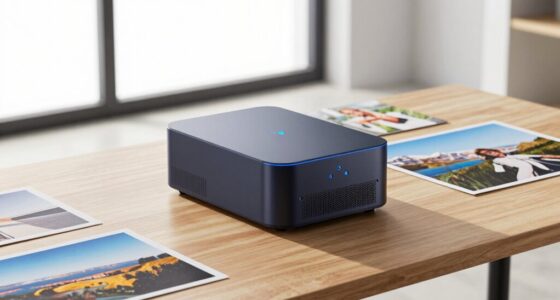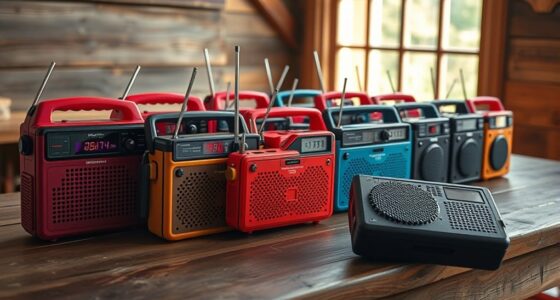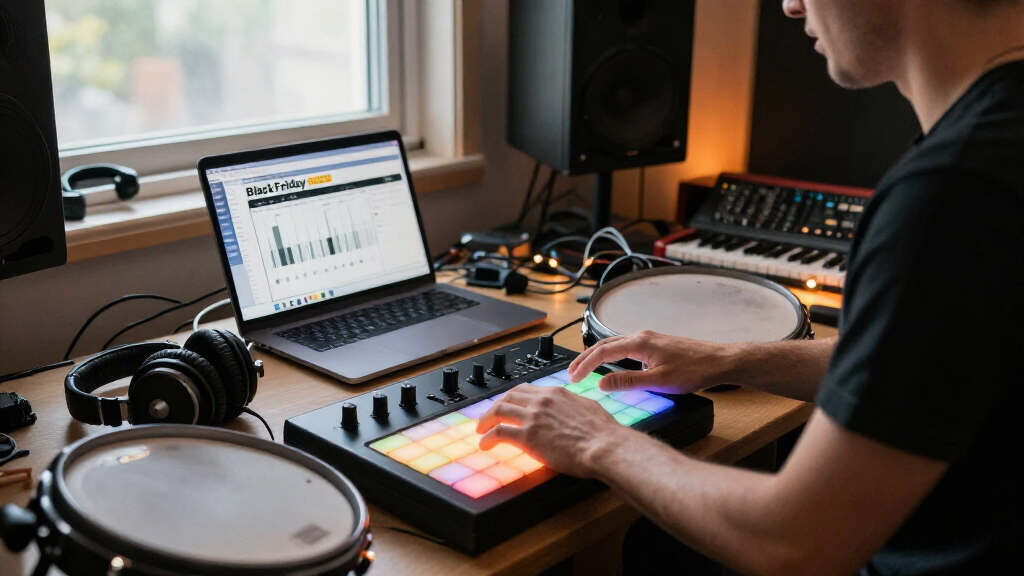
For Black Friday drum machines, I’d put the Roland TR-8S first for its broad live-performance toolkit, with the Arturia DrumBrute Impact as a focused analog alternative and the Alesis SR-18 as a straightforward standalone option. The main choice is between a dedicated drum machine, which keeps beat-making direct, and a sampler or groovebox, which offers more flexibility but asks you to learn a wider workflow. Size, sound shaping, sequencing, and how easily a unit connects to your existing gear matter as much as its feature list. Black Friday is a useful moment to compare standalone units with bundles, but included extras only help if you’ll use them. Continue reading for my full breakdown of all 14 options and guidance on matching one to your setup.

Get audio and creator gear delivered free with Prime
- Fast, free delivery on millions of items
- Prime Video, Amazon Music and more included
- Member-only deals all year
Complete the kit


Key Takeaways
- The TR-8S leads on range: It is the strongest fit here for buyers who want a performance-centered drum machine, while the DrumBrute Impact favors a more focused analog workflow.
- Sampler-based options trade immediacy for flexibility: The SP-404MKII, EP–133 K.O. II, and MPC Sample can cover more than drum patterns, but their broader workflows may be more than a beat-first beginner needs.
- Dedicated machines suit different kinds of simplicity: The Alesis SR-18 is a standalone pattern-making choice, while the Stylophone Beat and Pocket Operator PO-12 prioritize compactness over expansive control.
- Bundles need a contents check: The DrumBrute Impact and LM Drum bundle listings should be compared with their base versions by included accessories and actual setup needs, not assumed value.
- Compact and budget-minded choices make clear compromises: The Medeli MR101S, PO-12, and Stylophone Beat are easier to place in small setups, while larger units such as the RD-8 offer a more involved hardware experience.
| Alesis SR-18 Standalone Drum Machine |  | Best for Standalone Pattern Building | Brand and model: Alesis SR-18 | Drum and percussion sounds: 500 | Bass sounds: 50 | VIEW LATEST PRICE | See Our Full Breakdown |
| Roland TR-8S Rhythm Performer Drum Machine |  | Best for Classic TR Sounds and Live Control | Brand and model: Roland TR-8S | Sound sources: Modeled TR-808, TR-606, TR-909, TR-707, TR-727, and other sounds | Sample import: Mono or stereo samples via SD card | VIEW LATEST PRICE | See Our Full Breakdown |
| Roland SP-404MKII Creative Sampler and Effector |  | Best for Portable Sample Manipulation | Brand and model: Roland SP-404MKII | Internal storage: 16 GB | Polyphony: 32 voices | VIEW LATEST PRICE | See Our Full Breakdown |
| Teenage Engineering EP–133 K.O. II Sampler, Drum Machine, and Sequencer |  | Best for Portable Sampling Without Extra Gear | Brand and model: Teenage Engineering EP–133 K.O. II | Memory: 128 MB | Sample slots: 999 | VIEW LATEST PRICE | See Our Full Breakdown |
| Akai Professional MPC Sample Portable Sampler |  | Best for Portable MPC-Style Beatmaking | Brand and model: Akai Professional MPC Sample | Pads: 16 MPC pads | Display: 2.4-inch full-color display | VIEW LATEST PRICE | See Our Full Breakdown |
| Arturia DrumBrute Impact Analog Drum Machine |  | Best for Hands-On Analog Pattern Shaping | Sound type: Analog drum machine | Accent control: Separate control for each drum | Sound shaping: Optional Color on all instruments except Cowbell | VIEW LATEST PRICE | See Our Full Breakdown |
| Stylophone Beat Compact Stylus Drum Machine |  | Best Compact Practice Pick | Drum kits: 4 | Bass sounds: 4 | Pattern recording: Multiple patterns and layers | VIEW LATEST PRICE | See Our Full Breakdown |
| Arturia DrumBrute Impact Analog Drum Machine Bundle |  | Best Analog Starter Bundle | Sound type: 10 analog drum sounds | Performance pads: 8 | Patterns: 64 patterns of 64 steps | VIEW LATEST PRICE | See Our Full Breakdown |
| Behringer RD-78 Analog Drum Machine |  | Best for Preset-Led Classic Rhythms | Drum sounds: 15 | Rhythm presets: 34 | Sequencer: 16-step | VIEW LATEST PRICE | See Our Full Breakdown |
| Behringer LmDrum Hybrid Sampling Drum Machine |  | Best for Deep Sequencing and Sound Shaping | Sound count: 109 | Sequencer: 64-step | Modes: Pattern and Song | VIEW LATEST PRICE | See Our Full Breakdown |
| Teenage Engineering Pocket Operator PO-12 Rhythm Drum Machine and Sequencer |  | Best Compact Pick | Functions: Drum machine and sequencer | Sounds: Synthesized and sampled drum sounds | Punch-in effects: 16 | VIEW LATEST PRICE | See Our Full Breakdown |
| Medeli MR101S Portable Drum Machine, White |  | Best for Beginners | Drum pads: 16 touch-sensitive pads | Drum kits: 48 | Preset patterns: 100 | VIEW LATEST PRICE | See Our Full Breakdown |
| Behringer LM DRUM Hybrid Sampling Drum Machine Bundle with Headphones and 10 ft Auxiliary Cable |  | Best for Multitrack Studio Routing | Voice architecture: 16 voices | Sound engine: 8/12-bit sampling | Sequencer: 64 steps | VIEW LATEST PRICE | See Our Full Breakdown |
| Behringer RD-8 Classic Analog Drum Machine |  | Best for Analog Drum Sounds | Drum sounds: 16 | Sound engine: Analog | Sequencer: 64 steps | VIEW LATEST PRICE | See Our Full Breakdown |
| Black Friday drum machine | Connectivity | Weight |
|---|---|---|
| Alesis SR-18 Standalone Drum M | MIDI and instrument input | — |
| Roland TR-8S Rhythm Performer | — | — |
| Roland SP-404MKII Creative Sam | — | 2.6 lb (1.2 kg) |
| Teenage Engineering EP–133 K.O | — | — |
| Akai Professional MPC Sample P | USB-C audio/MIDI, stereo 1/4-inch TRS line in/out, 1/8-inch headphone output, MIDI in/out via adapter, sync out | — |
| Arturia DrumBrute Impact Analo | — | 2.4 kg |
| Stylophone Beat Compact Stylus | — | 14.8 ounces |
| Arturia DrumBrute Impact Analo | 5-pin MIDI | — |
| Behringer RD-78 Analog Drum Ma | USB | 2 pounds |
| Behringer LmDrum Hybrid Sampli | USB and MIDI | 10.1 pounds |
| Teenage Engineering Pocket Ope | — | — |
| Medeli MR101S Portable Drum Ma | USB-C MIDI and audio, headphone output, and line output | 1.87 pounds |
| Behringer LM DRUM Hybrid Sampl | MIDI In/Out/Thru, USB 2.0 Type B, Sync In/Out | — |
| Behringer RD-8 Classic Analog | USB | 3.98 kg |
More Details on Our Top Picks
Alesis SR-18 Standalone Drum Machine
The Alesis SR-18 is the most self-contained traditional drum machine in this group: its 500 drum and percussion sounds, 50 bass sounds, and built-in reverb, EQ, and compression give pattern makers plenty to work with before adding other gear. It includes 100 preset patterns and room for up to 200 user patterns, making it a practical choice for saving song ideas and building a repeatable set. Compared with the Roland TR-8S, it emphasizes a broad onboard sound library and straightforward standalone pattern-making rather than importing custom samples and shaping kits with performance controls. Its 12 velocity-sensitive pads offer hands-on input, while MIDI and an instrument input help it fit into a larger setup. The tradeoff is that its feature set is less focused on sample customization, and portable battery use requires six AA batteries, which are not included.
Pros:- Large onboard collection of 500 drum and percussion sounds plus 50 bass sounds
- Built-in reverb, EQ, and compression reduce the need for external processing
- Stores up to 200 user patterns and saved songs
- Can run on AC power or six AA batteries
Cons:- Battery operation requires six AA batteries, which are not included
- Does not offer the sample-import workflow described for the Roland TR-8S
- Product data does not provide dimensions or weight for judging portability
Best for: Songwriters and solo performers who want a self-contained pattern sequencer with a large sound library and saved song ideas.
Not ideal for: Sample-focused producers who want to import and customize their own sounds; the TR-8S and sampler options offer a more direct route to that workflow.
- Brand and model:Alesis SR-18
- Drum and percussion sounds:500
- Bass sounds:50
- Patterns:100 preset; up to 200 user patterns
- Pads:12 velocity-sensitive pads
- Effects:Reverb, EQ, and compression
- Connectivity:MIDI and instrument input
- Power:AC adapter or six AA batteries
Our verdict“Choose the SR-18 if you want broad onboard sounds and saved patterns in a standalone machine, rather than a sampler-centered workflow.”
Roland TR-8S Rhythm Performer Drum Machine
The Roland TR-8S is my pick for players who want classic drum-machine character but do not want to be limited to preset sounds. Its modeled sounds draw from the TR-808, TR-606, TR-909, TR-707, and TR-727, while SD-card sample import lets you build custom kits from mono or stereo material. Saving sound settings and effects with each of its 128 kits makes it easier to keep distinct setups ready for performance. Compared with the Alesis SR-18, the TR-8S puts more emphasis on kit customization and hands-on sound control; the SR-18 offers a larger stated count of onboard drum and percussion sounds plus bass sounds. The cost of that flexibility is a more involved workflow: sample import requires an SD card, and the graphical TR-EDITOR workflow uses separate software. It suits performers who want adaptable kits, not buyers seeking the simplest pattern box.
Pros:- Combines modeled sounds from several classic Roland TR machines
- Imports custom mono or stereo samples via SD card
- Saves sound settings and effects with each kit
- Hands-on controls suit performance-oriented beat making
Cons:- Custom sample import requires an SD card
- Graphical editing and organization use separate TR-EDITOR software
- Compared with the SR-18, it does not specify a large library of bass sounds or saved songs
Best for: Electronic performers and producers who want hands-on control over classic TR-style sounds alongside custom sample-based kits.
Not ideal for: Beginners seeking a simple self-contained pattern machine or anyone who does not want to manage SD-card samples and separate editor software.
- Brand and model:Roland TR-8S
- Sound sources:Modeled TR-808, TR-606, TR-909, TR-707, TR-727, and other sounds
- Sample import:Mono or stereo samples via SD card
- Kit storage:128 kits
- Sound settings:Settings and effects can be saved with each kit
- Software:TR-EDITOR graphical controls and organizational tools
Our verdict“Pick the TR-8S if classic TR-style sounds, custom kits, and hands-on performance control matter more than a simpler pattern workflow.”
Roland SP-404MKII Creative Sampler and Effector
The Roland SP-404MKII is the most sample-editing-focused pick here, making it a better fit for reshaping audio than for buyers who only need classic drum patterns. Its 17 velocity-sensitive RGB pads, OLED display, and tools for editing, sequencing, and resampling give beatmakers a hands-on way to capture and transform material. USB-C audio capture and streaming also connect it to mobile devices and computers, while multiple power options make it easier to work away from a fixed setup. Compared with the Teenage Engineering EP–133 K.O. II, the SP-404MKII lists more internal storage and a larger sample count per project; the EP–133 counters with a built-in microphone and speaker. The SP-404MKII’s tradeoff is that its sample workflow may be more than a pattern-first player needs, and battery use calls for six AA cells. An AC adaptor is listed as an option, but the supplied components are not specified here.
Pros:- Sample editing, sequencing, resampling, and audio capture support varied beatmaking workflows
- OLED display and 17 velocity-sensitive RGB pads aid hands-on editing
- USB-C supports audio capture and streaming with mobile devices and PC
- Offers USB-C, mobile battery, AA battery, and AC power options
Cons:- Battery-powered use requires six AA batteries
- An AC adaptor is listed as a power option, but the supplied components do not specify whether it is included
- Its broad sampler and effects workflow may be unnecessary for buyers seeking only drum patterns
Best for: Mobile beatmakers who want to capture, edit, sequence, and resample audio, with USB-C connectivity for recording or streaming.
Not ideal for: Players who mainly want a traditional drum-pattern machine or built-in microphone and speaker; the EP–133 K.O. II is more directly equipped for onboard capture and playback.
- Brand and model:Roland SP-404MKII
- Internal storage:16 GB
- Polyphony:32 voices
- Samples per project:160
- Internal projects:16
- Included samples and patterns:144
- Display and pads:OLED display; 17 velocity-sensitive RGB pads
- Weight:2.6 lb (1.2 kg)
- Power and connectivity:USB-C, mobile battery via USB-C, six AA batteries, or AC adaptor; USB-C audio capture and streaming
Our verdict“Choose the SP-404MKII if portable sample editing and resampling are central to your beatmaking, rather than a traditional drum-machine workflow.”
Teenage Engineering EP–133 K.O. II Sampler, Drum Machine, and Sequencer
The EP–133 K.O. II earns its place by combining sampling and sequencing with a built-in microphone and speaker, so a portable beatmaking setup does not have to start with separate capture and playback gear. Its four-track sequencer, 999 sample slots, and four groups of 99 patterns offer room to organize ideas, while the multifunction fader gives effects a direct performance control. Compared with the Roland SP-404MKII, the EP–133 is more explicitly equipped for self-contained recording and playback; the SP-404MKII has a stated 16 GB of internal storage and 32-voice polyphony, making its data more specific for larger sample projects. The EP–133’s 128 MB memory and voice limits are worth weighing if arrangements grow dense. Four AAA batteries or USB-C power support portable use, but the included-component list only names a USB-C cable.
Pros:- Built-in microphone and speaker support portable sampling and playback
- Four-track sequencing with four groups of 99 patterns
- 999 sample slots and a multifunction effects fader
- Runs on four AAA batteries or USB-C power
Cons:- Battery operation requires four AAA batteries
- 128 MB of memory may be restrictive for larger sample libraries
- Included components list only a USB-C cable, so other required accessories are not specified
Best for: Traveling beatmakers and casual samplers who want to record ideas with a built-in mic, sequence them, and play them back without a separate speaker.
Not ideal for: Producers building large, dense sample projects who need more specified internal storage or higher stated polyphony; the SP-404MKII is a stronger fit for that emphasis.
- Brand and model:Teenage Engineering EP–133 K.O. II
- Memory:128 MB
- Sample slots:999
- Sequencer:4 tracks; 4 groups x 99 patterns
- Voices:12 stereo or 16 mono
- Effects:6 built-in effects and 12 punch-in effects
- Inputs and outputs:Line-in, built-in microphone, sync in, MIDI in; line-out, sync out, MIDI out
- Power:4 AAA batteries or USB-C
Our verdict“Pick the EP–133 K.O. II if you want a portable sampler and sequencer that can capture and play sounds without separate audio gear.”
Akai Professional MPC Sample Portable Sampler
The Akai Professional MPC Sample is the most direct pick here for producers who want a portable, standalone sampler with familiar MPC pads rather than a dedicated drum machine. Its 16 pads, onboard sequencer, built-in speaker and microphone, and rechargeable battery make it a self-contained option for chopping sounds and building beats away from a computer. More than 100 factory kits and 60 effect types give buyers material to start with, while USB-C audio/MIDI, line connections, and microSD storage help it join a studio setup. Compared with the EP–133 K.O. II, the Akai emphasizes a 16-pad MPC workflow and rechargeable power; the EP–133 offers a built-in speaker and microphone too, plus a specified four-track sequencer and punch-in effects. The Akai’s 2.4-inch display is compact, and connecting MIDI DIN gear requires an adapter that is not included.
Pros:- Rechargeable battery, built-in speaker, and microphone support standalone portable beatmaking
- 16 MPC pads and an onboard sequencer support hands-on sampling and sequencing
- Over 100 factory kits and 60 effect types provide a broad starting palette
- USB-C audio/MIDI, audio connections, and microSD storage support studio use
Cons:- The 2.4-inch display offers limited screen space for detailed work
- MIDI DIN adapter is not included
- Unlike the EP–133 K.O. II, the supplied data does not specify a built-in pattern-group count
Best for: Beatmakers who want a rechargeable, standalone sampler with MPC-style pads, onboard kits, and connections for both portable and studio workflows.
Not ideal for: Producers who rely on a large screen or need to connect MIDI DIN equipment without extra adapters; the display is compact and the adapter is not included.
- Brand and model:Akai Professional MPC Sample
- Pads:16 MPC pads
- Display:2.4-inch full-color display
- Effects:4 processors with 60 effect types
- Factory kits:Over 100
- Storage:microSD card
- Battery:Rechargeable lithium-ion
- Connectivity:USB-C audio/MIDI, stereo 1/4-inch TRS line in/out, 1/8-inch headphone output, MIDI in/out via adapter, sync out
Our verdict“Choose the MPC Sample if you want rechargeable, standalone MPC-style sampling with broad connectivity and can work comfortably with a compact display.”
Arturia DrumBrute Impact Analog Drum Machine
For a Black Friday shortlist centered on immediate hands-on control, the DrumBrute Impact earns its place with separate accent control for each drum and optional Color sound shaping across nearly all its instruments. Those controls let beatmakers emphasize individual parts and alter their character without relying on preset rhythms. Its Song mode chains patterns, which is useful for building a longer sequence from shorter ideas. Compared with the bundled DrumBrute Impact listing, this version’s supplied details focus on the instrument itself rather than added MIDI cables and accessories, so it suits buyers who already have compatible gear. The tradeoff is that Color is unavailable on the Cowbell, and this model’s listed specs do not state its pattern capacity. Choose it for tactile analog sequencing, not for a large onboard sound library.
Pros:- Separate accent control for each drum supports more expressive patterns.
- Song mode chains patterns into longer arrangements.
- Optional Color shaping changes most instruments’ sound character.
- Metal body provides a sturdy-feeling construction.
Cons:- Color sound shaping is not available on the Cowbell.
- The provided product details do not specify pattern capacity or sound count.
- The supplied description does not list bundled MIDI cables or other accessories.
Best for: Beatmakers who want direct control over individual analog drum accents and pattern chaining in a metal-bodied instrument.
Not ideal for: Producers who need a broad sample library, extensive stated pattern storage, or sound shaping on every instrument.
- Sound type:Analog drum machine
- Accent control:Separate control for each drum
- Sound shaping:Optional Color on all instruments except Cowbell
- Pattern arrangement:Song mode chains patterns
- Body material:Alloy steel
- Dimensions:12.6 x 11.42 x 0.35 inches
- Weight:2.4 kg
- Connector:1/4-inch TRS
- Warranty:2 years
Our verdict“Choose the DrumBrute Impact if individual analog drum control matters more than a large sound library or a clearly specified pattern count.”
Stylophone Beat Compact Stylus Drum Machine
The Stylophone Beat is the most self-contained, lightweight choice in this group for sketching rhythms away from a full studio setup. Its built-in speaker means a quick idea does not require external monitors, while the wired headphone jack supports quieter practice. Four drum kits and four bass sounds provide a modest palette, and recording multiple patterns and layers gives those sounds room to develop. Tempo lock and a click track are practical aids for keeping takes steady. Compared with the larger, 109-sound Behringer LmDrum, the Stylophone is far less suited to deep sound selection or extended sequencing; its appeal is portability and straightforward beat sketching. It runs on three AA batteries, not included, and its plastic body and limited sound count make it a weaker fit for producers seeking a central studio instrument.
Pros:- Built-in speaker allows quick playback without separate audio gear.
- Four drum kits and four bass sounds support basic layered beat ideas.
- Multiple patterns and layers allow more than one simple rhythm sketch.
- Click track, tempo lock, and sound muting aid practice and arrangement.
Cons:- Requires three AA batteries, which are not included.
- Four drum kits and four bass sounds offer a limited palette beside the LmDrum.
- Headphone connection is wired, and the body is plastic.
Best for: Traveling beatmakers, students, and casual rhythm writers who want a small instrument with its own speaker and headphone output.
Not ideal for: Studio producers seeking a broad sound palette, a long sequencer, or a sturdy metal-bodied centerpiece.
- Drum kits:4
- Bass sounds:4
- Pattern recording:Multiple patterns and layers
- Controls:Click track, tempo lock, and sound muting
- Speaker:Built-in with volume control
- Headphone connection:Wired headphones
- Power:3 AA batteries, not included
- Dimensions:7.09 x 4.8 x 1.5 inches
- Weight:14.8 ounces
Our verdict“Pick the Stylophone Beat for portable practice and quick sketches, but choose the LmDrum if sound variety and sequencing depth matter more.”
Arturia DrumBrute Impact Analog Drum Machine Bundle
This DrumBrute Impact bundle makes the most sense for buyers building a hardware setup who want analog drums and MIDI cables in one package. It offers 10 analog sounds, eight performance pads, and 64 patterns of 64 steps, giving players room to perform and store substantial sequences. The included power supply removes the need to source that listed accessory separately, while two six-foot MIDI cables can connect compatible equipment. Compared with the standalone DrumBrute Impact in this roundup, the core model is closely related; the bundle’s distinction is its added cables, power supply, and polishing cloth, not a different sound engine. That makes it less compelling if those accessories are already on hand. It also needs external power, so it is not as grab-and-go as the battery-powered Stylophone Beat.
Pros:- Ten analog drum sounds offer a focused hardware sound set.
- Eight performance pads support hands-on playing.
- 64 patterns of 64 steps provide substantial sequencing capacity.
- Bundle includes a power supply and two six-foot MIDI cables.
Cons:- Requires a power supply for operation, limiting battery-free portability.
- Included MIDI cables are six feet long and may not suit every setup.
- The bundle adds little value for buyers who already have the listed accessories.
Best for: Hardware-based producers who want Arturia’s analog drum sounds, substantial pattern capacity, and included MIDI cabling for a compatible setup.
Not ideal for: Buyers who already own a power supply and MIDI cables, or who need a battery-powered machine for portable sessions.
- Sound type:10 analog drum sounds
- Performance pads:8
- Patterns:64 patterns of 64 steps
- Connectivity:5-pin MIDI
- Included accessories:2 Pig Hog six-foot MIDI cables, power supply, and polishing cloth
- Model:DrumBrute Impact
- Brand:Arturia
- Warranty:1 year
Our verdict“Choose this bundle over the standalone DrumBrute Impact when you need its included power supply and MIDI cables as well as the analog sequencer.”
Behringer RD-78 Analog Drum Machine
The RD-78 suits buyers who would rather start from established rhythm patterns than build every beat from a blank sequence. Its 34 rhythm presets offer ready-made starting points, while 15 classic analog drum sounds and a 16-step sequencer keep the interface focused on concise beat creation. The stated compact, durable design also makes it a plausible studio or live-use option. Compared with the Arturia DrumBrute Impact, the RD-78 emphasizes preset access and a larger listed sound count, while the Arturia offers per-drum accent control, Color shaping, and Song mode. The RD-78’s preset-led approach can save setup time, but may feel restrictive to producers who want more room to shape or chain original patterns. Product details list USB connectivity but do not specify broader sequencing modes or MIDI.
Pros:- 15 classic analog drum sounds give a focused kit of rhythm voices.
- 34 rhythm presets provide quick starting points.
- 16-step sequencer keeps beat programming straightforward.
- Alloy-steel body and compact design are suited to studio or live setups.
Cons:- Preset-led rhythm selection may limit variety for users who want to create from scratch.
- The listed details do not specify Song mode, MIDI, or advanced sound shaping.
- The provided product information flags that the manual may not be available in German.
Best for: Performers and newer hardware users who want classic analog drum sounds and ready-made rhythms for quick beat starts.
Not ideal for: Producers who prefer building and chaining original patterns or need documented MIDI and advanced sound-shaping controls.
- Drum sounds:15
- Rhythm presets:34
- Sequencer:16-step
- Connectivity:USB
- Body material:Alloy steel
- Dimensions:15.5 x 7.75 x 3.62 inches
- Weight:2 pounds
- Included component:Instruction manual
Our verdict“Pick the RD-78 for quick access to classic preset rhythms, but favor the DrumBrute Impact for more hands-on pattern shaping and chaining.”
Behringer LmDrum Hybrid Sampling Drum Machine
The LmDrum is the strongest fit here for producers who want a broad onboard palette and longer sequences rather than a compact, narrowly focused analog box. Its 109 sounds and 64-step sequencer support extended patterns, while Pattern and Song modes help move from beat ideas toward arranged material. A dual-mode filter and Wave Designer add ways to shape the sounds without requiring a separate processor. Compared with the Arturia DrumBrute Impact, this Behringer leans into hybrid sampling, sound count, and sequence length; the Arturia instead centers on analog instruments with individual accents and Color controls. The LmDrum’s main compromise is physical: at 20.7 inches wide and 10.1 pounds, it takes more desk space and is less convenient to carry. Choose it for a studio or performance rig with room for a larger unit.
Pros:- 109 sounds provide a broad palette for hybrid drum programming.
- 64-step sequencing supports longer patterns than the RD-78’s 16-step sequencer.
- Pattern and Song modes support both beat creation and arrangement.
- Dual-mode filter, Wave Designer, USB, and MIDI add sound-shaping and connection options.
Cons:- Its 20.7 x 13.85-inch footprint needs substantial workspace.
- At 10.1 pounds, it is less convenient to carry than the compact Stylophone Beat.
- Its larger feature set may be excessive for buyers who only need short, preset-led rhythms.
Best for: Studio producers and live performers who want many onboard sounds, long sequences, song arrangement, and built-in sound-shaping tools.
Not ideal for: Traveling musicians or desk-limited producers who need a lightweight, compact drum machine.
- Sound count:109
- Sequencer:64-step
- Modes:Pattern and Song
- Sound-shaping controls:Dual-mode filter and Wave Designer
- Connectivity:USB and MIDI
- Included components:USB cable and MIDI cable
- Dimensions:20.7 x 13.85 x 4.45 inches
- Weight:10.1 pounds
- Warranty:2 years
Our verdict“Choose the LmDrum for a broad sound palette and long, arrangable sequences if you have room for its larger, heavier body.”
Teenage Engineering Pocket Operator PO-12 Rhythm Drum Machine and Sequencer
For a Black Friday shortlist built around portable, self-contained beatmaking, the PO-12 is the smallest and simplest option here. Its synthesized and sampled drum sounds, 16 punch-in effects, and pattern chaining make it possible to sketch rhythms without setting up a computer or larger rig. The built-in speaker suits quick practice, while the 3.5 mm output connects it to headphones or other gear. Compared with the Medeli MR101S, it has fewer pads and far less pattern storage, but takes up much less space and offers a more stripped-down, immediate workflow. That compactness brings tradeoffs: its small interface can feel limiting for detailed editing, and it runs on two AAA batteries rather than USB power. I’d choose it for quick ideas, not as a full studio centerpiece.
Pros:- Pocket-sized, battery-powered design with a built-in speaker
- Combines synthesized and sampled drum sounds
- 16 punch-in effects and 16 pattern chains support varied, evolving patterns
- 3.5 mm line output allows connection to external audio gear
Cons:- Requires two AAA batteries, which may need replacing during regular use
- Very small format limits the available hands-on controls
- Offers less pad space and pattern capacity than the Medeli MR101S
Best for: Traveling beatmakers and beginners who want a pocketable drum sequencer for quick rhythm sketches without a full setup.
Not ideal for: Producers who need a large pad surface, extensive pattern storage, or USB-based power and computer integration.
- Functions:Drum machine and sequencer
- Sounds:Synthesized and sampled drum sounds
- Punch-in effects:16
- Pattern chains:16
- Audio output:3.5 mm line out
- Power:2 AAA batteries
- Battery life:1 month
- Dimensions:7 x 3.5 x 0.2 inches
Our verdict“Choose the PO-12 for portable, spontaneous beatmaking; pick the Medeli MR101S if you need more pads and saved patterns.”
Medeli MR101S Portable Drum Machine, White
The MR101S is the most approachable choice here for players who want pads, preset rhythms, and a way to save their own patterns without assembling a separate setup. Its 16 touch-sensitive pads, 100 presets, and room for 100 custom patterns offer a clear starting point for learning and experimentation. Built-in stereo speakers make practice simple, while the included foot pedal adds hands-free control that the smaller Teenage Engineering PO-12 does not provide. USB-C audio and MIDI also give this model a more direct route into apps or studio software. The tradeoff is that its portable format still offers only 16 pads, less room to play than a larger production machine such as the Behringer LM DRUM. Battery operation also calls for batteries that aren’t specified as included. I’d favor it for accessible practice and pattern building, not complex multitrack production.
Pros:- 100 preset patterns plus storage for up to 100 custom patterns
- Included foot pedal enables hands-free triggering and playback control
- Built-in stereo speakers, headphone output, and line output support different listening setups
- USB-C carries MIDI and audio for connection to compatible software and apps
Cons:- Battery use requires batteries, and the product data does not specify that they are included
- The 16-pad layout offers less playing surface than larger drum machines
- Less suited to multitrack studio routing than the Behringer LM DRUM
Best for: New players and home musicians who want an easy-to-start pad machine with presets, custom pattern storage, and hands-free control.
Not ideal for: Studio producers who need extensive independent outputs, a larger performance surface, or deep per-voice sound shaping.
- Drum pads:16 touch-sensitive pads
- Drum kits:48
- Preset patterns:100
- Custom patterns:Record and save up to 100
- Power:USB-C or batteries
- Connectivity:USB-C MIDI and audio, headphone output, and line output
- Speakers:Built-in stereo speakers
- Included accessory:Foot pedal
- Weight:1.87 pounds
Our verdict“Choose the MR101S for guided practice and accessible pattern making, especially if its foot pedal and USB-C connectivity fit your setup.”
Behringer LM DRUM Hybrid Sampling Drum Machine Bundle with Headphones and 10 ft Auxiliary Cable
This bundle stands out for producers who want a sample-based drum machine with substantial hands-on control and studio routing. The 16-voice engine, velocity-sensitive pads with aftertouch, and per-voice controls support more detailed performances and sound shaping than the portable Medeli MR101S. Its 64-step sequencer adds probability, swing, flam, and repeat tools, while 16 independent analog outputs make it practical to send sounds to separate mixer channels or processors. The included headphones and auxiliary cable offer useful extras, though the machine’s strongest appeal is its production connectivity rather than grab-and-go convenience. Its 8/12-bit sampling character is deliberately vintage, so it’s a specific sonic choice, not a neutral route to every drum sound. Compared with the analog Behringer RD-8, the LM DRUM favors hybrid sampling and per-voice flexibility over a dedicated analog sound engine.
Pros:- 16-voice hybrid sampling engine with per-voice level and pan controls
- 64-step sequencer includes probability, swing, flam, repeat, mute, and solo functions
- 16 independent analog outputs support multitrack recording and external processing
- Wave Designer, dual-mode analog filter, headphones, and auxiliary cable are included
Cons:- 8/12-bit sampling gives the sound a deliberately vintage character that may not suit every production
- Its extensive routing and performance controls are more involved than the Medeli MR101S
- The included auxiliary cable is 10 feet long, which may not fit every workspace
Best for: Studio producers and live performers who want hybrid sampling, detailed sequencing, and separate analog outputs for external mixing or processing.
Not ideal for: Buyers seeking a lightweight travel machine, a modern neutral sample character, or a simple preset-focused interface.
- Voice architecture:16 voices
- Sound engine:8/12-bit sampling
- Sequencer:64 steps
- Drum pads:16 velocity-sensitive pads with aftertouch
- Analog outputs:16 independent outputs
- Audio outputs:2 x 6.35 mm TS
- Connectivity:MIDI In/Out/Thru, USB 2.0 Type B, Sync In/Out
- Included accessories:TAPH100 headphones and 10 ft auxiliary cable
Our verdict“Choose the LM DRUM bundle if separate outputs and hybrid sampling matter more than portability or a modern, neutral sound.”
Behringer RD-8 Classic Analog Drum Machine
The RD-8 is the pick for buyers who want a dedicated analog drum machine and a direct hardware workflow rather than a portable pad instrument. Its 16 drum sounds and 64-step sequencer support patterns with polymeter, repeats, real-time triggering, and track mute and solo, giving performances room to shift beyond a static loop. Eleven independent analog outputs let you route sounds to separate mixer channels or external effects, a strong studio feature compared with the compact Teenage Engineering PO-12. The tradeoff is a narrower sound approach than the sampling-based Behringer LM DRUM: this model is centered on analog drum sounds, not flexible sample playback. At 3.98 kg, it is also less suited to regular travel, and its plastic body may disappoint buyers expecting an all-metal chassis. I’d shortlist it for hardware-focused studios, not for maximum portability.
Pros:- Analog sound engine provides a dedicated alternative to the LM DRUM’s hybrid sampling
- 64-step sequencer supports polymeter, repeats, real-time triggering, and track mute and solo
- 11 independent analog outputs allow separate routing for processing and multitrack recording
- Wave design controls, global accent, and a dual-mode filter add sound-shaping options
Cons:- At 3.98 kg, it is far less portable than the Teenage Engineering PO-12
- Plastic body may feel less substantial than an all-metal drum machine
- Its analog-focused sound design offers less sample flexibility than the Behringer LM DRUM
Best for: Hardware producers who want an analog drum sound engine, hands-on sequencing, and separate outputs for external processing or recording.
Not ideal for: Traveling musicians who need a lightweight battery-powered unit, or producers who need sample-based sound design and broad portability.
- Drum sounds:16
- Sound engine:Analog
- Sequencer:64 steps
- Outputs:11 independent analog outputs
- Sequencing features:Polymeter, repeats, real-time triggering, track mute, and solo
- Sound shaping:Wave design controls, global accent, and dual-mode filter
- Connectivity:USB
- Weight:3.98 kg
- Included component:Headphone
Our verdict“Choose the RD-8 for analog drum sounds and multitrack hardware routing; choose the LM DRUM if sampling flexibility matters more.”
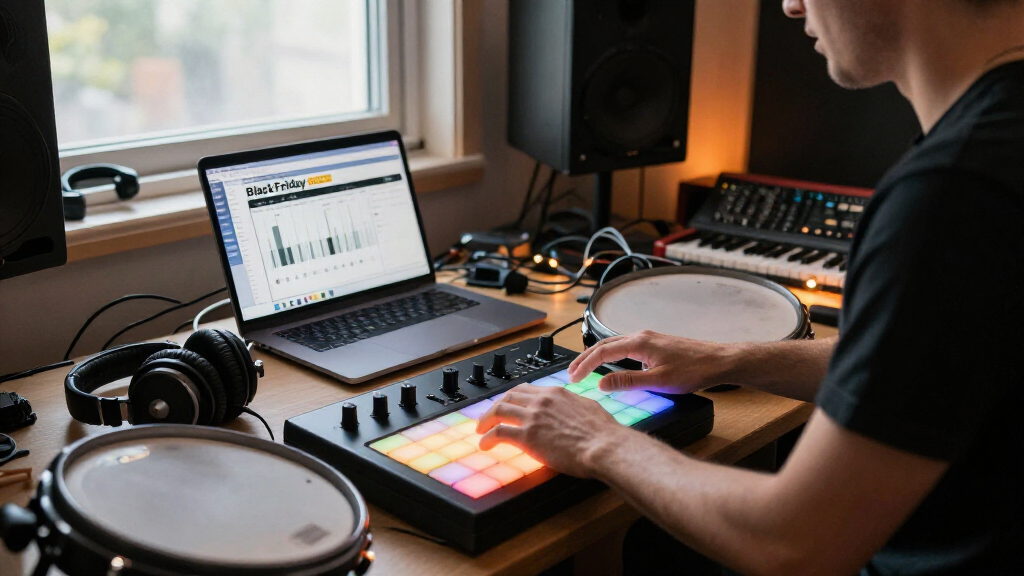
How We Picked
I ranked these machines by how well their core workflow serves a clear buyer need: making patterns quickly, shaping sounds, performing live, or building a portable setup. I weighed sequencing access, sound-generation or sampling approach, hands-on control, connectivity potential, and whether a device can work on its own or depends on other gear. A wider feature set counted as an advantage only when it gave a buyer a practical reason to choose that unit.
The ordering favors versatility and clear day-to-day usefulness first, then rewards focused devices when their workflow is especially direct or portable. I treated sampler-led grooveboxes differently from dedicated drum machines, since they can offer broader music-making but may take more setup and learning. I also separated base models from bundles: accessories can make a package more convenient, but they do not change the instrument itself. Each pick has a tradeoff, and the best choice depends on whether a buyer values performance control, sound character, portability, or simplicity.
Factors to Consider When Choosing Black Friday Drum Machines
Before choosing from this lineup, I’d pin down how the machine will fit into your routine, not just which one has the longest feature list. These broader decisions can prevent a Black Friday impulse buy from turning into a device that stays disconnected.
Choose a Drum Machine or a Sampler Workflow
A dedicated drum machine is usually the clearer route when your main goal is building and changing beats. A sampler can stretch beyond drums into chopped audio, resampling, and broader arrangements, but that freedom may bring extra steps and menu work. Decide whether you want to make patterns from built-in sounds or shape beats from recorded material. Buyers who already have a preferred sample library should check how easily the device can work with their audio and file workflow. A common mistake is choosing a sampler for its possibilities when what you really need is a fast, focused rhythm tool. Conversely, a dedicated machine may feel limiting if you expect it to become the center of a larger production setup.
Match the Sequencer to How You Make Beats
Sequencers differ in how much they encourage step-by-step programming, live input, pattern chaining, and performance changes. If you build beats by placing hits deliberately, prioritize clear step access and a pattern structure that feels easy to follow. If you play parts in real time, look for responsive pads or controls and a way to capture timing without interrupting the flow. Before buying, think through a typical session: create a beat, revise it, move to another section, and perform or record the result. A long list of sequencing features is not useful if the controls slow down your most common task. For beginners, a visible, repeatable workflow can be more valuable than advanced options that remain unused.
Plan for the Rest of Your Setup
Check how the machine will connect to your current instruments, headphones, mixer, computer, and recording system. A unit that works standalone can be convenient, but you may still need suitable cables or an interface to record it cleanly. MIDI and sync support matter when a drum machine has to follow another sequencer or keep several devices together. Think about whether you need separate outputs for mixing individual sounds or whether a stereo feed is enough for your use. Small connector details can affect where a machine fits in a live rig, so check the manual and product specifications before purchase. Avoid assuming that a bundle’s included cable solves every connection need.
Decide How Much Sound Shaping You Need
Some buyers want a set of ready-to-use drum sounds, while others want to tune, shape, layer, or replace them. More sound-design control can help a machine stay useful across different styles, but it can also add complexity to routine beat-making. Consider whether you need a recognizable analog character, broad sample options, or simply a dependable set of sounds for practice and songwriting. If you rely on samples, check how they are loaded, organized, and backed up before committing. A common buying error is judging sound options by quantity alone; the speed of finding and editing a useful sound matters just as much. Choose depth when you will use it, not as a proxy for quality.
Treat Portability as a Workflow Choice
A compact unit can encourage frequent practice and work well on a crowded desk, but smaller controls may make detailed programming less comfortable. Larger machines often provide more direct access to sounds and patterns, yet they take up more space and can be less convenient to carry. Consider where you will actually make music: at a desk, on a couch, in a rehearsal room, or onstage. Also check whether portable use depends on batteries, a power adapter, or other equipment. Buyers sometimes focus on the device’s dimensions while overlooking the size of the complete setup, including headphones and cables. Portability is most useful when it supports a regular habit rather than merely making the product easier to store.
Compare Black Friday Bundles by What You Will Use
During Black Friday, a bundle can appear like an easy shortcut, but its value depends on the included items and your existing gear. Compare the instrument itself first, then check whether headphones, cables, or other accessories match your intended setup. A bundled accessory may be unnecessary if you already own a suitable version, and a short or mismatched cable can still leave a connection gap. Check whether the bundle is the same model as the standalone listing rather than assuming the package changes the machine’s capabilities. Keep a note of the exact model name and included contents when comparing listings. This makes it easier to choose the package that solves a real setup need instead of adding extras that will sit unused.
Frequently Asked Questions
Should I choose the Roland TR-8S or a sampler if I mainly want to perform live?
I’d lean toward the TR-8S if your priority is a dedicated rhythm instrument with hands-on performance control. The SP-404MKII, EP–133 K.O. II, and MPC Sample make more sense if triggering, arranging, or reshaping recorded audio is central to your set. A sampler can cover a wider range of material, but that flexibility may demand more preparation before a performance. Think about whether you want to change drum patterns and sounds directly or build sets around your own samples. The best fit is the one whose controls match the moves you expect to make onstage.
Is the Arturia DrumBrute Impact bundle a better choice than the base DrumBrute Impact?
It is a better choice only if the bundle’s included accessories fill a need in your setup. The underlying DrumBrute Impact remains the same instrument, so the package does not automatically add new sound or sequencing capabilities. Check the exact bundle contents and compare them with the headphones, cables, or other gear you already own. If the extras are useful and compatible, a bundle can reduce the number of separate items you need to source. If not, the base model may be the cleaner purchase.
Are compact drum machines like the PO-12 or Stylophone Beat suitable as a first beat-making instrument?
They can be good entry points if portability and quick experimentation matter more than extensive editing. Their compact formats are less suited to buyers who want large controls, broad sound shaping, or a deep arrangement workflow. Before choosing one, consider how comfortable you are entering patterns on a small interface and whether you expect to connect it to other gear. A beginner who wants a dedicated, more conventional standalone experience may prefer the Alesis SR-18 instead. The right first machine is the one that makes you want to repeat the process of building and changing a beat.
Do I need a computer to use the drum machines in this roundup?
Several products here are designed to make beats without a computer, including dedicated drum machines and portable groove-oriented options. A computer can still help with recording, arranging, managing samples, or integrating a machine into a larger production. Sampler-based models may fit your workflow better if you already rely on computer-prepared audio, though their specific file and connection needs should be checked first. Confirm power requirements and audio outputs before assuming a device will work in your intended standalone setup. If you plan to record externally, budget attention for the interface and cables as well as the instrument.
What should I check before buying a Black Friday drum machine bundle?
Start by confirming the exact model, package contents, and whether the listing describes the same instrument as the standalone version. Then check accessory compatibility: cable types, headphone connections, and power supplies can vary between setups. Look for any details that affect your intended use, such as included software or sample access, and verify those terms in the listing. Compare the bundle against what you already own rather than treating every extra as useful. A bundle is most helpful when it gets the machine connected and ready for your actual workflow without leaving a missing item to buy separately.
Conclusion
For the broadest performance-oriented choice, I’d start with the Roland TR-8S; for a more focused analog approach, choose the Arturia DrumBrute Impact. The Alesis SR-18 is my pick for buyers who want a direct standalone drum machine, while the EP–133 K.O. II or Akai MPC Sample better suit people who want sampling at the center of their beat-making. For a premium, hands-on sampler workflow, the Roland SP-404MKII is the standout option in this group. If portability is the main need, compare the Pocket Operator PO-12, Stylophone Beat, and Medeli MR101S by control style and intended use. I’d choose an LM Drum or DrumBrute bundle only when its listed accessories genuinely fit the setup; the package label alone should not decide the purchase.