
TL;DR

Get audio and creator gear delivered free with Prime
- Fast, free delivery on millions of items
- Prime Video, Amazon Music and more included
- Member-only deals all year
Researchers are testing daily at-home gum line photo scoring to detect early signs of inflammation. This could enhance preventive dental care and patient engagement between visits.
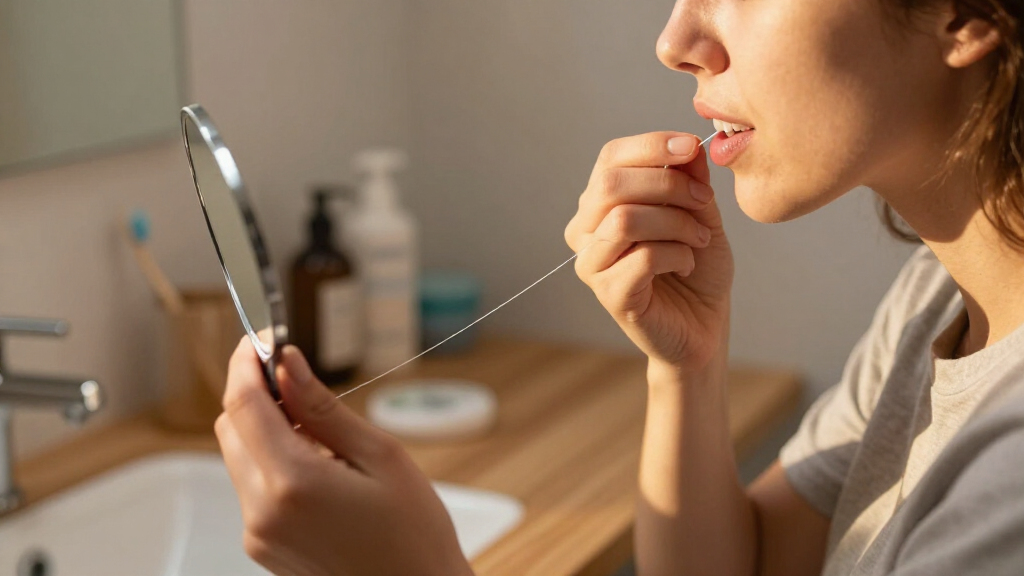
Dental hygienists are testing a new approach that involves patients taking daily photos of their gum lines to monitor early signs of inflammation. This initiative aims to improve preventive care by catching issues before they worsen, potentially transforming how dental health is managed between visits.
The concept involves patients using their smartphones to take standardized photos of their gum lines daily. These images are then scored using an on-device system that assesses redness and other indicators of inflammation, providing a simple trend score. The goal is to flag worsening conditions early, prompting patients to seek professional advice during their next appointment.
According to an anonymous researcher involved in the pilot, the program is designed for patients enrolled in recall and prevention programs managed by dental hygienists. The initial test recruits 20 patients who will photograph their gums daily over a three-week period. The hygienist will review the flagged cases to determine if the scores accurately reflect early inflammation, with the aim of validating the approach’s effectiveness.
This method leverages the increasing quality of phone cameras and advances in on-device image scoring, making at-home monitoring a feasible supplement to traditional dental visits. The subscription-based model could be sold through dental practices as an add-on to standard care, providing ongoing engagement and early detection of gum issues.
Potential Impact on Preventive Dental Care
This initiative could significantly enhance the early detection of gum inflammation, a common precursor to periodontal disease. By empowering patients to monitor their gum health daily, dental practices may reduce the incidence of advanced gum disease, lower treatment costs, and improve overall oral health outcomes. Additionally, this approach fosters greater patient engagement and responsibility for their dental health, which has been shown to improve compliance and preventive behaviors.
As an affiliate, we earn on qualifying purchases.
Advances in At-Home Oral Health Monitoring
Recent technological developments have made smartphone-based oral health monitoring increasingly viable. Phone cameras now offer high-resolution imaging, and on-device scoring algorithms can assess indicators like redness and plaque buildup. The idea of daily gum line photos is part of a broader trend toward consumer-driven health monitoring, with the dental field exploring ways to incorporate these tools into routine preventive care.
Previous efforts have focused on remote monitoring of dental appliances or general oral hygiene, but targeted gum inflammation detection represents a new frontier. The pilot program is among the first to test the practical application of daily imaging for early intervention, with initial validation studies planned to assess accuracy and clinical relevance.
“The goal is to develop a simple, daily routine that patients can easily perform, providing valuable data to dental hygienists between visits.”
— an anonymous researcher
Effectiveness and Accuracy of Daily Photo Scoring
It is not yet confirmed how accurately the phone-based scoring system can detect early gum inflammation. The pilot’s results will determine whether flagged cases reliably match clinical signs observed during professional examinations. The sample size is limited, and further validation will be needed before broader adoption can be recommended.
Next Steps in Validating At-Home Gum Monitoring
The ongoing pilot will conclude after three weeks, with hygienists reviewing whether the flagged cases correspond to actual inflammation. If successful, larger-scale studies will be planned to refine the scoring algorithms and assess long-term benefits. Dental practices may begin offering this as an optional preventive tool once validated.
Key Questions
How does daily gum line photo scoring improve dental health?
It enables early detection of gum inflammation, allowing timely intervention and preventing progression to more serious periodontal issues.
Can anyone use this at home?
Initially, the system is being tested with patients in dental recall programs, but if validated, it could become widely accessible for general use.
What equipment is needed?
A standard smartphone with a good camera is sufficient, along with a simple app that guides the photo-taking process and provides scoring feedback.
Will this replace regular dental checkups?
No, it is designed to supplement professional care by providing additional early warning signs, not replace in-clinic examinations.
When will this approach be widely available?
It is still in testing; broader availability depends on validation results and regulatory approval, which could take several years.
Source: IdeaNavigator AI
Halloween Picks
halloween
As an affiliate, we earn on qualifying purchases.