
📊 Full opportunity report: Women’s Health Radar on IdeaNavigator AI — validation score, market gap, and execution plan.

Get audio and creator gear delivered free with Prime
- Fast, free delivery on millions of items
- Prime Video, Amazon Music and more included
- Member-only deals all year
TL;DR
A startup is developing a women’s health radar app to detect early signs of perimenopause in women aged 40-58. The tool uses symptom logging and AI to flag potential transition signals, aiming to improve diagnosis and reduce health disparities.
A new digital health tool called the Women’s Health Radar is in development to help women aged 40-58 identify early signs of perimenopause. This innovation aims to address longstanding challenges in diagnosing and managing perimenopausal symptoms, which are often misattributed or overlooked. The tool is designed for direct-to-consumer use, with potential secondary applications for employers and health plans seeking to reduce attrition and absenteeism linked to menopausal symptoms.
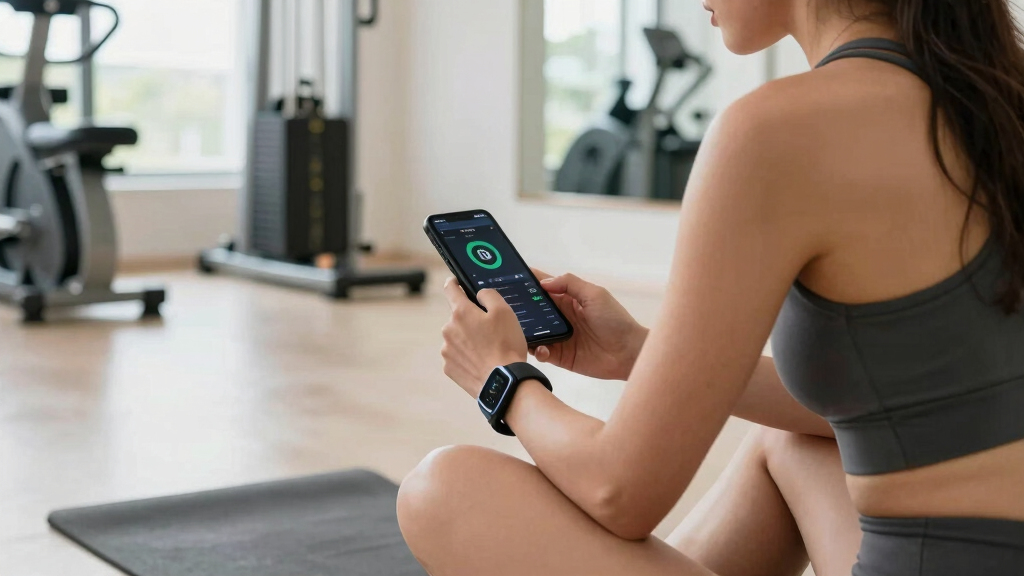
The Women’s Health Radar is a mobile app that enables women over 40 to log daily symptoms such as sleep disruption, mood changes, hot flashes, irregular cycles, and energy levels. Optional wearable data can also be incorporated. Using a rules-based and machine learning algorithm, the app compares logged symptoms against validated perimenopause symptom scales to identify patterns indicative of the transition. Wearable data can also be incorporated.
When the app detects potential early signals of perimenopause, it generates a shareable, clinician-ready symptom summary and provides a routing prompt to connect women with covered telehealth services or local menopause specialists. The system positions itself as an educational pattern detection tool, not a diagnostic device, aiming to improve early detection and timely care.
The initiative is currently in the validation phase, planning a 4-6 week pilot test involving women aged 40-55. The test will measure engagement through metrics such as quiz completion, ongoing symptom tracking, and click-through rates to telehealth or referral options. A successful pilot would demonstrate at least 25% of participants opting into ongoing tracking and 10% requesting clinician summaries or referrals.
Potential Impact on Perimenopause Diagnosis and Care
This development could significantly improve early detection of perimenopause, a period often marked by misdiagnosis or dismissal of symptoms. By leveraging digital symptom tracking and AI analysis, the Women’s Health Radar aims to reduce the time women spend undiagnosed or untreated, potentially improving quality of life and health outcomes. Additionally, the tool aligns with the growing femtech industry, which has seen increased investment and acceptance, especially as menopause shifts from taboo to a recognized health focus. If successful, it could also help employers and insurers reduce costs associated with absenteeism and attrition linked to menopausal symptoms.
women's sleep tracker for hot flashes
As an affiliate, we earn on qualifying purchases.
As an affiliate, we earn on qualifying purchases.
Rise of Menopause Focus in Femtech and Digital Health
Menopause has become the fastest-growing vertical within the femtech sector, with companies like Midi Health reaching a $1 billion valuation in February 2026. Major insurers now cover virtual menopause consultations, reflecting increased acceptance of digital menopause management. Despite this progress, many women still experience delays in diagnosis due to limited clinician training and symptom misattribution to stress or aging. The advent of affordable wearables, validated symptom scales, and AI pattern detection has created new opportunities for early intervention and personalized care, making tools like the Women’s Health Radar timely and relevant.
“Early detection of perimenopause through digital symptom tracking could transform how women access care and manage symptoms.”
— an anonymous researcher
Uncertainties Surrounding Validation and Adoption
It is not yet clear how accurately the Women’s Health Radar will identify early perimenopause signals or how women will respond to the app’s prompts. The effectiveness of the AI algorithms in diverse populations remains to be validated in the upcoming pilot. Additionally, the willingness of women to log daily symptoms consistently and engage with the tool over time is still uncertain. The integration with healthcare providers and insurers, and the subsequent impact on diagnosis rates, also require further evaluation.
Next Steps for Validation and Market Testing
The development team plans to launch a 4-6 week pilot involving women aged 40-55, focusing on measuring engagement, symptom tracking consistency, and referral requests. Success in this phase could lead to further clinical validation, refinements to the algorithm, and eventual broader rollout. Simultaneously, the team will explore partnerships with healthcare providers and insurers to integrate the tool into existing menopause care pathways and benefits programs. Funding and regulatory considerations will also shape the subsequent development stages.
Key Questions
How does the Women’s Health Radar detect early signs of perimenopause?
The app collects daily symptom data, optionally combined with wearable information, and uses an AI-based algorithm to compare patterns against validated symptom scales, flagging potential early signals of perimenopause.
Is this tool intended to replace diagnosis by a healthcare professional?
No, the Women’s Health Radar is positioned as an educational and pattern detection aid, not a diagnostic device. It aims to prompt women to seek professional evaluation if early signs are detected.
Who will have access to the app and its reports?
The app is designed for women aged 40-58, with outputs shareable with healthcare providers. Secondary access may include employers or health plans interested in supporting menopausal health initiatives.
What are the potential benefits for employers and insurers?
By facilitating early detection and management of menopausal symptoms, the tool could help reduce employee attrition and absenteeism related to menopause, potentially lowering healthcare costs for organizations.
When will the app be available for wider use?
The timeline depends on pilot outcomes and subsequent validation, but a broader rollout could occur within the next 12-18 months if initial testing proves successful.
Source: IdeaNavigator AI
Columbus Day / Indigenous Peoples' Day Picks
long weekend sales
As an affiliate, we earn on qualifying purchases.