
TL;DR
AI agents are increasingly replacing conventional software workflows by automating complex processes and enabling autonomous decision-making. This shift results in faster, more flexible operations but also raises questions about control and reliability. Understanding these changes helps organizations prepare for a more AI-driven future.
As artificial intelligence advances, its role in shaping software workflows has become a topic of intense interest and debate. Instead of merely assisting human users, AI agents now automate entire processes, from data analysis to decision-making, challenging traditional notions of workflow management. This evolution promises increased efficiency and agility for organizations but also introduces new risks and considerations. In this article, you’ll learn how AI agents are replacing conventional workflows, the implications for your business, and how to adapt to this disruptive shift.
The Rise of Autonomous AI Agents in Workflow Automation
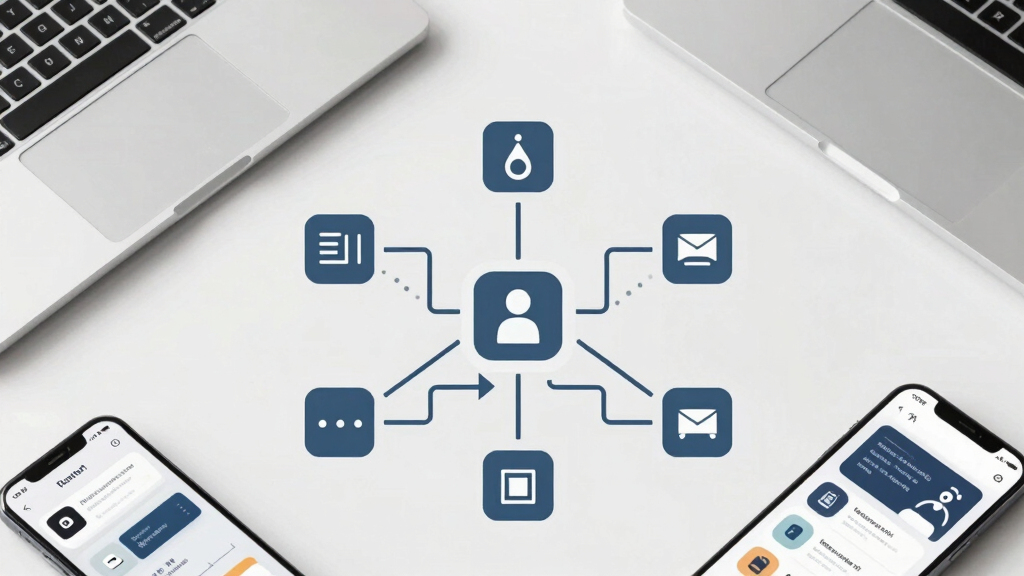
AI agents are evolving from simple automation tools to autonomous entities capable of managing entire workflows. Unlike static scripts or predefined processes, these agents learn, adapt, and make decisions in real time. For example, in supply chain management, AI agents can monitor inventory levels, predict demand fluctuations, and reorder stock without human input. According to industry reports, by 2026, more than 60% of routine tasks in enterprise environments are managed by AI agents, freeing human workers for strategic activities.
This shift is driven by advances in machine learning, natural language processing, and integration capabilities, which allow AI to operate across multiple systems seamlessly. As a result, workflows become less linear and more dynamic, capable of adjusting to changing conditions without manual intervention.
AI workflow automation software
As an affiliate, we earn on qualifying purchases.
As an affiliate, we earn on qualifying purchases.
How AI Replaces Traditional Workflow Stages with Intelligent Decision-Making
Traditional workflows rely on human input at various stages—approval, data entry, troubleshooting. AI agents are replacing these static points with intelligent decision-making. Take customer service as an example: AI chatbots now handle inquiries, troubleshoot issues, and escalate only when necessary, effectively replacing the entire front-end workflow. This is possible because AI can analyze vast data sets, recognize patterns, and make context-aware decisions faster than humans.
Furthermore, AI-driven workflows are capable of continuous learning, improving their performance over time. They can identify bottlenecks, optimize processes, and even suggest new approaches without human prompting. This evolution means workflows are no longer fixed sequences but adaptable, learning systems that operate with minimal oversight.
enterprise AI chatbot solutions
As an affiliate, we earn on qualifying purchases.
As an affiliate, we earn on qualifying purchases.
Implications for Business Efficiency and Workforce Dynamics
The replacement of traditional workflows with AI agents offers significant gains in efficiency. Tasks that once took hours or days, such as report generation, compliance checks, or invoice processing, now occur in seconds. This speed boosts productivity and reduces operational costs—industry data indicates up to 40% cost reductions in process-heavy departments.
However, this automation also impacts workforce dynamics. Roles centered on routine task execution diminish, requiring organizations to shift focus toward oversight, strategy, and AI management. Reskilling becomes essential, as employees move from manual execution to monitoring AI performance and handling exceptions.
Organizations that fail to adapt risk obsolescence, while those embracing AI-driven workflows can gain a competitive edge through faster response times and more accurate decision-making.
AI process automation tools
As an affiliate, we earn on qualifying purchases.
As an affiliate, we earn on qualifying purchases.
Risks and Challenges of Relying on AI Agents for Critical Workflows
While AI offers numerous benefits, over-reliance introduces risks. AI decision-making can be opaque, leading to issues with transparency and accountability. For instance, if an AI system makes a wrong financial decision, tracing the cause can be complex, complicating compliance and audit processes.
Moreover, biases embedded in training data can lead to unfair or erroneous outcomes, especially in sensitive areas like hiring or credit approval. Technical failures or cyberattacks targeting AI systems could disrupt entire workflows, causing significant damage.
Organizations must implement robust oversight, validation, and fallback procedures to mitigate these risks, ensuring AI remains a tool that supports human judgment rather than replacing it entirely.
workflow management AI tools
As an affiliate, we earn on qualifying purchases.
As an affiliate, we earn on qualifying purchases.
Practical Strategies for Integrating AI Agents into Existing Workflows
Adopting AI agents requires a strategic approach. Start by identifying repetitive, rule-based tasks that are ripe for automation, such as data entry or report compilation. Use pilot projects to evaluate AI performance and ensure alignment with business objectives.
Invest in training staff to manage and oversee AI systems, emphasizing transparency and interpretability. Gradually expand AI integration by layering in more complex tasks as confidence and capabilities grow.
Additionally, leverage APIs and modular AI services to integrate seamlessly with existing software platforms, avoiding disruptive overhauls. Continuous monitoring and feedback loops help refine AI behavior and maintain workflow stability.
For specific tools and examples, see our guide on best laptops for complex workflows.
Future Outlook: The Evolving Role of Human Oversight in AI-Managed Workflows
As AI agents take on more responsibilities, the role of humans shifts from direct executor to overseer and strategist. Future workflows will likely feature hybrid models where AI handles routine and analytical tasks, while humans focus on complex, ethical, and strategic decisions.
Emerging trends include the development of explainable AI, which aims to make decision processes transparent, and increased use of AI auditing tools to ensure compliance and fairness. Preparing your organization involves fostering skills in AI management, ethical oversight, and data governance.
Understanding these evolving roles ensures your organization remains agile and ethically responsible as automation becomes more pervasive.
Key Takeaways
- AI agents are managing more than half of routine workflows in many industries, replacing manual and semi-automated processes.
- The shift toward autonomous decision-making accelerates operational speed but demands careful oversight to prevent errors and bias.
- Organizations must develop strategic integration plans, emphasizing transparency, oversight, and workforce reskilling.
- While AI improves efficiency, over-reliance without safeguards can lead to significant risks, including compliance and ethical issues.
- The future of work involves humans supervising AI systems, focusing on strategic, ethical, and complex decision-making roles.
Frequently Asked Questions
Are AI agents ready to replace all human roles in workflows?
No, AI agents are best suited for automating routine, repetitive tasks. Complex, ethical, and strategic decisions still require human judgment. The goal is to create a hybrid environment where AI supports and enhances human roles, not entirely replaces them.
What are the main risks of relying heavily on AI agents in workflows?
The key risks include lack of transparency in decision-making, potential biases in AI outputs, technical failures, and cyber threats. Proper oversight, validation, and fallback systems are essential to mitigate these dangers.
How can my organization start integrating AI into existing workflows?
Begin by identifying tasks suitable for automation, pilot AI solutions, and gradually expand. Focus on training staff, ensuring transparency, and maintaining oversight. Leveraging existing AI platforms and APIs can ease integration challenges.
Will AI replace human oversight entirely in the future?
Likely not. Future workflows will be hybrid, with humans overseeing AI decisions, especially in areas requiring ethical judgment, strategic thinking, or handling exceptions. Human oversight remains crucial for accountability and trust.
What skills will be most valuable in an AI-driven workflow environment?
Skills in AI management, data governance, ethical oversight, and critical thinking will become increasingly important. Training staff to work alongside AI systems enhances organizational resilience and compliance.
Conclusion
Replacing traditional workflows with AI agents transforms how organizations operate—speeding processes, reducing costs, and enabling new levels of flexibility. Yet, this shift demands careful planning, oversight, and a clear understanding of AI’s limitations. By proactively managing this transition, your organization can harness AI’s benefits while mitigating risks, positioning yourself for sustained competitive advantage in an increasingly automated landscape.