Using low-precision formats like FP8, FP6, and FP4 helps you optimize AI models for limited hardware. These formats reduce data size and speed up calculations, making deployment more efficient without sacrificing too much accuracy. However, moving to fewer bits introduces challenges like rounding errors and stability issues. With careful calibration, quantization-aware training, and mixed-precision strategies, you can overcome these hurdles. Explore further to see how these techniques enable faster, energy-efficient AI solutions in practice.
Key Takeaways
- FP8 provides a good balance between dynamic range and precision, enabling efficient AI model deployment with minimal accuracy loss.
- FP6 and FP4 formats offer even lower data sizes but require advanced quantization techniques to maintain numerical stability.
- Quantization-aware training and calibration are essential for adapting models to low-precision formats without degrading performance.
- Hardware support for FP8, FP6, and FP4 accelerates inference speed and energy efficiency on resource-constrained devices.
- Properly implementing low-precision math reduces memory bandwidth and power consumption, facilitating scalable AI deployment across diverse platforms.

Have you ever wondered how AI models run so efficiently on limited hardware? The secret lies in low-precision math, which reduces data size and speeds up computations without sacrificing too much accuracy. At the heart of this efficiency are quantization techniques, which convert high-precision numbers into lower-precision formats like FP8, FP6, or FP4. These techniques are essential for deploying AI models on devices with constrained resources, such as smartphones or edge devices, where memory bandwidth and energy consumption are critical concerns. By carefully choosing how to quantize weights and activations, you can drastically cut down on computational load while maintaining model performance. But implementing low-precision formats isn’t just about shrinking numbers; it involves addressing challenges related to numerical stability. As you move to fewer bits, the risk of rounding errors and underflow or overflow increases, which can cause the model to produce unreliable results. Ensuring numerical stability becomes a primary concern, and this is where smart quantization strategies come into play.
In practice, quantization techniques involve mapping a wide range of real numbers into a smaller set of discrete values. For example, with FP8, you have 8 bits to represent both the exponent and mantissa, allowing for a broader dynamic range than traditional 8-bit integers. This helps preserve the numerical stability of the model during training and inference, especially when handling very small or very large values. Techniques like symmetric and asymmetric quantization, along with calibration methods, help optimize the process, ensuring that the quantized model closely mirrors the original’s performance. Additionally, mixed-precision training combines high and low precision calculations, allowing you to benefit from speed and efficiency without compromising accuracy. Carefully designed quantization schemes can minimize the impact of quantization errors, especially in sensitive parts of the model, ensuring stable training and inference.
Furthermore, advances in AI hardware are making it increasingly practical to implement low-precision formats, enabling wider adoption across different platforms. Transitioning to even lower precisions, such as FP6 or FP4, demands more sophisticated approaches. You need to balance the reduction in data size with maintaining numerical stability. Here, choosing the right quantization parameters and employing techniques like quantization-aware training becomes vital. These methods help the model learn to be robust against the errors introduced by lower-precision representations. In the end, mastering quantization techniques and ensuring numerical stability are key to deploying efficient, accurate AI models on hardware that can’t handle traditional, high-precision calculations. This enables faster, more energy-efficient AI applications across a wide range of devices, making low-precision math not just a technical choice but a practical necessity in the AI landscape.
FP8 low-precision AI hardware
As an affiliate, we earn on qualifying purchases.
As an affiliate, we earn on qualifying purchases.
Frequently Asked Questions
How Does Low-Precision Math Impact AI Model Interpretability?
Using low-precision math can make AI model interpretability more challenging because quantization effects introduce errors and reduce detail in data representations. You might find it harder to understand how specific inputs influence outputs, as the simplified calculations obscure some nuances. This interpretability challenge arises because the precision loss can hide critical patterns, making it tougher to trust or explain model decisions accurately.
Can Low-Precision Formats Be Standardized Across Different AI Frameworks?
You might wonder if low-precision formats can be standardized across AI frameworks. The answer is complex—standardization faces hurdles like interoperability standards and diverse hardware support. While efforts are underway to unify formats like FP8, FP6, and FP4, differences in implementation and performance trade-offs slow progress. Achieving seamless compatibility remains a challenge, but ongoing collaboration could open smoother, more efficient AI development across platforms.
What Are the Hardware Requirements for Implementing FP8, FP6, and FP4?
You need specialized hardware that supports low-precision formats like FP8, FP6, and FP4 to guarantee hardware compatibility. This often means using AI accelerators or GPUs designed for mixed-precision calculations. These hardware types boost energy efficiency by reducing power consumption during training and inference. Make sure your system’s architecture can handle the bit-widths of these formats to fully leverage their performance and efficiency benefits.
How Do Low-Precision Formats Affect Model Training Stability?
Low-precision formats can impact your model training stability by increasing quantization noise, which may cause inaccuracies in calculations. To counter this, you use loss scaling, adjusting the scale to prevent underflow or overflow. This helps maintain numerical stability, ensuring your training process remains reliable. Properly managing quantization noise and loss scaling allows you to leverage low-precision formats without sacrificing model performance.
Are There Specific AI Applications That Benefit Most From Low-Precision Math?
You’ll find that AI applications like natural language processing and computer vision benefit most from low-precision math. Using quantization techniques, you can reduce model size through model compression, enabling faster inference and lower power consumption. This is especially useful for deploying models on edge devices with limited resources. By leveraging low-precision formats like FP8, you optimize performance without markedly sacrificing accuracy, making these applications more efficient and scalable.
quantization-aware training tools
As an affiliate, we earn on qualifying purchases.
As an affiliate, we earn on qualifying purchases.
Conclusion
As you explore low-precision math like fp8, fp6, and fp4, you’re gently opening the door to a world where efficiency whispers alongside innovation. These tiny steps in precision can quietly transform your AI workflows, like delicate brushstrokes adding subtle depth to a canvas. Embrace the delicate balance, and you’ll find yourself steering a landscape where performance and resourcefulness dance in harmony, shaping the future of AI with a gentle, promising glow.
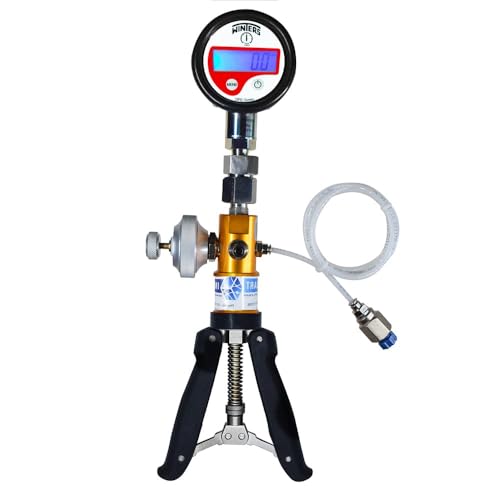
Hand Operated Pressure and Vacuum Pump Calibrator for Calibration Labs Field Calibration Model: AI-DP1-2200(-13 to 435 psi) with Winters DPG Master Gauge (Range: 0 to 700 Bar/ 0 to 10152PSI)
Measuring Parameters: Pressure and Vacuum | Model : AI-DP1-2200 with winters DPG master gauge ( Range: 0 to…
As an affiliate, we earn on qualifying purchases.
As an affiliate, we earn on qualifying purchases.
edge AI accelerators with FP8 support
As an affiliate, we earn on qualifying purchases.
As an affiliate, we earn on qualifying purchases.