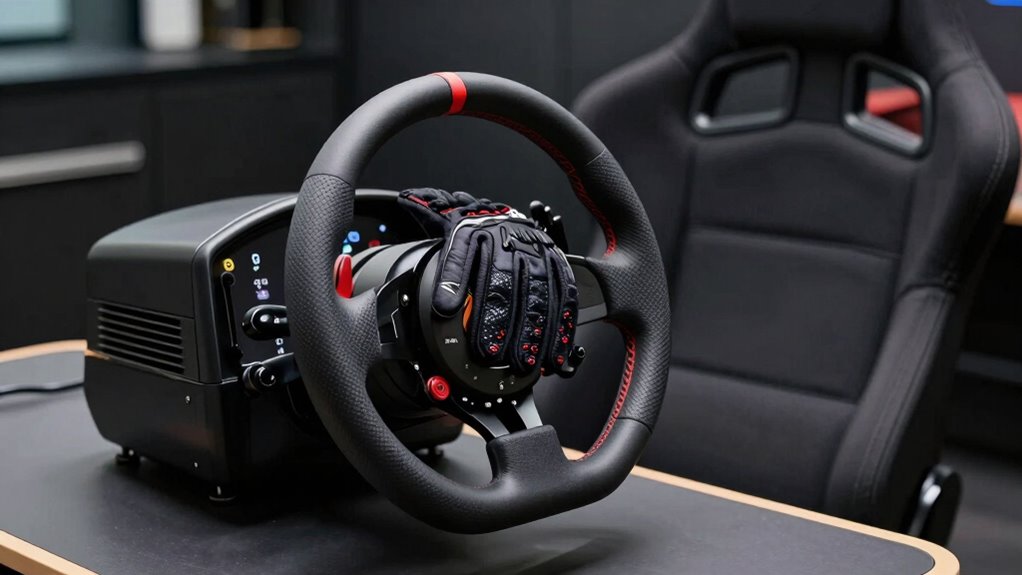

To reduce sim racing fatigue without buying new gear, focus on your posture and environment setup. Adjust your seat height, backrest, and monitor to support a natural, relaxed position. Take short breaks every 30-45 minutes to stretch, hydrate, and breathe deeply. Keep your space clutter-free and well-lit to stay focused. Regularly changing your position and environment helps prevent strain and keeps you sharp longer. If you want more simple tips, there’s plenty to discover.

Get audio and creator gear delivered free with Prime
- Fast, free delivery on millions of items
- Prime Video, Amazon Music and more included
- Member-only deals all year
Key Takeaways
- Optimize your seating and monitor setup using ergonomic principles for better support and reduced physical strain.
- Take regular breaks every 30-45 minutes to stretch, hydrate, and reset focus.
- Improve your environment by ensuring proper lighting, decluttering, and comfortable seating.
- Adjust your posture frequently to maintain comfort and prevent muscle fatigue during long sessions.
- Incorporate light snacks and hydration to sustain energy levels without costly upgrades.
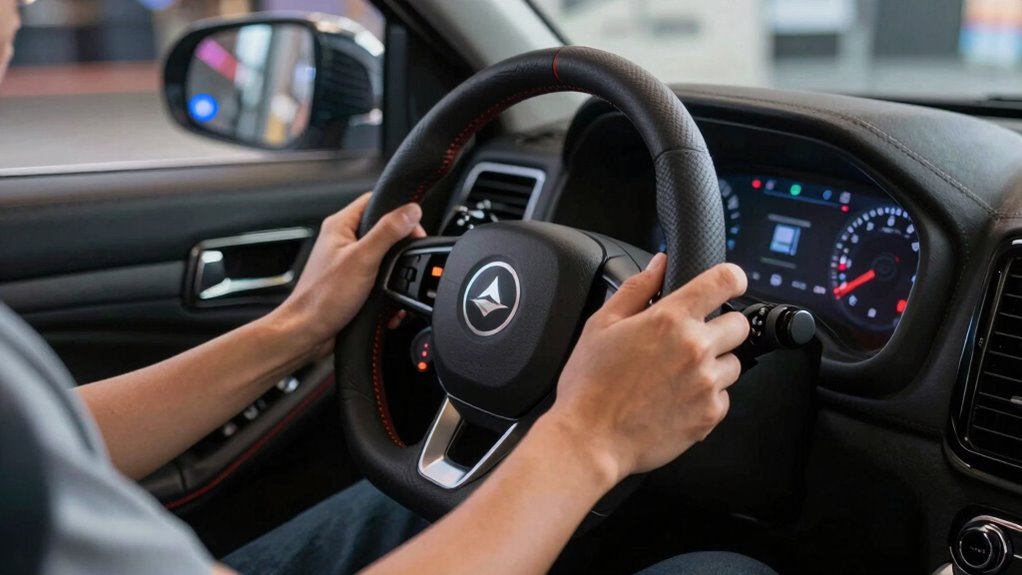
Have you ever felt exhausted after a long sim racing session? It’s a common experience, and it’s often linked to more than just the physical effort. Mental fatigue can hit hard after hours of focus, making every turn and decision feel more draining. One way to combat this without splurging on new gear is to pay attention to your ergonomic posture. When you sit improperly or slouch, your muscles strain unnecessarily, which can quickly lead to discomfort and fatigue. By adjusting your seat height, backrest angle, and monitor placement, you create a more natural and supportive position. This reduces physical strain, allowing you to concentrate better and prolong your racing sessions without feeling drained.
Maintaining an ergonomic posture isn’t just about comfort; it directly impacts your mental stamina. When your body feels good, your mind remains sharper and less distracted by aches or discomfort. Try to keep your back straight, shoulders relaxed, and wrists in a neutral position. Avoid leaning too far forward or slouching, as both can cause unnecessary tension. If your chair or cockpit setup isn’t adjustable, consider using cushions or pillows to support your lower back and maintain proper alignment. Small adjustments like these can make a big difference in how you feel during and after a session. Additionally, ergonomic principles can guide you in creating a more sustainable setup that minimizes fatigue over time. Incorporating proper seating techniques can further enhance your comfort and reduce strain during extended racing.
Good posture boosts focus and reduces fatigue during long sim racing sessions.
Another effective way to reduce mental fatigue involves taking regular breaks. Even short pauses every 30 to 45 minutes give your mind a chance to reset. During these breaks, stand up, stretch your legs, and breathe deeply. This not only relieves physical tension but also refreshes your mental focus, preventing burnout. Plus, staying hydrated and eating light, energizing snacks can help sustain your concentration levels. Avoid long, uninterrupted racing marathons that leave you drained; instead, break your sessions into manageable chunks, and listen to your body’s signals for rest.
Finally, pay attention to your environment. Keep your gaming area well-lit and free of distractions, as clutter can increase mental fatigue. Using a comfortable, supportive chair and ensuring your monitor is at eye level reduces strain on your neck and eyes, helping you stay alert longer. Small changes like these don’t require expensive upgrades but can considerably improve your endurance and enjoyment. Remember, the key to reducing sim racing fatigue isn’t just about gear—your posture, mental breaks, and environment play vital roles. When you optimize these factors, you’ll find yourself racing longer, feeling more refreshed, and enjoying the game more fully. Additionally, incorporating hydrating ingredients into your routine can further enhance your stamina and focus during long sessions.
As an affiliate, we earn on qualifying purchases.
Frequently Asked Questions
Can Specific Seating Positions Lessen Fatigue During Long Races?
Yes, specific seating positions can lessen fatigue during long races. By making ergonomic adjustments, you guarantee your seat supports your back and neck properly, reducing strain. Optimizing your posture helps you stay comfortable and alert, preventing fatigue buildup. Adjust your seat height, lumbar support, and pedal positioning to suit your body. These simple changes promote better circulation and comfort, allowing you to race longer without feeling exhausted.
Do Certain Driving Techniques Reduce Physical Strain in Sim Racing?
Yes, certain driving techniques can reduce physical strain in sim racing. You should focus on maintaining good posture and using ergonomic accessories like lumbar supports and adjustable pedals. Regularly adjusting your seat position helps keep your body relaxed. Incorporate posture correction exercises outside of racing sessions to prevent fatigue. By staying mindful of your body’s positioning and making small adjustments, you’ll minimize strain and enjoy longer, more comfortable racing sessions.
How Does Hydration Impact Fatigue Levels in Sim Racing Sessions?
Hydration importance is essential during sim racing sessions because staying well-hydrated keeps your energy levels up and reduces fatigue. Proper electrolyte balance prevents muscle cramps and keeps your focus sharp. You should drink water regularly and consider electrolyte drinks to maintain this balance. When you stay hydrated, you’ll experience less physical exhaustion, allowing you to perform better and enjoy longer racing sessions without feeling drained or fatigued.
Are There Recommended Warm-Up Routines Before Starting a Race?
Did you know a proper warm-up can improve your focus by up to 20%? Before racing, incorporate simple breathing techniques to increase oxygen flow and relax your muscles. Use ergonomic accessories like supportive seats or wrist rests to prevent strain. Start with light stretching, then practice deep breathing for a few minutes. This routine primes your body, reduces fatigue, and enhances your overall performance during long sim racing sessions.
Can Mental Focus Exercises Help Decrease Fatigue During Gameplay?
Yes, mental focus exercises can help decrease fatigue during gameplay. By practicing muscle relaxation techniques, you reduce physical strain, allowing your mind to stay sharp longer. Additionally, mental stamina exercises, like visualization or breathing techniques, keep your concentration high and prevent mental burnout. Incorporating these into your routine helps you stay engaged, reduces overall fatigue, and enhances your racing performance without needing hardware upgrades.
Conclusion
By taking regular breaks, adjusting your seating, and maintaining good posture, you can greatly reduce sim racing fatigue. Staying hydrated and practicing proper hand and eye coordination help keep your focus sharp. Listening to your body, setting realistic goals, and keeping your equipment comfortable ensure you race longer and smarter. Ultimately, these simple strategies create a sustainable racing experience—one where comfort, endurance, and enjoyment go hand in hand.
Fall Picks
fall essentials
As an affiliate, we earn on qualifying purchases.