
Many people overload their schedules without prioritizing tasks, leading to burnout and missed deadlines. They also underestimate how long things take or ignore regular breaks, which hurts focus and productivity. Multitasking, distractions, and unreviewed plans make things worse. To stay on track, set clear goals, eliminate interruptions, and schedule breaks. Recognizing your peak hours and adjusting for interruptions helps too. Keep going to discover how to fix these mistakes and improve your time management skills.
Key Takeaways
- Prioritize tasks to prevent overloading and ensure critical work is completed first.
- Set clear, realistic goals and regularly review progress to stay on track.
- Avoid multitasking; focus on one task at a time for better efficiency and quality.
- Eliminate distractions and establish boundaries to maintain focus and minimize interruptions.
- Schedule breaks and leverage peak productivity hours to sustain energy and improve output.

ADHD Daily Planner – Productivity & Undated Task Management Organizer for Neurodivergent Adults, Focused Planner for Men & Women – B5 Colorful Flowers
Stay Organized and Focused: This planner is specifically designed to help individuals with ADHD or busy lifestyles prioritize…
As an affiliate, we earn on qualifying purchases.
As an affiliate, we earn on qualifying purchases.
Overloading Your To-Do List Without Prioritization

When you overload your to-do list without prioritization, you set yourself up for frustration and inefficiency. Without clear prioritization strategies, you might spend too much time on less important tasks, leaving critical ones unfinished. To avoid this, focus on workload balancing by identifying which tasks truly matter and tackling those first. Break down larger projects into smaller steps, and assign importance levels to each task. This approach helps you stay focused and prevents you from feeling overwhelmed. Remember, not everything needs immediate attention. By consciously prioritizing tasks, you ensure your energy is directed toward high-impact activities. Overloading without this structure leads to burnout and missed deadlines. Incorporating task management techniques can further improve your focus and productivity. Prioritization strategies are essential for managing your workload effectively and maintaining productivity.

BookFactory Time Tracker Notebook Work Hours Log Book Business Hourly Tracking Billable Hours and Materials LogBook Time Management – 100 Pages, 6'' x 9'', Wire-O (Made in USA)
Made in USA. Veteran-Owned and Proudly Produced in Ohio.
As an affiliate, we earn on qualifying purchases.
As an affiliate, we earn on qualifying purchases.
Underestimating How Long Tasks Really Take

Many people tend to underestimate how long tasks will actually take, which can lead to missed deadlines and increased stress. When you inaccurately gauge task duration, your time estimation becomes flawed, causing you to push through tasks faster than realistic. This often results in rushing, mistakes, or incomplete work. To fix this, start tracking how long similar tasks actually take, so you can develop a more accurate sense of time estimation. Break large tasks into smaller steps and assign realistic time frames to each. Remember, it’s better to overestimate slightly than to underestimate and face last-minute pressure. Improving your understanding of task duration helps you plan more effectively, allocate sufficient time, and reduce the risk of overcommitment. Accurate time estimation is key to better time management. Incorporating proper planning techniques can further enhance your ability to manage tasks efficiently.
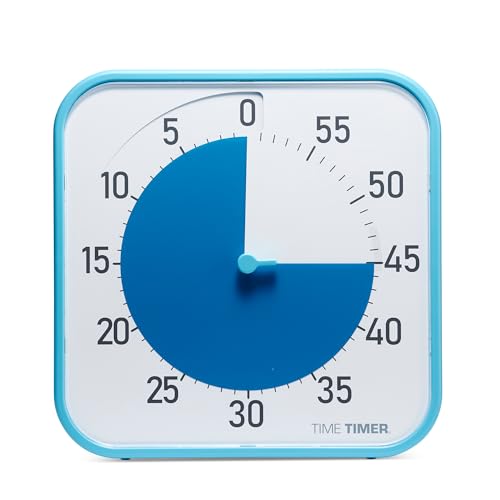
Time Timer Original 12" Visual Countdown Timer – Large 60-Minute Silent Classroom Visual Timer for SEL, Emotional Regulation, Focus, Calm Transitions, ADHD, Autism – (Blue & White)
SOOTHING BLUE DISK WITH LIGHT BLUE FRAME: Calm, high-contrast visual countdown designed to reduce visual intensity while supporting…
As an affiliate, we earn on qualifying purchases.
As an affiliate, we earn on qualifying purchases.
Ignoring Breaks and Downtime

Ignoring breaks and downtime can seem like a way to maximize productivity, but it often leads to burnout and decreased efficiency. Without scheduled rest, your mind loses focus, and your overall performance declines. Practicing break mindfulness helps you stay aware of when your energy wanes, allowing you to take effective recovery pauses. Prioritizing downtime recovery boosts mental clarity and prevents exhaustion. To avoid these pitfalls, consider these key points:
Ignoring breaks hampers focus, leads to burnout, and reduces overall performance. Prioritize downtime for mental clarity and recovery.
- Recognize signs of fatigue early.
- Schedule regular short breaks during work sessions.
- Use downtime intentionally to recharge mentally.
- Incorporate mindfulness into your break routine for better recovery. Practicing break mindfulness enhances your ability to identify when rest is needed, supporting sustained productivity and well-being.

WiFi Door Window Alarm: Smart Window Alarm,Vibration Sensors with 130dB Alarm and Free App Alerts, Compatible with Alexa Google Home, Glass Break Security Alarm Sensor for Kids Garage Office
130dB ALARM & APP ALERTS: Built-in vibration sensor can detect slight vibration of doors and windows, and will…
As an affiliate, we earn on qualifying purchases.
As an affiliate, we earn on qualifying purchases.
Not Setting Clear and Realistic Goals

Without clear and realistic goals, you might find yourself overwhelmed or unproductive. Set specific objectives to give your efforts direction, but avoid overestimating what you can achieve. Regularly review your progress to stay on track and make adjustments as needed. Incorporating effective planning techniques can also help you stay focused and organized.
Define Specific Objectives
Have you ever found yourself overwhelmed because your objectives were too vague or unrealistic? That’s a common mistake that hampers productivity. To improve, focus on defining specific objectives. Clear goals enhance goal clarity and task specificity, making your workload manageable. Here are steps to do that:
- Be precise about what you want to achieve.
- Break large projects into smaller, actionable tasks.
- Set measurable milestones to track progress.
- Make sure your objectives are realistic within your timeframe.
- Incorporate AI tools to analyze and optimize your goal-setting process for better clarity and efficiency.
Avoid Overambitious Targets
Setting overly ambitious targets can backfire by making your goals seem impossible to reach, leading to frustration and burnout. When you set unrealistic expectations or overcommit goals, you risk feeling overwhelmed and discouraged. Instead of pushing yourself too hard, aim for attainable, well-defined objectives that match your current capacity. Break big tasks into smaller, manageable steps, and celebrate progress along the way. Overcommitting goals can cause you to lose focus and decrease your overall productivity. Remember, quality often beats quantity. Setting realistic goals helps you stay motivated, maintain momentum, and build confidence. Additionally, utilizing effective time management techniques and appropriate tools can make your goals more achievable. By avoiding the trap of overambitious targets, you create a sustainable pace that keeps you moving forward without sacrificing your well-being.
Regularly Review Progress
Regularly reviewing your progress helps guarantee your goals remain realistic and achievable. By consistently engaging in progress tracking, you can identify whether you’re on track or need adjustments. This habit encourages goal reassessment, ensuring your objectives stay relevant and manageable. Incorporating digital literacy skills into your review process can also help you utilize technology more effectively for tracking and planning. Here are four ways to improve your review process:
- Schedule weekly check-ins to evaluate completed tasks.
- Use progress tracking tools or apps for accurate updates.
- Reflect on obstacles and adjust your strategies accordingly.
- Celebrate small wins to stay motivated and focused.
Regular reviews prevent stagnation and help you stay aligned with your goals. They allow you to make timely corrections, boosting your productivity and ensuring your time management efforts are effective.
Failing to Eliminate Distractions Effectively

If you don’t identify your main distractions, they’ll keep pulling you off track. Setting clear boundaries helps you stay focused and prevents interruptions. Using focus tools like apps or timers can make eliminating distractions more manageable. Incorporating mindful decluttering strategies into your workspace can further reduce visual clutter and enhance concentration.
Identify Common Distractions
Many people struggle to eliminate distractions effectively because they often overlook the most common culprits that disrupt focus. Identifying distraction triggers is key to overcoming focus barriers. Without this awareness, you might keep falling into the same traps. Here are four common distractions:
- Phone notifications and social media alerts, which constantly pull your attention away.
- Background noise, like conversations or traffic, that breaks your concentration.
- Cluttered workspace, making it hard to focus on tasks at hand.
- Multitasking, which divides your attention and reduces productivity.
Set Boundaries Clearly
Setting clear boundaries is essential for effectively eliminating distractions, yet it’s a step many overlook or neglect to implement properly. When you set boundaries, you define what is acceptable and what isn’t, helping others understand your limits. Communicating limits clearly prevents interruptions and keeps your focus on your priorities. For example, tell colleagues you’re unavailable during certain hours or turn off notifications during deep work sessions. Be consistent in enforcing these boundaries; otherwise, they lose their effectiveness. Remember, setting boundaries isn’t about being unkind—it’s about protecting your time. By establishing and communicating limits, you create a focused environment where distractions are minimized, and your productivity improves. Electric dirt bikes can produce impressive horsepower, enabling quick acceleration and efficient off-road performance. Clear boundaries are your foundation for maintaining concentration and managing your time effectively.
Use Focus Tools
Using focus tools can substantially improve your ability to eliminate distractions and stay on track. These tools help you create a focused environment and implement task batching, reducing interruptions. To maximize their effectiveness, consider:
- Website blockers – prevent access to distracting sites during work sessions.
- Pomodoro timers – break work into focused intervals, maintaining momentum.
- Task batching apps – group similar tasks to minimize context switching.
- Noise-canceling headphones – block out ambient noise, enhancing concentration.
- Incorporate a dedicated workspace with calming bedroom decor to foster a tranquil environment conducive to focus.
Relying Too Heavily on Digital Tools Without Discipline

While digital tools can boost your productivity, relying on them without discipline often leads to distraction and wasted time. Digital discipline is essential to prevent tool dependency from derailing your schedule. If you depend too heavily on apps, notifications, or automation without establishing boundaries, you’ll find yourself sidetracked by alerts or endless browsing. To fix this, set specific limits on your digital tool usage and create routines that prioritize focus over convenience. Resist the temptation to check every notification immediately; instead, allocate dedicated time for digital tasks. Remember, tools are meant to support your time management, not replace your self-control. Building discipline around your digital habits ensures these tools serve you, rather than control you.
Neglecting to Review and Adjust Your Schedule Regularly

Neglecting to review and adjust your schedule regularly can cause small issues to snowball into major setbacks. Without periodic reassessment, your plan may become rigid, ignoring changing priorities or unexpected tasks. Maintaining schedule flexibility allows you to stay productive and avoid burnout. To prevent this, consider these steps:
Regularly review and adjust your schedule to stay flexible, productive, and avoid setbacks.
- Set aside time weekly to evaluate your progress and identify bottlenecks.
- Adjust deadlines or tasks based on current workload and priorities.
- Reassess your goals periodically to ensure they’re still relevant.
- Be willing to shift your schedule to accommodate new opportunities or challenges.
- Incorporate tuning techniques to optimize your time management strategies for better results.
Regular reviews help you stay aligned with your objectives, ensuring your time management remains effective and adaptable. Remember, flexibility and periodic reassessment are key to long-term success.
Trying to Multitask When It Just Doesn’t Work

Multitasking often seems like a way to get more done, but in reality, it can hinder your productivity and focus. When you try to juggle multiple tasks, your divided focus causes frequent task switching, which lowers efficiency. Instead of completing tasks faster, you spend more time recovering from mistakes or redoing work. Recognizing this pattern helps you prioritize better. Use the table below to see how dividing attention impacts your productivity:
| Task Type | Effect of Divided Focus | Better Approach |
|---|---|---|
| Email & Calls | Increased errors | Batch emails, set specific call times |
| Writing & Research | Slower progress | Focus on one at a time |
| Meetings & Tasks | Reduced clarity | Schedule meetings separately |
| Multitasking | Mental fatigue | Complete one task before starting another |
Additionally, understanding optimal toilet flushing practices can prevent unnecessary interruptions and maintain focus during your workday.
Ignoring Your Peak Productivity Hours

Ignoring your peak productivity hours can substantially reduce the amount of work you get done. When you neglect your natural productivity timing, you waste valuable energy during times when you’re most efficient. To maximize your output, identify your peak hours—those times when you’re most alert and focused. Recognizing your best juice cleanses for weight loss can inform how you structure your day for optimal energy levels. Here are some key ideas to contemplate:
- Schedule demanding tasks during your peak hours for ideal results.
- Avoid low-energy tasks when your energy dips.
- Use your off-peak hours for routine or less critical work.
- Track your energy levels to better understand your productivity timing.
Not Accounting for Unexpected Interruptions

Even when you’ve optimized your schedule around your peak hours and planned your tasks carefully, unexpected interruptions can still throw you off course. Unexpected delays, like last-minute meetings or technical issues, often catch you off guard. Emergency interruptions, such as urgent calls or urgent requests from colleagues, can derail your focus and reduce productivity. If you don’t account for these, your entire day can become unmanageable, leaving tasks unfinished and deadlines missed. To fix this, build buffer time into your schedule to handle unforeseen events. Allow some flexibility so you can respond to emergency interruptions without losing momentum. Recognizing that interruptions are inevitable helps you plan better, stay adaptable, and keep your productivity on track despite these surprises. Additionally, understanding the impact of environmental factors like air quality and noise levels can help you create a more resilient and distraction-free workspace.
Frequently Asked Questions
How Can I Effectively Prioritize Tasks on a Busy To-Do List?
To effectively prioritize tasks on a busy to-do list, start by distinguishing between urgent and important tasks. Use the Eisenhower matrix to categorize them. Batch similar tasks together to save time and reduce switching costs. Focus on completing high-priority items first, and set specific time blocks for task batching. This approach helps you stay organized, reduces overwhelm, and guarantees you focus on what truly matters each day.
What Strategies Help Accurately Estimate Task Durations?
To improve your task duration estimation and boost planning accuracy, start by tracking how long similar tasks take over time. Use timers or logs to gather data, then adjust your estimates based on actual durations. Break large tasks into smaller parts for better accuracy, and add buffer time for unexpected delays. Visualizing your progress with charts or timelines helps refine your estimates, making your planning more precise and reliable.
How Do I Identify My Most Productive Hours?
To identify your most productive hours, track your energy levels throughout the day. Pay attention to when you feel most alert and focused, which usually aligns with your peak performance times. Notice your energy cycles and identify patterns over a week. Once you spot your highest energy moments, schedule your most demanding tasks during those periods. This way, you maximize productivity by working when your energy cycles are at their best.
What Are the Best Ways to Minimize Digital Distractions?
To minimize digital distractions, try a digital detox by setting specific times to unplug from devices. Control notifications by turning off non-essential alerts and customizing settings to only receive critical updates. Use apps that block distracting sites during focused periods. Establish boundaries, like no phones during work or meals, and remind yourself of your goals. These steps help you stay present and boost productivity without constant digital interruptions.
How Often Should I Review and Adjust My Schedule?
You should review and adjust your schedule weekly to maintain schedule consistency and stay on track. Periodic reassessment helps you identify what’s working and what’s not, so you can make necessary tweaks. Keep an eye on your progress, and don’t hesitate to guarantee your plan as your priorities or workload change. Regular check-ins ensure your schedule remains effective, helping you stay productive and balanced over time.
Conclusion
Remember, Rome wasn’t built in a day, and neither is perfect time management. By avoiding these common mistakes—like overloading your list or ignoring breaks—you can create a more balanced, effective schedule. Prioritize, review, and adapt as you go. Think of your day as a garden; tend to it wisely, and you’ll see your productivity bloom. Small, intentional changes lead to lasting success—so start today and watch your time work for you.