

Poor automation decisions can secretly raise your labor costs by causing workflow disruptions and system complexities that force employees to rely on manual workarounds. These issues decrease productivity, harm morale, and lead to higher turnover. Over time, maintenance and troubleshooting inflate expenses while initial savings fade. If you want to uncover how avoiding these pitfalls can save you money and boost efficiency, you’ll find valuable insights to evaluate.

Get audio and creator gear delivered free with Prime
- Fast, free delivery on millions of items
- Prime Video, Amazon Music and more included
- Member-only deals all year
Key Takeaways
- Poor automation often leads to increased manual workarounds, raising labor costs and reducing efficiency.
- Short-term cost savings can mask long-term expenses from system maintenance and troubleshooting.
- Ineffective automation can damage employee morale, increasing turnover and recruitment costs.
- Complex or poorly integrated systems require extensive training, inflating onboarding and ongoing support efforts.
- Workflow disruptions from flawed automation force additional manual interventions, consuming more employee time and effort.
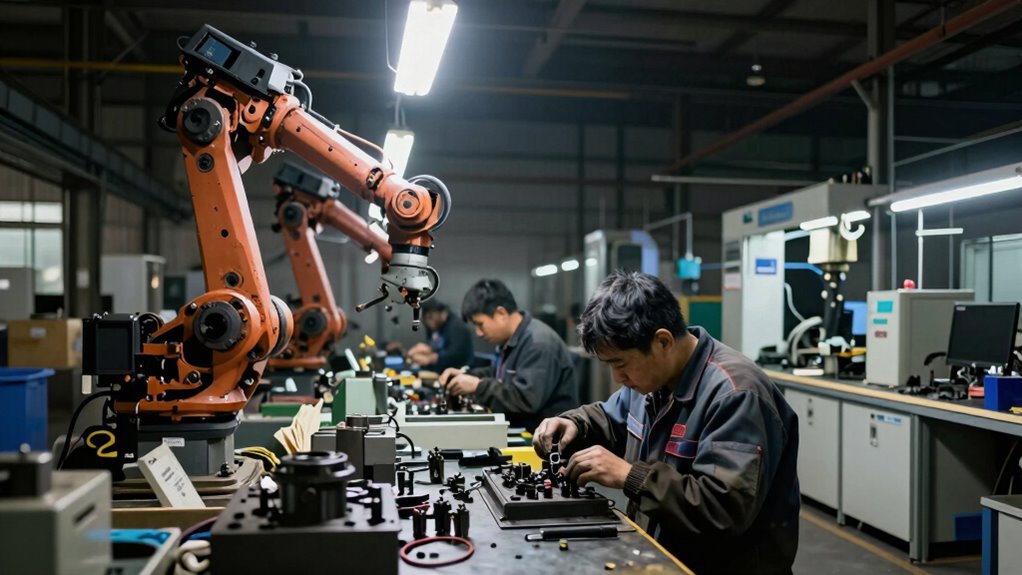
Many organizations underestimate how costly poor automation decisions can be, often focusing only on immediate savings rather than long-term impacts. You might think that automating a process will cut costs quickly, but neglecting the broader effects can lead to hidden labor expenses that undermine those initial gains. When automation isn’t thoughtfully implemented, it can profoundly impact employee morale. Employees may feel displaced, undervalued, or frustrated if they see new systems as threats rather than tools to enhance their work. This decline in morale can lead to decreased productivity, higher turnover, and increased recruitment costs—all of which add to your overall labor expenses.
Poor automation choices can harm morale, increase turnover, and raise long-term labor costs.
Furthermore, poor automation choices often result in increased training requirements. When systems are poorly integrated or overly complex, your team needs more time and resources to get up to speed. You may find yourself constantly providing training sessions, creating manuals, or troubleshooting issues that could have been avoided with better planning. This ongoing need for training drains your organization’s time and budget, pulling focus away from core tasks and strategic initiatives. The more complex your automation system is, the steeper the learning curve becomes, making it hard for employees to become proficient and comfortable with new tools, thereby reducing efficiency. Recognizing the importance of effective planning in automation can help mitigate these issues before they arise and ensure smoother adoption processes.
In addition, ineffective automation can cause workflow disruptions that force your staff into manual workarounds. These workarounds often require extra effort and time, which could have been saved with more reliable automation. When employees are stuck doing repetitive, manual tasks that should have been automated, their job satisfaction drops, and their productivity suffers. This not only increases labor costs but also hampers your organization’s agility and ability to innovate. It’s also crucial to understand that system reliability plays a critical role in maintaining operational efficiency, especially in complex environments. As technology advances, proper system integration becomes essential to prevent these costly issues from recurring and to ensure long-term success. Recognizing that automation system design plays a critical role in long-term success can help you avoid costly mistakes and streamline your operations.
You also need to contemplate the long-term costs tied to maintaining and updating flawed automation systems. If your initial implementation was rushed or poorly designed, you’ll spend more on troubleshooting, patching, and retraining. These maintenance activities consume resources that could be better allocated elsewhere, further inflating labor costs over time. Plus, if employee morale remains low because of ongoing frustrations with automation, you’ll face higher absenteeism and turnover, both of which escalate recruitment and training expenses.
In essence, poor automation decisions aren’t just about the upfront savings; they ripple through your organization, impacting employee morale, increasing training requirements, and inflating labor costs in the long run. Recognizing these hidden expenses helps you make smarter choices, ensuring automation truly benefits your organization without unintended financial burdens.
automation system troubleshooting tools
As an affiliate, we earn on qualifying purchases.
As an affiliate, we earn on qualifying purchases.
Frequently Asked Questions
How Can Businesses Identify Hidden Costs in Automation?
You can spot hidden costs in automation by tracking all related expenses beyond initial investments. Look for hidden expenses like ongoing maintenance, training, and system upgrades that often get overlooked. Be aware of cost pitfalls such as inefficiencies or employee frustration caused by poorly implemented automation. Regularly review performance metrics and gather employee feedback to uncover these hidden costs early, helping you optimize automation and avoid unexpected expenses.
What Are Common Signs of Poor Automation Implementation?
You’ll notice automation pitfalls like frequent errors, reduced productivity, or employee frustration, signaling poor implementation. Implementation challenges often include resistance to change, unclear automation goals, or inadequate training. These signs indicate your automation isn’t delivering expected benefits and may be causing more work. Recognizing these issues early helps you address underlying problems, optimize processes, and avoid costly mistakes associated with ineffective automation.
How Does Automation Affect Employee Morale Long-Term?
Automation can profoundly impact employee morale over the long term, especially if it boosts employee engagement or causes frustration. When automation streamlines tasks and empowers staff, morale tends to improve, fostering a positive work environment. Conversely, poor automation that leads to job insecurity or increased workload can harm morale, creating frustration and disengagement. So, your approach to automation directly influences your team’s long-term motivation and overall workplace atmosphere.
What Training Is Necessary for Successful Automation Adoption?
You need to focus on change management and skill development for successful automation adoption. Provide targeted training that helps employees understand new systems and processes, easing shifts. Encourage continuous learning to build confidence and competence. Communicate openly about the benefits and impacts of automation, and involve staff early in the process. This approach guarantees your team adapts smoothly, minimizes resistance, and maximizes the long-term benefits of automation.
How Can Companies Measure the True ROI of Automation?
You can measure the true ROI of automation by tracking relevant automation metrics like efficiency gains, error reduction, and time savings. Conduct a thorough cost-benefit analysis that compares initial investments, ongoing costs, and tangible benefits such as increased productivity and reduced labor costs. This approach helps you identify whether automation delivers measurable value, ensuring your investments align with business goals and reveal the actual return on your automation initiatives.
Conclusion
If you ignore the true costs of poor automation choices, you’ll find yourself in a world of hurt. The hidden labor expenses can quietly drain resources, dragging down productivity and morale. Remember, a stitch in time saves nine—investing wisely in automation now prevents costly setbacks later. Don’t let short-term gains blind you to long-term consequences. Making informed decisions today keeps you from being caught with your pants down when problems inevitably surface.
Halloween Picks
halloween
As an affiliate, we earn on qualifying purchases.