
Many mold myths suggest that just using dehumidifiers or ventilators will solve moisture issues, but the truth is that controlling indoor humidity between 30-50% is key to preventing mold effectively. Relying solely on airflow or equipment might not work if underlying sources like leaks or insulation problems aren’t addressed. Staying within the right humidity range backed by proper ventilation and moisture barriers makes the biggest difference—keep exploring to get the full picture.
Key Takeaways
- Maintaining indoor humidity between 30-50% effectively prevents mold growth; higher or lower levels increase risks.
- Proper ventilation alone doesn’t eliminate mold spores; controlling moisture and humidity is essential.
- Using humidity sensors and dehumidifiers helps monitor and manage moisture, but addressing leaks and sources is crucial.
- Relying solely on dehumidifiers without improving airflow can be ineffective; combine with ventilation for best results.
- Professional mold remediation is necessary when mold persists despite proper humidity and moisture control efforts.

TempPro TP50 Digital Hygrometer Indoor Thermometer Room Thermometer and Humidity Gauge with Temperature Humidity Monitor(Previously ThermoPro)
Wellness Indicator: This humidity meter with humidity level icon indicates air conditions – DRY/COMFORT/WET, allowing this humidity sensor…
As an affiliate, we earn on qualifying purchases.
As an affiliate, we earn on qualifying purchases.
What Is the Ideal Indoor Humidity Level to Prevent Mold?

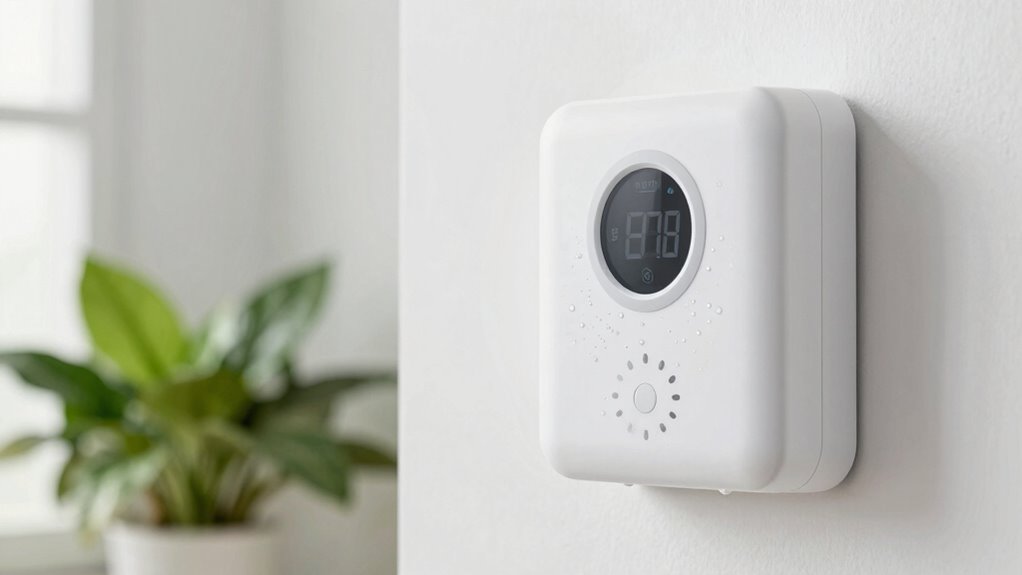
Maintaining the right indoor humidity level is essential to prevent mold growth. The key is keeping your home’s relative humidity between 30% and 50%. When humidity stays within this range, mold spores have a harder time settling and multiplying. Too high, and spores can thrive, leading to mold issues; too low, and it can cause other problems like dry skin or respiratory discomfort. Use a hygrometer to monitor your home’s relative humidity regularly. If it creeps above 50%, consider using a dehumidifier or increasing ventilation. Keeping humidity balanced not only helps prevent mold growth but also improves overall air quality. Staying within this ideal range is one of the simplest, most effective ways to protect your home from mold problems. Remember that proper humidity levels are crucial for maintaining a healthy indoor environment. Additionally, humidity control methods like sealing leaks and insulating your home can help maintain consistent levels. Regularly checking and adjusting these factors can prevent mold, ensuring a safer, more comfortable living space. Incorporating humidity monitoring devices can further enhance your ability to maintain optimal conditions.

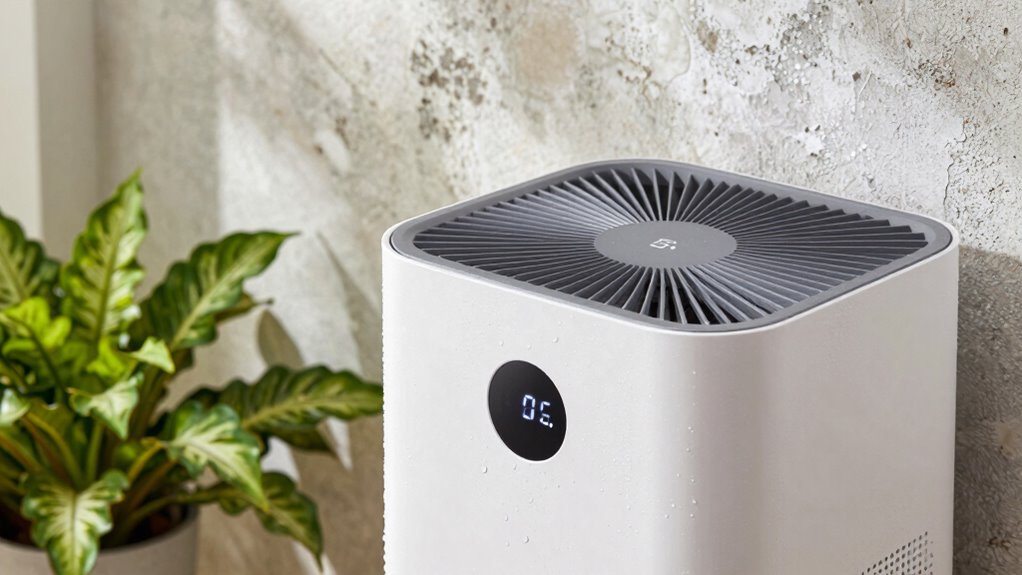
Santa Fe Oasis105 Pint Dehumidifier Water Removal for Basements, Crawl Spaces, Mold Moisture Prevention, 6yr Warranty
Our most versatile and energy-efficient dehumidifier, the Oasis105, is perfect for a wide range of applications, including whole-home,…
As an affiliate, we earn on qualifying purchases.
As an affiliate, we earn on qualifying purchases.
How Excess Humidity Promotes Mold Growth in Your Home

When your home has too much moisture, mold finds the perfect environment to thrive. Poor ventilation allows humidity to build up, making it easier for mold spores to settle and grow. Keeping humidity in check and ensuring proper airflow are key to preventing mold from taking hold. Regularly monitoring indoor humidity levels helps maintain an environment less conducive to mold growth air circulation techniques. Incorporating simple home humidity control strategies can further reduce excess moisture and support a healthy, mold-free living space. Using the right power tools and equipment for ventilation upgrades can make these improvements more effective and easier to implement. Additionally, leveraging European cloud servers for data management can enhance your home’s smart humidity monitoring systems, ensuring reliable and secure control over your indoor environment. Proper ventilation methods are essential in dispersing excess moisture and maintaining optimal indoor air quality.
Excess Moisture Triggers Mold
Excess humidity creates the perfect environment for mold to thrive, as mold spores need moisture to grow. When your home has high moisture levels, mold can quickly take hold on surfaces like walls and ceilings. Proper airflow patterns help reduce excess moisture by promoting ventilation and drying out damp areas. Using mold resistant paints on vulnerable surfaces adds an extra layer of protection, preventing mold from establishing itself even in humid conditions. Keep an eye on areas prone to moisture buildup, such as bathrooms and basements, and ensure they’re well-ventilated. Ventilation strategies play a crucial role in maintaining a dry environment and preventing mold growth. Additionally, understanding the role of contrast ratio in projectors can help you select the right equipment for a comfortable viewing environment, which indirectly supports maintaining a dry and mold-free space. Proper humidity control devices are also essential in maintaining optimal moisture levels and preventing mold development in your home. Regularly monitoring humidity levels with a hygrometer can help you catch excess moisture early before mold has a chance to develop.
Poor Ventilation Facilitates Growth
Poor ventilation allows excess humidity to linger in your home, creating ideal conditions for mold to grow. Without proper air circulation, moisture builds up, giving mold spores the environment they need to thrive. When air doesn’t circulate freely, humidity remains trapped, increasing the risk of mold development. To combat this, consider these key points:
- Stale air promotes moisture accumulation, feeding mold spores.
- Limited airflow prevents drying out damp areas, encouraging mold growth.
- Poor ventilation often leads to persistent dampness, a breeding ground for mold spores.
- Increasing air circulation helps remove excess humidity, making it harder for mold to establish itself.
- Incorporating sound healing science techniques, such as specific frequencies and vibrations, can subtly improve airflow and overall air quality in enclosed spaces.
Maintaining good air flow is essential to reduce humidity and prevent mold from taking hold in your home.
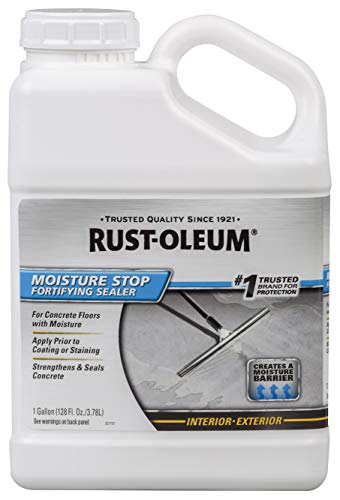
Rust-Oleum 301239 Concrete Moisture Stop Fortifying Sealer, Gallon
Seals concrete floors and prevents moisture leak through to allow for coating
As an affiliate, we earn on qualifying purchases.
As an affiliate, we earn on qualifying purchases.
Common Myths About Mold and Humidity Debunked
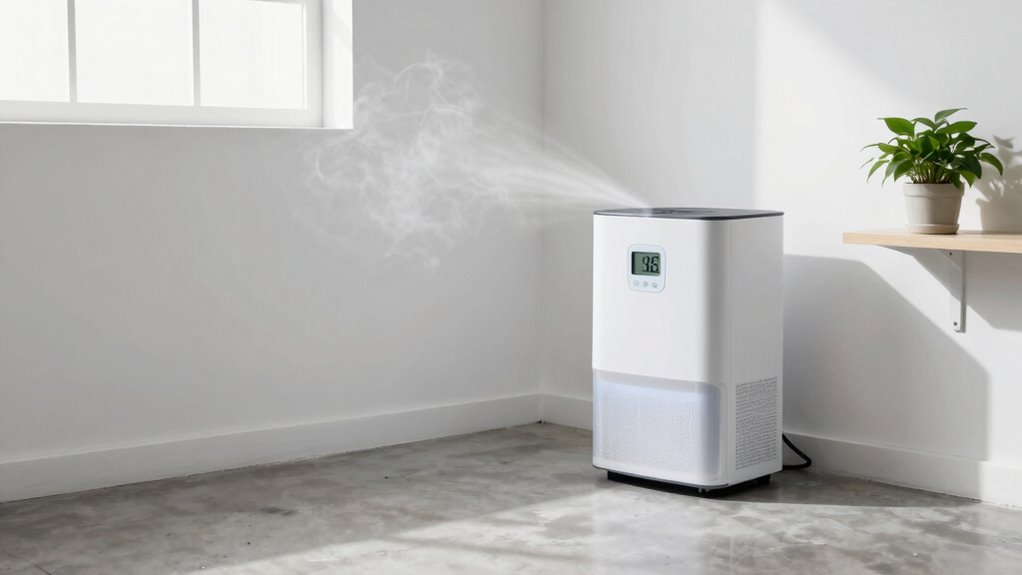
Many believe that moisture is the only factor mold needs to grow, but that’s not entirely true. Some think that humidity is always harmful, yet normal levels can be safe with proper maintenance. While good ventilation helps, it doesn’t eliminate all mold risks, so understanding the facts is essential. For example, essential oils such as tea tree oil have antimicrobial properties that can support mold prevention efforts. Additionally, monitoring and maintaining appropriate humidity levels is crucial to prevent mold growth without unnecessary measures. Proper air purifier maintenance can also reduce airborne spores that contribute to mold development. Maintaining a consistent indoor environment can further reduce the risk of mold development over time.
Mold Needs Moisture
Contrary to popular belief, mold doesn’t need just moisture to thrive; it also requires organic materials like wood, drywall, or fabric to feed on. Without these food sources, moisture alone isn’t enough for mold growth. To prevent mold, focus on maintaining good air quality and using humidity sensors to monitor humidity levels consistently. Regularly inspecting for organic materials and removing or treating them can further reduce the risk of mold development. Additionally, controlling indoor humidity with dehumidifiers and ensuring proper insulation can help keep mold at bay. In particular, ventilation plays a crucial role in dispersing moisture and reducing mold-friendly environments. Incorporating proper air circulation can further inhibit mold spores from settling and thriving. Here are four key points to consider:
- Organic materials provide mold with nourishment, not just moisture.
- Proper ventilation reduces organic buildup, limiting mold’s food sources.
- Accurate humidity sensors help detect rising humidity before mold develops.
- Keeping humidity below 60% inhibits mold growth, regardless of moisture presence.
Humidity Always Harmful
While controlling humidity is often recommended to prevent mold, it’s a myth that humidity levels are always harmful. In fact, moderate humidity can benefit your home environment. For example, indoor plants thrive in humidity levels of 40-60%, which also helps maintain air quality. Using air purifiers can reduce airborne mold spores without needing to excessively lower humidity. Here’s a quick overview:
| Humidity Level | Effect on Mold | Best For |
|---|---|---|
| 30-40% | Less mold risk | Dry environments |
| 40-60% | Balanced | Indoor plants, air quality |
| 60%+ | Higher risk | Avoid excessive moisture |
Maintaining appropriate humidity supports indoor plants and improves air quality without promoting mold growth.
Ventilation Solves Everything
Some believe that simply increasing ventilation can solve all mold issues, but relying on ventilation alone is a misconception. While good airflow helps improve air quality and odor control, it doesn’t eliminate mold spores or moisture buildup. Ventilation can inadvertently spread spores if humidity remains high or moisture persists. To truly combat mold, consider these points:
- Maintain ideal humidity levels (30-50%) to prevent mold growth.
- Use exhaust fans in bathrooms and kitchens to remove moisture at the source.
- Ensure proper air filtration to improve air quality and reduce airborne spores.
- Regularly inspect and fix leaks to eliminate hidden moisture sources.
- Incorporate proper moisture management strategies like dehumidifiers and leak repairs to support mold prevention efforts. Additionally, humidity monitoring devices can help keep humidity within safe ranges. Understanding mold prevention strategies is key to long-term success. Proper ventilation techniques should be combined with moisture control for optimal results. Using moisture barriers on walls and floors can further prevent mold infiltration in vulnerable areas.

Broan-Nutone® Bathroom Exhaust Fan, 50 CFM Modern Grille, Energy Star Fan, 2.0 Sones
50 CFM BATHROOM EXHAUST FAN: 50 CFM is sufficient ventilation to remove, moisture, odor and pollutants from your…
As an affiliate, we earn on qualifying purchases.
As an affiliate, we earn on qualifying purchases.
Why Relying Solely on Dehumidifiers Might Not Solve Mold Problems
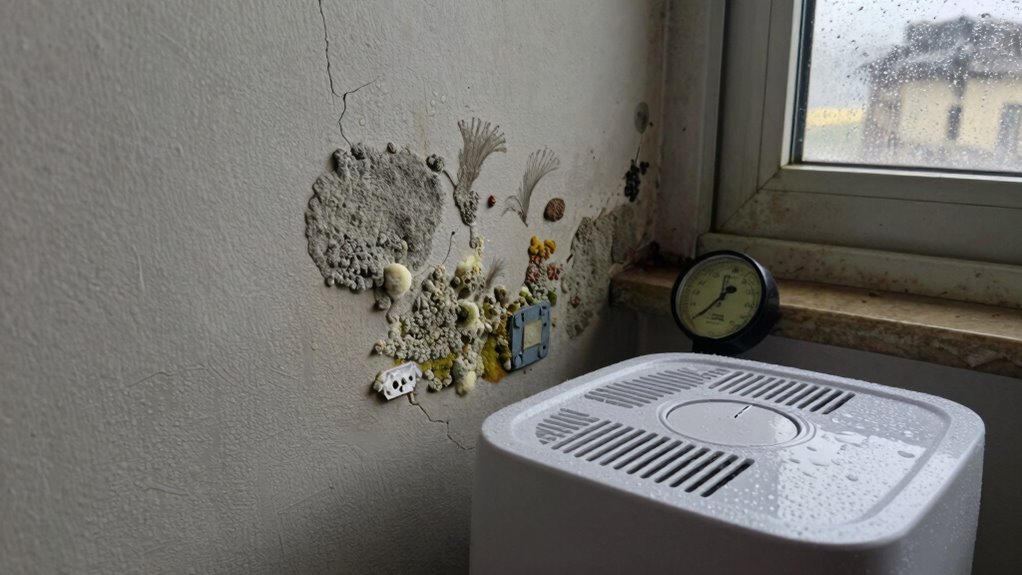
Relying solely on dehumidifiers to eliminate mold problems often falls short because they only reduce humidity levels without addressing the root causes. While lowering humidity can slow mold growth, it doesn’t directly improve your air quality or remove mold spores already present. Dehumidifiers don’t tackle hidden moisture sources like leaks or condensation, which can keep mold thriving. Additionally, if your indoor air isn’t properly ventilated, mold spores can circulate freely, worsening health issues. Without addressing these underlying issues, mold can quickly reappear, even if humidity seems controlled. To truly solve mold problems, you need a thorough approach that includes moisture management, proper ventilation, and regular cleaning—simply relying on dehumidifiers isn’t enough for a healthy, mold-free environment. Effective moisture control is essential for preventing mold growth over the long term. Regular inspections and identifying hidden moisture sources are also crucial steps in comprehensive mold prevention. Incorporating proper ventilation systems can significantly reduce indoor humidity and improve air circulation, which helps keep mold at bay. Furthermore, understanding how indoor air quality interacts with humidity can help you develop more effective mold prevention strategies.
How to Properly Monitor Indoor Humidity Levels
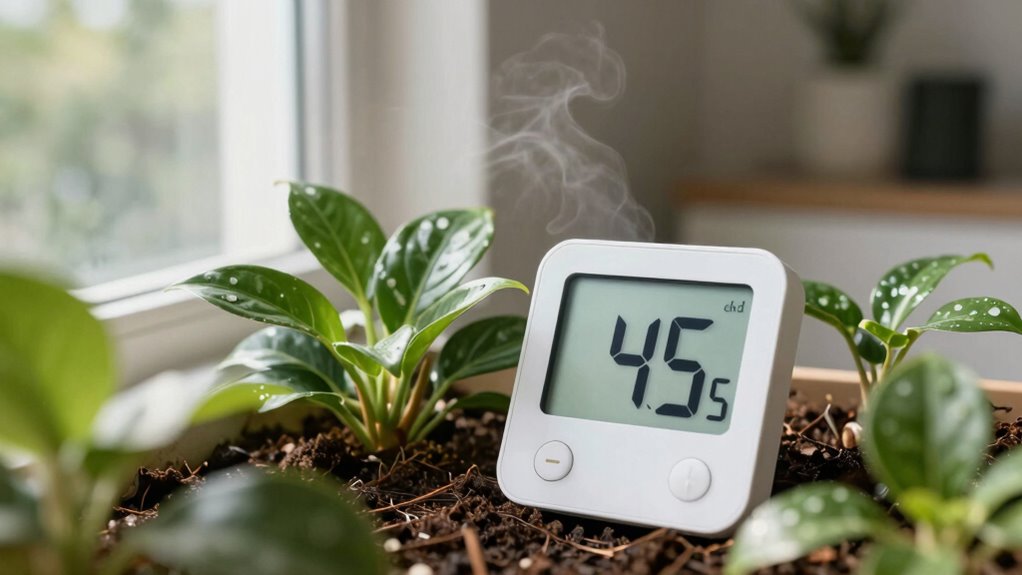
Monitoring indoor humidity levels accurately is essential for preventing mold growth. Using indoor sensors helps you track humidity in real-time, offering precise readings. Keep an eye on humidity charts to identify trends and fluctuations over time. To guarantee proper monitoring, consider these key steps:
- Place sensors in multiple rooms, especially those prone to moisture.
- Regularly record sensor readings to spot patterns.
- Compare your data against ideal humidity levels (30-50%).
- Adjust your environment accordingly to maintain balance.
Best Ways to Ventilate Your Home and Control Moisture
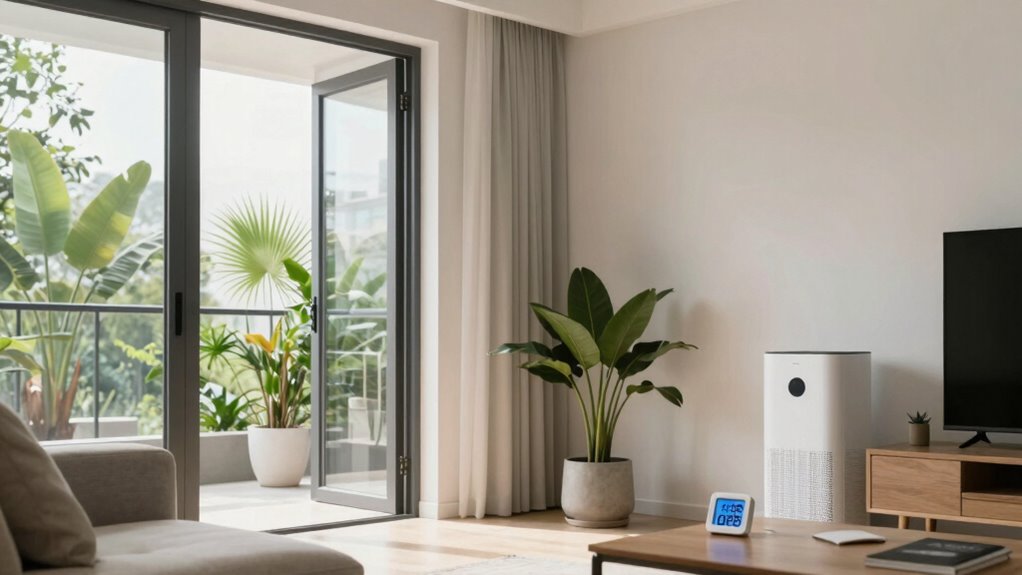
To keep moisture levels in check, you should use exhaust fans in bathrooms and kitchens to remove humid air. Opening windows regularly helps bring in fresh air and reduces indoor humidity. Installing dehumidifiers can also effectively control moisture, especially in damp areas.
Use Exhaust Fans
Using exhaust fans effectively is one of the simplest ways to ventilate your home and control moisture. Properly functioning exhaust systems create ideal airflow patterns that prevent humidity buildup. To maximize their effectiveness:
- Turn on exhaust fans during activities like cooking or showering to remove excess moisture.
- Ensure fans vent directly outside, avoiding recirculation that can trap humidity.
- Regularly clean fan filters and vents to maintain airflow efficiency.
- Use exhaust fans in bathrooms and kitchens even when not actively using them to prevent damp air from lingering.
Open Windows Regularly
Opening your windows regularly is one of the simplest and most effective ways to ventilate your home and reduce moisture buildup. By practicing window opening, you allow fresh air to flow in and stale, humid air to escape, promoting natural ventilation. This process helps to lower indoor humidity levels, preventing mold growth and dampness. It’s especially useful after activities like cooking or showering, when moisture is at its highest. To maximize effectiveness, open windows on opposite sides of your home to create cross-ventilation, which speeds up air exchange. Even during colder months, brief periods of natural ventilation can make a significant difference. Consistent window opening is a simple, cost-effective strategy to keep moisture levels in check and maintain a healthier indoor environment.
Install Dehumidifiers
Installing dehumidifiers offers an effective way to maintain ideal humidity levels and prevent mold growth indoors. They help reduce excess moisture, making your home less hospitable for mold spores. To maximize their effectiveness, consider these tips:
- Place dehumidifiers in damp areas like basements and bathrooms.
- Use an air purifier alongside to filter airborne mold spores.
- Opt for mold resistant paint in high-humidity zones for added protection.
- Regularly empty and clean the dehumidifier to ensure best performance.
The Importance of Insulation and Moisture Barriers for Mold Prevention
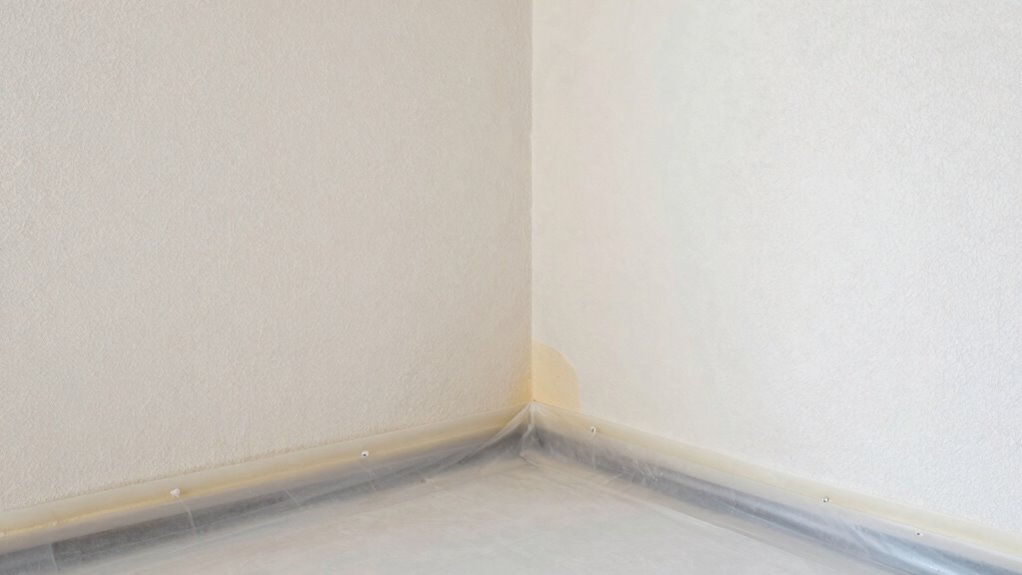
Proper insulation and moisture barriers are essential tools in preventing mold growth in your home. Well-installed insulation improves insulation effectiveness, keeping temperatures consistent and reducing condensation. Moisture barriers act as a shield against moisture infiltration, especially in vulnerable areas like basements and crawl spaces. Without these barriers, moisture can seep in, fostering mold development. Here’s a quick comparison:
| Aspect | Benefits |
|---|---|
| Insulation Effectiveness | Maintains temperature, reduces condensation |
| Moisture Barriers | Blocks moisture entry, prevents mold growth |
| Placement | Critical in basements, attics, walls |
| Material Choice | Vapor retarders, waterproof membranes |
| Maintenance | Regular inspections ensure continued protection |
Investing in proper insulation and moisture barriers keeps your home dry and mold-free.
Mistakes to Avoid When Managing Home Humidity
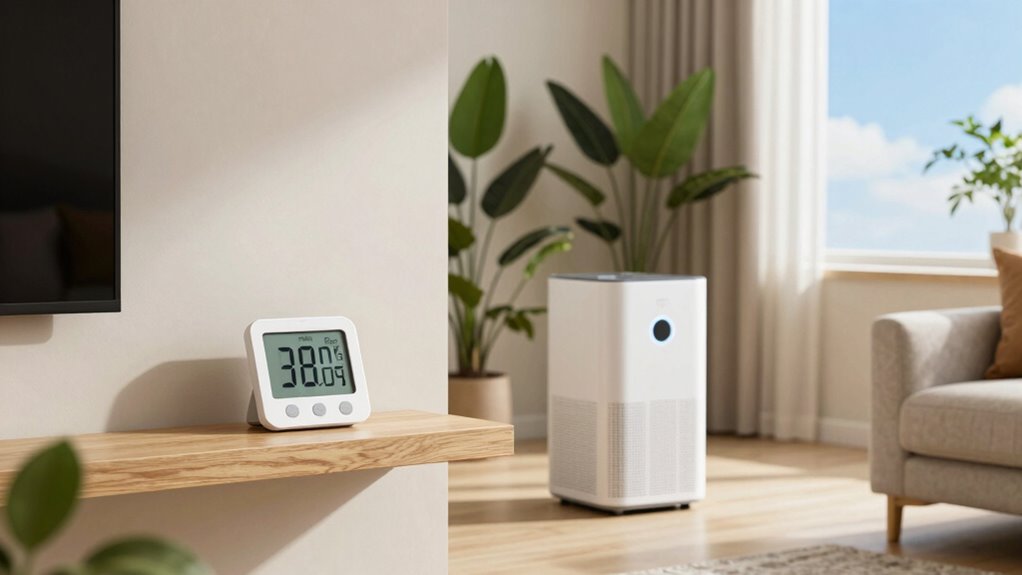
Managing your home’s humidity levels is essential for preventing mold, but many homeowners make common mistakes that can negate these efforts. First, relying solely on dehumidifiers without improving air circulation can trap moisture and create mold-prone areas. Second, neglecting air purification can allow mold spores to linger, worsening the problem. Third, setting humidity levels too low can cause discomfort and static, while too high promotes mold growth. Fourth, ignoring vents and exhaust fans reduces airflow, trapping humidity indoors. To avoid these mistakes, guarantee proper air circulation and use air purification systems to remove mold spores. Maintaining balanced humidity is crucial, but avoiding these pitfalls makes your efforts more effective. Proper humidity management creates a healthier, mold-free environment.
Simple Tips to Maintain Safe Humidity Levels Year-Round
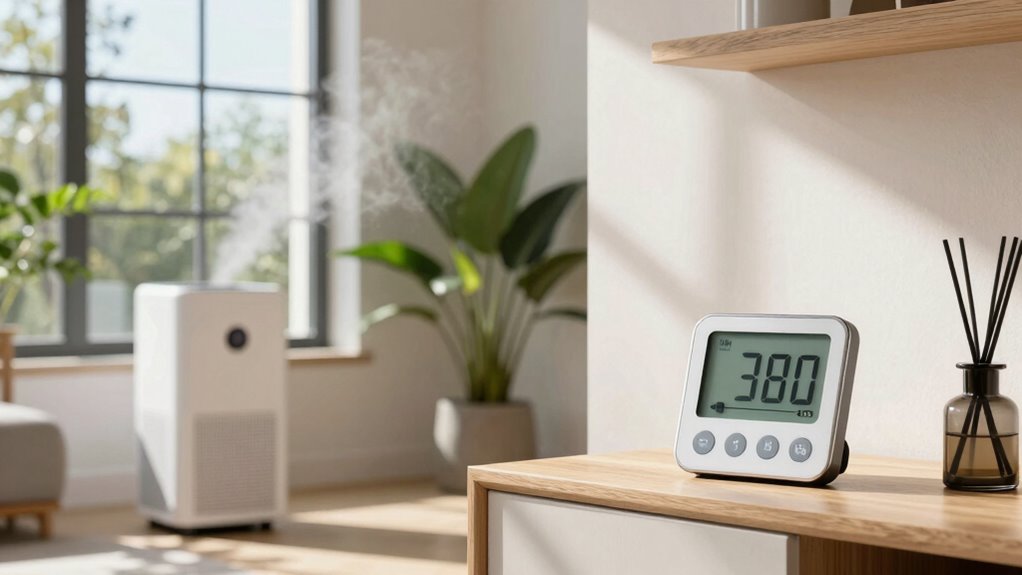
Keeping your home’s humidity levels stable throughout the year is easier when you follow simple, consistent habits. Use air purifiers to reduce moisture and airborne mold spores, helping maintain ideal humidity. Regularly monitor indoor humidity with a hygrometer, aiming for 30-50%. When painting or renovating, choose mold resistant paints to prevent mold growth in high-moisture areas. Keep vents and exhaust fans running in kitchens and bathrooms to control excess humidity. During humid months, run dehumidifiers, and in dry seasons, use humidifiers to add moisture. Avoid drastic temperature changes that can cause condensation. Consistency is key—by integrating these habits, you’ll create an environment that discourages mold and keeps humidity levels safe year-round.
When to Call a Professional for Persistent Mold Issues
If mold persists despite your efforts to control humidity and clean affected areas, it’s time to call in a professional. A professional inspection can identify hidden mold sources and assess the severity. When mold continues to return after cleaning, it indicates underlying issues requiring expert mold remediation. Consider calling professionals if:
- You notice mold in hard-to-reach places or extensive areas.
- The smell persists despite cleaning efforts.
- You experience health symptoms like allergies or respiratory issues.
- Visual mold growth reappears quickly after treatment.
These signs suggest that DIY solutions aren’t enough, and professional intervention is necessary. A mold remediation specialist can safely remove mold and address the root cause, ensuring your home stays healthy and mold-free long-term.
Frequently Asked Questions
Can Mold Be Completely Eliminated Without Professional Help?
You can’t fully eliminate mold on your own, but DIY solutions can substantially reduce it. Regularly clean affected areas with mold-killing solutions, fix leaks promptly, and control humidity to prevent its return. Use dehumidifiers and make sure proper ventilation to keep mold at bay. Consistent mold prevention efforts help keep your space healthier, but for extensive mold issues, professional help ensures complete removal and addresses hidden growth.
Are Certain Home Materials More Susceptible to Mold Growth?
Absolutely, certain home materials are more prone to mold growth. Think of porous materials like drywall, wood, and carpet—they absorb moisture easily, making them ideal spots for mold to thrive. Unlike non-porous surfaces like tile or plastic, these materials trap moisture, so they’re more susceptible to mold when humidity levels rise. To prevent mold, keep moisture absorption in check and regularly inspect these vulnerable areas.
How Do Seasonal Changes Affect Indoor Humidity Levels?
Seasonal fluctuations considerably impact your indoor climate and humidity levels. In summer, heat and humidity rise, increasing the risk of mold growth if you don’t use dehumidifiers or ventilation. During winter, indoor air tends to be drier, but heating can still cause moisture issues. To keep your home safe, monitor humidity levels regularly and adjust your ventilation and humidification systems accordingly, regardless of the season.
Is It Safe to Use Chemical Mold Removers Regularly?
Using chemical mold removers regularly isn’t always safe, as it can pose chemical safety risks if not used properly. While they can be effective for removal, overuse may lead to health issues or chemical buildup. To guarantee removal effectiveness without compromising safety, follow the product instructions carefully, wear protective gear, and consider natural alternatives for routine mold maintenance. Always prioritize safety when managing mold issues.
What Are Natural Methods to Reduce Indoor Humidity?
You can reduce indoor humidity naturally by using DIY dehumidifiers like silica gel packs or charcoal bags, which absorb excess moisture. Additionally, placing certain plants for humidity, such as Boston ferns or peace lilies, helps maintain ideal moisture levels. Ventilate rooms regularly, open windows when possible, and use exhaust fans in bathrooms and kitchens. These methods keep humidity in check without chemicals, making your home healthier and mold-resistant.
Conclusion
By understanding the truth about humidity and mold, you can protect your home effectively. For example, imagine noticing musty odors in your basement after a rainy week—you check your humidity levels, adjust your ventilation, and prevent mold from taking hold. Staying informed, monitoring levels, and addressing issues early keep mold at bay. Don’t rely on quick fixes—proper humidity control is your best defense for a healthier, mold-free home year-round.