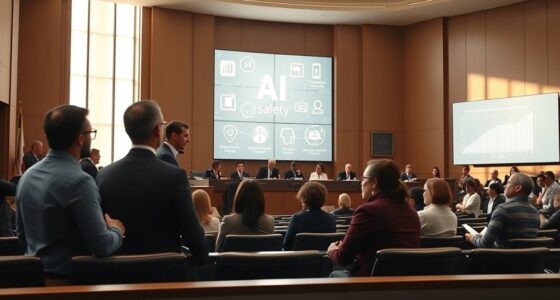
You should keep an eye on AI pilot projects that focus on renewable energy integration, as they use machine learning to forecast solar and wind output more accurately. These projects also enhance grid resilience by predicting vulnerabilities and automating responses. Predictive maintenance initiatives help prevent failures and reduce costs. If you explore how these pilots evolve, you’ll discover how AI is shaping a smarter, more stable, and sustainable energy future.
Key Takeaways
- Pilot projects showcase AI-driven forecasting to optimize renewable energy integration and balance supply and demand effectively.
- AI enhances grid resilience through real-time sensor data analysis and automated response systems.
- Predictive maintenance pilots use AI to detect equipment issues early, reducing costs and extending infrastructure lifespan.
- Integration of storage solutions in pilot projects helps manage excess renewable energy and stabilize the grid.
- These projects demonstrate AI’s potential to create a smarter, more reliable, and sustainable electrical grid.

As energy demands grow and the grid becomes more complex, AI is transforming how we manage and optimize electrical infrastructure. You’re now part of a system where integrating renewable energy sources seamlessly and maintaining grid resilience are top priorities. AI-driven solutions are at the forefront of this shift, enabling smarter, more adaptable grids. In particular, pilot projects focusing on renewable integration are demonstrating how AI can balance variable energy inputs from solar and wind, ensuring a steady supply despite fluctuations. These projects use machine learning algorithms to forecast renewable generation more accurately, allowing grid operators to allocate resources efficiently and prevent overloads or shortages. By predicting when renewable sources will produce more or less power, AI helps you smooth out inconsistencies, making renewables a reliable part of the energy mix. Additionally, vertical storage solutions are being integrated into pilot projects to better manage excess energy and storage capacity, further enhancing grid stability.
Beyond renewable integration, pilot initiatives aimed at boosting grid resilience showcase AI’s potential to enhance stability during disruptions. These projects leverage AI’s predictive capabilities to identify vulnerabilities before they cause blackouts or damage equipment. For example, AI algorithms analyze real-time data from sensors across the grid, detecting patterns that signal potential failures or overloads. When these signs emerge, automated systems can respond immediately—re-routing power, adjusting load demands, or activating backup resources. This proactive management minimizes downtime and keeps the grid stable even under stress. You benefit from a more resilient system that adapts in real-time, reducing the risk of outages and improving overall reliability.
Many pilot projects also explore how AI can optimize maintenance schedules to prevent failures before they happen. By continuously analyzing sensor data, AI detects early signs of equipment wear or inefficiency, informing targeted maintenance that saves time and money. This predictive maintenance approach not only extends equipment lifespan but also keeps the grid running smoothly, especially in critical moments. As these pilots expand, they demonstrate how AI-driven analytics can improve operational efficiency, ultimately making the grid more robust and capable of handling future energy demands.
solar and wind energy forecasting AI tools
As an affiliate, we earn on qualifying purchases.
As an affiliate, we earn on qualifying purchases.
Frequently Asked Questions
How Does AI Improve Grid Reliability During Extreme Weather Events?
AI improves grid reliability during extreme weather by quickly analyzing data and predicting potential failures. It enhances renewable integration by managing variable energy sources efficiently, ensuring stable supply. AI also boosts grid resilience by automating responses to outages, rerouting power, and preventing cascading failures. You benefit from fewer outages and faster recovery, as AI helps maintain a resilient, reliable grid even during severe weather conditions.
What Are the Main Cybersecurity Risks Associated With Ai-Driven Grid Management?
Imagine a hacker exploiting vulnerabilities in an AI-driven grid system, causing widespread outages. Your main cybersecurity risks include threats like cyberattacks that manipulate AI algorithms or data breaches exposing sensitive info. These vulnerabilities could disrupt power supply or compromise infrastructure. To protect your grid, you need robust cybersecurity measures, continuous monitoring, and secure data protocols, ensuring AI enhances reliability without opening doors to malicious threats.
How Do Pilot Projects Measure Long-Term Cost Savings and Efficiency Gains?
You measure long-term cost savings and efficiency gains by conducting a thorough cost benefit analysis over the project’s duration. You track performance metrics such as reduced downtime, improved energy flow, and operational cost reductions. Regularly reviewing these metrics helps you assess whether the pilot project delivers sustained benefits. By comparing initial investment costs with ongoing savings, you can determine the project’s overall value and potential for scaling.
What Are the Regulatory Challenges for Deploying AI in Grid Operations?
Imagine steering a maze with shifting walls—that’s what deploying AI in grid operations feels like due to regulatory challenges. You face complex policy frameworks and strict regulatory compliance requirements that slow innovation. Regulations often lag behind technological advances, creating uncertainty. To succeed, you need adaptable policies that foster innovation without compromising safety. Clear, consistent rules help you deploy AI confidently, ensuring your grid remains reliable and compliant in an evolving landscape.
How Do AI Systems Handle Data Privacy Concerns in Grid Management?
You handle data privacy concerns in grid management by implementing strong data encryption methods to protect sensitive information. You also establish clear privacy policies that specify how data is collected, used, and stored, ensuring compliance with regulations. Regular audits and access controls help prevent unauthorized use. By proactively addressing these issues, you create a secure environment where AI systems can operate effectively while respecting user privacy.

Distributed Security Monitoring and Resilient Cooperative Control
As an affiliate, we earn on qualifying purchases.
As an affiliate, we earn on qualifying purchases.
Conclusion
As you explore AI for grid management, it’s clear that pilot projects are paving the way for smarter, more reliable energy systems. Did you know that AI can reduce grid downtime by up to 30%? That’s a game-changer for efficiency and sustainability. Keep an eye on these innovations—they’re transforming the way we manage our power networks and ensuring a greener future. Embracing AI now means staying ahead in the evolving energy landscape.
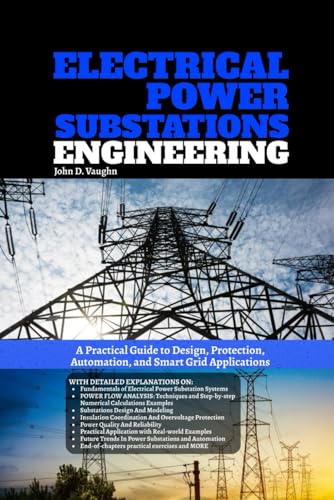
Electrical Power Substations Engineering: A Practical Guide to Design, Protection, Automation, and Smart Grid Applications
As an affiliate, we earn on qualifying purchases.
As an affiliate, we earn on qualifying purchases.

Renewable Energy Integration in Power Grids: Challenges and solutions.
As an affiliate, we earn on qualifying purchases.
As an affiliate, we earn on qualifying purchases.