In 2025, prompt injection campaigns remain a major security threat as attackers exploit vulnerabilities in AI systems to manipulate responses, reveal sensitive info, or prompt malicious actions. They craft subtle prompts that bypass safeguards and deceive users through highly personalized AI-driven phishing. Staying aware of these risks and implementing AI-specific detection methods is vital for protection. If you continue exploring, you’ll uncover more strategies to defend against these evolving cyber dangers.
Key Takeaways
- Prompt injection campaigns manipulate AI systems to reveal sensitive data or execute malicious commands.
- Attackers craft subtle prompts to bypass safeguards and exploit AI input interpretation vulnerabilities.
- Such campaigns increasingly target AI-driven applications, increasing threat complexity in 2025.
- Organizations are advised to implement AI-specific threat detection and scrutinize unexpected prompts.
- Continuous awareness and updated security protocols are essential to counter evolving AI-based attack techniques.

Have you noticed how security threats are evolving at an unprecedented pace in 2025? It’s not just about traditional hacking or malware anymore—today’s attackers are leveraging advanced techniques like prompt injection campaigns that exploit AI vulnerabilities. These campaigns are designed to manipulate AI systems into revealing sensitive data or executing malicious commands, making them particularly significant. As AI becomes more integrated into your daily workflows, cybercriminals are finding new ways to turn these tools against you, often with surprising effectiveness. You might think AI is a robust defense, but attackers are discovering subtle vulnerabilities in how AI models interpret and respond to inputs, especially when they craft carefully designed prompts. This is where prompt injection campaigns come into play, injecting misleading or harmful instructions that can bypass safeguards and trigger unintended actions. Recognizing the importance of unique vulnerabilities inherent in AI systems can help organizations better prepare for these threats.
AI vulnerabilities and prompt injection campaigns are transforming cybersecurity threats in 2025.
Phishing tactics have also become more sophisticated in 2025, often intertwined with these AI-driven attacks. Instead of simple emails or fake websites, attackers now craft highly convincing messages that leverage AI to personalize content, making them almost indistinguishable from legitimate communications. They use AI to analyze your online behavior, preferences, and even internal company data, creating tailored messages that prompt you to click malicious links or share confidential information. This personalized approach increases the likelihood of success, as it preys on your natural trust and familiarity. The combination of AI vulnerabilities and advanced phishing tactics means that even cautious users can be deceived, especially when faced with messages that seem genuinely relevant or urgent.
In this environment, awareness is your first line of defense. You need to recognize that AI-driven threats are not just theoretical—they’re actively targeting your personal and professional data. Always scrutinize unexpected messages, especially those requesting sensitive information or urging quick action. Be wary of prompts that seem out of place or ask for details that should be confidential. Organizations should also implement rigorous security measures, including AI-specific threat detection tools that can identify unusual prompt activity or suspicious input patterns. Training your team to understand how AI vulnerabilities can be exploited and how phishing tactics have evolved is vital. This proactive approach helps you stay one step ahead of cybercriminals who are constantly refining their techniques.
Ultimately, in 2025, the landscape of cybersecurity demands vigilance. Attackers aren’t just relying on traditional methods—they’re exploiting AI vulnerabilities and deploying sophisticated phishing tactics to breach defenses. Your role is to stay informed, implement strong security protocols, and foster awareness within your organization. Only then can you effectively counter the prompt injection campaigns and other emerging threats that threaten your digital safety every day.
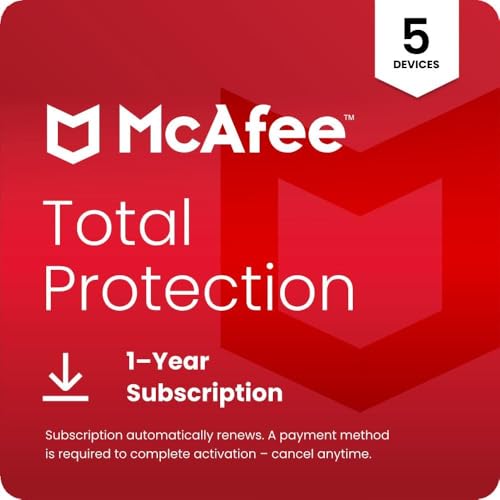
McAfee Total Protection 5-Device | AntiVirus Software 2026 for Windows PC & Mac, AI Scam Detection, VPN, Password Manager, Identity Monitoring | 1-Year Subscription with Auto-Renewal | Download
DEVICE SECURITY – Award-winning McAfee antivirus, real-time threat protection, protects your data, phones, laptops, and tablets
As an affiliate, we earn on qualifying purchases.
As an affiliate, we earn on qualifying purchases.
Frequently Asked Questions
How Can Organizations Detect Prompt Injection Attacks Early?
You can detect prompt injection attacks early by implementing behavioral analytics and anomaly detection. Monitor user activities for unusual patterns or sudden changes in input behavior, which can signal an attack. Set up real-time alerts to flag anomalies, such as unexpected command injections or data modifications. Regularly review logs and use machine learning tools to identify deviations from normal operations, enabling you to respond quickly and prevent potential security breaches.
What Are the Legal Implications of Prompt Injection Campaigns?
Imagine a delicate balance beam, where each step you take influences your future. Prompt injection campaigns threaten this stability, and if you’re not careful, legal implications follow. You must prioritize legal compliance to avoid liability management issues, as these attacks can lead to breaches of data protection laws and contractual obligations. Staying vigilant and well-informed guarantees you don’t fall off course, safeguarding your organization’s reputation and legal standing.
How Do Threat Actors Exploit AI Vulnerabilities in These Campaigns?
Threat actors exploit AI vulnerabilities by using adversarial techniques that manipulate input data to deceive models. They often employ model poisoning, where they subtly alter training data to corrupt the AI’s behavior. This allows them to bypass security measures and cause the AI to generate malicious or misleading responses. By understanding these tactics, you can better defend your systems against prompt injection campaigns and safeguard your AI infrastructure.
Are There Industry-Specific Risks Associated With Prompt Injection?
You should know that about 60% of organizations face sector targeted exploits, highlighting industry-specific risks. Prompt injection can exploit industry-specific vulnerabilities, making certain sectors like finance or healthcare more susceptible. These targeted attacks manipulate AI outputs, risking sensitive data breaches or operational disruptions. Understanding sector vulnerabilities helps you better defend against these tailored exploits and protect your organization from evolving prompt injection threats.
What Future Trends Might Influence Prompt Injection Tactics?
You’ll see future prompt injection tactics evolve with advancements in AI ethics and user privacy concerns. As these areas become more prominent, attackers might craft more sophisticated prompts to bypass safeguards, exploiting ethical gaps or privacy vulnerabilities. You should stay vigilant, adapt security measures accordingly, and prioritize safeguarding user data. This proactive approach helps prevent malicious prompts from compromising your systems and maintains trust in your AI applications.
prompt injection attack prevention tools
As an affiliate, we earn on qualifying purchases.
As an affiliate, we earn on qualifying purchases.
Conclusion
Just as a vigilant lighthouse guides ships through treacherous waters, staying alert to prompt injection campaigns keeps you safe in the digital storm. By recognizing the warning signals and acting swiftly, you prevent unseen icebergs from sinking your defenses. Remember, cybersecurity is an ongoing voyage—your awareness acts as the beacon that leads you away from danger and toward calmer, more secure waters. Stay watchful, and let your vigilance steer you clear of hidden threats.

vebiliki 【2 Pack】 Window Cameras with 32GB SD Cards, 2K 3MP Indoor Cameras for Home Security, AI Starlight Color Night Vision, Easy Install & Use, 24/7 Recording, Support 5GHz & 2.4GHz WiFi
【2 Packs- Window Camera】2-pack of window cameras, completing your home security system. Installed indoors, monitoring indoors or outdoors,…
As an affiliate, we earn on qualifying purchases.
As an affiliate, we earn on qualifying purchases.

Generative AI-Driven Phishing and Cybersecurity Metrics: A Comprehensive Guide
As an affiliate, we earn on qualifying purchases.
As an affiliate, we earn on qualifying purchases.