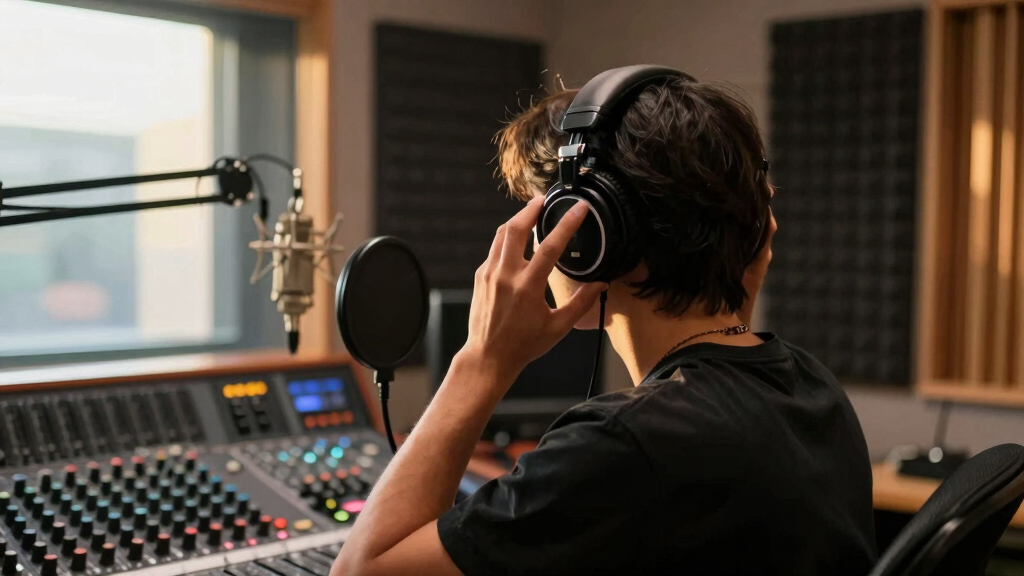
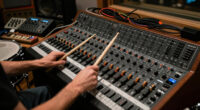
Among the best professional studio headphones, I rank the Beyerdynamic DT 770 Pro X first because its closed-back isolation, accessible 48-ohm load, and replaceable cable suit the widest range of studio jobs. The Audio-Technica ATH-M40x is my value pick for buyers who want a more restrained tonal balance than the ATH-M50x, while the Sennheiser HD 490 PRO is the premium choice for open-back mixing and long sessions. The main decision is whether closed-back isolation for recording matters more than the spacious presentation of an open-back design. Buyers also need to weigh tonal balance, amplifier demands, comfort, and replaceable parts rather than choosing by price alone. Continue reading for the full breakdown of which model fits each workflow.

Get audio and creator gear delivered free with Prime
- Fast, free delivery on millions of items
- Prime Video, Amazon Music and more included
- Member-only deals all year
Complete the kit


Key Takeaways
- The Beyerdynamic DT 770 Pro X leads the ranking because its closed construction, 48-ohm impedance, and detachable cable make it more adaptable than the fixed-cable DT 770 PRO 80 Ohm.
- The Sennheiser HD 490 PRO is the strongest premium mixing choice, while the DT 990 Pro X offers a less costly open-back route for buyers who can accept sound leakage.
- The ATH-M40x delivers better value than the ATH-M50x for monitoring-focused buyers; the M50x makes more sense when stronger bass, a livelier presentation, and folding portability carry more weight.
- Sony’s three models serve very different buyers: the MDR-7506 favors detail spotting, the MDR-M1 is the more modern closed reference option, and the MDR-CD900ST is a specialist import rather than a safe first purchase.
- Impedance separates the flexible models from the desk-bound ones. The 48-ohm DT 770 Pro X and DT 990 Pro X pair more easily with varied equipment than the 250-ohm DT 990 PRO, which benefits from a capable studio output.
| Sennheiser Pro Audio HD 25 On-Ear DJ Headphones |  | Best for DJ Monitoring | Headphone Type: On-ear DJ headphones | Acoustic Design: Closed on-ear | Voice Coil Material: Aluminum | VIEW LATEST PRICE | See Our Full Breakdown |
| Beyerdynamic DT 770 Pro X Wired Over-Ear Headphones |  | Best Closed-Back Studio Monitor | Headphone Type: Over-ear studio monitor | Acoustic Design: Closed-back | Impedance: 48 Ω | VIEW LATEST PRICE | See Our Full Breakdown |
| Audio-Technica ATH-M50X Professional Studio Monitor Headphones |  | Best Overall | Driver Size: 45 mm | Impedance: 38 Ω | Frequency Response: Extended range; exact range not provided | VIEW LATEST PRICE | See Our Full Breakdown |
| Beyerdynamic DT 990 PRO 250 Ohm Open-Back Headphones |  | Best for Amp-Driven Mixing | Headphone Type: Over-ear wired headphones | Acoustic Design: Open-back | Impedance: 250 Ω | VIEW LATEST PRICE | See Our Full Breakdown |
| beyerdynamic DT 990 Pro X 48 Ohm Open-Back Studio Headphones |  | Best Versatile Open-Back Pick | Acoustic Design: Open-back, circumaural | Impedance: 48 Ω | Frequency Response: 5–40,000 Hz | VIEW LATEST PRICE | See Our Full Breakdown |
| Audio-Technica ATH-M30x Professional Studio Monitor Headphones, Black |  | Best Budget Vocal Monitoring | Driver size: 40 mm | Acoustic design: Closed circumaural | Cable routing: Single-sided | VIEW LATEST PRICE | See Our Full Breakdown |
| Sony MDR7506 Professional Large Diaphragm Headphones |  | Best Broadcast Workhorse | Driver size: 40 mm | Magnet type: Neodymium | Frequency response: 10 Hz–20 kHz | VIEW LATEST PRICE | See Our Full Breakdown |
| HD 490 PRO Open-Back Professional Headphones |  | Best Premium Mixing Reference | Frequency response: 5 Hz–36 kHz | Acoustic design: Open-back | Primary application: Mixing and critical listening | VIEW LATEST PRICE | See Our Full Breakdown |
| Audio-Technica ATH-M20x Professional Studio Monitor Headphones, Black |  | Best Entry-Level Tracking Pick | Driver size: 40 mm | Acoustic design: Closed circumaural | Cable exit: Single-sided | VIEW LATEST PRICE | See Our Full Breakdown |
| Beyerdynamic DT 770 PRO 80 Ohm Over-Ear Studio Headphones |  | Best Closed-Back Comfort | Impedance: 80 ohms | Acoustic design: Closed-back | Fit: Over-ear | VIEW LATEST PRICE | See Our Full Breakdown |
| Sony MDR-M1 Professional Reference Closed Monitor Headphones |  | Best Overall Closed-Back | Design: Closed-back professional monitor | Frequency Response: 5 Hz–80 kHz | Weight: 216 g | VIEW LATEST PRICE | See Our Full Breakdown |
| Audio-Technica ATH-M40x Professional Studio Monitor Headphones |  | Best Value Pick | Design: Closed-back, over-ear | Driver Size: 40 mm | Magnet Type: Rare-earth | VIEW LATEST PRICE | See Our Full Breakdown |
| Sennheiser HD 280 Pro Headphones |  | Best for Maximum Isolation | Brand: Sennheiser | Model: HD 280 Pro | Model Number: 506845 | VIEW LATEST PRICE | See Our Full Breakdown |
| Sony MDR-CD900ST Studio Monitor Stereo Headphones |  | Best for Vocal Editing | Type: Closed dynamic | Driver: 40 mm CCAW | Frequency Response: 5 Hz–30,000 Hz | VIEW LATEST PRICE | See Our Full Breakdown |
| professional studio headphone | Acoustic Design | Cable | Frequency Response |
|---|---|---|---|
| Sennheiser Pro Audio HD 25 On- | Closed on-ear | Detachable, tough, single-sided cable | — |
| Beyerdynamic DT 770 Pro X Wire | Closed-back | Detachable 3 m straight cable | — |
| Audio-Technica ATH-M50X Profes | — | Detachable; three cables included | Extended range; exact range not provided |
| Beyerdynamic DT 990 PRO 250 Oh | Open-back | — | — |
| beyerdynamic DT 990 Pro X 48 O | Open-back, circumaural | Detachable 3 m cable with locking mini-XLR | 5–40,000 Hz |
| Audio-Technica ATH-M30x Profes | Closed circumaural | — | — |
| Sony MDR7506 Professional Larg | Closed-ear | — | 10 Hz–20 kHz |
| HD 490 PRO Open-Back Professio | Open-back | Detachable | 5 Hz–36 kHz |
| Audio-Technica ATH-M20x Profes | Closed circumaural | — | — |
| Beyerdynamic DT 770 PRO 80 Ohm | Closed-back | — | — |
| Sony MDR-M1 Professional Refer | — | Detachable | 5 Hz–80 kHz |
| Audio-Technica ATH-M40x Profes | — | Detachable | 15 Hz–24 kHz |
| Sennheiser HD 280 Pro Headphon | — | — | — |
| Sony MDR-CD900ST Studio Monito | — | — | 5 Hz–30,000 Hz |
More Details on Our Top Picks
Sennheiser Pro Audio HD 25 On-Ear DJ Headphones
I rank the Sennheiser HD 25 as the specialist choice for DJs and engineers who need high-SPL monitoring without a heavy over-ear frame. Its sensitive aluminum voice coils help keep cue details intelligible around loud playback, while the lightweight on-ear design is easier to manage in a booth than the bulkier Audio-Technica ATH-M50X. The tough, single-sided detachable cable also supports quicker field repairs. That focus limits its studio versatility: the on-ear fit provides less complete isolation than the closed-back Beyerdynamic DT 770 Pro X, and some users may find the clamping pressure tiring during long editing sessions. I would choose it for mobile cueing and tracking, but not as my first option for spacious mixing or maximum comfort.
Pros:- High sensitivity supports clear monitoring in loud DJ and live environments
- Lightweight on-ear construction suits mobile professional work
- Detachable single-sided cable simplifies replacement and reduces cable clutter
- Handles high sound pressure levels without requiring a bulky chassis
Cons:- On-ear design offers less complete isolation than many closed-back over-ear models
- Fit can become fatiguing during long mixing or editing sessions
- Compact utilitarian styling and presentation may not suit every buyer
Best for: DJs, location recordists, and live engineers who need lightweight wired headphones that remain articulate at high monitoring levels
Not ideal for: Mix engineers seeking an expansive soundstage or listeners who dislike the pressure and limited isolation of an on-ear fit
- Headphone Type:On-ear DJ headphones
- Acoustic Design:Closed on-ear
- Voice Coil Material:Aluminum
- Sensitivity:High-sensitivity design
- SPL Capability:Designed for high sound pressure levels
- Cable:Detachable, tough, single-sided cable
- Connectivity:Wired
- Color:Black
Our verdict“I recommend the HD 25 for high-volume cueing and mobile work, while over-ear alternatives make more sense for long studio sessions.”
Beyerdynamic DT 770 Pro X Wired Over-Ear Headphones
The Beyerdynamic DT 770 Pro X takes my closed-back recommendation because it balances detailed monitoring, isolation, and repairability. Its 48-ohm load and included adapters make it more flexible across studio interfaces and portable sources than the 250-ohm DT 990 PRO, while the sealed earcups are better suited to recording near live microphones. Velour pads and an ergonomic headband also target long sessions, and replaceable parts extend its working life beyond less serviceable rivals. Compared with the Audio-Technica ATH-M50X, this model emphasizes professional construction and a locking mini-XLR connection rather than foldable portability. The tradeoffs are a strictly wired setup and a large over-ear frame. Some low-powered sources may also leave less headroom than a dedicated interface, making this a stronger fit for stationary tracking and editing than casual commuting.
Pros:- Closed-back construction limits spill during microphone recording
- Detailed reproduction supports editing and critical monitoring
- Velour pads and ergonomic headband suit extended sessions
- Detachable locking cable and replaceable components support long-term studio use
Cons:- Wired-only operation limits convenience outside the studio
- Large over-ear design is less portable than folding alternatives
- Some low-powered devices may provide less volume headroom than a studio interface
Best for: Recording engineers and musicians who need an isolating, serviceable monitor for tracking, editing, and long wired sessions
Not ideal for: Wireless users and frequent travelers who need a compact folding headphone for phone-first listening
- Headphone Type:Over-ear studio monitor
- Acoustic Design:Closed-back
- Impedance:48 Ω
- Cable:Detachable 3 m straight cable
- Cable Connection:Locking mini-XLR
- Adapter:Threaded 1/8-inch to 1/4-inch adapter
- Ear Pads:Velour
- Country of Origin:Germany
Our verdict“I would pick the DT 770 Pro X for dependable closed-back monitoring when isolation and replaceable parts matter more than portability.”
Audio-Technica ATH-M50X Professional Studio Monitor Headphones
I place the Audio-Technica ATH-M50X first for the broadest mix of studio utility, accessible drive requirements, and portable storage. Its 45 mm drivers, strong isolation, and extended bass response make it useful for tracking, production, and checking low-end impact, while three detachable cables cover more setups than most rivals include. The folding swivel earcups also travel more easily than the full-size Beyerdynamic DT 770 Pro X. This is not the most neutral choice for every mixing decision: its prominent bass can be less revealing than the open-back DT 990 PRO’s wider presentation, and the closed cups may feel warmer during long sessions. The frame is still bulky beside the Sennheiser HD 25. Even with those compromises, I rank it highest because one purchase covers more professional roles than the more specialized options.
Pros:- 45 mm drivers deliver clear detail with substantial low-frequency output
- Closed circumaural design provides useful isolation for tracking
- Three detachable cables accommodate varied studio layouts
- Folding swivel earcups offer more portability than fixed full-size monitors
Cons:- Bass-forward presentation may be less neutral for fine mix balancing
- Closed earcups can become warm during extended sessions
- Folded design remains bulkier than a compact on-ear headphone
Best for: Home-studio producers, recording musicians, and content creators who need one wired headphone for tracking, editing, and mobile sessions
Not ideal for: Mix engineers seeking a wide open-back soundstage or travelers who need a very compact, lightweight on-ear model
- Driver Size:45 mm
- Impedance:38 Ω
- Frequency Response:Extended range; exact range not provided
- Acoustic Fit:Circumaural
- Earcup Design:Foldable with swivel mechanism
- Cable:Detachable; three cables included
- Adapter:6.3 mm adapter included
- Warranty:2 years
Our verdict“I recommend the ATH-M50X as the most adaptable single purchase for buyers splitting their time between recording, production, and editing.”
Beyerdynamic DT 990 PRO 250 Ohm Open-Back Headphones
The Beyerdynamic DT 990 PRO 250 Ohm earns its place as my dedicated mixing pick for studios already equipped with a capable headphone amplifier. Its open-back soundstage and precise presentation make spatial placement and fine editing easier to judge than on the closed Audio-Technica ATH-M50X. Soft replaceable velour pads support long desk sessions, while the 3 m coiled cable suits a fixed workstation. The price of that focus is limited flexibility: 250-ohm impedance is a poor match for many phones and modest laptop outputs, unlike the easier-to-drive DT 990 Pro X. Sound leakage also rules it out for vocal tracking, shared rooms, and noisy locations. I rank it below the Pro X for general versatility, but its classic studio configuration remains compelling for stationary, amplifier-based critical listening.
Pros:- Open-back construction produces a spacious presentation for mix placement
- Precise detail supports editing and critical listening
- Replaceable velour pads remain comfortable during long desk sessions
- Durable German-made construction suits fixed studio use
Cons:- 250-ohm impedance often calls for a capable headphone amplifier
- Open earcups leak audio and provide little isolation
- Fixed 3 m coiled cable is cumbersome away from a workstation
Best for: Mixing and mastering engineers with a dedicated headphone amplifier and a quiet, private control room
Not ideal for: Vocal tracking, shared workspaces, or laptop-only setups where leakage and 250-ohm power demands create practical problems
- Headphone Type:Over-ear wired headphones
- Acoustic Design:Open-back
- Impedance:250 Ω
- Cable Length:3 m
- Cable Type:Coiled
- Connector:3.5 mm plug
- Adapter:1/4-inch adapter
- Ear Pads:Replaceable grey velour
Our verdict“I would choose the DT 990 PRO 250 Ohm for focused mixing in an amplified private studio, not for tracking or portable work.”
beyerdynamic DT 990 Pro X 48 Ohm Open-Back Studio Headphones
I rank the beyerdynamic DT 990 Pro X as the open-back option for buyers who move between an interface, laptop, and other wired sources. The 48-ohm STELLAR.45 driver is less demanding than the 250-ohm DT 990 PRO, yet it retains the wide imaging and natural presentation that make open headphones useful for mixing and editing. A detachable locking mini-XLR cable is another practical gain over the older model’s fixed lead, while the lightweight frame and velour pads favor long sessions. It cannot replace the closed-back DT 770 Pro X for tracking: sound escapes freely, outside noise remains audible, and the exposed open construction needs more careful handling. I place it ahead of the 250-ohm version for source flexibility and serviceable cabling, though amplifier-equipped studios may still prefer the classic model’s dedicated workstation role.
Pros:- Wide soundstage and detailed imaging support mixing and editing
- 48-ohm design works with a broader range of wired sources than the 250-ohm model
- Detachable locking mini-XLR cable is easier to replace
- Lightweight frame and velour pads suit extended listening
Cons:- Open-back design leaks sound and blocks little external noise
- Unsuitable for microphone tracking in the same room
- Open earcups require more careful handling than enclosed studio monitors
Best for: Producers and editors who want open-back imaging across studio interfaces and lower-powered wired sources without committing to a 250-ohm setup
Not ideal for: Tracking engineers, commuters, and shared-room users who need isolation, minimal sound leakage, or rugged enclosed earcups
- Acoustic Design:Open-back, circumaural
- Impedance:48 Ω
- Frequency Response:5–40,000 Hz
- Driver:STELLAR.45
- Weight:0.64 lb
- Cable:Detachable 3 m cable with locking mini-XLR
- Connector:3.5 mm jack with 6.3 mm adapter
- Ear Pads:Velour
- Made In:Germany
Our verdict“I recommend the DT 990 Pro X to buyers who want open-back mixing performance with fewer source and cable limitations than the 250-ohm version.”
Audio-Technica ATH-M30x Professional Studio Monitor Headphones, Black
I place the Audio-Technica ATH-M30x above the ATH-M20x for vocal tracking because its clearer midrange detail makes voices, guitars, and dialogue easier to judge. The closed circumaural cups also provide useful isolation when microphones are live, while the folding frame suits engineers who move between rooms. Compared with the ATH-M40x, however, this is a more basic tool: the fixed cable limits serviceability, and the lighter construction may be less reassuring under daily studio wear. Bass extension is also less authoritative than on the Beyerdynamic DT 770 PRO 80 Ohm. I see it as a practical middle step between entry-level monitoring and costlier reference headphones, with portability and vocal clarity taking priority over premium materials or deep-bass analysis.
Pros:- Midrange clarity helps expose vocal and guitar balance
- Circumaural cups provide useful isolation during tracking
- Collapsible frame is easier to carry between sessions
- Single-sided cable stays out of the way while recording
Cons:- Bass depth is limited beside higher-end closed-back models
- Fixed cable is harder to replace after wear
- Basic construction may not suit intensive commercial use
Best for: Mobile recordists and home-studio owners who track vocals or acoustic instruments and need isolation without paying for premium monitoring headphones
Not ideal for: Bass-focused mixers or high-traffic commercial studios that need stronger low-end extension and easily replaceable cables
- Driver size:40 mm
- Acoustic design:Closed circumaural
- Cable routing:Single-sided
- Cable type:Non-detachable
- Storage design:Collapsible
- Color:Black
- Sound emphasis:Detailed midrange clarity
Our verdict“I recommend the ATH-M30x as an affordable tracking headphone for buyers who value midrange clarity and portability over deep bass and modular parts.”
Sony MDR7506 Professional Large Diaphragm Headphones
The Sony MDR7506 earns my broadcast pick through a combination of forward detail, strong isolation, and proven practicality. Its 40 mm drivers make speech edits, hiss, and handling noise easy to spot, while the folding closed-ear design travels more readily than the Beyerdynamic DT 770 PRO 80 Ohm. The Sony is less plush for long mixing sessions, though, and its bright presentation can encourage conservative treble decisions. A permanently attached 9.8-foot cord is useful beside a console but cumbersome with portable recorders, and cable failure is harder to remedy than on the detachable-cable HD 490 PRO. I rank it as a dependable production tool rather than the most neutral mixing reference: editors and location crews gain revealing monitoring, but mastering engineers may prefer a smoother, wider presentation.
Pros:- Forward detail exposes speech noise and editing flaws
- Closed-ear construction limits outside distraction
- Foldable frame and soft case support field work
- Included quarter-inch adapter suits studio interfaces
Cons:- Bright tonal balance can fatigue listeners and skew treble judgments
- Long non-detachable cord is awkward for portable setups
- Fit is less spacious and plush than larger over-ear alternatives
Best for: Broadcast editors, podcast producers, and location sound crews who need revealing closed-back monitoring and a long console-ready cable
Not ideal for: Mastering engineers and mobile listeners who want relaxed treble, a short cable, or easy cable replacement
- Driver size:40 mm
- Magnet type:Neodymium
- Frequency response:10 Hz–20 kHz
- Acoustic design:Closed-ear
- Storage design:Foldable
- Cord length:9.8 ft
- Cord:Non-detachable
- Adapter:Gold-plated 1/4-inch
- Included case:Soft case
Our verdict“I favor the MDR7506 for broadcast and editing work where fault-revealing detail matters more than detachable parts or a relaxed tonal balance.”
HD 490 PRO Open-Back Professional Headphones
I rank the HD 490 PRO highest here for mixing because its open presentation and 5–36,000 Hz range are geared toward judging space, separation, and tonal relationships. Compared with the closed Sony MDR7506, it offers a broader soundstage and a less confined view of dense arrangements. Washable, replaceable pads and a detachable cable also make more sense for long-term studio ownership than the fixed-cable ATH-M30x. That precision comes with firm boundaries: sound leaks freely, outside noise remains audible, and the open cups are unsuitable beside live microphones. The more delicate construction also calls for careful transport. I would choose this for a controlled mix room rather than a recording floor; its serviceable comfort and spatial insight justify the premium only when isolation is unnecessary.
Pros:- Wide soundstage helps separate instruments and judge ambience
- Broad frequency response supports detailed mix evaluation
- Washable, replaceable pads suit long professional sessions
- Detachable noise-blocking cable improves long-term serviceability
Cons:- Open-back cups leak sound into microphones and nearby spaces
- Outside noise can interfere with low-level mix decisions
- Delicate components demand more careful handling than rugged tracking models
Best for: Mix engineers and producers working in quiet rooms who need spacious imaging for placement, ambience, and detailed balance decisions
Not ideal for: Tracking engineers, shared-space creators, and commuters because the open cups leak audio and provide little isolation
- Frequency response:5 Hz–36 kHz
- Acoustic design:Open-back
- Primary application:Mixing and critical listening
- Ear pads:Washable and replaceable
- Cable:Detachable
- Cable feature:Noise-blocking coil
- Packaging:FSC-certified
Our verdict“I recommend the HD 490 PRO for serious mixing in a quiet room, where its spacious imaging outweighs its lack of isolation.”
Audio-Technica ATH-M20x Professional Studio Monitor Headphones, Black
The Audio-Technica ATH-M20x is my entry-level choice for musicians who need an isolated cue mix without paying for finer reference performance. Its closed circumaural fit and enhanced low-frequency output help performers follow drums and bass in a loud room, and the single-sided cable reduces tangles around instruments. Against the ATH-M30x, though, the M20x gives up midrange definition and portability because it lacks the same collapsible emphasis. It is also less suitable for final mix decisions than the open-back HD 490 PRO, which presents space and detail more clearly. Features are deliberately sparse, and the fixed cable makes eventual repairs less convenient. I rank it for straightforward tracking duties, not as a do-everything studio reference or a purchase for engineers seeking modular construction.
Pros:- Closed circumaural design reduces room noise during tracking
- Low-frequency emphasis makes rhythm cues easy for performers to follow
- Single-sided cable reduces tangling around instruments
- Straightforward design keeps the entry cost accessible
Cons:- Resolution is limited for final mixing and mastering decisions
- Fixed cable reduces repair flexibility
- Basic feature set offers little adaptability as a studio expands
Best for: First-time home recordists and rehearsal-room musicians who need affordable isolation and strong cue-mix bass
Not ideal for: Mix and mastering engineers who need precise imaging, refined midrange detail, or replaceable studio components
- Driver size:40 mm
- Acoustic design:Closed circumaural
- Cable exit:Single-sided
- Cable type:Non-detachable
- Low-frequency tuning:Enhanced
- Primary applications:Studio tracking and mixing
- Color:Black
Our verdict“I see the ATH-M20x as a sensible first tracking headphone for performers who need isolation and audible bass more than mix-grade precision.”
Beyerdynamic DT 770 PRO 80 Ohm Over-Ear Studio Headphones
I give the Beyerdynamic DT 770 PRO 80 Ohm the comfort award because its replaceable velour pads and roomy over-ear fit suit long recording and monitoring shifts better than the tighter Sony MDR7506. Its closed construction provides isolation while delivering more convincing bass reach than the ATH-M30x, making it useful for tracking, production, and checking low-end energy. The 80-ohm load is less friendly to weak laptop or phone outputs, where volume and control may fall short, and the three-meter fixed cable favors a desk over mobile work. Its broad, vivid sound is also less spatially open than the HD 490 PRO for detailed mix placement. For studios with a capable interface, I find its durability, comfort, and full-range monitoring especially well balanced.
Pros:- Soft replaceable velour pads support long listening sessions
- Closed over-ear cups provide practical tracking isolation
- High-resolution presentation reveals recording detail
- Robust German-made construction suits repeated studio use
Cons:- 80-ohm impedance may sound underpowered from weaker devices
- Three-meter cable is cumbersome away from a workstation
- Fixed cable is less serviceable than detachable designs
Best for: Producers, recording engineers, and session musicians with a capable audio interface who wear closed-back headphones for long studio sessions
Not ideal for: Phone-based creators and highly mobile recordists because the 80-ohm load and three-meter cable are poorly matched to lightweight setups
- Impedance:80 ohms
- Acoustic design:Closed-back
- Fit:Over-ear
- Cable length:3.0 m
- Cable routing:Single-sided
- Ear pads:Replaceable velour
- Manufacturing origin:Germany
Our verdict“I recommend the DT 770 PRO 80 Ohm for interface-equipped studios wanting durable, comfortable closed-back monitoring with strong low-end authority.”
Sony MDR-M1 Professional Reference Closed Monitor Headphones
I rank the Sony MDR-M1 highest among these four for closed-back production work because its 5 Hz–80 kHz response and strong isolation support detailed monitoring without sacrificing practicality. Compared with the Audio-Technica ATH-M40x, it offers broader playback capability, softer padding, and better long-term serviceability through replaceable earpads. It is also lighter and easier to drive than many high-impedance studio designs, while the two detachable cables suit both desk and console setups. The closed construction makes it more useful around microphones than the open-back HD 490 PRO. The main tradeoff is premium pricing: beginners can obtain capable monitoring from the ATH-M40x for less. Its isolation may also feel less spacious than an open-back model when judging reverbs and stereo depth. I see it as the most balanced professional choice, not the cheapest one.
Pros:- Ultra-wide 5 Hz–80 kHz playback supports detailed monitoring
- Strong passive isolation suits recording rooms and vocal booths
- Detachable cables accommodate both portable and console-based setups
- Replaceable earpads improve long-term ownership
Cons:- Premium price is difficult to justify for casual production work
- Closed-back presentation is less spacious than an open-back mixing headphone
- Thick padding and an isolating fit may become warm during long sessions
Best for: Recording engineers, producers, and editors who need an isolating closed-back reference headphone for long studio sessions
Not ideal for: Budget-conscious beginners or mixing engineers who prefer the open soundstage of the Sennheiser HD 490 PRO
- Design:Closed-back professional monitor
- Frequency Response:5 Hz–80 kHz
- Weight:216 g
- Earpad Material:Soft, thick padding
- Cable:Detachable
- Included Cable Options:Two lengths
- Connector Compatibility:3.5 mm and 6.3 mm via screw-in adapter
- Replaceable Earpads:Yes
Our verdict“The Sony MDR-M1 is my pick for professionals who want one refined closed-back headphone for recording, editing, and detailed monitoring.”
Audio-Technica ATH-M40x Professional Studio Monitor Headphones
The Audio-Technica ATH-M40x earns my value slot by covering the practical needs of home recording and project studios without charging for an extreme frequency range. Its 40 mm drivers and closed circumaural fit give musicians useful isolation, while 90-degree swiveling earcups make single-ear checks easier. Compared with the pricier Sony MDR-M1, the ATH-M40x has a narrower 15 Hz–24 kHz response and less refined long-session comfort, yet it retains detachable-cable convenience and a work-focused build. I would also choose it over the ATH-M20x when flexible monitoring and replaceable cabling matter. The compromises become clearer during demanding mix work: the presentation cannot expose detail as readily as higher-end reference models, and the folding, jointed construction has more potential wear points than simpler designs. Still, its strong price-to-utility balance makes it a sensible first serious studio headphone.
Pros:- Closed circumaural design provides useful isolation around microphones
- 90-degree swiveling earcups support one-ear monitoring
- Detachable cabling is easier to replace than a fixed lead
- Professional-grade pads and headband offer good durability for the price
Cons:- 15 Hz–24 kHz response is narrower than premium reference alternatives
- Comfort and resolution trail the Sony MDR-M1 during long, critical sessions
- Swiveling joints introduce additional wear points
Best for: Home-studio musicians and content creators who need affordable isolation, detachable cables, and swiveling earcups
Not ideal for: Mastering engineers or detail-focused mixers who need the wider response and higher refinement of the Sony MDR-M1
- Design:Closed-back, over-ear
- Driver Size:40 mm
- Magnet Type:Rare-earth
- Frequency Response:15 Hz–24 kHz
- Earcup Swivel:90 degrees
- Cable:Detachable
- Pad and Headband Material:Professional-grade synthetic material
- Fit:Circumaural
Our verdict“The ATH-M40x is the value choice for buyers moving into serious recording who do not need flagship-level resolution.”
Sennheiser HD 280 Pro Headphones
I place the Sennheiser HD 280 Pro in the isolation role because its up to 32 dB of outside-sound attenuation directly benefits tracking, location recording, and editing in noisy rooms. That published figure gives buyers a clearer isolation benchmark than the ATH-M40x provides, while replaceable earpads and a two-year warranty suit equipment that will see frequent studio use. Its coiled cable stretches from 3.3 to 9.8 feet, offering more movement at a console than the fixed 2.5-meter lead on the Sony MDR-CD900ST. Those strengths come with physical compromises: the bulky closed-ear body is poor for travel, and the long coiled cable can tug or clutter a small desk. Its warm, natural balance also makes it less appealing to listeners seeking forceful bass or the open spatial presentation of the DT 990 PRO. I favor it for controlled monitoring in difficult rooms.
Pros:- Up to 32 dB attenuation helps reduce bleed and outside distractions
- Long coiled cable provides useful reach around studio consoles
- Replaceable earpads support extended service life
- Two-year warranty adds reassurance for frequent professional use
Cons:- Bulky construction is inconvenient for mobile production
- Coiled cable can feel heavy and clutter compact workspaces
- Warm sound is less suited to buyers seeking pronounced bass or an expansive open-back image
Best for: Tracking engineers, drummers, and location recordists who need strong passive attenuation in loud working environments
Not ideal for: Traveling producers or bass-focused listeners who want a compact headphone with a more forceful low-end presentation
- Brand:Sennheiser
- Model:HD 280 Pro
- Model Number:506845
- Design:Over-ear, closed-back
- Connectivity:Wired
- Outside-Sound Attenuation:Up to 32 dB
- Cable Length:3.3–9.8 ft, coiled
- Replaceable Earpads:Yes
- Warranty:2 years
Our verdict“The HD 280 Pro makes the most sense for recording professionals who prioritize isolation and durability over portability and spaciousness.”
Sony MDR-CD900ST Studio Monitor Stereo Headphones
The Sony MDR-CD900ST occupies a narrower but valuable role: I would choose it for engineers who want a direct, detail-focused monitor for vocal and dialogue work. Its 40 mm CCAW driver, 5 Hz–30 kHz response, and 1000 mW input rating form a studio-oriented package rather than a casual listening design. Compared with the Sony MDR-M1, this older Japan-import model lacks detachable-cable convenience and broad 3.5 mm compatibility; its stereo standard plug and fixed 2.5-meter lead suit a console better than a laptop or phone. The 63-ohm impedance is manageable with studio equipment but less accommodating than low-impedance portable models. At 200 g it is lighter than the MDR-M1, though the utilitarian construction and import status may complicate parts support or warranty service. Its specialized monitoring character earns a place here, but the MDR-M1 remains the more versatile purchase.
Pros:- 5 Hz–30 kHz response supports detailed studio monitoring
- 40 mm CCAW driver is designed for professional audio work
- 200 g weight is lower than the Sony MDR-M1
- 1000 mW maximum input rating suits robust studio signal chains
Cons:- Fixed 2.5-meter cable is harder to replace and inconvenient for portable use
- Stereo standard plug may require an adapter with laptops and compact interfaces
- Japan-import status can make warranty service and replacement parts less straightforward
Best for: Vocal, dialogue, and broadcast editors using studio consoles who want a focused Japanese monitoring standard
Not ideal for: Mobile producers who need detachable cables, a native 3.5 mm plug, and straightforward domestic warranty support
- Type:Closed dynamic
- Driver:40 mm CCAW
- Frequency Response:5 Hz–30,000 Hz
- Impedance:63 Ω
- Maximum Input Power:1000 mW
- Cable Length:2.5 m
- Weight:200 g
- Plug:Stereo standard plug
Our verdict“The MDR-CD900ST is a specialized choice for console-based vocal and dialogue editors, while the MDR-M1 is better for mixed studio duties.”
How We Picked
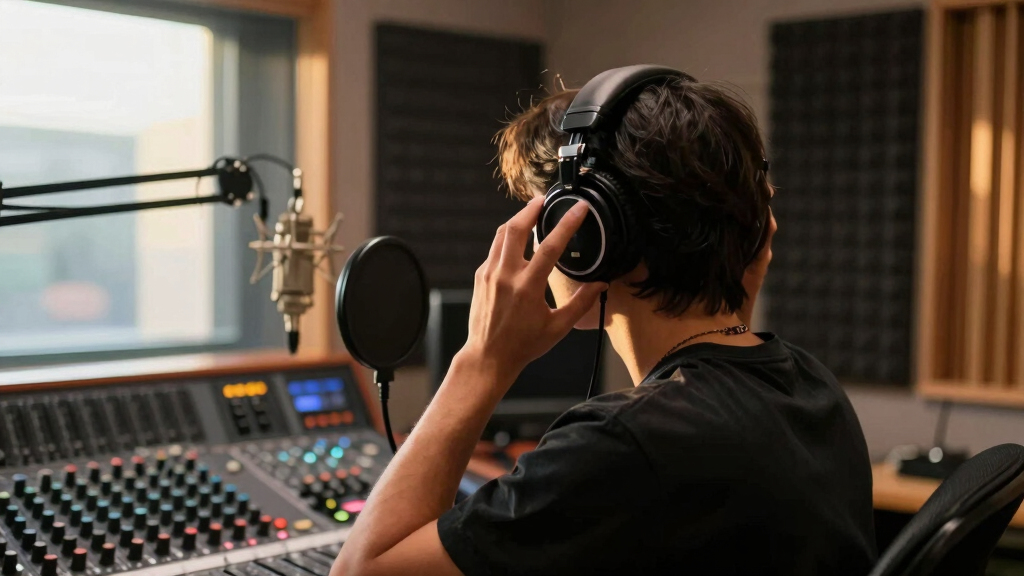
I ranked these headphones around professional monitoring usefulness, not popularity alone. My main criteria were tonal clarity, isolation or openness, comfort during long sessions, source compatibility, construction, cable design, and access to replacement parts. I also judged how clearly each model fills a studio role: tracking, editing, mobile monitoring, mix work, or general-purpose production. Models placed higher when they combined dependable monitoring performance with fewer workflow restrictions.
The order also reflects tradeoffs within closely related families. I favored the DT 770 Pro X over the DT 770 PRO 80 Ohm for its easier load and detachable cable, while the older model remains appealing for buyers who prefer its established format. I placed the ATH-M40x ahead of the ATH-M50x on value for monitoring, since a more exciting sound is not always the better production tool. Premium pricing earned a higher specialist recommendation only when it brought a meaningful gain in comfort, spatial presentation, flexibility, or serviceability.
| professional studio headphone | Acoustic Design | Cable |
|---|---|---|
| Sennheiser Pro Audio HD 25 On- | Closed on-ear | Detachable, tough, single-sided cable |
| Beyerdynamic DT 770 Pro X Wire | Closed-back | Detachable 3 m straight cable |
| Audio-Technica ATH-M50X Profes | — | Detachable; three cables included |
| Beyerdynamic DT 990 PRO 250 Oh | Open-back | — |
| beyerdynamic DT 990 Pro X 48 O | Open-back, circumaural | Detachable 3 m cable with locking mini-XLR |
| Audio-Technica ATH-M30x Profes | Closed circumaural | — |
| Sony MDR7506 Professional Larg | Closed-ear | — |
| HD 490 PRO Open-Back Professio | Open-back | Detachable |
| Audio-Technica ATH-M20x Profes | Closed circumaural | — |
| Beyerdynamic DT 770 PRO 80 Ohm | Closed-back | — |
| Sony MDR-M1 Professional Refer | — | Detachable |
| Audio-Technica ATH-M40x Profes | — | Detachable |
| Sennheiser HD 280 Pro Headphon | — | — |
| Sony MDR-CD900ST Studio Monito | — | — |
Factors to Consider When Choosing Professional Studio Headphones
I would choose professional studio headphones by matching the design to the work being done, not by searching for one pair with the most impressive specification list. Tracking, editing, and mixing create different demands, and a strength in one setting can become a weakness in another. The factors below explain where buyers commonly overspend, where saving money is sensible, and when owning two complementary pairs is more useful than buying one expensive model.
Choose Closed-Back or Open-Back by Workflow
I recommend closed-back headphones for recording because they reduce click-track and backing-track spill into microphones. They also provide more privacy in shared rooms, though sealed cups can make bass feel larger and the soundstage more confined. Open-back headphones suit mixing because their presentation often makes placement, ambience, and panning easier to judge. Their leakage makes them a poor match for live microphones, commuting, or work beside another person. A common mistake is buying an open model after reading that it sounds more spacious, then discovering that it cannot cover tracking sessions. For a studio handling both jobs, I would either choose a versatile closed model first or budget for separate tracking and mixing pairs.
Prioritize Translation Over an Exciting Sound
I treat tonal balance as a decision tool, since studio headphones should expose choices that may cause trouble on speakers, earbuds, or car systems. Extra bass can make production enjoyable but may lead a mixer to remove too much low end from the final track. A sharp upper range can reveal hiss, edits, and mouth noise, yet it may also encourage overly dark mixes or cause fatigue. Buyers often mistake abundant detail for accuracy, even though a boosted frequency region can create that impression. I favor a model whose coloration is predictable and easy to learn over one that sounds spectacular on every song. Reference tracks from the same genre remain useful because no headphone removes room, hearing, and playback differences from the process.
Match Impedance and Sensitivity to the Source
I would not assume that a higher impedance rating automatically means better studio sound. Impedance describes part of the electrical load, while sensitivity and the output device also affect usable volume and headroom. A 250-ohm model may work well from a strong audio interface or headphone amplifier but sound quiet or restrained from a laptop, controller, or portable recorder. Lower-impedance choices are usually easier to move between workstations, making them practical for engineers who travel. The common error is buying an amplifier after the headphones arrive without checking whether the existing interface already supplies enough clean level. I recommend treating source compatibility as a workflow cost, especially when several performers need independent headphone feeds.
Account for Comfort, Clamp, and Heat
I rank long-session comfort as a production feature rather than a luxury. Strong clamp can improve isolation, but pressure around the jaw or temples may become distracting during editing and mix revisions. Velour pads usually breathe better than sealed synthetic pads, while the latter can support isolation and stronger perceived bass. Weight alone does not predict comfort because headband shape, cup depth, pad area, and force distribution all matter. Buyers wearing glasses should pay added attention to pad seal, since frames can change both comfort and low-frequency response. I would favor replaceable pads with stable availability, as worn cushions can alter fit and tonal balance before the drivers fail.
Pay for Serviceability Before Cosmetic Extras
I see replaceable cables and pads as especially valuable in working studios, where a damaged connector can otherwise remove a headphone from service. Detachable cables also let buyers choose a suitable length, though locking or proprietary connectors can limit replacements. Fixed cables are not automatic deal breakers, particularly on established models with accessible repair support, but they raise the cost of a simple failure. Folding hinges help with transport yet introduce another moving part, while a rigid frame can be preferable for a permanent desk setup. Imported studio standards may have devoted users, but warranty coverage and replacement components can be less straightforward outside their home market. I would spend more for durability that reduces downtime before paying for accessories that do not improve daily monitoring.
Know When a Second Pair Adds More Value
I would rarely expect one headphone to provide perfect isolation and an open soundstage at the same time. Once a solid closed-back pair covers recording and editing, adding an open-back model can broaden mix checking more than replacing the first pair with a costlier closed model. A contrasting second headphone also exposes tonal decisions that a familiar reference may hide. Beginners should avoid collecting several inexpensive models before learning how one dependable pair translates to other systems. Experienced mixers may gain more from complementary voicings, especially when one pair is revealing in the treble and another provides a steadier low-end reference. The better spending question is whether a new purchase adds a genuinely different monitoring perspective.
Frequently Asked Questions
Should I Buy Closed-Back or Open-Back Headphones as My First Studio Pair?
I recommend closed-back headphones as the safer first pair for anyone who records vocals, instruments, or podcasts. They handle tracking, editing, and general monitoring without sending much playback into an open microphone. Open-back models usually provide a more spacious mixing presentation, but they cannot cover noisy rooms or recording booths as well. If production happens entirely in a quiet room without live microphones, an open model such as the HD 490 PRO or DT 990 Pro X may be the better starting point. For a mixed workflow, the DT 770 Pro X offers broader utility.
Do 250-Ohm Studio Headphones Require a Dedicated Amplifier?
I would check the headphone-output specification and available volume before buying a separate amplifier. A 250-ohm model often benefits from a capable interface, particularly when recordings have wide dynamics or several headphone feeds share the system. Some desktop interfaces can drive the DT 990 PRO adequately, while laptops and compact controllers may leave less headroom. An amplifier cannot correct the headphone’s tonal character; it mainly provides suitable power with low noise and distortion. Buyers seeking easy compatibility across devices should favor a 48-ohm or similarly accessible model.
Can One Pair of Headphones Handle Both Recording and Mixing?
Yes, but I would expect a compromise. A balanced closed-back model can cover recording, editing, and preliminary mixing, which is why the DT 770 Pro X ranks first here. Its isolation helps during tracking, while its detail is useful for cleanup and arrangement work. Open-back headphones usually make spatial and reverb judgments easier, so serious mix work still benefits from a second reference or monitor speakers. I recommend learning one capable closed model first, then adding an open-back countercheck when the workflow justifies it.
Is the ATH-M50x Better for Studio Work Than the ATH-M40x?
I do not treat the ATH-M50x as an automatic upgrade for every studio buyer. Its stronger bass and livelier presentation can suit performers, mobile listening, and producers who prefer an energetic monitor. The ATH-M40x is my value choice because its more restrained balance can make monitoring decisions easier to interpret. Both fold and offer detachable cables, so portability does not settle the comparison by itself. I would choose the ATH-M40x for value-focused monitoring and the M50x when punch and listener engagement matter more.
Is a Japan-Import Model Such as the Sony MDR-CD900ST a Good First Purchase?
I view the Sony MDR-CD900ST as a specialist choice, not the default recommendation for a first studio headphone. Its reputation is tied to a particular monitoring culture and a direct, mid-focused presentation that may feel less forgiving than modern general-purpose options. Import status can also complicate warranty service, returns, and access to genuine replacement parts. Buyers who already know why they want that reference may find it useful for vocal and edit inspection. Everyone else will get a more flexible starting point from the Sony MDR-M1, MDR-7506, or DT 770 Pro X.
Conclusion
For most buyers, my best overall recommendation is the Beyerdynamic DT 770 Pro X because it combines isolation, manageable impedance, and a detachable cable in a flexible studio package. The Audio-Technica ATH-M40x is the best value for monitoring-focused shoppers, while the ATH-M30x is my beginner pick when budget and straightforward operation lead the decision. For a premium open-back setup, I would choose the Sennheiser HD 490 PRO for its mix-oriented presentation and long-session focus. Buyers wanting an advanced closed reference should place the Sony MDR-M1 near the top of their shortlist.
For specific needs, I favor the DT 990 Pro X for accessible open-back mixing, the HD 25 for compact DJ or location monitoring, and the HD 280 Pro when firm isolation matters more than a relaxed fit. The MDR-7506 remains a practical choice for dialogue editing and detail spotting, while the 250-ohm DT 990 PRO best suits a fixed workstation with suitable amplification. I would reserve the MDR-CD900ST for buyers seeking that exact specialist reference. The right choice comes down to whether the first job is tracking, mixing, mobile monitoring, or forensic editing, since each priority points to a different leader.
Fall Picks
fall essentials
As an affiliate, we earn on qualifying purchases.