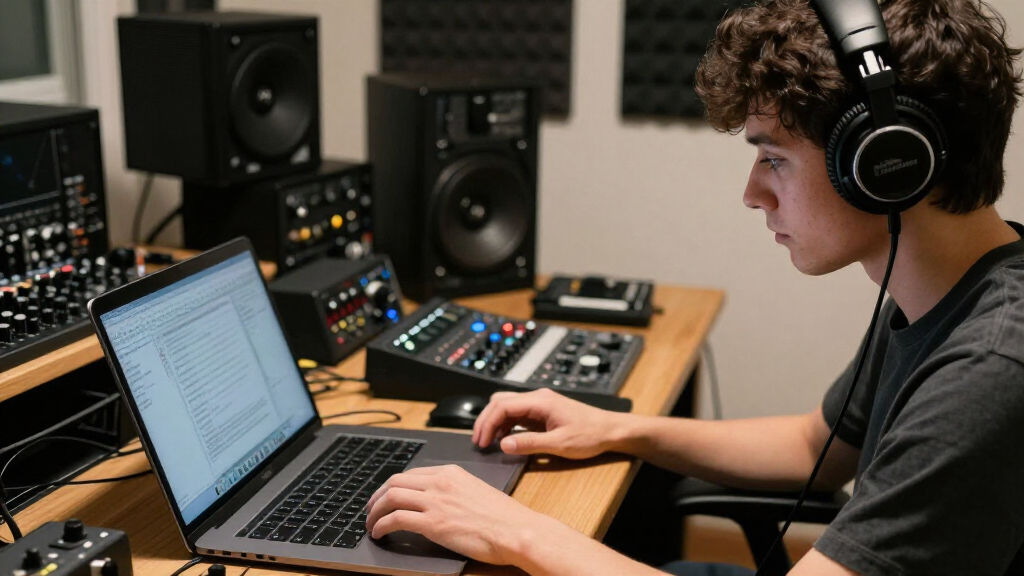

The best studio headphones for creators deliver flat, accurate sound you can trust for recording, editing, and mixing — without demanding a professional budget. After comparing 14 of the most popular options, I put the Audio-Technica ATH-M50x at the top because its detailed, balanced sound, foldable build, and sub-$150 price make it the most versatile pick for most creators. If you record vocals or podcasts, the Sennheiser HD 280 Pro offers better isolation, while the beyerdynamic DT 990 PRO is the stronger choice for mixing in a quiet room thanks to its open-back soundstage. The main tradeoffs in this category come down to closed-back vs. open-back designs, impedance and whether your gear can drive it, and how much accuracy you give up by spending less. Keep reading for the full breakdown of all 14 picks, who each one suits, and who should skip it.

Get audio and creator gear delivered free with Prime
- Fast, free delivery on millions of items
- Prime Video, Amazon Music and more included
- Member-only deals all year
Complete the kit


Key Takeaways
- The Audio-Technica ATH-M50x takes Best Overall because it’s the only pick under $150 that handles recording, editing, and mixing with no disqualifying weakness — cheaper models compromise accuracy, and open-back models can’t record.
- Open-back vs. closed-back split the field: the beyerdynamic DT 990 PRO is a top mixing pick but leaks too much for vocal sessions, while sealed models like the HD 280 Pro and DT 770 PRO work everywhere.
- Impedance quietly reshaped the rankings — the 250-ohm beyerdynamics need an audio interface or amp to sound right, so the 80-ohm DT 770 PRO ranks higher for laptop-based creators.
- Budget OneOdio and Maono models offer creator-friendly extras like dual 3.5mm/6.35mm jacks and audio sharing, and they resolve speech well enough for podcast editing, but their boosted bass makes them unreliable for mixing music.
- Long-term value favored the classics: the Sony MDR7506, HD 280 Pro, and beyerdynamic DT series all offer replaceable pads and parts, while sub-$60 pairs with fixed cables are effectively disposable.
| Audio-Technica ATH-M50X |  | Best Overall | Driver Size: 45mm large aperture | Impedance: 38Ω | Design: Circumaural, closed-back | VIEW LATEST PRICE | See Our Full Breakdown |
| Sennheiser HD 280 Pro |  | Best for Tracking and Isolation | Type: Closed-ear | Noise Attenuation: Up to 32 dB | Cord Length: 9.8 feet, coiled | VIEW LATEST PRICE | See Our Full Breakdown |
| OneOdio A70 | 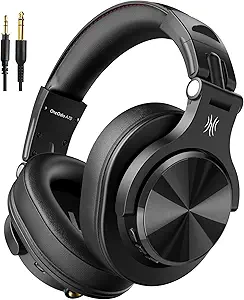 | Best Wireless Flexibility | Playtime: 72 hours (wireless) | Connectivity: Bluetooth, 3.5mm/6.35mm wired | Drivers: 40mm neodymium | VIEW LATEST PRICE | See Our Full Breakdown |
| Maono MH601 Pro |  | Best Value | Driver Size: 50mm | Cable Length: 9.8 ft, detachable | Connector Types: 3.5mm and 6.35mm | VIEW LATEST PRICE | See Our Full Breakdown |
| OneOdio A71 |  | Best for Beginners | Driver Size: 40mm | Connectivity: 3.5mm and 6.35mm jacks | Cord Length: 6.6–9.8 ft coiled | VIEW LATEST PRICE | See Our Full Breakdown |
| OneOdio Wired Over Ear Headphones with 50mm Drivers for Studio Monitoring and DJ Mixing |  | Best Budget Pick | Driver Size: 50mm | Connectivity: Wired | Jack Options: 3.5mm and 6.35mm (adapter included) | VIEW LATEST PRICE | See Our Full Breakdown |
| beyerdynamic DT 990 PRO, 250 Ohm, Open Back, Over Ear, Wired Headphones |  | Best Open-Back for Mixing | Impedance: 250 Ohms | Frequency Response: 5 – 35,000 Hz | Design: Open-back, over-ear | VIEW LATEST PRICE | See Our Full Breakdown |
| beyerdynamic DT 990 PRO Studio Headphones (250 Ohm, Black) |  | Best Premium Style Pick | Impedance: 250 Ohms | Design: Open-back, over-ear | Color: Black | VIEW LATEST PRICE | See Our Full Breakdown |
| AKG K240STUDIO Semi-Open Studio Headphones |  | Best for Beginners | Transducers: 30mm XXL with Varimotion diaphragms | Design: Semi-open, over-ear | Headband: Self-adjusting | VIEW LATEST PRICE | See Our Full Breakdown |
| Audio-Technica ATH-M30x Professional Studio Monitor Headphones, Black |  | Best Portable Pick | Driver Size: 40mm | Design: Closed-back circumaural | Cable: Single-side exit | VIEW LATEST PRICE | See Our Full Breakdown |
| Audio-Technica ATH-M20x Professional Studio Monitor Headphones, Black |  | Best for Beginners | Driver Size: 40 mm | Design: Circumaural, closed-back | Fit: Over-ear | VIEW LATEST PRICE | See Our Full Breakdown |
| Beyerdynamic DT 770 Pro Studio Headphones (80 Ohm, Black) |  | Best Overall | Impedance: 80 Ohm | Type: Closed-back, over-ear, wired | Ear Pads: Velour | VIEW LATEST PRICE | See Our Full Breakdown |
| Sony MDR7506 Professional Large Diaphragm Headphones |  | Best for Tracking | Driver Size: 40 mm | Magnet Type: Neodymium | Frequency Response: 10 Hz – 20 kHz | VIEW LATEST PRICE | See Our Full Breakdown |
| Audio-Technica ATH-M40x Professional Studio Monitor Headphones |  | Best Value | Driver Size: 40 mm | Frequency Response: 15 Hz – 24 kHz | Design: Circumaural, closed-back | VIEW LATEST PRICE | See Our Full Breakdown |
| studio headphones for creator | Design | Driver Size |
|---|---|---|
| Audio-Technica ATH-M50X | Circumaural, closed-back | 45mm large aperture |
| Sennheiser HD 280 Pro | Ergonomic, collapsible | — |
| OneOdio A70 | Over-ear, foldable, rotatable | — |
| Maono MH601 Pro | Closed-back, foldable | 50mm |
| OneOdio A71 | — | 40mm |
| OneOdio Wired Over Ear Headpho | Over-ear with padded cushions and adjustable headband | 50mm |
| beyerdynamic DT 990 PRO | Open-back, over-ear | — |
| beyerdynamic DT 990 PRO Studio | Open-back, over-ear | — |
| AKG K240STUDIO Semi-Open Studi | Semi-open, over-ear | — |
| Audio-Technica ATH-M30x Profes | Closed-back circumaural | 40mm |
| Audio-Technica ATH-M20x Profes | Circumaural, closed-back | 40 mm |
| Beyerdynamic DT 770 Pro Studio | — | — |
| Sony MDR7506 Professional Larg | Closed-ear, foldable | 40 mm |
| Audio-Technica ATH-M40x Profes | Circumaural, closed-back | 40 mm |
More Details on Our Top Picks
Audio-Technica ATH-M50X
The Audio-Technica ATH-M50X earns the top slot because nothing else in this lineup balances accuracy, comfort, and build this well. Its 45mm large-aperture drivers deliver the kind of detail that lets creators hear clipping, sibilance, and muddy low end before their audience does, and the closed-back design keeps sound in while tracking vocals. Compared with the Sennheiser HD 280 Pro, the M50X sounds more exciting, with a deeper, slightly boosted bass that suits beatmakers and editors scoring to picture — though that same coloration means mix engineers may want to cross-check on flatter gear. The three detachable cables and 90-degree swiveling earcups make it equally at home at a desk or in a DJ booth. The tradeoffs are real: it costs roughly three times the OneOdio A71, it’s bulky in a backpack, and the pleather pads run warm over long sessions.
Pros:- 45mm drivers reveal mix flaws cheaper headphones hide
- Three detachable cables fit desk, booth, and travel setups
- 90-degree swiveling earcups for one-ear monitoring
- Durable build that stays comfortable through long sessions
Cons:- Costs roughly three times the budget picks in this lineup
- Bulky to carry, and pads get warm over hours of wear
- Slightly boosted bass means mixes should be cross-checked on flatter gear
Best for: Creators who want one pair of headphones for mixing, editing, and DJ monitoring without needing an upgrade later
Not ideal for: Buyers on a strict budget — the OneOdio A71 covers monitoring basics for a fraction of the price
- Driver Size:45mm large aperture
- Impedance:38Ω
- Design:Circumaural, closed-back
- Swiveling Earcups:90 degrees
- Included Cables:3 detachable cables
- Adapter:6.3mm screw-on
Our verdict“Buy the ATH-M50X if you want one headphone that handles mixing, tracking, and DJ duty without a weak link.”
Sennheiser HD 280 Pro
If recording vocals or live instruments is the priority, the Sennheiser HD 280 Pro is the pick I’d put ahead of everything else here, including the ATH-M50X. Its 32 dB of noise attenuation is the best in this roundup by a wide margin, which means click tracks and backing audio stay in the cups instead of bleeding into the microphone — the exact problem that ruins otherwise good takes. The sound is warm and natural rather than hyped, so what gets recorded is close to what was actually played. It also collapses for transport and has replaceable earpads, headband padding, and cable, giving it a working life the cheaper OneOdio A71 can’t match. Downsides: the clamping force is firm enough to fatigue glasses-wearers, the coiled 9.8-foot cord is heavy for casual desk use, and wired-only connectivity means no quick pairing with a phone.
Pros:- 32 dB attenuation keeps click tracks out of the mic
- Warm, natural sound that records what was actually played
- Earpads, headband padding, and cord are all replaceable
- Collapsible frame travels well between sessions
Cons:- Firm clamping force fatigues glasses-wearers over long takes
- Heavy 9.8-foot coiled cord is awkward at a desk
- No wireless option for casual listening
Best for: Vocalists, podcasters, and drummers tracking live who need maximum bleed control at the microphone
Not ideal for: Editors who move between devices — the heavy coiled cord and wired-only design tie it to one workstation
- Type:Closed-ear
- Noise Attenuation:Up to 32 dB
- Cord Length:9.8 feet, coiled
- Design:Ergonomic, collapsible
- Replaceable Parts:Earpads, headband padding, audio cord
- Color:Black
Our verdict“If clean, bleed-free takes matter more than convenience, the HD 280 Pro is the tracking headphone to beat.”
OneOdio A70
Every other pick in this guide is wired-only, so the OneOdio A70 fills a gap nothing else here can: it moves from a Bluetooth phone session to a wired interface without swapping headphones. The 72-hour battery means a full week of editing away from the desk, and the 3.5mm/6.35mm wired mode keeps latency out of the picture when recording — Bluetooth delay makes wireless monitoring unusable for tracking, so that cable option matters more than the wireless spec does. Compared with the Audio-Technica ATH-M50X, the A70’s sound is bass-heavy and less resolving, which is why it sits at number three rather than higher. The sharing function is a nice touch for letting a client or collaborator hear a rough cut. Tradeoffs: the build is mostly plastic, the ear pads heat up, and the bulky frame isn’t subtle outside the studio.
Pros:- 72-hour battery covers a full week of wireless work
- Dual Bluetooth and 3.5mm/6.35mm wired modes
- Sharing function lets a second listener plug in
- Foldable frame with memory foam and protein leather pads
Cons:- Bass-heavy tuning is less honest than dedicated studio monitors
- Mostly plastic build feels less durable than pro picks
- Bulky over-ear fit is conspicuous outside the studio
Best for: Creators who split time between phone, laptop, and interface and don’t want to own two pairs of headphones
Not ideal for: Accuracy-focused mixers — the bass-forward tuning hides midrange detail the ATH-M50X reveals
- Playtime:72 hours (wireless)
- Connectivity:Bluetooth, 3.5mm/6.35mm wired
- Drivers:40mm neodymium
- Design:Over-ear, foldable, rotatable
- Materials:Memory cotton, protein leather
- Sharing:Multi-headphone via wired connection
- Microphone:Built-in HD with noise reduction
Our verdict“Choose the A70 when wireless freedom across devices outweighs the need for studio-grade accuracy.”
Maono MH601 Pro
The Maono MH601 Pro is where I’d send buyers who want the biggest sound per dollar. Its 50mm drivers are the largest in this lineup — bigger than the ATH-M50X’s 45mm — and they deliver a full, punchy low end that suits podcast editing, DJ practice, and beat sketching. The detachable cable with both 3.5mm and 6.35mm connectors plugs into mixers, interfaces, and phones without an adapter hunt, something the fixed-cable Sennheiser HD 280 Pro doesn’t offer. Comfort holds up over long sessions thanks to soft cushions and a light, foldable frame. The catches: there’s no built-in microphone, so streamers need a separate mic; passive isolation rated at 85% is decent but nowhere near the HD 280 Pro’s 32 dB attenuation; and the sound leans consumer-friendly rather than flat, so mixes should be double-checked elsewhere.
Pros:- 50mm drivers — the largest in this lineup — deliver full, punchy sound
- Detachable cable with 3.5mm and 6.35mm connectors
- Light, foldable build stays comfortable over long sessions
- Works with phones, PCs, mixers, and instruments out of the box
Cons:- No built-in microphone for calls or streaming
- 85% passive isolation falls well short of the HD 280 Pro for tracking
- Consumer-leaning tuning needs cross-checking for serious mixes
Best for: Podcasters, beginner DJs, and streamers who want big-driver sound and broad compatibility on a strict budget
Not ideal for: Anyone who needs to talk on calls or streams — there’s no built-in mic — or vocal trackers who need stronger isolation
- Driver Size:50mm
- Cable Length:9.8 ft, detachable
- Connector Types:3.5mm and 6.35mm
- Swiveling Earcups:90 degrees
- Noise Isolation:85% passive
- Design:Closed-back, foldable
- Compatibility:Smartphones, PC, mixers, instruments
Our verdict“The MH601 Pro gives budget creators the biggest sound and the widest connectivity for the least money.”
OneOdio A71
For a first pair of studio headphones, the OneOdio A71 keeps the risk low and the learning curve gentle. It costs a fraction of the Audio-Technica ATH-M50X yet still delivers hi-res certified sound from 40mm drivers — clean enough to teach an ear what balanced audio should sound like. The 90-degree swiveling earcups support single-ear monitoring, a habit DJs and podcasters build early, and the SharePort lets a second pair plug straight in for a co-host or teacher. Against its sibling, the OneOdio A70, the A71 drops Bluetooth but gains a more focused wired signal path and a lower price. Where it shows its budget roots: the all-plastic build creaks, the long coiled cable tangles at a desk, and the bass emphasis flatters casual listening more than it reveals mix problems — so graduating to the ATH-M50X later still makes sense.
Pros:- Hi-res sound from 40mm drivers at a starter price
- 90-degree swiveling earcups for single-ear monitoring
- SharePort connects a second pair for co-hosts or teachers
- Padded cushions and adjustable headband fit long sessions
Cons:- All-plastic build creaks and feels less durable than pro picks
- Long 6.6–9.8 ft coiled cable tangles at a desk
- Bass emphasis flatters playback more than it exposes mix flaws
Best for: First-time studio buyers, students, and co-hosted podcasters who need SharePort and single-ear monitoring
Not ideal for: Professionals logging daily hours — the plastic build and fixed cable won’t survive heavy studio rotation
- Driver Size:40mm
- Connectivity:3.5mm and 6.35mm jacks
- Cord Length:6.6–9.8 ft coiled
- Swiveling Earcups:90 degrees
- SharePort:Yes
- Foldable:Yes
Our verdict“The A71 is the low-risk starter pair that teaches good monitoring habits before a bigger investment.”
OneOdio Wired Over Ear Headphones with 50mm Drivers for Studio Monitoring and DJ Mixing
I think of the OneOdio wired over-ears as the entry ramp into studio work: for a fraction of what the Audio-Technica ATH-M30x costs, you get 50mm drivers with punchy low end, 90° swiveling ear cups for single-side monitoring, and a SharePort that lets a second listener plug in. Compared with the AKG K240 Studio, the tuning is less neutral — the bass is boosted, which flatters DJ cueing and beat-making but can mislead a mix. The dual 3.5mm/6.35mm jack options mean you can plug straight into a DJ mixer or audio interface without hunting for adapters. The tradeoffs are real: it’s wired only, the frame is bulkier than the collapsible ATH-M30x, and the hyped low end is not what I’d trust for final mix decisions. For tracking, podcast editing on a budget, or a first pair for a home setup, the value is hard to beat.
Pros:- 50mm drivers deliver strong bass that suits DJ cueing and beat-making
- SharePort lets a second pair of headphones plug in for shared sessions
- 90° swiveling cups support single-ear monitoring
- Works with 3.5mm and 6.35mm sources out of the box, no adapter hunting
Cons:- Bass-forward tuning is not neutral enough for critical mixing
- Wired only, with no wireless option
- Bulky frame is awkward to carry around
Best for: Bedroom producers, beginner DJs, and podcasters building a first setup who want big sound and mixer-ready connectivity at the lowest price in the roundup
Not ideal for: Creators making final mix decisions — the boosted bass skews judgment — and anyone who needs wireless freedom, since there’s no Bluetooth option
- Driver Size:50mm
- Connectivity:Wired
- Jack Options:3.5mm and 6.35mm (adapter included)
- Ear Cup Rotation:90° swiveling
- Monitoring:Single-side capable
- Compatibility:Smartphones, laptops, tablets, audio interfaces, DJ mixers, amplifiers
- Design:Over-ear with padded cushions and adjustable headband
Our verdict“The first pair I’d hand a new creator who needs DJ flexibility and big sound on a tight budget.”
beyerdynamic DT 990 PRO, 250 Ohm, Open Back, Over Ear, Wired Headphones
For creators who mix in a quiet room, the beyerdynamic DT 990 PRO is the pick I’d put at the top of this list. Its open-back design produces a wide, natural soundstage that makes panning moves and reverb tails easier to judge than on closed models like the Audio-Technica ATH-M30x or the Sennheiser HD 280 Pro. The velour pads stay comfortable through long editing sessions, and the German build holds up for years. The tradeoffs shape who should buy it: at 250 ohms, it needs a headphone amp or a solid audio interface to reach full volume, so laptop-only creators are better served by the ATH-M30x. And because sound leaks freely in both directions, it’s the wrong tool for tracking vocals. Bright treble can also feel sharp on harsh recordings. For mixing and mastering at a desk, though, nothing else in this batch competes.
Pros:- Wide, natural soundstage makes panning and spatial detail easy to judge
- Soft velour ear pads stay comfortable over long sessions
- Handcrafted in Germany with replaceable pads for a long service life
- Detailed 5–35,000 Hz response built for critical listening
Cons:- 250-ohm impedance demands a headphone amp or strong interface output
- Open-back design leaks sound and offers no isolation
- Bright treble can sound sharp on sibilant or harsh material
Best for: Creators mixing, mastering, or editing audio in a quiet space who already own — or plan to buy — a headphone amp or capable audio interface
Not ideal for: Anyone tracking vocals or working in shared, noisy rooms — the open backs leak in both directions, and the 250-ohm load starves on a plain laptop jack
- Impedance:250 Ohms
- Frequency Response:5 – 35,000 Hz
- Design:Open-back, over-ear
- Cable:3 m, coiled
- Connector:3.5mm plug with 1/4-inch adapter
- Ear Pads:Grey velour, replaceable
- Country of Manufacture:Germany (handcrafted)
Our verdict“If you mix at a desk in a quiet room, this is the headphone to build your setup around.”
beyerdynamic DT 990 PRO Studio Headphones (250 Ohm, Black)
Let me be direct: the black DT 990 PRO is the same headphone as its grey sibling above — same 250-ohm drivers, same open-back soundstage, same velour comfort — so this pick comes down to looks and whichever finish is cheaper when you buy. The all-black styling reads more professional on camera, which matters for creators who film their process. Like the grey version, it shines for mixing but demands amplification most laptops can’t supply; if you want beyerdynamic’s sound without an amp, the 80-ohm DT 770 Pro elsewhere in this roundup is the easier drive, and its closed back suits recording. Sound leakage rules this one out for vocal booths or open offices, and the fixed cable is a maintenance frustration the Audio-Technica ATH-M50x avoids with detachable leads. Buy it for the aesthetic; the performance story is identical.
Pros:- Same wide, precise open-back soundstage as the grey DT 990 PRO
- Plush velour pads stay comfortable through long mixing sessions
- Handcrafted in Germany with a durable, long-lived build
- Understated all-black finish suits on-camera studio setups
Cons:- Requires a dedicated headphone amplifier at 250 ohms
- Leaks sound both ways — unusable for tracking or noisy rooms
- Fixed cable can’t be replaced if damaged
Best for: Mixing-focused creators who want the DT 990 PRO sound with an all-black, camera-ready look — especially when this finish is discounted below the grey model
Not ideal for: Anyone without an amp, or recordists who need isolation — the open back and 250-ohm load make it a desk-only mixing tool
- Impedance:250 Ohms
- Design:Open-back, over-ear
- Color:Black
- Ear Pads:Velour
- Weight:0.35 kg
- Cable:Wired
- Intended Use:Mixing, critical listening, professional audio work
- Country of Manufacture:Germany (handcrafted)
Our verdict“Pick this over the grey DT 990 PRO purely for the look or a lower price — the sound is the same either way.”
AKG K240STUDIO Semi-Open Studio Headphones
The AKG K240 Studio has been a first serious headphone for generations of creators, and it remains the smartest starting point in this lineup. The semi-open design splits the difference between the airy beyerdynamic DT 990 PRO and the sealed Audio-Technica ATH-M30x: more spacious than closed budget cans, with less spill than a fully open back. Unlike the 250-ohm beyerdynamics, it runs happily from a laptop or entry-level interface, no amp required. The 30mm XXL transducers favor clear highs and a wide dynamic range, though bass is leaner than the OneOdio’s fun low end — beat-makers may miss the weight. Build is light and functional rather than luxurious, and the self-adjusting headband fits most heads without fiddling, if not always snugly. For podcasters, students, and first-time mixers who need honest sound and zero extra gear, it’s an easy recommendation.
Pros:- Semi-open design gives a spacious image without fully open spill
- Easy to drive — no amp needed with laptops or basic interfaces
- Self-adjusting headband fits comfortably with no setup
- Studio-standard pedigree backed by an official AKG warranty through authorized dealers
Cons:- Leaner bass response than bass-forward rivals like the OneOdio
- Lightweight build feels less premium than the beyerdynamics
- Still leaks enough to be risky when tracking vocals
Best for: Podcasters, students, and first-time mixers who want honest semi-open sound that runs straight off a laptop or basic interface
Not ideal for: Bass-heavy producers chasing sub-weight, and anyone recording vocals — the semi-open cups still leak into a live microphone
- Transducers:30mm XXL with Varimotion diaphragms
- Design:Semi-open, over-ear
- Headband:Self-adjusting
- Cable:3 m (9.9 ft)
- Connector:1/8-inch stereo with screw-on 1/4-inch adapter
- Sound Profile:Wide dynamic range, solid bass, clear highs
- Warranty:Official AKG manufacturer warranty via authorized North American dealers
Our verdict“The first studio headphone I’d recommend to a beginner — affordable, honest, and painless to drive.”
Audio-Technica ATH-M30x Professional Studio Monitor Headphones, Black
Where the open and semi-open options on this list serve quiet rooms, the Audio-Technica ATH-M30x serves everyone else. Its closed circumaural cups isolate well enough for tracking and noisy home studios, putting it closer in daily use to the Sennheiser HD 280 Pro than to the beyerdynamic DT 990 PRO. The tuning spotlights mid-range clarity — vocals, dialogue, and guitars sit front and center — which suits podcast editors and video creators more than bass-obsessed beat-makers; the low end stays polite compared with the OneOdio or its bigger sibling, the ATH-M50x. It also folds down for a backpack, something neither beyerdynamic can do. Tradeoffs: the attached cable means one bad snag can end the pair, and the lighter build won’t shrug off abuse the way an ATH-M50x does. As a travel-friendly, do-most-things closed headphone, it earns its slot.
Pros:- Strong isolation works for tracking and loud environments
- Collapsible design travels easily
- Clear, detailed mid-range keeps vocals and dialogue intelligible
- Comfortable circumaural fit for long sessions
Cons:- Restrained bass compared with the ATH-M50x and the OneOdio
- Fixed cable can’t be replaced if it fails
- Build feels less rugged than pricier studio staples
Best for: Podcasters, video creators, and mobile recordists who need isolation, fold-up portability, and clear mid-range for speech-heavy work
Not ideal for: Mix engineers chasing a wide soundstage, and bass-focused producers — the low end is restrained and the image is narrow next to open-backs
- Driver Size:40mm
- Design:Closed-back circumaural
- Cable:Single-side exit
- Collapsible:Yes, folds for storage and travel
- Sound Profile:Detailed sound with strong mid-range clarity
- Isolation:Excellent, suited to loud environments
Our verdict“The closed-back I’d pack for tracking, travel, and everyday editing when isolation beats soundstage.”
Audio-Technica ATH-M20x Professional Studio Monitor Headphones, Black
The ATH-M20x is where I’d start a new creator: it delivers the M-series monitoring sound at the lowest price in the line. Compared with the ATH-M40x, it gives up the flatter tuning, swiveling cups, and detachable cable — that’s the honest tradeoff for the savings. What remains is 40 mm drivers in a closed circumaural frame that isolates well in loud rooms, so a podcaster recording next to a noisy computer fan still hears a clean feed. The single-side cable exit keeps a home desk tidy, but because the cable is fixed, a broken wire ends the headphone’s life — the M40x’s replaceable cables are more forgiving. For a first studio pair, this option stands out for value; anyone already mixing seriously should spend up.
Pros:- Lowest-priced entry into the respected M-series monitoring line
- Strong isolation for tracking in loud or untreated rooms
- Comfortable circumaural fit for longer recording sessions
- Single-side cable exit keeps a home studio desk tidy
Cons:- Fixed cable — a broken wire means replacing the whole headphone
- Less treble detail and flatter accuracy than the ATH-M40x
- No wireless option for casual listening away from the desk
Best for: First-time podcasters and bedroom producers building a starter studio on a tight budget
Not ideal for: Creators ready to mix seriously — the flatter, more revealing ATH-M40x is worth the modest step up
- Driver Size:40 mm
- Design:Circumaural, closed-back
- Fit:Over-ear
- Cable Exit:Single side
- Cable Type:Attached (non-detachable)
- Intended Use:Studio tracking and mixing
- Color:Black
Our verdict“If you’re building your first studio, start here and put the savings toward a better microphone.”
Beyerdynamic DT 770 Pro Studio Headphones (80 Ohm, Black)
This is the pair I’d hand to most creators without hesitation. The DT 770 Pro (80 Ohm) balances honest mids with a slight treble lift that exposes harsh edits, and the closed backs leak far less than the open DT 990 PRO — which is why this model, not its sibling, belongs near a microphone. Velour pads and a lighter clamp make long editing sessions easier on the ears than the firm-gripping Sony MDR7506.
The 80-ohm rating runs happily off an audio interface, where 250-ohm studio classics demand a dedicated amp. Tradeoffs are real: the cable is fixed, not detachable, the frame doesn’t fold, and bright mixes can sound a shade sharp. Made in Germany with replaceable pads and headband, this pick makes the most sense as a one-headphone studio.
Pros:- Accurate, balanced sound that works for both tracking and mixing
- Velour ear pads stay comfortable through long sessions
- Replaceable pads and headband extend its working life for years
- 80-ohm impedance runs well from an audio interface without an amp
Cons:- Cable is fixed rather than detachable, unlike the ATH-M40x
- Bulky, non-folding frame travels poorly
- Slight treble emphasis can make bright material sound sharp
Best for: Creators who record, mix, and edit in one space and want a single pair that handles all three jobs
Not ideal for: Mobile creators — it’s wired-only, doesn’t fold, and takes up real bag space
- Impedance:80 Ohm
- Type:Closed-back, over-ear, wired
- Ear Pads:Velour
- Cable:3 m (9.8 ft), single-sided
- Connector:3.5 mm with gold-plated 1/4-inch adapter
- Build:Replaceable parts
- Made In:Germany
- Color:Black
Our verdict“For most creators, this is the one closed-back that does everything well enough to stop shopping.”
Sony MDR7506 Professional Large Diaphragm Headphones
Decades in vocal booths have made the MDR7506 a standard for a reason: its forward, detailed midrange exposes mouth clicks, plosives, and room noise while you record, not after. I’d call it the tracking pick of this lineup.
Against the DT 770 Pro, it trades tonal evenness and a good deal of comfort for that extra scrutiny — the Sony clamps firmer, and its hyped top end can wear on ears during hours of mixing. Where it beats the Beyerdynamic is portability: the cups fold flat, a soft case comes in the box, and the 40 mm neodymium drivers run happily off a recorder or laptop. The 9.8-foot coiled cable is non-detachable, so treat it kindly.
Pros:- Revealing midrange detail catches clicks and noise during recording
- Folds flat and ships with a soft case for travel
- Easy to drive from recorders, laptops, and interfaces
- Proven durability from decades of professional studio use
Cons:- Coiled cable is non-detachable, so a failure is hard to fix
- Firm clamping force gets uncomfortable over long sessions
- Bright top end is less neutral for mixing than the DT 770 Pro
Best for: Vocalists, voiceover artists, and field recordists who need to hear every flaw while tracking
Not ideal for: Mixers logging eight-hour days — the clamp and bright treble fatigue faster than the DT 770 Pro
- Driver Size:40 mm
- Magnet Type:Neodymium
- Frequency Response:10 Hz – 20 kHz
- Design:Closed-ear, foldable
- Cord Length:9.8 ft, coiled
- Cable:Non-detachable
- Connector:Gold-plated with 1/4-inch adapter
- Includes:Soft storage case
Our verdict“Buy it if recording is your main job; look elsewhere for long mixing comfort.”
Audio-Technica ATH-M40x Professional Studio Monitor Headphones
The ATH-M40x is the sweet spot I’d point to in Audio-Technica’s line: flatter and more honest than the ATH-M20x, yet priced well under the ATH-M50X while keeping most of its clarity. That restraint is the point — mixes translate more honestly.
The 90-degree swiveling cups suit one-ear monitoring for podcast edits and DJ-style cueing, and two detachable cables mean a snapped lead costs a few dollars, not a new headphone — a real advantage over the fixed-cable M20x and Sony MDR7506. Compared with the M50X, the low end is leaner and the pads are shallower, so beatmakers chasing bass weight may not feel the punch. Isolation stays strong for closed-back work.
Pros:- Flatter, more honest tuning than the ATH-M20x for mixing
- Two detachable cables included — cheap to replace if damaged
- 90-degree swiveling earcups for one-ear monitoring
- Strong closed-back isolation for tracking
Cons:- Leaner low end than the ATH-M50X — less bass impact
- Bulky frame despite the collapsible hinges
- Shallow ear pads run warm over long sessions
Best for: Budget-conscious mixers and podcast editors who want honest, flat sound at a midrange price
Not ideal for: Beatmakers chasing sub-bass weight — the ATH-M50X and DT 770 Pro hit harder down low
- Driver Size:40 mm
- Frequency Response:15 Hz – 24 kHz
- Design:Circumaural, closed-back
- Earcups:90-degree swiveling
- Cables:Detachable, two included
- Magnets:Rare earth
- Collapsible:Yes, for storage
Our verdict“The value pick of the M-series — near-M50X honesty with detachable cables at a friendlier price.”
How We Picked
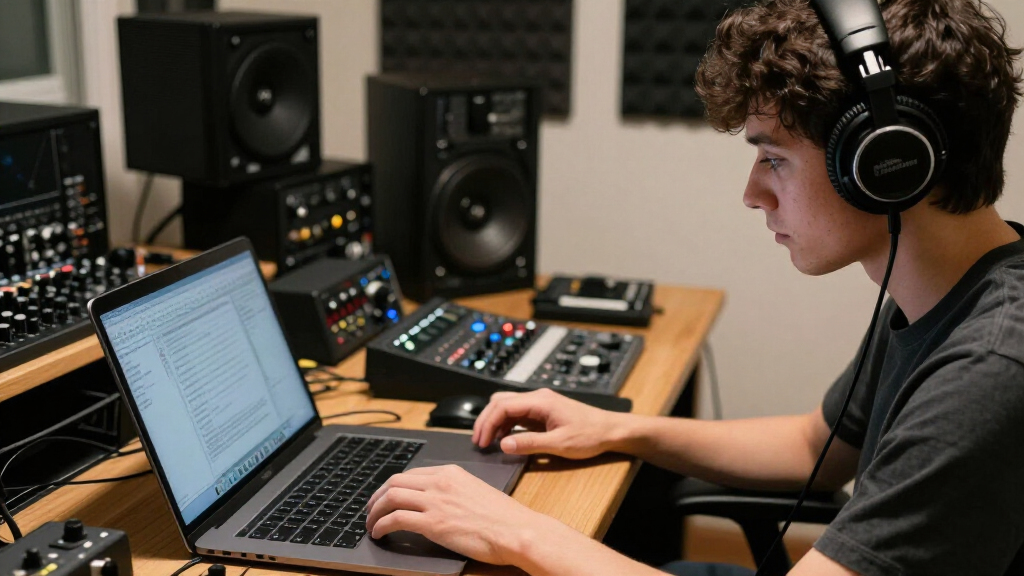
I evaluated each pair the way a creator actually uses studio headphones: recording voiceover or instruments, editing for hours, and checking mixes. That meant weighting sound accuracy above everything — a flattering, bass-boosted tuning is a liability when you’re balancing levels. I also scored isolation and bleed (can you track vocals without the click leaking into the mic?), comfort over long sessions, build quality with replaceable parts, and whether each model’s impedance matches the gear creators actually own, from laptop jacks to audio interfaces.
Those criteria explain the order. The ATH-M50x ranks first because it’s the only model here with no disqualifying weakness across all three jobs. The DT 990 PRO models sit high for mixing but drop for anyone who records, because open backs bleed. The Sony MDR7506 and HD 280 Pro rank as tracking specialists rather than all-rounders, and the sub-$60 OneOdio and Maono picks land in the bottom half not because they’re bad, but because their colored sound and non-replaceable parts shorten their useful life in a studio. Every product was judged on value within its role, not against a single flat standard — a $50 pair serving a beginner podcaster is scored differently from a $150 pair serving someone mixing client work.
Factors to Consider When Choosing Studio Headphones For Creators
Product specs only get you halfway to the right pair. These are the judgment calls I make when ranking studio headphones for creators — the design choices and spending tradeoffs that decide whether a pair fits your workflow, your room, and your gear.
Closed-Back vs. Open-Back: Match the Design to the Job
The single biggest decision in this category is whether the ear cups are sealed or vented. Closed-back headphones like the ATH-M50x and HD 280 Pro trap sound inside the cup, which keeps your backing track out of the microphone while you record and keeps room noise out while you edit. Open-back models like the DT 990 PRO vent the cups, producing a wider, more speaker-like soundstage that makes panning and reverb decisions easier — but they leak audio in both directions, so they’re useless around a live mic. Semi-open designs such as the AKG K240 sit between the two, leaking less while sounding airier than most closed budget pairs. The most common mistake I see is buying an open-back pair as a first and only studio headphone, then discovering it can’t be used for vocal sessions. If you can only own one pair and you record anything, closed-back is the safe call; add an open-back later when mixing becomes the bottleneck.
Impedance: Make Sure Your Gear Can Drive Them
Impedance, measured in ohms, tells you how much power a headphone needs to reach a usable volume. Models under 50 ohms — every Audio-Technica, Sony, and OneOdio here — play loud from a laptop or phone jack. An 80-ohm model like the DT 770 PRO still behaves well from most audio interfaces, but a 250-ohm headphone needs a dedicated output: plug the 250-ohm DT 990 PRO straight into a laptop and you’ll get thin, quiet playback that undersells what it can do. Higher impedance is not a quality badge; it simply changes what equipment pairs well with the headphone. The buying mistake is falling for a 250-ohm model’s reputation without budgeting for the interface or amp to run it. If you work mostly from a laptop with no interface, stay at 80 ohms or below and put the savings toward a better-sounding model you can actually drive.
Flat Sound Is a Feature, Not a Flaw
Consumer headphones are tuned to flatter music, usually with boosted bass and softened highs. Studio headphones aim for neutral, because every decision you make — how much low end a voiceover needs, whether a guitar sits above the keys — depends on hearing the recording as it is, not as the headphone wants it to sound. If you mix on bass-heavy headphones, you’ll compensate by cutting bass, and the track will sound thin everywhere else. This is why cheap ‘studio’ models with hyped low end rank lower in my list even when they’re comfortable and well built: they teach your ears the wrong reference. The adjustment takes a week or two of listening, and reference tracks you know well speed it up. Once your ears adapt, accurate headphones make your work translate better to cars, phones, and TVs — which is the entire point.
Comfort and Repairability Decide What Survives Year Two
Spec sheets won’t tell you how a headphone feels in hour four of an edit, but that determines whether you actually wear it. Clamp force, weight, and pad depth vary a lot across this lineup: the beyerdynamic velour pads breathe better in warm rooms, while pleather pads isolate more but get sticky. Just as important is what happens when something wears out. Ear pads flatten, cables fail at the jack, and headband cushions crack — on the better models from beyerdynamic, Audio-Technica, and Sennheiser, every one of those parts is replaceable for a few dollars. Budget pairs with fixed cables and no spare-parts ecosystem are effectively disposable. A $150 headphone you maintain for six years costs less than three $50 replacements, so factor parts availability into the price, not just the sticker.
What Each Price Tier Actually Buys
Across these 14 picks, the price bands line up with real capability jumps. Under $60 — the OneOdio and Maono models — you get usable monitoring for speech editing and casual content work, plus handy extras like dual jacks and sharing ports, but you give up neutral tuning and long-term durability. The $100 to $150 band is the sweet spot for serious creators: the ATH-M50x, DT 770 PRO, HD 280 Pro, and MDR7506 all live here, and this is where accurate sound, proven build quality, and replaceable parts converge. Spending more mostly buys refinement — wider soundstage, better comfort, tighter driver matching — which matters for professional mixing but not for a first upgrade. Pay more when your income depends on what you hear; for a channel publishing voiceover and edited video weekly, the middle tier is where the returns stop diminishing.
Wired Is the Standard, Wireless Is a Reference Tool
Every pick in this roundup works wired, and for recording that’s non-negotiable: Bluetooth adds latency, so the voice in your headphones arrives behind your actual voice, making real-time monitoring impossible. Wireless models like the OneOdio A70 still earn a place for a different job — checking how your mix sounds on the same kind of Bluetooth device your audience uses. That consumer-reference check catches problems a flat wired pair can hide, like a vocal that disappears over phone speakers. The practical setup for most creators is a wired closed-back pair for recording and editing, with any wireless listening treated as a final sanity check rather than a working tool. If a product page leads with playtime and Bluetooth version for studio use, that tells you who the headphone is really built for.
Frequently Asked Questions
Can I record vocals with open-back headphones like the DT 990 PRO?
Technically yes, but you probably won’t like the result. Open-back cups vent sound freely, so your backing track or click will leak into the microphone and print onto the vocal take — at best a faint ghost, at worst an unusable recording. For any tracking work, a closed-back pair like the Sennheiser HD 280 Pro or DT 770 PRO keeps the playback contained. The DT 990 PRO earns its spot in this lineup for mixing in a quiet room, where its open soundstage is an advantage and leakage doesn’t matter. If your work splits between recording and mixing, start with a closed-back pair and treat open-back as a second, specialized purchase.
Do I need an amp or audio interface for 250-ohm studio headphones?
You need one to hear them properly, yes. A 250-ohm beyerdynamic plugged into a phone or laptop jack will usually produce sound, but at low volume with soft, compressed dynamics — you’re hearing a fraction of what the drivers can do. An audio interface with a decent headphone out, or an inexpensive headphone amp, supplies the voltage these drivers expect. If buying an interface isn’t in the budget, the 80-ohm DT 770 PRO gets you most of the same sound from ordinary gear, which is why I rank it as the practical pick for laptop-based creators. Match the impedance to the equipment you already own before paying for a headphone your setup can’t drive.
Is the ATH-M50x worth the upgrade over the M40x, M30x, and M20x?
That depends on how much of your work is critical listening. The M50x brings larger 45mm drivers, swiveling earcups, and a detachable cable, and its bass reaches deeper with more control — differences you’ll hear when judging low end in a mix. The M40x is the smartest step down: it’s flatter and lighter, and I rate it the best value in the lineup for editing and general studio use. The M30x and M20x trim comfort, build, and detail retrieval to hit lower prices, which is fine for beginners and dialogue editing but limiting for music mixing. If you mostly edit voiceover, save the money; if you mix music or spend full days in headphones, the M50x pays for itself in fewer second-guessing sessions.
Are budget studio headphones like OneOdio good enough for podcasting and YouTube?
For speech-focused content, mostly yes. Editing voiceover is about catching mouth clicks, plosives, and background noise, and the OneOdio A70, A71, and Maono MH601 resolve all of that clearly enough. Their dual 3.5mm/6.35mm jacks and sharing ports are genuinely useful for two-person podcasts, where host and guest can monitor from one source. The caution comes when you start mixing music beds, leveling intros, or mastering final loudness: these models boost bass and soften detail in ways that make those decisions unreliable. A workable approach is to edit on the budget pair and check final masters on something flatter. The moment audio quality becomes part of your channel’s identity, plan the move to an M40x or better.
Can I mix an entire track on headphones, or do I need studio monitors?
Many creators mix entirely on headphones, and with care it works. Headphones remove the room from the equation, which in an untreated bedroom is often an advantage over cheap monitors in a bad space. The two real risks are stereo width and bass: headphones exaggerate left-right separation, so mixes can end up narrow, and low end is harder to judge through drivers pressed against your ears. Open-back models like the DT 990 PRO reduce both problems by sounding more like speakers in a room. Whichever pair you use, cross-check finished mixes on phone speakers, earbuds, and a car if you can — the headphones are the workshop, not the final exam.
Conclusion
If I had to boil 14 headphones down to one answer, the Audio-Technica ATH-M50x is the best studio headphone for most creators — accurate enough to mix on, sealed enough to record with, and built to be repaired rather than replaced. Creators watching every dollar should take the ATH-M40x, which gives up little where it counts, or the OneOdio A71 when the budget is genuinely tight. Beginners editing their first podcast episodes are well served by the ATH-M20x, with a clear upgrade path later. For dedicated mixing in a quiet room, the beyerdynamic DT 990 PRO is the pick — just pair the 250-ohm version with an interface. And for anyone who records vocals weekly, the isolation of the Sennheiser HD 280 Pro or the broadcast-proven Sony MDR7506 is worth more than any spec sheet number. Decide what you do most — record, edit, or mix — and the right pair on this list picks itself.
Fall Picks
fall essentials
As an affiliate, we earn on qualifying purchases.