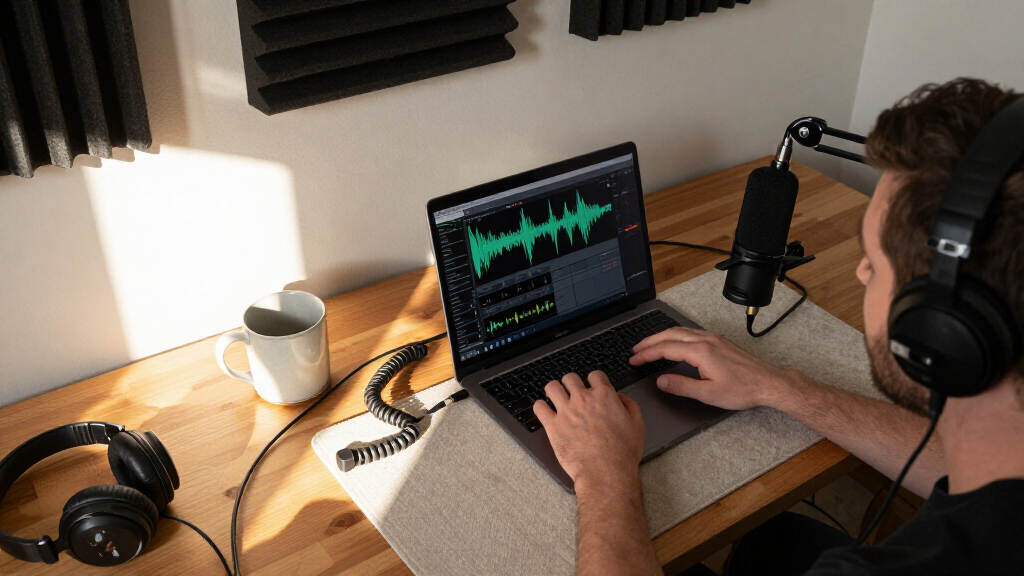
For most solo podcasters, the RØDE NT-USB Mini is my best overall pick for its compact design, headphone monitoring, and straightforward USB setup. The Logitech Blue Yeti stands out when you need multiple pickup patterns, while the FIFINE AmpliTank K688CT is better suited to a voice-focused setup with a boom arm. The main choice is between a simple condenser mic that captures room detail and a dynamic mic that can be more forgiving in untreated spaces. Controls, included accessories, and the option to add XLR also separate these models. Read on for the full breakdown and recommendations by recording setup.

Get audio and creator gear delivered free with Prime
- Fast, free delivery on millions of items
- Prime Video, Amazon Music and more included
- Member-only deals all year
Complete the kit
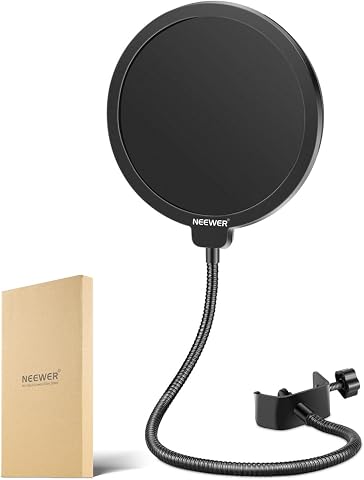

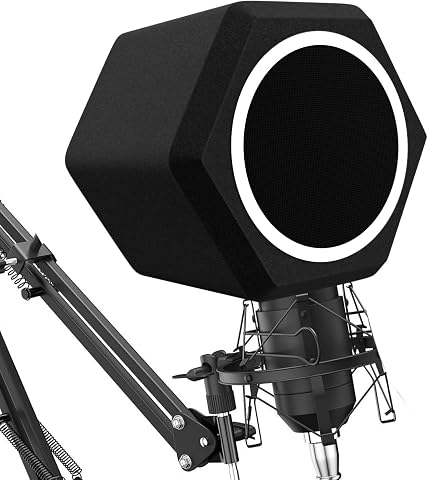
Key Takeaways
- The RØDE NT-USB Mini is the clearest fit for a compact solo setup: it pairs a small footprint with headphone monitoring and a simple USB connection.
- The Blue Yeti models prioritize flexibility: their multiple pickup patterns suit changing recording formats, but a single-pattern mic can be simpler for a one-person show.
- Dynamic options make more sense when room noise is a concern: the amazon.com/dp/B0C74GYW3J?tag=strongmocha04-20&ascsubtag=dc-1090908″ target=”_blank” rel=”nofollow sponsored noopener”>FIFINE AM8 and K688CT, plus MAONO‘s PD200W, offer alternatives to the room-sensitive condenser designs in this lineup.
- Included gear changes the setup equation: the FIFINE T669 and AM8T bundles provide accessories that can reduce separate purchases, while compact desktop picks need less space.
- USB-only and USB/XLR models serve different upgrade paths: a USB mic is enough for a direct-to-computer workflow, while dual connections leave room for later use with an audio interface.
| MAONO A04 USB Condenser Microphone Kit, 192 kHz/24-Bit |  | Best Overall Kit | Connectivity: USB, USB Type-C | Audio sampling: 192 kHz/24-bit | Capsule: 16 mm electret condenser | VIEW LATEST PRICE | See Our Full Breakdown |
| FIFINE AmpliGame AM8T XLR/USB Dynamic Gaming Microphone Set with Boom Arm |  | Best for a Future XLR Upgrade | Microphone type: Dynamic | Connectivity: USB and XLR | Polar pattern: Cardioid | VIEW LATEST PRICE | See Our Full Breakdown |
| FIFINE K669B USB Condenser Microphone |  | Best Compact Starter | Microphone type: USB condenser | Polar pattern: Cardioid | Connection: USB-A | VIEW LATEST PRICE | See Our Full Breakdown |
| TONOR TC-777 USB Cardioid Condenser Microphone with Tripod Stand and Pop Filter |  | Best for Basic Voice Controls | Model: TC-777 | Connectivity: USB 2.0, USB Type-A | Polar pattern: Unidirectional (cardioid) | VIEW LATEST PRICE | See Our Full Breakdown |
| Amazon Basics USB Condenser Microphone with Cardioid Pickup and Adjustable Stand |  | Best Minimal Desktop Setup | Connectivity: USB | Polar pattern: Unidirectional (cardioid) | Diaphragm: 14 mm | VIEW LATEST PRICE | See Our Full Breakdown |
| ZealSound K66 USB Podcast Microphone with Noise Reduction, Gain and Volume Controls, Mute, and Headphone Monitoring |  | Best for Mobile Podcasting | Microphone type: Condenser | Pickup pattern: Cardioid | Frequency response: 40 Hz–18 kHz | VIEW LATEST PRICE | See Our Full Breakdown |
| CMTECK G009 USB Desktop Microphone with Mute Button |  | Best for Calls and Classes | Connectivity: USB | Microphone type: Condenser | Polar pattern: Conflicting listing: omnidirectional and unidirectional | VIEW LATEST PRICE | See Our Full Breakdown |
| FIFINE AmpliTank K688CT Podcast Microphone Kit with Boom Arm |  | Best Upgrade Path | Microphone type: Dynamic | Connectivity: USB and XLR | Polar pattern: Cardioid (unidirectional) | VIEW LATEST PRICE | See Our Full Breakdown |
| RØDE NT-USB Mini Studio-Quality USB Condenser Microphone |  | Best Compact Pick | Connectivity: USB | Polar pattern: Unidirectional | Frequency response: 20 Hz–20 kHz | VIEW LATEST PRICE | See Our Full Breakdown |
| Logitech Blue Yeti USB Microphone, Silver |  | Best for Multi-Format Recording | Microphone type: USB condenser | Capsule array: Three capsules | Pickup patterns: Cardioid, omnidirectional, bidirectional, and stereo | VIEW LATEST PRICE | See Our Full Breakdown |
| FIFINE T669 USB Condenser Microphone Kit |  | Best Complete Boom-Arm Kit | Microphone type: USB condenser | Polar pattern: Cardioid | Connectivity: USB-B to USB-A/C | VIEW LATEST PRICE | See Our Full Breakdown |
| MAONO PD200W Hybrid Wireless Dynamic Podcast Microphone |  | Best for Wireless Podcasting | Microphone type: Dynamic | Connections: Wireless, USB, XLR | Capsule size: 30 mm | VIEW LATEST PRICE | See Our Full Breakdown |
| Logitech Blue Yeti USB Microphone for PC and Mac, Midnight Blue |  | Best for Multi-Format Recording | Microphone type: USB condenser | Pickup patterns: Cardioid, omnidirectional, bidirectional, stereo | Connectivity: USB | VIEW LATEST PRICE | See Our Full Breakdown |
| Logitech Blue Yeti USB Microphone for PC and Mac, Blackout | 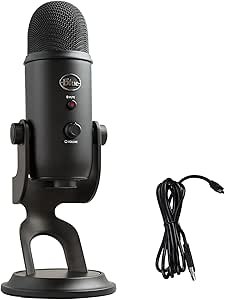 | Best Plug-and-Play Multi-Pattern Pick | Microphone type: USB condenser | Pickup patterns: Cardioid, omnidirectional, bidirectional, stereo | Connectivity: USB | VIEW LATEST PRICE | See Our Full Breakdown |
| FIFINE AmpliGame AM8 USB/XLR Dynamic Microphone |  | Best Upgrade-Ready Dynamic Mic | Microphone type: Dynamic | Connectivity: USB, XLR | Polar pattern: Unidirectional cardioid | VIEW LATEST PRICE | See Our Full Breakdown |
| USB microphones for podcasting | Connectivity | Microphone type | Polar pattern |
|---|---|---|---|
| MAONO A04 USB Condenser Microp | USB, USB Type-C | — | Cardioid |
| FIFINE AmpliGame AM8T XLR/USB | USB and XLR | Dynamic | Cardioid |
| FIFINE K669B USB Condenser Mic | — | USB condenser | Cardioid |
| TONOR TC-777 USB Cardioid Cond | USB 2.0, USB Type-A | — | Unidirectional (cardioid) |
| Amazon Basics USB Condenser Mi | USB | — | Unidirectional (cardioid) |
| ZealSound K66 USB Podcast Micr | USB with USB-C and Lightning adapters | Condenser | — |
| CMTECK G009 USB Desktop Microp | USB | Condenser | Conflicting listing: omnidirectional and unidirectional |
| FIFINE AmpliTank K688CT Podcas | USB and XLR | Dynamic | Cardioid (unidirectional) |
| RØDE NT-USB Mini Studio-Qualit | USB | — | Unidirectional |
| Logitech Blue Yeti USB Microph | — | USB condenser | — |
| FIFINE T669 USB Condenser Micr | USB-B to USB-A/C | USB condenser | Cardioid |
| MAONO PD200W Hybrid Wireless D | — | Dynamic | — |
| Logitech Blue Yeti USB Microph | USB | USB condenser | — |
| Logitech Blue Yeti USB Microph | USB | USB condenser | — |
| FIFINE AmpliGame AM8 USB/XLR D | USB, XLR | Dynamic | Unidirectional cardioid |
More Details on Our Top Picks
MAONO A04 USB Condenser Microphone Kit, 192 kHz/24-Bit
The MAONO A04 is the most complete starting point here for a desk-based podcast: its cardioid condenser mic comes with a scissor arm, shock mount, pop filter, and windscreen, so you can position it close and tame plosives without sourcing accessories separately. Its 192 kHz/24-bit sampling is generous for a USB mic, though it does not by itself promise a better-sounding recording than the simpler FIFINE K669B. The A04’s main advantage over that compact rival is the included arm and broader stated computer, console, and phone compatibility. It still needs a USB connection, its clamp only fits desks under 2.1 inches thick, and Xbox is excluded. Choose it for a ready-to-position home setup; skip it if your desk cannot take the clamp or you need Xbox support.
Pros:- Scissor arm, shock mount, pop filter, and windscreen are included
- Plug-and-play USB setup
- Cardioid pickup and 2–6-inch recommended distance suit close voice recording
- Stated compatibility includes computers, PS4, PS5, and mobile phones
Cons:- Does not support Xbox
- Desk clamp fits only surfaces under 2.1 inches thick
- Condenser design and close-mic guidance call for a controlled recording position
Best for: First-time home podcasters who want a microphone, arm, and basic vocal accessories in one USB kit.
Not ideal for: Xbox users and podcasters with desks thicker than 2.1 inches who cannot use the included clamp.
- Connectivity:USB, USB Type-C
- Audio sampling:192 kHz/24-bit
- Capsule:16 mm electret condenser
- Polar pattern:Cardioid
- Frequency response:30 Hz–16 kHz
- Signal-to-noise ratio:70 dB
- Included accessories:Scissor arm, shock mount, pop filter, foam windscreen, USB-A/USB-C to USB-B cable
- Desk clamp limit:Desktop thickness under 2.1 inches
Our verdict“Pick the MAONO A04 if you want a bundled arm-and-accessory setup for desk podcasting and do not need Xbox compatibility.”
FIFINE AmpliGame AM8T XLR/USB Dynamic Gaming Microphone Set with Boom Arm
For a podcaster who expects to move from a direct computer connection to a mixer, the FIFINE AmpliGame AM8T has a useful path forward: use USB now, then connect over XLR when the rest of the setup is ready. Its dynamic capsule and cardioid pattern make it a different proposition from the MAONO A04 and TONOR TC-777 condenser bundles; this set is aimed more at close spoken-word use than a broad, accessory-rich starter package. On-mic gain, headphone volume, mute, and real-time monitoring controls put routine adjustments within reach. RGB lighting is a gaming-oriented extra rather than a podcasting advantage. The box includes a boom arm and USB cable, but no XLR cable, and the clamp fits desks under 2 inches thick. That upgrade route is valuable only if you plan to use it.
Pros:- Supports both USB and XLR connections
- Dynamic cardioid design suits close-mic spoken-word recording
- On-mic mute, gain, and headphone volume controls
- Headphone jack supports real-time monitoring
Cons:- XLR cable is not included
- Desk clamp fits only surfaces under 2 inches thick
- RGB lighting adds little to an audio-only podcast setup
Best for: Podcasters recording close to the mic who want USB convenience now and an XLR connection for a later mixer setup.
Not ideal for: Buyers seeking a simple condenser kit with all vocal accessories included or anyone who needs an XLR cable in the box.
- Microphone type:Dynamic
- Connectivity:USB and XLR
- Polar pattern:Cardioid
- Sensitivity:-50 dB
- Controls:Mute button, gain knob, headphone volume control
- Monitoring:Headphone jack for real-time monitoring
- Included accessories:Boom arm, C-clamp, 8.2 ft USB-to-USB-C cable
- Desk clamp capacity:Desktop thickness under 2 inches
Our verdict“Choose the AM8T if XLR connectivity is part of your planned podcast setup and you are comfortable sourcing the cable separately.”
FIFINE K669B USB Condenser Microphone
The FIFINE K669B suits a small recording desk where a full arm kit like the MAONO A04 would take up more room than the microphone itself. It keeps the setup to a USB-A connection, a tripod, and an onboard volume knob, giving a beginner fewer pieces to assemble and adjust. Its cardioid pattern is intended to favor sound from the front and reduce some surrounding noise, but it does not replace a quiet room or close placement. Compared with the TONOR TC-777, the K669B offers a similarly straightforward computer-and-console role, while the TONOR includes a pop filter and shock mount. The K669B’s metal construction is a practical plus, though the fixed USB-A requirement limits device flexibility. It is not compatible with phones or Xbox.
Pros:- Simple USB-powered connection to a computer
- Cardioid pickup is designed to favor voice from the front
- Onboard knob provides volume adjustment and mute control
- Metal construction and included tripod stand
Cons:- USB-A connection is required
- Not compatible with phones or Xbox
- Tripod setup offers less reach and positioning flexibility than an arm kit
Best for: New podcasters with a compact desk who record on a desktop or laptop and prefer a simple tripod setup.
Not ideal for: Mobile podcasters, Xbox users, and anyone wanting an included boom arm or pop-filter assembly.
- Microphone type:USB condenser
- Polar pattern:Cardioid
- Connection:USB-A
- Cable length:5.9 ft
- Power:USB-powered
- Included accessory:Tripod stand
- Controls:Onboard volume knob
- Compatibility:Desktop computers, laptops, PS4, and PS5; not Xbox or phones
Our verdict“Pick the K669B for straightforward computer podcasting when a small tripod is preferable to a larger bundle.”
TONOR TC-777 USB Cardioid Condenser Microphone with Tripod Stand and Pop Filter
The TONOR TC-777 puts useful recording accessories and quick controls into a small USB setup. Its foldable tripod, mini shock mount, and adjustable pop filter give it a more prepared voice-recording package than the bare-bones FIFINE K669B, while the one-click mute and volume controls make calls or solo recordings easier to manage. For podcasting, the cardioid pattern is intended to favor sound from the front; it cannot remove room noise on its own. The TC-777 connects over USB-A and is listed for PC, laptop, PS4, and PS5, with Xbox excluded. Compared with the MAONO A04, it gives up the scissor arm and broader stated device support, but its compact foldable stand may suit someone who wants fewer desk-mounted parts. The supplied specs list a 20 kHz frequency response without a lower limit.
Pros:- Foldable tripod, mini shock mount, and pop filter included
- One-click mute and volume controls
- Plug-and-play setup without additional drivers
- Cardioid pickup is designed to favor voice from the front
Cons:- Not compatible with Xbox
- USB-A connection limits device flexibility
- Tripod offers less positioning range than the MAONO A04 scissor arm
Best for: Solo podcasters and remote callers who want a compact USB mic with a pop filter and easy mute access.
Not ideal for: Xbox users or podcasters who need an adjustable boom arm and more flexible mic positioning.
- Model:TC-777
- Connectivity:USB 2.0, USB Type-A
- Polar pattern:Unidirectional (cardioid)
- Impedance:680 ohm
- Frequency response:20 kHz (listed)
- Signal-to-noise ratio:80 dB
- Cable length:1.9 m
- Included:Foldable tripod, mini shock mount, pop filter, microphone
Our verdict“Choose the TC-777 for a compact, accessory-equipped USB voice setup with quick mute and volume control.”
Amazon Basics USB Condenser Microphone with Cardioid Pickup and Adjustable Stand
The Amazon Basics USB condenser is a tidy option for a podcaster who wants a compact desktop mic with a built-in stand rather than a separate arm and accessories. Its 360° adjustable stand helps direct the mic toward the speaker, and the one-tap mute plus built-in shock absorber add practical touches for solo recording and calls. Compared with the FIFINE K669B, it offers a more adjustable stand and a stated Windows and macOS compatibility range; the K669B instead lists console support and includes a tripod. The 14 mm diaphragm and cardioid pattern are suited to voice capture, but the supplied data does not specify monitoring, gain control, or included pop protection. Its single-channel, wired USB design keeps the setup simple while limiting recording flexibility.
Pros:- Compact 360° adjustable stand
- One-tap mute function
- Built-in shock absorber
- Listed compatibility with Windows 7 or higher and macOS 10.10 or higher
Cons:- Single-channel audio
- Requires a wired USB connection
- No headphone monitoring or pop filter is listed in the supplied product data
Best for: Solo podcasters with a small desk who want a compact USB microphone and adjustable desktop positioning.
Not ideal for: Interview hosts who need multiple channels, headphone monitoring, or a more complete accessory kit.
- Connectivity:USB
- Polar pattern:Unidirectional (cardioid)
- Diaphragm:14 mm
- Mute function:One-tap mute
- Stand:360° adjustable
- Frequency response:20 Hz–20 kHz
- Audio sensitivity:75 dB
- Channels:1
Our verdict“Pick this Amazon Basics mic for compact solo podcasting when a small adjustable stand matters more than monitoring or bundled accessories.”
ZealSound K66 USB Podcast Microphone with Noise Reduction, Gain and Volume Controls, Mute, and Headphone Monitoring
The ZealSound K66 suits podcasters who want one plug-and-play mic for a computer and a phone or tablet. Its included USB-C and Lightning adapters, onboard gain and echo controls, and zero-latency headphone monitoring make it more adaptable across devices than the computer-focused RØDE NT-USB Mini. The cardioid pattern is aimed at one speaker, while the noise reduction mode may help with everyday background sounds. That processing is not a substitute for a quiet room, and the supplied details do not describe its performance limits. The K66 also offers more direct controls than a simple desktop mic, but its collection of settings may be unnecessary for someone who only records occasional calls. Choose it for mobile flexibility and hands-on adjustments; skip it if you want a minimal, straightforward desktop setup.
Pros:- USB-C and Lightning adapters support a range of desktop and mobile devices.
- Gain, headphone volume, and echo controls are available on the microphone.
- Zero-latency monitoring through the 3.5 mm headphone jack.
- Noise reduction mode may help with common background sounds.
Cons:- Noise reduction is described as reducing noise, not removing it.
- The supplied product details do not state tolerances for frequency response or sampling rate.
Best for: Solo podcasters who want to record on a computer, iPhone, iPad, or USB-C device with onboard controls.
Not ideal for: Podcasters seeking documented audio performance details or a simple mic with few settings.
- Microphone type:Condenser
- Pickup pattern:Cardioid
- Frequency response:40 Hz–18 kHz
- Sampling rate:46 kHz
- Sensitivity:−45 dB ±3 dB
- Monitoring:Zero-latency via 3.5 mm headphone jack
- Controls:Microphone volume, monitoring volume, echo, mute, and noise reduction
- Connectivity:USB with USB-C and Lightning adapters
Our verdict“Pick the K66 if you want a single USB mic with onboard controls and adapters for both computer and mobile podcasting.”
CMTECK G009 USB Desktop Microphone with Mute Button
The CMTECK G009 is a practical fit for a desk shared between podcasting, online classes, and calls: its adjustable gooseneck lets you move the mic toward your voice, and its lit mute button makes it easier to see when the mic is off. A pop filter and stated noise-cancelling features add useful basics without the extra controls found on the ZealSound K66. This is a simpler USB desktop tool, not a flexible recording kit: the listing conflicts about whether its pickup pattern is omnidirectional or unidirectional, so I would not choose it when pickup behavior is central to the setup. It is also listed as incompatible with Linux, Android, and Raspberry Pi. Consider it for a supported Windows or Mac desk; skip it for mobile recording or uncertain operating-system support.
Pros:- Plug-and-play USB connection requires no drivers or external power supply.
- Adjustable 360-degree gooseneck helps position the mic near the speaker.
- Mute button includes an LED status indicator.
- Includes a pop filter and noise-cancelling features.
Cons:- Product information gives conflicting omnidirectional and unidirectional pickup descriptions.
- Listed compatibility excludes Linux, Android, and Raspberry Pi.
- Its call-oriented desktop design offers fewer recording controls than the ZealSound K66.
Best for: Windows or Mac users who want a flexible desktop mic with visible mute status for a podcast-and-calls workspace.
Not ideal for: Linux, Android, or Raspberry Pi users, and podcasters who need a clearly specified pickup pattern.
- Connectivity:USB
- Microphone type:Condenser
- Polar pattern:Conflicting listing: omnidirectional and unidirectional
- Form factor:Gooseneck
- Special features:Mute function, volume control, pop filter, and noise cancelling
- Signal-to-noise ratio:76 dB
- Channels:1
- Compatibility:Desktop, laptop, PC, and PS4; Windows 7, 8, 10 and Mac OS
Our verdict“Choose the G009 for a supported Windows or Mac desk where flexible positioning and an obvious mute status matter more than specified pickup behavior.”
FIFINE AmpliTank K688CT Podcast Microphone Kit with Boom Arm
The FIFINE AmpliTank K688CT is the clearest choice here for a podcaster who wants to start over USB and keep the option of an XLR setup later. Its dynamic cardioid design focuses on the speaker, while the included boom arm, windscreen, and shock mount help build a more deliberate desk recording position than the RØDE NT-USB Mini and its desk stand. In USB mode, mute, gain, and headphone monitoring controls keep basic adjustments close at hand. The tradeoff appears when you switch to XLR: those microphone controls are unavailable, so an interface or mixer becomes part of the workflow. The C-clamp also fits desks under two inches thick. This kit makes sense for an upgrade-minded solo host, but is less compelling for someone committed to a minimal USB-only setup.
Pros:- USB and XLR connections allow a move from direct computer recording to an interface-based setup.
- Dynamic cardioid pickup focuses on the speaker’s voice.
- USB mode includes mute, gain, and headphone monitoring controls.
- Boom arm, windscreen, and shock mount are included.
Cons:- Microphone controls are unavailable over XLR.
- The C-clamp is specified for desks under 2 inches thick.
- The included arm kit takes more desk setup than the RØDE NT-USB Mini’s magnetic stand.
Best for: Solo podcasters who want a dynamic USB mic now and a path to XLR recording with a boom arm included.
Not ideal for: People who need onboard controls in XLR mode or whose desk is too thick for the included clamp.
- Microphone type:Dynamic
- Connectivity:USB and XLR
- Polar pattern:Cardioid (unidirectional)
- Frequency range:50 Hz–16 kHz
- Maximum SPL:130 dB
- Signal-to-noise ratio:80 dB
- Channels:1
- Included accessories:Boom arm, windscreen, and shock mount
Our verdict“Choose the K688CT if you want a complete boom-arm setup with USB recording today and XLR as a future option.”
RØDE NT-USB Mini Studio-Quality USB Condenser Microphone
The RØDE NT-USB Mini is a compact pick for a solo podcaster who wants a tidy desktop setup and straightforward monitoring. Its magnetic desk stand detaches for mounting on a mic stand or arm, so it can move from a small desk to a more deliberate recording position without changing microphones. The built-in pop filter and zero-latency headphone monitoring cover two everyday needs, while plug-and-play USB keeps setup simple. Compared with the more fully accessorized FIFINE AmpliTank K688CT, the Mini is easier to place and less of a kit, but it does not offer XLR connectivity or a multi-person pickup setup. Its unidirectional, single-channel design is best for one voice at a time. Choose it for compact solo recording; skip it if you need broader pattern choices or an upgrade to XLR.
Pros:- Compact body and magnetic stand suit smaller desks.
- Stand detaches for mounting on a mic stand or arm.
- Zero-latency headphone monitoring with hardware volume control.
- Built-in pop filter and plug-and-play USB simplify solo recording.
Cons:- Unidirectional, single-channel design is limited to one voice source at a time.
- USB-only connectivity provides no XLR upgrade path like the FIFINE AmpliTank K688CT.
Best for: Solo podcasters with limited desk space who want a USB mic that can also mount on a stand or arm.
Not ideal for: Hosts recording multiple people together or buyers who want XLR connectivity or multiple pickup patterns.
- Connectivity:USB
- Polar pattern:Unidirectional
- Frequency response:20 Hz–20 kHz
- Signal-to-noise ratio:82 dB
- Channels:1
- Weight:585 g
- Dimensions:7.28 × 2.36 × 1.97 inches
- Included accessories:Desk stand and USB-C cable
Our verdict“Pick the NT-USB Mini for compact, straightforward solo podcasting if you do not need XLR or multi-pattern recording.”
Logitech Blue Yeti USB Microphone, Silver
The Logitech Blue Yeti earns its place for podcasters who record in more than one arrangement: its four pickup patterns cover a solo host, a shared conversation, or stereo recording from one USB microphone. That makes it more adaptable to changing setups than the single-direction RØDE NT-USB Mini, and onboard pattern, gain, mute, and headphone controls help manage changes without reaching for separate software. The flexibility comes with a bigger decision than simply choosing a desk mic: the right pattern and mic placement matter, and the adjustable desktop stand occupies space. It is also listed for Mac and PC, while the K66 includes mobile adapters. Pick the Yeti if pattern choice is central to your podcast format; skip it if you only need a compact mic for one speaker.
Pros:- Four pickup patterns accommodate different recording arrangements.
- Onboard gain, pattern selection, headphone volume, and mute controls.
- Zero-latency headphone monitoring supports live voice checks.
- Plug-and-play setup for Mac and PC.
Cons:- The adjustable desktop stand takes more space than the compact RØDE NT-USB Mini.
- The listed compatibility is Mac and PC, with no mobile adapters specified.
- Blue VO!CE software is mentioned, but compatibility details are not provided.
Best for: Podcasters who switch between solo episodes, two-person conversations, and stereo recording on a Mac or PC.
Not ideal for: Solo hosts who want a compact, single-pattern desktop mic or need listed phone and tablet adapters.
- Microphone type:USB condenser
- Capsule array:Three capsules
- Pickup patterns:Cardioid, omnidirectional, bidirectional, and stereo
- Audio controls:Headphone volume, pattern selection, mute, and microphone gain
- Monitoring:Zero-latency
- Compatibility:Mac and PC
- Included accessories:Adjustable desktop stand
- Color:Silver
Our verdict“Choose the Blue Yeti if your podcast format varies enough to benefit from four pickup patterns and onboard controls.”
FIFINE T669 USB Condenser Microphone Kit
The FIFINE T669 is a practical podcast starter set for someone who wants the microphone and desk mounting gear in one box. Its 30-inch boom arm, shock mount, and double pop filter help position the mic near the speaker and manage plosives without adding separate accessories. The cardioid USB condenser suits solo PC or laptop recording, though it still picks up more room sound than a dynamic option such as the FIFINE AmpliGame AM8. The T669 also has fewer connection paths: it is USB-only and does not work with Xbox. Compared with the Blue Yeti, it offers a more ready-to-mount setup, while the Yeti gives you multiple pickup patterns for interviews or group formats. Choose the T669 for a fixed desk setup; skip it if you need wireless or XLR flexibility.
Pros:- Plug-and-play USB setup for PC and laptop
- Cardioid pickup is suited to focused, solo speech
- Includes boom arm, shock mount, and double pop filter
- Steel boom arm offers adjustable desk positioning
Cons:- USB-only connection limits future XLR or wireless setups
- Condenser pickup can capture more room noise than the dynamic FIFINE AM8
- Not compatible with Xbox
Best for: First-time podcasters recording solo at a PC or laptop who want a boom arm and pop filtering included
Not ideal for: Console users, mobile interviewers, or podcasters who need XLR or wireless connections
- Microphone type:USB condenser
- Polar pattern:Cardioid
- Connectivity:USB-B to USB-A/C
- Cable length:8.2 ft
- Boom arm reach:30 in
- Boom arm adjustment:180° up and down; 135° forward and backward
- Included accessories:Boom arm, C-clamp, desktop mount, shock mount, double pop filter, USB cable
- Compatibility:PC and laptop; not compatible with Xbox
Our verdict“Choose the T669 if you want an easy solo podcast setup with the boom arm and pop filter already included.”
MAONO PD200W Hybrid Wireless Dynamic Podcast Microphone
For podcasters who move around or record guests away from a desk, the MAONO PD200W is the most adaptable choice here: it supports wireless, USB, and XLR connections. Its dynamic capsule and cardioid pickup suit spoken voice in less controlled rooms better than condenser picks such as the Blue Yeti, though placement and room acoustics still matter. The three-stage noise cancellation and MaonoLink controls add ways to shape a recording, and one receiver can support two wireless mics with separate tracks. That makes it better suited to mobile interviews than the USB-only FIFINE T669. The tradeoff is a more involved kit: camera and Lightning accessories are sold separately, and the advertised 60-hour battery life requires RGB lighting off. Pick it for connection flexibility, not the simplest desk setup.
Pros:- Wireless, USB, and XLR connections support several recording setups
- Dynamic cardioid capsule is well suited to focused speech
- Receiver can support two wireless microphones with separate tracks
- App offers presets, EQ, and reverb controls
Cons:- Camera and Lightning accessories are sold separately
- Up to 60 hours of battery life requires RGB lighting to be off
- Wireless features add setup and charging needs compared with USB-only mics
Best for: Interview podcasters who record at a desk and on location and want USB, XLR, and wireless options
Not ideal for: Buyers seeking a basic plug-in desk mic or a complete camera and Lightning recording kit
- Microphone type:Dynamic
- Connections:Wireless, USB, XLR
- Capsule size:30 mm
- Pickup pattern:Cardioid
- Signal-to-noise ratio:82 dB
- Maximum SPL:128 dB
- Wireless range:Up to 60 m
- Battery life:Up to 60 hours with RGB lighting off
- Noise cancellation and app:Three-stage noise cancellation; MaonoLink
Our verdict“Choose the PD200W if your podcast moves between locations and you value wireless and XLR options in one microphone.”
Logitech Blue Yeti USB Microphone for PC and Mac, Midnight Blue
The Blue Yeti earns this spot for podcasters who need more than a solo cardioid setup. Its four selectable patterns—cardioid, omnidirectional, bidirectional, and stereo—let one USB microphone handle solo narration, face-to-face interviews, and broader room recording. That versatility separates it from the FIFINE T669, which is cardioid and includes a boom arm kit, and the dynamic FIFINE AM8, which offers USB/XLR flexibility instead of multiple patterns. Onboard mute, gain, and headphone controls make quick adjustments accessible, while zero-latency monitoring helps catch audio problems during a session. The condenser design can be less forgiving of room noise than the MAONO PD200W’s dynamic capsule. Optional Blue VO!CE effects also require Logitech G HUB for full functionality, so this suits a computer-based workflow best.
Pros:- Four pickup patterns accommodate several podcast formats
- Onboard mute, gain, and pattern controls are easy to reach
- Zero-latency headphone monitoring supports live checks
- Can sit on its desktop stand or attach to a mic stand or boom arm
Cons:- Condenser pickup may capture more room noise than the dynamic MAONO PD200W
- Full functionality and Blue VO!CE effects require Logitech G HUB
- USB connection offers less upgrade flexibility than the XLR/USB FIFINE AM8
Best for: PC or Mac podcasters who alternate between solo episodes, interviews, and stereo recording
Not ideal for: Podcasters recording in noisy rooms who prefer a dynamic mic or want XLR and wireless connections
- Microphone type:USB condenser
- Pickup patterns:Cardioid, omnidirectional, bidirectional, stereo
- Connectivity:USB
- Controls:Headphone volume, pattern selection, mute, microphone gain
- Monitoring:Zero-latency headphone monitoring
- Compatibility:Mac and PC
- Software:Logitech G HUB for full functionality
- Color:Midnight Blue
Our verdict“Choose the Blue Yeti if you want one USB mic that can switch between solo speech and several interview or room formats.”
Logitech Blue Yeti USB Microphone for PC and Mac, Blackout
The Blackout Blue Yeti gives computer-based podcasters a plug-and-play USB route to four pickup patterns and useful onboard controls. Cardioid works for a solo host, while bidirectional or omnidirectional modes can accommodate different guest arrangements; that range is a step beyond the fixed cardioid FIFINE T669. You also get zero-latency monitoring, mute, gain, and headphone-volume controls, so routine recording adjustments do not depend on software. The Blackout shares the Yeti’s condenser tradeoff: in an untreated room, it can capture more ambient sound than the dynamic FIFINE AM8 or MAONO PD200W. Logitech G HUB is needed for Blue VO!CE effects and full software functionality. Compared with the Midnight Blue listing, this version specifies an adjustable desktop stand; choose it when that included stand and direct setup fit your workflow.
Pros:- Plug-and-play USB setup for Mac and PC
- Four pickup patterns support varied recording arrangements
- Onboard mute, gain, and headphone controls
- Adjustable desktop stand and zero-latency monitoring are included
Cons:- Condenser capsule can pick up room noise compared with dynamic alternatives
- Blue VO!CE and full software functionality require Logitech G HUB
- USB-only connectivity lacks the XLR path available on the FIFINE AM8
Best for: PC and Mac hosts who want a straightforward USB setup with selectable patterns and physical controls
Not ideal for: Recorders in echo-prone rooms or buyers who require XLR, wireless operation, or a dynamic capsule
- Microphone type:USB condenser
- Pickup patterns:Cardioid, omnidirectional, bidirectional, stereo
- Connectivity:USB
- Controls:Headphone volume, pattern selection, mute, microphone gain
- Monitoring:Zero-latency headphone monitoring
- Compatibility:Mac and PC
- Included accessory:Adjustable desktop stand
- Software:Logitech G HUB for full functionality
Our verdict“Choose this Blackout Yeti if you want an easy computer setup with multiple pickup patterns and an included adjustable stand.”
FIFINE AmpliGame AM8 USB/XLR Dynamic Microphone
The FIFINE AmpliGame AM8 is a strong fit for a host starting with USB who may later move to an XLR interface. In USB mode, tap-to-mute, headphone monitoring, and gain and volume controls make everyday recording manageable without extra gear. Its dynamic cardioid design favors focused speech and can be a better match for an ordinary room than the condenser Blue Yeti, though it gives up the Yeti’s four selectable pickup patterns. The MAONO PD200W adds wireless recording and app controls; the AM8 keeps the setup more direct and wired. The tradeoffs matter: an XLR cable is not included, and USB controls and RGB lighting are unavailable in XLR mode. Choose it for a gradual USB-to-XLR path, but plan for extra equipment if you make that move.
Pros:- USB and XLR connections support a future recording setup change
- Dynamic cardioid pickup is suited to focused spoken voice
- USB mode includes tap-to-mute and headphone monitoring
- Gain and volume controls are available in USB mode
Cons:- XLR cable is not included
- USB controls and RGB lighting are unavailable in XLR mode
- Single cardioid pattern is less adaptable to group formats than the Blue Yeti
Best for: Solo podcasters who want a dynamic USB mic now and the option to connect through XLR later
Not ideal for: Hosts who need multiple pickup patterns, wireless recording, or USB controls while using XLR
- Microphone type:Dynamic
- Connectivity:USB, XLR
- Polar pattern:Unidirectional cardioid
- Frequency response:50 Hz–16 kHz
- Signal-to-noise ratio:80 dB
- Channels:1
- USB features:Tap-to-mute, headphone monitoring, gain and volume controls, RGB lighting
- Stand threads:3/8 in and 5/8 in
- Power source:Corded electric
Our verdict“Choose the AM8 if you want a dynamic USB podcast mic with a practical path to XLR recording later.”
How We Picked
I ranked these microphones around the needs of podcast recording: clear voice capture, useful monitoring and mute controls, setup effort, included mounting gear, and flexibility as a show grows. Pickup pattern and microphone type matter because a quiet, treated room presents different demands from a busy desk or a shared space. I also considered whether the bundle gives a new podcaster a practical starting point or adds equipment they may not need.
The order reflects how well each model fits its assigned role, not a claim that one mic suits every voice or room. The NT-USB Mini leads for a simple solo setup; the Blue Yeti earns a distinct place for pattern flexibility; and dynamic USB/XLR options rank well for noisy rooms or upgrade plans. Lower-ranked picks can still be a better match when their controls, form factor, or included stand align with a specific recording routine.
| USB microphones for podcasting | Polar pattern | Microphone type |
|---|---|---|
| MAONO A04 USB Condenser Microp | Cardioid | — |
| FIFINE AmpliGame AM8T XLR/USB | Cardioid | Dynamic |
| FIFINE K669B USB Condenser Mic | Cardioid | USB condenser |
| TONOR TC-777 USB Cardioid Cond | Unidirectional (cardioid) | — |
| Amazon Basics USB Condenser Mi | Unidirectional (cardioid) | — |
| ZealSound K66 USB Podcast Micr | — | Condenser |
| CMTECK G009 USB Desktop Microp | Conflicting listing: omnidirectional and unidirectional | Condenser |
| FIFINE AmpliTank K688CT Podcas | Cardioid (unidirectional) | Dynamic |
| RØDE NT-USB Mini Studio-Qualit | Unidirectional | — |
| Logitech Blue Yeti USB Microph | — | USB condenser |
| FIFINE T669 USB Condenser Micr | Cardioid | USB condenser |
| MAONO PD200W Hybrid Wireless D | — | Dynamic |
| Logitech Blue Yeti USB Microph | — | USB condenser |
| Logitech Blue Yeti USB Microph | — | USB condenser |
| FIFINE AmpliGame AM8 USB/XLR D | Unidirectional cardioid | Dynamic |
Factors to Consider When Choosing USB Microphones For Podcasting
Before choosing a microphone, I would match the mic to the room and the way the show is recorded. A longer feature list does not automatically improve speech, and a bundled stand may not suit your desk or posture. These broader checks can help narrow the field before you compare individual models.
Match the Mic Type to Your Room
A condenser can capture detail and softer vocal nuance, but that sensitivity also makes keyboard clicks, reflections, and background activity more apparent. A dynamic mic is often a practical choice when your recording space is untreated or shared, though it usually rewards close, consistent positioning. Room treatment can change the result more than moving between two otherwise capable USB models. Soft furnishings and a quieter recording time can help, but they do not replace sensible mic placement. If your room is lively, prioritize speaking close to the mic and reducing the space behind it. Choose based on the room you have now, rather than a future studio you may not build.
Plan for One Voice or Several
For a solo show, a cardioid pickup pattern is often the easiest starting point because it focuses on the speaker in front of the mic. Multiple patterns can help when you record interviews across one table or want to capture a group with a single microphone. That flexibility also adds choices that can be confusing if your format rarely changes. Two hosts with separate microphones usually have more control over each voice than a single mic placed between them. Consider where guests sit and how far they are from the capsule before selecting a pattern. A good recording layout can matter more than having every available pickup mode.
Check Monitoring and Controls Before You Record
Headphone monitoring lets you hear clipping, hum, and room noise while recording, when those issues are easiest to correct. A physical mute button is useful for coughs or interruptions, but check whether it gives clear feedback so you know when the mic is live. Gain controls affect how strongly the mic captures your voice, while a headphone volume knob changes what you hear; they do different jobs. Software settings can cover some adjustments, but physical controls are easier to reach during a session. If you record interviews, test your monitoring setup with another person before a long conversation. Favor controls that support your real recording habits over a crowded feature list.
Decide Whether XLR Is Part of Your Upgrade Plan
A USB connection keeps a basic podcast chain straightforward: connect the mic to a computer and select it as the input. USB/XLR models add the option of using an audio interface or mixer, which can suit a more involved studio later. That flexibility is useful only if you expect to add the extra equipment and manage its settings. XLR also does not automatically make a recording sound better; the room, mic technique, and signal setup still matter. For a laptop-only show, a capable USB connection may meet your needs for years. Buy for a likely next step, not for an upgrade path you have no reason to use.
Treat the Stand and Placement as Part of the Mic
Desk stands and bundled boom arms solve different problems. A tripod stand is quick to set up, while an arm can bring the microphone closer to your mouth and clear space in front of you. Both can carry desk vibration into a recording if they are bumped or attached to a noisy surface. Check that the included mount fits your desk and leaves room for your keyboard, monitor, and headphones. A pop filter can reduce plosive bursts, but it will not correct a mic placed too far away or aimed poorly. Include placement and mounting in your decision instead of treating them as minor accessories.
Frequently Asked Questions
Should I choose a dynamic or condenser USB mic for a spare bedroom?
Start by listening for room echo, fans, traffic, and keyboard noise from the position where you plan to record. A dynamic mic can be more forgiving when you can speak close to it and the room is untreated. A condenser may suit you if the space is quiet and you want a more sensitive capture, but it can reveal more background sound. Neither type removes noise by itself, so placement and recording conditions still matter. If possible, compare test recordings made at the same distance and speaking level.
Do I need multiple pickup patterns for a podcast?
Usually not for a solo podcast where you speak from one position; a cardioid pattern is often enough. Multiple patterns become useful if you regularly record two people facing each other or capture a small group with one microphone. A single mic for several speakers can make voices harder to balance and can pick up more room sound. If guests are a regular part of the show, separate mics may offer better control than changing patterns. Choose pattern flexibility only when it matches your recording format.
Is a USB/XLR microphone worth choosing if I only record on a computer?
If your computer is your only recording setup and you do not plan to add an interface, USB may be all you need. XLR support gives you another connection option if you later build a mixer or interface-based setup. It also adds little value if you never use that route, so do not let the extra connector outweigh fit, controls, or sound for your current workflow. Check how the mic handles both connections before assuming every feature works the same way in each mode. A straightforward USB model can be the more useful choice for a simple show.
Can one USB microphone record two podcast hosts well?
It can work for a casual conversation if both people sit at a suitable distance and the mic offers a pickup pattern designed for the arrangement. The tradeoff is that both voices share one recording channel, making separate level adjustments and edits harder. A mic placed between hosts may also capture more room reflections and handling noise. For recurring co-hosted shows, separate microphones usually give each voice more control in editing. If you stay with one mic, record a short trial and check voice balance before starting a full episode.
What should I improve first if my recordings sound echoey?
First, move closer to the mic and reduce the distance to hard walls or reflective surfaces. Try recording in a quieter room with rugs, curtains, or other soft furnishings, then compare a short sample. A different microphone may change how much room sound you capture, but it cannot remove the room’s reflections. A boom arm can help place the mic consistently, while a pop filter addresses plosives rather than echo. Make room and placement adjustments before replacing a functioning mic.
Conclusion
For a balanced solo podcast setup, I recommend the RØDE NT-USB Mini as the best overall choice. The FIFINE K669B is my best value pick for a simple desktop setup, while the Logitech Blue Yeti is the best premium-style fit here for podcasters who will use its pickup-pattern flexibility. Beginners who want a ready-to-start bundle should look at the FIFINE T669 or TONOR TC-777. For noisy rooms or a path to an interface, consider the FIFINE AmpliTank K688CT or MAONO PD200W; for compact desks, the NT-USB Mini is the tidiest fit. Choose by room, recording format, and controls you will actually use.
Halloween Picks
halloween
As an affiliate, we earn on qualifying purchases.