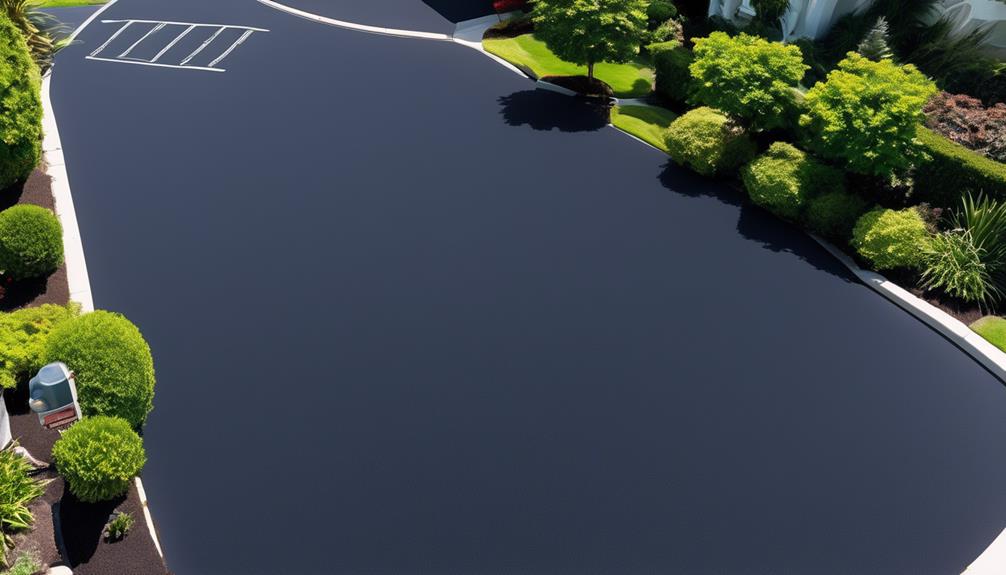

For a typical asphalt driveway, I’d start with Black Jack Drive-Maxx 1000 as the best overall option because it combines filler and sealer in a five-gallon format. Henry HE532410 stands out for resurfacing worn pavement, while Sikaflex-410 is better suited to targeted crack and joint repairs. The main choice is between coating a broad surface and sealing isolated damage; a driveway sealer is not a substitute for a dedicated crack product when gaps are deep or moving. Pack size, application method, and the condition of the asphalt also affect which option makes sense. Read on for how the 14 picks differ and what to match to your repair.

Get audio and creator gear delivered free with Prime
- Fast, free delivery on millions of items
- Prime Video, Amazon Music and more included
- Member-only deals all year
Complete the kit


Key Takeaways
- Full-driveway products and crack fillers solve different problems: Drive-Maxx, Henry HE532410, and the Jetcoat coatings are aimed at broad surface work, while the Sika, Red Devil, and smaller-format options target cracks or joints.
- Drive-Maxx earns the overall lead through scope: it combines filler and sealer in a five-gallon product, making it a practical starting point for a general driveway refresh rather than isolated repairs.
- Henry HE532410 is the resurfacing-oriented pick: its role differs from standard filler-and-sealer coatings, which are better suited to routine surface maintenance than a more worn surface.
- Sikaflex-410 is a repair-focused choice, not a driveway coating: its self-leveling cartridge format suits individual cracks, while larger package counts are more relevant when many repairs are planned.
- Jetcoat and Henry offer several overlapping coating choices: compare the stated coverage, application directions, and package quantity before choosing by label or claimed service life alone.


| asphalt sealer | Brand | Material | Model | Volume |
|---|---|---|---|---|
| Black Jack Drive-Maxx 1000 Asp | BLACK JACK | Synthetic rubber | 6455-9-30 | 5 gallons |
| Sikaflex-410 Asphalt Sealant | Sika USA | Polyurethane | 621653 | — |
| Henry HE532410 5-Gallon Drivew | Henry | — | — | — |
| Liquid Rubber Driveway Restore | Liquid Rubber | Liquid-based rubber | — | 4 gallons (512 fluid ounces) |
| Jetcoat 8-Year Ultra Driveway | Jetcoat | Polymer | — | 4.75 gallons |
| Jetcoat Premium Elastomeric Po | Jetcoat | — | 23751 | 1 gallon (128 fluid ounces) |
| Henry E-Z Stir Driveway Asphal | Henry | Asphalt | — | 4.75 gallons per container |
| Red Devil 0637 Asphalt Crack F | Red Devil | Acrylic | 0637 | — |
| Wadities Asphalt and Concrete | Wadities | — | — | — |
| Sika Sikaflex-410 Self-Levelin | Sika | — | 621653 | 9 fluid ounces |
| Red Devil 0637 Acrylic Asphalt | — | Acrylic | — | — |
| SIKA Sikaflex-410 Self-Levelin | — | — | 827839 | — |
| Henry Driveway Elastomeric Emu | — | — | HE305447 | — |
| Jetcoat 5-Year Premium Drivewa | — | Polymer | — | 4.75 gal |
More Details on Our Top Picks
Black Jack Drive-Maxx 1000 Asphalt Filler and Sealer, 5 Gallons
Black Jack Drive-Maxx 1000 combines a driveway coating with sand particles that help fill small cracks, while its latex polymer formula is designed for repeated heavy vehicle use. That makes it a practical pick for a frequently driven asphalt driveway where minor surface flaws need attention alongside sealing. Its stated foot-traffic readiness of as little as one hour is a useful advantage over products that emphasize multi-coat application, such as Liquid Rubber Driveway Restore. The tradeoff is scope: this is not a replacement for patching. Larger cracks and potholes need separate repairs before the coating goes down, and the one-hour figure applies to foot traffic, not necessarily vehicle use. I’d choose it for routine surface maintenance, not serious pavement damage.
Pros:- Sand particles help fill small asphalt cracks.
- Latex polymer formula is designed for repeated heavy vehicle use.
- Foot traffic may be possible as little as one hour after application.
- Five-gallon container suits a driveway-scale coating job.
Cons:- Larger cracks and potholes require separate repair products.
- The foot-traffic timing does not establish when the surface is ready for vehicles.
Best for: Homeowners with an asphalt driveway that sees frequent vehicle use and has small cracks or surface wear.
Not ideal for: Owners dealing with potholes, wide cracks, or major structural damage, since those areas need separate repair before sealing.
- Brand:BLACK JACK
- Model:6455-9-30
- Volume:5 gallons
- Weight:41.7 pounds
- Dimensions:12 × 12 × 14.75 inches
- Color:Black
- Material:Synthetic rubber
- Compatible surface:Asphalt
- Foot-traffic readiness:As little as 1 hour
Our verdict“Choose Black Jack when a frequently used asphalt driveway needs a crack-filling sealer and larger defects have already been repaired.”
Sikaflex-410 Asphalt Sealant, Black, Self-Leveling Hybrid Sealant, 9 fl. oz. Cartridge
Sikaflex-410 is the targeted repair option in this group: a self-leveling, elastic sealant for cracks and gaps up to 1.5 inches, rather than a coating for an entire driveway. A standard caulk gun and no-mix application make it more controlled for isolated repairs than pail products such as Henry HE532410 Asphalt Resurfacer, which are meant to cover broader, rougher areas. Its waterproof, weather-resistant polyurethane and skin formation within 60 minutes suit exposed pavement joints that need a flexible fill. The limitation is coverage: a cartridge is a poor fit for widespread surface wear, and the sealant needs to be conditioned to the recommended temperature for best results. I’d keep it for defined cracks, not use it as a driveway-wide sealer.
Pros:- Self-leveling formula is suited to filling defined cracks and gaps.
- Elastic polyurethane is designed to resist cracking as conditions change.
- Works with a standard caulk gun and requires no mixing.
- Forms a skin within 60 minutes.
Cons:- Limited to gaps up to 1.5 inches wide.
- Cartridge format is inefficient for broad driveway coverage.
- Temperature conditioning is needed for best results.
Best for: DIYers repairing a handful of asphalt cracks or gaps no wider than 1.5 inches with a caulk gun.
Not ideal for: Homeowners resurfacing a large or generally weathered driveway, where a pail-applied coating is a better match.
- Brand:Sika USA
- Model:621653
- Item weight:1.1 pounds
- Liquid volume:18 fluid ounces
- Maximum gap fill:1.5 inches
- Color:Black
- Material:Polyurethane
- Water resistance:Waterproof
- Features:Self-leveling, elastic, weather resistant
Our verdict“Pick Sikaflex-410 for flexible, localized crack repairs rather than full-surface asphalt sealing.”
Henry HE532410 5-Gallon Driveway Asphalt Resurfacer
Henry HE532410 is the resurfacing-focused choice here: its gel-form, rubberized coating is intended to fill and seal rough asphalt surfaces as well as cracks. That broader surface role separates it from Sikaflex-410, which is better suited to isolated gaps, and from Black Jack Drive-Maxx 1000, whose description focuses on small cracks and repeated vehicle use. Coverage ranges from about 250 to 500 square feet per pail, with texture determining where a job falls in that range. The main tradeoff is handling: at 57 pounds, the pail is heavy to move, and rougher pavement may use substantially more material. This makes the most sense when an aging driveway needs a coating across the surface, not just spot crack repairs.
Pros:- Gel formula is intended to fill and seal rough asphalt surfaces and cracks.
- Rubberized formulation is designed for durability.
- Coverage range accommodates different driveway sizes and surface textures.
- Waterproof finish is suited to exposed asphalt.
Cons:- Coverage varies substantially with surface texture.
- The 57-pound pail is heavy to move and handle.
- A broad resurfacing format is less practical for small, isolated repairs.
Best for: Homeowners coating a rough or weathered asphalt driveway who want a rubberized resurfacer that also addresses surface cracks.
Not ideal for: People who need to repair only a few isolated cracks or want a lightweight container that is easier to carry and handle.
- Brand:Henry
- Form:Gel
- Capacity:5 gallons
- Coverage:Approximately 250–500 sq. ft. per pail, depending on surface texture
- Dimensions:12 × 12 × 14 inches
- Item weight:57 pounds
- Water resistance:Waterproof
- Unit count:640 fluid ounces
Our verdict“Choose Henry HE532410 when the job calls for coating rough, worn asphalt rather than filling only a few cracks.”
Liquid Rubber Driveway Restore Asphalt Sealer and Crack Filler, 4 Gallons
Liquid Rubber Driveway Restore suits buyers who prioritize a water-based, solvent-free coating and are prepared to apply it in layers. Its flexible, waterproof membrane can be applied by brush, roller, or foam squeegee, giving more tool choices than Jetcoat 8-Year Ultra, which specifies a rubber squeegee or brush. The key tradeoff is labor and material use: the directions call for 2–3 coats, and the stated coverage is one gallon per 50 square feet at the minimum final thickness. That makes it less appealing for a quick, single-pass driveway job than Black Jack Drive-Maxx 1000. It is asphalt-only, too, so it is not a general-purpose coating for mixed surfaces. I’d choose it when the low-VOC, water-based formula matters more than minimizing application steps.
Pros:- Water-based, non-toxic formula contains no solvents and has low VOCs.
- Flexible waterproof coating helps protect asphalt and fill cracks.
- Can be applied with a brush, roller, or foam squeegee.
- Four-gallon volume supports a multi-coat application plan.
Cons:- Requires 2–3 coats to build the protective membrane.
- Coverage is stated at one gallon per 50 square feet at minimum final thickness.
- Designed for asphalt surfaces only.
Best for: DIY homeowners coating an asphalt driveway who prefer a water-based, low-VOC formula and can allow time for multiple coats.
Not ideal for: Anyone seeking a quick, one-coat application or a sealer for concrete and other non-asphalt surfaces.
- Brand:Liquid Rubber
- Volume:4 gallons (512 fluid ounces)
- Coverage:1 gallon per 50 sq. ft. at minimum final thickness
- Recommended coats:2–3
- Compatible surface:Asphalt
- Water resistance:Waterproof
- Material:Liquid-based rubber
- Application methods:Brush, roller, or foam squeegee
- VOC:Low
Our verdict“Choose Liquid Rubber when a low-VOC, water-based asphalt coating is worth the extra work of applying multiple coats.”
Jetcoat 8-Year Ultra Driveway Filler & Sealer, 4.75 gal
Jetcoat 8-Year Ultra is the long-duration option among these pail sealers, with an 8x polymer-modified, high-solids formula fortified with sand. The sand is intended to help fill pavement and add slip resistance, so this is more than a basic black coating; it is aimed at buyers wanting surface filling and a protective finish together. Compared with Liquid Rubber Driveway Restore, it is ready to use and does not require a stated 2–3-coat build, though it does call for a rubber squeegee or brush to spread evenly. Coverage is about 250–350 square feet and can shift with pavement porosity. Its 55-pound pail also takes effort to handle, and the eight-year protection claim should not be read as a guarantee for every driveway or condition.
Pros:- Polymer-modified, high-solids formula is designed for long-term protection.
- Sand fortification helps fill pavement and adds slip resistance.
- Ready to use without stirring.
- Dries to a black finish.
Cons:- Coverage varies with pavement porosity.
- A rubber squeegee or brush is needed for an even application.
- The 55-pound pail is heavy to handle.
Best for: Homeowners sealing an asphalt driveway who want a sand-fortified, ready-to-use coating with a stated long-term protection duration.
Not ideal for: Buyers who need a lightweight container, precise coverage regardless of pavement condition, or a sealer for surfaces other than asphalt.
- Brand:Jetcoat
- Volume:4.75 gallons
- Material:Polymer
- Coverage:Approximately 250–350 sq. ft. per pail
- Protection duration:8 years
- Surface compatibility:Asphalt
- Finish color:Black
- Application:Ready to use; apply with a rubber squeegee or brush
- Weight:55 pounds
Our verdict“Choose Jetcoat 8-Year Ultra if you want a ready-to-use, sand-fortified asphalt sealer with a stated eight-year protection duration.”
Jetcoat Premium Elastomeric Pourable Driveway Crack Sealant, 1 Gallon
Jetcoat’s pourable elastomeric formula suits asphalt and concrete cracks up to 3/4 inch wide, giving it more reach than Henry E-Z Stir, which is limited to cracks up to 1/8 inch. The included pour spout also makes it a more direct choice for filling individual gaps than Red Devil 0637, which is applied from a caulking gun. Its flexible, weather-resistant seal is aimed at repairs that need to move with the surface rather than a rigid patch. The tradeoff is that this is crack repair, not a driveway-wide sealer, and larger cracks fall outside its stated capacity. Jetcoat may need multiple applications, and careful stirring and timing matter, so it is less convenient for anyone seeking a quick, no-fuss spot fix.
Pros:- Handles cracks up to 3/4 inch wide, wider than Henry E-Z Stir’s 1/8-inch limit.
- Flexible, weather-resistant formula is suited to asphalt and concrete.
- Included pour spout supports direct application into cracks.
- Traffic-ready in a stated 1–12 hours.
Cons:- May require multiple applications for full coverage.
- Needs careful stirring and timing during application.
- Not intended for cracks wider than 3/4 inch or broad driveway sealing.
Best for: Homeowners repairing individual asphalt or concrete cracks wider than hairline but no more than 3/4 inch who prefer a pourable product.
Not ideal for: Buyers sealing an entire driveway, filling cracks wider than 3/4 inch, or looking for a cartridge-based application with minimal prep.
- Brand:Jetcoat
- Volume:1 gallon (128 fluid ounces)
- Model:23751
- Part number:23751
- Compatible surfaces:Asphalt and concrete
- Maximum crack width:3/4 inch
- Traffic-ready time:1–12 hours
Our verdict“Choose Jetcoat for pourable, flexible repairs in cracks up to 3/4 inch, but not for whole-driveway sealing or oversized gaps.”
Henry E-Z Stir Driveway Asphalt Filler and Sealer, 4.75 Gallons, 2-Pack
Henry E-Z Stir is a surface-maintenance pick for asphalt driveways with small cracks, rather than a heavy-duty filler for open gaps. Its stated limit of 1/8 inch makes it a narrower repair option than Jetcoat Premium Elastomeric, which handles cracks up to 3/4 inch. The two 4.75-gallon containers suit a buyer planning to cover a larger driveway area or keep material on hand for more than one maintenance session. Its DIY-oriented EZ Stir formula also makes it less specialized than cartridge products such as Red Devil 0637. That simplicity has boundaries: this product is for asphalt only, and the description does not support using it to repair larger cracks. Choose it for routine, small-crack driveway work, not isolated deep or wide damage.
Pros:- Two 4.75-gallon containers suit larger maintenance projects or separate applications.
- EZ Stir formula is designed for DIY application.
- Fills small asphalt surface cracks up to 1/8 inch.
- Water-resistant formula is intended for asphalt driveways.
Cons:- Limited to small cracks up to 1/8 inch.
- Compatible surface is listed as asphalt, not concrete or other materials.
- Bulk containers are less suited to a few isolated spot repairs.
Best for: DIY homeowners maintaining an asphalt driveway with hairline surface cracks up to 1/8 inch and enough area to use a two-pack.
Not ideal for: Owners of concrete driveways or anyone repairing cracks wider than 1/8 inch; Jetcoat Premium Elastomeric is a better fit for wider gaps.
- Brand:Henry
- Pack count:2
- Volume:4.75 gallons per container
- Item form:Liquid
- Material:Asphalt
- Compatible surface:Asphalt
- Maximum crack width:1/8 inch
- Water resistance:Water resistant
Our verdict“Pick Henry E-Z Stir for DIY upkeep on a larger asphalt driveway with small surface cracks, not for deeper or wider repairs.”
Red Devil 0637 Asphalt Crack Filler Sealant – Black Acrylic Driveway Sealer for Cracks & Joints, 10.1 fl oz, Pack of 12, Made in USA
Red Devil 0637 favors precise application: its 10.1-fluid-ounce cartridges fit a standard caulking gun, making it a practical choice for tracing individual cracks and joints without pouring from a larger container. Compared with Wadities Asphalt and Concrete Crack Filler, this pack is focused on asphalt and uses a cartridge format rather than a small self-leveling liquid with a scraper. Red Devil’s black acrylic sealant is described as flexible and water-resistant, and it can adhere to damp surfaces—helpful when conditions are not perfectly dry. However, the product still calls for manual bead-by-bead work, so it can become tedious across a large driveway. Its 12-cartridge pack is also more material than a buyer with only one small repair may need, and the black color offers no finish choice.
Pros:- Standard caulking-gun application offers control on narrow cracks and joints.
- Pack of 12 provides multiple cartridges for repeated repairs.
- Flexible, water-resistant acrylic sealant is designed to resist cracking and shrinking.
- Description states it can adhere to damp surfaces.
Cons:- Manual cartridge application can take time over large areas.
- Black is the only listed color.
- A 12-pack may be excessive for a single small repair.
Best for: Homeowners and maintenance crews sealing multiple asphalt cracks or joints who already have a standard caulking gun and want controlled placement.
Not ideal for: Anyone repairing a broad driveway area, seeking a pourable bulk sealer, or needing a non-black finish; Jetcoat is better suited to pouring into wider cracks.
- Brand:Red Devil
- Model:0637
- Pack count:12
- Cartridge volume:10.1 fluid ounces
- Material:Acrylic
- Color:Black
- Water resistance:Waterproof
- Made in:USA
Our verdict“Choose Red Devil for controlled, cartridge-based asphalt crack work across multiple repairs, but use a pourable product for broad or larger-gap jobs.”
Wadities Asphalt and Concrete Crack Filler, 2.65 lb, Black, 2-Pack
Wadities stands out for material versatility, with compatibility listed for asphalt, concrete, brick, tile, metal, and wood. That makes it a broader household repair option than Henry E-Z Stir, which is specified for asphalt driveways, while its self-leveling liquid format is distinct from Red Devil 0637’s caulking-gun cartridges. The included scraper and gloves make this pack more of a small repair kit than a bare container of sealant. Its waterproof, elastic formula is intended to help resist water entry and movement-related cracking. The compromise is scale: at 2.65 pounds per pack and supplied as a two-pack, it is better suited to spot fixes than extensive driveway work. Clean, dry surfaces are required, and full cure takes 24–48 hours.
Pros:- Listed for use on asphalt, concrete, brick, tile, metal, and wood.
- Self-leveling liquid is designed for straightforward placement.
- Waterproof, elastic formula is intended to resist water entry and surface movement.
- Includes a scraper and gloves.
Cons:- Small pack size is less suited to extensive driveway repairs.
- Cracks and surfaces must be clean and dry before application.
- Full curing takes 24–48 hours.
Best for: Homeowners handling small cracks across several material types who want a self-leveling liquid and basic application accessories.
Not ideal for: Buyers with a large asphalt driveway to seal, or anyone who needs to apply filler before the surface is clean and dry; Henry E-Z Stir is supplied in larger containers for driveway maintenance.
- Brand:Wadities
- Pack quantity:2
- Weight:2.65 lb
- Color:Black
- Form:Liquid, self-leveling
- Compatible materials:Concrete, asphalt, brick, tile, metal, and wood
- Surface drying time:4–6 hours
- Full cure time:24–48 hours
- Included components:Crack filler, scraper, and gloves
Our verdict“Choose Wadities for small, multi-surface crack repairs with included accessories, not for sealing a large driveway in one project.”
Sika Sikaflex-410 Self-Leveling Asphalt Crack Sealant, Black, 9 fl oz
Sikaflex-410 has the widest stated crack capacity here, handling gaps up to 1.5 inches—twice Jetcoat Premium Elastomeric’s 3/4-inch limit. Its ready-to-use cartridge needs no mixing, and the self-leveling formula is intended for asphalt and concrete cracks, offering a more targeted route than Henry E-Z Stir’s driveway-wide liquid filler. The flexible sealant is designed to resist weathering, aging, tearing, and cracking, while a typical skin time under 60 minutes can help the surface set sooner. That does not mean the repair is ready for every exposure: water immersion or overcoating must wait seven days. The cartridge also needs conditioning to 65–75 °F for best results, and surfaces must be clean, sound, dry, and frost-free. This is a focused crack sealant, not a broad asphalt sealer.
Pros:- Stated maximum crack width of 1.5 inches exceeds Jetcoat Premium Elastomeric’s 3/4-inch limit.
- Ready-to-use cartridge requires no mixing.
- Self-leveling formula is designed for asphalt and concrete.
- Flexible sealant is designed to resist weathering, tearing, and cracking.
Cons:- Requires seven days of cure before water immersion or overcoating.
- Surface must be clean, sound, dry, and frost-free.
- Cartridge conditioning to 65–75 °F is specified for best results.
Best for: Property owners repairing asphalt or concrete cracks up to 1.5 inches who want a no-mix, self-leveling cartridge product.
Not ideal for: Buyers who need a driveway-wide sealer, cannot wait seven days before water exposure or overcoating, or lack a standard caulk gun.
- Brand:Sika
- Model:621653
- Volume:9 fluid ounces
- Color:Black
- Compatible surfaces:Asphalt and concrete
- Application:Ready-to-use cartridge; fits most standard caulk guns
- Maximum crack width:1.5 inches
- Typical skin time:Under 60 minutes in moderate temperature and humidity
- Cure before water immersion or overcoating:7 days
Our verdict“Choose Sikaflex-410 for wider, targeted asphalt or concrete crack repairs when you can meet its preparation and seven-day cure requirements.”
Red Devil 0637 Acrylic Asphalt Crack Filler Sealant, Black, 10.1 fl oz, Pack of 4
I’d choose this four-cartridge pack for a handful of cracks or joints rather than coating an entire driveway. Its black, asphalt-textured finish is intended to blend with pavement, and the flexible, water-resistant acrylic helps accommodate movement while limiting moisture entry. It applies with a standard caulking gun and can adhere to damp surfaces, which gives it a practical advantage when conditions are less than perfectly dry. Compared with the Henry Driveway Elastomeric Emulsion Crack Filler, Red Devil offers a more controlled cartridge application, while Henry supplies a larger liquid container for broader repair work. The tradeoff is capacity: four 10.1-ounce cartridges suit spot fixes, not extensive cracking. It is also formulated for asphalt, and buyers need to provide a caulking gun.
Pros:- Black, textured finish is designed to blend with asphalt
- Flexible, water-resistant formula helps accommodate pavement movement and limit moisture entry
- Can adhere to damp surfaces
- Four cartridges allow targeted application with a standard caulking gun
Cons:- Four 10.1-ounce cartridges may not cover extensive cracking
- Requires a caulking gun
- Stated surface compatibility is limited to asphalt
Best for: Homeowners sealing a small number of asphalt driveway or walkway cracks who want controlled application from a standard caulking gun.
Not ideal for: People repairing long or widespread cracks, or anyone who needs a filler for concrete or other non-asphalt surfaces.
- Material:Acrylic
- Color:Black
- Volume per cartridge:10.1 fl oz
- Pack quantity:4
- Application:Standard caulking gun
- Water resistance:Water resistant
- Compatible surfaces:Asphalt cracks and joints
Our verdict“Choose Red Devil for a few asphalt cracks that call for controlled cartridge application, not a large driveway resurfacing job.”
SIKA Sikaflex-410 Self-Leveling Asphalt Sealant, Black, 9 oz, 12-Pack
The 12-cartridge pack makes this Sika a stronger fit for repeated repairs across a larger paved area than the four-pack of Red Devil 0637. Its self-leveling hybrid formula is ready to use and designed for asphalt cracks up to 1.5 inches wide, so it can settle into gaps without mixing. Permanent elasticity and resistance to weathering and aging are intended to help the repair resist tearing and cracking over time. A typical skin time under 60 minutes can help keep the work moving, though that timing depends on moderate conditions. The main catch is preparation: cartridges are recommended at 65°F to 75°F for application, and temperature and humidity affect skin time. Compared with Henry’s liquid emulsion, this is a more targeted cartridge repair, not a broad driveway coating.
Pros:- Self-leveling formula is designed for asphalt crack and gap repairs
- Pack contains 12 ready-to-use cartridges with 108 fluid ounces total
- Elastic formulation is intended to resist tearing and cracking
- Specified for cracks up to 1.5 inches wide
Cons:- Recommended cartridge temperature of 65°F to 75°F adds preparation requirements
- Skin time varies with temperature and humidity
- Cartridge application is less suited to coating an entire driveway
Best for: Property owners repairing multiple asphalt cracks, including gaps up to 1.5 inches wide, who prefer ready-to-use cartridges and self-leveling application.
Not ideal for: Buyers who need a full-surface driveway sealer or cannot condition cartridges to the recommended application temperature.
- Model:827839
- Unit size:9 oz
- Pack count:12
- Total volume:108 fl oz
- Maximum crack width:1.5 in
- Typical skin time:Under 60 minutes in moderate conditions
- Application:Standard caulk gun
- Recommended cartridge temperature:65°F to 75°F
Our verdict“Pick this Sika pack for multiple asphalt crack repairs where self-leveling application matters more than whole-driveway coverage.”
Henry Driveway Elastomeric Emulsion Crack Filler
Henry’s 0.9-gallon liquid format suits buyers who would rather work from a container than squeeze crack filler through individual cartridges. Its asphalt-based elastomeric emulsion is intended for driveway crack repair, and the liquid form can be a practical alternative when several areas need attention. Compared with the SIKA Sikaflex-410 12-pack, Henry trades the latter’s stated maximum crack width and self-leveling cartridge format for a larger single container of liquid filler. The product data does not specify a coverage rate, application tool, or curing time, so planning a larger job takes more guesswork. Its stated compatibility is asphalt only, and the black finish may stand out where the pavement color has faded or varies. This is a focused crack-repair option, not a general-purpose sealer for concrete.
Pros:- 0.9-gallon container provides a liquid format for crack repair
- Formulated specifically for asphalt driveways
- Elastomeric emulsion composition is intended for flexible repair
Cons:- Product data does not state coverage or curing time
- No application tool or method is specified
- Black finish and asphalt-only compatibility limit use on other surfaces
Best for: Driveway owners with several asphalt cracks who prefer a liquid filler in a single container over multiple caulk-gun cartridges.
Not ideal for: Buyers seeking specified coverage, a stated application method, or a crack repair product for concrete and masonry.
- Model:HE305447
- Net content:0.9 gal
- Unit count:115.2 fl oz
- Form:Liquid
- Color:Black
- Compatible material:Asphalt
- Composition:Asphalt, water, and polyvinyl alcohol
- Item weight:8 lb
Our verdict“Choose Henry if you want a larger-container liquid filler for asphalt cracks and can work without published coverage or curing guidance.”
Jetcoat 5-Year Premium Driveway Filler and Sealer, 4.75 gal
Unlike the cartridge and liquid crack fillers above, Jetcoat is designed to cover a whole asphalt or blacktop surface while helping fill smaller cracks, holes, and gaps. The 4.75-gallon pail covers a stated 250–350 sq. ft., with actual coverage varying by pavement porosity. Its polymer-modified, sand-fortified formula is intended to create a durable, water-resistant surface; the sand also helps provide slip resistance. Application uses a rubber squeegee or brush rather than a caulking gun, making it a better match for broad driveway work than Red Devil 0637 or the Sika cartridges. That wider scope comes with a longer job commitment: vehicle traffic should wait 24 hours after application. It is also limited to asphalt and blacktop, so it is not the choice for concrete or masonry.
Pros:- Designed for broad asphalt and blacktop surface application
- Sand fortification helps fill cracks, holes, gaps, and breaks
- Sand is intended to provide a slip-resistant surface
- Stated coverage is 250–350 sq. ft. per pail
Cons:- Coverage varies with pavement porosity
- Requires 24 hours to cure before vehicle traffic
- Not suitable for concrete or masonry
Best for: Homeowners sealing an asphalt or blacktop driveway who want one pail for surface coverage and help filling minor gaps.
Not ideal for: People repairing only a few isolated cracks, sealing concrete or masonry, or needing to drive on the surface within 24 hours.
- Volume:4.75 gal
- Coverage:250–350 sq. ft. per pail
- Compatible surfaces:Asphalt and blacktop
- Material:Polymer
- Application tool:Rubber squeegee or brush
- Curing time for vehicle traffic:24 hours
- Water resistance:Water resistant
Our verdict“Choose Jetcoat for sealing a larger asphalt driveway, but use a cartridge filler instead for isolated crack repairs.”

How We Picked
I separated the lineup by the job each product is designed to do: coat a driveway, resurface worn pavement, or fill individual cracks and joints. I then compared practical buyer factors such as product format, package quantity, application method, and how closely the stated function matches the repair. A large pail may suit broad coverage but can be excessive for a few cracks; a cartridge is easier to target but is not a substitute for coating an entire driveway.
The ranking gives priority to role clarity and usefulness for common asphalt maintenance needs, not to a claim that one formula suits every surface. Drive-Maxx leads as a broadly useful filler-and-sealer option, while resurfacer and crack-sealant picks rank highly for their narrower jobs. Similar products are distinguished by intended use and pack format, and I avoid treating a longer stated service-life label as proof of better performance without comparable supporting details. Buyers should check each product’s current label for surface compatibility, preparation, coverage, and cure conditions.
| asphalt sealer | Material | Water resistance |
|---|---|---|
| Black Jack Drive-Maxx 1000 Asp | Synthetic rubber | — |
| Sikaflex-410 Asphalt Sealant | Polyurethane | Waterproof |
| Henry HE532410 5-Gallon Drivew | — | Waterproof |
| Liquid Rubber Driveway Restore | Liquid-based rubber | Waterproof |
| Jetcoat 8-Year Ultra Driveway | Polymer | — |
| Jetcoat Premium Elastomeric Po | — | — |
| Henry E-Z Stir Driveway Asphal | Asphalt | Water resistant |
| Red Devil 0637 Asphalt Crack F | Acrylic | Waterproof |
| Wadities Asphalt and Concrete | — | — |
| Sika Sikaflex-410 Self-Levelin | — | — |
| Red Devil 0637 Acrylic Asphalt | Acrylic | Water resistant |
| SIKA Sikaflex-410 Self-Levelin | — | — |
| Henry Driveway Elastomeric Emu | — | — |
| Jetcoat 5-Year Premium Drivewa | Polymer | Water resistant |
Factors to Consider When Choosing Asphalt Sealer
Before choosing an asphalt sealer, I’d define the repair area and the condition of the pavement. These decisions prevent a common mismatch: buying a large coating for a handful of cracks or expecting a thin surface treatment to repair structural damage.
Match the product to the area you need to repair
Start by estimating whether the work involves most of the driveway or only a few damaged spots. A pail of filler and sealer is generally intended for broad surface application, while cartridges and small containers are designed for cracks and joints. Applying a crack product across a whole driveway can waste time and material, and spreading a surface coating into deep gaps may leave the underlying problem unresolved. Measure the area and list the cracks separately before comparing package sizes. For extensive breakup, sinking, or crumbling edges, sealing alone may not address the cause. I’d treat those conditions as repair work first, then choose a coating for the sound pavement that remains.
Decide whether your pavement needs coating or resurfacing
A sealer is intended to protect or refresh an existing surface; a resurfacer is aimed at pavement that needs a more substantial surface renewal. The distinction matters because a routine coating may not hide rough, worn areas, while a resurfacing product may be unnecessary for pavement that is still in good shape. Check the product’s stated purpose against visible conditions such as widespread texture loss, shallow depressions, or loose material. Do not use a fresh-looking coating as a substitute for fixing potholes or unstable sections. Surface preparation also changes with the repair, so read the label before buying. When the damage is widespread, compare resurfacing directions and suitability rather than choosing by the word “sealer” alone.
Choose an application format you can handle
Large pails call for a plan to spread material evenly over a broad area, while cartridge products provide more control on individual cracks. Neither format is automatically easier: a pail can be cumbersome for a small repair, and cartridges require repeated, accurate placement when the damaged area is extensive. Consider the tools, space, and time needed for the application described on the label. Also check whether the product calls for stirring, a specific applicator, or multiple passes. Rushing the work can create uneven coverage or leave gaps. I’d choose the format that fits both the size of the job and the amount of hands-on application I can manage.
Compare package quantity with the actual repair
Package size is useful only when it matches the area being treated. Multi-gallon containers are more practical for driveway-wide work, whereas a small crack repair may need only a limited quantity. Multipacks can reduce the need to source several cartridges for many joints, but they may leave unused product if the repair list is short. Coverage figures can vary by surface texture and application thickness, so treat label estimates as planning information rather than a guarantee. Measure the work area and account for the condition of the pavement before purchasing. Buying too little can interrupt an application, while buying far more than needed creates storage and leftover-material concerns.
Read surface-preparation and weather directions before scheduling
Preparation and application conditions can affect whether a sealer bonds and cures as intended. Before opening a container, check instructions for cleaning, drying, temperature, rain exposure, and time before foot or vehicle traffic. A surface that looks dry may still hold moisture in cracks, and debris can interfere with adhesion. Schedule work with enough time for the stated cure period and a suitable weather window. Do not assume that directions for one asphalt product apply to another, even when both come in similar packaging. If the instructions cannot be followed at your site, choose another product or wait for better conditions.
Know when a sealer is not the right repair
Sealers can help maintain sound pavement, but they are not a cure for every driveway problem. Deep cracks, recurring movement, extensive potholes, and areas that are sinking may point to damage below the surface. Filling over loose or unstable material can produce a short-lived repair, even when the product is intended for asphalt. Look at the pattern and severity of the damage before deciding how much material to buy. For a few stable cracks, a dedicated crack filler may be the more direct choice; for widespread structural deterioration, seek a repair assessment rather than relying on a coating. Choosing the right scope can save more effort than choosing among similar pail sizes.
Frequently Asked Questions
Can I use a driveway sealer to fill cracks at the same time?
Some products combine filler and sealer for routine surface work, but that does not mean they suit every crack. Narrow surface defects may be addressed by a combination product when its label allows it, while deeper or moving cracks often call for a dedicated crack sealant. Check the maximum crack dimensions and preparation instructions on the specific product. If you apply a broad coating over an unfilled gap, the surface layer may not provide the repair you need. For a driveway with both broad wear and larger cracks, plan the crack work and coating as separate steps when the directions call for it.
Should I choose a pail or a cartridge for my driveway?
Choose by the area being treated, not just by convenience. A pail is more suited to coating or resurfacing a broad driveway, while a cartridge lets you target a crack or joint without spreading material over sound pavement. If the driveway has only a few isolated gaps, a large container may be unnecessary; if cracks run throughout the surface, a single cartridge may not cover the repair list. Compare package quantity with the product’s stated coverage and your measurements. For mixed jobs, buying a surface product and a separate crack filler may be more sensible than asking one format to do both tasks.
Is a resurfacer better than a standard asphalt sealer?
Not automatically; the right choice depends on the pavement’s condition. A standard sealer is intended for surface maintenance, while a resurfacer is designed for a more worn or uneven surface within the limits stated by its manufacturer. If your asphalt is sound and only looks dry or faded, a resurfacer may be more work than the job requires. If the surface is substantially worn, a basic coating may not create the finish you expect. Neither option should be treated as a fix for sinking pavement or major structural damage. Compare each label’s intended surface condition before choosing.
Can I apply asphalt sealer over old sealer?
Possibly, but compatibility and preparation depend on the products and the condition of the existing coating. Check the new product’s label for instructions on previously sealed asphalt, and look for peeling, loose material, or contamination that could interfere with adhesion. Applying a fresh layer over a failing coating can leave the new material attached to a weak surface. A small test area may help reveal an issue before you coat the entire driveway, if the manufacturer permits it. Follow the stated cleaning and curing steps rather than assuming that all asphalt coatings layer together.
When should I repair cracks instead of sealing the whole driveway?
Targeted crack repair makes sense when the asphalt is generally sound and the damage is limited to specific lines or joints. A full surface coating is more relevant when the broader pavement needs maintenance and the chosen product is rated for that use. If cracks are widespread, deep, or repeatedly reopen, assess the pavement’s condition before deciding that either product alone will solve the problem. Some projects need crack filling followed by a coating, with sequencing set by the product instructions. For sinking sections, extensive breakup, or potholes, get the underlying damage addressed rather than covering it with sealer.
What are the best asphalt sealer?
The best asphalt sealer depends on your pavement’s condition, the amount of traffic it handles, and the finish you want. The picks above offer options for different maintenance needs, so compare their intended uses and application requirements before choosing. Check that a sealer is suitable for your asphalt surface, follow the label’s preparation and curing directions, and plan application for dry weather within the recommended temperature range. Proper surface cleaning and crack repair can also help you get a more even, durable result. If you are unsure which option fits your driveway or lot, consult the product instructions or a paving professional.
Conclusion
For a general driveway refresh, I’d choose Black Jack Drive-Maxx 1000 as the best overall because its filler-and-sealer role suits broad maintenance. Best value depends on the job size: Henry E-Z Stir’s two-pail pack is worth comparing for larger coating projects, while a smaller crack repair should not require buying a driveway-sized quantity. For a more worn surface, Henry HE532410 is my resurfacing pick; for targeted cracks and joints, choose a Sikaflex-410 format that matches the number of repairs. Beginners should prioritize clear label directions and a manageable application area, rather than a product’s claimed service-life figure alone. If you need a broad coating, choose a pail; if you need crack control, choose a dedicated filler; if the pavement is structurally failing, arrange repairs before sealing.
Black Friday Picks

DJI Osmo Mobile 7P 3-Axis Smartphone Gimbal with Mic Mini Transmitter, Infinity Black
As an affiliate, we earn on qualifying purchases.