When selecting a boning knife, the key factors are blade flexibility, sharpness, and comfort for controlled meat trimming. The Mercer Culinary Ultimate White 6-Inch Boning Knife stands out as the best overall choice for its balance of performance and durability. The Victorinox Fibrox 6-Inch Curved Boning & Fillet Knife offers excellent flexibility at a lower price point, making it a versatile pick. However, buyers often face tradeoffs between blade stiffness and maneuverability, especially when balancing price and quality. Continue reading to see how these and other options compare, and find the best boning knife for your needs.

Get audio and creator gear delivered free with Prime
- Fast, free delivery on millions of items
- Prime Video, Amazon Music and more included
- Member-only deals all year
Complete the kit


Key Takeaways
- Flexibility and blade shape are critical for precise meat deboning, with curved blades excelling in this task.
- High-carbon stainless steel blades tend to stay sharper longer but may require more maintenance than softer steel options.
- Comfort and grip quality vary widely; non-slip handles help control, especially during wet or greasy tasks.
- Price often correlates with blade quality and durability but even budget options can perform well with proper care.
- Different buyers should prioritize either stiffness for heavy-duty tasks or flexibility for delicate trimming.
| Mercer Culinary Ultimate White 6-Inch Boning Knife |  | Best Overall for Versatile Deboning | Blade Length: 6 inches | Material: High-carbon Japanese steel | Series: Ultimate White | VIEW ON AMAZON | See Our Full Breakdown |
| Victorinox Fibrox 6-Inch Curved Boning & Fillet Knife |  | Best for Flexible, Precise Cuts | Blade Length: 6 inches | Blade Material: Stainless steel | Handle: Fibrox textured, slip-resistant | VIEW ON AMAZON | See Our Full Breakdown |
| Victorinox Wood 6″ Boning Knife, Curved Blade, Semi-stiff, Maple Handle |  | Best for Traditional Craftsmanship and Precision | Blade Length: 6 inches | Blade Type: Curved, semi-stiff | Material: Stainless steel | VIEW ON AMAZON | See Our Full Breakdown |
| Mercer Culinary Ultimate White 6-inch Curved Boning Knife |  | Best for Precise Deboning with Comfortable Grip | Blade Length: 6 inches | Material: High-carbon Japanese steel | Series: Ultimate White | VIEW ON AMAZON | See Our Full Breakdown |
| imarku 6 Inch Fillet Knife – German High Carbon Stainless Steel Boning Knife |  | Best for Versatile Fish and Meat Filleting | Blade Length: 6 inches | Material: German high-carbon stainless steel | Hardness: 56 Rockwell | VIEW ON AMAZON | See Our Full Breakdown |
| Huusk Curved Boning Knife – 6″ Filet Knife for Meat Deboning Non‑Slip Grip |  | Best for Precise, Ergonomic Deboning | Blade Length: 6 inches | Handle Color: Orange | Blade Material: Titanium coated | VIEW ON AMAZON | See Our Full Breakdown |
| Victorinox Swiss Classic 6-Inch Boning Knife with Narrow, Flexible Blade |  | Best for Precision in Delicate Meat and Fish Work | Blade Length: 6 inches | Blade Material: High-carbon stainless steel | Handle Material: Fibro Pro | VIEW ON AMAZON | See Our Full Breakdown |
| Victorinox 6 Inch Curved Fibrox Pro Boning Knife |  | Best for Efficient Deboning and Easy Maintenance | Blade Length: 6 inches | Blade Type: Curved | Handle Material: Fibrox Pro | VIEW ON AMAZON | See Our Full Breakdown |
| Victorinox Fibrox Pro 6-Inch Curved Boning Knife |  | Best for Comfortable, Precise Meat Trimming | Blade Length: 6 inches | Blade Material: Stainless steel | Blade Type: Semi-stiff, curved | VIEW ON AMAZON | See Our Full Breakdown |
| HOSHANHO 7 Inch Fillet Knife – Japanese Fish Boning Knife |  | Best for Versatile Fish and Meat Filleting | Blade Length: 7 inches | Material: Japanese stainless steel 10Cr15CoMoV | Blade Edge: 15 degrees per side | VIEW ON AMAZON | See Our Full Breakdown |
| Cutluxe Curved Boning Knife, 6″ for Meat Cutting & Trimming |  | Best for Precision and Professional-Grade Filleting | Blade Length: 6 inches | Construction: Forged | Steel Type: High-carbon German steel | VIEW ON AMAZON | See Our Full Breakdown |
| boning knife | Blade Length | Handle Material |
|---|---|---|
| Mercer Culinary Ultimate White | 6 inches | — |
| Victorinox Fibrox 6-Inch Curve | 6 inches | — |
| Victorinox Wood 6" Boning Knif | 6 inches | Maple wood |
| Mercer Culinary Ultimate White | 6 inches | — |
| imarku 6 Inch Fillet Knife | 6 inches | Pakkawood |
| Huusk Curved Boning Knife | 6 inches | — |
| Victorinox Swiss Classic 6-Inc | 6 inches | Fibro Pro |
| Victorinox 6 Inch Curved Fibro | 6 inches | Fibrox Pro |
| Victorinox Fibrox Pro 6-Inch C | 6 inches | — |
| HOSHANHO 7 Inch Fillet Knife | 7 inches | Pakkawood |
| Cutluxe Curved Boning Knife | 6 inches | Pakkawood |
More Details on Our Top Picks
Mercer Culinary Ultimate White 6-Inch Boning Knife
This Mercer knife stands out for its high-carbon Japanese steel blade, which offers exceptional sharpness and durability. Compared to the Victorinox Fibrox 6-Inch Knife, it provides a more robust edge suited for frequent, precise deboning tasks, though it demands careful hand washing since it isn’t dishwasher safe. Its ergonomic handle with textured finger points enhances safety and comfort during extended use, making it a favorite among both professionals and serious home cooks. The main tradeoff is its limited scope—it’s primarily designed for deboning and trimming, so more specialized tools might be better for filleting or heavy-duty tasks. For those needing a reliable, all-around deboning knife that balances performance with comfort, this pick is hard to beat.
Pros:- Sharp, durable blade crafted from high-carbon Japanese steel
- Ergonomic handle with textured finger points for safety and comfort
- Ideal for precise deboning, trimming fat, and meat carving
Cons:- Requires hand washing; not dishwasher safe
- Limited to specific tasks like deboning and trimming
Best for: Professionals or home cooks who prioritize precision and durability in deboning tasks.
Not ideal for: Users seeking a versatile knife for heavy-duty butchering or heavy slicing—its focus is more on finesse than brute strength.
- Blade Length:6 inches
- Material:High-carbon Japanese steel
- Series:Ultimate White
- Handle:Ergonomic with textured finger points
Our verdict“A top choice for those who need a sharp, reliable deboning knife that offers excellent control and comfort for detailed cuts.”
Victorinox Fibrox 6-Inch Curved Boning & Fillet Knife
This Victorinox Fibrox knife is prized for its flexible stainless steel blade, making it especially suited for delicate meat and fish trimming. Unlike the Mercer model, which is stiffer and more suited for general deboning, this knife’s flexibility allows for intricate filleting and precise trimming, especially in hard-to-reach areas. Its slip-resistant Fibrox handle provides excellent control, even when wet, which is a significant advantage in professional kitchens. However, it’s more limited if you need a stiff blade for heavy deboning or carving large cuts—its flexibility is a double-edged sword. Additionally, you’ll need to buy sharpening tools separately, which adds to ongoing maintenance costs. For chefs or home cooks focused on finesse and precision, this is a smart choice.
Pros:- Flexible blade ideal for delicate fish and meat trimming
- Slip-resistant Fibrox handle for control and safety
- Durably crafted in Switzerland for consistent performance
Cons:- Limited to specific cutting tasks; not suited for heavy deboning
- Requires separate sharpening tools for maintenance
Best for: Cooks who prioritize finesse and delicate trimming of fish and small cuts.
Not ideal for: Those requiring a stiff blade for heavy-duty deboning or carving large cuts of meat—its flexibility limits its strength for tougher tasks.
- Blade Length:6 inches
- Blade Material:Stainless steel
- Handle:Fibrox textured, slip-resistant
- Country of Origin:Switzerland
Our verdict“This knife excels in precision and finesse, making it perfect for detailed fish and meat trimming but less suited for robust butchering tasks.”
Victorinox Wood 6″ Boning Knife, Curved Blade, Semi-stiff, Maple Handle
This Victorinox knife combines a narrow, curved, semi-stiff blade with a comfortable maple wood handle, offering a classic feel and reliable performance. Compared to the Mercer White series, this model’s semi-stiff blade is better suited for controlled, precise deboning, especially in delicate meats. Its stainless steel blade is resistant to wear, and the wooden handle adds a touch of traditional craftsmanship, which some users find more comfortable for extended use. However, the wooden handle requires careful cleaning and maintenance to prevent damage or warping, and the semi-stiff blade isn’t optimal for heavy-duty tasks or large cuts. For those who value a balance of tradition, comfort, and precision, this knife makes a compelling choice.
Pros:- Precise trimming and deboning with a narrow, curved blade
- Durable stainless steel blade for long-lasting sharpness
- Comfortable, traditional maple wood handle
Cons:- Requires careful cleaning to preserve wooden handle
- Semi-stiff blade may limit heavy-duty applications
Best for: Home cooks or chefs who prefer a traditional, comfortable knife for precise deboning and trimming.
Not ideal for: Heavy butchering or tasks requiring a stiff, rugged blade—its semi-stiff nature limits its brute-force capabilities.
- Blade Length:6 inches
- Blade Type:Curved, semi-stiff
- Material:Stainless steel
- Handle Material:Maple wood
Our verdict“Ideal for traditionalists seeking a comfortable, precise deboning tool for delicate cuts but not for heavy or coarse tasks.”
Mercer Culinary Ultimate White 6-inch Curved Boning Knife
This Mercer model offers a curved, semi-stiff blade built from high-carbon Japanese steel, making it highly sharp and durable. It’s especially suitable for detailed deboning and trimming tasks, similar to the Victorinox Wood but with a focus on precision and ease of use. Its ergonomic handle with textured finger points provides a secure grip, reducing fatigue during extended use. Unlike the Victorinox Fibrox, which emphasizes flexibility, this pick balances stiffness with precision, though it still requires hand washing and isn’t dishwasher safe. This makes it ideal for those who need a comfortable, precise deboning knife that can handle intricate cuts efficiently.
Pros:- Sharp, durable high-carbon Japanese steel blade
- Ergonomic handle with textured finger points for control
- Ideal for precise deboning and trimming tasks
Cons:- Requires hand washing; not dishwasher safe
- Limited to specific use cases like deboning and trimming
Best for: Home cooks or professionals who want a sharp, precise deboning knife with a comfortable grip for detailed work.
Not ideal for: Heavy-duty butchering or tasks involving large, tough cuts—its semi-stiff blade is better suited to finesse work.
- Blade Length:6 inches
- Material:High-carbon Japanese steel
- Series:Ultimate White
- Handle:Ergonomic with textured finger points
Our verdict“A precise, comfortable knife perfect for detailed deboning and trimming, especially in a professional or serious home kitchen.”
imarku 6 Inch Fillet Knife – German High Carbon Stainless Steel Boning Knife
The imarku 6-Inch Fillet Knife features a high-carbon German stainless steel blade, combining sharpness with excellent edge retention. Its flexible blade makes it especially effective for filleting fish and delicate meat trimming, outperforming stiffer options like the Mercer for finesse tasks. The Pakkawood handle offers a comfortable, non-slip grip, suitable for longer use, though it demands some care to prevent moisture damage. Compared to the Victorinox Fibrox, the imarku’s handle is more traditional but may require more maintenance. While not recommended for dishwasher cleaning, this knife’s versatility makes it ideal for cooks who need a single tool for both fish and meat prep, balancing precision with durability.
Pros:- Sharp, high-carbon German stainless steel blade with excellent edge retention
- Ergonomic Pakkawood handle for precise control
- Versatile for filleting fish and trimming meat
Cons:- Dishwashing not recommended; requires hand wash
- Handle may need maintenance to keep appearance
Best for: Home cooks or professionals seeking a versatile, sharp fillet knife for fish and meat with a comfortable handle.
Not ideal for: Heavy butchering or tasks demanding a stiff, rugged blade—its flexibility and delicate design are not suited for brute-force cuts.
- Blade Length:6 inches
- Material:German high-carbon stainless steel
- Hardness:56 Rockwell
- Handle Material:Pakkawood
- Handle Certification:FSC-Certified
Our verdict“A versatile, high-performance fillet knife well-suited for fish and meat, ideal for cooks prioritizing finesse and control over heavy-duty butchering.”
Huusk Curved Boning Knife – 6″ Filet Knife for Meat Deboning Non‑Slip Grip
This Huusk 6-inch curved boning knife stands out thanks to its razor-sharp, titanium-coated blade that maintains its edge longer than standard steel options like the Victorinox Fibrox Pro. Its high-visibility orange handle enhances safety during detailed tasks, and the ergonomic grip helps reduce fatigue, making it ideal for prolonged use. Compared to the Victorinox Swiss Classic, which offers flexibility and Swiss craftsmanship, Huusk’s thicker, curved blade excels at precise cuts in deboning and trimming, but the handle’s textured surface may become slippery when wet. This pick makes the most sense for home cooks and professionals seeking a highly controlled, non-slip grip with long-lasting sharpness. The main tradeoff is that its handle might need extra care in wet environments, and the blade size limits versatility for larger cuts.
Pros:- Sharp, precision-curved blade for detailed cuts
- High-visibility handle enhances safety
- Ergonomic, textured grip reduces hand fatigue
- Titanium coating resists corrosion and dulling
Cons:- Handle may become slippery when wet
- Limited to 6-inch blade size reduces versatility
Best for: Home chefs and professionals needing a sharp, ergonomic deboning tool with high safety visibility
Not ideal for: Users handling very wet or greasy environments where handle slip could be problematic or those needing a larger or more versatile blade
- Blade Length:6 inches
- Handle Color:Orange
- Blade Material:Titanium coated
- Grip:Ergonomic, textured
- Use:Deboning, trimming, de-skining
Our verdict“This knife is perfect for those prioritizing precision and safety in deboning tasks, especially in controlled environments.”
Victorinox Swiss Classic 6-Inch Boning Knife with Narrow, Flexible Blade
This Victorinox Swiss Classic 6-inch boning knife is distinguished by its ultra-flexible, narrow blade, making it ideal for intricate tasks like fish filleting or poultry separation. Its Swiss craftsmanship ensures high durability, and the NSF-approved Fibro Pro handle provides comfortable control during delicate cuts. Compared to the Huusk model, which emphasizes stability and precision in deboning, this knife’s flexibility allows it to navigate tight spaces and bones with finesse—though it may be too delicate for heavy-duty tasks. It’s best suited for professional chefs or home cooks handling fine cuts, but users should be cautious with the thin blade, which can bend or snap under force. Its main tradeoff is reduced strength for finesse and a need for careful handling.
Pros:- Flexible, narrow blade for intricate work
- Ergonomic handle reduces wrist strain
- Made with durable Swiss craftsmanship
- NSF-approved for professional environments
Cons:- Too flexible for heavy-duty tasks
- Requires careful handling to avoid bending or breaking
Best for: Cooks focused on precise, delicate deboning and filleting of fish or poultry
Not ideal for: Those needing a robust, heavy-duty boning knife for large cuts or dense meat
- Blade Length:6 inches
- Blade Material:High-carbon stainless steel
- Handle Material:Fibro Pro
- Made In:Switzerland
- NSF Approved:Yes
Our verdict“Ideal for precision-oriented cooks who need a flexible blade for delicate meat and fish work, but not for forceful deboning tasks.”
Victorinox 6 Inch Curved Fibrox Pro Boning Knife
This Victorinox Fibrox Pro boning knife offers a balanced combination of a sharp, curved blade and a non-slip handle, making it a reliable choice for efficient deboning. Its Swiss-made construction ensures durability, and the dishwasher-safe material simplifies cleanup—a step up from the more delicate handles of some high-end options. Compared with the Huusk, which emphasizes high visibility and ergonomic grip, the Fibrox Pro prioritizes ease of use and low maintenance. However, its focus on deboning means it lacks versatility for other kitchen tasks, and the need for regular sharpening is a minor inconvenience. It’s well-suited for kitchens that value durability and straightforward performance, especially in busy settings.
Pros:- Sharp, curved blade for efficient deboning
- Non-slip Fibrox handle for secure grip
- Dishwasher safe for easy cleaning
- Swiss-made quality and durability
Cons:- Limited to deboning tasks, not versatile
- Requires regular sharpening to maintain edge
Best for: Professional kitchens or busy home cooks needing a durable, easy-to-clean deboning knife
Not ideal for: Users seeking a highly specialized or flexible knife for intricate cuts or multi-purpose use
- Blade Length:6 inches
- Blade Type:Curved
- Handle Material:Fibrox Pro
- Made in:Switzerland
- Dishwasher Safe:Yes
Our verdict“A dependable, low-maintenance choice for those prioritizing durability and straightforward deboning performance.”
Victorinox Fibrox Pro 6-Inch Curved Boning Knife
This Swiss-made Fibrox Pro 6-inch boning knife combines a semi-stiff, curved blade with an ergonomic handle designed for comfort and control. It is suited for precise de-boning and meat trimming, especially around bones. Compared with the more flexible Victorinox Swiss Classic, this model’s semi-stiff blade offers a firmer control for medium-duty cuts while maintaining flexibility for finesse work. It’s ideal for home cooks and professionals who need a balanced tool that can handle trimming and deboning without being overly delicate. The main drawback is that it’s limited to boning and trimming, and the semi-stiff blade may not excel in very delicate or heavy-duty tasks alike. Its strength lies in versatility within its core function.
Pros:- Ergonomic, non-slip handle for comfortable use
- Curved blade for precise work
- High-quality Swiss craftsmanship
- Made with NSF standards
Cons:- Limited to boning and trimming tasks
- Semi-stiff blade may not suit very delicate cuts
Best for: Meat trimmers and home cooks who want a balanced, comfortable boning knife
Not ideal for: Those requiring a highly flexible or ultra-stiff blade for specialized cuts
- Blade Length:6 inches
- Blade Material:Stainless steel
- Blade Type:Semi-stiff, curved
- Handle:Fibro Pro
- Made in:Switzerland
- Standards:NSF certified
Our verdict“A well-rounded, comfortable boning knife ideal for versatile meat trimming and de-boning tasks.”
HOSHANHO 7 Inch Fillet Knife – Japanese Fish Boning Knife
This HOSHANHO 7-inch fillet knife excels in delicate tasks, thanks to its high-carbon Japanese stainless steel blade with a fine edge angle of 15 degrees per side. Its lightweight, flexible blade makes it ideal for filleting fish and meat with precision, surpassing the more rigid Victorinox options in finesse. The ergonomic pakkawood handle offers comfortable grip, but the softer handle material might become slippery when wet, similar to the Huusk’s handle concern. Compared to the other boning knives in this roundup, HOSHANHO’s design emphasizes finesse over brute strength, making it perfect for detailed work but less suitable for heavy-duty tasks. This makes it best for home cooks or professionals focusing on fish filleting and gentle cuts, with the tradeoff of softness and handle slipperiness.
Pros:- High-quality Japanese stainless steel for precision
- Ergonomic handle reduces fatigue
- Flexible, lightweight design for finesse cuts
- Versatile for fish, meat, and scaling
Cons:- Blade may be soft and require careful handling
- Handle might be slippery when wet, risking safety
Best for: Cooks needing a lightweight, precise fillet knife for fish and delicate meat cuts
Not ideal for: Users requiring a sturdy, stiff knife for heavy or dense cuts, or those handling very wet environments without careful grip
- Blade Length:7 inches
- Material:Japanese stainless steel 10Cr15CoMoV
- Blade Edge:15 degrees per side
- Handle Material:Pakkawood
- Blade Type:Flexible, lightweight
Our verdict“This fillet knife is ideal for precision work in fish and delicate meat cuts, but less suited for heavy-duty or forceful tasks.”
Cutluxe Curved Boning Knife, 6″ for Meat Cutting & Trimming
This 6-inch curved boning knife from Cutluxe stands out for its high-quality craftsmanship and precise edge, making it ideal for detailed meat and fish work. Compared with the Victorinox Fibrox model, which offers more flexibility and a lower price point, the Cutluxe provides a more durable, high-carbon German steel blade that stays sharper longer, though at a higher cost. The full tang handle with triple rivets ensures stability and comfort during extended use, essential for professional chefs or serious home cooks. However, its premium price can be a barrier for casual users, and the handle’s Pakkawood surface requires careful cleaning to prevent damage. This knife is best suited for those who prioritize durability and precision in meat trimming and are willing to invest in a long-lasting tool. Its specialized design makes it less ideal for general kitchen tasks or for those needing a more versatile utility knife.
Pros:- Sharp, precise edge for effortless filleting and trimming
- High-quality German steel offers excellent durability and rust resistance
- Ergonomic, full tang handle provides stability and comfort
- Lifetime warranty adds confidence in durability
Cons:- Premium price may be prohibitive for infrequent users
- Handle material requires careful maintenance to prevent damage
- Limited to specific tasks like meat and fish filleting, less versatile for other kitchen needs
Best for: Professional chefs or dedicated home cooks focused on meat and fish filleting who value longevity and precision
Not ideal for: Casual cooks or those seeking an all-purpose kitchen knife, due to its specialized design and higher cost
- Blade Length:6 inches
- Construction:Forged
- Steel Type:High-carbon German steel
- Rockwell Hardness:56+
- Handle Material:Pakkawood
- Handle Design:Triple-riveted full tang
- Blade Edge:14-16 degrees per side
Our verdict“This pick makes the most sense for experienced cooks who need a dedicated, high-performance boning knife and are prepared to pay for quality.”
How We Picked
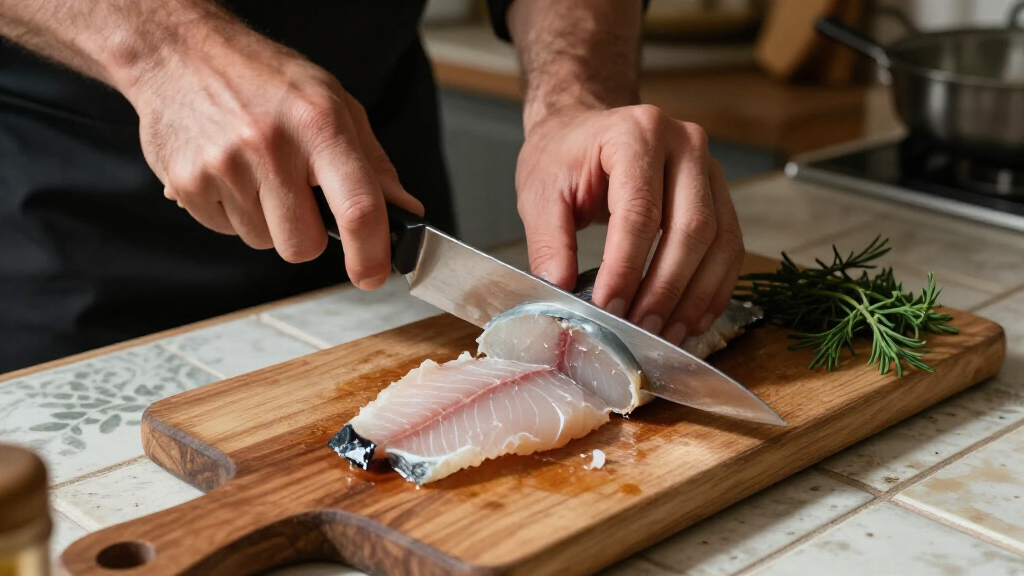
I evaluated each boning knife based on its performance in meat trimming, build quality, blade flexibility, and ease of handling. Durability and edge retention were essential, as well as comfort during extended use. Price was also a factor, with a focus on offering options across different budgets without sacrificing core functionality. The ranking emphasizes versatility for various meat types, from poultry to beef, and considers user reviews highlighting real-world usability. This approach ensures that each selected knife addresses specific needs, from beginners to professional chefs.| boning knife | Handle Material |
|---|---|
| Mercer Culinary Ultimate White | — |
| Victorinox Fibrox 6-Inch Curve | — |
| Victorinox Wood 6" Boning Knif | Maple wood |
| Mercer Culinary Ultimate White | — |
| imarku 6 Inch Fillet Knife | Pakkawood |
| Huusk Curved Boning Knife | — |
| Victorinox Swiss Classic 6-Inc | Fibro Pro |
| Victorinox 6 Inch Curved Fibro | Fibrox Pro |
| Victorinox Fibrox Pro 6-Inch C | — |
| HOSHANHO 7 Inch Fillet Knife | Pakkawood |
| Cutluxe Curved Boning Knife | Pakkawood |
Factors to Consider When Choosing Boning Knives
Choosing the right boning knife involves weighing several key factors. Blade flexibility and shape determine how well the knife can maneuver around bones and joints, making it easier to work efficiently. Blade material impacts sharpness retention and ease of maintenance, so understanding the tradeoffs between high-carbon steel and softer alloys is helpful. Handle design and grip quality influence control and safety, especially when working with slippery, greasy hands. Additionally, size and weight affect comfort during prolonged use. Considering these factors can help prevent common frustrations like dull blades or uncomfortable grips that hinder precision.Blade Flexibility and Shape
Boning knives come with either straight or curved blades, each suited to different tasks. Curved blades excel at maneuvering around bones and joints, making them ideal for fine trimming and filleting. Flexibility is crucial for delicate work, allowing the blade to bend without breaking. A stiffer blade, on the other hand, provides more control for tougher cuts but is less versatile for intricate trimming. Picking the right blade shape depends on the primary meat types you’ll handle and your comfort with maneuvering different blade contours.
Blade Material and Edge Retention
The choice of steel affects how often you’ll need to sharpen your boning knife. High-carbon stainless steel blades are popular for their sharpness and rust resistance, though they may require more careful maintenance. Softer steels are easier to sharpen but tend to dull faster. Consider how much effort you’re willing to invest in maintenance versus performance. A well-made blade from reputable steel can last years if properly cared for, making material selection a key factor in long-term value.
Handle Design and Grip
A comfortable handle improves control and safety, especially during detailed cuts. Non-slip grips and ergonomic shapes reduce fatigue and prevent accidents when working with wet or greasy meat. Material choice—such as rubber, textured plastic, or wood—also affects durability and hygiene. For frequent use, a handle that offers a secure grip without causing hand fatigue is worth prioritizing, even if it slightly increases the price.
Size and Weight
Size impacts maneuverability; most boning knives are around 6 inches, but some extend to 7 inches for larger cuts. Heavier knives can provide more cutting force but may cause fatigue during extended use. Lighter models are easier to handle for beginners or those with less strength. Consider your own comfort level and the typical size of the meat you’ll work with when choosing a size and weight combination.
Price and Value
Budget options can perform surprisingly well, especially for casual use or occasional trimming. However, investing in a mid-range or premium model often translates into longer-lasting blades with better edge retention and more durable handles. Balance your budget with your intended frequency of use and the level of precision you require. Remember, a more expensive knife isn’t always necessary but can be worthwhile for professional or heavy-duty use.
Frequently Asked Questions
How often should I sharpen my boning knife?
The frequency of sharpening depends on how often you use the knife and the hardness of the meat. Typically, a boning knife should be sharpened every few months if used regularly, but you can extend the edge’s life with proper honing and maintenance. If you notice the blade becoming dull or requiring more pressure to cut, it’s time for a sharpening session. Using a honing steel regularly can help maintain the edge between sharpenings, ensuring precise cuts and prolonging blade life.
Is a flexible or stiff boning knife better for home use?
For most home cooks, a flexible boning knife offers greater versatility, especially for tasks like filleting fish or trimming delicate meats. Flexibility allows the blade to follow contours and bones more easily, resulting in cleaner cuts. Stiffer blades are better suited for heavy-duty tasks like trimming thick cuts of meat or deboning larger joints. If your primary focus is on finesse and precision, a flexible model generally provides better control for everyday kitchen tasks.
What is the best steel type for a boning knife?
High-carbon stainless steel is often regarded as the best choice because it combines sharpness, edge retention, and rust resistance. Brands like German and Japanese steel are known for their quality and durability. However, these blades require proper cleaning and drying to prevent corrosion. Softer steels are easier to sharpen but tend to dull faster, making them better suited for occasional use. Ultimately, the best steel depends on your maintenance willingness and usage frequency.
How should I care for my boning knife to keep it in good shape?
Proper care involves hand washing with mild soap and drying immediately afterward to prevent rust and corrosion. Avoid dishwashers, which can damage the handle and dull the blade. Regular honing helps maintain the edge between sharpening sessions. When the blade becomes dull, use a sharpening stone or steel, depending on your skill level. Storing the knife in a proper sheath or knife block also prevents accidental damage and preserves the edge longer.
Can I use a boning knife for other kitchen tasks?
While boning knives are primarily designed for meat deboning and trimming, they can be versatile tools for tasks like filleting fish, peeling, or thin slicing. However, their narrow and curved blades are not ideal for general chopping or heavy-duty cutting like cleavers or chef’s knives. Using a boning knife outside its intended purpose may reduce its lifespan or compromise its performance. For multi-purpose use, select a model with a slightly more robust blade or consider owning separate specialized knives.
Conclusion
For casual home cooks or those new to meat trimming, a flexible and affordable option like the Victorinox Fibrox 6-Inch Curved Boning & Fillet Knife offers excellent value and control. Professional chefs or enthusiasts who prioritize durability and precise cuts may prefer the Mercer Culinary Ultimate White 6-Inch Boning Knife for its well-balanced performance. If budget isn’t a concern, the premium Victorinox Fibrox Pro or specialized Japanese models like the HOSHANHO 7 Inch Fillet Knife cater to those seeking long-lasting sharpness and finesse. Beginners should prioritize comfort and ease of maintenance, while experienced users might focus on blade flexibility and material quality for more demanding tasks.Halloween Picks
halloween
As an affiliate, we earn on qualifying purchases.