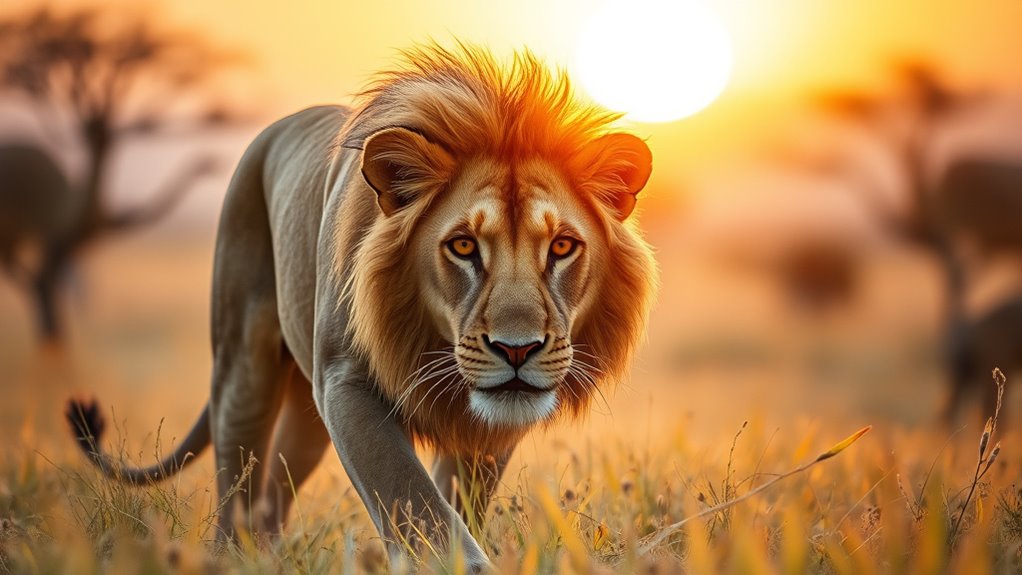

The best camera lens for wildlife balances reach, focusing ease and weight for the animals and conditions you shoot. My best overall pick is the Sony FE 200-600mm f/5.6-6.3 G OSS, which pairs a broad zoom range with reach suited to distant subjects. For Canon RF users, the RF 200-800mm offers exceptional framing flexibility, while the lighter RF 100-400mm is easier to carry and manage. The main tradeoff is between maximum reach and a lens that is lighter, brighter or simpler to handle; camera-mount compatibility also narrows the field. Read on for the full comparison and recommendations by shooting style.

Get audio and creator gear delivered free with Prime
- Fast, free delivery on millions of items
- Prime Video, Amazon Music and more included
- Member-only deals all year
Complete the kit


Key Takeaways
- The Sony 200-600mm is the most balanced long-range choice in this group, but it only suits photographers with a compatible Sony E-mount camera.
- Canon RF 200-800mm zooms offer the longest listed range; the bundle and lens-only listings appear to describe the same core lens, so compare included accessories rather than optical performance.
- The Canon RF 100-400mm prioritizes portability over reach, making it a more approachable wildlife option for hikes and nearby animals than the larger 200-800mm lenses.
- The manual 500mm/1000mm lens is a specialist choice, not a beginner shortcut: fixed manual focusing makes tracking moving wildlife harder than with the autofocus zooms.
- Reach alone does not decide the best lens; mount compatibility, subject distance, carrying comfort and focusing demands separate these picks more than their headline focal lengths.
| Canon RF 100-400mm f/5.6-8 IS USM Lens Bundle |  | Best for Travel and Approachable Wildlife Reach | Lens mount: Canon RF | Focal length: 100-400mm | Maximum aperture: f/5.6-8 | VIEW ON AMAZON | See Our Full Breakdown |
| High-Power 500mm/1000mm f/8 Manual Telephoto Lens for Canon EOS Cameras |  | Best for Patient Manual-Focus Shooters | Lens mount: Canon EF | Focal length: 500mm or 1000mm | Maximum aperture: f/8 | VIEW ON AMAZON | See Our Full Breakdown |
| Sony FE 200-600mm f/5.6-6.3 G OSS Super Telephoto Zoom Lens |  | Best for Sony Wildlife Photographers | Lens mount: Sony E | Focal length: 200-600mm | Maximum aperture: f/5.6-6.3 | VIEW ON AMAZON | See Our Full Breakdown |
| Canon RF 200-800mm f/6.3-9 IS USM Lens Bundle | 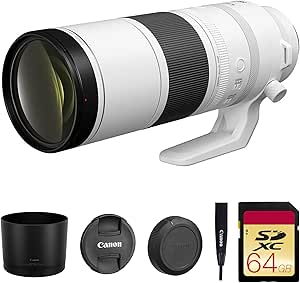 | Best Bundle for Distant Wildlife | Lens mount: Canon RF | Focal length: 200-800mm | Maximum aperture: f/6.3-9 | VIEW ON AMAZON | See Our Full Breakdown |
| Canon RF 200-800mm F6.3-9 IS USM Lens |  | Best for Maximum Canon RF Reach | Lens mount: Canon RF | Focal length: 200-800mm | Maximum aperture: f/6.3-9 | VIEW ON AMAZON | See Our Full Breakdown |
| Canon RF100-400mm F5.6-8 IS USM Lens |  | Best Lightweight Wildlife Zoom | Focal length: 100-400mm | Maximum aperture: F5.6-8 | Lens mount: Canon RF | VIEW ON AMAZON | See Our Full Breakdown |
| camera lenses for wildlife | Lens mount | Focal length | Maximum aperture | Image stabilization |
|---|---|---|---|---|
| Canon RF 100-400mm f/5.6-8 IS | Canon RF | 100-400mm | f/5.6-8 | Up to 5.5 stops; up to 6 stops with compatible cameras |
| High-Power 500mm/1000mm f/8 Ma | Canon EF | 500mm or 1000mm | f/8 | — |
| Sony FE 200-600mm f/5.6-6.3 G | Sony E | 200-600mm | f/5.6-6.3 | Optical |
| Canon RF 200-800mm f/6.3-9 IS | Canon RF | 200-800mm | f/6.3-9 | Optical |
| Canon RF 200-800mm F6.3-9 IS U | Canon RF | 200-800mm | f/6.3-9 | Up to 5.5 stops |
| Canon RF100-400mm F5.6-8 IS US | Canon RF | 100-400mm | F5.6-8 | Up to 6 stops with EOS R series cameras |
More Details on Our Top Picks
Canon RF 100-400mm f/5.6-8 IS USM Lens Bundle
The 100-400mm range makes this Canon a practical choice for wildlife photographers who want a lighter, more flexible setup for hikes and nearby subjects. At 2 pounds, it is easier to carry than the Sony FE 200-600mm or either 200-800mm Canon, though it gives up reach when birds or mammals stay far away. Its Nano USM autofocus and optical stabilization help with moving subjects and handheld shooting, while close focusing adds flexibility for smaller nearby wildlife. The main compromise is the f/5.6-8 aperture: dim forests and dawn activity can call for higher ISO or slower shutter speeds. This bundle is a more portable wildlife entry point than the longer zooms, not a substitute for their distant-subject reach.
Pros:- 2-pound weight is easier to carry on long walks than the longer super-telephoto zooms.
- 100-400mm range suits a mix of nearby animals and more distant subjects.
- Optical stabilization supports handheld shooting.
- Nano USM autofocus is designed for fast, quiet focusing.
Cons:- 400mm falls short of the 600mm Sony and 800mm Canon options for distant wildlife.
- The f/5.6-8 maximum aperture can limit shutter speed in dim conditions.
- The listed bundle accessories add carrying convenience but do not improve the lens’s reach or low-light capability.
Best for: Canon RF owners who hike, travel, and photograph wildlife at moderate distances, especially those prioritizing a manageable kit.
Not ideal for: Bird photographers who regularly need 600-800mm reach, or wildlife shooters who work mainly in low light.
- Lens mount:Canon RF
- Focal length:100-400mm
- Maximum aperture:f/5.6-8
- Image stabilization:Up to 5.5 stops; up to 6 stops with compatible cameras
- Autofocus:Nano USM
- Weight:2 pounds
- Close focusing:0.41x magnification at 400mm
- Included accessories:64GB memory card, camera bag, lens cap, dust cap
Our verdict“Choose this bundle for a relatively light Canon RF wildlife setup when portability matters more than extreme reach.”
High-Power 500mm/1000mm f/8 Manual Telephoto Lens for Canon EOS Cameras
This lens offers a specialized route to 500mm or 1000mm framing for Canon EF users who can work slowly and focus by hand. That reach can bring distant wildlife into the frame where the Canon RF 100-400mm may leave a subject small, but the comparison comes with a major usability gap: this lens has manual focus and no image stabilization. Tracking a bird in flight or following an animal through brush is much harder than with the autofocus Sony FE 200-600mm or Canon RF 200-800mm. Its f/8 aperture also gives little room for faster shutter speeds in poor light. I would treat it as a niche option for stationary subjects, careful manual work, or a budget-conscious setup—not as the easiest general-purpose wildlife lens.
Pros:- 500mm and 1000mm options provide substantial reach for distant subjects.
- Manual focus gives deliberate control when the subject is stationary.
- At 1.5 pounds, it weighs less than the Sony FE 200-600mm and Canon 200-800mm lenses.
- Multi-coated optics are specified.
Cons:- Manual focus makes fast-moving wildlife difficult to track.
- No image stabilization is listed, increasing the challenge of handheld use at long focal lengths.
- Fixed f/8 aperture limits flexibility in changing or dim light.
- Not water resistant, which is a concern for outdoor wildlife work.
Best for: Canon EF photographers who mostly photograph stationary or slow-moving wildlife and are comfortable focusing manually, often with camera support.
Not ideal for: Beginners, action-focused wildlife photographers, and anyone who needs stabilization or dependable autofocus for moving subjects.
- Lens mount:Canon EF
- Focal length:500mm or 1000mm
- Maximum aperture:f/8
- Focus type:Manual
- Lens design:Prime
- Lens coating:Multi-coated
- Weight:1.5 pounds
- Water resistance:Not water resistant
Our verdict“Pick this only if you value long reach and can accept manual focus, no stabilization, and a narrow f/8 aperture.”
Sony FE 200-600mm f/5.6-6.3 G OSS Super Telephoto Zoom Lens
For Sony E shooters, the 200-600mm range is a strong middle ground between the shorter Canon RF 100-400mm and the more reach-focused Canon RF 200-800mm. Starting at 200mm gives room to frame closer wildlife, while 600mm helps when subjects are distant; that flexibility is more useful for varied outings than the manual 500mm/1000mm lens, which demands hands-on focus. Autofocus and optical stabilization make this a more practical choice for tracking wildlife, and its f/5.6-6.3 maximum aperture is brighter at the long end than the RF 200-800mm’s f/9. The tradeoff is carrying 4.7 pounds, especially on long hikes, and the listed aperture still leaves low-light action challenging. Its mount also limits it to compatible Sony E cameras.
Pros:- 200-600mm zoom range balances framing flexibility and long-distance reach.
- Autofocus is better suited to moving wildlife than the manual-focus 500mm/1000mm option.
- Optical stabilization helps manage camera shake.
- f/5.6-6.3 maximum aperture is wider at the long end than the Canon RF 200-800mm’s f/9.
Cons:- 4.7-pound weight can be tiring during extended handheld sessions.
- 600mm provides less maximum reach than the Canon RF 200-800mm.
- The f/5.6-6.3 aperture can still constrain shutter speeds in low light.
- Designed for Sony E mount rather than Canon RF or EF cameras.
Best for: Sony E-mount wildlife photographers who need autofocus, stabilization, and useful reach for birds and mammals at varied distances.
Not ideal for: Hikers seeking a light kit, photographers who need 800mm reach, or Canon RF users.
- Lens mount:Sony E
- Focal length:200-600mm
- Maximum aperture:f/5.6-6.3
- Image stabilization:Optical
- Focus type:Autofocus
- Weight:4.7 pounds
- Zoom ratio:3:1
- Warranty:1 year
Our verdict“Choose this for a Sony E body when 600mm reach, autofocus, and stabilization matter more than keeping the kit light.”
Canon RF 200-800mm f/6.3-9 IS USM Lens Bundle
The bundle’s strongest wildlife argument is 800mm reach: it gives Canon RF photographers more framing power for wary animals and distant birds than the RF 100-400mm or Sony FE 200-600mm. A 4x zoom, optical stabilization, and USM autofocus make it more adaptable than the manual 500mm/1000mm lens for subjects that move or change distance. The included hood, caps, strap, and memory card make this a ready-to-pack kit, though those accessories do not solve the main limitation: the f/6.3-9 aperture can make dim light and fast action demanding, especially near 800mm. Compared with the standalone Canon RF 200-800mm in this list, the core lens specifications are the same; the distinction is the accessory bundle, not added optical capability.
Pros:- 800mm maximum focal length helps frame distant wildlife more tightly than the 600mm Sony.
- Optical stabilization and USM autofocus support handheld shooting and moving subjects.
- 200-800mm range covers a broad set of wildlife distances.
- Bundle includes a lens hood, caps, strap, and 64GB SDXC memory card.
Cons:- f/6.3-9 maximum aperture can make low-light wildlife and fast shutter speeds difficult.
- The long reach and lens size may call for a sturdy support during extended sessions.
- The listed details do not specify weight, making carrying comparisons less certain.
- Compared with the standalone Canon RF 200-800mm, the bundle adds accessories rather than a different lens.
Best for: Canon RF wildlife photographers who often shoot distant subjects and want the listed accessories included with the lens.
Not ideal for: Photographers working mainly at dawn, dusk, or in shaded habitats, and buyers who prefer a lighter lens for long handheld sessions.
- Lens mount:Canon RF
- Focal length:200-800mm
- Maximum aperture:f/6.3-9
- Image stabilization:Optical
- Autofocus:USM
- Zoom ratio:4x
- Angle of view:1.25°
- Included items:ET-101 lens hood, E-95 lens cap, dust cap, strap, 64GB SDXC memory card
Our verdict“Choose this bundle if you shoot distant wildlife on a Canon RF camera and want the included accessories, while accepting the slow aperture.”
Canon RF 200-800mm F6.3-9 IS USM Lens
For Canon RF owners who need to fill the frame with distant wildlife, this 200-800mm zoom offers the greatest listed reach among the autofocus lenses here. It extends beyond the Sony FE 200-600mm and the Canon RF 100-400mm, while keeping autofocus and stabilization in the toolkit—an easier combination for moving wildlife than the manual 500mm/1000mm lens. The listed 5.5-stop stabilization can help control camera shake, but it cannot freeze a moving animal, and the f/6.3-9 aperture can make that a real challenge in dim conditions. At about 4.5 pounds, it is not a light walk-around lens; the bundled Canon version has the same stated focal range and aperture, so this pick suits buyers who want the lens itself rather than the listed accessory package.
Pros:- 800mm maximum reach exceeds the 600mm Sony and 400mm Canon options.
- 5.5-stop optical stabilization helps reduce camera shake.
- Autofocus and manual focus options offer flexibility in different shooting situations.
- Compatible with Canon RF 1.4x and 2x extenders, according to the supplied product data.
Cons:- About 4.5 pounds can make prolonged handheld use tiring.
- The f/6.3-9 maximum aperture is a drawback for dim habitats and fast-moving subjects.
- Not water resistant, according to the supplied product data.
- The bundle version adds accessories, while the core lens specifications are the same.
Best for: Canon RF birders and wildlife photographers who need 800mm framing and are willing to carry a substantial lens.
Not ideal for: Photographers who prioritize low-light action, a lightweight hiking kit, or an included accessory bundle.
- Lens mount:Canon RF
- Focal length:200-800mm
- Maximum aperture:f/6.3-9
- Minimum aperture:f/54
- Image stabilization:Up to 5.5 stops
- Weight:About 4.5 pounds
- Focus type:Autofocus/manual focus
- Filter size:9.5 centimeters
- Diaphragm blades:9
Our verdict“Pick this standalone lens for maximum reach on a Canon RF body if you can manage its weight and slow maximum aperture.”
Canon RF100-400mm F5.6-8 IS USM Lens
I’d choose the Canon RF100-400mm for wildlife outings where carrying a large telephoto matters as much as reaching distant subjects. Its 100-400mm range handles nearby animals and moderate-distance sightings without the bulk of the RF 200-800mm, though that longer lens is better when wildlife stays far away. The 100mm short end also makes this Canon more flexible for travel and larger animals than a super-telephoto zoom.
Up to 6 stops of stabilization can help steady handheld framing, while Nano USM autofocus is designed for fast, quiet focusing. The tradeoff is its F5.6-8 maximum aperture: in dim forests or at dawn, it gives less light than faster glass, so higher ISO or slower shutter speeds may be needed. The supplied data also gives no water-resistance rating, making wet-weather protection a separate concern.
Pros:- 100-400mm range covers both closer subjects and moderate-distance wildlife
- Compact, lightweight design is suited to long walks and travel
- Image stabilization offers up to 6 stops of correction with EOS R cameras
- Nano USM autofocus is fast and quiet
Cons:- F5.6-8 maximum aperture restricts light in dim conditions
- 400mm maximum reach may fall short for distant or wary animals
- No water-resistance rating is provided
Best for: Canon EOS R photographers who want a relatively portable zoom for daytime wildlife, travel, and animals at moderate distances.
Not ideal for: Wildlife photographers who regularly shoot at dawn, dusk, in dense shade, or across long distances; the slow maximum aperture and 400mm reach are limiting compared with longer alternatives such as the Canon RF 200-800mm.
- Focal length:100-400mm
- Maximum aperture:F5.6-8
- Lens mount:Canon RF
- Lens type:Telephoto zoom
- Image stabilization:Up to 6 stops with EOS R series cameras
- Minimum focusing distance:2.89 feet at 200mm
- Filter size:6.7 cm
- Compatible cameras:Canon EOS R5, EOS R6, EOS R, EOS RP
Our verdict“Choose this Canon for a portable, versatile wildlife zoom in good light, but pick a longer or faster lens if distant subjects or low-light shooting are routine.”

How We Picked
I ranked these camera lenses for wildlife by how well their reach, focusing approach and carrying demands suit real wildlife situations. I gave weight to zoom flexibility for changing subject distances, autofocus availability for moving animals, and whether the listed lens can serve as a practical everyday wildlife setup. Mount compatibility matters just as much as specifications: a strong lens is not a useful choice if it does not fit the buyer’s camera system.
The Sony 200-600mm leads for its balance of long reach and zoom versatility, while the Canon RF 200-800mm options stand out for photographers who prioritize maximum framing range on RF bodies. The lighter RF 100-400mm models rank well for portability and value, but they give up distant reach. I place the manual 500mm/1000mm lens lower because focusing on moving wildlife demands more skill and patience. Since the two RF 200-800mm listings share the same core lens designation, I treat them as one optical option and distinguish them by bundle contents, not presumed image-quality differences.
| camera lenses for wildlife | Lens mount | Maximum aperture | Image stabilization | Focus type |
|---|---|---|---|---|
| Canon RF 100-400mm f/5.6-8 IS | Canon RF | f/5.6-8 | Up to 5.5 stops; up to 6 stops with compatible cameras | — |
| High-Power 500mm/1000mm f/8 Ma | Canon EF | f/8 | — | Manual |
| Sony FE 200-600mm f/5.6-6.3 G | Sony E | f/5.6-6.3 | Optical | Autofocus |
| Canon RF 200-800mm f/6.3-9 IS | Canon RF | f/6.3-9 | Optical | — |
| Canon RF 200-800mm F6.3-9 IS U | Canon RF | f/6.3-9 | Up to 5.5 stops | Autofocus/manual focus |
| Canon RF100-400mm F5.6-8 IS US | Canon RF | F5.6-8 | Up to 6 stops with EOS R series cameras | — |
Factors to Consider When Choosing Camera Lenses For Wildlife
Wildlife lens choice is less about chasing the biggest focal-length number and more about matching the lens to your camera, subjects and shooting habits. These factors can help you avoid paying for reach you cannot use or choosing a lens that makes long outings tiring.
Match the Lens Mount Before Comparing Features
Start with the exact camera body and lens mount, then check compatibility with the manufacturer’s specifications. The Sony FE 200-600mm belongs to Sony E-mount systems, while the RF options are made for Canon RF cameras; the manual telephoto listing is described for Canon EOS cameras, so confirm the specific mount and body compatibility before ordering. A lens that does not fit directly may require an adapter, and autofocus or stabilization behavior can vary by camera and adapter combination. Do not assume that Canon EOS wording means a lens fits every Canon digital body. Once compatibility is clear, compare reach and handling among the lenses that actually fit.
Choose Reach for Your Typical Subject Distance
Longer focal lengths can make distant animals fill more of the frame, but they do not make every wildlife photo better. In woodland or at a feeder, a very long lens may make it harder to locate a nearby, moving subject; a zoom range gives room to widen the view. For birds across open water or mammals that stay far from people, extra reach can be more useful. Think about where you tend to shoot and whether you can approach subjects responsibly, rather than buying only for a rare faraway sighting. A lens that fits common encounters often gets used more than one chosen for maximum reach alone.
Treat Maximum Aperture as a Low-Light Tradeoff
A lens with a wider maximum aperture can gather more light, which helps when wildlife is active at dawn, dusk or under a dense canopy. The RF 100-400mm and both long-range zoom families have variable maximum apertures, so the available light changes as you zoom. In dim conditions, that can mean raising ISO or using a slower shutter speed, with the latter risking motion blur on animals. Image stabilization can reduce camera shake but cannot freeze a bird in flight or a running mammal. If your wildlife hours are mostly bright daylight, reach and manageable handling may matter more than a brighter aperture.
Be Realistic About Autofocus and Manual Focusing
Autofocus is a major aid when subjects move unpredictably, especially for birds in flight or animals crossing a field. A manual lens can suit deliberate, stationary subjects, but the photographer must focus while also tracking movement and composing the frame. That workload makes manual focusing a poor first choice for many beginners, even when the focal length looks appealing. Before choosing a manual option, ask whether your subjects hold still long enough for careful focusing and whether your camera’s focus aids fit your workflow. For action, prioritize a compatible autofocus lens and practice tracking with your camera body.
Account for Weight and the Way You Shoot
A long lens can be demanding to carry and hold, particularly on hikes or during extended handheld sessions. Compare the full kit weight, including the camera body and any support you plan to use, rather than judging the lens in isolation. A lighter zoom such as the RF 100-400mm may be easier to bring along, while a longer lens can call for steadier technique or a monopod. Support adds its own weight and slows quick repositioning, so it is not a free solution. The best balance is the longest reach you can comfortably carry and deploy for the time you spend outdoors.
Check What a Bundle Actually Adds
Bundle listings may include accessories, but the word “bundle” alone does not tell you whether those extras are useful or compatible. Compare the included items against the lens-only listing and check whether they support your actual shooting needs, such as carrying or cleaning the lens. Do not assume a bundle contains a different optical design when the model name matches the standalone lens. Accessories should not outweigh lens fit, focusing method or reach in the decision. If the extras are items you would not use, the simpler listing may be the clearer choice.
Frequently Asked Questions
Which lens in this roundup makes the most sense for a first wildlife setup?
For a beginner with a Canon RF camera, the RF 100-400mm is the more approachable starting point because it is a zoom and is easier to carry than the longer RF 200-800mm options. Its shorter maximum reach can limit framing for distant birds, so it is not the best fit for every habitat. A Sony E-mount owner seeking distant subjects may prefer the autofocus zoom range of the Sony 200-600mm instead. The manual 500mm/1000mm option demands more focusing practice and is a less forgiving first wildlife lens. Choose based on your camera mount and where you expect to photograph animals most often.
Should I choose the Canon RF 200-800mm bundle or the lens-only listing?
The two listings identify the same RF 200-800mm f/6.3-9 IS USM lens, so the model name alone does not indicate a difference in the core lens. Check the exact bundle contents and confirm that any included accessories suit your camera bag and shooting routine. If the extras are useful, a bundle may save you from sourcing them separately; if not, they should not drive the choice. Also verify the seller’s listing details and included items before buying. For optical and focal-range decisions, treat these as the same lens option.
Is the 500mm/1000mm manual lens a good choice for photographing birds in flight?
It is generally a challenging choice for birds in flight because manual focusing adds another task while the subject moves quickly. The fixed telephoto approach also gives less framing flexibility than the autofocus zooms in this roundup. A skilled photographer may still use it for predictable subjects or deliberate manual-focus work, but that is a narrower use case. For fast action, an autofocus lens compatible with your camera is usually a more practical path. Check the exact lens mount and focusing features before deciding.
Will the RF 100-400mm give me enough reach for wildlife?
It can be enough for larger animals at moderate distances, nearby wildlife and situations where you can photograph from a responsible position without disturbing the subject. Small birds or animals far across a field may appear too small in the frame, especially if cropping heavily is not part of your plan. The lens’s shorter reach is the tradeoff for a more portable setup compared with the RF 200-800mm. Consider the distances you commonly encounter rather than an occasional ideal scenario. If distant subjects are your main target, a longer zoom is a better match.
Can I use the Sony 200-600mm or Canon RF lenses on a camera from another brand?
Do not assume cross-brand compatibility: the Sony FE 200-600mm is designed for Sony E-mount, and Canon RF lenses are designed for Canon RF camera bodies. Adapters may exist for some combinations, but they can affect autofocus, stabilization, electronic communication or physical fit. Compatibility depends on the exact lens, adapter and camera body, so check the manufacturers’ guidance before purchasing. The manual telephoto listing also needs a precise mount check because “Canon EOS” can refer to different camera generations and mounts. Confirm fit and supported functions first, then compare image-making features.
Conclusion
For the broadest balance of reach and zoom flexibility, my best overall pick is the Sony FE 200-600mm for photographers with a compatible Sony E-mount body. My best value and best beginner choice for Canon RF users is the RF 100-400mm, especially for daylight outings and closer wildlife where portability counts. For a best premium reach-focused choice, the Canon RF 200-800mm gives RF photographers the widest listed range, with the bundle versus lens-only decision based on included extras. The manual 500mm/1000mm lens is best for specific needs: patient photographers comfortable focusing by hand on slower or stationary subjects. Match the lens to your camera mount and typical subject distance first; that will narrow this lineup more reliably than choosing by focal length alone.