Choosing the right aerial camera platform changes how you tell visual stories on a limited budget. The DJI Mini 5 Pro Fly More Combo stands out as the best overall pick for its balance of 1-inch sensor quality and sub-249g weight, making it legal in many regions without heavy registration. For those needing immersive 360-degree footage, the DJI Avata 360 offers unique creative angles that traditional drones cannot capture. Budget-conscious creators should look at the DJI Mini 4K, which delivers respectable resolution without the premium price tag. The main tradeoff in this category is between portability and sensor size: smaller drones are easier to carry but struggle in low light. Keep reading to see which model fits your specific production needs.

Get audio and creator gear delivered free with Prime
- Fast, free delivery on millions of items
- Prime Video, Amazon Music and more included
- Member-only deals all year
Complete the kit


Key Takeaways
- Sub-249g weight is the single biggest differentiator for indie creators, as it bypasses strict registration laws in many countries and reduces insurance hurdles.
- The DJI Mini 5 Pro bridges the gap between compact form factors and professional 1-inch sensor performance, making it the most versatile tool for solo operators.
- 360-degree cameras like the Avata 360 require post-production reframing, which adds editing time but unlocks impossible camera moves in tight spaces.
- Screen controllers (like the DJI RC 2) are highly recommended for indie work because they eliminate the need to tether a phone, reducing setup friction on location.
- Budget drones under $500 often sacrifice gimbal stability and low-light performance, making them suitable for daylight b-roll but risky for professional deliverables.
| DJI Mini 4K Drone with 4K UHD Camera (Under 249 g) |  | Best for Legal Simplicity and Entry-Level Filmmaking | Weight: < 249 g | Camera Resolution: 4K Ultra HD | Gimbal: 3-axis | VIEW ON AMAZON | See Our Full Breakdown |
| DCX Volo X EZ AI Drone – Drone with 4K Camera & 360° Obstacle Avoidance |  | Best for Safety-Focused Beginners | Camera Resolution: 4K | Obstacle Avoidance: 360° LiDAR | Flight Time: 47 minutes | VIEW ON AMAZON | See Our Full Breakdown |
| SKYROVER X1 Drone with Screen Controller |  | Best Value for Extended Flight Time | Video Resolution: 4K/60fps HDR | Photo Resolution: 48 MP | Weight: 249 g | VIEW ON AMAZON | See Our Full Breakdown |
| DJI Mini 5 Pro Fly More Combo with DJI RC 2 | 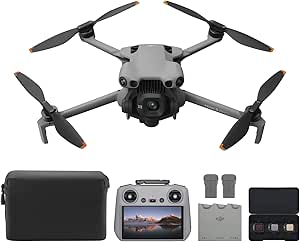 | Best Overall for Professional Indie Filmmakers | Weight: 249 g | Video Capture Resolution: 4K/60fps HDR | Sensor: 1-inch CMOS | VIEW ON AMAZON | See Our Full Breakdown |
| GPS Drone with 4K Camera and Screen Controller |  | Best Ultra-Budget Starter Option | Camera Resolution: 4K UHD | Controller: 4.5-inch HD Screen | Flight Time: 60 Minutes (Total) | VIEW ON AMAZON | See Our Full Breakdown |
| DJI Mini 5 Pro Fly More Combo Camera Drone with RC 2 Controller |  | Best for Regulatory-Compliant Travel | Weight: 8.8 ounces (under 249g) | Camera Sensor: 1-inch 50MP CMOS | Video Resolution: 4K at 120fps | VIEW ON AMAZON | See Our Full Breakdown |
| DJI Avata 360 Fly More Combo (RC 2), 8K 360° Camera Drone |  | Best for Immersive 360° Storytelling | Video Resolution: 8K/60fps HDR 360° | Still Resolution: 120MP 360° Photo | Transmission Range: 20 km | VIEW ON AMAZON | See Our Full Breakdown |
| DJI Air 3S Fly More Combo (RC‑2 Screen Remote Controller) – 4K Drone |  | Best for Versatile Aerial Cinematography | Max Flight Time: 45 minutes | Camera Sensor: 1″ CMOS | Video Resolution: 4K/60fps HDR | VIEW ON AMAZON | See Our Full Breakdown |
| drones for indie filmmaker | Weight | Transmission Range | Flight Time | Controller |
|---|---|---|---|---|
| DJI Mini 4K Drone with 4K UHD | < 249 g | 10 km | — | — |
| DCX Volo X EZ AI Drone | 14.4 ounces | — | 47 minutes | Smart Remote with Touch Screen |
| SKYROVER X1 Drone with Screen | 249 g | 9.32 miles | 96 minutes (3 batteries) | 5.5" HD Touchscreen |
| DJI Mini 5 Pro Fly More Combo | 249 g | — | 52 min per battery | DJI RC 2 |
| GPS Drone with 4K Camera and S | 220 g | — | 60 Minutes (Total) | 4.5-inch HD Screen |
| DJI Mini 5 Pro Fly More Combo | 8.8 ounces (under 249g) | 20 km | — | — |
| DJI Avata 360 Fly More Combo | — | 20 km | — | — |
| DJI Air 3S Fly More Combo | — | 20 km | — | — |
More Details on Our Top Picks
DJI Mini 4K Drone with 4K UHD Camera (Under 249 g)
This drone stands out because it eliminates FAA registration for most recreational flights, a significant logistical advantage for indie filmmakers shooting on location. While the DJI Mini 5 Pro offers a larger sensor and better low-light performance, the DJI Mini 4K provides a compelling balance of 4K Ultra HD video and portability without the regulatory headache. The 3-axis gimbal ensures smooth footage, though the Level 5 wind resistance is a clear limitation compared to heavier models. It is not the highest quality option in this lineup, but for creators prioritizing ease of use and legal compliance, it removes barriers that often stall small productions.
Pros:- Under 249g weight avoids FAA registration requirements
- 4K Ultra HD video with a 3-axis gimbal
- Beginner-friendly one-tap controls and QuickShots
Cons:- Limited wind resistance (Level 5) affects stability in breezy conditions
- DJI Fly app requires manual download from the website
- Single battery flight time is only 31 minutes
Best for: Filmmakers who need a reliable, registration-free drone for daytime shoots in calm weather conditions.
Not ideal for: Creators who frequently shoot in windy environments or require high-end low-light capabilities.
- Weight:< 249 g
- Camera Resolution:4K Ultra HD
- Gimbal:3-axis
- Maximum Flight Time:31 min (single battery)
- Transmission Range:10 km
- Wind Resistance:Level 5 (38 kph)
- Battery Options:1, 2, or 3 battery sets
Our verdict“This is the ideal starting point for filmmakers who want 4K quality without navigating complex drone regulations.”
DCX Volo X EZ AI Drone – Drone with 4K Camera & 360° Obstacle Avoidance
The DCX Volo X EZ prioritizes collision avoidance over raw image quality, making it a safer choice for novices than the more advanced DJI Mini 5 Pro. Its LiDAR-powered 360° obstacle detection actively prevents crashes, a feature that can save expensive equipment during the learning curve. However, this safety net comes with tradeoffs; the 4K camera lacks the dynamic range and color science found in DJI models, and the 47-minute flight time is impressive but paired with a less refined transmission system. It is a tool for those who fear losing their drone more than they fear mediocre footage.
Pros:- 360° LiDAR obstacle avoidance for enhanced safety
- AI-assisted features like Follow Me simplify complex shots
- Extended 47-minute flight time with 6000mAh battery
- Includes smart remote with built-in touch screen
Cons:- Image quality lags behind industry leaders like DJI
- Foam padding under camera must be removed manually to avoid damage
- Less refined transmission compared to established brands
Best for: Novice pilots who prioritize crash prevention and easy AI-assisted flight controls over cinematic image quality.
Not ideal for: Professional filmmakers who require accurate color grading and robust transmission stability in crowded areas.
- Camera Resolution:4K
- Obstacle Avoidance:360° LiDAR
- Flight Time:47 minutes
- Battery Capacity:6000 mAh
- Controller:Smart Remote with Touch Screen
- Weight:14.4 ounces
- Max Range:4 miles
Our verdict“Choose this drone if you are terrified of crashing and value automated safety features over professional-grade optics.”
SKYROVER X1 Drone with Screen Controller
The SKYROVER X1 attempts to undercut premium competitors by bundling a 5.5-inch HD touchscreen controller and three batteries, offering a total of 96 minutes of flight. This is a significant advantage over the DJI Mini 4K, which requires buying extra batteries separately. The 4K/60fps HDR video and 48MP photos are competitive on paper, but the brand’s lack of established software ecosystem means post-production workflows may be less seamless. It is a high-spec package for the budget, but the marketing inconsistencies regarding resolution claims suggest buyers should verify real-world output before committing to a major production.
Pros:- Includes 5.5-inch HD touchscreen controller
- 96 minutes total flight time with three batteries
- Under 249g weight for travel convenience
- 360° obstacle avoidance included
Cons:- Marketing claims may not align with actual sensor capabilities
- Less established software support compared to DJI
- Brand reliability is unproven in professional settings
Best for: Budget-conscious creators who need long total flight times and an integrated controller without buying accessories.
Not ideal for: Users who rely on a mature software ecosystem for editing and reliable long-range transmission.
- Video Resolution:4K/60fps HDR
- Photo Resolution:48 MP
- Weight:249 g
- Transmission Range:9.32 miles
- Flight Time:96 minutes (3 batteries)
- Controller:5.5″ HD Touchscreen
- Sensor:1/1.32″ CMOS
Our verdict“This drone offers exceptional hardware value for the price, provided you accept the risks of a newer, less proven brand.”
DJI Mini 5 Pro Fly More Combo with DJI RC 2
The DJI Mini 5 Pro represents the current pinnacle of sub-250g drone technology, offering a 1-inch CMOS sensor that dramatically outperforms the DJI Mini 4K in low-light scenarios. Its omnidirectional obstacle sensing and 225° gimbal allow for creative angles and safer flights in tight spaces, which is critical for narrative filmmaking. While the limited 42GB internal storage is a drawback requiring frequent offloading, the 52-minute flight time and superior image quality justify the investment for serious creators. It is the most capable tool for indie filmmakers who need professional results without a commercial pilot license.
Pros:- 1-inch CMOS sensor for superior low-light performance
- Omnidirectional obstacle sensing for safe complex flights
- 52-minute flight time per battery
- 225° gimbal rotation for unique creative angles
Cons:- Limited 42GB internal storage requires frequent management
- Higher cost compared to entry-level sub-250g drones
- App availability issues on some Android devices
Best for: Serious indie filmmakers who need professional-grade image quality, low-light performance, and advanced creative controls.
Not ideal for: Casual users who do not need high-end dynamic range or are on a strict entry-level budget.
- Weight:249 g
- Video Capture Resolution:4K/60fps HDR
- Sensor:1-inch CMOS
- Flight Time:52 min per battery
- Obstacle Sensing:Omnidirectional
- Gimbal:225° flexible
- Controller:DJI RC 2
Our verdict“This is the definitive choice for indie filmmakers who demand the highest possible quality within the sub-250g weight class.”
GPS Drone with 4K Camera and Screen Controller
This generic GPS drone targets the lowest end of the market, offering 4K UHD video and a 4.5-inch screen controller at an accessible price point. Compared to the DCX Volo X EZ, it lacks sophisticated obstacle avoidance and AI features, relying instead on basic GPS stability. The 60-minute total flight time is decent for the cost, but the 4GB SD card is woefully insufficient for 4K recording, forcing immediate upgrades. It serves as a disposable learning tool for absolute beginners who want to understand flight mechanics before investing in the DJI Mini series.
Pros:- Built-in screen controller eliminates smartphone dependency
- Under 249g weight avoids FAA registration
- 60 minutes total flight time with two batteries
- Lowest entry cost in this roundup
Cons:- 4GB SD card is inadequate for 4K video
- No advanced obstacle avoidance systems
- Image quality is significantly lower than branded competitors
Best for: Hobbyists and students testing their interest in aerial videography with minimal financial risk.
Not ideal for: Filmmakers who need reliable image quality, sufficient storage, or advanced flight safety features.
- Camera Resolution:4K UHD
- Controller:4.5-inch HD Screen
- Flight Time:60 Minutes (Total)
- Weight:220 g
- Motor Type:Brushless
- Storage:4GB SD Card Included
- Battery:2x 1600mAh Li-Ion
Our verdict“Buy this only if you are experimenting with drone flying for the first time and do not expect professional results.”
DJI Mini 5 Pro Fly More Combo Camera Drone with RC 2 Controller
This drone occupies a unique niche for filmmakers who need professional imaging without regulatory hurdles. At just 8.8 ounces, it stays under the 249g threshold common in many countries, avoiding registration requirements that plague heavier models like the DJI Air 3S. The 1-inch 50MP CMOS sensor delivers 4K/120fps video with exceptional dynamic range, making it suitable for both cinematic b-roll and slow-motion sequences. While the plastic composite body feels less robust than metal-framed competitors, the tradeoff enables portability that is critical for solo creators. The included RC 2 controller and four batteries provide a complete workflow, though the bulk of the Fly More Combo kit requires careful packing compared to the more compact DJI Avata 360.
Pros:- Stays under 249g weight limit, bypassing registration in many regions
- 1-inch sensor provides superior low-light performance for a mini drone
- Fly More Combo includes four batteries and a charging hub for extended shoots
Cons:- Plastic construction feels less durable than aluminum-framed drones
- Large bundle footprint requires more luggage space than standard kits
Best for: Solo travel filmmakers and international creators who need to avoid registration laws while maintaining 1-inch sensor image quality.
Not ideal for: Studio-based productions or creators who prioritize ruggedness and wind resistance over portability and weight limits.
- Weight:8.8 ounces (under 249g)
- Camera Sensor:1-inch 50MP CMOS
- Video Resolution:4K at 120fps
- Transmission Range:20 km
- Aperture:f/1.8
- Included Accessories:RC 2 Controller, 4 Batteries, Charging Hub, Backpack, ND Filters
Our verdict“The best choice for indie filmmakers who need professional image quality but must comply with strict drone weight regulations.”
DJI Avata 360 Fly More Combo (RC 2), 8K 360° Camera Drone
Where traditional drones like the DJI Mini 5 Pro offer fixed perspectives, the Avata 360 redefines framing by capturing 8K/60fps HDR 360° video in a single take. This allows editors to reframe shots in post-production, eliminating the need for multiple passes and complex piloting. The integrated propeller guards and omnidirectional obstacle sensing make it safer for indoor or tight-space filming than the more fragile Air 3S. However, the plastic body and specialized flight dynamics require a learning curve. It is not a direct replacement for standard aerial cinematography but serves as a specialized tool for creating dynamic, immersive content that standard drones cannot achieve.
Pros:- Captures 8K 360° video, allowing infinite reframing in post-production
- Integrated propeller guards enable safer indoor and tight-space flying
- Dual-mode capability switches between 360° and traditional 4K/60fps filming
Cons:- Requires specialized editing workflow to handle 360° footage effectively
- Plastic construction and propeller guards add bulk compared to streamlined drones
Best for: Creators producing immersive VR content, real estate tours, or dynamic action sequences where post-production reframing is valuable.
Not ideal for: Filmmakers who only need standard horizontal aerial shots and prefer traditional, familiar drone flight controls.
- Video Resolution:8K/60fps HDR 360°
- Still Resolution:120MP 360° Photo
- Transmission Range:20 km
- Safety Features:Integrated Propeller Guard & Omnidirectional Obstacle Sensing
- Battery Capacity:2700 mAh
- Included Accessories:DJI RC 2, Charging Hub, Sling Bag, Three Batteries
Our verdict“An essential tool for creators who want to capture every angle in one take, though it demands a different approach to filming and editing.”
DJI Air 3S Fly More Combo (RC‑2 Screen Remote Controller) – 4K Drone
The Air 3S strikes a balance between the portability of the Mini 5 Pro and the raw power of larger cinema drones. Its 1-inch CMOS sensor supports 4K/60fps HDR and boasts 14 stops of dynamic range, excelling in challenging lighting conditions where the Avata 360 might struggle with stabilization during fast moves. With 45 minutes of flight time, it outlasts many competitors, allowing for longer setup times and complex sequences. The forward-facing LiDAR enhances night-flight safety, a feature absent in lighter models. While it requires registration due to its weight, the robust build and superior wind resistance make it the go-to choice for demanding outdoor shoots where stability is paramount.
Pros:- 45-minute flight time allows for extended shooting sessions without frequent battery swaps
- 14 stops of dynamic range captures detail in high-contrast scenes
- Forward-facing LiDAR provides reliable obstacle avoidance in low-light conditions
Cons:- Requires drone registration in many jurisdictions due to weight over 249g
- Charger sold separately, adding to the total cost of ownership
Best for: Professional indie filmmakers who need long flight times, wind resistance, and high dynamic range for outdoor landscape and night filming.
Not ideal for: Travelers constrained by airline carry-on rules or regions with strict sub-250g drone regulations.
- Max Flight Time:45 minutes
- Camera Sensor:1″ CMOS
- Video Resolution:4K/60fps HDR
- Dynamic Range:14 stops
- Transmission Range:20 km
- Obstacle Sensing:Omnidirectional with Forward LiDAR
- Included Items:Drone, RC-2 Remote, 3 Batteries, Charging Hub, ND Filter Set
Our verdict“The most well-rounded aerial platform for serious indie productions that prioritize flight stability and image fidelity over portability.”

How We Picked
I evaluated these eight drones by prioritizing features that directly impact solo filmmaking workflows: image quality, flight time, portability, and regulatory ease. The ranking logic favors models that reduce post-production headaches, such as those with larger sensors for better dynamic range or advanced obstacle avoidance for safer solo operation. I also weighed the value of ‘Fly More’ combos, which provide essential extra batteries and cases, against standalone units for creators who already own accessories.
Special attention was paid to the distinction between standard aerial platforms and FPV-style drones. While traditional drones offer stable, cinematic shots, models like the Avata 360 serve a niche for dynamic, immersive perspectives. The final order reflects a hierarchy of utility for independent creators, placing versatility and ease of use above raw technical specifications that require specialized piloting skills.
Factors to Consider When Choosing Drones For Indie Filmmakers
Selecting a drone for indie film production requires balancing technical capabilities with practical logistics. Here are the key factors that should drive your decision.Sensor Size and Low-Light Performance
The size of the camera sensor dictates how much light it can capture, which directly affects image quality in challenging conditions. Larger sensors, such as the 1-inch sensor found in the DJI Mini 5 Pro, produce cleaner images with less noise during dawn or dusk shoots. Smaller sensors, common in budget models like the DJI Mini 4K, struggle in low light, resulting in grainy footage that requires heavy post-processing. For indie filmmakers working on tight schedules, the ability to shoot in variable lighting conditions without compromising quality is a major advantage. Investing in a larger sensor reduces the need for artificial lighting setups, saving both time and money on location.
Regulatory Compliance and Weight Classes
Drone laws vary by region, but a universal trend favors aircraft under 249 grams. Models like the DJI Mini series fall into this category, often exempting them from registration fees and pilot licensing requirements in many countries. Heavier drones, such as the DJI Air 3S, offer better wind resistance and camera stabilization but come with stricter regulatory burdens. For indie creators traveling internationally or working in urban environments, staying under the 250g threshold simplifies logistics and reduces legal risk. Always check local aviation authority rules, as regulations change frequently and can impact your ability to fly in specific zones.
Controller Types and Workflow Efficiency
The type of remote controller you use affects your setup time and field reliability. Standard controllers require you to mount your smartphone, which drains battery life and can overheat in sunny conditions. Controllers with built-in screens, like the DJI RC 2 included in many Fly More combos, eliminate this dependency. This integration allows for quicker launch times and a more stable viewing experience, which is critical when managing shots solo. For fast-paced productions, the convenience of an integrated screen outweighs the cost difference, as it keeps your phone free for communications or other production tasks.
Flight Time and Battery Management
Real-world flight time is always shorter than manufacturer claims due to wind, temperature, and aggressive maneuvering. A drone with a rated 30-minute flight time might only give you 20 minutes of usable shooting time. Fly More combos are highly recommended because they include multiple batteries and a charging hub, allowing you to extend your shooting session without downtime. Indie filmmakers often operate with small crews, meaning you cannot afford to wait an hour for a single battery to recharge. Planning for at least three batteries ensures you can capture the coverage needed for a scene without missing the light.
Obstacle Avoidance and Solo Safety
When flying alone, you are simultaneously the pilot and the camera operator, which increases cognitive load. Advanced obstacle avoidance systems, such as those in the DJI Air 3S and Avata 360, provide a safety net that prevents collisions with trees, buildings, or wires. Basic models may lack omnidirectional sensing, requiring you to rely entirely on visual line-of-sight. For indie creators shooting in complex environments like forests or city streets, robust obstacle avoidance reduces the risk of expensive crashes. However, do not rely on these systems blindly; always maintain visual contact with the aircraft and fly within your skill level.
Frequently Asked Questions
Do I need a drone with a 1-inch sensor for professional indie work?
A 1-inch sensor is not strictly necessary for every indie project, but it is highly recommended if you plan to sell stock footage or work on commercial clients. Smaller sensors produce footage with less dynamic range and more noise, which limits your ability to color grade in post-production. If your work is primarily for social media or daytime events, a smaller sensor like the one in the DJI Mini 4K is sufficient and more affordable. However, for narrative films or high-end commercial work, the extra latitude from a 1-inch sensor makes grading much easier and results in a more cinematic look. Consider your final delivery format and client expectations when making this choice.
Is 360-degree footage useful for traditional indie filmmaking?
360-degree footage, like that from the DJI Avata 360, is not a replacement for traditional aerial shots but serves a different creative purpose. It allows you to shoot once and then reframe the shot in post-production, giving you flexibility to choose the best angle after the flight. This is ideal for capturing complex environments or dynamic moves that would be difficult to pilot in real-time. The downside is that it requires significant editing time to reframe and stabilize the footage, and the resolution is often lower than dedicated 4K aerial cameras. Use it as a creative tool for specific sequences, not as your primary aerial camera.
Can I rely on GPS drones for indoor shoots?
Most consumer GPS drones, including the DJI Mini series, are designed for outdoor use and struggle indoors. Without a GPS signal, the drone relies on visual sensors to maintain position, which can be unstable in low-light or low-texture environments. Indoor flying is risky because GPS drones lack the agility and precision of dedicated FPV (First Person View) drones designed for tight spaces. If you need aerial shots indoors, consider using a specialized FPV drone or a small, propeller-guarded model designed for interior use. Attempting to fly a standard GPS drone indoors often results in collisions and damage.
What is the real-world benefit of a ‘Fly More’ combo?
A ‘Fly More’ combo typically includes extra batteries, a charging hub, a carrying case, and sometimes propeller guards. For indie filmmakers, the extra batteries are the most critical component, as they allow for extended shooting sessions without waiting for charges. The charging hub is also valuable because it charges batteries sequentially, ensuring you always have a ready battery while the others recharge. The carrying case protects your investment during travel, which is essential for creators moving between locations. While the upfront cost is higher than buying the drone alone, the convenience and safety benefits usually justify the price difference for working professionals.
How does wind resistance affect my choice of drone?
Smaller, lighter drones like the DJI Mini 4K are more susceptible to wind, which can cause shaky footage or force you to abort a shoot. Heavier drones like the DJI Air 3S have more mass and power, allowing them to maintain stability in breezy conditions. If you plan to shoot near coastlines, open fields, or tall buildings where wind gusts are common, a heavier drone with stronger motors is a better investment. For calm, controlled environments, the lighter drone is easier to transport and often has better battery life. Assess your typical shooting locations to determine if you need the extra wind resistance or if the portability of a lighter model is more valuable.
Conclusion
For the majority of indie filmmakers, the DJI Mini 5 Pro Fly More Combo is the best overall choice. It offers the perfect blend of portability, regulatory ease, and image quality, making it a reliable workhorse for diverse projects. If you are on a tight budget, the DJI Mini 4K provides a solid entry point for learning aerial cinematography without breaking the bank. For creators who need to push creative boundaries with immersive perspectives, the DJI Avata 360 is the premium pick for its unique capabilities. Beginners should start with the DJI Mini 4K to learn flight basics, while professionals upgrading their kit should look toward the DJI Air 3S for its superior wind resistance and dual-camera system. Match your choice to your primary shooting environment and post-production workflow to get the most value from your investment.