Choosing the right gimbals for DSLRs requires balancing payload capacity with portability, as heavier bodies demand stronger motors. The DJI RS 4 Pro stands out as the best overall choice for professionals needing cinema-grade stabilization and extensive accessory mounts. For those prioritizing compactness without sacrificing power, the DJI RS 3 Mini offers impressive handling for mid-range DSLRs. Conversely, the Zhiyun Weebill 3E remains a strong contender for budget-conscious creators who need reliable performance on a tighter budget. The main tradeoffs you will face involve weight versus battery life and simplicity versus advanced control. Continue reading to see how these models compare in real-world shooting scenarios and which one fits your specific rig.

Get audio and creator gear delivered free with Prime
- Fast, free delivery on millions of items
- Prime Video, Amazon Music and more included
- Member-only deals all year
Complete the kit


Key Takeaways
- The DJI RS 4 Pro dominates the high-end segment with its native support for heavier cinema lenses and LiDAR focus systems, making it the clear winner for professional DSLR rigs.
- Zhiyun‘s Weebill series continues to offer the best value proposition for entry-level DSLR users, providing solid stabilization at nearly half the cost of premium DJI models.
- Payload capacity is the single most critical factor; mismatching a lightweight gimbal like the RS 3 Mini with a heavy DSLR body and zoom lens results in motor strain and reduced battery life.
- Vertical shooting capability is no longer a niche feature but a standard requirement for social media creators, with most modern gimbals now supporting easy axis switching.
- Battery life varies dramatically between models, with some gimbals offering less than 8 hours of continuous use, forcing users to carry spare batteries or power banks for long shoots.
| DJI RS 3 Mini 3-Axis Mirrorless Gimbal Stabilizer for Canon/Sony/Panasonic/Nikon/Fujifilm, 2 kg Payload, Bluetooth Shutter, Vertical Shooting (Renewed) |  | Best Lightweight Pick for Mirrorless DSLR-Style Rigs | Model: RS 3 Mini | Weight: 795g (1.75 lbs) | Payload capacity: 2kg (4.4 lbs) | VIEW ON AMAZON | See Our Full Breakdown |
| Zhiyun Weebill S 3-Axis Gimbal Stabilizer for Mirrorless and DSLR Cameras |  | Best Value for DSLR Compatibility | Model: Weebill S | Weight: 926g (0.9kg) | Maximum payload: 2.5kg | VIEW ON AMAZON | See Our Full Breakdown |
| DJI RS 4 Gimbal Stabilizer for Camera, Compatible with Canon, Sony, Nikon, Fujifilm |  | Best Overall for Midweight Camera Setups | Payload capacity: 3kg (6.6 lbs) | Weight: Approximately 1.5kg | Battery runtime: Up to 29.5 hours | VIEW ON AMAZON | See Our Full Breakdown |
| DJI RS 4 Pro Gimbal Stabilizer for DSLR & Cinema Cameras | 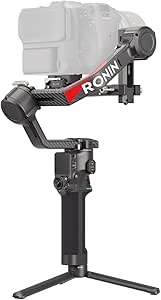 | Best for Heavy DSLR and Cinema Rigs | Payload capacity: 4.5kg (10 lbs) | Compatibility: DSLR and cinema cameras | Vertical shooting: Native | VIEW ON AMAZON | See Our Full Breakdown |
| DJI RS 4 Mini Combo Gimbal Stabilizer for Canon, Sony, Nikon, Fujifilm |  | Best for Fast Setup and Tracking | Model: P24M | Weight capacity: 2kg (4.4 lbs) | Compatibility: Cameras and smartphones | VIEW ON AMAZON | See Our Full Breakdown |
| DJI RS 3 Mini Camera Gimbal Stabilizer |  | Best for Travel and Lightweight DSLR Setups | Weight: 795g (1.75 lbs) | Payload Capacity: 2 kg (4.4 lbs) | Screen Size: 1.4 inches | VIEW ON AMAZON | See Our Full Breakdown |
| FeiyuTech SCORP 2 Gimbal Stabilizer |  | Best for AI Tracking and Hybrid Shooting | Payload Capacity: 2.5kg | Display: 1.3-inch touchscreen | Control Options: Wireless and cable control | VIEW ON AMAZON | See Our Full Breakdown |
| DJI RS 4 Mini Gimbal Stabilizer |  | Best for Modern Workflow Efficiency | Brand: DJI | Maximum Payload: 2kg / 4.4lbs | Vertical Shooting: 3rd-Gen Native Vertical | VIEW ON AMAZON | See Our Full Breakdown |
| ZHIYUN Weebill 3S Gimbal Stabilizer |  | Best for High Payload and Built-in Lighting | Payload Capacity: 3kg | Battery Life: 11.5 hours | Fill Light: Built-in 1000lux, 2600k-5500k | VIEW ON AMAZON | See Our Full Breakdown |
| FeiyuTech SCORP-C Gimbal Stabilizer |  | Best for Extended Shooting Sessions | Payload Capacity: 5.5 lbs (2.5kg) | Battery Life: 10-13 hours | Battery Capacity: 2500mAh | VIEW ON AMAZON | See Our Full Breakdown |
| FeiyuTech SCORP-C2 Camera Gimbal Stabilizer with Built-in AI Tracking |  | Best for AI-Assisted Solo Filming | Brand: FeiyuTech | Model: SCORP-C2 | Max Payload: 7.72 lbs | VIEW ON AMAZON | See Our Full Breakdown |
| ZHIYUN Weebill 3E 3-Axis Lightweight Gimbal Stabilizer for DSLR & Mirrorless Cameras |  | Best Lightweight DSLR Gimbal | Payload Capacity: 3 kg (6.6 lbs) | Weight: 1.05 kg | Battery Life: Up to 16 hours | VIEW ON AMAZON | See Our Full Breakdown |
| ZHIYUN CINEPEER WEEBILL 3E Mirrorless Gimbal Stabilizer |  | Best for Mirrorless Run-and-Gun | Payload Capacity: 3 kg / 6.6 lbs | Primary Compatibility: Mirrorless Cameras | Control Feature: Bluetooth Shutter Control | VIEW ON AMAZON | See Our Full Breakdown |
| Zhiyun Crane 4 3-Axis Gimbal Stabilizer for DSLR and Mirrorless Cameras |  | Best Premium All-Rounder | Max Payload: 10 kg | Weight: 1500 g | Built-in Light: 10W Adjustable Fill Light | VIEW ON AMAZON | See Our Full Breakdown |
| DJI Osmo Mobile 7 Gimbal Stabilizer for iPhone & Android |  | Not for DSLRs (Smartphone Only) | Weight: 300 grams | Battery Life: 10 hours | Compatibility: iPhone & Android Only | VIEW ON AMAZON | See Our Full Breakdown |
| gimbals for dslr | Compatibility | Weight | Payload capacity |
|---|---|---|---|
| DJI RS 3 Mini 3-Axis Mirrorles | Mirrorless cameras from Canon, Sony, Panasonic, Nikon, and Fujifilm | 795g (1.75 lbs) | 2kg (4.4 lbs) |
| Zhiyun Weebill S 3-Axis Gimbal | Sony, Panasonic, Canon, Nikon, Fujifilm, Olympus, and Blackmagic Pocket Cinema Camera | 926g (0.9kg) | — |
| DJI RS 4 Gimbal Stabilizer for | — | Approximately 1.5kg | 3kg (6.6 lbs) |
| DJI RS 4 Pro Gimbal Stabilizer | DSLR and cinema cameras | Not specified | 4.5kg (10 lbs) |
| DJI RS 4 Mini Combo Gimbal Sta | Cameras and smartphones | — | — |
| DJI RS 3 Mini Camera Gimbal St | Canon, Sony, Nikon, Fujifilm | 795g (1.75 lbs) | 2 kg (4.4 lbs) |
| FeiyuTech SCORP 2 Gimbal Stabi | DSLR and Mirrorless Cameras | — | 2.5kg |
| DJI RS 4 Mini Gimbal Stabilize | — | — | — |
| ZHIYUN Weebill 3S Gimbal Stabi | DSLR/Mirrorless (Canon, Nikon, Sony, etc.) | 1100 g | 3kg |
| FeiyuTech SCORP-C Gimbal Stabi | — | — | 5.5 lbs (2.5kg) |
| FeiyuTech SCORP-C2 Camera Gimb | DSLR and Mirrorless Cameras | — | — |
| ZHIYUN Weebill 3E 3-Axis Light | — | 1.05 kg | 3 kg (6.6 lbs) |
| ZHIYUN CINEPEER WEEBILL 3E Mir | — | — | 3 kg / 6.6 lbs |
| Zhiyun Crane 4 3-Axis Gimbal S | DSLR and Mirrorless Cameras | 1500 g | — |
| DJI Osmo Mobile 7 Gimbal Stabi | iPhone & Android Only | 300 grams | — |
More Details on Our Top Picks
DJI RS 3 Mini 3-Axis Mirrorless Gimbal Stabilizer for Canon/Sony/Panasonic/Nikon/Fujifilm, 2 kg Payload, Bluetooth Shutter, Vertical Shooting (Renewed)
The DJI RS 3 Mini is the portability-first choice here, weighing 795g while supporting mirrorless camera setups up to 2kg. That makes it easier to pack for travel than the Zhiyun Weebill S, though the Weebill S accepts a higher payload and is explicitly suited to both mirrorless and DSLR cameras. Native vertical shooting and Bluetooth shutter control are useful for solo creators who want quick portrait clips without carrying extra control gear. The tradeoff is fit: this is a mirrorless-focused gimbal, so DSLR buyers should not assume their camera and lens combination will work. Its battery details are unspecified, and this renewed unit has a 90-day limited warranty. I’d pick it for a light kit, not a heavy DSLR build.
Pros:- 795g body is easy to carry on travel shoots.
- Supports up to 2kg for compatible mirrorless setups.
- Native vertical shooting suits portrait-first social content.
- Bluetooth shutter control can simplify solo operation.
Cons:- Mirrorless-focused compatibility limits its fit for DSLR buyers.
- Battery runtime and battery details are not specified.
- Renewed condition comes with a 90-day limited warranty.
Best for: Traveling mirrorless creators using a compact camera-and-lens setup under 2kg who want portrait video and simple shutter control.
Not ideal for: DSLR owners with heavier lenses or buyers who need clearly specified battery runtime and broader payload headroom.
- Model:RS 3 Mini
- Weight:795g (1.75 lbs)
- Payload capacity:2kg (4.4 lbs)
- Compatibility:Mirrorless cameras from Canon, Sony, Panasonic, Nikon, and Fujifilm
- Vertical shooting:Yes
- Bluetooth control:Yes
- Battery:Included; runtime not specified
- Warranty:90-day limited
Our verdict“Choose this renewed RS 3 Mini for a light mirrorless kit and portable vertical shooting, but skip it for a heavier DSLR rig.”
Zhiyun Weebill S 3-Axis Gimbal Stabilizer for Mirrorless and DSLR Cameras
The Zhiyun Weebill S is the most straightforward fit in this group for buyers who need a gimbal explicitly listed for both DSLR and mirrorless cameras. Its 2.5kg payload gives it more room than the DJI RS 3 Mini, while the stated 14-hour battery life is helpful for long days when charging breaks are inconvenient. Sling mode also gives low-angle shooting a more comfortable handling option, rather than asking you to hold the gimbal in a conventional position. That said, payload figures do not erase lens leverage: long or front-heavy DSLR lenses can still reduce practical headroom. Full camera control may require separately sold USB cables, and the unit is not water resistant. Compared with the newer DJI RS 4, it carries less weight but has a lower payload and less extensive stated control features.
Pros:- Explicitly supports DSLR and mirrorless camera brands.
- 2.5kg maximum payload exceeds the RS 3 Mini’s 2kg limit.
- Up to 14 hours of battery life supports extended filming.
- Sling mode offers a more comfortable option for underslung shots.
Cons:- Full camera control requires separately sold USB cables.
- Heavy or long lenses can reduce effective payload headroom.
- Not water resistant.
Best for: DSLR and mirrorless shooters who want a broadly compatible gimbal, long stated runtime, and a comfortable underslung shooting position.
Not ideal for: Filmmakers using long, front-heavy lenses, working in wet conditions, or relying on cable-free full camera control.
- Model:Weebill S
- Weight:926g (0.9kg)
- Maximum payload:2.5kg
- Battery life:Up to 14 hours
- Folded dimensions:19 x 14 x 30cm
- Compatibility:Sony, Panasonic, Canon, Nikon, Fujifilm, Olympus, and Blackmagic Pocket Cinema Camera
- Shooting position:Ergonomic sling mode
- Warranty:1 year
Our verdict“Pick the Weebill S if DSLR compatibility and long runtime matter more than a higher payload or a newer control feature set.”
DJI RS 4 Gimbal Stabilizer for Camera, Compatible with Canon, Sony, Nikon, Fujifilm
The DJI RS 4 earns the all-rounder spot by balancing a 3kg payload with a listed runtime of up to 29.5 hours and features aimed at frequent setup changes. Its extended tilt axis helps accommodate more camera configurations, while Teflon-coated axis arms are designed to make balancing adjustments smoother. Compared with the Zhiyun Weebill S, it offers more payload headroom and native vertical shooting, but the Weebill S is explicitly described as supporting DSLR cameras and includes a stated one-year warranty. The RS 4’s vertical-to-horizontal switch still calls for rebalancing, so changing formats is not a frictionless process. App compatibility may also require downloading DJI’s app from its website. I’d choose it for a lighter professional rig that needs flexibility, rather than the larger cinema setups the RS 4 Pro is built to carry.
Pros:- 3kg payload provides more headroom than the RS 3 Mini and Weebill S.
- Native vertical and horizontal shooting support varied deliverables.
- Extended tilt axis accommodates a wider range of camera configurations.
- Listed runtime of up to 29.5 hours supports long shoots.
Cons:- Switching between vertical and horizontal modes requires rebalancing.
- App setup may require downloading software from DJI’s website.
- High-capacity battery grip is described as optional rather than included.
Best for: Solo videographers with a mirrorless or lighter camera setup up to 3kg who switch between landscape and vertical content.
Not ideal for: Operators with heavy cinema builds, buyers who need effortless format changes, or DSLR users seeking clearly stated DSLR compatibility.
- Payload capacity:3kg (6.6 lbs)
- Weight:Approximately 1.5kg
- Battery runtime:Up to 29.5 hours
- Supported cameras:Mirrorless cameras and more
- Vertical shooting:Yes
- Tilt axis:Extended
- Control port:RSA communication port
- Included accessories:Gimbal, BG21 Battery Grip, quick-release plate, extended grip/tripod
Our verdict“Choose the RS 4 for a versatile midweight camera rig, but move up to the RS 4 Pro for heavier DSLR or cinema builds.”
DJI RS 4 Pro Gimbal Stabilizer for DSLR & Cinema Cameras
For a heavy DSLR or cinema-camera build, the DJI RS 4 Pro stands apart with its 4.5kg payload, well beyond the RS 4’s 3kg limit. Its focus and zoom motor support, along with LiDAR ranging points, suit crews that need more than basic stabilization while tracking or controlling focus. The listed battery runtime of up to 29 hours also makes it a stronger fit for extended production days than the Weebill S, whose stated runtime is 14 hours. This capability comes with a larger, more involved system: the product data does not specify its weight, and changing between horizontal and vertical shooting requires rebalancing. Activation depends on the DJI Ronin app, which may require a workaround for Android users. I’d favor it for a deliberately built-out rig, not a casual travel kit.
Pros:- 4.5kg payload supports substantially heavier rigs than the RS 4.
- Focus and zoom motor support expands camera-control options.
- LiDAR ranging points support advanced focusing workflows.
- Listed runtime of up to 29 hours suits extended production days.
Cons:- Product data does not specify the gimbal’s weight.
- Horizontal-to-vertical changes require rebalancing.
- Activation depends on the DJI Ronin app, which may be difficult to obtain through Google Play.
Best for: Professional operators building heavier DSLR or cinema setups that need focus and zoom control, LiDAR-assisted features, and extended shooting time.
Not ideal for: Travel creators with compact kits, first-time gimbal buyers, or Android users who need a straightforward app activation process.
- Payload capacity:4.5kg (10 lbs)
- Compatibility:DSLR and cinema cameras
- Vertical shooting:Native
- Battery runtime:Up to 29 hours
- Focus control:Dual focus and zoom motors
- LiDAR:76,800 ranging points within 20m
- Weight:Not specified
- Included accessories:Gimbal, BG30 Battery Grip, quick-release plate, briefcase handle, cables, screw kit, carrying case
Our verdict“Choose the RS 4 Pro for a heavy production rig that can use its focus and LiDAR features, not for a lightweight DSLR travel setup.”
DJI RS 4 Mini Combo Gimbal Stabilizer for Canon, Sony, Nikon, Fujifilm
The DJI RS 4 Mini Combo is aimed at creators who value quick setup and tracking more than payload capacity. Its included tracking module, fast vertical switching, and auto axis locks support a faster move from packing to filming than the more production-oriented RS 4 Pro. The 2kg capacity is the limiting factor: it matches the RS 3 Mini but sits below the RS 4’s 3kg and the RS 4 Pro’s 4.5kg, making this a poor match for heavier DSLR bodies or long lenses. The supplied briefcase handle, tripod, cables, and screw kit make the Combo more ready to shoot than a bare gimbal, though the product data does not list its weight or battery runtime. I’d shortlist it for a compact, compatible camera kit and tracking-led content, not a full-size DSLR build.
Pros:- Included tracking module supports subject-following workflows.
- Fast vertical switching helps creators change formats quickly.
- Auto axis locks support faster setup and packing.
- Combo includes a briefcase handle, tripod, cables, and screw kit.
Cons:- 2kg capacity is below the RS 4 and RS 4 Pro, limiting heavier DSLR use.
- Weight and battery runtime are not specified in the product data.
- App compatibility may require obtaining updates from DJI’s website.
Best for: Content creators with a compact camera setup under 2kg who want included tracking hardware, quick setup, and frequent vertical filming.
Not ideal for: DSLR shooters with heavy lenses, buyers who need a stated battery runtime, or professionals building a larger accessory-heavy rig.
- Model:P24M
- Weight capacity:2kg (4.4 lbs)
- Compatibility:Cameras and smartphones
- Vertical shooting:Yes
- Fast vertical switch:Yes
- Tracking:Tracking module included
- Balance enhancement:Teflon-enhanced balancing
- Included items:Gimbal, tracking module, briefcase handle, tripod, cables, screw kit
Our verdict“Pick the RS 4 Mini Combo for quick setup and tracking with a light camera kit, but choose the RS 4 or RS 4 Pro for more payload headroom.”
DJI RS 3 Mini Camera Gimbal Stabilizer
This model stands out for its remarkable portability, weighing just 795g. Compared to the heavier ZHIYUN Weebill 3S, the RS 3 Mini is significantly easier to carry on hikes or long travel days without fatigue. It supports cameras up to 2kg, making it ideal for mid-range DSLRs like the Canon R6 or Nikon Z6 with standard lenses. The native vertical shooting capability allows for instant social media content creation without re-balancing. However, the 2kg payload limit is a hard ceiling; users with heavier pro bodies and telephoto lenses will find it insufficient. While the touchscreen is intuitive, the reliance on the DJI Ronin app for deep customization can be a hurdle for those who prefer hardware-only controls.
Pros:- Extremely lightweight at 795g for all-day handheld use
- Supports native vertical shooting for social media content
- Intuitive 1.4-inch full-color touchscreen for quick settings
- Wide compatibility with major camera brands
Cons:- Payload capacity capped at 2kg, limiting lens and body choices
- Full functionality often requires the DJI Ronin app
- Occasional app compatibility issues with newer OS updates
Best for: Travel photographers and vloggers using mid-weight DSLRs who prioritize portability and vertical video creation.
Not ideal for: Professionals using heavy DSLR bodies with large zoom lenses, as the 2kg payload limit is quickly exceeded.
- Weight:795g (1.75 lbs)
- Payload Capacity:2 kg (4.4 lbs)
- Screen Size:1.4 inches
- Compatibility:Canon, Sony, Nikon, Fujifilm
- Axis Count:3-Axis
- Vertical Shooting:Native
- Control Interface:Touchscreen and Buttons
Our verdict“This pick makes the most sense for creators who need a lightweight, travel-friendly stabilizer for mid-range DSLRs.”
FeiyuTech SCORP 2 Gimbal Stabilizer
The SCORP 2 distinguishes itself with built-in AI tracking, a feature that automatically follows subjects without external sensors. This contrasts sharply with the DJI RS 3 Mini, which relies on manual framing or app-based tracking. With a 2.5kg payload, it handles slightly heavier setups than the DJI Mini, offering more flexibility for DSLR users. The quick vertical setup allows for rapid angle changes, though the physical mechanism is less seamless than DJI’s native axis lock. Wireless and cable control options provide redundancy, but the complexity of the interface may overwhelm beginners. It is a robust tool for solo shooters who need automated focus, provided they have a compatible camera for full integration.
Pros:- Built-in AI tracking for hands-free subject following
- Higher 2.5kg payload capacity than many mini gimbals
- Supports both wireless and cable control for reliability
- Quick vertical setup for versatile shooting angles
Cons:- Steep learning curve for beginners due to complex features
- Requires specific camera models for full AI functionality
- Vertical mode switching is mechanical rather than instant
Best for: Solo videographers who need automated subject tracking and handle cameras up to 2.5kg.
Not ideal for: Beginners seeking a simple plug-and-play experience, as the AI setup and camera compatibility checks add friction.
- Payload Capacity:2.5kg
- Display:1.3-inch touchscreen
- Control Options:Wireless and cable control
- AI Tracking:Built-in
- Vertical Shooting:Yes (Quick Setup)
- Connectivity:App support
- Compatibility:DSLR and Mirrorless Cameras
Our verdict“This model is better suited to tech-forward creators who value automated tracking over pure simplicity.”
DJI RS 4 Mini Gimbal Stabilizer
As an evolution of the DJI RS 3 Mini, this model introduces 2nd-Gen Automated Axis Locks, which streamline the balancing process significantly. The addition of Teflon-enhanced balancing reduces friction, making fine-tuning easier than on older FeiyuTech models. It retains the 2kg payload limit, so it shares the same compatibility constraints as its predecessor. The 3rd-Gen Native Vertical Shooting is faster and more secure, addressing a key pain point for hybrid shooters. While the hardware is refined, users may still encounter app compatibility quirks that require visiting the DJI website for firmware updates. It is the superior choice for those already in the DJI ecosystem who want the latest convenience features without upgrading to the heavier Pro models.
Pros:- Automated axis locks speed up balancing and setup
- Teflon-enhanced balancing reduces friction for smooth adjustments
- 3rd-Gen Native Vertical Shooting allows instant angle changes
- Compact and lightweight design for easy portability
Cons:- Payload limit remains at 2kg, restricting heavy DSLR use
- App updates may require manual intervention via website
- Setup process can still feel complex for first-time users
Best for: Content creators already using DJI accessories who want faster setup and better vertical shooting ergonomics.
Not ideal for: Users with cameras exceeding 2kg, as the payload limit remains unchanged from the previous generation.
- Brand:DJI
- Maximum Payload:2kg / 4.4lbs
- Vertical Shooting:3rd-Gen Native Vertical
- Axis Locks:2nd-Gen Automated
- Balancing:Teflon Enhanced
- Warranty:2 years
- Included Items:Gimbal, tripod, quick-release plate, cables
Our verdict“This pick makes the most sense for DJI loyalists seeking incremental improvements in speed and ergonomics.”
ZHIYUN Weebill 3S Gimbal Stabilizer
The Weebill 3S stands apart with its 3kg payload capacity, accommodating heavier DSLR bodies and lenses that would overload the DJI RS 4 Mini. Its unique selling point is the built-in adjustable fill light, which provides up to 1000lux of illumination—ideal for indoor interviews or low-light run-and-gun scenarios. The 11.5-hour battery life is class-leading, outlasting many competitors. However, this power comes at a cost: at 1100g, it is noticeably heavier than the mini gimbals, leading to quicker arm fatigue during long handheld takes. The complex feature set requires a learning curve, but for professionals needing light and power in one unit, it offers a compelling all-in-one solution.
Pros:- High 3kg payload supports professional DSLR setups
- Built-in 1000lux fill light with adjustable color temperature
- Exceptional 11.5-hour battery life with fast charging
- Native horizontal and vertical shooting modes
Cons:- Heavy at 1100g, causing fatigue during long shoots
- Complex features require a significant learning curve
- Bulkier form factor compared to mini gimbals
Best for: Professional videographers and interviewers who need high payload support and integrated lighting for low-light environments.
Not ideal for: Travelers or casual users who prioritize minimal weight, as the 1100g build is cumbersome for extended handheld use.
- Payload Capacity:3kg
- Battery Life:11.5 hours
- Fill Light:Built-in 1000lux, 2600k-5500k
- Weight:1100 g
- Charging:PD fast charging (2 hours)
- Compatibility:DSLR/Mirrorless (Canon, Nikon, Sony, etc.)
- Control:Bluetooth shutter control
Our verdict“This model is better suited to working professionals who value payload capacity and integrated lighting over portability.”
FeiyuTech SCORP-C Gimbal Stabilizer
The SCORP-C offers a 5.5 lbs (2.5kg) payload and a robust 10-13 hour battery life, making it a durable workhorse for long days on set. Compared to the ZHIYUN Weebill 3S, it lacks built-in lighting but compensates with a simpler, more traditional control layout that some users find easier to grasp. It supports a wide range of cameras, including the Canon 5D and Sony α7 series. However, the setup process can be tricky, requiring careful balancing to avoid motor strain. While it lacks the flashy AI features of the SCORP 2, its reliability and long battery endurance make it a solid choice for events and documentary work where charging opportunities are scarce.
Pros:- Long 10-13 hour battery life for extended sessions
- Compatible with a wide range of professional cameras
- Supports multiple modes including time-lapse and panoramic
- Relatively easy installation and adjustment process
Cons:- Heavy for handheld use, causing fatigue over time
- Complex setup may confuse beginners without prior experience
- Lacks advanced AI tracking features found in newer models
Best for: Event videographers and documentary shooters who need reliable battery life and compatibility with legacy DSLR bodies.
Not ideal for: Beginners or those wanting advanced AI features, as the interface is more basic and setup requires manual precision.
- Payload Capacity:5.5 lbs (2.5kg)
- Battery Life:10-13 hours
- Battery Capacity:2500mAh
- Compatible Cameras:Sony α7, Canon 5D, Nikon D750, etc.
- Shooting Modes:Time-lapse, Panoramic, Follow
- Axis Count:3-Axis
- Charging:Fast Charging Support
Our verdict“This pick makes the most sense for users who prioritize battery endurance and broad camera compatibility over smart features.”
FeiyuTech SCORP-C2 Camera Gimbal Stabilizer with Built-in AI Tracking
This gimbal stands out for its built-in AI tracking, a feature that distinguishes it from traditional stabilizers like the Zhiyun Crane 4. For solo creators who need to keep moving subjects centered without a focus puller, this automation is a significant workflow upgrade. The 7.72 lbs payload handles heavier DSLR setups comfortably, making it robust for professional rigs. However, the complexity of the AI features introduces a learning curve that might frustrate beginners. Compared to lighter options, the ergonomic handle helps mitigate fatigue, but the unit itself feels substantial in the hand. It is a powerful tool, but you pay for that intelligence with increased weight and setup time.Pros:- Integrated AI tracking automates subject focus
- High 7.72 lbs payload supports heavy DSLR rigs
- Native vertical shooting simplifies social media content
- Upgraded quick-release plate speeds up balancing
Cons:- Heavier build causes arm fatigue during long takes
- Complex AI settings require significant learning time
- Battery life details are vague compared to competitors
Best for: Solo videographers and YouTubers who rely on self-tracking features to film themselves without a camera operator.
Not ideal for: Fast-paced event shooters who need instant balance and minimal menu navigation time.
- Brand:FeiyuTech
- Model:SCORP-C2
- Max Payload:7.72 lbs
- Key Feature:Built-in AI Tracking
- Control Interface:OLED Display & Gesture Control
- Compatibility:DSLR and Mirrorless Cameras
- Warranty:1 Year
Our verdict“A smart choice for solo creators who value automated subject tracking over ultra-lightweight portability.”
ZHIYUN Weebill 3E 3-Axis Lightweight Gimbal Stabilizer for DSLR & Mirrorless Cameras
The Weebill 3E is engineered for creators who prioritize portability without sacrificing DSLR compatibility. At just 1.05 kg, it is significantly lighter than the Zhiyun Crane 4, making it easier to hold for extended periods. The 16-hour battery life is a standout spec, allowing for full-day shoots without anxiety. However, the 3 kg payload limit restricts it to mid-range DSLRs and mirrorless bodies; heavy cinema setups are out of the question. While it offers native vertical shooting, users may need to purchase additional cables for specific camera brands, unlike all-in-one competitors. It strikes a balance between weight and capability, ideal for run-and-gun filming.Pros:- Ultra-lightweight 1.05 kg design reduces arm strain
- Exceptional 16-hour battery life with fast charging
- Native vertical shooting for instant social media framing
- Compact form factor fits easily into carry-on luggage
Cons:- 3 kg payload cap excludes heavy professional DSLR setups
- Sling mode accessories are sold separately
- Requires specific control cables for some camera models
Best for: Travel vloggers and documentary shooters who need a lightweight rig for long handheld sessions.
Not ideal for: Filmmakers using full-frame DSLRs with large cinema lenses that exceed the 3 kg payload.
- Payload Capacity:3 kg (6.6 lbs)
- Weight:1.05 kg
- Battery Life:Up to 16 hours
- Charging Standard:14W PD Fast Charging
- Dimensions:12 × 8 × 3 inches
- Control Method:Bluetooth Shutter Control
- Included Accessory:Panasonic Control Cable
Our verdict“The go-to option for creators who need DSLR stabilization in a package that won’t tire them out.”
ZHIYUN CINEPEER WEEBILL 3E Mirrorless Gimbal Stabilizer
This variant of the Weebill 3E is tailored specifically for the mirrorless ecosystem, offering a streamlined experience compared to the broader compatibility of the FeiyuTech SCORP-C2. The adjustable handles are a key differentiator, allowing for comfortable grip changes during dynamic shots. It supports the same 3 kg payload as its DSLR-focused sibling but emphasizes ease of use for Sony, Canon, and Nikon mirrorless users. The Bluetooth shutter control is reliable, though the reliance on app connectivity for advanced features can be a point of friction. It is less capable than the heavy-lift Zhiyun Crane 4 but offers a more agile footprint for street and event videography where bulk is a liability.Pros:- Optimized specifically for popular mirrorless camera bodies
- Adjustable handles enhance comfort during varied shooting angles
- Native vertical mode switch enables rapid format changes
- Lightweight design supports agile handheld movement
Cons:- Payload limit restricts lens choices for mirrorless setups
- Learning curve exists for mastering gimbal modes
- Lacks the high-torque power of larger DSLR gimbals
Best for: Mirrorless camera users who want a compact, versatile gimbal for social media and quick-turnaround content.
Not ideal for: DSLR users looking for a single gimbal to handle heavy bodies and large lenses.
- Payload Capacity:3 kg / 6.6 lbs
- Primary Compatibility:Mirrorless Cameras
- Control Feature:Bluetooth Shutter Control
- Shooting Mode:Native Vertical Switch
- Handle Design:Adjustable Ergonomic Handles
- Stabilization Type:3-Axis Motorized
- Target Use:On-the-go Filming
Our verdict“A focused tool for mirrorless shooters who value agility and comfort over raw payload capacity.”
Zhiyun Crane 4 3-Axis Gimbal Stabilizer for DSLR and Mirrorless Cameras
The Crane 4 is the heavyweight champion of this lineup, offering a massive 10 kg payload that dwarfs the Weebill 3E‘s limits. This makes it suitable for full-frame DSLRs and cinema cameras that other gimbals simply cannot lift. The inclusion of a built-in 10W fill light is a unique advantage, providing on-camera lighting for interviews or low-light environments without extra gear. The color touchscreen simplifies menu navigation, a clear upgrade over the OLED displays found on cheaper models. However, at 1500 grams, it is not designed for all-day handheld comfort. It is a studio-grade tool for serious productions, not a casual vlogging accessory.Pros:- Massive 10 kg payload handles cinema and full-frame rigs
- Built-in 10W fill light with adjustable color temperature
- User-friendly color touchscreen for quick adjustments
- High-capacity battery supports 12 hours of runtime
Cons:- Heavy 1500g body is tiring for extended handheld use
- Complex setup process requires technical knowledge
- Limited weather resistance restricts outdoor versatility
Best for: Professional filmmakers and hybrid shooters who use heavy full-frame DSLRs and need integrated lighting.
Not ideal for: Beginners or travel vloggers who need a lightweight, pocketable solution.
- Max Payload:10 kg
- Weight:1500 g
- Built-in Light:10W Adjustable Fill Light
- Screen Type:Color Touchscreen
- Battery Life:Up to 12 hours
- Compatibility:DSLR and Mirrorless Cameras
- Dimensions:11.02″D x 13.39″W x 2.76″H
Our verdict“A robust, feature-rich gimbal for professionals who need high payload capacity and integrated lighting.”
DJI Osmo Mobile 7 Gimbal Stabilizer for iPhone & Android
It is critical to note that the DJI Osmo Mobile 7 is designed exclusively for smartphones, not DSLRs. While it offers exceptional stabilization and ActiveTrack 7.0 for mobile devices, it cannot mount a Canon, Sony, or Nikon DSLR body. Compared to the FeiyuTech SCORP-C2 or Zhiyun Crane 4, this product serves a completely different hardware ecosystem. Its 300-gram weight and foldable design are unbeatable for pocketability, but this comes at the cost of DSLR compatibility. If your goal is to stabilize a dedicated camera, this option is irrelevant. It is a brilliant tool for iPhone shooters, but a mismatch for this specific roundup’s intent.Pros:- Ultra-lightweight 300g design fits in any pocket
- Advanced ActiveTrack 7.0 for mobile devices
- Built-in tripod allows for hands-free shooting
- Foldable form factor maximizes portability
Cons:- Incompatible with DSLR and mirrorless cameras
- Relies on DJI Mimo app which has had availability issues
- Payload capacity is limited to smartphone weights
Best for: Smartphone content creators who need high-quality stabilization for iPhone or Android video.
Not ideal for: DSLR and mirrorless camera owners looking for a compatible stabilizer.
- Weight:300 grams
- Battery Life:10 hours
- Compatibility:iPhone & Android Only
- Stabilization:3-Axis Gimbal
- Tracking Feature:ActiveTrack 7.0
- Design:Foldable with Built-in Tripod
- Charging:USB-C
Our verdict“A top-tier smartphone gimbal that should be skipped by anyone seeking DSLR stabilization.”

How We Picked
I evaluated these stabilizers based on three core criteria: payload capacity, ease of setup, and ecosystem compatibility. Payload capacity was prioritized because a gimbal that struggles under the weight of a DSLR body and lens will produce jittery footage and burn out motors prematurely. I looked for models that provide a healthy margin above their rated limits to ensure smooth operation during dynamic movements. Ease of setup was judged by the balance process; gimbals that require extensive manual counterbalancing were ranked lower than those with auto-locking axes or intuitive balancing tools. Finally, I considered the breadth of compatible cameras and lenses, ensuring that each pick works seamlessly with popular Canon, Nikon, Sony, and Fujifilm DSLRs and mirrorless hybrids.
The ranking logic reflects a hierarchy of performance needs. Premium picks were reserved for gimbals offering advanced features like LiDAR integration, dual-layer stabilization, and professional accessory mounts. Value picks were selected for their ability to deliver 80% of the performance at 50% of the cost. Beginner-friendly options were chosen for their lightweight designs and simplified control interfaces. This structure ensures that whether you are a hobbyist or a working videographer, you can identify the tool that matches your workflow without paying for features you will never use.
Factors to Consider When Choosing Gimbals For Dslrs
Selecting a gimbal is not just about brand loyalty; it is about matching mechanical capability to your specific camera rig and shooting style. Here are the critical factors that should drive your decision.Payload Capacity and Weight Margins
Payload capacity is the maximum weight a gimbal can stabilize without motor strain. However, manufacturers often state the theoretical maximum, which assumes perfect balance and zero wind resistance. For a DSLR setup, you must calculate the combined weight of your camera body, lens, and any accessories like monitors or wireless transmitters. A safe rule of thumb is to choose a gimbal with a payload rating at least 20-30% higher than your total rig weight. This margin prevents the motors from overheating during slow pans or upward tilts, extending the lifespan of the device and ensuring smoother footage. Ignoring this buffer is the most common mistake beginners make, leading to frustrating balancing sessions and poor stabilization results.
Balancing Speed and Axis Locking
The time it takes to balance your camera can make or break a shoot, especially when switching between different lenses or camera bodies. Modern gimbals feature axis locks that hold the camera in place while you adjust the counterweights. Look for models with auto-locking features or quick-release plates that allow for rapid setup. Some high-end gimbals even offer auto-balance motors that adjust the position electronically, saving significant time. If you plan to use multiple camera setups frequently, investing in a gimbal with fast-locking axes will improve your workflow efficiency more than any software feature ever could.
Battery Life and Power Management
Continuous shooting drains gimbal batteries quickly, particularly when motors are working hard against gravity. Check the estimated runtime under typical load conditions, not just the idle state. Most mid-range gimbals offer between 10 and 14 hours of battery life, while premium models may exceed 12 hours with heavier loads. Consider whether the gimbal supports hot-swappable batteries, allowing you to replace depleted packs without powering down. This feature is invaluable for event videographers who cannot afford downtime. Additionally, check if the gimbal can power your camera via USB-C, as this reduces the need to carry separate camera batteries and simplifies your gear list.
Control Interfaces and App Integration
The physical controls and companion app determine how intuitive the gimbal feels in your hands. A well-placed joystick and trigger allow for smooth pans and tilts without looking at the screen. Advanced users will appreciate programmable buttons for functions like recording start/stop, lens zoom, or focus pulling. The companion app should offer a user-friendly interface for adjusting motor strength, setting follow modes (pan, tilt, pan/tilt), and updating firmware. Avoid gimbals with clunky or outdated apps, as they can hinder your ability to fine-tune stabilization settings for different shooting environments. Seamless integration with your camera’s shutter and focus controls is also a key differentiator between basic and professional models.
Portability and Ergonomic Design
A gimbal is only useful if you can carry it comfortably for extended periods. Assess the grip design and overall weight of the stabilizer itself. Some models feature a side grip for easier one-handed operation, while others rely on a central handle. For travel videographers, a compact, foldable design is essential to fit within carry-on luggage limits. Pay attention to the material build; carbon fiber arms offer a strength-to-weight ratio that aluminum cannot match, though at a higher cost. If you plan to shoot handheld for hours, prioritize ergonomics over raw feature sets to prevent arm fatigue and ensure steady hands.
Frequently Asked Questions
Can I use a gimbal designed for mirrorless cameras with my DSLR?
It depends entirely on the payload capacity and the physical dimensions of your DSLR body. Many gimbals marketed for mirrorless cameras have lower payload ratings and smaller mounting plates that may not accommodate the bulkier shape of a DSLR. You must check the specific maximum weight limit and the mounting interface. If your DSLR setup exceeds the gimbal’s rated payload, the motors will struggle, resulting in shaky footage and potential hardware damage. It is safer to choose a gimbal explicitly rated for DSLRs or hybrid use to ensure sufficient power and clearance.Do I need to buy extra batteries for my gimbal?
While many gimbals come with a single battery that lasts a full day of casual shooting, professional workflows often require more endurance. If you are shooting long events, travel vlogs, or using heavy lenses that increase motor load, battery life decreases noticeably. I recommend carrying at least one spare battery or a power bank that supports USB-C power delivery. Some premium gimbals support hot-swapping, which allows you to change batteries without turning off the device, but this feature is not standard on all models. Planning for power redundancy prevents missed shots during critical moments.Is vertical shooting important for DSLR gimbals?
Vertical shooting has become a standard requirement due to the dominance of platforms like TikTok, Instagram Reels, and YouTube Shorts. Most modern gimbals support easy axis switching or quick-release plates that allow you to rotate the camera 90 degrees. If you do not plan to create vertical content, this feature may be unnecessary weight and complexity. However, for social media creators, the ability to switch to vertical mode quickly without re-balancing the entire rig is a significant workflow advantage. Check if the gimbal maintains balance in vertical mode, as some cheaper models lose stability when rotated.How do I know if my camera is compatible with a specific gimbal?
Compatibility is determined by two factors: weight and mounting interface. First, weigh your camera body, lens, and accessories to ensure they fall below the gimbal’s payload limit. Second, check the mounting plate. Most gimbals use standard Arca-Swiss plates, which are widely compatible with DSLR quick-release systems. Some brands offer proprietary plates or require specific L-brackets for proper balance. Always consult the manufacturer’s compatibility list for your specific camera model and lens combination. If your setup is unusual, such as a large telephoto lens, you may need additional accessories or a different gimbal arm configuration.What is the difference between a gimbal and a stabilizer?
A gimbal uses motorized axes to electronically stabilize the camera, compensating for hand shake and movement in real-time. A traditional stabilizer, like a Steadicam, relies on mechanical counterweights and inertia to smooth out motion, requiring significant skill to operate. Gimbals are generally easier for beginners to use because they handle the stabilization automatically, allowing you to focus on framing and composition. However, gimbals depend on battery power and can fail if motors overheat or batteries die. Stabilizers offer longer runtime and no electronic latency but have a steep learning curve. For most DSLR users, a motorized gimbal provides the best balance of ease of use and professional results.Conclusion
Choosing the right gimbal comes down to matching your specific shooting needs with the right mechanical capability. For professionals who demand the highest stability and feature set for heavy DSLR rigs, the DJI RS 4 Pro is the definitive best overall choice. If you are a hobbyist or content creator looking for the best value, the Zhiyun Weebill 3E delivers reliable performance at an accessible price point. Beginners should consider the DJI RS 3 Mini for its lightweight design and intuitive controls, making it easy to learn without overwhelming complexity. For those needing a compact travel solution that still handles DSLRs, the DJI RS 4 Mini offers an excellent balance of portability and power. Evaluate your camera weight, shooting style, and budget against these recommendations to find the tool that will elevate your footage.