📊 Full opportunity report: Tools For Managing Operations At Phone-Free Events on IdeaNavigator AI — validation score, market gap, and execution plan.

Get audio and creator gear delivered free with Prime
- Fast, free delivery on millions of items
- Prime Video, Amazon Music and more included
- Member-only deals all year
TL;DR
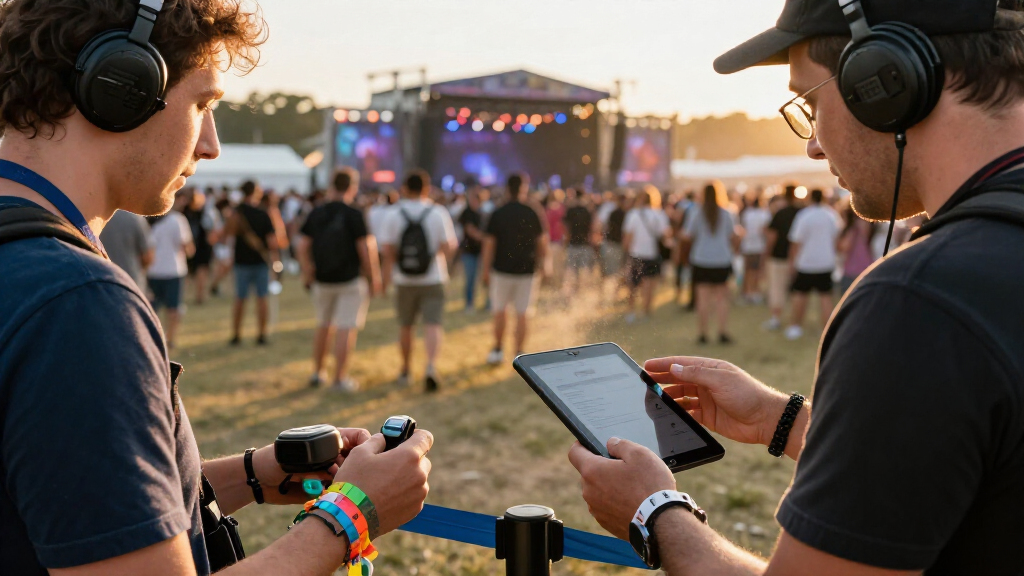
An IdeaNavigator AI proposal outlines an operations tool for phone-free events and institutions that use locking phone pouches. It recommends testing check-in, exception handling, pouch tracking and emergency-unlock logs at five venues and three schools; no product launch or pilot results are reported.
IdeaNavigator AI has outlined a proposed operations tool for phone-free shows, comedy clubs, schools and courts that use locking phone pouches, recommending a pilot at five venues and three schools. In the proposal, the company says the concept would organize check-in, approved exceptions, pouch inventory and emergency unlocks, addressing tasks it says operators often handle through improvised processes.
In its proposal, IdeaNavigator AI describes a minimum viable product that would pair a check-in flow with a registry for exceptions, such as medical needs or on-call responsibilities. The proposal also describes tracking pouch inventory, designated emergency-unlock stations that record reasons, and post-event operations reports. IdeaNavigator AI calls the software hardware-agnostic, saying it is intended to work alongside different pouch systems rather than replace their physical locks.
IdeaNavigator AI identifies operational problems including lost-pouch incidents, handling exception requests, bottlenecks when phones need emergency access, and re-entry queues. These are problems the proposal says the concept aims to address, not findings from a published study. The proposal does not report measured incident rates or establish how widespread each problem is.
IdeaNavigator AI proposes a per-event or per-site subscription and recommends pilots at five venues and three schools. The proposed comparison would assess exception-handling time and incident-log completeness against each location’s existing process. The proposal identifies no participating organizations, product developer, budget or pilot schedule.
Reducing Friction at Phone-Free Sites
Phone restrictions can create operational work beyond asking attendees or students to put devices away. In its proposal, IdeaNavigator AI says staff may need to answer requests for exceptions, account for pouches, respond to urgent situations and manage people returning to an event after accessing a phone. The proposal suggests a shared workflow could make those duties easier to track, but provides no evidence that software would reduce queues or staff workload.
The idea may matter to operators because emergency access and approved exceptions involve both service and recordkeeping. IdeaNavigator AI says a logged process could help managers review how requests were handled, while inventory tracking could give staff a clearer account of pouches during check-in and departure. These are potential benefits to test, not verified outcomes.
IdeaNavigator AI’s proposed pilot focuses on whether the tool improves two specific measures: time spent handling exceptions and incident-log completeness. The proposal says results could help operators decide whether a dedicated product is more useful than their current procedures. It offers no evidence about willingness to pay, savings or effects on the event experience.
Products Worth Considering

Anker SOLIX C1000 Gen 2 Portable Power Station with 100W Solar Panel

Anker SOLIX C300 DC Portable Power Station with 60W Solar Panel, 288Wh, 300W

Amazon Kindle Scribe (32GB) with Premium Pen, Tungsten (Like-New)
As an affiliate, we earn on qualifying purchases.
Pouch Policies Create Staff Tasks
IdeaNavigator AI says its concept is aimed at organizations using phone-free policies across settings including live shows, comedy clubs, schools and courts. The proposal’s premise is that locking pouches can restrict device use during an event or school day, while staff still need a way to address legitimate exceptions and urgent access. IdeaNavigator AI describes the need for operational software as growing alongside phone-free mandates, but supplies no figures or timeline to quantify that growth.
IdeaNavigator AI presents the proposed product as an administrative layer, not a pouch system. According to the proposal, it would coordinate staff-facing records and processes around existing hardware. The proposal does not claim the tool would lock phones, open pouches automatically or replace venue staff. It also does not specify how the system would verify an exception or protect records about medical and on-call needs.
Pilot Results and Safeguards Are Unknown
IdeaNavigator AI reports no product launch or pilot results in its proposal. The document does not say whether five venues and three schools have agreed to participate, who would build or operate the tool, or when testing could begin. The suggested sample is a validation plan, not confirmation that a trial is underway.
Important implementation details are also unspecified in the proposal. It does not explain how exception information would be collected, who could access it, how long logs would be retained, or how the software would connect to different pouch systems. It gives no performance targets for shorter wait times or more complete records, and it does not say how emergency access would work if the software or a device failed.
IdeaNavigator AI’s claims about lost pouches, bottlenecks and improvised processes are not accompanied by interviews, operational data or independent research in the proposal. Whether these problems are common enough to support a subscription product, and whether the same workflow would suit venues, schools and courts, remains unproven.
Testing the Proposed Workflow
IdeaNavigator AI proposes pilots at five venues and three schools as the next step. The proposal says operators would compare exception-handling time and incident-log completeness with their current methods. To assess the concept meaningfully, a trial would also need to define how those measures are recorded and whether the sites represent different pouch systems and operating conditions.
IdeaNavigator AI announces no dates or pilot partners in its proposal. Until a trial is confirmed and results are shared, the tool remains a product proposal rather than a deployed service. Further information would be needed on privacy controls, emergency procedures, integration with existing hardware and subscription pricing before operators could judge whether to adopt it.
Source: IdeaNavigator AI proposal
Key Questions
Has an operations tool for phone-free venues launched?
No launch is reported. IdeaNavigator AI describes a proposed software product, but identifies no developer, release date or available service.
What would the proposed tool do?
According to IdeaNavigator AI’s proposal, it would support check-in, exception records, pouch inventory, emergency-unlock logs and post-event reports, while working alongside existing pouch hardware.
Where would the product be tested?
IdeaNavigator AI recommends pilots at five venues and three schools. Its proposal does not say that sites have signed up or that testing has started.
What would the pilots measure?
The proposal suggests comparing exception-handling time and incident-log completeness with each site’s current process. It provides no results or target improvements.
What remains uncertain about the idea?
As described in IdeaNavigator AI’s proposal, the developer, schedule, participating sites, privacy protections, hardware integrations, pricing and effectiveness are not yet specified or established.
Source: IdeaNavigator AI