
To plan power for AI effectively, you need to balance rack density with cooling capacity, ensuring that heat output is managed without wasting energy. Properly size your data center’s cooling solutions, like containment systems, and enhance airflow for efficiency. Additionally, invest in robust substation infrastructure with capacity and redundancy to handle peak loads and future growth. Paying attention to these elements helps create a reliable, sustainable setup—if you continue exploring, you’ll uncover how to fine-tune each aspect for ideal performance.
Key Takeaways
- Optimize rack density to balance heat output with effective cooling solutions, reducing energy consumption.
- Implement advanced cooling strategies like hot aisle/cold aisle containment to enhance energy efficiency.
- Design robust power infrastructure with capacity, redundancy, and renewable sources to support high AI workloads.
- Use high-efficiency transformers and backup systems to minimize power losses and ensure continuous operation.
- Adopt a holistic energy management approach integrating cooling, hardware, and power systems for sustainable AI deployment.
Have you ever considered how much energy it takes to run artificial intelligence systems? As AI technologies grow more powerful and widespread, managing their energy demands becomes critically important. One of the biggest challenges in power planning for AI is ensuring efficient data center cooling. These centers house the servers and hardware that process vast amounts of data, and without proper cooling, equipment overheats, risking failures and downtime. You need to implement cooling systems that are not only effective but also energy-efficient. This means exploring innovative cooling solutions like liquid cooling or hot aisle/cold aisle containment, which can drastically reduce the energy needed to keep equipment within safe operating temperatures. By optimizing data center cooling, you improve overall energy efficiency, which directly impacts operational costs and sustainability.
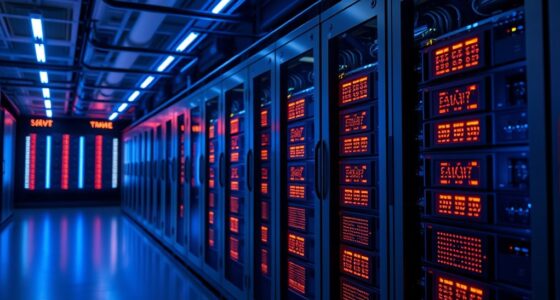
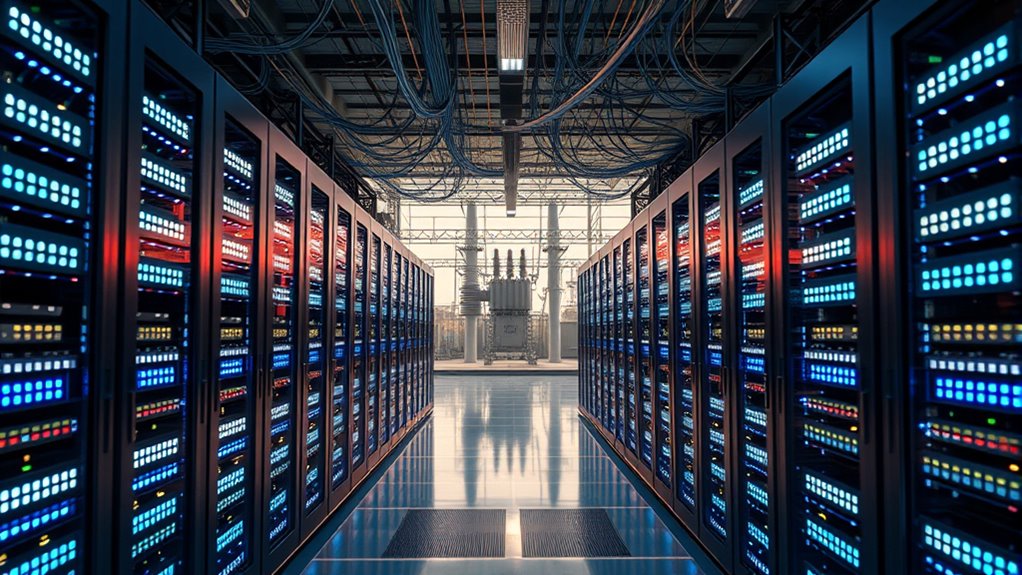
When planning for AI power needs, you also have to consider the scale and density of the rack setups. Higher rack densities mean more servers packed into smaller spaces, increasing the heat output and, consequently, the cooling requirements. To maintain energy efficiency, you must carefully balance rack density with effective cooling methods. Overloading racks without adequate cooling results in higher energy consumption and potential hardware failures, which can be costly and disruptive. You should evaluate the placement of equipment, airflow management, and cooling infrastructure to ensure that high-density racks operate efficiently without excessive energy use. This proactive approach saves energy and prolongs the lifespan of hardware, making your data center more sustainable.
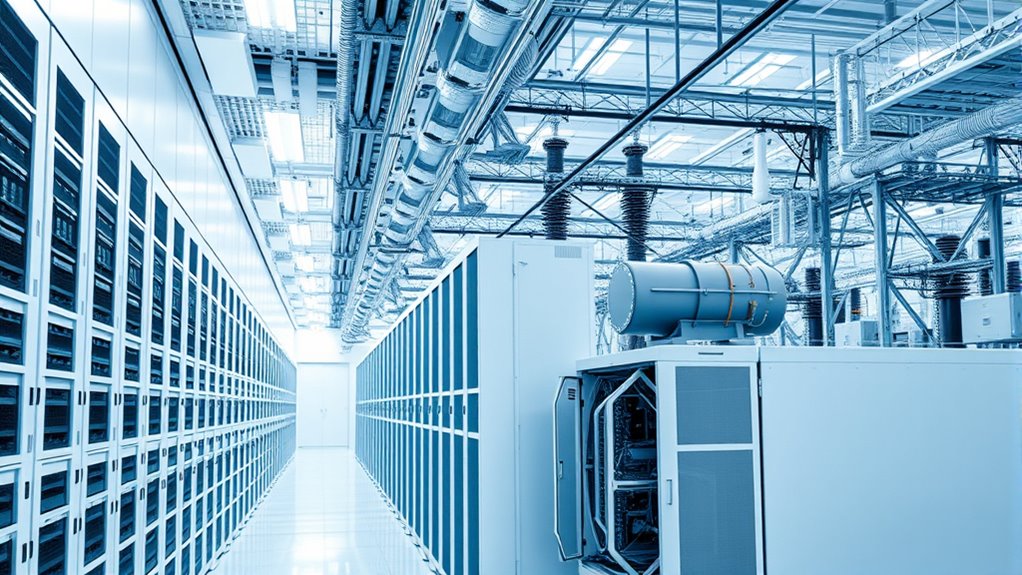
Moving further along the power chain, planning should extend to the substation level. As AI workloads intensify, power demands increase significantly, requiring robust infrastructure to handle peak loads. You need to ensure that substations feeding your data centers are designed with capacity and redundancy in mind. This involves selecting high-efficiency transformers and power supplies that minimize losses. Proper power distribution reduces waste and enhances overall energy efficiency. Consider integrating renewable energy sources or backup systems to ensure continuous operation during power interruptions. By meticulously planning at this stage, you prevent bottlenecks and ensure your AI systems run smoothly without interruptions or excessive energy costs.
In essence, power planning for AI isn’t just about supplying enough electricity; it’s about doing so intelligently. From optimizing data center cooling and managing rack density to designing efficient substations, each step plays a crucial role in creating a sustainable, cost-effective infrastructure. As AI continues to evolve, so must your strategies for energy management, helping you reduce environmental impact while maintaining high-performance operations. Thoughtful planning now ensures your AI systems are not only powerful but also energy-efficient, ready to meet future demands with resilience and responsibility. Additionally, considering hardware efficiency can significantly influence overall energy consumption and operational costs, making it a vital aspect of comprehensive power planning.
data center cooling containment systems
As an affiliate, we earn on qualifying purchases.
As an affiliate, we earn on qualifying purchases.
Frequently Asked Questions
How Does AI Power Demand Vary Across Different Industries?
You’ll notice AI power demand varies across industries due to industry-specific energy trends and regional power consumption patterns. Tech sectors and data centers typically have higher, consistent energy needs, while manufacturing may fluctuate based on operational schedules. In regions with high power demands, industries adapt by optimizing energy use. Understanding these factors helps you plan better, ensuring reliable power supply while minimizing costs and environmental impacts.
What Are the Latest Innovations in AI Power Infrastructure?
Imagine a symphony where every instrument syncs perfectly—that’s what cutting-edge AI power infrastructure aims for. You see, innovations like smart grids dynamically balance loads, reducing waste, while advanced energy storage technologies store excess energy for later use. These breakthroughs guarantee AI systems run seamlessly, even during peak demands. By integrating smart grid management with energy storage, you create a resilient, efficient power foundation that keeps AI thriving and adaptable.
How Can Renewable Energy Be Integrated Into AI Data Centers?
You can incorporate renewable energy into AI data centers by leveraging energy storage solutions like batteries to balance supply and demand. Grid integration allows you to connect with renewable sources such as solar or wind, reducing reliance on fossil fuels. By implementing smart energy management systems, you optimize renewable usage, minimize carbon footprint, and guarantee a reliable power supply for your data center’s AI operations.
What Are the Cost Implications of High-Density Rack Setups?
High-density rack setups increase your costs due to greater power and cooling needs. You’ll need robust rack cooling systems to prevent overheating, which can be expensive to install and operate. Additionally, ensuring power redundancy becomes more critical and costly, as you must provide backup power sources to handle increased load without downtime. These factors raise overall expenses but are essential for maintaining performance and reliability in dense AI data centers.
How Is AI Power Efficiency Monitored and Optimized?
You can effectively monitor and optimize AI power efficiency by tracking energy consumption and cooling efficiency in real-time. While it might seem complex, implementing smart sensors and analytics software helps identify inefficiencies early. This proactive approach allows you to adjust workloads, improve cooling, and reduce energy waste, ultimately lowering operational costs and extending hardware lifespan. Regularly analyzing these metrics guarantees your AI infrastructure remains energy-efficient and cost-effective.
high efficiency power transformers for data centers
As an affiliate, we earn on qualifying purchases.
As an affiliate, we earn on qualifying purchases.
Conclusion
As you navigate the complex landscape of AI power planning, remember it’s not just about circuits and capacity—it’s about fueling the future. Think of your infrastructure as the backbone of innovation, holding up the weight of tomorrow’s breakthroughs. With careful planning from rack density to substation, you’re planting seeds today that will grow into the towering trees of AI progress. Stay proactive, and let your power strategy be the steady current driving innovation forward.
liquid cooling systems for servers
As an affiliate, we earn on qualifying purchases.
As an affiliate, we earn on qualifying purchases.
redundant power supply units for AI data centers
As an affiliate, we earn on qualifying purchases.
As an affiliate, we earn on qualifying purchases.