GPU scheduling manages how tasks share GPU resources efficiently. Technologies like Multi-Process Service (MPS) allow multiple applications to run simultaneously by sharing access, boosting throughput and reducing idle time. Multi-Instance GPU (MIG) divides a single GPU into isolated instances, improving security and predictability. Multi-tenancy enables multiple users or applications to securely share GPU resources while maintaining performance. Understanding these strategies helps optimize GPU performance; if you continue exploring, you’ll uncover how each method works in detail.
Key Takeaways
- GPU scheduling manages task prioritization and resource allocation to ensure efficiency and responsiveness across multiple workloads.
- Multi-Process Service (MPS) enables shared GPU access, improving throughput and reducing idle times for concurrent tasks.
- Multi-Instance GPU (MIG) divides a physical GPU into isolated instances, enhancing security, predictability, and multi-tenant management.
- Multi-tenancy strategies allow multiple users or applications to share GPU resources securely and fairly, preventing monopolization.
- Core principles focus on intelligent workload balancing and resource allocation to optimize performance, security, and efficiency.

GPU scheduling is a essential process that determines how graphics processing tasks are prioritized and executed on your graphics card. When you run demanding applications or games, the GPU must efficiently manage multiple tasks to deliver smooth performance. This management involves resource allocation, where the GPU decides how to distribute its processing power among various workloads. Proper resource allocation guarantees that each task gets the necessary attention without starving others, which is imperative for maintaining efficiency and responsiveness. Workload balancing is at the heart of GPU scheduling, helping to prevent bottlenecks and ensuring that no single task monopolizes the GPU’s resources.
GPU scheduling manages task prioritization and resource allocation for smooth, efficient performance during demanding workloads.
Modern GPU architectures utilize different scheduling techniques to optimize performance, especially when handling complex or concurrent workloads. One such method is Multi-Process Service (MPS), which allows multiple applications to share the GPU more effectively. With MPS, the GPU scheduler dynamically allocates resources based on the current workload, ensuring each process receives appropriate processing time. This approach minimizes idle periods and improves overall throughput, especially useful in scenarios like machine learning or server workloads where multiple tasks run simultaneously. MPS also streamlines workload balancing by reducing contention and allowing multiple users or applications to coexist on the same GPU without significant performance drops.
Another advanced feature is Multi-Instance GPU (MIG), available on specific NVIDIA GPUs. MIG divides a single physical GPU into multiple isolated instances, each with dedicated resources like compute cores, memory, and bandwidth. This segmentation allows for precise resource allocation tailored to each workload’s requirements. With MIG, workload balancing becomes more predictable and secure, as each instance operates independently without interference. This setup is perfect for multi-tenant environments like data centers, where different users or tasks need dedicated GPU resources without impacting each other’s performance. By isolating workloads, MIG also simplifies resource management, reducing contention and ensuring consistent performance for all users.
Multi-tenancy strategies further enhance GPU scheduling by enabling multiple users or applications to share a single GPU securely and efficiently. These strategies involve sophisticated scheduling algorithms that allocate resources based on priority, workload type, or user policies. Effective workload balancing in multi-tenancy environments guarantees fair distribution of resources, preventing any single process from dominating the GPU. This approach is especially critical in cloud gaming, virtual desktop infrastructure, or shared computational environments, where maintaining quality of service and minimizing latency are essential.
In essence, GPU scheduling revolves around intelligent resource allocation and workload balancing. Technologies like MPS, MIG, and multi-tenancy frameworks optimize how the GPU handles multiple tasks simultaneously, ensuring high performance, security, and efficiency. By understanding these processes, you can better appreciate how your GPU manages complex workloads and delivers seamless visual experiences.
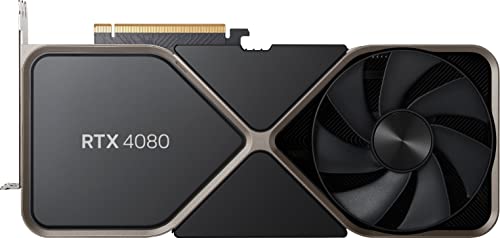
NVIDIA – GeForce RTX 4080 16GB GDDR6X Graphics Card
Powered by the NVIDIA GeForce RTX 4080 (16GB) graphics processing unit (GPU) with a 2.51 GHz boost clock…
As an affiliate, we earn on qualifying purchases.
As an affiliate, we earn on qualifying purchases.
Frequently Asked Questions
How Does GPU Scheduling Impact Overall System Performance?
GPU scheduling directly impacts your system’s performance by managing GPU load and guaranteeing efficient resource balancing. When scheduling is refined, your GPU can handle multiple tasks simultaneously without bottlenecks, improving throughput and reducing latency. Proper scheduling minimizes idle time, maximizes resource utilization, and ensures smooth operation, especially in multi-tenant environments. This leads to a more responsive system, better performance, and maximum use of your GPU’s capabilities.
Can Multiple Users Access a Single GPU Simultaneously?
It’s possible for multiple users to access a single GPU simultaneously through GPU virtualization and resource partitioning. When you implement these techniques, the GPU’s resources are divided into virtual segments, allowing multiple workloads to run concurrently without interference. This setup maximizes hardware utilization, giving each user a dedicated slice of the GPU’s power while maintaining performance. So, yes, multi-user access is achievable with efficient scheduling and partitioning.
What Security Measures Exist for Multi-Tenant GPU Environments?
In multi-tenant GPU environments, security measures like GPU isolation and access controls are essential. You guarantee that each user’s data stays protected by implementing strict access controls, limiting who can use or modify GPU resources. GPU isolation prevents one user’s workload from affecting others, maintaining data privacy and system stability. These measures work together to keep multi-tenant environments secure, allowing multiple users to share GPU resources safely.
How Does GPU Scheduling Differ Between NVIDIA and AMD Hardware?
You’ll notice that Nvidia and AMD handle GPU scheduling differently due to their hardware virtualization and driver compatibility. Nvidia’s MPS (Multi-Process Service) enables sharing of GPU resources across multiple processes, optimizing multi-tenancy. AMD uses hardware virtualization features like SR-IOV to partition resources. While Nvidia’s driver compatibility is well-established for MPS and MIG, AMD’s approach relies more on hardware features, which can impact scheduling flexibility and integration.
Are There Best Practices for Optimizing GPU Resource Allocation?
Think of your GPU as a well-tuned orchestra—every instrument needs its cue. To optimize resource allocation, prioritize resource partitioning and workload balancing. Assign tasks efficiently, avoiding bottlenecks, and use features like MIG for dedicated workloads. Regularly monitor performance metrics, adjust partitions, and distribute workloads evenly. These practices make certain your GPU performs at peak, harmonizing all processes for maximum efficiency and responsiveness.

NVIDIA Tesla A100 Ampere 40 GB Graphics Processor Accelerator – PCIe 4.0 x16 – Dual Slot
Standard Memory: 40 GB
As an affiliate, we earn on qualifying purchases.
As an affiliate, we earn on qualifying purchases.
Conclusion
By understanding GPU scheduling methods like MPS, MIG, and multi-tenancy, you can optimize resource use and boost efficiency. Imagine running multiple high-demand workloads simultaneously—MIG allows you to partition a single GPU into up to seven isolated instances. That’s like having seven powerful GPUs in one! Mastering these techniques means you’re liberating maximum performance, making your workloads smoother and more cost-effective. Embrace these strategies, and watch your GPU utilization soar!

fosa Dual Port Server Network Card, 10Gbps High Speed Server Network Adapter with RDMA Technology and Hardware Acceleration, for Data Center and GPU Computing Platforms
HIGH SPEED TRANSMIT: The dual port server network card supports a transmit rate of 10Gbps and is suitable…
As an affiliate, we earn on qualifying purchases.
As an affiliate, we earn on qualifying purchases.

GSCOLER ARGB GPU Support Bracket with CPU & GPU Temp Display, Universal Graphics Card Support, Multi Angle Adjustable GPU Sag Bracket for Video Cards, GPU Stand Built-in 5V3PIN Addressable RGB Strip
【Dual – Temp Monitoring & Digital Precision】This gpu support bracket features a 2K – clarity digital screen, delivering…
As an affiliate, we earn on qualifying purchases.
As an affiliate, we earn on qualifying purchases.