To interpret air purifier coverage claims realistically, focus on the details behind the estimates. Know that these claims are often based on ideal or perfect conditions and may not reflect your actual space. Check the specific testing conditions, like room size and airflow, and compare CADR ratings, which measure how quickly the purifier filters air. Remember that room layout and pollution levels influence performance. Want to make smarter choices? Keep exploring to understand how to set more accurate expectations.

Get audio and creator gear delivered free with Prime
- Fast, free delivery on millions of items
- Prime Video, Amazon Music and more included
- Member-only deals all year
Key Takeaways
- Verify if coverage claims are based on ideal or real-world airflow conditions to set realistic expectations.
- Compare CADR ratings for specific pollutants rather than relying solely on overall coverage claims.
- Consider room size, layout, and obstructions that may reduce actual effective coverage.
- Review testing conditions and fine print to understand the basis of the coverage estimates.
- Remember that maintenance, filter quality, and air circulation influence real-world purifier performance.
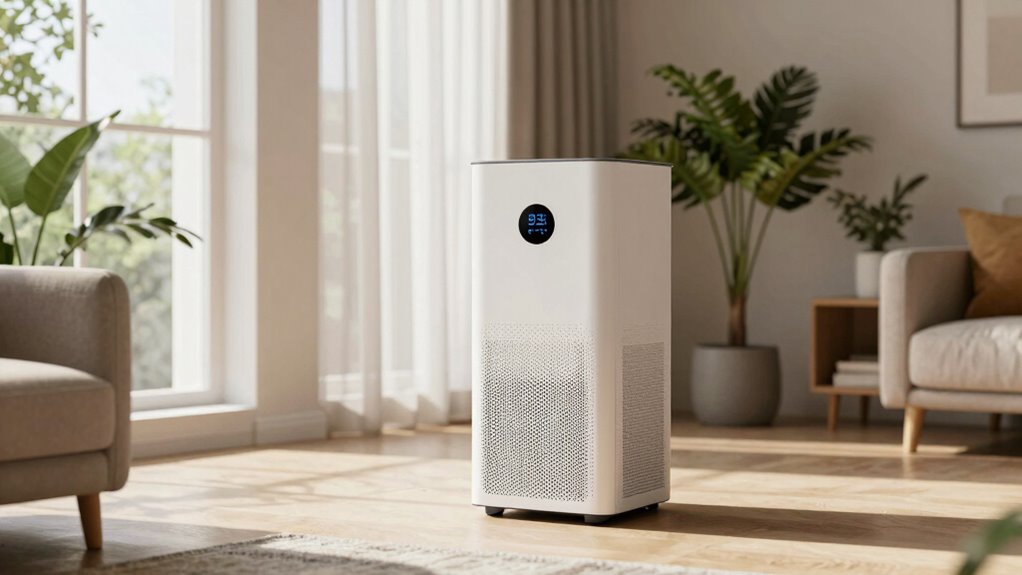
air purifier with high CADR rating
As an affiliate, we earn on qualifying purchases.
As an affiliate, we earn on qualifying purchases.
What Do Coverage Claims Really Mean for Your Space?
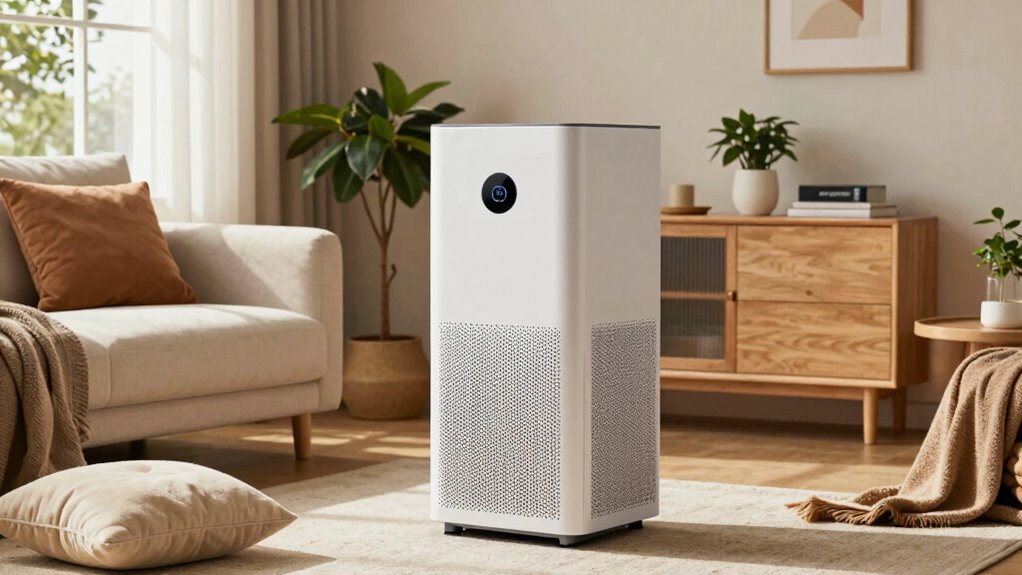
Understanding what air purifier coverage claims actually mean is essential for choosing the right unit for your space. Many people fall for air purifier myths or coverage misconceptions, believing that a certain square footage rating guarantees perfect air quality. In reality, these claims are often based on ideal conditions that don’t match your environment. Coverage estimates typically reflect the maximum area the device can handle under perfect circumstances, not the actual effectiveness in your home. Factors like ceiling height, air circulation, and pollution levels can considerably impact performance. Don’t assume a higher coverage number means better filtration for your needs. Instead, use the claims as a rough guideline, and consider other factors like filter quality and room layout for more accurate expectations. Recognizing how digital concepts influence these claims can help set more realistic expectations, especially since some manufacturers may emphasize technical specifications to appear more capable than they truly are. Additionally, understanding how natural airflow interacts with purifier placement can significantly affect real-world results. Being aware of air circulation patterns in your space can further optimize the purifier’s effectiveness.
How to Identify What Coverage Estimates Are Based On
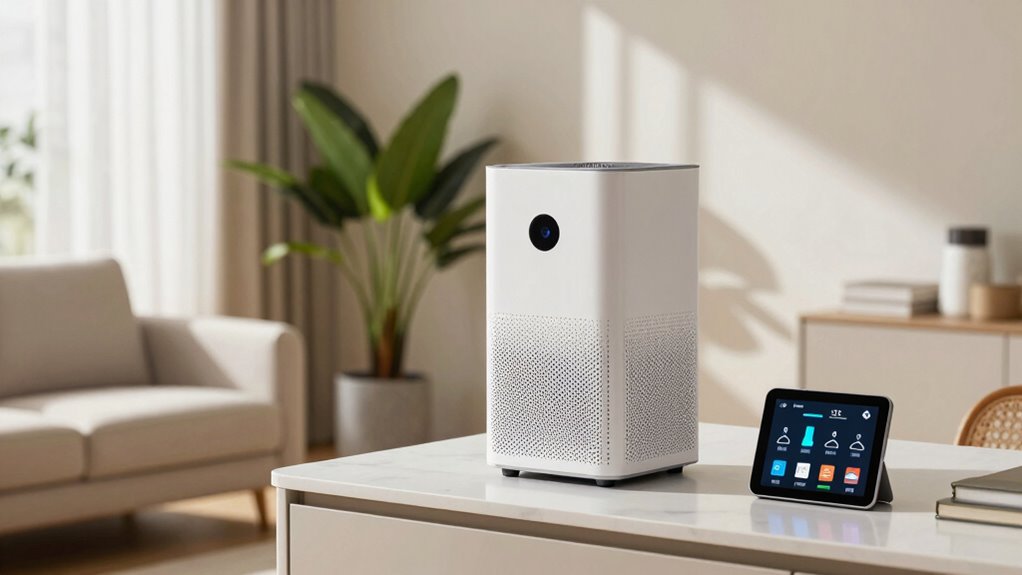
To determine what a coverage estimate truly reflects, you need to look beyond the marketing numbers and examine the specific testing conditions used by the manufacturer. Many air purifier myths revolve around inflated claims that don’t match real-world performance. Manufacturers often base their coverage estimates on ideal conditions, such as minimal airflow restrictions or specific particle concentrations. These conditions may not mirror your actual environment, leading to coverage exaggerations. Check the fine print or testing standards cited by the manufacturer—such as CADR ratings or test room sizes—and see if they specify airflow rates, filter types, or particle sizes. Understanding these factors helps you assess whether the coverage claim is realistic for your space, rather than falling for exaggerated numbers that won’t hold up in everyday use. Additionally, considering testing standards can provide clarity on how the claims are derived.
Why Room Size Isn’t the Whole Story

Room size isn’t the only factor affecting an air purifier’s effectiveness; your indoor air quality levels play a big role. A space with high pollution or allergens requires more powerful purification, regardless of size. Additionally, the layout of your room can influence how well the air circulates and how effectively the purifier works. Recognizing air circulation patterns is crucial for optimizing purifier placement and performance. Being aware of indoor pollutant sources specific to your environment can also help tailor your air purification needs more accurately. Understanding room ventilation can further improve the overall efficiency of your air purifier. To truly gauge its effectiveness, consider how air quality monitoring can provide real-time insights into your indoor environment.
Air Quality Levels
Have you ever noticed that an air purifier’s coverage claim doesn’t seem to match how well it cleans your space? That’s because air quality levels play a big role in effective air filtration and IAQ improvement. Your room’s pollutant levels, humidity, and airflow affect how well an air purifier works. Even a purifier rated for a large room might struggle if the air is heavily polluted or if airflow is restricted. To better understand this, consider these points:
- Higher pollutant levels require more powerful filtration.
- Humidity can impact particle behavior and purifier efficiency.
- Stagnant air reduces circulation, lowering filtration effectiveness.
- Multiple sources of pollution can overwhelm a device.
Room Layout Impact
Ever wonder why a larger room doesn’t always mean better air purification? It’s because room layout impacts an air purifier’s effectiveness. Obstacles like furniture, curtains, and walls can block airflow, reducing the purifier’s reach. Proper air purifier installation is key; place it in open areas away from corners and obstructions. Maintenance tips, like regular filter changes, guarantee peak performance despite layout challenges. Additionally, understanding home safety principles can help you create an optimal environment for air quality. Considering smart yard care technologies, such as outdoor air circulation systems, can also enhance overall indoor air quality. Being aware of the airflow patterns within your space can further help optimize your purifier’s performance and ensure cleaner air throughout your home. Recognizing how consumer choices influence product effectiveness can help you make better decisions when selecting air purifiers. Knowing how to interpret coverage claims realistically allows you to select a device that truly meets your needs.
Understanding CADR Ratings and Coverage

Understanding CADR ratings is essential because they provide a standardized way to compare how effectively air purifiers clean the air. CADR, or Clean Air Delivery Rate, measures how much filtered air an appliance produces per minute. This helps clear up common coverage misconceptions and dispels air purifier myths that all models perform equally. When evaluating CADR, keep in mind:
- Higher CADR values mean faster removal of pollutants
- CADR scores differ across dust, pollen, and smoke
- A CADR suited for your room size ensures better coverage
- Don’t assume bigger claims mean better performance; compare specific CADR numbers
- Knowing the air quality you want to improve can help you choose the right model for your space.
How Air Quality Affects Your Coverage Needs

Your indoor air quality directly influences how much coverage you’ll need from an air purifier. Many people buy units based on coverage myths, believing bigger is always better. In reality, air quality varies greatly depending on factors like pollution levels, allergens, and household habits. If you live in an area with high pollution or have pets, you’ll need more extensive coverage. Conversely, if your space is cleaner, a smaller unit may suffice. Avoid coverage misconceptions that suggest a one-size-fits-all solution; your needs depend on your environment. Poor air quality demands higher CADR ratings and larger coverage areas for effective purification. Assess your air quality first, then choose an air purifier designed to handle your specific conditions for the best results. Understanding indoor air quality helps you make more informed decisions about the right size and type of purifier for your space, especially when considering air quality testing to accurately gauge your needs. Additionally, knowing your air pollution sources can help you select a purifier with the appropriate filtration technology. Recognizing how indoor air contaminants behave can further refine your choice for optimal air cleaning. Being aware of affiliate disclosure policies can also guide your understanding of product recommendations and help you make more transparent purchasing decisions.
Do Room Layout and Obstructions Impact Purifier Performance?
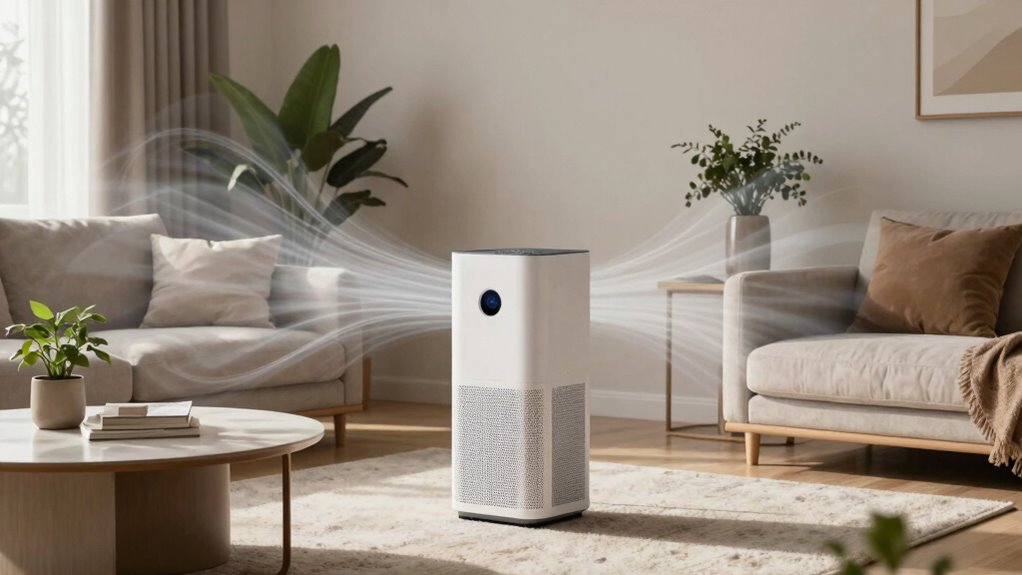
Your room layout and furniture placement can substantially impact your air purifier’s effectiveness. Obstructions like walls or large pieces of furniture can block airflow and reduce purification efficiency. To get the best results, keep a clear space around the unit and consider how the room’s shape and furniture might influence circulation. Being aware of airflow patterns can help optimize your purifier’s performance and ensure cleaner air throughout the space. Additionally, understanding how home soundproofing techniques can influence airflow may further enhance your air quality management efforts. Recognizing how room acoustics affect ventilation can also contribute to maintaining optimal air circulation.
Obstructions Reduce Airflow Efficiency
Obstructions like furniture, curtains, or walls can considerably hinder a purifier’s airflow, reducing its overall effectiveness. When airflow obstructions occur, the purifier struggles to circulate air properly, which can lead to coverage misconceptions. To maximize efficiency, keep airflow clear around the device.
Consider these points:
- Avoid placing furniture directly in front of the purifier
- Keep curtains away from the intake and outlet vents
- Don’t block air pathways with large objects
- Maintain a clear space of at least a few feet around the unit
Room Shape Affects Circulation
The shape and layout of a room can markedly influence how effectively an air purifier circulates air. Unusual room shapes or irregular layouts can create areas with poor air circulation, reducing overall purifier efficiency. For example, long, narrow spaces may limit airflow, while open floor plans promote better circulation. Room acoustics also play a role, as high ceilings or hard surfaces can reflect and disrupt airflow patterns. Obstructions like corners or architectural features can trap pollutants, preventing the purifier from evenly distributing clean air. To maximize performance, position your purifier where air flows freely and avoid placing it near walls or large objects. Understanding how your room’s shape impacts air circulation helps you select and place your purifier more effectively.
Furniture Blocks Purifier Reach
Furniture and other large objects can profoundly limit an air purifier’s ability to circulate clean air throughout a room. When bulky furniture blocks the purifier’s airflow, it reduces efficiency and coverage. To maximize performance, consider how your decor aesthetics influence placement. Keep the purifier away from obstructions like sofas, cabinets, or heavy drapes, which can create dead zones. Proper positioning also maintains the purifier’s brand reputation for effectiveness. Use these tips:
- Place the unit in an open area, not tucked into corners
- Avoid blocking air intake and outlet vents
- Rearrange furniture to improve airflow
- Regularly move the purifier for ideal coverage
Comparing Coverage Claims Across Different Air Purifiers
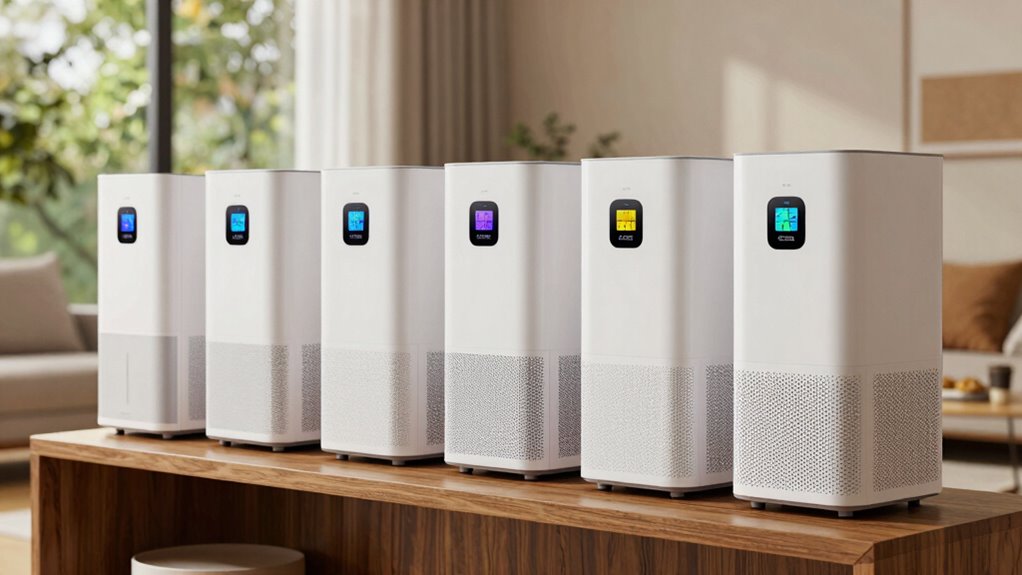
When comparing coverage claims across different air purifiers, it’s important to understand that manufacturers often use varying metrics and assumptions, making direct comparisons tricky. Some brands might list coverage based on ideal conditions, while others factor in real-world airflow or filtration efficiency. Pay attention to how long the air purifier’s filter lasts—air purifier longevity varies, affecting overall performance and cost. A device with a larger claimed coverage might need more frequent filter replacements, increasing long-term expenses. Always check the manufacturer’s specifications on filter replacement intervals and consider how these impact actual coverage. Remember, a higher coverage claim doesn’t always translate to better performance if filter maintenance becomes costly or inconvenient. Comparing these claims helps you choose an air purifier that balances coverage with practical longevity.
Tips for Choosing the Right Air Purifier for Your Room

When selecting an air purifier, start by checking if its coverage matches your room size to guarantee effective cleaning. Consider the air change rate to see how often the purifier refreshes the air, and look for filters with high efficiency levels for better pollutant removal. Making these points a priority helps you choose a device that truly fits your needs.
Room Size Compatibility
Choosing an air purifier that matches your room size is crucial for effective air cleaning. If the unit is too small, it won’t filter the air efficiently; too large, and it may be unnecessarily noisy or costly. When selecting, consider these tips:
- Check the recommended room size on the label to ensure it suits your space.
- Avoid models with high air purifier noise levels if you prefer quiet operation.
- Factor in maintenance schedules—larger rooms may require filters replaced more often.
- Confirm the purifier’s coverage aligns with your room dimensions for maximum performance.
Matching your air purifier’s capacity to your room helps maintain good air quality while minimizing noise and ensuring timely maintenance. Proper sizing prevents overworking the filter and ensures consistent, effective air cleaning.
Air Change Rate
Understanding the air change rate of an air purifier helps you select the right unit for your space. This rate indicates how often the purifier can filter the entire room air in an hour, reflecting its effectiveness in air filtration. Higher rates mean quicker removal of pollutants but often come with higher purifier ratings and energy use. When choosing, consider your room size and desired air quality.
| Air Change Rate | Ideal for |
|---|---|
| 4-6 ACH | General air filtration in living rooms and bedrooms |
| 6-8 ACH | Better for allergy sufferers or polluted areas |
| 8+ ACH | Hospitals or highly polluted environments |
Filter Efficiency Levels
- HEPA filters for allergens and viruses
- Activated carbon for odors
- Filter lifespan impacts maintenance
- Noise levels affect daily comfort
Top Mistakes to Avoid When Reading Coverage Claims
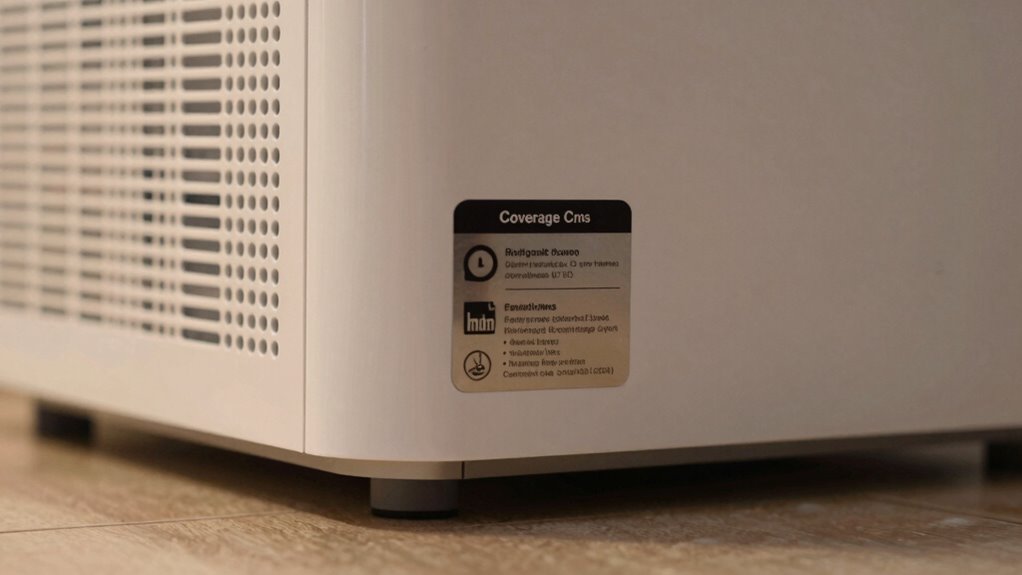
Many people make the mistake of taking air purifier coverage claims at face value without digging deeper. This often leads to falling for air purifier myths and coverage misconceptions that skew expectations. Don’t assume that a larger coverage area guarantees better filtration or that the numbers on the box are always accurate. Always verify the room size, actual CADR ratings, and manufacturer claims.
| Misconception | Reality | Tip |
|---|---|---|
| Larger coverage equals better | Coverage depends on filter quality and CADR ratings | Check actual performance data before buying |
| Claims are always accurate | Marketing claims can be exaggerated | Read reviews and independent tests |
| All purifiers cover the same area | Coverage varies by model and filter type | Match your room size with specs |
Using Realistic Expectations for Better Air Quality Results
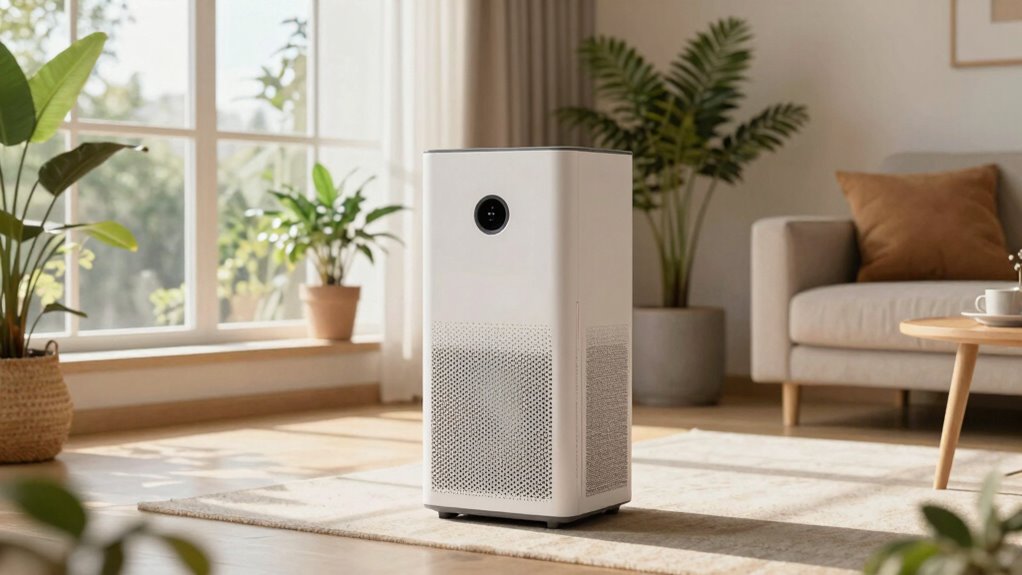
To achieve the best air quality results, setting realistic expectations is essential. While air filtration can considerably reduce indoor allergens, it doesn’t eliminate them completely. Understand that factors like room size, airflow, and the purifier’s capacity influence results. Don’t expect instant perfection; air quality improves gradually with consistent use. Keep in mind:
- Larger rooms may need more powerful units for effective air filtration
- Some allergens persist despite filtration, especially if sources remain active
- Regular maintenance, like changing filters, is vital for maximum performance
- Air purifiers work best when combined with good ventilation and cleaning habits
Frequently Asked Questions
How Often Should I Replace or Clean Filters to Maintain Coverage?
You should replace or clean filters according to the filter lifespan and maintenance schedules provided by the manufacturer. Generally, pre-filters need cleaning every 1-3 months, while HEPA filters might last 6-12 months. Regularly checking your air purifier and following these schedules guarantees maximum coverage. If you notice decreased airflow or increased noise, it’s time to clean or replace filters sooner. Proper maintenance keeps your purifier working efficiently.
Do Different Pollutants Require Different Purifier Coverage Considerations?
You can’t paint all pollutants with the same brush, so pollutant specificity really matters. Different pollutants, like pet dander or smoke, require air purifiers with specific filter effectiveness. Consider what you’re targeting—HEPA filters excel at capturing particles, while activated carbon handles odors and gases. By choosing a purifier tailored to your needs, you get the coverage you need without throwing money down the drain. Don’t just go for the flashy claims—know what works for your environment.
How Does the Purifier’s Placement Influence Its Effective Coverage?
Your purifier’s placement greatly impacts its effective coverage. Use placement strategies like positioning it near pollution sources or central locations for ideal airflow. Consider room size considerations to guarantee the purifier’s capacity matches the space; a small unit in a large room won’t clean effectively. Keep it away from walls or obstructions to maximize circulation. Proper placement ensures you get the most out of your purifier’s coverage area.
Are There Seasonal or Environmental Factors Affecting Coverage Accuracy?
Imagine you’re running your air purifier in winter, and it seems less effective. Seasonal variations like increased indoor heating or open windows can impact coverage. Environmental impacts, such as humidity and pollution levels, also play a role. These factors can reduce the purifier’s efficiency, making it seem like it covers less space. Always consider seasonal and environmental changes when evaluating your purifier’s performance to guarantee peak air quality year-round.
Can Multiple Air Purifiers Be Used Together for Better Coverage?
Yes, using multiple air purifiers can improve overall air quality and purifier efficiency in larger spaces. Position them strategically to guarantee complete coverage, especially in areas with high pollution or allergens. Keep in mind, though, that coverage claims may vary, so it’s crucial to match each purifier’s capacity with your room size. Combining units helps reduce pollutants more effectively, creating a healthier environment and making sure your air remains consistently clean.
Conclusion
Remember, a bigger coverage claim doesn’t automatically mean better air quality. While it’s tempting to choose the largest capacity, it’s more important to match the purifier’s specs with your actual needs. Think of it like buying a suit—you want the right fit, not the biggest size. By understanding coverage claims and setting realistic expectations, you’ll enjoy cleaner air without unnecessary spending or disappointment. After all, quality matters more than quantity.
Halloween Picks
halloween
As an affiliate, we earn on qualifying purchases.