
TL;DR

Get audio and creator gear delivered free with Prime
- Fast, free delivery on millions of items
- Prime Video, Amazon Music and more included
- Member-only deals all year
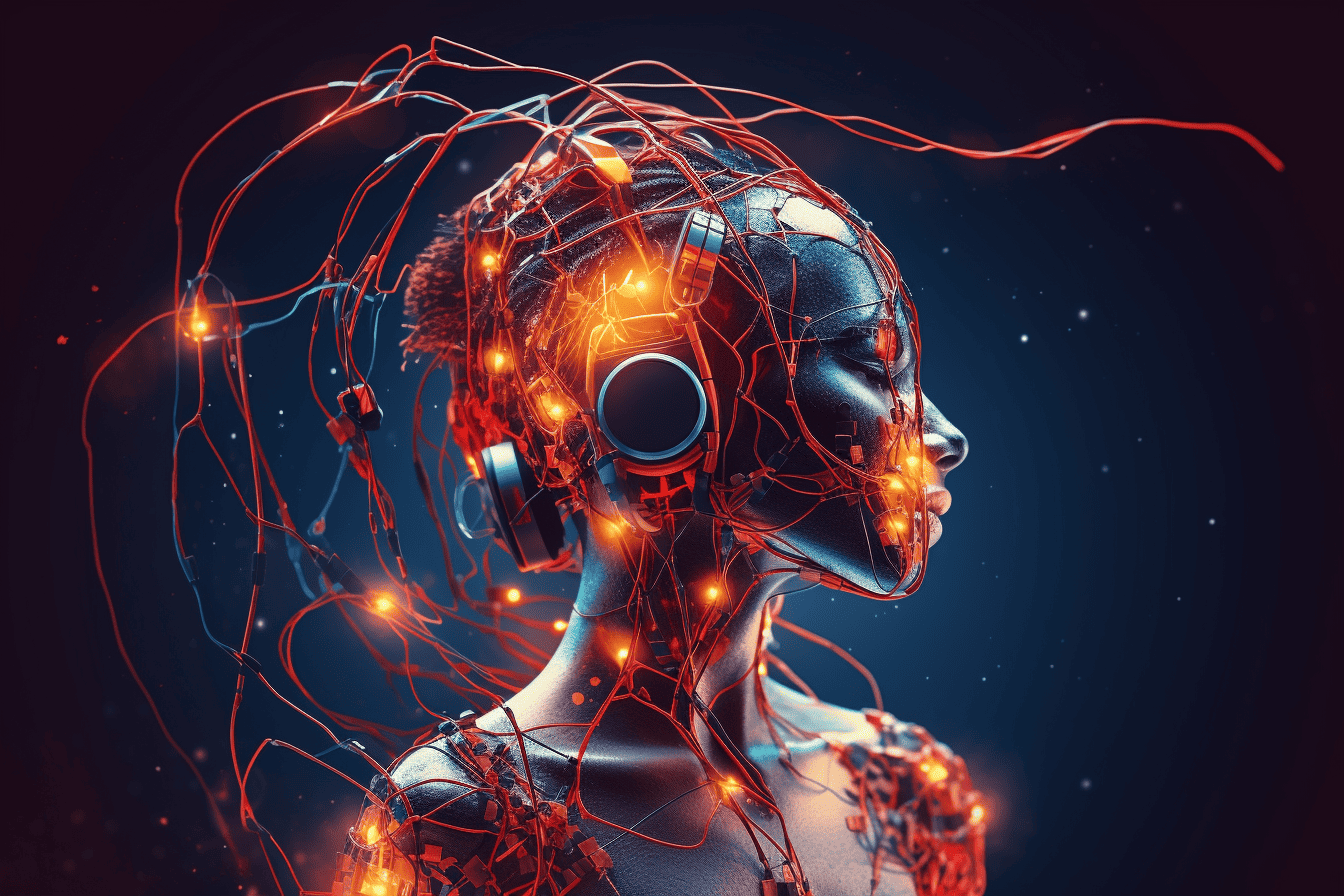
A recent report indicates that Anthropic’s Claude might employ a new watermarking technique to mark AI-generated content. However, technical specifics and deployment status are still unverified, leaving many questions open. This development could impact how AI content is traced and verified online.
A recent report suggests that Anthropic’s Claude may be using a new, as-yet-unconfirmed watermarking method to identify AI-generated text. The development could impact how publishers, platforms, and researchers verify the origin of online content, but details about the mechanism and deployment are still unclear. For more details, see the original analysis.
The report, published by Thorsten Meyer AI, indicates that Claude could incorporate a watermark—an identifiable signal associated with its output—to distinguish AI-generated text from human writing. However, no official statement has confirmed that Anthropic has deployed such a system or provided technical specifics about how it might work.
Current evidence is based on observations of recurring output patterns rather than documented, intentional marking mechanisms. Some researchers are exploring new watermarking techniques. It remains uncertain whether the proposed watermark relies on statistical word patterns, embedded metadata, hidden characters, or other techniques. Furthermore, there is no information on whether all Claude responses carry this marker, whether it can be removed, or if detection tools are available.
Experts caution that without formal documentation or reproducible testing, claims about a watermark’s presence and effectiveness are speculative. As detailed in the original analysis, this remains an early-stage development. The report emphasizes that the development is at an early stage, and much remains to be clarified before it can be considered a reliable provenance tool.
Potential Impact on AI Content Verification Standards
If confirmed and effectively implemented, a watermarking system in Claude could significantly enhance the ability of publishers, platforms, and researchers to trace AI-generated content. This could support efforts to enforce disclosure policies, investigate large-scale automated content production, and combat misuse such as spam or impersonation. However, the absence of official confirmation means that the technology’s reliability and scope are still uncertain.
Additionally, this development might influence future standards for AI transparency, but it does not automatically translate into search engine ranking signals or legal compliance without further validation. The distinction between technical capability and verified deployment remains critical for understanding its true impact.
As an affiliate, we earn on qualifying purchases.
Background on AI Watermarking and Content Verification Challenges
Watermarking AI-generated text has long been a complex problem due to the ease of paraphrasing, translation, and manual editing, which can weaken or erase embedded signals. Previous efforts have included embedding metadata or linguistic patterns, but each approach faces limitations in robustness and detection accuracy.
Recent developments focus on creating subtle, resilient signals that can survive common text modifications. Several AI developers have explored content marking, but no universally adopted standard exists. The report about Claude’s potential watermark adds to ongoing discussions about reliable AI content identification, which remains a key concern for publishers, regulators, and researchers.
“Watermarking AI output is technically challenging, and without transparent documentation, claims about such features should be viewed with caution.”
— AI industry expert
Unconfirmed Details and Testing Limitations of the Proposed Watermark
Several core questions remain unanswered: Has Anthropic officially implemented this watermark? Which Claude models or interfaces include it? Can users remove or bypass the marker? Is there an available detection system? Without concrete testing and documentation, the effectiveness and scope of the purported watermark are uncertain.
Furthermore, it is unclear whether the marker can reliably identify short or heavily edited passages, and whether it can distinguish Claude output from other AI systems or human writing.
Future Steps for Verification and Official Disclosure
The next critical step is for Anthropic to publish detailed documentation about the watermarking method, including technical specifications, deployment scope, and error rates. Independent researchers and industry experts will likely conduct tests to assess the marker’s robustness against editing, paraphrasing, and translation.
Until such evidence is available, the AI community and publishers should treat the report as a potential tool rather than a confirmed standard, and avoid making decisions based solely on unverified claims.
Key Questions
Has Anthropic confirmed that all Claude responses are watermarked?
No. There is no official confirmation that every response from Claude contains a watermark or that the system has been deployed universally across all products.
How might the Claude watermark work?
The mechanism has not been publicly detailed. It could involve statistical patterns, embedded metadata, or hidden characters, but these are speculative at this stage.
Can search engines detect the watermark?
There is no confirmed evidence that search engines can recognize or interpret the reported marker. Its impact on search rankings or content moderation remains unknown.
Would a watermark definitively prove a passage was written by Claude?
Not necessarily. Detection systems might face false positives or negatives, and editing can weaken the signal. Reliable attribution requires documented testing and supporting evidence.
When will more information about the watermark be available?
The next step is for Anthropic or independent researchers to publish detailed technical documentation and testing results, which could happen in the coming months.
Source: ThorstenMeyerAI.com
Fall Picks
fall essentials
As an affiliate, we earn on qualifying purchases.