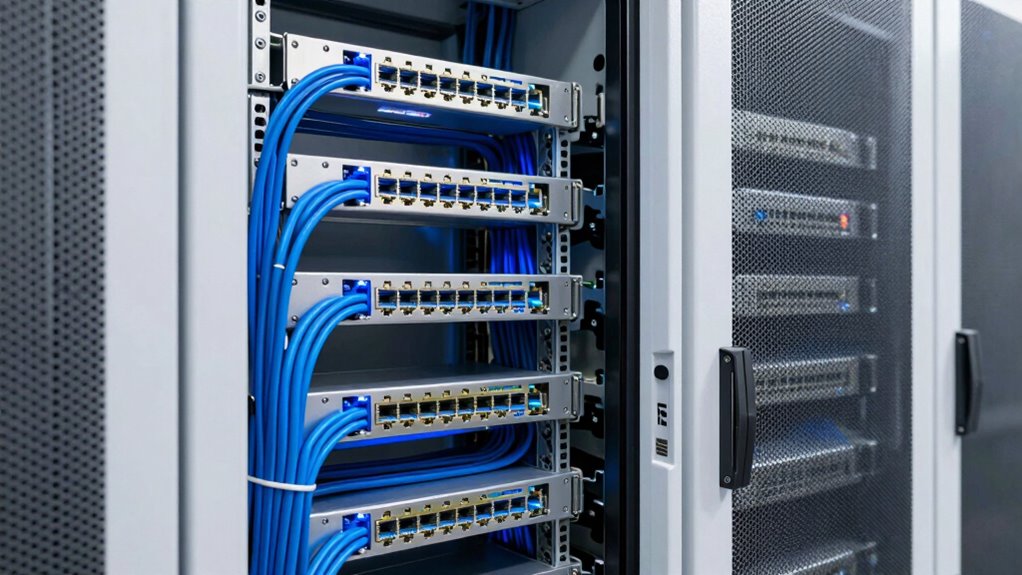

MFA still breaks in five key areas: user devices infected with malware or hardware flaws, where attackers intercept authentication signals; through sophisticated phishing tactics that trick you into revealing codes; reliance on SMS and email, which can be easily intercepted or manipulated; vulnerabilities in cloud or remote access, especially with outdated methods or insider threats; and gaps in multi-layered security, like weak or inconsistent controls. To protect yourself, it’s essential to understand these vulnerabilities and how to patch them effectively—continue to uncover how you can strengthen your defenses.
Key Takeaways
- Hardware vulnerabilities can bypass MFA; patch by deploying hardware security modules and firmware updates.
- Phishing attacks exploit user trust; mitigate with user training and multi-layered, behavior-based detection.
- SMS and email MFA are vulnerable; replace with hardware tokens or biometric verification for stronger security.
- Cloud and remote MFA face gaps from device compromise; implement adaptive, device recognition, and continuous monitoring.
- MFA often overlooks insider threats; use risk-based authentication, regular audits, and layered security measures.
Engineering Secure Systems with Hardware Security Modules: Definitive Reference for Developers and Engineers
As an affiliate, we earn on qualifying purchases.
As an affiliate, we earn on qualifying purchases.
Where Are MFA Vulnerabilities Most Common in User Devices?
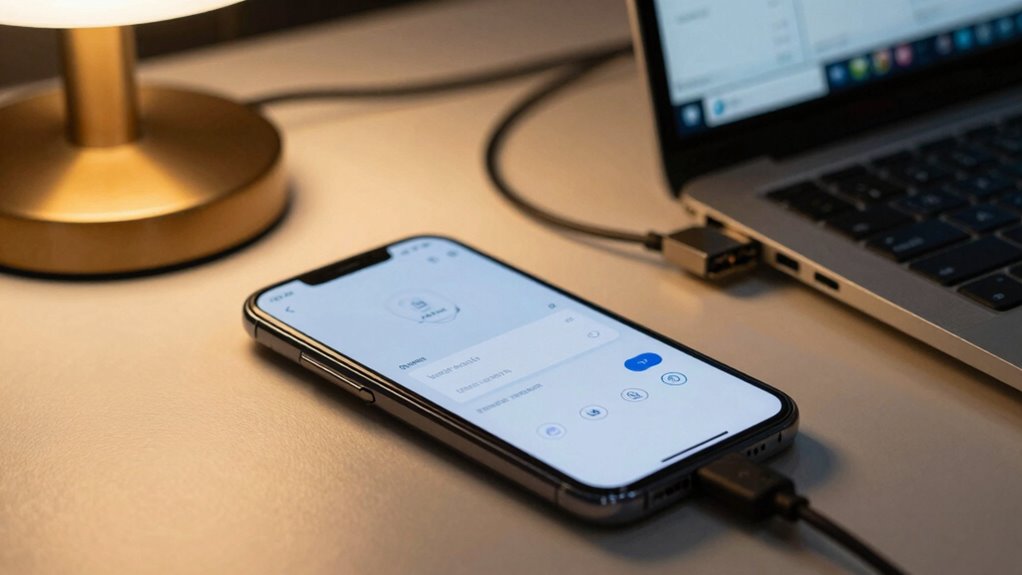
Many user devices are vulnerable to MFA bypasses because attackers focus on the weakest links in the authentication process. Hardware vulnerabilities can be exploited through device malware that targets firmware or insecure components, allowing bypass of MFA protections. Malware can intercept or manipulate authentication signals directly from the device, rendering MFA ineffective. Additionally, compromised hardware may store or transmit sensitive authentication data insecurely, exposing it to cybercriminals. These vulnerabilities often go unnoticed because they stem from hardware flaws or malicious software that users may not detect. As a result, attackers gain access without triggering typical MFA alerts. Securing devices against malware and addressing hardware flaws are essential steps to strengthen MFA defenses and prevent unauthorized access. Understanding hardware flaws helps in recognizing the importance of comprehensive device security measures. Moreover, implementing secure hardware design can significantly reduce the risk of such vulnerabilities. Incorporating hardware security features into the device manufacturing process adds an extra layer of protection against potential exploitation. Recognizing the role of firmware security is crucial for maintaining the integrity of authentication processes. Additionally, ongoing hardware vulnerability assessments are vital to identify and mitigate emerging threats effectively.

Mantra MFS 110 L1 Biometric Single Fingerprint Scanner | Aadhaar Authentication Device | Latest Updated RD Service | High Securety and Fast scanning | Reliable and Durable
MFS110 L1 USB Fingerprint Scanner
As an affiliate, we earn on qualifying purchases.
As an affiliate, we earn on qualifying purchases.
How Do Cybercriminals Use Phishing to Bypass MFA?
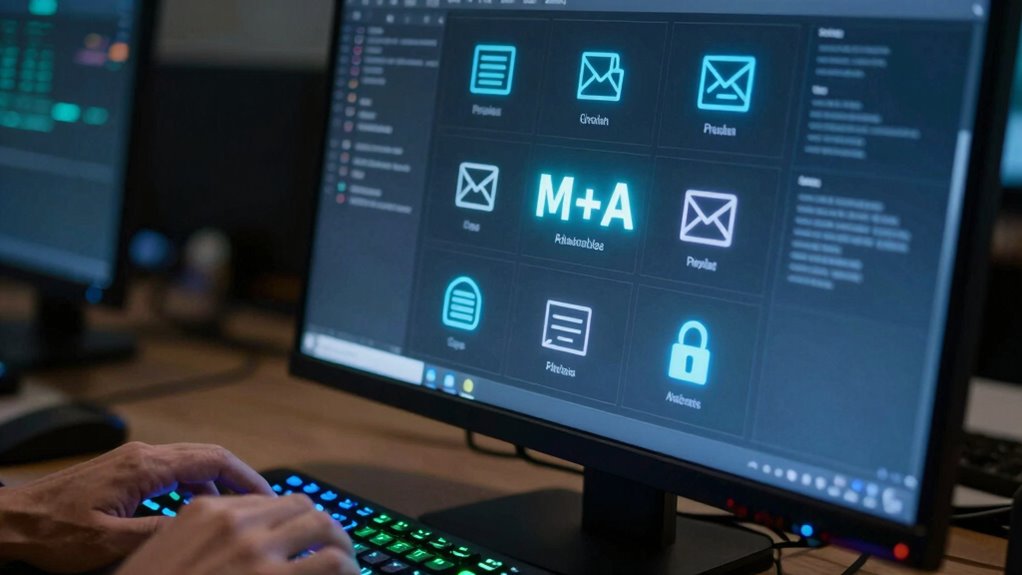
Cybercriminals exploit phishing to bypass MFA by tricking users into revealing their authentication credentials or one-time codes. They leverage social engineering tactics to create convincing fake login pages or messages that lure you into surrendering sensitive info. Once they obtain your credentials, they can perform credential stuffing attacks, automating login attempts across multiple sites until successful. This method often catches users off guard because MFA is assumed to be enough protection.
Be alert to these common tactics:
- Fake login prompts that look legitimate
- Urgent messages pressuring you to act fast
- Malicious links in emails or texts
- Calls from impersonators pretending to be support
- Reuse of passwords across platforms, aiding credential stuffing
Understanding these tricks helps you recognize threats before it’s too late.
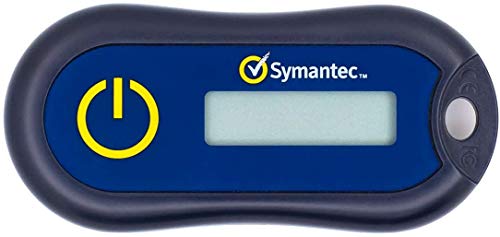
Symantec VIP Hardware Authenticator – OTP One Time Password Display Token – Two Factor Authentication – Time Based TOTP – Key Chain Size
Standard OATH compliant TOTP token (time based)
As an affiliate, we earn on qualifying purchases.
As an affiliate, we earn on qualifying purchases.
Why Are SMS and Email MFA Methods Less Secure?

SMS and email MFA methods are less secure because both rely on channels that are easily intercepted or manipulated. Cybercriminals can intercept text messages or emails, gaining access to one-time codes needed for user authentication. This vulnerability makes these methods susceptible to man-in-the-middle attacks and social engineering. Additionally, biometric challenges—such as fingerprint or facial recognition—are often bypassed or spoofed, further weakening security. Because SMS and email don’t verify the user directly, attackers can exploit weak phone security or email account compromises to impersonate you. Relying solely on these channels leaves gaps in protection, especially when more secure authentication methods aren’t in place. It’s essential to explore stronger, more resilient options for user authentication, such as multi-factor authentication that leverage hardware tokens or biometric verification.

Risk 2210 A.D.
For 2-5 players
As an affiliate, we earn on qualifying purchases.
As an affiliate, we earn on qualifying purchases.
What Security Gaps Exist in MFA for Cloud and Remote Access?
Secure cloud and remote access often face gaps in MFA that attackers can exploit, especially when organizations rely on outdated or weak authentication methods. These vulnerabilities stem from device weaknesses, insider threats, and insufficient safeguards. You might unknowingly trust compromised devices or overlook the risk of malicious insiders bypassing MFA controls. Incorporating reliable security measures can help mitigate these issues and strengthen defenses. Additionally, credential theft remains a significant threat when MFA does not account for device integrity or user behavior. Recognizing that device vulnerabilities allow attackers to manipulate or bypass MFA altogether is crucial for developing a comprehensive security approach. – insider threats can exploit trusted status or access credentials. – Shared devices increase exposure to credential theft. – Outdated MFA methods are easier to compromise. – Lack of contextual security makes it harder to detect suspicious activity. Implementing adaptive authentication and continuous monitoring can help identify unusual access patterns and reduce risk. Furthermore, security protocols should evolve to address emerging threats and ensure robust protection against sophisticated attacks.
How Can You Strengthen MFA to Close These Gaps?

To effectively close the gaps in MFA, you need to adopt stronger, more adaptive security measures that go beyond basic authentication. Implement multi factor authentication that combines multiple verification methods, such as biometrics, hardware tokens, or app-based authenticators, to make unauthorized access harder. Security enhancements like behavioral analytics and device recognition can detect anomalies and flag suspicious activity. Enforce strict policies for credential management, including regular updates and account lockouts after failed attempts. Consider integrating risk-based authentication that adjusts security requirements based on user behavior or location. Additionally, leveraging modern kitchen technology such as smart appliances with integrated security features can provide an extra layer of protection. These measures strengthen your MFA system, making it more resilient against attacks and reducing the likelihood of breaches. Employing AI-driven security solutions can further enhance detection and response capabilities, adding an intelligent layer to your defenses. Staying informed about emerging cybersecurity threats and continuously updating your defenses is crucial to maintaining a strong security posture. Incorporating user training and awareness programs ensures that individuals are better prepared to recognize and respond to potential security issues. Furthermore, adopting a comprehensive security strategy that includes regular audits and vulnerability assessments can identify and mitigate potential weaknesses proactively. Ultimately, layered security built on robust multi factor authentication is essential for closing persistent gaps.
Frequently Asked Questions
What Are the Latest MFA Attack Techniques Emerging in 2024?
In 2024, you face emerging MFA attack techniques like sophisticated phishing exploits and social engineering tactics. Attackers now craft convincing fake login pages and use AI-driven voice calls to deceive you into revealing credentials. They also exploit less secure backup methods and target user awareness gaps. To defend, stay vigilant, verify links carefully, and implement multi-layered security measures to stay ahead of these evolving threats.
How Do Hardware Tokens Compare to Software MFA Methods in Security?
Hardware tokens generally offer stronger security than software MFA methods because they’re less vulnerable to phishing and malware. However, in a hardware comparison, they can be less convenient and harder to set up, impacting usability tradeoffs. You might find hardware tokens more secure, but they can also be more costly and less flexible. Ultimately, choosing depends on your security needs versus convenience, balancing protection with ease of use.
Can Biometric MFA Methods Be Spoofed or Bypassed?
Biometric MFA methods aren’t foolproof—around 20% of organizations worry about spoofing techniques. You should know biometric vulnerabilities exist; hackers can bypass fingerprint and facial recognition systems using high-quality images or 3D models. While advanced sensors improve security, no system is entirely immune. Be cautious, as skilled attackers can spoof biometric data, making it essential to combine biometrics with other authentication factors for better protection.
What Are the Best Practices for Implementing MFA in Small Businesses?
To implement MFA effectively in your small business, you should prioritize employee training to make certain everyone understands its importance and proper use. Enforce clear policies requiring multi-factor authentication for all critical systems and regularly update them. Use strong, diverse methods like authenticator apps or hardware tokens, and monitor access logs for suspicious activity. Consistent policy enforcement and ongoing education help minimize vulnerabilities and strengthen your security posture.
How Does MFA Integration Impact User Experience and Productivity?
Imagine MFA as a sturdy gate protecting your castle; it may slow your entry but keeps intruders out. This integration can moderately impact user experience by adding steps, yet it substantially boosts security. Productivity might dip initially as users adapt, but in the long run, it fosters confidence and reduces risks. Ultimately, MFA’s balance of security and usability enhances overall efficiency, safeguarding your assets without hampering daily operations.
Conclusion
To keep your digital fortress strong, you need to patch every crack in your MFA armor. Think of these vulnerabilities as hidden doors cybercriminals exploit—close them tight. By understanding where the gaps hide, you can turn your defenses into an impenetrable wall. Stay vigilant, update your security measures regularly, and don’t let cyber threats sneak through. With every step you take, you’re forging a shield that’s as unbreakable as steel, guarding your digital kingdom.