

To guarantee image credibility, always verify photos with reverse image searches using tools like Google Images or TinEye to find the original source. Write clear, accurate captions that focus on factual details, and always give proper credit to image creators. By questioning image authenticity and checking metadata or signs of edits, you’ll build trust and avoid spreading misinformation. Keep these best practices in mind—if you continue, you’ll discover even more ways to use images responsibly.

Get audio and creator gear delivered free with Prime
- Fast, free delivery on millions of items
- Prime Video, Amazon Music and more included
- Member-only deals all year
Key Takeaways
- Use reverse image search tools like Google Images or TinEye to verify an image’s origin and detect possible manipulations.
- Check captions and accompanying text for consistency and accuracy with the image’s content and source.
- Ensure proper attribution by confirming the creator’s rights and providing credits to promote ethical sharing.
- Look for visual cues and metadata to identify signs of editing, manipulation, or fake images.
- Develop critical viewing skills to assess image context, credibility, and authenticity before sharing or trusting.
As an affiliate, we earn on qualifying purchases.
Why Image Credibility Matters in the Digital Age
Have you ever wondered why image credibility is so essential today? In our digital world, visual literacy skills are more important than ever. You need to be able to evaluate images critically, understanding their context and origin. With digital skepticism on the rise, not everything you see online is trustworthy. Fake images, edited photos, and manipulated visuals can easily spread misinformation. Recognizing credible images helps you make informed decisions and avoid falling for false narratives. When you develop your visual literacy, you become more adept at questioning what you view, ensuring that your perception aligns with reality. Additionally, understanding image credibility is crucial in identifying the authenticity of visual content online. In this era of information overload, understanding why image credibility matters protects you from manipulation and keeps you better informed. Developing skills in visual analysis can further enhance your ability to distinguish genuine images from fabricated ones, safeguarding your trust in online content. For example, knowing how to identify photo editing techniques can help you spot signs of manipulation and verify the source of an image. Recognizing source credibility can also guide you toward trustworthy information and prevent the spread of misinformation. Being aware of digital manipulation tools can empower you to better assess the authenticity of images before accepting them as facts.
How Fake and Manipulated Images Can Mislead News and Trust

Fake and manipulated images pose a significant threat to news credibility because they can easily distort facts and mislead viewers. Deepfake implications are especially concerning, as they can convincingly imitate real people and situations, making it harder to distinguish truth from fabrication. These images fuel misinformation challenges, spreading false narratives quickly and widely. You must recognize that such images can:
- Erode public trust in media sources
- Influence public opinion with deceptive visuals
- Undermine the integrity of authentic journalism
- Complicate efforts to verify factual information
Additionally, understanding the importance of color accuracy in authentic visual content can help identify inconsistencies and spot manipulated images more effectively.
Key Factors in Verifying Image Authenticity
To effectively verify an image’s authenticity, you need to examine several key factors that can reveal whether it’s genuine or manipulated. First, assess the visual context—look for inconsistencies in lighting, shadows, or background details that might suggest editing. Next, pay attention to image symbolism; symbols or elements that seem out of place or overly staged can indicate manipulation or a misleading message. Authentic images usually align with the context they’re presented in, so consider whether the scene makes sense for the situation. Additionally, check for signs of digital alteration, such as blurring or mismatched pixels. By scrutinizing visual context and understanding image symbolism, you can better determine if an image is credible or has been tampered with. Incorporating photo verification techniques can further enhance your assessment process.
How to Recognize Signs of Fake or Edited Images
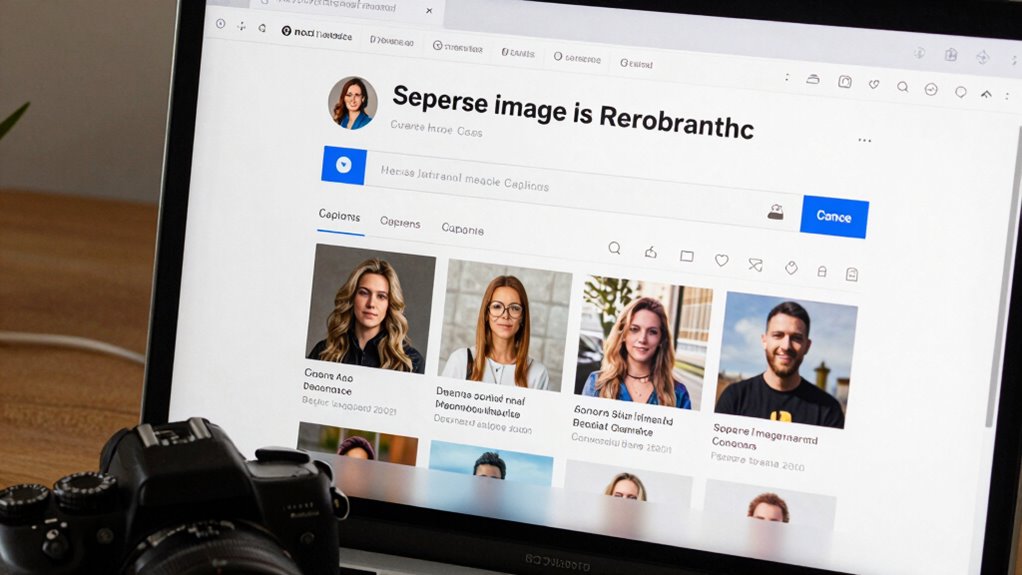
When examining an image, look for inconsistent shadows that don’t match the light source, as they often hint at editing. Also, watch for unnatural details like blurry edges or mismatched textures that seem out of place. Recognizing these signs helps you spot images that might be fake or altered. Additionally, pay attention to the context of the image, as conversion kits or modifications may sometimes be subtly edited into photos, making verification even more important. Being familiar with common photo editing techniques can further aid in identifying manipulated images. Familiarity with visual cues enhances your ability to detect subtle signs of image tampering, especially when considering the seasonal variations that can influence lighting and shadows in outdoor photos.
Detect Inconsistent Shadows
Inconsistent shadows can be a telltale sign that an image has been altered or manipulated. Look closely for shadow inconsistencies that don’t align with the light source, indicating possible edits. Lighting mismatches between different parts of the image may reveal fake or manipulated content. Shadows should fall naturally, with consistent direction, length, and softness. If shadows appear out of place or inconsistent with other elements, it’s a red flag. To spot these signs:
- Examine the direction and length of shadows relative to light sources.
- Check for unnatural shadow sharpness or softness.
- Compare shadows on different objects for consistency.
- Look for mismatched lighting between foreground and background.
- Be aware that lighting conditions can change with weather or time of day, which should be reflected accurately in the shadows. Additionally, understanding piercing jewelry materials and how they reflect light can help you recognize unnatural highlights or shadows caused by editing. Recognizing lighting inconsistencies is essential for accurately assessing image credibility, as subtle discrepancies often go unnoticed. Being familiar with common photo editing techniques can further help you identify signs of manipulation. For example, paying attention to shadow integration can reveal whether shadows have been artificially added or altered. These clues help you identify fake images by revealing subtle shadow inconsistencies and lighting mismatches.
Spot Unnatural Details
Unnatural details often reveal that an image has been tampered with or edited. To Spot discrepancies, look closely at the image’s finer points—edges, textures, and lighting. Unnatural details may include inconsistent shadows, mismatched colors, or blurry areas that don’t align with the rest of the scene. Pay attention to odd artifacts or duplicated elements, which can indicate manipulation. Sometimes, background objects appear distorted or out of place, signaling edits. You might also notice strange proportions or unnatural facial features. Your goal is to detect subtle clues that don’t fit the overall context. By scrutinizing these details carefully, you can better assess whether an image is authentic or has been manipulated. Additionally, examining halal certification labels can help verify the credibility of food-related content. Recognizing common digital artifacts can further aid in identifying manipulated images. Understanding photo editing techniques and how they can be detected is essential, especially as advanced editing tools become more accessible. Furthermore, being aware of digital forensic methods can enhance your ability to authenticate complex visual content. Spotting discrepancies is key to verifying the credibility of visual content, especially by understanding photo editing techniques and how they can be detected.
Using Reverse Image Search to Verify Photos

Using reverse image search is a powerful way to verify the authenticity of a photo. It helps you find the original source, assess credibility, and spot altered images. By analyzing search results, you can validate the image’s source and identify any authenticity markers indicating manipulation or misrepresentation. This technique guarantees your information is accurate and prevents the spread of misinformation. Additionally, understanding dog breeds overview can assist in recognizing breed-specific features and verifying images related to different breeds. Recognizing visual cues of authenticity can further enhance your ability to distinguish genuine images from manipulated ones. Paying attention to image context can also provide clues about whether the photo aligns with its claimed origin or story. Discover where the image first appeared for source validation. Detect duplicate or manipulated images through comparison. Confirm if the photo matches the context it’s shared in. Uncover related images that reveal the story behind the photo. Developing skills in visual verification techniques can help you better differentiate between real and fake images. Practicing these verification methods regularly will improve your confidence in assessing image credibility. Mastering reverse image search equips you with a quick, reliable method to verify photos, ensuring you share trustworthy content.
The Best Tools for Reverse Image Searching

You are trained on data up to October 2023. To verify photo authenticity and guarantee accurate image validation, you need reliable reverse image search tools. Google Images is a popular choice; simply upload or paste an image URL to find similar photos and sources. TinEye specializes in reverse image searches, offering fast and precise results that help confirm whether an image is original or altered. Bing Visual Search is another effective tool, providing detailed image context and matches. Yandex images excel at locating sources, especially for images from Russian and Eastern European sites. These tools help you quickly assess whether a photo is credible, aiding in the fight against misinformation. Using them ensures you verify images effectively, strengthening your overall media literacy. Additionally, understanding the art of image verification can significantly improve your ability to identify doctored or misleading visuals.
How to Conduct a Reverse Image Search Step-by-Step

Conducting a reverse image search is a straightforward process that can quickly verify an image’s authenticity. To start, upload or paste the image URL into a reverse search tool. Pay attention to the visual context by examining where else the image appears online. Check the image resolution—higher resolution images tend to provide clearer results, making it easier to identify sources. When reviewing results, look for consistent details that support the image’s credibility. Remember, sometimes similar images can appear in different contexts, so interpret the findings carefully. Here’s a quick overview:
- Make sure the image is high quality for better search accuracy
- Observe visual context to understand its origin
- Use multiple reverse search tools for thorough results
- Cross-reference details to verify authenticity
- Be aware of passive voice that can weaken the clarity of your writing
Additionally, understanding the scientific context behind an image can help you better assess its credibility and relevance. Recognizing image metadata, such as timestamps or geolocation, can also provide valuable clues about an image’s authenticity. Incorporating image analysis techniques can further enhance your ability to evaluate sources accurately.
Interpreting Search Results to Confirm Image Authenticity

When evaluating search results, you should cross-check different sources to see if the image appears consistently across reputable sites. Look for discrepancies or unusual patterns that might suggest manipulation or falsehoods. Additionally, investigating the image’s metadata can provide clues about its origin and authenticity.
Cross-Check Image Sources
How can searching for the same image across multiple sources help verify its authenticity? By comparing search results, you can identify consistent details and spot discrepancies, aiding in source validation. When multiple reputable sites show the same image with similar context, it strengthens its credibility and confirms proper image attribution. Conversely, conflicting information may signal manipulation or misrepresentation. To deepen your understanding:
- Recognize reputable sources that consistently display the image
- Spot altered or outdated versions that may indicate tampering
- Trace the origin to ensure proper attribution and avoid copyright issues
- Use reverse search data to confirm the image’s original context and authenticity
This process helps you assess whether an image is genuine or manipulated, ensuring your information remains accurate and trustworthy.
Analyze Search Result Consistency
Analyzing search result consistency is vital for verifying an image’s authenticity, as it involves carefully examining the details across multiple sources. When performing a reverse image search, compare the results to see if the same image appears consistently across reputable sites. Look for matching details such as backgrounds, people, or objects to confirm the image’s authenticity. Inconsistent search results—such as different images or altered versions—raise red flags about potential manipulation or misrepresentation. Search consistency helps you identify whether an image is genuinely circulating in credible contexts or if it’s been altered or taken out of context. This step is essential for effective image validation, ensuring you rely on accurate visual information rather than misleading visuals.
Investigate Image Metadata
Examining the metadata embedded within an image can reveal valuable clues about its origin and authenticity. Metadata analysis uncovers details like the date, device used, and editing history, helping you assess if the image is genuine. To verify authenticity, employ reverse search techniques alongside metadata checks to find its original source or similar images. Look for inconsistencies or missing data that might suggest tampering. Keep in mind that metadata can be altered, so don’t rely solely on it. Combining metadata analysis with other verification methods strengthens your confidence in an image’s credibility. Use these insights to detect fake or manipulated images, ensuring you share and trust content backed by thorough investigation.
- Metadata reveals origin details and editing history
- Reverse search helps locate original sources
- Inconsistencies may indicate manipulation
- Metadata can be altered; verify with multiple methods
Cross-Checking Image Details for Greater Confidence
To guarantee an image’s credibility, you should actively cross-check its details across multiple sources. Start by examining the image context—does it match the accompanying story or caption? Look for visual consistency by comparing the image with similar visuals from reputable sources. If an image claims to show a recent event, verify whether other trustworthy outlets present similar visuals and details. Check if the lighting, background, and subject matter align with what is known about the situation. Inconsistencies or discrepancies may indicate manipulation or misinformation. Cross-referencing helps you build confidence in an image’s authenticity and prevents you from spreading false information. Always corroborate details across different platforms to ensure you’re sharing accurate, credible visual content.
The Role of Metadata and EXIF Data in Verifying Images
Metadata and EXIF data can reveal vital details about an image’s origin and authenticity. By analyzing these data points, you can identify inconsistencies or signs of editing. Using specialized EXIF tools makes verifying this information quick and straightforward.
Analyzing Metadata Details
When you analyze an image’s metadata, you’re looking at the hidden information embedded within the file that can reveal essential details about its origin and authenticity. Metadata analysis helps you uncover clues like when and where the photo was taken, the device used, and potential edits. This is a vital step in image forensics, allowing you to verify whether an image is genuine or manipulated. Key details can include timestamps, camera settings, and GPS coordinates, which help establish context and credibility. However, be aware that metadata can be altered or stripped, so use it alongside other verification methods. Conducting thorough metadata analysis enhances your ability to assess image credibility accurately and enables you to detect signs of tampering early.
- Reveals device and location details
- Identifies timestamps and editing history
- Highlights inconsistencies or alterations
- Supports extensive image forensics
Using EXIF Data Tools
Using EXIF data tools allows you to efficiently examine the embedded information within an image file to verify its authenticity. Through EXIF analysis, you can access details like camera make, model, date, time, and location, which help determine if an image is genuine or manipulated. Metadata extraction tools enable you to uncover hidden data that might not be visible in the image itself but can provide vital context. By analyzing this metadata, you can spot inconsistencies, such as mismatched timestamps or suspicious location tags. These insights help verify whether the image was captured at the claimed time and place, or if it’s been altered. Using EXIF data tools is an essential step in your digital verification process, empowering you to make more informed judgments about image credibility.
Ethical Use and Proper Attribution of Online Images
Ever wondered why giving proper credit for online images matters? It’s key to maintaining ethical sourcing and respecting creators’ rights. Proper attribution not only honors original artists but also fosters trust and transparency in your visual storytelling. When you use images ethically, you avoid legal issues and support a culture of respect online. Remember, each image has a story, and crediting it shows appreciation for the creator’s effort. By giving proper attribution, you demonstrate integrity and contribute to a more honest digital environment.
- Recognize the effort behind each image
- Support creators’ rights and fair compensation
- Promote transparency in your content
- Uphold the integrity of your visual storytelling
Writing Clear and Accurate Image Captions
Writing clear and accurate image captions is essential because they guide viewers in understanding the context and significance of your visuals. Good captions enhance your visual storytelling by providing essential details without overwhelming the viewer. To guarantee caption accuracy, focus on describing what’s truly depicted, avoiding assumptions or embellishments. Use straightforward language, and include relevant information like names, dates, or locations when applicable. Keep your captions concise but informative, highlighting the key message or purpose of the image. Clear captions prevent misinterpretation and help build trust with your audience. Remember, the goal is to complement your visuals with precise information that clarifies and enriches the viewer’s experience. Accurate captions are a crucial element of credible, effective storytelling.
How Responsible Sharing Builds Your Reputation
When you practice consistent citation and attribute sources accurately, you show your commitment to honesty and credibility. Sharing content ethically builds trust with your audience and strengthens your reputation. By being responsible in your sharing, you demonstrate integrity that others will respect and follow.
Consistent Citation Practices
Have you ever considered how consistent citation practices can enhance your credibility online? When you regularly follow proper image source documentation, you demonstrate professionalism and respect for creators. This consistency helps build trust with your audience and shows you’re committed to responsible sharing. By maintaining uniformity in citing sources, you avoid confusion and uphold transparency. Remember, credible sharing isn’t just about the image itself but also about giving proper credit.
- Reinforces your reputation as a responsible content sharer
- Ensures clarity for your audience
- Protects you from potential copyright issues
- Establishes a culture of honesty and integrity
Adopting consistent citation practices elevates your online presence and cultivates a reputation rooted in trustworthiness.
Accurate Source Attribution
Accurate source attribution is essential because it demonstrates your commitment to responsible sharing and helps build your reputation. When you provide clear source attribution, you show respect for original creators and guarantee your content remains trustworthy. Focus on citation accuracy by double-checking details like author names, publication dates, and links to prevent misinformation. Proper source attribution isn’t just about giving credit; it reinforces your credibility and encourages others to trust your shared content. To maintain citation accuracy, stay diligent in verifying sources before posting. By consistently attributing sources correctly, you foster transparency and integrity in your digital sharing habits. Ultimately, responsible source attribution not only protects you from potential legal issues but also enhances your reputation as a reliable and ethical sharer.
Ethical Content Sharing
Responsible sharing is the foundation of building a strong online reputation. When you prioritize ethical content sharing, you demonstrate respect for image ethics and enhance your digital literacy. This means verifying sources before posting, giving proper credit, and avoiding sensationalism. By doing so, you foster trust and credibility with your audience.
Remember, responsible sharing isn’t just about legality—it’s about integrity. Your actions influence how others perceive you and your brand.
- Understand the origins of images before sharing
- Respect copyright and licensing agreements
- Consider the context and potential impact
- Promote transparency and honesty in your content
Practicing these principles helps you build a positive reputation and encourages responsible digital communities.
Common Mistakes to Avoid When Fact-Checking Images
One common mistake when fact-checking images is relying solely on a quick visual scan without verifying the source or context. This approach can lead you to accept manipulated photos as genuine, especially if they look convincing at first glance. Remember, photo manipulation can easily deceive the eye, so don’t trust images based solely on appearance. Instead, use image forensics tools to detect signs of editing or alterations. These tools analyze metadata, pixel inconsistencies, and other clues that reveal whether an image has been tampered with. Relying only on visual cues can cause misinformation to spread, so always verify the origin and employ image forensics to ensure the image’s authenticity before sharing or citing it.
Educating Your Audience About Image Verification

After learning about common pitfalls in fact-checking images, it’s important to empower your audience with the skills to verify visuals themselves. Building their visual literacy helps them spot fake or manipulated images, fostering digital skepticism. Educate them to question sources, check for inconsistencies, and verify details before accepting an image as true. This way, they become active participants in maintaining online integrity.
- Recognize signs of manipulation or editing
- Cross-reference images with reputable sources
- Understand context and background information
- Develop critical thinking about visual content
Essential Resources for Learning About Image Authenticity

To effectively verify image authenticity, it’s essential to explore reliable resources that teach you how to spot fake or manipulated visuals. Building your visual literacy is key; seek out courses, articles, and tutorials from reputable organizations focused on digital media analysis. These resources help you understand common signs of image manipulation and enhance your ability to assess credibility quickly. Additionally, studying image ethics guides you in recognizing the moral responsibilities involved in sharing visuals responsibly. Websites like the Poynter Institute’s MediaWise, First Draft, and the Digital Media Literacy Toolkit offer valuable insights and tools. By investing in these resources, you strengthen your skills to distinguish genuine images from altered ones, ensuring you uphold integrity and trustworthiness in your visual communications.
Case Studies: When Image Credibility Made or Broke a Story
Have you ever wondered how a single image can sway public opinion or determine the outcome of a story? Sometimes, a well-verified image can build trust, while a false one can cause chaos. For example, image forensics tools reveal whether a photo was manipulated, influencing the story’s credibility. When visual literacy is lacking, people may accept misleading images without question.
Consider these lessons:
- Fake images can ignite protests or misinformation campaigns.
- Quick verification can prevent the spread of false narratives.
- Recognizing signs of editing saves you from falling for deception.
- Credible sources and proper attribution bolster the story’s integrity.
These cases highlight how image credibility can make or break journalism, emphasizing the importance of critical analysis and proper verification.
Future Trends in Deepfake Detection and Image Verification
Future trends in deepfake detection and image verification will rely on AI-powered tools, which can identify manipulated images faster and more accurately. You’ll also see blockchain verification methods becoming more prevalent, providing a secure way to confirm authenticity. Public awareness campaigns will play a crucial role in helping you recognize credible images and stay informed about emerging threats.
AI-Powered Detection Tools
As artificial intelligence continues to evolve, it is transforming the way we detect and verify images. AI detection tools now play a pivotal role in identifying deepfakes and authentic photos swiftly. These tools analyze subtle inconsistencies, such as pixel anomalies or unnatural facial movements, to flag manipulated images. With advancements in deepfake identification, you can stay ahead of misinformation and suspicious content. Key developments include real-time analysis, improved accuracy, and automated alerts. To deepen your understanding, consider these points:
- AI detection reduces manual verification time
- Deepfake identification relies on complex algorithms
- Continuous learning improves detection over time
- Combining AI with other methods enhances reliability
These innovations empower you to verify images confidently in an increasingly digital landscape.
Blockchain Verification Methods
Blockchain verification methods are emerging as a promising solution to enhance the authenticity of digital images, especially in the fight against deepfakes. By utilizing blockchain verification, you can securely record and verify the origin of an image through decentralized ledgers. Digital signatures play a vital role here, ensuring that each image’s metadata is tamper-proof and verifiable. When an image is uploaded, a unique cryptographic signature is generated and stored on the blockchain, allowing you to confirm its authenticity later. This method helps prevent unauthorized alterations and provides a transparent trail of the image’s origin. As blockchain verification becomes more widespread, it offers a reliable way to combat misinformation and strengthen the integrity of visual content online.
Public Awareness Campaigns
How can public awareness campaigns shape the future of deepfake detection and image verification? They play a essential role in promoting image ethics and enhancing visual storytelling’s integrity. By educating the public, campaigns empower individuals to recognize manipulated images and question sources. This collective vigilance discourages malicious use of deepfakes and fosters a culture of authenticity. Effective campaigns can also influence policy changes and support technological innovations. When you understand the significance of verifying images, you’re less likely to spread misinformation. These initiatives create a more informed society, where visual content is scrutinized critically. Ultimately, public awareness campaigns build trust in digital media and help shape a future where authentic images are valued and deepfake threats are minimized.
- Raising media literacy and critical thinking skills
- Promoting transparency in visual storytelling
- Encouraging responsible sharing and crediting
- Supporting technological advancements in verification
Quick Tips for Verifying Images Every Day

Ever wonder if the images you see online are genuine? To verify quickly, start by checking the image’s source—trustworthy sites or official accounts are usually more reliable. Use reverse image search tools like Google Images or TinEye to see where else the photo appears and detect possible photo manipulation. Pay attention to details: inconsistencies in shadows, reflections, or edges can reveal edits that undermine the image’s credibility. Remember, visual storytelling often relies on compelling images, but not all are authentic. Keep a skeptical eye and cross-check information before sharing. By developing these habits, you can spot fake or manipulated images faster, helping you stay informed and responsible in your daily online interactions.
Final Thoughts: Building Trust Through Responsible Image Use

Building trust in the digital age requires you to use images responsibly and ethically. When you prioritize ethical practices, you demonstrate integrity and foster credibility with your audience. Trust building isn’t just about sharing appealing visuals; it’s about respecting intellectual property, verifying sources, and providing proper credits. By doing so, you show your commitment to honesty and transparency, which strengthens your reputation. Remember, consistent responsible image use encourages others to follow suit, creating a culture of authenticity.
Building trust online relies on ethical image use, honesty, and respecting intellectual property.
- Always verify before sharing images
- Attribute sources properly
- Avoid manipulating images deceptively
- Educate others on ethical image practices
Frequently Asked Questions
How Can I Verify the Source of an Image Quickly?
You can verify the source of an image quickly by conducting a reverse image search using tools like Google Images or TinEye. Check the image’s metadata for details on image licensing and origin. Be aware that metadata can be edited, so cross-reference findings with credible sources. Combining reverse search with metadata analysis helps you confirm the image’s authenticity and proper licensing, ensuring you use it responsibly.
What Are Common Signs That an Image Has Been Manipulated?
If you suspect an image’s fake, watch for glaring visual inconsistencies—like unnatural shadows, mismatched perspectives, or pixelated areas. These are signs of manipulation that can be uncovered with photo forensics tools. Sometimes, even a keen eye spots distortions or weird blurring. Trust your instincts, but verify with software. Manipulated images often hide their tricks through subtle edits, so stay alert to these telltale signs to avoid being duped.
How Reliable Are Reverse Image Searches for Verifying Authenticity?
Reverse image searches are quite reliable for verifying authenticity, but they aren’t foolproof. They help you find the original source and spot potential image manipulation by comparing similar images. However, some manipulated images may still appear authentic if the source isn’t indexed or has been altered cleverly. Always use reverse search as a tool for source verification, but combine it with critical thinking to assess the image’s credibility thoroughly.
Can Metadata Be Easily Altered or Faked?
Metadata can definitely be altered or faked, so you shouldn’t rely solely on it for authenticity. Metadata manipulation is quite common, allowing someone to insert fake image tags or change details like dates and locations. This makes it easier for bad actors to deceive you or spread misinformation. Always verify images through multiple methods, like reverse searches or context, rather than trusting metadata alone.
What Are the Ethical Considerations When Using or Sharing Images Online?
Imagine scrolling through your feed, thinking about the images you share—it’s essential to respect image ownership and privacy concerns. When you use or share images online, make certain you have permission and give proper credit. Avoid infringing on someone’s rights or exposing sensitive details. Ethical sharing means being mindful of the impact on others, protecting their privacy, and acknowledging their ownership, fostering trust and integrity in digital spaces.
Conclusion
Just like a detective trusts their intuition but checks the evidence twice, you can’t rely on images alone. Remember the story of a viral photo that turned out to be fake, causing real confusion. By applying these quick verification tips—like reverse searches and scrutinizing captions—you become the guardian of truth. In a world flooded with images, your vigilance keeps trust alive, ensuring you see the story behind every picture.
Fall Picks
fall essentials
As an affiliate, we earn on qualifying purchases.